mirror of
https://github.com/storytold/lightcraft.git
synced 2026-10-22 15:14:24 -04:00
Compare commits
1
Commits
| Author | SHA1 | Date | |
|---|---|---|---|
 Brandon ThomasandClaude Opus 5.5 |
4d5b1c2da4 |
No files matched your search
@@ -1,6 +0,0 @@
|
||||
# yaml-language-server: $schema=https://coderabbit.ai/integrations/schema.v2.json
|
||||
reviews:
|
||||
auto_review:
|
||||
# Dependabot bumps are checked by CI; skip CodeRabbit reviews on them.
|
||||
ignore_usernames:
|
||||
- "dependabot[bot]"
|
||||
@@ -1,30 +0,0 @@
|
||||
version: 2
|
||||
updates:
|
||||
# Maintain Rust / Cargo dependencies
|
||||
- package-ecosystem: "cargo"
|
||||
directory: "/"
|
||||
schedule:
|
||||
interval: "daily"
|
||||
time: "06:00"
|
||||
timezone: "America/New_York"
|
||||
# Consolidate updates into a single PR rather than one PR per crate
|
||||
groups:
|
||||
cargo-dependencies:
|
||||
patterns:
|
||||
- "*"
|
||||
commit-message:
|
||||
prefix: "chore(deps)"
|
||||
|
||||
# Maintain GitHub Actions workflows
|
||||
- package-ecosystem: "github-actions"
|
||||
directory: "/"
|
||||
schedule:
|
||||
interval: "daily"
|
||||
time: "06:00"
|
||||
timezone: "America/New_York"
|
||||
groups:
|
||||
actions:
|
||||
patterns:
|
||||
- "*"
|
||||
commit-message:
|
||||
prefix: "ci(deps)"
|
||||
@@ -1,23 +1,16 @@
|
||||
# FreeBSD build and package check in a QEMU VM.
|
||||
# Builds and tests the workspace on FreeBSD, inside a FreeBSD VM on a Linux runner
|
||||
# (GitHub has no FreeBSD runners). GPU tests skip themselves when the VM has no adapter.
|
||||
name: FreeBSD
|
||||
|
||||
on:
|
||||
push:
|
||||
branches: [main]
|
||||
paths:
|
||||
- ".github/workflows/freebsd.yml"
|
||||
- "packaging/freebsd/**"
|
||||
- "Cargo.toml"
|
||||
- "Cargo.lock"
|
||||
- "crates/**"
|
||||
pull_request:
|
||||
branches: [main]
|
||||
paths:
|
||||
- ".github/workflows/freebsd.yml"
|
||||
- "packaging/freebsd/**"
|
||||
- "Cargo.toml"
|
||||
- "Cargo.lock"
|
||||
- "crates/**"
|
||||
- Cargo.toml
|
||||
- Cargo.lock
|
||||
- "**/Cargo.toml"
|
||||
- .github/workflows/freebsd.yml
|
||||
workflow_dispatch:
|
||||
|
||||
concurrency:
|
||||
@@ -29,8 +22,27 @@ permissions:
|
||||
|
||||
jobs:
|
||||
freebsd:
|
||||
# Intentionally tracked at @main (not SHA-pinned) so org-wide CI improvements, security fixes, and build optimizations propagate without PR churn across all craftapp repos.
|
||||
uses: storytold/craft-common-actions/.github/workflows/freebsd.yml@main
|
||||
with:
|
||||
require-craft-fonts: true
|
||||
craft-fonts-ref: a71c20e30af613287c504f7e685ca8fad77752bc
|
||||
name: FreeBSD 14 (build + test)
|
||||
runs-on: ubuntu-latest
|
||||
timeout-minutes: 300
|
||||
steps:
|
||||
- uses: actions/checkout@v4
|
||||
- name: Build and test in a FreeBSD VM
|
||||
uses: vmactions/freebsd-vm@c46abacb49f09938ca4e1702d15d836285d694cc # v1
|
||||
with:
|
||||
release: "14.3"
|
||||
usesh: true
|
||||
cpu: 4
|
||||
mem: 12288
|
||||
# Nothing to bring back; copying the target dir out of the VM fails on large builds.
|
||||
copyback: false
|
||||
prepare: |
|
||||
pkg install -y git curl pkgconf cmake python3 libxkbcommon wayland libX11 libXcursor libXrandr libXi libxcb mesa-libs vulkan-loader gtk3 fontconfig freetype2 alsa-lib
|
||||
curl -fsSL https://sh.rustup.rs | sh -s -- -y --profile minimal
|
||||
run: |
|
||||
. "$HOME/.cargo/env"
|
||||
# The checkout is synced in under another owner; let tests that call git read it.
|
||||
git config --global --add safe.directory "*"
|
||||
rustc --version
|
||||
CARGO_PROFILE_DEV_DEBUG=0 cargo build --workspace --all-targets --locked
|
||||
CARGO_PROFILE_DEV_DEBUG=0 cargo test --workspace --locked
|
||||
@@ -1,23 +0,0 @@
|
||||
# Evaluates the Nix flake (no build, about a minute): `nix build` / `nix develop` stop at evaluation
|
||||
# when Cargo.lock gains something nix/package.nix can't vendor, and nothing else would notice.
|
||||
name: Nix
|
||||
|
||||
on:
|
||||
push:
|
||||
branches: [main]
|
||||
paths: ["flake.nix", "flake.lock", "nix/**", "Cargo.lock", ".github/workflows/nix.yml"]
|
||||
pull_request:
|
||||
paths: ["flake.nix", "flake.lock", "nix/**", "Cargo.lock", ".github/workflows/nix.yml"]
|
||||
workflow_dispatch:
|
||||
|
||||
permissions:
|
||||
contents: read
|
||||
|
||||
concurrency:
|
||||
group: nix-${{ github.ref }}
|
||||
cancel-in-progress: true
|
||||
|
||||
jobs:
|
||||
nix:
|
||||
# Intentionally tracked at @main (not SHA-pinned) so org-wide CI improvements, security fixes, and build optimizations propagate without PR churn across all craftapp repos.
|
||||
uses: storytold/craft-common-actions/.github/workflows/nix.yml@main
|
||||
@@ -19,21 +19,39 @@ concurrency:
|
||||
|
||||
jobs:
|
||||
lint:
|
||||
# Intentionally tracked at @main (not SHA-pinned) so org-wide CI improvements, security fixes, and build optimizations propagate without PR churn across all craftapp repos.
|
||||
uses: storytold/craft-common-actions/.github/workflows/packaging-lint.yml@main
|
||||
with:
|
||||
extra-checks-script: packaging/check-app-specific.sh
|
||||
|
||||
windows-install-folder:
|
||||
runs-on: windows-latest
|
||||
timeout-minutes: 10
|
||||
runs-on: ubuntu-latest
|
||||
env:
|
||||
ACTIONLINT_VERSION: 1.7.12
|
||||
steps:
|
||||
- uses: actions/checkout@3d3c42e5aac5ba805825da76410c181273ba90b1 # v7.0.1
|
||||
- name: Install WiX
|
||||
shell: pwsh
|
||||
run: dotnet tool install --global wix --version 5.0.2
|
||||
- name: Install-folder fallback and precedence (real MSI AppSearch)
|
||||
- uses: actions/checkout@v4
|
||||
- name: Install tools
|
||||
run: |
|
||||
sudo apt-get update
|
||||
sudo apt-get install -y --no-install-recommends shellcheck desktop-file-utils appstream libxml2-utils python3-yaml
|
||||
curl -fsSL "https://github.com/rhysd/actionlint/releases/download/v${ACTIONLINT_VERSION}/actionlint_${ACTIONLINT_VERSION}_linux_amd64.tar.gz" \
|
||||
| tar -xz -C "$RUNNER_TEMP" actionlint
|
||||
- name: actionlint
|
||||
run: |
|
||||
"$RUNNER_TEMP/actionlint" -color
|
||||
- name: shellcheck
|
||||
run: shellcheck packaging/*.sh packaging/*/*.sh
|
||||
- name: PowerShell
|
||||
shell: pwsh
|
||||
run: |
|
||||
./packaging/windows/test-install-folder.ps1 -Arch x64
|
||||
./packaging/windows/test-install-folder.ps1 -Arch x86
|
||||
foreach ($f in Get-ChildItem packaging/windows/*.ps1) {
|
||||
$errors = $null
|
||||
[System.Management.Automation.Language.Parser]::ParseFile($f.FullName, [ref]$null, [ref]$errors) | Out-Null
|
||||
if ($errors) { $errors | ForEach-Object { Write-Output "::error file=$($f.Name)::$_" }; exit 1 }
|
||||
Write-Output "ok $($f.Name)"
|
||||
}
|
||||
- name: XML, desktop entry, AppStream, Flatpak manifest
|
||||
run: |
|
||||
xmllint --noout packaging/windows/lightcraft.wxs packaging/macos/*.plist* packaging/linux/*.xml*
|
||||
# Windows Installer needs Icon ids ending in .ico or .exe, or shortcuts show a blank icon.
|
||||
if grep -oE '<Icon Id="[^"]*"' packaging/windows/lightcraft.wxs | grep -vE '\.(ico|exe)"$'; then
|
||||
echo "::error::Icon Id must end in .ico or .exe"; exit 1
|
||||
fi
|
||||
desktop-file-validate packaging/linux/ai.storyteller.lightcraft.desktop
|
||||
sed -e 's/@VERSION@/0.0.0/' -e 's/@DATE@/2026-01-01/' packaging/linux/ai.storyteller.lightcraft.metainfo.xml.in >"$RUNNER_TEMP/ai.storyteller.lightcraft.metainfo.xml"
|
||||
appstreamcli validate --no-net --explain "$RUNNER_TEMP/ai.storyteller.lightcraft.metainfo.xml"
|
||||
python3 -c "import yaml; m = yaml.safe_load(open('packaging/linux/flatpak/ai.storyteller.lightcraft.yml')); assert m['id'] == 'ai.storyteller.lightcraft' and m['command'] == 'lightcraft'"
|
||||
+268
-24
@@ -1,5 +1,9 @@
|
||||
# Release pipeline: every push to `release` builds signed installers for every platform and
|
||||
# creates or updates the draft GitHub Release "LightCraft v<version>". See docs/releasing.md.
|
||||
#
|
||||
# All jobs run in the `release` environment (restricted to the `release` branch), which holds
|
||||
# the signing secrets. Every secret is optional: missing ones produce unsigned artifacts and a
|
||||
# warning, never a failed build.
|
||||
name: Release
|
||||
|
||||
on:
|
||||
@@ -13,34 +17,274 @@ on:
|
||||
default: ""
|
||||
|
||||
permissions:
|
||||
contents: write
|
||||
contents: read
|
||||
|
||||
concurrency:
|
||||
group: release-${{ github.ref }}
|
||||
# Never cancel a run mid-notarization or mid-upload; a newer push waits its turn.
|
||||
cancel-in-progress: false
|
||||
|
||||
env:
|
||||
CARGO_TERM_COLOR: always
|
||||
CARGO_INCREMENTAL: 0
|
||||
RUST_BACKTRACE: 1
|
||||
LIGHTCRAFT_BUILD_SHA: ${{ github.sha }}
|
||||
INPUT_VERSION: ${{ inputs.version }}
|
||||
|
||||
jobs:
|
||||
version:
|
||||
name: version
|
||||
runs-on: ubuntu-latest
|
||||
environment: release
|
||||
outputs:
|
||||
version: ${{ steps.v.outputs.version }}
|
||||
date: ${{ steps.v.outputs.date }}
|
||||
prerelease: ${{ steps.v.outputs.prerelease }}
|
||||
steps:
|
||||
- uses: actions/checkout@v4
|
||||
- id: v
|
||||
name: Resolve version
|
||||
run: |
|
||||
. packaging/env.sh
|
||||
v="${INPUT_VERSION#v}"
|
||||
v="${v:-$VERSION}"
|
||||
if ! printf '%s' "$v" | grep -Eq '^(0|[1-9][0-9]*)\.(0|[1-9][0-9]*)\.(0|[1-9][0-9]*)(-[0-9A-Za-z-]+(\.[0-9A-Za-z-]+)*)?$'; then
|
||||
echo "::error::'$v' is not a version like 1.2.3 or 1.2.3-rc.1"
|
||||
exit 1
|
||||
fi
|
||||
case "$v" in *-*) pre=true ;; *) pre=false ;; esac
|
||||
{
|
||||
echo "version=$v"
|
||||
echo "date=$(date -u +%Y-%m-%d)"
|
||||
echo "prerelease=$pre"
|
||||
} >>"$GITHUB_OUTPUT"
|
||||
echo "### LightCraft v$v (\`${GITHUB_SHA::9}\`)" >>"$GITHUB_STEP_SUMMARY"
|
||||
|
||||
macos:
|
||||
name: macOS universal
|
||||
needs: version
|
||||
runs-on: macos-15
|
||||
environment: release
|
||||
env:
|
||||
LIGHTCRAFT_VERSION: ${{ needs.version.outputs.version }}
|
||||
LIGHTCRAFT_BUILD_DATE: ${{ needs.version.outputs.date }}
|
||||
steps:
|
||||
- uses: actions/checkout@v4
|
||||
- uses: dtolnay/rust-toolchain@stable
|
||||
with:
|
||||
targets: aarch64-apple-darwin, x86_64-apple-darwin
|
||||
- uses: Swatinem/rust-cache@v2
|
||||
with:
|
||||
key: release-macos-universal
|
||||
- name: Apply version override
|
||||
if: inputs.version != ''
|
||||
run: cargo xtask version set "$LIGHTCRAFT_VERSION"
|
||||
- name: Import signing certificate
|
||||
env:
|
||||
APPLE_CERTIFICATE: ${{ secrets.APPLE_CERTIFICATE }}
|
||||
APPLE_CERTIFICATE_PASSWORD: ${{ secrets.APPLE_CERTIFICATE_PASSWORD }}
|
||||
KEYCHAIN_PASSWORD: ${{ secrets.KEYCHAIN_PASSWORD }}
|
||||
run: packaging/macos/import-cert.sh
|
||||
- name: Build, sign, notarize
|
||||
env:
|
||||
APPLE_ID: ${{ secrets.APPLE_ID }}
|
||||
APPLE_PASSWORD: ${{ secrets.APPLE_PASSWORD }}
|
||||
APPLE_TEAM_ID: ${{ secrets.APPLE_TEAM_ID }}
|
||||
run: packaging/macos/package.sh --arch universal
|
||||
- uses: actions/upload-artifact@v4
|
||||
with:
|
||||
name: release-macos
|
||||
path: dist/release/*
|
||||
if-no-files-found: error
|
||||
- name: Remove temporary keychain
|
||||
if: always()
|
||||
run: |
|
||||
if [ -n "${MACOS_KEYCHAIN:-}" ]; then security delete-keychain "$MACOS_KEYCHAIN" || true; fi
|
||||
|
||||
windows:
|
||||
name: Windows ${{ matrix.arch }}
|
||||
needs: version
|
||||
runs-on: windows-latest
|
||||
environment: release
|
||||
strategy:
|
||||
fail-fast: false
|
||||
matrix:
|
||||
include:
|
||||
- { arch: x64, target: x86_64-pc-windows-msvc }
|
||||
- { arch: x86, target: i686-pc-windows-msvc }
|
||||
# Windows on ARM: cross-compiled on the x64 runner, so signing and WiX run as above.
|
||||
# .github/workflows/windows-arm64.yml installs and runs it on ARM64 hardware.
|
||||
- { arch: arm64, target: aarch64-pc-windows-msvc }
|
||||
env:
|
||||
LIGHTCRAFT_VERSION: ${{ needs.version.outputs.version }}
|
||||
LIGHTCRAFT_BUILD_DATE: ${{ needs.version.outputs.date }}
|
||||
steps:
|
||||
- uses: actions/checkout@v4
|
||||
- uses: dtolnay/rust-toolchain@stable
|
||||
with:
|
||||
targets: ${{ matrix.target }}
|
||||
- uses: Swatinem/rust-cache@v2
|
||||
with:
|
||||
key: release-windows-${{ matrix.arch }}
|
||||
- name: Apply version override
|
||||
if: inputs.version != ''
|
||||
shell: bash
|
||||
run: cargo xtask version set "$LIGHTCRAFT_VERSION"
|
||||
- name: Install WiX
|
||||
shell: pwsh
|
||||
run: dotnet tool install --global wix --version 5.0.2
|
||||
- name: Build, sign, package
|
||||
shell: pwsh
|
||||
env:
|
||||
WINDOWS_CERTIFICATE: ${{ secrets.WINDOWS_CERTIFICATE }}
|
||||
WINDOWS_CERTIFICATE_PASSWORD: ${{ secrets.WINDOWS_CERTIFICATE_PASSWORD }}
|
||||
AZURE_TENANT_ID: ${{ secrets.AZURE_TENANT_ID }}
|
||||
AZURE_CLIENT_ID: ${{ secrets.AZURE_CLIENT_ID }}
|
||||
AZURE_CLIENT_SECRET: ${{ secrets.AZURE_CLIENT_SECRET }}
|
||||
AZURE_SIGNING_ENDPOINT: ${{ secrets.AZURE_SIGNING_ENDPOINT }}
|
||||
AZURE_SIGNING_ACCOUNT: ${{ secrets.AZURE_SIGNING_ACCOUNT }}
|
||||
AZURE_CERT_PROFILE: ${{ secrets.AZURE_CERT_PROFILE }}
|
||||
run: ./packaging/windows/package.ps1 -Arch ${{ matrix.arch }}
|
||||
- uses: actions/upload-artifact@v4
|
||||
with:
|
||||
name: release-windows-${{ matrix.arch }}
|
||||
path: dist/release/*
|
||||
if-no-files-found: error
|
||||
|
||||
linux:
|
||||
name: Linux ${{ matrix.arch }}
|
||||
needs: version
|
||||
# The oldest GitHub-hosted image, so the binaries only need glibc >= 2.35 (Ubuntu 22.04+,
|
||||
# Debian 12+, Fedora 36+, RHEL 10). See docs/releasing.md.
|
||||
runs-on: ${{ matrix.runner }}
|
||||
environment: release
|
||||
strategy:
|
||||
fail-fast: false
|
||||
matrix:
|
||||
include:
|
||||
- { arch: x86_64, runner: ubuntu-22.04, deb: amd64 }
|
||||
- { arch: aarch64, runner: ubuntu-22.04-arm, deb: arm64 }
|
||||
env:
|
||||
LIGHTCRAFT_VERSION: ${{ needs.version.outputs.version }}
|
||||
LIGHTCRAFT_BUILD_DATE: ${{ needs.version.outputs.date }}
|
||||
NFPM_VERSION: 2.47.0
|
||||
steps:
|
||||
- uses: actions/checkout@v4
|
||||
- name: Install build and packaging tools
|
||||
run: |
|
||||
sudo apt-get update
|
||||
sudo apt-get install -y --no-install-recommends \
|
||||
libxkbcommon-dev libwayland-dev libx11-dev libxrandr-dev libxi-dev libgl1-mesa-dev \
|
||||
desktop-file-utils appstream python3-yaml
|
||||
curl -fsSL -o "$RUNNER_TEMP/nfpm.deb" \
|
||||
"https://github.com/goreleaser/nfpm/releases/download/v${NFPM_VERSION}/nfpm_${NFPM_VERSION}_${{ matrix.deb }}.deb"
|
||||
sudo dpkg -i "$RUNNER_TEMP/nfpm.deb"
|
||||
- uses: dtolnay/rust-toolchain@stable
|
||||
- uses: Swatinem/rust-cache@v2
|
||||
with:
|
||||
key: release-linux-${{ matrix.arch }}
|
||||
- name: Apply version override
|
||||
if: inputs.version != ''
|
||||
run: cargo xtask version set "$LIGHTCRAFT_VERSION"
|
||||
- name: Build and package (AppImage, deb, rpm, tar.gz)
|
||||
run: packaging/linux/package.sh
|
||||
- name: Check the packages
|
||||
run: |
|
||||
dpkg-deb --info dist/release/*.deb
|
||||
dpkg-deb --contents dist/release/*.deb | grep -E 'usr/bin/lightcraft$|metainfo|applications'
|
||||
ldd target/release/lightcraft
|
||||
python3 -c "import yaml; m = yaml.safe_load(open('packaging/linux/flatpak/ai.storyteller.lightcraft.yml')); assert m['id'] == 'ai.storyteller.lightcraft'"
|
||||
for appimage in dist/release/*.AppImage; do
|
||||
chmod +x "$appimage"
|
||||
APPIMAGE_EXTRACT_AND_RUN=1 "$appimage" --version
|
||||
done
|
||||
- uses: actions/upload-artifact@v4
|
||||
with:
|
||||
name: release-linux-${{ matrix.arch }}
|
||||
path: dist/release/*
|
||||
if-no-files-found: error
|
||||
|
||||
web:
|
||||
name: Web (wasm)
|
||||
needs: version
|
||||
runs-on: ubuntu-latest
|
||||
environment: release
|
||||
env:
|
||||
LIGHTCRAFT_VERSION: ${{ needs.version.outputs.version }}
|
||||
LIGHTCRAFT_BUILD_DATE: ${{ needs.version.outputs.date }}
|
||||
WASM_BINDGEN_VERSION: 0.2.129
|
||||
steps:
|
||||
- uses: actions/checkout@v4
|
||||
- uses: dtolnay/rust-toolchain@stable
|
||||
with:
|
||||
targets: wasm32-unknown-unknown
|
||||
- uses: Swatinem/rust-cache@v2
|
||||
with:
|
||||
key: release-web
|
||||
- name: Install wasm-bindgen CLI
|
||||
run: |
|
||||
# Must match the wasm-bindgen version in Cargo.lock exactly (cargo xtask web checks it).
|
||||
if ! { command -v wasm-bindgen >/dev/null && wasm-bindgen --version | grep -q "$WASM_BINDGEN_VERSION"; }; then
|
||||
cargo install wasm-bindgen-cli --version "$WASM_BINDGEN_VERSION" --locked
|
||||
fi
|
||||
wasm-bindgen --version
|
||||
- name: Apply version override
|
||||
if: inputs.version != ''
|
||||
run: cargo xtask version set "$LIGHTCRAFT_VERSION"
|
||||
- name: Build and zip
|
||||
run: packaging/web/package.sh
|
||||
- uses: actions/upload-artifact@v4
|
||||
with:
|
||||
name: release-web
|
||||
path: dist/release/*
|
||||
if-no-files-found: error
|
||||
|
||||
release:
|
||||
# Intentionally tracked at @main (not SHA-pinned) so org-wide CI improvements, security fixes, and build optimizations propagate without PR churn across all craftapp repos.
|
||||
uses: storytold/craft-common-actions/.github/workflows/release.yml@main
|
||||
with:
|
||||
app-name: lightcraft
|
||||
app-title: LightCraft
|
||||
craft-fonts-ref: a71c20e30af613287c504f7e685ca8fad77752bc
|
||||
web-craft-fonts: true
|
||||
version: ${{ inputs.version }}
|
||||
secrets:
|
||||
APPLE_CERTIFICATE: ${{ secrets.APPLE_CERTIFICATE }}
|
||||
APPLE_CERTIFICATE_PASSWORD: ${{ secrets.APPLE_CERTIFICATE_PASSWORD }}
|
||||
KEYCHAIN_PASSWORD: ${{ secrets.KEYCHAIN_PASSWORD }}
|
||||
APPLE_ID: ${{ secrets.APPLE_ID }}
|
||||
APPLE_PASSWORD: ${{ secrets.APPLE_PASSWORD }}
|
||||
APPLE_TEAM_ID: ${{ secrets.APPLE_TEAM_ID }}
|
||||
WINDOWS_CERTIFICATE: ${{ secrets.WINDOWS_CERTIFICATE }}
|
||||
WINDOWS_CERTIFICATE_PASSWORD: ${{ secrets.WINDOWS_CERTIFICATE_PASSWORD }}
|
||||
AZURE_TENANT_ID: ${{ secrets.AZURE_TENANT_ID }}
|
||||
AZURE_CLIENT_ID: ${{ secrets.AZURE_CLIENT_ID }}
|
||||
AZURE_CLIENT_SECRET: ${{ secrets.AZURE_CLIENT_SECRET }}
|
||||
AZURE_SIGNING_ENDPOINT: ${{ secrets.AZURE_SIGNING_ENDPOINT }}
|
||||
AZURE_SIGNING_ACCOUNT: ${{ secrets.AZURE_SIGNING_ACCOUNT }}
|
||||
AZURE_CERT_PROFILE: ${{ secrets.AZURE_CERT_PROFILE }}
|
||||
name: Draft GitHub Release
|
||||
needs: [version, macos, windows, linux, web]
|
||||
runs-on: ubuntu-latest
|
||||
environment: release
|
||||
permissions:
|
||||
contents: write
|
||||
env:
|
||||
VERSION: ${{ needs.version.outputs.version }}
|
||||
PRERELEASE: ${{ needs.version.outputs.prerelease }}
|
||||
GH_TOKEN: ${{ secrets.GITHUB_TOKEN }}
|
||||
GH_REPO: ${{ github.repository }}
|
||||
steps:
|
||||
- uses: actions/download-artifact@v4
|
||||
with:
|
||||
pattern: release-*
|
||||
path: artifacts
|
||||
merge-multiple: true
|
||||
- name: Checksums
|
||||
working-directory: artifacts
|
||||
run: |
|
||||
sha256sum -- * | tee SHA256SUMS.txt
|
||||
- name: Create or update the draft release
|
||||
working-directory: artifacts
|
||||
run: |
|
||||
tag="v$VERSION"
|
||||
title="LightCraft v$VERSION"
|
||||
pre=()
|
||||
if [ "$PRERELEASE" = true ]; then pre=(--prerelease); fi
|
||||
if draft="$(gh release view "$tag" --json isDraft --jq .isDraft 2>/dev/null)"; then
|
||||
if [ "$draft" != "true" ]; then
|
||||
echo "::error::Release $tag is already published. Bump the version (cargo xtask version set) before pushing to release."
|
||||
exit 1
|
||||
fi
|
||||
echo "Updating draft $tag: replacing its assets"
|
||||
gh release view "$tag" --json assets --jq '.assets[].name' | while read -r asset; do
|
||||
gh release delete-asset "$tag" "$asset" --yes
|
||||
done
|
||||
gh release edit "$tag" --draft --title "$title" --target "$GITHUB_SHA" --prerelease="$PRERELEASE"
|
||||
gh release upload "$tag" --clobber -- *
|
||||
else
|
||||
echo "Creating draft $tag"
|
||||
gh release create "$tag" --draft --title "$title" --target "$GITHUB_SHA" --generate-notes "${pre[@]}" -- *
|
||||
fi
|
||||
{
|
||||
echo "Draft release **$title** at \`${GITHUB_SHA::9}\`:"
|
||||
echo
|
||||
sed 's/^/ /' SHA256SUMS.txt
|
||||
} >>"$GITHUB_STEP_SUMMARY"
|
||||
@@ -1,20 +0,0 @@
|
||||
name: SonarCloud
|
||||
|
||||
on:
|
||||
push:
|
||||
branches: [main]
|
||||
pull_request:
|
||||
types: [opened, synchronize, reopened]
|
||||
|
||||
permissions:
|
||||
contents: read
|
||||
|
||||
concurrency:
|
||||
group: sonarcloud-${{ github.ref }}
|
||||
cancel-in-progress: true
|
||||
|
||||
jobs:
|
||||
sonarcloud:
|
||||
# Tracked at @main so org-wide CI improvements propagate without PR churn.
|
||||
uses: storytold/craft-common-actions/.github/workflows/sonarcloud.yml@main
|
||||
secrets: inherit
|
||||
@@ -1,27 +1,22 @@
|
||||
# Windows ARM64 build and smoke test.
|
||||
#
|
||||
# Release packages on arm64-windows are produced on x64 runners via cross-compilation
|
||||
# (target: aarch64-pc-windows-msvc) using MSVC's ARM64 cross tools, then installed and run
|
||||
# on GitHub Actions' native windows-11-arm runner.
|
||||
# Windows on ARM: package the ARM64 release the way release.yml does (cross-compiled on an x64
|
||||
# runner, unsigned here), then install that MSI on a Windows 11 ARM64 runner, check the installed
|
||||
# binaries are ARM64, run the CLI natively, and uninstall. (A native ARM64 `cargo test` job is left
|
||||
# out for now: PrintCraft saw an intermittent access violation in egui UI tests there.)
|
||||
name: Windows ARM64
|
||||
|
||||
on:
|
||||
push:
|
||||
branches: [main]
|
||||
paths:
|
||||
- ".github/workflows/windows-arm64.yml"
|
||||
- "packaging/windows/**"
|
||||
- "Cargo.toml"
|
||||
- "Cargo.lock"
|
||||
- "crates/**"
|
||||
pull_request:
|
||||
branches: [main]
|
||||
paths:
|
||||
- ".github/workflows/windows-arm64.yml"
|
||||
- "packaging/windows/**"
|
||||
- "Cargo.toml"
|
||||
- "Cargo.lock"
|
||||
- "crates/**"
|
||||
- Cargo.toml
|
||||
- Cargo.lock
|
||||
- "**/Cargo.toml"
|
||||
- "**/build.rs"
|
||||
- .github/workflows/windows-arm64.yml
|
||||
- packaging/windows/**
|
||||
schedule:
|
||||
- cron: "41 4 * * 1" # weekly, so drift in the runner images shows up
|
||||
workflow_dispatch:
|
||||
|
||||
concurrency:
|
||||
@@ -31,10 +26,70 @@ concurrency:
|
||||
permissions:
|
||||
contents: read
|
||||
|
||||
env:
|
||||
CARGO_TERM_COLOR: always
|
||||
CARGO_INCREMENTAL: 0
|
||||
|
||||
jobs:
|
||||
windows-arm64:
|
||||
# Intentionally tracked at @main (not SHA-pinned) so org-wide CI improvements, security fixes, and build optimizations propagate without PR churn across all craftapp repos.
|
||||
uses: storytold/craft-common-actions/.github/workflows/windows-arm64.yml@main
|
||||
with:
|
||||
app-name: lightcraft
|
||||
app-dir: LightCraft
|
||||
package:
|
||||
name: package (cross-compiled on x64)
|
||||
runs-on: windows-latest
|
||||
timeout-minutes: 90
|
||||
steps:
|
||||
- uses: actions/checkout@v4
|
||||
- uses: dtolnay/rust-toolchain@89b12181fb390509a0842a86cc55eeb8eb928c1d # stable
|
||||
with:
|
||||
targets: aarch64-pc-windows-msvc
|
||||
- uses: Swatinem/rust-cache@6323deb102c322ba6fcbdcafc7e3dddab59af2b6 # v2
|
||||
with:
|
||||
key: windows-arm64-package
|
||||
- name: Install WiX
|
||||
shell: pwsh
|
||||
run: dotnet tool install --global wix --version 5.0.2
|
||||
- name: Build and package (unsigned)
|
||||
shell: pwsh
|
||||
env:
|
||||
DIST: ${{ github.workspace }}\dist\arm64
|
||||
run: ./packaging/windows/package.ps1 -Arch arm64
|
||||
- uses: actions/upload-artifact@v4
|
||||
with:
|
||||
name: lightcraft-windows-arm64
|
||||
path: dist/arm64/*
|
||||
if-no-files-found: error
|
||||
retention-days: 7
|
||||
|
||||
install:
|
||||
name: install and run on ARM64
|
||||
needs: package
|
||||
runs-on: windows-11-arm
|
||||
timeout-minutes: 30
|
||||
steps:
|
||||
- uses: actions/download-artifact@v4
|
||||
with:
|
||||
name: lightcraft-windows-arm64
|
||||
path: dist
|
||||
- name: Install the MSI, check it, run it, uninstall it
|
||||
shell: pwsh
|
||||
run: |
|
||||
$ErrorActionPreference = 'Stop'
|
||||
$msi = (Get-ChildItem dist/*.msi | Select-Object -First 1).FullName
|
||||
$p = Start-Process msiexec.exe -ArgumentList '/i', "`"$msi`"", '/qn', '/l*v', 'install.log' -Wait -PassThru
|
||||
if ($p.ExitCode -ne 0) { Get-Content install.log -Tail 60; throw "msiexec /i exited $($p.ExitCode)" }
|
||||
$dir = Join-Path $env:ProgramFiles 'LightCraft'
|
||||
foreach ($exe in 'lightcraft.exe', 'lightcraft-cli.exe') {
|
||||
$path = Join-Path $dir $exe
|
||||
if (-not (Test-Path $path)) { throw "$exe not installed in $dir" }
|
||||
$bytes = [System.IO.File]::ReadAllBytes($path)
|
||||
$machine = [BitConverter]::ToUInt16($bytes, [BitConverter]::ToInt32($bytes, 0x3C) + 4)
|
||||
if ($machine -ne 0xAA64) { throw "$exe is for machine 0x$('{0:X}' -f $machine), not ARM64" }
|
||||
Write-Output "ok $path (ARM64)"
|
||||
}
|
||||
# The installed CLI runs natively on ARM64.
|
||||
$cli = Join-Path $dir 'lightcraft-cli.exe'
|
||||
$out = & $cli --version 2>&1 | Out-String
|
||||
if ($LASTEXITCODE -ne 0) { Write-Output $out; throw "lightcraft-cli --version exited $LASTEXITCODE" }
|
||||
Write-Output "ok lightcraft-cli --version: $($out.Trim())"
|
||||
$p = Start-Process msiexec.exe -ArgumentList '/x', "`"$msi`"", '/qn' -Wait -PassThru
|
||||
if ($p.ExitCode -ne 0) { throw "msiexec /x exited $($p.ExitCode)" }
|
||||
if (Test-Path (Join-Path $dir 'lightcraft.exe')) { throw 'uninstall left lightcraft.exe behind' }
|
||||
Write-Output 'ok uninstalled'
|
||||
@@ -7,10 +7,3 @@ plan/
|
||||
/log
|
||||
.DS_Store
|
||||
.claude/
|
||||
/craft-fonts
|
||||
# nix build / nix develop
|
||||
/result
|
||||
/result-*
|
||||
# model weights are never committed (SAM 3: docs/ai-masks.md)
|
||||
*.safetensors
|
||||
*.safetensors.part
|
||||
@@ -1,22 +1,16 @@
|
||||
# LightCraft — instructions for agents
|
||||
|
||||
LightCraft is a clean-room, open-source, pure-Rust photo library + non-destructive raw developer targeting Adobe Lightroom parity (and beyond). Native on macOS, Windows, Linux; web via WASM. Sibling of `../pdfcraft` (Acrobat), `../photocraft` (Photoshop), `../vectorcraft` (Illustrator) and `../filmcraft` (Premiere), with the same conventions.
|
||||
LightCraft is a clean-room, open-source, pure-Rust photo library + non-destructive raw developer targeting Adobe Lightroom parity (and beyond). Native on macOS, Windows, Linux; web via WASM. Sibling of `../printcraft` (Acrobat), `../photocraft` (Photoshop), `../drawcraft` (Illustrator) and `../filmcraft` (Premiere), with the same conventions.
|
||||
|
||||
## Start every session here
|
||||
1. Read `plan/STATUS.md` (current milestone, next unchecked task, blockers).
|
||||
2. Read the task in `plan/execution-plan.md` §3, the relevant section of `plan/architecture.md`, and the README/docs of the crate you touch. Behaviour/visual reference: `plan/lightroom/` (incl. `10-observed-ui.md` + screenshots).
|
||||
3. **Know where we stand:** read [`ROADMAP.md`](ROADMAP.md) (stage, headline numbers, every dimension) and, for
|
||||
method and evidence, [`docs/target-app-parity.md`](docs/target-app-parity.md). The checklist counts features that
|
||||
*exist*; the real gaps are quality and coverage: camera colour calibration, CR3 / compressed raws, per-model
|
||||
verification, render fidelity against Lightroom, AI models, HDR / video / Classic modules (raw detail:
|
||||
[`docs/raw-parity.md`](docs/raw-parity.md)). A ✅ row is not proof of parity — if you find a ✅ feature that is
|
||||
wrong or incomplete, downgrade it to 🟡 with a note.
|
||||
4. **Pick work** from [`docs/gaps.md`](docs/gaps.md) (ranked by user impact; `B` marks beta blockers). The row-by-row
|
||||
tracker is [`docs/parity-checklist.md`](docs/parity-checklist.md) (one row per feature, menu item and shortcut).
|
||||
When you land a feature, update its row(s) and the gap entry in the same commit, and the numbers in `ROADMAP.md` /
|
||||
`docs/target-app-parity.md` when a listed gap closes (bump each doc's *Last updated* line and revision history, per
|
||||
craftrules `standards/progress-docs.md`); `cargo xtask parity` (part of `ci`) checks that every `cmd:`/`ctl:` id and
|
||||
path the tracker cites still exists, and `cargo xtask parity --write` refreshes its summary.
|
||||
3. **Know where we stand:** read [`ROADMAP.md`](ROADMAP.md) → *Where we stand* (honest assessment by dimension and
|
||||
by kind of user) and *Where we're going* (ordered priorities). The checklist counts features that *exist*; the real
|
||||
gaps are quality and coverage: camera colour calibration, CR3 / compressed raws, per-model verification, render
|
||||
fidelity against Lightroom, AI models, HDR / video / Classic modules. A ✅ row is not proof of parity — if you find a
|
||||
✅ feature that is wrong or incomplete, downgrade it to 🟡 with a note.
|
||||
4. **Pick work** from [`docs/parity.md`](docs/parity.md) → *Top gaps* (ordered by user impact; the tracker has one row per feature, menu item and shortcut). When you land a feature, update its row(s) and the gap list in the same commit, and the *Where we stand* / *Where we're going* sections of `ROADMAP.md` when a listed gap closes; `cargo xtask parity` (part of `ci`) checks that every `cmd:`/`ctl:` id and path the tracker cites still exists, and `cargo xtask parity --write` refreshes its summary.
|
||||
5. Follow the autonomous operation protocol (`plan/execution-plan.md` §7). Don't stop to ask unless §7 lists the decision as the user's.
|
||||
|
||||
`plan/` is gitignored (local-only).
|
||||
@@ -68,25 +62,10 @@ of it. Full standard: `../craftrules/standards/never-crash.md`
|
||||
## Assets: icons, images, fonts (ABSOLUTE RULE — never violate)
|
||||
- **Never use any iconography, image, artwork, font, sound or other asset from Adobe products** (no Lightroom/Creative Cloud icons, no screenshots, no presets/profiles/LUTs, no UI bitmaps — not even as a temporary placeholder or "reference copy"). Observing Adobe's UI to imitate *layout and behaviour* is allowed; copying or tracing its assets is not.
|
||||
- **This includes Adobe's open-licensed assets**: no Source Sans/Serif/Code or Source Han fonts, no Adobe Fonts, no
|
||||
Adobe-published icon sets, sample photos, colour profiles or LUTs — even when OFL/MIT. The UI font is Inter (OFL);
|
||||
Japanese and Chinese fonts come from craft-fonts (below). **One exception (maintainer decision, 2026-10-07): Noto
|
||||
Sans/Serif CJK** (Google-branded, OFL, co-developed with Adobe as Source Han) is allowed via craft-fonts for Chinese
|
||||
text, because nearly every OFL Chinese face derives from it. Use it unmodified under its OFL; this does not open the
|
||||
door to Source Han under Adobe's name or to any other Adobe asset.
|
||||
Adobe-published icon sets, sample photos, colour profiles or LUTs — even when OFL/MIT. The UI font is Inter (OFL).
|
||||
- Every asset in the repository must be one of: **our own original work** (e.g. icons drawn in code as vectors, procedurally generated demo photos), **public domain / CC0**, **Creative Commons** (CC-BY / CC-BY-SA with attribution honoured), **OFL** (fonts), or **permissive open-source** (MIT/Apache-2.0/BSD/ISC) — or contributed by a person who created the asset and licenses it openly.
|
||||
- **Exception: `docs/brand/`.** The ArtCraft name, wordmark and logos there are ArtCraft Team trademarks, not open source and not covered by LightCraft's MIT OR Apache-2.0 licence (`LICENSE-MIT`, `LICENSE-APACHE`, `NOTICE`); their terms are in `docs/brand/LICENSE-brand.txt`. Use them only unmodified and never redraw, recolour or derive from them.
|
||||
- **Every asset must have an entry in `assets/ATTRIBUTION.md`** (path, title, author/creator, source URL or "original work", licence, date added, modifications) and its licence text when required (e.g. `assets/fonts/OFL-*.txt`). Add the entry in the same commit as the asset. Assets without an attribution entry must not be committed.
|
||||
- **Fonts live in [storytold/craft-fonts](https://github.com/storytold/craft-fonts), never in this repo.** Don't commit
|
||||
font files here (Inter, already in `assets/fonts/`, is the one exception); add new fonts to craft-fonts. LightCraft
|
||||
uses it as the optional build input `CRAFT_FONTS_DIR`: `git clone https://github.com/storytold/craft-fonts ../craft-fonts`
|
||||
then `CRAFT_FONTS_DIR=../craft-fonts cargo run -p lightcraft` (or any cargo/xtask command). `crates/engine/build.rs`
|
||||
embeds the manifest's fonts as `lightcraft_engine::CRAFT_FONTS` (wasm32: BIZ UDPGothic Regular only); `cargo xtask web`
|
||||
ships Noto Sans CJK SC Regular as a separate asset loaded by the UI before startup. The UI
|
||||
(`theme::font_definitions`) and the export watermark renderer use CJK faces (picked by script) as fallbacks after Inter. Unset,
|
||||
`CRAFT_FONTS` is empty: everything builds, tests and runs, but Chinese and Japanese text lack glyphs. Releases always build
|
||||
with it (`release.yml`, `CRAFT_FONTS_REQUIRED=1`) and ship the fonts' OFL licences. Tests that need these fonts skip
|
||||
without it; the FreeBSD CI job runs them with it. Rules: craftrules
|
||||
[`standards/fonts.md`](https://github.com/storytold/craftrules/blob/main/standards/fonts.md).
|
||||
- Icons drawn in code (e.g. `crates/ui-egui/src/icons.rs`) are original work and are recorded in `assets/ATTRIBUTION.md` as such; do not trace them from Adobe icons.
|
||||
- Demo/test images: generated procedurally by `lightcraft-scenes`, or CC0 downloads kept in the gitignored `corpus/` with their source recorded. Screenshots of Adobe apps live only in the gitignored `plan/` and are never committed or published.
|
||||
- **Enforced:** `cargo xtask assets` (in `ci`) fails when an image/icon/font/sound/video/raw/ICC/XMP file is not matched
|
||||
@@ -125,33 +104,8 @@ of it. Full standard: `../craftrules/standards/never-crash.md`
|
||||
with `/usr/bin/time`. Record numbers in `plan/STATUS.md` → Metrics. Budgets: slider update ≤ 16 ms (draft) / loupe
|
||||
≤ 60 ms on ~2.5 MP; export ≤ 1 s per 24 MP JPEG.
|
||||
- Never commit media: test images are procedural (`lightcraft-scenes`) or CC0 downloads in the gitignored `corpus/`.
|
||||
- A test that can't run here (no GPU, corpus file, craft-fonts face, model) calls `lightcraft_testkit::skip!(Gpu, "why")`
|
||||
before it returns, not a bare `eprintln!`. `cargo xtask ci` then lists the skips and the machine's GPU adapters and
|
||||
data, and writes `target/ci/report.json` and `target/ci/summary.md` (Markdown for a PR).
|
||||
|
||||
## Map of the code
|
||||
`geom`, `color`, `raster`, `tiff` (L0) → `raw`, `codecs`, `meta`, `develop` (L1) → `pipeline` → `catalog` → `engine`
|
||||
→ `ui-egui`, `mcp` (L5) → apps `lightcraft` (desktop), `lightcraft-cli` (render/commands/MCP). `scenes` generates demo
|
||||
photos. `xtask` = tooling (`ci`, `layers`, `assets`, `parity`, `wasm`, `corpus`, `stats`); `testkit` = test helpers
|
||||
(dev-dependency only). `flake.nix` +
|
||||
`nix/package.nix` = the Nix package (`nix build` builds both binaries with the craft-fonts input, installs the
|
||||
desktop file/icons/AppStream metadata and runs `cargo test --workspace`; `nix develop` = dev shell). Community-maintained; CI only
|
||||
evaluates it (`.github/workflows/nix.yml`), so the build may lag behind the workspace; see README → Quick start.
|
||||
|
||||
## Contributor credits (About window)
|
||||
|
||||
- About ▸ Contributors/Models are compiled into the binary from `contributors/contributors.json`
|
||||
(commit stats; generated, never hand-edit) and `contributors/people.toml` (names people chose for
|
||||
themselves). See `docs/contributors.md`.
|
||||
- **Agents working for a contributor:** when you prepare a PR, check whether your human's GitHub
|
||||
username has a `[people.<username>]` entry in `contributors/people.toml`. If not, ask them once
|
||||
whether they want to be credited by more than their username: a real name, a display name, and/or
|
||||
their public GitHub profile name (`sync_github_name = true`). If yes, add **only their own** entry
|
||||
(copy the template at the top of the file, or run
|
||||
`python3 ../../craftrules/scripts/contributors.py --add-me . --real-name "…" --sync-github-name`)
|
||||
and include it in their PR, committed as them. If no, change nothing: they are credited as
|
||||
`@username` anyway.
|
||||
- Never add, edit, guess or copy anyone else's entry or name (not from git config, commit authors or
|
||||
GitHub profiles). Never hand-edit `contributors.json`.
|
||||
- Maintainers refresh the stats with `python3 ../../craftrules/scripts/contributors.py .` (it also
|
||||
re-verifies who wrote each `people.toml` entry; `--check` only verifies).
|
||||
photos. `xtask` = tooling (`ci`, `layers`, `assets`, `parity`, `wasm`, `corpus`, `stats`).
|
||||
@@ -1,23 +1,16 @@
|
||||
# LightCraft — instructions for agents
|
||||
|
||||
LightCraft is a clean-room, open-source, pure-Rust photo library + non-destructive raw developer targeting Adobe Lightroom parity (and beyond). Native on macOS, Windows, Linux; web via WASM. Sibling of `../pdfcraft` (Acrobat), `../photocraft` (Photoshop), `../vectorcraft` (Illustrator) and `../filmcraft` (Premiere), with the same conventions.
|
||||
LightCraft is a clean-room, open-source, pure-Rust photo library + non-destructive raw developer targeting Adobe Lightroom parity (and beyond). Native on macOS, Windows, Linux; web via WASM. Sibling of `../printcraft` (Acrobat), `../photocraft` (Photoshop), `../drawcraft` (Illustrator) and `../filmcraft` (Premiere), with the same conventions.
|
||||
|
||||
## Start every session here
|
||||
1. Read `plan/STATUS.md` (current milestone, next unchecked task, blockers).
|
||||
2. Read the task in `plan/execution-plan.md` §3, the relevant section of `plan/architecture.md`, and the README/docs of the crate you touch. Behaviour/visual reference: `plan/lightroom/` (incl. `10-observed-ui.md` + screenshots).
|
||||
3. **Know where we stand:** read [`ROADMAP.md`](ROADMAP.md) (stage, headline numbers, every dimension) and, for
|
||||
method and evidence, [`docs/target-app-parity.md`](docs/target-app-parity.md). The checklist counts features that
|
||||
*exist*; the real gaps are quality and coverage: camera colour calibration, CR3 / compressed raws, per-model
|
||||
verification, render fidelity against Lightroom, AI models, HDR / video / Classic modules (raw detail:
|
||||
[`docs/raw-parity.md`](docs/raw-parity.md)). A ✅ row is not proof of parity — if you find a ✅ feature that is
|
||||
wrong or incomplete, downgrade it to 🟡 with a note.
|
||||
4. **Pick work** from [`docs/gaps.md`](docs/gaps.md) (ranked by user impact; `B` marks beta blockers). The row-by-row
|
||||
tracker is [`docs/parity-checklist.md`](docs/parity-checklist.md) (one row per feature, menu item and shortcut).
|
||||
When you land a feature, update its row(s) and the gap entry in the same commit, and the numbers in `ROADMAP.md` /
|
||||
`docs/target-app-parity.md` when a listed gap closes (bump each doc's *Last updated* line and revision history, per
|
||||
craftrules `standards/progress-docs.md`); `cargo xtask parity` (part of `ci`) checks that every `cmd:`/`ctl:` id and
|
||||
path the tracker cites still exists and that `docs/gaps.md` lists each gap once, and `cargo xtask parity --write`
|
||||
refreshes its summary.
|
||||
3. **Know where we stand:** read [`ROADMAP.md`](ROADMAP.md) → *Where we stand* (honest assessment by dimension and
|
||||
by kind of user) and *Where we're going* (ordered priorities). The checklist counts features that *exist*; the real
|
||||
gaps are quality and coverage: camera colour calibration, CR3 / compressed raws, per-model verification, render
|
||||
fidelity against Lightroom, AI models, HDR / video / Classic modules. A ✅ row is not proof of parity — if you find a
|
||||
✅ feature that is wrong or incomplete, downgrade it to 🟡 with a note.
|
||||
4. **Pick work** from [`docs/parity.md`](docs/parity.md) → *Top gaps* (ordered by user impact; the tracker has one row per feature, menu item and shortcut). When you land a feature, update its row(s) and the gap list in the same commit, and the *Where we stand* / *Where we're going* sections of `ROADMAP.md` when a listed gap closes; `cargo xtask parity` (part of `ci`) checks that every `cmd:`/`ctl:` id and path the tracker cites still exists, and `cargo xtask parity --write` refreshes its summary.
|
||||
5. Follow the autonomous operation protocol (`plan/execution-plan.md` §7). Don't stop to ask unless §7 lists the decision as the user's.
|
||||
|
||||
`plan/` is gitignored (local-only).
|
||||
@@ -62,10 +55,6 @@ of it. Full standard: `../craftrules/standards/never-crash.md`
|
||||
- **Pure Rust** in the product. No C/C++ dependencies.
|
||||
- **Layering** (`plan/architecture.md` §3, enforced by `cargo xtask layers`): nothing below L5 depends on egui/eframe/winit/rfd.
|
||||
- **Everything is a command** (`crates/engine`): id, label, menu path, shortcut, params, enabled(), run(). UI, CLI, control channel and MCP all dispatch by id. Every slider is a `develop` control spec.
|
||||
- **Long-running work shows in the activity stack** ([`docs/background-tasks.md`](docs/background-tasks.md)): anything
|
||||
that runs off the UI thread and can take more than a moment holds a `TaskGuard` from `session.activity.start(kind,
|
||||
label, cancel)` for its whole run. It adopts the cancel flag the job already checks (`Cancel::Flag`), or uses
|
||||
`Cancel::No` when the job can't stop. No progress window, panel or progress toast of its own; its tests assert the row.
|
||||
- **Resolution independence:** settings use normalized image coordinates and relative radii; previews and exports must match.
|
||||
- **Quality gates** before every commit: `cargo xtask ci` (fmt, clippy -D warnings, tests, layers, assets, wasm).
|
||||
- **Commits:** one task id per commit (`M2.3: local Laplacian highlights/shadows`). Only green states. End messages with the attribution line required by the environment.
|
||||
@@ -73,25 +62,10 @@ of it. Full standard: `../craftrules/standards/never-crash.md`
|
||||
## Assets: icons, images, fonts (ABSOLUTE RULE — never violate)
|
||||
- **Never use any iconography, image, artwork, font, sound or other asset from Adobe products** (no Lightroom/Creative Cloud icons, no screenshots, no presets/profiles/LUTs, no UI bitmaps — not even as a temporary placeholder or "reference copy"). Observing Adobe's UI to imitate *layout and behaviour* is allowed; copying or tracing its assets is not.
|
||||
- **This includes Adobe's open-licensed assets**: no Source Sans/Serif/Code or Source Han fonts, no Adobe Fonts, no
|
||||
Adobe-published icon sets, sample photos, colour profiles or LUTs — even when OFL/MIT. The UI font is Inter (OFL);
|
||||
Japanese and Chinese fonts come from craft-fonts (below). **One exception (maintainer decision, 2026-10-07): Noto
|
||||
Sans/Serif CJK** (Google-branded, OFL, co-developed with Adobe as Source Han) is allowed via craft-fonts for Chinese
|
||||
text, because nearly every OFL Chinese face derives from it. Use it unmodified under its OFL; this does not open the
|
||||
door to Source Han under Adobe's name or to any other Adobe asset.
|
||||
Adobe-published icon sets, sample photos, colour profiles or LUTs — even when OFL/MIT. The UI font is Inter (OFL).
|
||||
- Every asset in the repository must be one of: **our own original work** (e.g. icons drawn in code as vectors, procedurally generated demo photos), **public domain / CC0**, **Creative Commons** (CC-BY / CC-BY-SA with attribution honoured), **OFL** (fonts), or **permissive open-source** (MIT/Apache-2.0/BSD/ISC) — or contributed by a person who created the asset and licenses it openly.
|
||||
- **Exception: `docs/brand/`.** The ArtCraft name, wordmark and logos there are ArtCraft Team trademarks, not open source and not covered by LightCraft's MIT OR Apache-2.0 licence (`LICENSE-MIT`, `LICENSE-APACHE`, `NOTICE`); their terms are in `docs/brand/LICENSE-brand.txt`. Use them only unmodified and never redraw, recolour or derive from them.
|
||||
- **Every asset must have an entry in `assets/ATTRIBUTION.md`** (path, title, author/creator, source URL or "original work", licence, date added, modifications) and its licence text when required (e.g. `assets/fonts/OFL-*.txt`). Add the entry in the same commit as the asset. Assets without an attribution entry must not be committed.
|
||||
- **Fonts live in [storytold/craft-fonts](https://github.com/storytold/craft-fonts), never in this repo.** Don't commit
|
||||
font files here (Inter, already in `assets/fonts/`, is the one exception); add new fonts to craft-fonts. LightCraft
|
||||
uses it as the optional build input `CRAFT_FONTS_DIR`: `git clone https://github.com/storytold/craft-fonts ../craft-fonts`
|
||||
then `CRAFT_FONTS_DIR=../craft-fonts cargo run -p lightcraft` (or any cargo/xtask command). `crates/engine/build.rs`
|
||||
embeds the manifest's fonts as `lightcraft_engine::CRAFT_FONTS` (wasm32: BIZ UDPGothic Regular only); `cargo xtask web`
|
||||
ships Noto Sans CJK SC Regular as a separate asset loaded by the UI before startup. The UI
|
||||
(`theme::font_definitions`) and the export watermark renderer use CJK faces (picked by script) as fallbacks after Inter; the UI also falls back on the faces of other scripts (Thai, Arabic, …). Unset,
|
||||
`CRAFT_FONTS` is empty: everything builds, tests and runs, but Chinese and Japanese text lack glyphs. Releases always build
|
||||
with it (`release.yml`, `CRAFT_FONTS_REQUIRED=1`) and ship the fonts' OFL licences. Tests that need these fonts skip
|
||||
without it; the FreeBSD CI job runs them with it. Rules: craftrules
|
||||
[`standards/fonts.md`](https://github.com/storytold/craftrules/blob/main/standards/fonts.md).
|
||||
- Icons drawn in code (e.g. `crates/ui-egui/src/icons.rs`) are original work and are recorded in `assets/ATTRIBUTION.md` as such; do not trace them from Adobe icons.
|
||||
- Demo/test images: generated procedurally by `lightcraft-scenes`, or CC0 downloads kept in the gitignored `corpus/` with their source recorded. Screenshots of Adobe apps live only in the gitignored `plan/` and are never committed or published.
|
||||
- **Enforced:** `cargo xtask assets` (in `ci`) fails when an image/icon/font/sound/video/raw/ICC/XMP file is not matched
|
||||
@@ -114,9 +88,6 @@ of it. Full standard: `../craftrules/standards/never-crash.md`
|
||||
the running app). See `docs/mcp.md`. Quick non-UI checks: `lightcraft-cli render in.jpg -o out.jpg --set light.exposure=1`.
|
||||
- Export goes through `lightcraft_engine::export` (one encoder for app, CLI, MCP and web); UI-only commands live in
|
||||
`crates/ui-egui/src/menus.rs`.
|
||||
- Text boxes use `crates/ui-egui/src/text_field.rs` (`TextField`), not `egui::TextEdit`: it gives every field the
|
||||
Cut / Copy / Paste / Select All menu, Esc restoring the text, and reports how an edit ended. Give each a widget id
|
||||
that is unique on screen. Older fields still on `TextEdit` move over as they are touched.
|
||||
- Shell gotcha: `mv`/`cp` are aliased interactive here — use `/bin/mv -f` / `/bin/cp -f`.
|
||||
- Parallel agents: separate git worktrees and `CARGO_TARGET_DIR=target/agent-<name>`; each agent uses its **own control port** (pick one in 18000–19999, never the default 7980) and its own scratch subfolder (`<scratch>/<agent-name>/`) — never `rm -rf` shared paths; delete your target dir when done (disk is shared); keep every `Cargo.toml` valid at all times (the `crates/*` glob means one broken manifest breaks everyone).
|
||||
- Test corpora: `cargo xtask corpus --download` into `corpus/` (gitignored, CC0 only). Never commit media.
|
||||
@@ -133,15 +104,8 @@ of it. Full standard: `../craftrules/standards/never-crash.md`
|
||||
with `/usr/bin/time`. Record numbers in `plan/STATUS.md` → Metrics. Budgets: slider update ≤ 16 ms (draft) / loupe
|
||||
≤ 60 ms on ~2.5 MP; export ≤ 1 s per 24 MP JPEG.
|
||||
- Never commit media: test images are procedural (`lightcraft-scenes`) or CC0 downloads in the gitignored `corpus/`.
|
||||
- A test that can't run here (no GPU, corpus file, craft-fonts face, model) calls `lightcraft_testkit::skip!(Gpu, "why")`
|
||||
before it returns, not a bare `eprintln!`. `cargo xtask ci` then lists the skips and the machine's GPU adapters and
|
||||
data, and writes `target/ci/report.json` and `target/ci/summary.md` (Markdown for a PR).
|
||||
|
||||
## Map of the code
|
||||
`geom`, `color`, `raster`, `tiff` (L0) → `raw`, `codecs`, `meta`, `develop` (L1) → `pipeline` → `catalog` → `engine`
|
||||
→ `ui-egui`, `mcp` (L5) → apps `lightcraft` (desktop), `lightcraft-cli` (render/commands/MCP). `scenes` generates demo
|
||||
photos. `xtask` = tooling (`ci`, `layers`, `assets`, `parity`, `wasm`, `corpus`, `stats`); `testkit` = test helpers
|
||||
(dev-dependency only). `flake.nix` +
|
||||
`nix/package.nix` = the Nix package (`nix build` builds both binaries with the craft-fonts input, installs the
|
||||
desktop file/icons/AppStream metadata and runs `cargo test --workspace`; `nix develop` = dev shell). Community-maintained; CI only
|
||||
evaluates it (`.github/workflows/nix.yml`), so the build may lag behind the workspace; see README → Quick start.
|
||||
photos. `xtask` = tooling (`ci`, `layers`, `assets`, `parity`, `wasm`, `corpus`, `stats`).
|
||||
Generated
+32
-2018
File diff suppressed because it is too large.
Load diff
+2
-32
@@ -3,20 +3,15 @@ resolver = "3"
|
||||
members = ["crates/*", "apps/*", "xtask"]
|
||||
|
||||
[workspace.package]
|
||||
version = "0.11.0"
|
||||
version = "0.2.1"
|
||||
edition = "2024"
|
||||
license = "MIT OR Apache-2.0"
|
||||
rust-version = "1.90"
|
||||
repository = "https://github.com/storytold/lightcraft"
|
||||
|
||||
[workspace.dependencies]
|
||||
craft-ui = { git = "https://github.com/storytold/craft-libs", rev = "5c874d51eeb3de70e735c8ce87a59a7dedd47675", features = ["serde"] }
|
||||
craft-docpath = { version = "0.1.0", git = "https://github.com/storytold/craft-libs", rev = "82a24b006eefa036b43c09a67fb9a3fbd17ffe63" }
|
||||
# internal
|
||||
lightcraft-denoise-core = { path = "crates/denoise-core" }
|
||||
lightcraft-denoise = { path = "crates/denoise", default-features = false }
|
||||
lightcraft-geom = { path = "crates/geom" }
|
||||
lightcraft-faces = { path = "crates/faces" }
|
||||
lightcraft-sysmem = { path = "crates/sysmem" }
|
||||
lightcraft-color = { path = "crates/color" }
|
||||
lightcraft-raster = { path = "crates/raster" }
|
||||
@@ -25,8 +20,6 @@ lightcraft-raw = { path = "crates/raw" }
|
||||
lightcraft-codecs = { path = "crates/codecs" }
|
||||
lightcraft-meta = { path = "crates/meta" }
|
||||
lightcraft-develop = { path = "crates/develop" }
|
||||
lightcraft-lensdb = { path = "crates/lensdb" }
|
||||
lightcraft-inpaint = { path = "crates/inpaint" }
|
||||
lightcraft-scenes = { path = "crates/scenes" }
|
||||
lightcraft-pipeline = { path = "crates/pipeline" }
|
||||
lightcraft-gpu = { path = "crates/gpu" }
|
||||
@@ -36,16 +29,9 @@ lightcraft-merge = { path = "crates/merge" }
|
||||
lightcraft-engine = { path = "crates/engine" }
|
||||
lightcraft-ui-egui = { path = "crates/ui-egui" }
|
||||
lightcraft-mcp = { path = "crates/mcp" }
|
||||
lightcraft-fetch = { path = "crates/fetch" }
|
||||
lightcraft-heif = { path = "crates/heif" }
|
||||
lightcraft-segment = { path = "crates/segment" }
|
||||
lightcraft-geocode = { path = "crates/geocode" }
|
||||
lightcraft-slideshow = { path = "crates/slideshow" }
|
||||
lightcraft-testkit = { path = "crates/testkit" }
|
||||
|
||||
# foundation
|
||||
thiserror = "2"
|
||||
sha2 = "0.10"
|
||||
serde = { version = "1", features = ["derive", "rc"] }
|
||||
serde_json = { version = "1", features = ["float_roundtrip"] }
|
||||
log = "0.4"
|
||||
@@ -55,7 +41,7 @@ bytemuck = { version = "1", features = ["derive"] }
|
||||
crc32fast = "1"
|
||||
siphasher = "1"
|
||||
libc = "0.2" # dev-only: process CPU time in benches
|
||||
dhat = "0.3" # opt-in heap profiling (lightcraft-cli --features dhat-heap) and heap tests; never in product builds
|
||||
dhat = "0.3" # opt-in heap profiling (lightcraft-cli --features dhat-heap); never in default builds
|
||||
|
||||
# formats
|
||||
quick-xml = "0.38"
|
||||
@@ -73,18 +59,9 @@ tiff = "0.11"
|
||||
image-webp = "0.2"
|
||||
moxcms = { version = "0.9", default-features = false, features = ["lut"] }
|
||||
jxl-oxide = { version = "0.12", default-features = false }
|
||||
jixel = "=0.3.4" # BSD-3-Clause OR Apache-2.0, pure-Rust JPEG XL encoder (export; port of libjxl-tiny)
|
||||
zune-jpegxl = { version = "0.5", default-features = false, features = ["std"] } # MIT/Apache-2.0/Zlib lossless JXL encoder (test fixtures only)
|
||||
ravif = { version = "0.13", default-features = false, features = ["threading"] } # no "asm": it needs nasm (non-Rust)
|
||||
# HDR AVIF (PQ): ravif fixes the sRGB transfer curve, so HDR files drive its rav1e + avif-serialize directly
|
||||
rav1e = { version = "0.8.1", default-features = false, features = ["threading"] }
|
||||
avif-serialize = "0.8.6"
|
||||
|
||||
# gpu (crates/gpu; native backends only, no GL: everything stays pure Rust)
|
||||
# SAM 3 inference (lightcraft-segment). 0.9.2: later releases pull `tokenizers` with the
|
||||
# Oniguruma C library into candle-core, and the product is pure Rust.
|
||||
candle-core = { version = "=0.9.2", default-features = false }
|
||||
candle-nn = { version = "=0.9.2", default-features = false }
|
||||
wgpu = { version = "30", default-features = false, features = ["std", "parking_lot", "metal", "vulkan", "dx12", "wgsl"] }
|
||||
pollster = "1"
|
||||
|
||||
@@ -95,13 +72,6 @@ eframe = { version = "0.36", default-features = false }
|
||||
egui_kittest = "0.36"
|
||||
rfd = "0.17"
|
||||
muda = { version = "0.21", default-features = false } # native menu bar (macOS: objc2/AppKit, pure Rust; no GTK)
|
||||
# macOS: the profile of the screen showing the window (safe AppKit bindings; muda and wgpu use the same)
|
||||
objc2 = { version = "0.6", default-features = false, features = ["std"] }
|
||||
objc2-app-kit = { version = "0.3", default-features = false, features = ["std", "NSApplication", "NSColorSpace", "NSResponder", "NSScreen", "NSWindow"] }
|
||||
objc2-foundation = { version = "0.3", default-features = false, features = ["std", "NSArray", "NSData"] }
|
||||
# Linux: the desktop's dark/light setting from the XDG settings portal (Settings ▸ Interface ▸
|
||||
# Appearance Mode ▸ Auto). Pure Rust; the version accesskit already brings in, pinned to it.
|
||||
zbus = "=5.19.0"
|
||||
web-time = "1"
|
||||
|
||||
# web (apps/lightcraft-web)
|
||||
|
||||
@@ -15,50 +15,6 @@ list (author, source, license) is in assets/ATTRIBUTION.md.
|
||||
Inter (assets/fonts/Inter-*.ttf) — SIL Open Font License 1.1. See assets/fonts/OFL-Inter.txt.
|
||||
Showcase photographs by Ansel Adams, Dorothea Lange and NASA (docs/images/) — public domain. See assets/ATTRIBUTION.md.
|
||||
|
||||
crates/raw/src/spectral_table.rs (lightcraft-raw) holds camera colour matrices derived from the
|
||||
camera spectral sensitivities, training reflectances and model alias list of rawtoaces-data
|
||||
(https://github.com/AcademySoftwareFoundation/rawtoaces-data, v1.1.0), an Academy Software
|
||||
Foundation project licensed under the Apache License 2.0, and from the CIE 1931 colour-matching
|
||||
functions it ships (CIE, CC-BY-4.0). The matrices were fitted by the LightCraft contributors
|
||||
(2026) with tools/spectral_camera_table.py. See assets/ATTRIBUTION.md.
|
||||
|
||||
crates/inpaint (lightcraft-inpaint) ports the inpainting (PatchMatch completion) and Poisson membrane
|
||||
fill code of PhotoCraft (https://github.com/storytold/photocraft, crates/algo/src/inpaint.rs and
|
||||
poisson.rs), Copyright the PhotoCraft contributors, licensed under the MIT License or the Apache
|
||||
License 2.0, at your option. The port was modified by the LightCraft contributors (2026); each
|
||||
ported file says so.
|
||||
|
||||
crates/segment (lightcraft-segment) ports the SAM 3 model code of Hugging Face Transformers
|
||||
(https://github.com/huggingface/transformers, src/transformers/models/sam3 and sam3_tracker),
|
||||
Copyright The HuggingFace Team and Meta Platforms, Inc., licensed under the Apache License 2.0.
|
||||
The port was modified by the LightCraft contributors (2026): translated from Python/PyTorch to
|
||||
Rust on candle and restructured; each ported file says so. Because of this, crates/segment is
|
||||
licensed under the Apache License 2.0 only (LICENSE-APACHE), not under the MIT option.
|
||||
|
||||
The SAM 3 weights are not part of LightCraft and are never distributed with it. A user downloads
|
||||
the facebook/sam3 checkpoint only when they choose to (in the app, or by hand), under Meta's SAM
|
||||
License (https://github.com/facebookresearch/sam3/blob/main/LICENSE), a separate, non-OSI
|
||||
licence. See docs/ai-masks.md.
|
||||
|
||||
AI denoise weights are not part of LightCraft and are never distributed with it.
|
||||
The default build offers user-supplied models only. The optional rawnind-model
|
||||
feature offers a separately downloaded RawNIND UtNet2 Bayer checkpoint under
|
||||
GPL-3.0 (https://www.gnu.org/licenses/gpl-3.0.html), after the user accepts its terms.
|
||||
Commercial use is subject to those terms, including applicable source, licence and
|
||||
notice obligations on redistribution. Enabling that offer in releases remains a
|
||||
maintainer decision. The ONNX reader and CPU/GPU executor are our Rust implementation;
|
||||
no darktable, RawSpeed, LibRaw or other GPL decoder/runtime code is included.
|
||||
|
||||
Builds made with craft-fonts (the optional CRAFT_FONTS_DIR build input; all official releases)
|
||||
also embed the fonts listed in https://github.com/storytold/craft-fonts/blob/main/ATTRIBUTION.md
|
||||
(BIZ UDPGothic, BIZ UDMincho, Shippori Mincho, Noto Sans CJK SC, Noto Sans Arabic and Noto Sans
|
||||
Thai), under the SIL Open Font License 1.1. The web build embeds BIZ UDPGothic Regular and Noto
|
||||
Sans Thai Regular, and loads Noto Sans CJK SC separately. Release packages include each font's
|
||||
licence as OFL-<family>.txt; Windows installers include their texts in FONT-LICENCES.txt.
|
||||
|
||||
Place names for reverse geocoding (Photo > Fill Location from GPS) are not part of LightCraft and
|
||||
are never distributed with it. On the user's request (Photo > Download Place Names) the app
|
||||
downloads cities15000.zip, admin1CodesASCII.txt and countryInfo.txt from GeoNames
|
||||
(https://download.geonames.org/export/dump/) into the settings folder. GeoNames data is licensed
|
||||
under Creative Commons Attribution 4.0 (https://creativecommons.org/licenses/by/4.0/);
|
||||
attribution: "GeoNames, geonames.org". The lookup code (crates/geocode) is our own.
|
||||
BIZ UDMincho: Copyright 2022 The BIZ UDMincho Project Authors
|
||||
(https://github.com/googlefonts/morisawa-biz-ud-mincho). SIL Open Font License 1.1;
|
||||
see assets/fonts/OFL-BIZUDMincho.txt.
|
||||
@@ -13,12 +13,7 @@
|
||||
<h3 align="center">Your photos. Your pixels. Your machine.</h3>
|
||||
|
||||
<p align="center">
|
||||
<a href="README.md">English</a> ·
|
||||
<a href="README.zh-hans.md">简体中文</a>
|
||||
</p>
|
||||
|
||||
<p align="center">
|
||||
<b>Photo library and raw development; an open-source, non-destructive photo library and raw developer, built in pure Rust.</b><br>
|
||||
<b>Photo library and raw development; an open-source, clean-room reimplementation of Adobe Lightroom, rebuilt in pure Rust.</b><br>
|
||||
Native on macOS, Windows and Linux. In the browser via WebAssembly. Drivable end to end by AI agents over MCP.
|
||||
</p>
|
||||
|
||||
@@ -28,9 +23,6 @@
|
||||
<img alt="MCP server included" src="https://img.shields.io/badge/MCP-ready-8a5800?style=flat-square">
|
||||
<img alt="License: MIT OR Apache-2.0" src="https://img.shields.io/badge/license-MIT%20OR%20Apache--2.0-8a5800?style=flat-square">
|
||||
<a href="ROADMAP.md"><img alt="Status: young and moving fast" src="https://img.shields.io/badge/status-young%20%26%20moving%20fast-f2a516?style=flat-square"></a>
|
||||
<br>
|
||||
<a href="https://sonarcloud.io/project/overview?id=storytold_lightcraft"><img alt="Scanned by SonarCloud" src="https://img.shields.io/badge/Scanned_by-SonarCloud-4b9fd5?style=flat-square&logo=sonarqubecloud&logoColor=white"></a>
|
||||
<a href="https://coderabbit.ai"><img alt="Reviewed by CodeRabbit" src="https://img.shields.io/coderabbit/prs/github/storytold/lightcraft?style=flat-square&label=Reviewed%20by%20CodeRabbit&logo=coderabbit"></a>
|
||||
</p>
|
||||
|
||||
<p align="center">
|
||||
@@ -67,7 +59,6 @@
|
||||
<a href="#feature-status">Status</a> ·
|
||||
<a href="#quick-start">Quick start</a> ·
|
||||
<a href="ROADMAP.md">Roadmap</a> ·
|
||||
<a href="#downloads">Downloads</a> ·
|
||||
<a href="#the-crafting-apps">Crafting Apps</a>
|
||||
</p>
|
||||
|
||||
@@ -132,7 +123,7 @@ Split-tone shadows, midtones and highlights independently with drag-anywhere col
|
||||
|
||||
## Before & after
|
||||
|
||||
Press <kbd>\\</kbd> to toggle the Before view, <kbd>Y</kbd> for side by side, or <kbd>Shift</kbd>+<kbd>Y</kbd> for a
|
||||
Hold <kbd>\\</kbd> to peek at the original, press <kbd>Y</kbd> for side by side, or <kbd>Shift</kbd>+<kbd>Y</kbd> for a
|
||||
split view. Every image below is a real screenshot of LightCraft, captured automatically by an agent through the
|
||||
[control channel](#built-for-agents).
|
||||
|
||||
@@ -153,13 +144,9 @@ split view. Every image below is a real screenshot of LightCraft, captured autom
|
||||
|
||||
Paint with a **Brush** (size, feather, flow, density, erase), drop **Linear** and **Radial Gradients** with draggable
|
||||
pins, or select by **Luminance Range**, **Color Range**, **Sky**, **Subject** and **Background**. Combine components
|
||||
with **Add / Subtract / Intersect**, invert any of them, and dial in 17 local adjustments per mask (Temp, Tint,
|
||||
Exposure, Contrast, Highlights, Shadows, Whites, Blacks, Texture, Clarity, Dehaze, Hue, Saturation, Sharpness, Noise,
|
||||
Moiré, Defringe), plus an overall Amount.
|
||||
|
||||
Desktop **Object** and **Describe** masks use SAM 3 for click-based and text-prompt selection, with a separately
|
||||
installed model; see [model setup and terms](docs/ai-masks.md). Subject, Sky and Background selections still use
|
||||
classical heuristics. Existing model-generated masks render and export without the model installed.
|
||||
with **Add / Subtract / Intersect**, invert any of them, and dial in 15 local adjustments per mask (Temp, Tint,
|
||||
Exposure, Contrast, Highlights, Shadows, Whites, Blacks, Texture, Clarity, Dehaze, Hue, Saturation, Sharpness, Noise)
|
||||
plus an overall Amount.
|
||||
|
||||
<p align="center">
|
||||
<img src="docs/images/masking.jpg" alt="Masking panel with a linear Sky mask and a radial Sun glow mask; the radial gradient is drawn as a red overlay around the sun on a lake scene" width="100%">
|
||||
@@ -171,7 +158,7 @@ classical heuristics. Existing model-generated masks render and export without t
|
||||
|
||||
## Presets, profiles & the Color Mixer
|
||||
|
||||
Forty-one hand-built presets ship in the box (*Golden Hour, Teal & Orange, Faded Matte, Selenium Tone, Crisp
|
||||
Eighteen hand-built presets ship in the box (*Golden Hour, Teal & Orange, Faded Matte, Selenium Tone, Crisp
|
||||
Landscape* and more), each with an **Amount** slider from 0 to 200 %. Save your own from any group of settings, mark
|
||||
favourites, and copy, paste or sync edits across a whole selection with exactly the groups you choose.
|
||||
|
||||
@@ -213,13 +200,9 @@ A library that stays out of your way: **All Photos**, **Recently Added**, **Pick
|
||||
**Folders**, and **Recently Deleted**. Rate with <kbd>0</kbd>–<kbd>5</kbd>, flag with <kbd>P</kbd> / <kbd>X</kbd> /
|
||||
<kbd>U</kbd>, colour-label with <kbd>6</kbd>–<kbd>9</kbd>. Search understands fields:
|
||||
`rating:>3 flag:pick iso:>800 camera:x2 date:2026-04 keyword:mountains`. Every view sorts by capture date,
|
||||
import date, edit date, name, rating, size or at random (a stable shuffle; View → Sort → Reshuffle for a new one). The justified **Photo Grid** and **Square Grid** views are virtualized,
|
||||
import date, edit date, name, rating or size. The justified **Photo Grid** and **Square Grid** views are virtualized,
|
||||
so they stay smooth whether you have forty photos or forty thousand.
|
||||
|
||||
The **People** view groups named faces, including names read from XMP; face boxes can be edited in the loupe.
|
||||
On desktop, automatic detection and recognition use optional models installed through **Settings → Faces**; no weights are
|
||||
bundled. See [face models and setup](docs/faces.md).
|
||||
|
||||
<table>
|
||||
<tr>
|
||||
<td width="50%"><img src="docs/images/grid-demo.jpg" alt="Justified Photo Grid of 24 demo photos with ratings and flags, and a sidebar of nested albums under a Travel 2026 folder"><br><sub>Photo Grid with albums nested in a folder, ratings and flags. <i>Demo library.</i></sub></td>
|
||||
@@ -250,11 +233,11 @@ lightcraft --control 7980 ~/Pictures/trip
|
||||
{"method": "ui.screenshot", "params": {"path": "after.png"}}
|
||||
```
|
||||
|
||||
- **Command registry.** `engine.commands` lists the available commands; `develop.controls` lists every slider's
|
||||
range, default and current value.
|
||||
- **MCP server.** `lightcraft-cli mcp` exposes the command registry to Claude (or any MCP client), alongside
|
||||
helpers for import, query, develop, mask, render (returned as an image) and export. It runs headless, or attached
|
||||
to the running app with screenshots, clicks and gestures. See [docs/mcp.md](docs/mcp.md).
|
||||
- **91 engine commands** and **48 UI commands.** List them all with `engine.commands`; read every slider's range,
|
||||
default and current value with `develop.controls`.
|
||||
- **MCP server.** `lightcraft-cli mcp` gives Claude (or any MCP client) ~100 tools: import, query, develop, mask,
|
||||
render (returned as an image), export. It runs headless, or attached to the running app with screenshots, clicks
|
||||
and gestures. See [docs/mcp.md](docs/mcp.md).
|
||||
|
||||
```sh
|
||||
cargo build --release -p lightcraft-cli
|
||||
@@ -265,40 +248,6 @@ lightcraft --control 7980 ~/Pictures/trip
|
||||
path=out.jpg longEdge=2048` runs any chain of commands (headless, on a saved library, or against the running app)
|
||||
and prints one JSON result per command; `lightcraft-cli render in.dng -o out.jpg --set light.exposure=0.7 --preset …`.
|
||||
- **Undo for everything**, including agent actions: a slider drag (or a scripted burst of updates) is one undo step.
|
||||
- **Contact sheets (native app / CLI):** select photos, then **File → Contact Sheet PDF…**. Choose A4 or Letter, landscape,
|
||||
rows/columns and filename captions; save a paginated PDF and print it from your PDF viewer. Exports use the
|
||||
current edits, fit each photo without further cropping, and render at 150 dpi in sRGB. The background export
|
||||
supports cancellation and protects originals and XMP sidecars. From the CLI:
|
||||
|
||||
```sh
|
||||
lightcraft-cli run --import ~/Pictures/shoot library.selectAll export.contactSheet path=Contact.pdf paper=a4 columns=3 rows=4 captions=true
|
||||
```
|
||||
|
||||
`export.contactSheet` also accepts explicit `ids`, `landscape=true`, and `paper=letter`. It replaces an existing
|
||||
output only after the entire PDF succeeds. Limits: 1,000 photos, 100 pages, 256 MiB; captions are rasterized
|
||||
with the same font coverage as watermarks (CJK requires craft-fonts), with long names shortened in the middle.
|
||||
This is a contact-sheet workflow,
|
||||
not a printer-driver or custom picture-package layout editor.
|
||||
- **Print layouts (native app / CLI):** **File → Print…** opens the Print module's layout editor: Single Image,
|
||||
Contact Sheet, Picture Package (Auto Layout packs cells onto pages) and Custom Package (drag and resize cells,
|
||||
stacking order, snap to cells or a grid), Zoom to Fill / Rotate to Fit, Photo Border and Inner Stroke, paper
|
||||
sizes from 4 × 6 to 13 × 19 and A3 to A5 or custom, margins, rulers in in/cm/mm/pt, page background, 72–720 ppi,
|
||||
and saved templates. **Print to PDF…** renders in the background. Everything is a `print.*` command
|
||||
(`print.get`, `print.set`, `print.cell.add`, `print.layout.autoLayout`, `print.exportPdf`,
|
||||
`print.template.save`…), so the CLI and MCP drive it too:
|
||||
|
||||
```sh
|
||||
lightcraft-cli run --import ~/Pictures/shoot print.set 'layout={"style":"picturePackage","page":{"paper":"8x10"}}' \
|
||||
print.cell.add width=5 height=7 print.cell.add width=2.5 height=3.5 print.layout.autoLayout print.exportPdf path=Package.pdf
|
||||
```
|
||||
|
||||
The Print Job panel supports printer/paper ICC profiles, rendering intent, black point compensation,
|
||||
print adjustment, sharpening and 8/16-bit PDF output. Direct printing through an OS print dialog and page
|
||||
overlays (identity plate, watermark, page numbers) are not there yet.
|
||||
- **Slideshows:** **View → Slideshow** plays the photos in view full screen, with fades, repeat and random order.
|
||||
**Settings → Slideshow** configures layouts, templates, backgrounds, overlays and title screens. Native exports
|
||||
support PDF, JPEG sequences and AV1 video in MP4 or WebM; music and a dedicated Slideshow module editor remain
|
||||
missing. See [docs/slideshow.md](docs/slideshow.md).
|
||||
- **Every widget is addressable** (`ui.widgets`) and clickable by name, so agents operate the real UI, not a
|
||||
side door.
|
||||
- The screenshots in this README were produced end to end by the [`docs/showcase/`](docs/showcase/) scripts.
|
||||
@@ -308,10 +257,9 @@ lightcraft --control 7980 ~/Pictures/trip
|
||||
|
||||
## Fast, native, private
|
||||
|
||||
- **Pure Rust, no C.** Our own RAW decoders (DNG, Canon CR2/CR3, Sony ARW, Nikon NEF, Fujifilm RAF incl. X-Trans,
|
||||
Panasonic RW2 / Leica RWL, Pentax PEF, Olympus ORF), our own colour science, our own pipeline. JPEG, PNG, TIFF, WebP,
|
||||
PSD composites, JPEG XL, GIF (first frame) and BMP open today; HEIC/HEIF photos too with `--features heif` (HEVC is a build-time choice,
|
||||
as in PhotoCraft).
|
||||
- **Pure Rust, no C.** Our own RAW decoders (DNG, Canon CR2, Sony ARW, Nikon NEF, Fujifilm RAF incl. X-Trans,
|
||||
Panasonic RW2, Pentax PEF, Olympus ORF), our own colour science, our own pipeline. JPEG, PNG, TIFF, WebP, PSD
|
||||
composites and JPEG XL open today.
|
||||
- **Scene-referred & wide-gamut.** Linear Rec.2020 float internally, Bradford-adapted white balance, gamut mapping
|
||||
instead of clipping, a filmic shoulder for raw and pixel-exact pass-through for JPEGs you haven't touched.
|
||||
- **Resolution-independent edits.** Radii and brush sizes are relative to the image, so a 400 px preview, your
|
||||
@@ -319,8 +267,7 @@ lightcraft --control 7980 ~/Pictures/trip
|
||||
- **GPU-accelerated, CPU-exact.** The whole develop pipeline runs as wgpu compute kernels (Metal / Vulkan / DX12),
|
||||
checked against the CPU pipeline to within 1/255. On a 24 MP raw (Apple M4 Pro): a slider update re-renders in
|
||||
~4 ms, a cold 2.5 MP loupe in ~30 ms, and a full-size export in ~0.3 s including a parallel JPEG encode.
|
||||
Without a GPU the same pipeline runs on all CPU cores, redoing only the stages a slider affects. Batch exports
|
||||
render several photos side by side, so one's decode and encode overlap another's render.
|
||||
Without a GPU the same pipeline runs on all CPU cores, redoing only the stages a slider affects.
|
||||
- **Instant culling.** Opening a raw shows its embedded camera preview or cached render within ~0.1 s while the
|
||||
full render follows (~0.2–0.5 s for 24 MP). The next and previous photos are prepared in the background, so stepping
|
||||
through a shoot takes ~50 ms per photo.
|
||||
@@ -333,53 +280,41 @@ lightcraft --control 7980 ~/Pictures/trip
|
||||
|
||||
## Feature status
|
||||
|
||||
LightCraft is young and moving fast: **alpha**. **Where we honestly stand** (details in the [roadmap](ROADMAP.md) and
|
||||
[docs/target-app-parity.md](docs/target-app-parity.md)):
|
||||
LightCraft is young and moving fast. **Where we honestly stand** (details in the [roadmap](ROADMAP.md#where-we-stand)):
|
||||
|
||||
- **By feature count we're at ~82%** (core features 98%), tracked row by row in
|
||||
[docs/parity-checklist.md](docs/parity-checklist.md).
|
||||
- **As a day-to-day tool we're nearer 61% for the whole product, ~51% for a typical working photographer and ~65% for
|
||||
casual use.** It's great for JPEG/DNG and most Sony / Panasonic /
|
||||
Fujifilm / Nikon / older-Canon raws on one machine; see [docs/raw-parity.md](docs/raw-parity.md) for your camera.
|
||||
- **By feature count we're at ~79%** of Lightroom (core features 98%), tracked row by row in
|
||||
[docs/parity.md](docs/parity.md).
|
||||
- **As a day-to-day Lightroom replacement we're nearer 60–70%.** It's great for JPEG/DNG and most Nikon / Sony /
|
||||
older-Canon raws on one machine.
|
||||
- **The biggest gaps:**
|
||||
- **camera colour calibration:** Sony, Nikon, Panasonic, Fujifilm and Canon CR3 raws have guarded estimates from their camera JPEGs, with built-in ILCA-99M2, ILCE-7CR, ILCE-7M4, X-H2S, X-T4, Nikon Z 6II, Z 8 and D5300 profiles; measured calibration is missing, and other raws or rejected fits retain a neutral matrix;
|
||||
- **compressed Olympus raws and unsupported CR3 variants:** these use embedded JPEG previews when present. Fujifilm lossless/lossy compressed RAF now decodes sensor data; [verification and existing-library reload instructions](docs/raf-compression.md);
|
||||
- **AI quality and model setup:** Subject and Sky selection are classical heuristics; Object/Describe use an
|
||||
optional SAM 3 model. AI Denoise supports Bayer RAW with separately installed weights, while X-Trans and
|
||||
linear-RGB denoise and Super Resolution remain missing; see [AI masks](docs/ai-masks.md) and [AI Denoise](docs/denoise.md);
|
||||
- **network libraries:** a preview reads the raw's header — or, for a CR3 or a TIFF raw whose preview tag sits past it, exactly the ranges the sparse planner names — and its embedded JPEG only (56.5 MB → 5.9 MB, 10 s → 1 s on the test share), but the *developed* picture still needs the sensor data over the wire; see [docs/raw-preview-reads.md](docs/raw-preview-reads.md);
|
||||
- **on-screen HDR display, video import/editing, and the Book / Map module views.** Print layouts and
|
||||
colour-managed PDF output work; direct printer output and page overlays remain missing. Slideshow playback
|
||||
and export work, with a dedicated module editor and music still missing.
|
||||
- **What's next:** see [the ranked gaps](docs/gaps.md) and [the roadmap](docs/roadmap.md).
|
||||
- **camera colour calibration:** raws other than DNG develop with a neutral colour matrix today, so colour is muted;
|
||||
- **CR3 and compressed Fujifilm / Olympus raws:** these open as embedded previews only;
|
||||
- **AI masks and denoise:** subject and sky selection are classical heuristics;
|
||||
- **HDR, video and the Classic Print / Book / Map modules.**
|
||||
- **What's next:** see [where we're going](ROADMAP.md#where-were-going).
|
||||
|
||||
| Area | Status |
|
||||
|---|---|
|
||||
| Library: albums, folders, smart albums, stacks (incl. auto-stack), virtual copies, ratings, flags, labels, filter bar, search, sort, grids, filmstrip | ✅ |
|
||||
| Culling: Compare (synced zoom) and Survey views, auto-advance, instant previews | ✅ |
|
||||
| Light, Color, Effects (vignette styles), Tone Curve (+ refine saturation, targeted adjustment), Color Mixer (+ targeted), Point Color, Color Grading, Calibration, B&W | ✅ |
|
||||
| Masking: brush, linear, radial, luminance/colour range, add/subtract/intersect; Object and Describe selections | ✅ · Object/Describe require optional SAM 3; Subject/Sky remain heuristic ([details](docs/ai-masks.md)) |
|
||||
| Masking: brush, linear, radial, luminance/colour range, add/subtract/intersect | ✅ (AI subject/sky use classical heuristics for now) |
|
||||
| Crop, straighten tool + auto straighten, flip, rotate, aspect ratios, overlays | ✅ |
|
||||
| Profiles (Color, Neutral, Vivid, Landscape, Portrait, Monochrome: our own looks), presets, versions, history, copy/paste/sync settings | ✅ |
|
||||
| Camera colour: DNG matrices, guarded camera-JPEG look fits and built-in profiles for selected cameras | 🚧 measured calibration and per-model coverage remain incomplete ([raw parity](docs/raw-parity.md)) |
|
||||
| Camera colour: DNG files use their own matrices | ✅ · our own calibration for other raws ⬜ (top priority; neutral fallback today) |
|
||||
| Native macOS menu bar (generated from the command registry), control channel + every widget addressable, headless UI snapshots | ✅ |
|
||||
| RAW: DNG, CR2, CR3 (lossless CRX Bayer and version 0x100/0x200 C-RAW), ARW, NEF (uncompressed + lossless/lossy compressed, incl. lossy after split), Fujifilm RAF (uncompressed + lossless/lossy compressed, Bayer + X-Trans), Panasonic RW2 / Leica RWL / Panasonic RAW (every raw format, DMC-LX1 to DC-S1RM2), Pentax PEF, Olympus ORF (uncompressed, 12.8 bpp), Samsung SRW (uncompressed); embedded previews for every format incl. CR3 | 🚧 · other CR3 variants, compressed ORF / SRW and Nikon HE NEF decode ⬜ ([raw parity](docs/raw-parity.md)) |
|
||||
| Detail: sharpening, luminance + colour noise reduction | ✅ · AI Denoise 🚧 (Bayer, user-installed weights; [setup](docs/denoise.md)), Super Resolution ⬜ |
|
||||
| Remove / Heal / Clone spots (auto source), non-generative Fill, editable spot pins, Visualize Spots, Red Eye and Pet Eye | ✅ · Fill uses PatchMatch; no generative fill |
|
||||
| Export: JPEG / PNG / TIFF / flat PSD / WebP / AVIF / JPEG XL / raw or rendered DNG / original, sizing, file-size limit, output sharpening, naming templates, batch, metadata policy, text or image watermark | ✅ |
|
||||
| HDR: HDR editing with a headroom limit, SDR rendition, Visualize HDR; gain map JPEG, PQ/HLG AVIF, PQ PNG/JPEG XL and float TIFF export | ✅ · HDR display ⬜ |
|
||||
| RAW: DNG, CR2, ARW, NEF (uncompressed + lossless/lossy compressed), Fujifilm RAF (uncompressed, Bayer + X-Trans), Panasonic RW2, Pentax PEF, Olympus ORF (uncompressed); embedded previews for every format incl. CR3 | ✅ · CR3, compressed RAF/ORF decode ⬜ |
|
||||
| Detail: sharpening, luminance + colour noise reduction | ✅ · AI Denoise, Super Resolution ⬜ |
|
||||
| Remove / Heal / Clone spots (auto source), Visualize Spots, Red Eye and Pet Eye (auto pupil detection, catchlight) | ✅ · content-aware fill, spot pin editing 🚧 |
|
||||
| Export: JPEG / PNG / TIFF / WebP / AVIF / DNG / original, sizing, file-size limit, output sharpening, naming templates, batch, metadata policy, text or image watermark | ✅ · HDR export ⬜ |
|
||||
| Library persistence (crash-safe op log + snapshots, background compaction, failed saves reported), disk thumbnail cache | ✅ |
|
||||
| Import: Add in place / Copy / Move, rename and folder templates, devices, duplicate detection, watched folders; Local folder browsing | ✅ |
|
||||
| MCP server (headless or live app, persistent libraries), CLI, control channel | ✅ |
|
||||
| XMP sidecars (read/write, auto-write), reading `crs:` develop settings, preset files (`.lcpreset`, XMP presets) | ✅ |
|
||||
| Optics (distortion, vignetting, auto + manual CA, defringe, lens corrections embedded in DNG files, Panasonic / Leica RW2 / RWL distortion data and Nikon Z 6II / Z 8 / Z f distortion data), Geometry (transforms, Constrain Crop), Upright (Auto/Level/Vertical/Full/Guided) | ✅ · camera lens profiles (our own) ⬜ |
|
||||
| Optics (distortion, vignetting, auto + manual CA, defringe, DNG-embedded lens corrections), Geometry (transforms, Constrain Crop), Upright (Auto/Level/Vertical/Full/Guided) | ✅ · camera lens profiles (our own) ⬜ |
|
||||
| Photo Merge: HDR (auto-align, deghost), Panorama (spherical/cylindrical/perspective, boundary warp, auto crop), HDR Panorama → DNG | ✅ |
|
||||
| GPU pipeline (wgpu compute, CPU-exact within 1/255), CPU fallback on device limits / errors | ✅ · WebGPU in the browser 🚧 |
|
||||
| People view, XMP face names and editable face boxes; automatic face detection and recognition | ✅ · detection/recognition require optional models ([setup](docs/faces.md)) |
|
||||
| GPX tracklog auto-tagging and offline reverse geocoding | ✅ · place names require the GeoNames dataset; Map view ⬜ |
|
||||
| Print layouts, picture packages, templates and colour-managed PDF export | ✅ layouts/PDF · 🚧 direct printer output and page overlays |
|
||||
| Slideshow playback, layouts, overlays, templates and PDF/JPEG/AV1 export | ✅ playback · 🚧 dedicated module editor and music ([details](docs/slideshow.md)) |
|
||||
| Video import/editing and Book module | ⬜ |
|
||||
| AI: segmentation masks, AI denoise, super resolution, faces; HDR editing; video | ⬜ (see [roadmap](ROADMAP.md#where-were-going)) |
|
||||
| Web build (same UI in the browser via WASM): persistent library in OPFS/IndexedDB, Web Worker rendering, export downloads | ✅ · WebGPU, Safari/Firefox testing 🚧 |
|
||||
|
||||
<sub>✅ works today · 🚧 in progress · ⬜ not started</sub>
|
||||
@@ -388,8 +323,6 @@ LightCraft is young and moving fast: **alpha**. **Where we honestly stand** (det
|
||||
|
||||
## Quick start
|
||||
|
||||
Workspace builds, including the desktop, web and CLI applications, require Rust 1.95 or newer.
|
||||
|
||||
```sh
|
||||
git clone https://github.com/storytold/lightcraft && cd lightcraft
|
||||
cargo run --release -p lightcraft # opens your library (~/Pictures/LightCraft Library; a new one starts with demo photos)
|
||||
@@ -398,109 +331,12 @@ cargo run --release -p lightcraft -- --memory # a throwaway in-memory
|
||||
cargo run --release -p lightcraft -- --control 7980 # with the automation channel
|
||||
cargo xtask web --serve # the same app in the browser: http://127.0.0.1:8080/
|
||||
cargo run --release -p lightcraft-cli -- render photo.jpg -o out.jpg --set light.exposure=0.5
|
||||
cargo xtask ci # fmt, clippy, HEIF, tests, parity, layers, assets, WASM
|
||||
cargo xtask ci # fmt, clippy, tests, layering, wasm checks
|
||||
```
|
||||
|
||||
CI defaults to line-table debug information and one build job per 1.5 GB of RAM
|
||||
available when it starts (at most one per CPU; 4 if memory can't be read), so an
|
||||
8 GB machine with 6 GB free builds with 4, and a busy machine with little free
|
||||
builds with fewer. Test threads follow, capped at 4. Full-debuginfo linkers, one
|
||||
per CPU, otherwise exhaust RAM before any test runs. GPU coverage is unchanged. Explicit
|
||||
`CARGO_PROFILE_DEV_DEBUG`, `CARGO_BUILD_JOBS` and `RUST_TEST_THREADS` settings
|
||||
override these defaults. Ordinary development commands keep their own settings.
|
||||
|
||||
**Release builds on memory-constrained machines:** [#1196](https://github.com/storytold/lightcraft/issues/1196)
|
||||
reports Arch/AUR release-link OOM kills on a 16 GB machine when the desktop and CLI build concurrently
|
||||
with full debug information, thin LTO and one codegen unit. The CI defaults above do not apply to
|
||||
ordinary `cargo build --release`. Start with one job; two may be suitable if enough memory is available:
|
||||
|
||||
```sh
|
||||
CARGO_BUILD_JOBS=1 cargo build --release -p lightcraft -p lightcraft-cli
|
||||
# Alternatively: CARGO_BUILD_JOBS=2 cargo build --release -p lightcraft -p lightcraft-cli
|
||||
```
|
||||
|
||||
If a packaging environment enables full debug information or memory-heavy LTO settings, use
|
||||
command-local overrides for a lower-memory source build:
|
||||
|
||||
```sh
|
||||
CARGO_BUILD_JOBS=1 CARGO_PROFILE_RELEASE_DEBUG=0 CARGO_PROFILE_RELEASE_LTO=false CARGO_PROFILE_RELEASE_CODEGEN_UNITS=16 cargo build --release -p lightcraft -p lightcraft-cli
|
||||
```
|
||||
|
||||
These POSIX-shell assignments affect only this command, not global Cargo configuration or the
|
||||
repository's release profiles. Disabling LTO may change performance and binary size; disabling debug
|
||||
information reduces debugging detail. This is build guidance, not a guarantee that any machine has
|
||||
enough memory. Downstream packagers should serialize large binary builds and avoid full debug
|
||||
information combined with LTO and one codegen unit on low-memory builders. A PKGBUILD that exports
|
||||
its own profile settings can override inherited variables; adjust the packaging recipe locally or
|
||||
contact its maintainer rather than assuming an environment prefix on `makepkg` will take precedence.
|
||||
|
||||
Tests that need a GPU, the corpus, the craft-fonts faces or a model pass without checking anything when
|
||||
those are missing (libtest has no "skipped" status), so `cargo xtask ci` lists them: tests record a skip
|
||||
with `lightcraft_testkit::skip!`, and the run ends with what the machine offered (OS, CPUs, RAM, GPU
|
||||
adapters per backend, corpus, fonts) and every skip by reason. It writes `target/ci/report.json` and
|
||||
`target/ci/summary.md`, a block to paste into a PR (`--summary-md` prints it); `--hardware` also runs the
|
||||
GPU tests on every backend that has a hardware adapter. Nothing is uploaded.
|
||||
|
||||
**Chinese and Japanese text** need the shared font repo, an optional build input (official releases always include it):
|
||||
|
||||
```sh
|
||||
git clone https://github.com/storytold/craft-fonts ../craft-fonts
|
||||
CRAFT_FONTS_DIR=../craft-fonts cargo run --release -p lightcraft
|
||||
```
|
||||
|
||||
Without it LightCraft builds and runs the same, but Chinese and Japanese text have no glyphs. Fonts are never committed to this
|
||||
repo — the standard for what goes there lives with it: see the [craft-fonts README](https://github.com/storytold/craft-fonts#readme).
|
||||
|
||||
**Interface language:** **Edit → Language** (English, 简体中文, 繁體中文(台灣), 日本語, Português (Brasil), Español, Deutsch, Русский, Français, Українська, Polski, Čeština, Italiano, ქართული) or **Settings → General →
|
||||
Language**; the choice applies immediately and persists. See [docs/localization.md](docs/localization.md).
|
||||
|
||||
**Logs:** the desktop app writes its log to standard error and to `logs/lightcraft.log` in its settings folder
|
||||
(Linux `$XDG_CONFIG_HOME/lightcraft/logs/`, by default `~/.config/lightcraft/logs/`; macOS
|
||||
`~/Library/Application Support/LightCraft/logs/`; Windows `%APPDATA%\LightCraft\logs\`), never in the library.
|
||||
**Portable mode:** a file named `portable.txt` (or `LightCraft.portable`) next to the executable moves the settings
|
||||
folder to `LightCraftData` beside it. A
|
||||
launch from a desktop menu or the Dock has no terminal, so attach this file to a bug report (**Help ▸ Open Log
|
||||
Folder** shows it in the file manager). Each start moves the
|
||||
previous log to `lightcraft.1.log` and that one to `lightcraft.2.log`, so the log of a run that crashed survives the
|
||||
next start; the file stops growing at 16 MiB, `--version` and `--help` write none, and runs with
|
||||
`LIGHTCRAFT_NO_PREFS` log to standard error only. By default LightCraft's own crates log at `info` and everything else
|
||||
at `warn`. `LIGHTCRAFT_LOG=info` or `debug` works as before (that level for LightCraft's own crates, warnings and
|
||||
errors from the rest; any other value: warnings and errors only) and wins over `RUST_LOG`, which otherwise replaces
|
||||
the default with env_logger-style directives such as `RUST_LOG=debug` or `RUST_LOG=warn,lightcraft_pipeline=trace` (a
|
||||
directive ending in `*` covers every target starting with it, as in `lightcraft*=debug`). Panics are recorded there
|
||||
too, and still in `lightcraft-panics.log` in the temp folder. The logger is `apps/lightcraft/src/logging.rs`.
|
||||
|
||||
The web build needs the `wasm32-unknown-unknown` target and the matching `wasm-bindgen` CLI
|
||||
(`cargo xtask web` prints the exact install command); see [docs/web.md](docs/web.md).
|
||||
|
||||
**Nix** builds the desktop app and `lightcraft-cli` (the Nix build always includes the craft-fonts input, so Japanese
|
||||
text has glyphs):
|
||||
|
||||
```sh
|
||||
nix run github:storytold/lightcraft # the desktop app
|
||||
nix build github:storytold/lightcraft # → ./result/bin/{lightcraft,lightcraft-cli}
|
||||
nix develop github:storytold/lightcraft # rust toolchain + native deps + fonts
|
||||
```
|
||||
|
||||
On NixOS, run a `cargo` build from `nix develop`: outside it the app can't find `libvulkan.so.1`, finds no GPU and
|
||||
renders on the CPU, much more slowly (it says so once at start-up). `nix run` and `nix build` set the path themselves.
|
||||
|
||||
In a flake configuration (NixOS, home-manager, nix-darwin):
|
||||
|
||||
```nix
|
||||
# flake.nix
|
||||
inputs.lightcraft.url = "github:storytold/lightcraft";
|
||||
# optional: build against your own nixpkgs instead of the one LightCraft pins
|
||||
# inputs.lightcraft.inputs.nixpkgs.follows = "nixpkgs";
|
||||
|
||||
# then, in a NixOS or home-manager module (where `inputs` is in scope):
|
||||
nixpkgs.overlays = [ inputs.lightcraft.overlays.default ]; # makes `pkgs.lightcraft` available
|
||||
environment.systemPackages = [ pkgs.lightcraft ]; # home-manager: home.packages = [ pkgs.lightcraft ];
|
||||
```
|
||||
|
||||
`nix build` installs the same desktop file, hicolor icons and AppStream metadata as the .deb/.rpm, and runs
|
||||
`cargo test --workspace` as its check phase (skip it with `pkgs.lightcraft.overrideAttrs { doCheck = false; }`).
|
||||
|
||||
**Keyboard:** <kbd>G</kbd> grid · <kbd>D</kbd> detail · <kbd>E</kbd> edit · <kbd>C</kbd> crop · <kbd>M</kbd> masking ·
|
||||
<kbd>Shift</kbd>+<kbd>P</kbd> presets · <kbd>\\</kbd> original · <kbd>Y</kbd> before/after · <kbd>Z</kbd> zoom ·
|
||||
<kbd>J</kbd> clipping · <kbd>⌘Z</kbd> undo · <kbd>⌘/</kbd> all shortcuts.
|
||||
@@ -516,12 +352,11 @@ egui frontend is one swappable crate; nothing below it knows a UI exists. `mcp`
|
||||
|
||||
Humans and agents follow the same rules, so read [AGENTS.md](AGENTS.md) first. The short version:
|
||||
|
||||
- **Clean-room.** Never read proprietary binaries or GPL raw/photo code (darktable, RawTherapee, LibRaw, rawspeed, dcraw…);
|
||||
- **Clean-room.** Never read Adobe binaries or GPL raw/photo code (darktable, RawTherapee, LibRaw, rawspeed, dcraw…);
|
||||
work from public specs and black-box observation.
|
||||
- **No proprietary assets, ever:** no icons, screenshots, presets, profiles, LUTs or fonts from commercial products. Every
|
||||
- **No Adobe assets, ever:** no icons, screenshots, presets, profiles, LUTs or fonts from Adobe products. Every
|
||||
image, icon and font in the repo is original, public domain, Creative Commons, OFL or permissively licensed, and has
|
||||
an entry in [assets/ATTRIBUTION.md](assets/ATTRIBUTION.md) added in the same commit. New fonts go to
|
||||
[storytold/craft-fonts](https://github.com/storytold/craft-fonts), not here.
|
||||
an entry in [assets/ATTRIBUTION.md](assets/ATTRIBUTION.md) added in the same commit.
|
||||
- **Pure Rust**, enforced crate layering, everything is a command, and `cargo xtask ci` green before every commit
|
||||
(one task id per commit).
|
||||
- **Never crash.** Non-test code returns errors instead of panicking: no `unwrap()`, `expect()`, `panic!` or
|
||||
@@ -532,60 +367,6 @@ Questions, ideas or a bug you'd like to talk through first? Bring them to [Disco
|
||||
|
||||
<br>
|
||||
|
||||
## Downloads
|
||||
|
||||
**New to LightCraft?** Download it from the [LightCraft page on getartcraft.com](https://getartcraft.com/apps/lightcraft). That's the easiest way to install it.
|
||||
|
||||
**Want a specific build or format?** On GitHub, the [latest release](https://github.com/storytold/lightcraft/releases/latest) has every build listed below, and [all releases](https://github.com/storytold/lightcraft/releases) has earlier versions and their notes. `<ver>` in the file names is the version number, and `SHA256SUMS.txt` lists a checksum for every file.
|
||||
|
||||
### Windows
|
||||
|
||||
| Build | Installer | Portable |
|
||||
|---|---|---|
|
||||
| x64 (64-bit Intel/AMD) | `lightcraft-<ver>-windows-x64.msi` | `lightcraft-<ver>-windows-x64-portable.zip` |
|
||||
| arm64 (Snapdragon and other ARM PCs) | `lightcraft-<ver>-windows-arm64.msi` | `lightcraft-<ver>-windows-arm64-portable.zip` |
|
||||
| x86 (32-bit) | `lightcraft-<ver>-windows-x86.msi` | `lightcraft-<ver>-windows-x86-portable.zip` |
|
||||
|
||||
Installers and executables are code-signed. The installer asks where to install (`C:\Program Files\LightCraft` by
|
||||
default; upgrades stay in the folder you chose) and ends on a page confirming LightCraft was installed, with an
|
||||
option to start it. For unattended installs: `msiexec /i lightcraft-<ver>-windows-x64.msi /qn INSTALLFOLDER="D:\Apps\LightCraft\"`.
|
||||
|
||||
### macOS
|
||||
|
||||
| Build | File | Notes |
|
||||
|---|---|---|
|
||||
| App, universal (Apple silicon + Intel) | `lightcraft-<ver>-macos-universal.dmg` | Signed and notarized |
|
||||
| Command-line tool, universal | `lightcraft-cli-<ver>-macos-universal.zip` | Signed and notarized |
|
||||
|
||||
### Linux
|
||||
|
||||
| Format | x86_64 | aarch64 (ARM64) | Notes |
|
||||
|---|---|---|---|
|
||||
| AppImage | `lightcraft-<ver>-linux-x86_64.AppImage` | `lightcraft-<ver>-linux-aarch64.AppImage` | Portable; updates with [AppImageUpdate](https://github.com/AppImageCommunity/AppImageUpdate) (`.zsync` files) |
|
||||
| Flatpak | `lightcraft-<ver>-linux-x86_64.flatpak` | `lightcraft-<ver>-linux-aarch64.flatpak` | Sandboxed; `flatpak install --user <file>` |
|
||||
| Debian/Ubuntu | `lightcraft-<ver>-linux-x86_64.deb` | `lightcraft-<ver>-linux-aarch64.deb` | |
|
||||
| Fedora/RHEL/openSUSE | `lightcraft-<ver>-linux-x86_64.rpm` | `lightcraft-<ver>-linux-aarch64.rpm` | |
|
||||
| Tarball | `lightcraft-<ver>-linux-x86_64.tar.gz` | `lightcraft-<ver>-linux-aarch64.tar.gz` | Unpack anywhere |
|
||||
|
||||
RISC-V (riscv64): `lightcraft-<ver>-linux-riscv64.tar.gz`, a tarball only (glibc 2.39 or newer, e.g. Ubuntu 24.04+).
|
||||
|
||||
On a Wayland desktop LightCraft runs through XWayland when it is available, because only X11 gives
|
||||
windows file drag-and-drop; set `LIGHTCRAFT_WAYLAND=1` to use native Wayland (sharper fractional scaling, no drop).
|
||||
|
||||
### FreeBSD
|
||||
|
||||
| Build | File |
|
||||
|---|---|
|
||||
| x86_64 | `lightcraft-<ver>-freebsd-x86_64.tar.gz` |
|
||||
|
||||
### Web (WebAssembly)
|
||||
|
||||
| Build | File | Notes |
|
||||
|---|---|---|
|
||||
| Static site | `lightcraft-web-<ver>.zip` | Runs in a modern browser; host it on any static server |
|
||||
|
||||
<br>
|
||||
|
||||
## The Crafting Apps
|
||||
|
||||
LightCraft is one of the **Crafting Apps**: free, open-source creative tools from the
|
||||
@@ -598,7 +379,7 @@ stand on its own.
|
||||
| <img src="https://raw.githubusercontent.com/storytold/vectorcraft/main/assets/app-icon/hicolor/64x64/apps/ai.storyteller.vectorcraft.png" alt="" width="32" height="32"> | **VectorCraft** | Vector illustration | [GitHub](https://github.com/storytold/vectorcraft) | [Website](https://getartcraft.com/apps/vectorcraft) |
|
||||
| <img src="https://raw.githubusercontent.com/storytold/filmcraft/main/assets/app-icon/hicolor/64x64/apps/ai.storyteller.filmcraft.png" alt="" width="32" height="32"> | **FilmCraft** | Video editing, color and sound | [GitHub](https://github.com/storytold/filmcraft) | [Website](https://getartcraft.com/apps/filmcraft) |
|
||||
| <img src="https://raw.githubusercontent.com/storytold/lightcraft/main/assets/app-icon/hicolor/64x64/apps/ai.storyteller.lightcraft.png" alt="" width="32" height="32"> | **LightCraft** | **Photo library and raw development · you are here** | [GitHub](https://github.com/storytold/lightcraft) | [Website](https://getartcraft.com/apps/lightcraft) |
|
||||
| <img src="https://raw.githubusercontent.com/storytold/pdfcraft/main/assets/app-icon/hicolor/64x64/apps/ai.storyteller.pdfcraft.png" alt="" width="32" height="32"> | **PdfCraft** | Reading, organizing and protecting PDFs | [GitHub](https://github.com/storytold/pdfcraft) | [Website](https://getartcraft.com/apps/pdfcraft) |
|
||||
| <img src="https://raw.githubusercontent.com/storytold/printcraft/main/assets/app-icon/hicolor/64x64/apps/ai.storyteller.printcraft.png" alt="" width="32" height="32"> | **PrintCraft** | Reading, organizing and protecting PDFs | [GitHub](https://github.com/storytold/printcraft) | [Website](https://getartcraft.com/apps/printcraft) |
|
||||
| <img src="https://raw.githubusercontent.com/storytold/effectcraft/main/assets/app-icon/hicolor/64x64/apps/ai.storyteller.effectcraft.png" alt="" width="32" height="32"> | **EffectCraft** | Motion graphics and visual effects | [GitHub](https://github.com/storytold/effectcraft) | [Website](https://getartcraft.com/apps/effectcraft) |
|
||||
| <img src="https://raw.githubusercontent.com/storytold/designcraft/main/assets/app-icon/hicolor/64x64/apps/ai.storyteller.designcraft.png" alt="" width="32" height="32"> | **DesignCraft** | Page layout and publishing | [GitHub](https://github.com/storytold/designcraft) | [Website](https://getartcraft.com/apps/designcraft) |
|
||||
|
||||
@@ -639,22 +420,16 @@ with its author, source and license in [assets/ATTRIBUTION.md](assets/ATTRIBUTIO
|
||||
Showcase photographs are public-domain works, used via Wikimedia Commons: Ansel Adams, *The Tetons and the Snake River*
|
||||
(1942, U.S. National Archives); Dorothea Lange, *Migrant Mother* (1936, Library of Congress); Bill Anders / NASA,
|
||||
*Earthrise* (1968); NASA, *The Blue Marble* (1972). The demo library is procedurally generated by LightCraft. UI font:
|
||||
Inter (SIL OFL 1.1). Builds made with [craft-fonts](https://github.com/storytold/craft-fonts) (all official releases)
|
||||
also embed its Chinese and Japanese fonts (Noto Sans CJK SC, BIZ UDPGothic, BIZ UDMincho, Shippori Mincho; SIL OFL 1.1), listed in its
|
||||
[ATTRIBUTION.md](https://github.com/storytold/craft-fonts/blob/main/ATTRIBUTION.md). All icons are original.
|
||||
Inter (SIL OFL 1.1). All icons are original.
|
||||
|
||||
The ArtCraft name, wordmark and logos in [`docs/brand/`](docs/brand/) are trademarks of the
|
||||
ArtCraft Team and are not covered by this license. They may be used only unmodified, and only as
|
||||
part of this repository and LightCraft, under [`docs/brand/LICENSE-brand.txt`](docs/brand/LICENSE-brand.txt).
|
||||
Forks and modified versions must remove them.
|
||||
|
||||
<sub>Adobe, Photoshop, Illustrator, Premiere Pro, Lightroom, Acrobat, After Effects and InDesign are trademarks or registered trademarks of Adobe Inc. in the United States and/or other countries. LightCraft is an independent, open-source project and is not affiliated with, sponsored by or endorsed by Adobe Inc.; these names are used only to describe the workflows it is compatible with.</sub>
|
||||
|
||||
<p align="center">
|
||||
<a href="https://getartcraft.com/"><img alt="ArtCraft" src="docs/brand/artcraft-mark.svg" width="28"></a><br>
|
||||
<sub>Made by the <a href="https://getartcraft.com/">ArtCraft</a> team and community.</sub>
|
||||
</p>
|
||||
|
||||
## Star history
|
||||
|
||||
[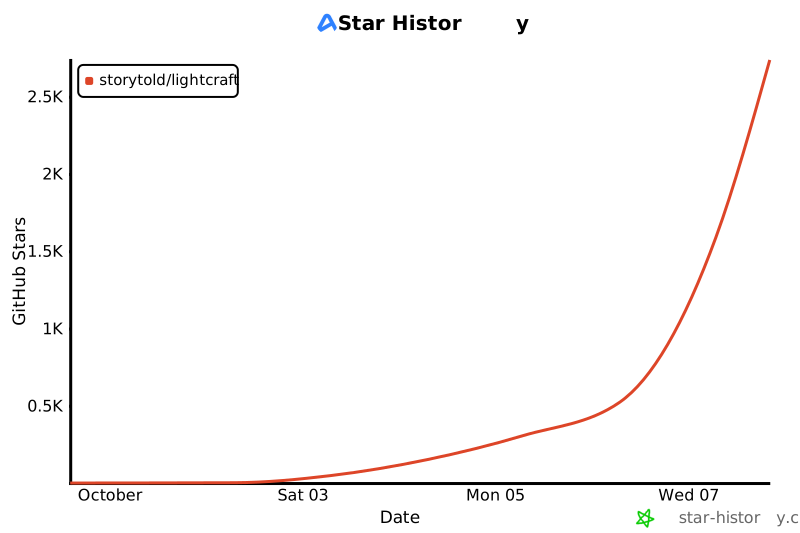](https://www.star-history.com/?repos=storytold%2Flightcraft&type=date&legend=top-left)
|
||||
|
||||
Library, Tools, and Presets panels can be regrouped, split, floated within the app window, closed, and reopened. Tools keeps the current Edit/Crop/Masking mode; the photo view and filmstrip stay together. Drag a panel header to a target edge or another header. Its context menu offers Float panel, Move to group, and Close panel. Existing panel toggles reopen panels at their saved location; Reset Panel Layout restores the app layout. Floating panels remain inside the current app window.
|
||||
@@ -1,589 +0,0 @@
|
||||
<p align="center">
|
||||
<a href="https://getartcraft.com/">
|
||||
<picture>
|
||||
<source media="(prefers-color-scheme: dark)" srcset="docs/brand/artcraft-logo-white.svg">
|
||||
<img alt="ArtCraft" src="docs/brand/artcraft-logo.svg" width="200">
|
||||
</picture>
|
||||
</a>
|
||||
</p>
|
||||
|
||||
|
||||
<h1 align="center">LightCraft</h1>
|
||||
|
||||
<h3 align="center">Your photos. Your pixels. Your machine.</h3>
|
||||
|
||||
<p align="center">
|
||||
<a href="README.md">English</a> ·
|
||||
<a href="README.zh-hans.md">简体中文</a>
|
||||
</p>
|
||||
|
||||
<p align="center">
|
||||
<b>照片图库与 raw 显影;开源、非破坏性的照片图库与 raw 显影工具,用纯 Rust 构建。</b><br>
|
||||
在 macOS、Windows 和 Linux 上原生运行,也可通过 WebAssembly 在浏览器中使用,并能由 AI 智能体经 MCP 端到端驱动。
|
||||
</p>
|
||||
|
||||
<p align="center">
|
||||
<img alt="Pure Rust" src="https://img.shields.io/badge/pure-Rust-f2a516?style=flat-square&logo=rust&logoColor=white">
|
||||
<img alt="macOS, Windows, Linux and Web" src="https://img.shields.io/badge/macOS%20%C2%B7%20Windows%20%C2%B7%20Linux%20%C2%B7%20Web-8a5800?style=flat-square">
|
||||
<img alt="MCP server included" src="https://img.shields.io/badge/MCP-ready-8a5800?style=flat-square">
|
||||
<img alt="License: MIT OR Apache-2.0" src="https://img.shields.io/badge/license-MIT%20OR%20Apache--2.0-8a5800?style=flat-square">
|
||||
<a href="ROADMAP.md"><img alt="Status: young and moving fast" src="https://img.shields.io/badge/status-young%20%26%20moving%20fast-f2a516?style=flat-square"></a>
|
||||
</p>
|
||||
|
||||
<p align="center">
|
||||
<a href="https://discord.gg/artcraft"><img alt="Join the ArtCraft community on Discord" src="https://img.shields.io/badge/Join%20us%20on%20Discord-5865F2?style=for-the-badge&logo=discord&logoColor=white" height="40"></a>
|
||||
</p>
|
||||
|
||||
<p align="center">
|
||||
<a href="https://getartcraft.com/apps/lightcraft"><b>getartcraft.com 上的 LightCraft</b></a> ·
|
||||
<a href="https://getartcraft.com/">ArtCraft</a> ·
|
||||
<a href="https://getartcraft.com/apps">全部 Crafting Apps</a>
|
||||
</p>
|
||||
|
||||
<br>
|
||||
|
||||
<p align="center">
|
||||
<img src="docs/images/hero-tetons.jpg" alt="LightCraft 的编辑视图:放大视图中是安塞尔·亚当斯的《特顿山脉与蛇河》,右侧打开着 Light 与 Effects 面板,底部的胶片窗格中是四张展示照片" width="100%">
|
||||
<br>
|
||||
<sub><i>安塞尔·亚当斯,《特顿山脉与蛇河》(1942)。公有领域,美国国家档案馆。在 LightCraft 中显影。</i></sub>
|
||||
</p>
|
||||
|
||||
> [!NOTE]
|
||||
> **ArtCraft 是一个由形形色色的创作者组成的社区。** 数字艺术、生成艺术、音乐、游戏 —
|
||||
> 只要你在创作,你就是我们中的一员。**[来 Discord 打个招呼吧](https://discord.gg/artcraft)。**
|
||||
|
||||
<p align="center">
|
||||
<a href="#edit-like-you-mean-it">编辑</a> ·
|
||||
<a href="#color-grading-the-cinematic-way">颜色分级</a> ·
|
||||
<a href="#before--after">修改前后对比</a> ·
|
||||
<a href="#masking-that-goes-where-you-point">蒙版</a> ·
|
||||
<a href="#presets-profiles--the-color-mixer">预设</a> ·
|
||||
<a href="#organize-everything">图库</a> ·
|
||||
<a href="#built-for-agents">智能体与 MCP</a> ·
|
||||
<a href="#fast-native-private">性能</a> ·
|
||||
<a href="#feature-status">功能状态</a> ·
|
||||
<a href="#quick-start">快速开始</a> ·
|
||||
<a href="ROADMAP.md">路线图</a> ·
|
||||
<a href="#downloads">下载</a> ·
|
||||
<a href="#the-crafting-apps">Crafting Apps</a>
|
||||
</p>
|
||||
|
||||
<br>
|
||||
|
||||
## Edit like you mean it
|
||||
|
||||
LightCraft 是一个装在单个原生应用里的完整暗房。每一项调整都是**非破坏性**的,原始文件永远不会被改动。
|
||||
每个滑块都经过一条**场景参考、宽色域、32 位浮点的管线**渲染:高光像胶片一样柔和滚降,阴影被提亮却不产生光晕,
|
||||
色彩从拍摄到导出始终保持干净。
|
||||
|
||||
<table>
|
||||
<tr>
|
||||
<td width="50%" valign="top">
|
||||
|
||||
### ☀️ Light
|
||||
**曝光(Exposure)、对比度、高光、阴影、白色色阶、黑色色阶**,配合边缘感知的局部色调映射(对对数亮度做引导滤波)。
|
||||
把高光拉到 −100,就能救回一片过曝的天空,而且不会出现用简单曲线时会有的灰色光晕。
|
||||
|
||||
### 🎨 Color
|
||||
按**色温**和**色调**调整**白平衡**(raw 用开尔文,JPEG 用相对值),带预设、自动,以及点击即可中和的**吸管**。
|
||||
保护肤色的**鲜艳度**、**饱和度**、8 个色段的**颜色混合器**(色相/饱和度/亮度),以及带混合与平衡的
|
||||
三路**颜色分级**色轮。所有计算都在 OkLCh 这个现代感知色彩空间里完成。
|
||||
|
||||
</td>
|
||||
<td width="50%" valign="top">
|
||||
|
||||
### ✨ Effects
|
||||
让细节更细腻的**纹理(Texture)**、让中间调更有力的**清晰度**、**去朦胧**(暗通道先验加引导滤波细化;
|
||||
推到负值可以增加空气感)、裁剪后带高光优先、圆度和羽化的**暗角**,以及分辨率无关、可调大小与粗糙度的
|
||||
胶片**颗粒**。
|
||||
|
||||
### 📈 Tone Curve
|
||||
带可移动分割点的参数化区域曲线,**外加** RGB、红、绿、蓝的点曲线。曲线在构造上就是单调的,
|
||||
所以不会意外出现影调反转。
|
||||
|
||||
</td>
|
||||
</tr>
|
||||
</table>
|
||||
|
||||
<p align="center">
|
||||
<img src="docs/images/curve-tetons.jpg" alt="Light 面板下方打开的色调曲线,RGB 点曲线上是一条平缓的 S 形曲线,作用于《特顿山脉与蛇河》" width="100%">
|
||||
<br>
|
||||
<sub>RGB 点曲线上一条平缓的 S 形曲线,就在 Light 滑块正下方。<i>安塞尔·亚当斯,1942(公有领域)。</i></sub>
|
||||
</p>
|
||||
|
||||
<br>
|
||||
|
||||
## Color grading, the cinematic way
|
||||
|
||||
用随处拖动的色轮,分别给阴影、中间调和高光做分离色调。下图中,多萝西娅·兰格的
|
||||
*《移民母亲》* 只拖动两次就获得了温暖的、类似照片冲印的色调(高光 42°,阴影 28°)。
|
||||
|
||||
<p align="center">
|
||||
<img src="docs/images/grading-migrant-mother.jpg" alt="中间调、阴影和高光的颜色分级色轮,旁边是多萝西娅·兰格的《移民母亲》,被调成温暖的冲印色调" width="100%">
|
||||
<br>
|
||||
<sub>Color 面板中的阴影、中间调和高光色轮。<i>多萝西娅·兰格,《移民母亲》(1936)。公有领域,美国国会图书馆。</i></sub>
|
||||
</p>
|
||||
|
||||
<br>
|
||||
|
||||
## Before & after
|
||||
|
||||
按住 <kbd>\\</kbd> 偷看原图,按 <kbd>Y</kbd> 并排对比,或按 <kbd>Shift</kbd>+<kbd>Y</kbd> 分屏查看。
|
||||
下面每一张都是 LightCraft 的真实截图,由智能体通过[控制通道](#built-for-agents)自动截取。
|
||||
|
||||
<table>
|
||||
<tr>
|
||||
<td width="50%"><img src="docs/images/ba-tetons.jpg" alt="《特顿山脉与蛇河》的并排修改前后对比:修改后的云层更深,河岸边的阴影更开阔"><br><sub><b>《特顿山脉与蛇河》。</b> 高光 −45、阴影 +38、清晰度 +28、去朦胧 +18。<i>安塞尔·亚当斯,1942(公有领域)。</i></sub></td>
|
||||
<td width="50%"><img src="docs/images/ba-migrant-mother.jpg" alt="《移民母亲》的并排修改前后对比:修改后更温暖,阴影被提亮"><br><sub><b>《移民母亲》。</b> 阴影 +42、纹理 +18、分离色调、暗角。<i>多萝西娅·兰格,1936(公有领域)。</i></sub></td>
|
||||
</tr>
|
||||
<tr>
|
||||
<td width="50%"><img src="docs/images/ba-earthrise.jpg" alt="《地出》的并排修改前后对比:月球地平线上方是地球,修改后略暖、更浓郁"><br><sub><b>《地出》。</b> 去朦胧 +22、高光 −30、更暖的白平衡、鲜艳度 +22。<i>NASA/比尔·安德斯,阿波罗 8 号,1968(公有领域)。</i></sub></td>
|
||||
<td width="50%"><img src="docs/images/ba-blue-marble.jpg" alt="《蓝色弹珠》的并排修改前后对比:修改后黑色更深,云层细节更结实"><br><sub><b>《蓝色弹珠》。</b> 高光 −38、黑色色阶 −20、去朦胧 +15、鲜艳度 +30。<i>NASA,阿波罗 17 号,1972(公有领域)。</i></sub></td>
|
||||
</tr>
|
||||
</table>
|
||||
|
||||
<br>
|
||||
|
||||
## Masking that goes where you point
|
||||
|
||||
用**画笔**涂抹(大小、羽化、流量、密度、擦除),放置带可拖动控制点的**线性渐变**和**径向渐变**,
|
||||
或者按**亮度范围**、**颜色范围**、**天空**、**主体**和**背景**来选择。用**添加/减去/相交**组合各个组件,
|
||||
任意反相,每个蒙版还能调 15 项局部调整(色温、色调、曝光、对比度、高光、阴影、白色色阶、黑色色阶、纹理、
|
||||
清晰度、去朦胧、色相、饱和度、锐化、降噪)以及一个总体的数量。
|
||||
|
||||
<p align="center">
|
||||
<img src="docs/images/masking.jpg" alt="蒙版面板中有一个线性天空蒙版和一个径向阳光光晕蒙版;径向渐变在湖景照片上以红色叠加层画在太阳周围" width="100%">
|
||||
<br>
|
||||
<sub>叠加在线性「天空」蒙版之上的径向「阳光光晕」蒙版(色温 +40、曝光 +0.50)。<i>照片来自 LightCraft 程序生成的演示图库。</i></sub>
|
||||
</p>
|
||||
|
||||
<br>
|
||||
|
||||
## Presets, profiles & the Color Mixer
|
||||
|
||||
内置十八个手工制作的预设(*Golden Hour、Teal & Orange、Faded Matte、Selenium Tone、Crisp
|
||||
Landscape* 等等),每个都有 0 到 200 % 的**数量**滑块。你可以从任意一组设置保存自己的预设、标记收藏,
|
||||
并在整个选区之间只复制、粘贴或同步你选定的那些分组。
|
||||
|
||||
<p align="center">
|
||||
<img src="docs/images/presets-mixer.jpg" alt="预设列按 B&W、Color、Film、Landscape、Portrait 和 Style 分组,旁边是 Color 面板,8 色段颜色混合器打开在紫色上" width="100%">
|
||||
<br>
|
||||
<sub>预设列与 8 色段颜色混合器并排。<i>照片来自演示图库。</i></sub>
|
||||
</p>
|
||||
|
||||
<table>
|
||||
<tr>
|
||||
<td width="50%" valign="top">
|
||||
|
||||
### ✂️ Crop, straighten & geometry
|
||||
自由或锁定的长宽比(1:1、4:5、5:7、2:3、4:3、16:9、16:10、原始比例),拖动旋转拉直并始终把最大的裁剪框
|
||||
保持在画面内,三分线/网格/黄金比例叠加,翻转和 90° 旋转,外加手动垂直、水平、旋转、长宽比、
|
||||
缩放和位移变换。
|
||||
|
||||
</td>
|
||||
<td width="50%" valign="top">
|
||||
|
||||
### ⚫️ Black & White
|
||||
一键(<kbd>V</kbd>)转为单色,配合 8 色段**黑白混合**压暗天空或让树叶发亮。
|
||||
之后再用颜色分级调出硒调、棕褐或分离色调的印相效果。
|
||||
|
||||
</td>
|
||||
</tr>
|
||||
<tr>
|
||||
<td width="50%"><img src="docs/images/crop-tetons.jpg" alt="《特顿山脉与蛇河》上的裁剪工具:一个略微旋转的 16:9 裁剪框,带三分线叠加,右侧是几何滑块"><br><sub>一个 16:9 的裁剪框拉直了 +2.5°,带三分线叠加。<i>安塞尔·亚当斯,1942(公有领域)。</i></sub></td>
|
||||
<td width="50%"><img src="docs/images/bw-split.jpg" alt="沙丘的分屏修改前后视图:左边是彩色,右边是带颗粒和暗角的黑白"><br><sub>分屏视图:左边是彩色原图,右边是带清晰度、暗角和颗粒的黑白。<i>演示图库。</i></sub></td>
|
||||
</tr>
|
||||
</table>
|
||||
|
||||
<br>
|
||||
|
||||
## Organize everything
|
||||
|
||||
一个不碍事的图库:**所有照片**、**最近添加**、**留用**、**按日期**、嵌套在**文件夹**里的**相册**,
|
||||
以及**最近删除**。用 <kbd>0</kbd>–<kbd>5</kbd> 评星,用 <kbd>P</kbd> / <kbd>X</kbd> /
|
||||
<kbd>U</kbd> 加旗标,用 <kbd>6</kbd>–<kbd>9</kbd> 加颜色标签。搜索支持字段:
|
||||
`rating:>3 flag:pick iso:>800 camera:x2 date:2026-04 keyword:mountains`。每个视图都能按拍摄日期、
|
||||
导入日期、编辑日期、名称、星级、大小或随机排序(一种稳定的乱序;「视图 → 排序 → 重新乱序」可换一个顺序)。
|
||||
两端对齐的**照片网格**和**正方形网格**视图都做了虚拟化,
|
||||
所以无论是四十张还是四万张照片都同样顺滑。
|
||||
|
||||
<table>
|
||||
<tr>
|
||||
<td width="50%"><img src="docs/images/grid-demo.jpg" alt="24 张演示照片的两端对齐照片网格,带星级和旗标,侧边栏是 Travel 2026 文件夹下嵌套的相册"><br><sub>照片网格,相册嵌套在文件夹里,带星级和旗标。<i>演示图库。</i></sub></td>
|
||||
<td width="50%"><img src="docs/images/grid-pd.jpg" alt="正方形网格,显示四张公有领域展示照片及其星级和留用旗标"><br><sub>四张公有领域展示照片的正方形网格。</sub></td>
|
||||
</tr>
|
||||
<tr>
|
||||
<td colspan="2"><img src="docs/images/info-earthrise.jpg" alt="《地出》的信息面板,显示文件名、2400 × 2400 的 JPEG 尺寸、星级、标题字段和相机元数据"><br><sub>信息面板:文件、尺寸、星级、标题、题注、版权和相机元数据。<i>NASA/比尔·安德斯,《地出》,阿波罗 8 号,1968(公有领域)。</i></sub></td>
|
||||
</tr>
|
||||
</table>
|
||||
|
||||
<br>
|
||||
|
||||
## Built for agents
|
||||
|
||||
LightCraft 里的每一个菜单项、滑块、画笔笔触、裁剪手柄和按键都是一个**命令**,拥有稳定的 ID 和
|
||||
JSON 参数。界面、键盘、CLI、JSON-lines 控制通道和一个 **MCP 服务器**全都通过同一个入口分发。
|
||||
智能体可以挑片、显影、给天空加蒙版并导出,而且能*看到*结果。
|
||||
|
||||
```sh
|
||||
lightcraft --control 7980 ~/Pictures/trip
|
||||
```
|
||||
```jsonc
|
||||
{"method": "engine.execute", "params": {"command": "photo.flag", "params": {"flag": "pick"}}}
|
||||
{"method": "engine.execute", "params": {"command": "develop.set", "params": {"values": {"light.highlights": -45, "light.shadows": 38}}}}
|
||||
{"method": "engine.execute", "params": {"command": "mask.add", "params": {"kind": "radial", "center": [0.62, 0.4], "rx": 0.2, "ry": 0.14}}}
|
||||
{"method": "ui.clickWidget", "params": {"id": "slider:effects.clarity"}} // 按名称操作任意控件
|
||||
{"method": "ui.pointer", "params": {"events": [{"kind":"down","x":0.2,"y":0.3}, {"kind":"up","x":0.4,"y":0.3}]}}
|
||||
{"method": "ui.screenshot", "params": {"path": "after.png"}}
|
||||
```
|
||||
|
||||
- **命令注册表。** `engine.commands` 列出可用命令;`develop.controls` 列出每个滑块的范围、
|
||||
默认值和当前值。
|
||||
- **MCP 服务器。** `lightcraft-cli mcp` 把命令注册表开放给 Claude(或任何 MCP 客户端),
|
||||
同时提供导入、查询、显影、蒙版、渲染(以图像返回)和导出的辅助工具。它既能无界面运行,也能附着
|
||||
到正在运行的应用上,支持截图、点击和手势。见 [docs/mcp.md](docs/mcp.md)。
|
||||
|
||||
```sh
|
||||
cargo build --release -p lightcraft-cli
|
||||
claude mcp add lightcraft -- "$PWD/target/release/lightcraft-cli" mcp ~/Pictures/shoot # 无界面
|
||||
claude mcp add lightcraft-app -- "$PWD/target/release/lightcraft-cli" mcp --connect 127.0.0.1:7980 # 驱动运行中的应用
|
||||
```
|
||||
- **可脚本化的 CLI:** `lightcraft-cli run --import in.dng develop.set control=light.exposure value=0.7 app.export
|
||||
path=out.jpg longEdge=2048` 可以运行任意命令链(无界面、在已保存的图库上,或对正在运行的应用),
|
||||
每条命令打印一行 JSON 结果;`lightcraft-cli render in.dng -o out.jpg --set light.exposure=0.7 --preset …`。
|
||||
- **一切皆可撤销**,包括智能体的操作:一次滑块拖动(或脚本里一连串更新)算一步撤销。
|
||||
- **联系表(原生应用/CLI):** 选中照片,然后 **文件 → 联系表 PDF…**。可选择 A4 或 Letter、横向、
|
||||
行数和列数以及文件名题注;保存分页 PDF,再用你的 PDF 阅读器打印。导出使用当前编辑,每张照片完整放入
|
||||
而不再次裁剪,以 150 dpi 和 sRGB 渲染。后台导出支持取消,并保护原文件和 XMP 附属文件。从 CLI 调用:
|
||||
|
||||
```sh
|
||||
lightcraft-cli run --import ~/Pictures/shoot library.selectAll export.contactSheet path=Contact.pdf paper=a4 columns=3 rows=4 captions=true
|
||||
```
|
||||
|
||||
`export.contactSheet` 还接受显式的 `ids`、`landscape=true` 和 `paper=letter`。只有当整个 PDF 生成成功后,
|
||||
它才会替换已有的输出文件。限制:1000 张照片、100 页、256 MiB;题注使用与水印相同的字体覆盖来栅格化
|
||||
(中日韩文字需要 craft-fonts),过长的名称会在中间省略。
|
||||
这是一套联系表工作流,
|
||||
不是打印驱动或自定义拼版编辑器。
|
||||
- **每个控件都可寻址**(`ui.widgets`)且可按名称点击,所以智能体操作的是真实界面,而不是绕到侧门。
|
||||
- 本 README 中的截图全部由 [`docs/showcase/`](docs/showcase/) 脚本端到端生成。
|
||||
协议参考:[docs/control-protocol.md](docs/control-protocol.md)。
|
||||
|
||||
<br>
|
||||
|
||||
## Fast, native, private
|
||||
|
||||
- **纯 Rust,无 C。** 我们自己的 RAW 解码器(DNG、佳能 CR2/CR3、索尼 ARW、尼康 NEF、富士 RAF 含 X-Trans、
|
||||
松下 RW2/徕卡 RWL、宾得 PEF、奥林巴斯 ORF)、我们自己的色彩科学、我们自己的管线。JPEG、PNG、TIFF、WebP、
|
||||
PSD 合成图和 JPEG XL 现在就能打开;加 `--features heif` 还能打开 HEIC/HEIF 照片(HEVC 是构建时的选择,
|
||||
与 PhotoCraft 中一致)。
|
||||
- **场景参考与宽色域。** 内部使用线性 Rec.2020 浮点、Bradford 适应的白平衡、用色域映射代替裁剪,
|
||||
raw 走胶片式肩部,未改动过的 JPEG 则像素级直通。
|
||||
- **分辨率无关的编辑。** 半径和画笔大小都相对于图像,所以 400 px 的预览、你的 5K 显示器和 60 MP 的导出
|
||||
看起来完全一致。
|
||||
- **GPU 加速,与 CPU 一致。** 整条显影管线都作为 wgpu 计算内核运行(Metal/Vulkan/DX12),
|
||||
并与 CPU 管线比对到 1/255 以内。在 24 MP raw 上(Apple M4 Pro):一次滑块更新约 4 ms 重新渲染,
|
||||
冷启动 2.5 MP 放大视图约 30 ms,全尺寸导出约 0.3 s(含并行 JPEG 编码)。
|
||||
没有 GPU 时同一条管线在所有 CPU 核心上运行,只重做受滑块影响的那些阶段。批量导出会并排渲染多张照片,
|
||||
所以一张的解码和编码能与另一张的渲染重叠。
|
||||
- **即时挑片。** 打开一张 raw 会在约 0.1 s 内显示其内嵌的相机预览或缓存渲染,完整渲染随后跟上
|
||||
(24 MP 约 0.2–0.5 s)。上一张和下一张会在后台准备好,因此翻阅一次拍摄时每张约 50 ms。
|
||||
- **后台渲染。** 一个工作线程池在 UI 线程之外渲染放大视图、修改前后对比和每一个可见缩略图:
|
||||
拖动时用草稿,松手后出全质量。
|
||||
- **本地优先。** 没有账号、没有云、没有遥测、没有订阅。你的目录是一份只追加的可读操作日志,
|
||||
可以 diff、备份或重放。
|
||||
|
||||
<br>
|
||||
|
||||
## Feature status
|
||||
|
||||
LightCraft 很年轻,而且进展很快。**我们如实所处的位置**(细节见[路线图](ROADMAP.md#where-we-stand)):
|
||||
|
||||
- **按功能数量算,我们达到了约 79%**(核心功能 98%),逐行记录在
|
||||
[docs/parity.md](docs/parity.md)。
|
||||
- **作为日常使用的工具,我们更接近 60–70%。** 在单台机器上处理 JPEG/DNG 以及大多数尼康/索尼/
|
||||
较老佳能的 raw 都很出色。
|
||||
- **最大的缺口:**
|
||||
- **相机色彩校准:** 索尼、尼康、松下、富士和佳能 CR3 的 raw 会从各自的相机 JPEG 得到受保护的估计值,内置 ILCA-99M2、ILCE-7CR、ILCE-7M4、X-H2S、X-T4、尼康 Z 6II、Z 8 和 D5300 配置文件;实测校准仍然缺失,其他 raw 或被拒绝的拟合会保留中性矩阵;
|
||||
- **压缩的奥林巴斯 raw 和不受支持的 CR3 变体:** 这些在有内嵌 JPEG 预览时使用预览。富士无损/有损压缩 RAF 现在能解码传感器数据;[验证与已有图库重新加载说明](docs/raf-compression.md);
|
||||
- **AI 蒙版与降噪:** 主体和天空选择目前是经典启发式算法;
|
||||
- **屏幕上的 HDR 显示、视频,以及经典版式中的打印/画册/地图模块。**
|
||||
- **接下来做什么:** 见[我们要去往哪里](ROADMAP.md#where-were-going)。
|
||||
|
||||
| 领域 | 状态 |
|
||||
|---|---|
|
||||
| 图库:相册、文件夹、智能相册、堆叠(含自动堆叠)、虚拟副本、星级、旗标、标签、过滤器栏、搜索、排序、网格、胶片窗格 | ✅ |
|
||||
| 挑片:比较(同步缩放)和筛选视图、自动前进、即时预览 | ✅ |
|
||||
| Light、Color、Effects(暗角样式)、色调曲线(+ 细化饱和度、目标调整)、颜色混合器(+ 目标调整)、点颜色、颜色分级、校准、黑白 | ✅ |
|
||||
| 蒙版:画笔、线性、径向、亮度/颜色范围、添加/减去/相交 | ✅(AI 主体/天空目前使用经典启发式算法) |
|
||||
| 裁剪、拉直工具 + 自动拉直、翻转、旋转、长宽比、叠加参考线 | ✅ |
|
||||
| 配置文件(Color、Neutral、Vivid、Landscape、Portrait、Monochrome:我们自己的风格)、预设、版本、历史记录、复制/粘贴/同步设置 | ✅ |
|
||||
| 相机色彩:DNG 文件使用其自带矩阵 | ✅ DNG · 🟡 我们自己的索尼/富士配置文件;缺少实测校准数据库 |
|
||||
| 原生 macOS 菜单栏(由命令注册表生成)、控制通道 + 每个控件可寻址、无界面 UI 快照 | ✅ |
|
||||
| RAW:DNG、CR2、CR3(无损 CRX Bayer 以及版本 0x100/0x200 的 C-RAW)、ARW、NEF(未压缩 + 无损/有损压缩)、富士 RAF(未压缩 + 无损/有损压缩,Bayer + X-Trans)、松下 RW2/徕卡 RWL/Panasonic RAW(所有 raw 格式,从 DMC-LX1 到 DC-S1RM2)、宾得 PEF、奥林巴斯 ORF(未压缩)、三星 SRW(未压缩);所有格式的嵌入预览,含 CR3 | 🟡 · CR3、压缩 ORF 和压缩 SRW 解码 ⬜ |
|
||||
| 细节:锐化、亮度 + 色彩降噪 | ✅ · AI 降噪、超分辨率 ⬜ |
|
||||
| 污点去除/修复/仿制(自动来源)、可视化斑点、红眼和宠物眼(自动瞳孔检测、眼神光) | ✅ · 内容识别填充、污点图钉编辑 🚧 |
|
||||
| 导出:JPEG/PNG/TIFF/WebP/AVIF/DNG/原始格式,尺寸调整、文件大小上限、输出锐化、命名模板、批处理、元数据策略、文字或图像水印 | ✅ |
|
||||
| HDR:带余量上限的 HDR 编辑、SDR 呈现、可视化 HDR;导出为 ISO 21496-1 增益图 JPEG、PQ AVIF 或 32 位浮点 TIFF | ✅ · HDR 显示 ⬜ |
|
||||
| 图库持久化(防崩溃的操作日志 + 快照、后台压缩、保存失败会上报)、磁盘缩略图缓存 | ✅ |
|
||||
| 导入:在原位置添加/复制/移动、重命名与文件夹模板、设备、重复检测、监视文件夹;本地文件夹浏览 | ✅ |
|
||||
| MCP 服务器(无界面或运行中的应用、持久化图库)、CLI、控制通道 | ✅ |
|
||||
| XMP 附属文件(读取/写入、自动写入)、读取 `crs:` 显影设置、预设文件(`.lcpreset`、XMP 预设) | ✅ |
|
||||
| 镜头校正(畸变、暗角、自动 + 手动色差、去边、DNG 文件内嵌的镜头校正以及松下/徕卡 RW2/RWL 畸变数据)、几何(变换、限制裁剪)、垂直校正(自动/水平/垂直/完整/引导式) | ✅ · 相机镜头配置文件(我们自己的)⬜ |
|
||||
| 照片合并:HDR(自动对齐、去重影)、全景(球面/圆柱/透视、边界变形、自动裁剪)、HDR 全景 → DNG | ✅ |
|
||||
| GPU 管线(wgpu 计算,与 CPU 一致到 1/255 以内)、设备限制/出错时回退到 CPU | ✅ · 浏览器中的 WebGPU 🚧 |
|
||||
| AI:分割蒙版、AI 降噪、超分辨率、人脸;视频 | ⬜(见[路线图](ROADMAP.md#where-were-going)) |
|
||||
| 网页版(通过 WASM 在浏览器中使用同一界面):图库持久化在 OPFS/IndexedDB、Web Worker 渲染、导出下载 | ✅ · WebGPU、Safari/Firefox 测试 🚧 |
|
||||
|
||||
<sub>✅ 现已可用 · 🚧 进行中 · ⬜ 尚未开始</sub>
|
||||
|
||||
<br>
|
||||
|
||||
## Quick start
|
||||
|
||||
```sh
|
||||
git clone https://github.com/storytold/lightcraft && cd lightcraft
|
||||
cargo run --release -p lightcraft # 打开你的图库(~/Pictures/LightCraft Library;新图库会先带演示照片)
|
||||
cargo run --release -p lightcraft -- ~/Pictures/trip # 导入你的照片(扫描文件夹,跳过重复项)
|
||||
cargo run --release -p lightcraft -- --memory # 用完即弃的内存演示会话(不写入任何内容)
|
||||
cargo run --release -p lightcraft -- --control 7980 # 带自动化通道
|
||||
cargo xtask web --serve # 在浏览器中运行同一个应用:http://127.0.0.1:8080/
|
||||
cargo run --release -p lightcraft-cli -- render photo.jpg -o out.jpg --set light.exposure=0.5
|
||||
cargo xtask ci # fmt、clippy、测试、分层、wasm 检查
|
||||
```
|
||||
|
||||
CI 默认使用行表调试信息,并按启动时可用内存每 1.5 GB 开一个构建任务
|
||||
(每个 CPU 最多一个;读不到内存时为 4 个),所以一台 8 GB、空闲 6 GB 的机器会用 4 个任务构建,
|
||||
而一台空闲内存很少的繁忙机器会用更少。测试线程数随之调整,上限为 4。否则,每个 CPU 一个的
|
||||
完整调试信息链接器会在任何测试运行之前就耗尽内存。GPU 覆盖范围不变。显式设置
|
||||
`CARGO_PROFILE_DEV_DEBUG`、`CARGO_BUILD_JOBS` 和 `RUST_TEST_THREADS` 会覆盖这些默认值。
|
||||
日常开发命令保持它们各自的设置。
|
||||
|
||||
**内存受限机器上的 release 构建:** [#1196](https://github.com/storytold/lightcraft/issues/1196)
|
||||
报告在 16 GB 的 Arch/AUR 机器上,同时构建桌面应用和 CLI,并启用完整调试信息、thin LTO
|
||||
和单个代码生成单元时,链接过程被 OOM 终止。上述 CI 默认设置不适用于普通的
|
||||
`cargo build --release`。建议先使用一个构建任务;内存充足时可以尝试两个:
|
||||
|
||||
```sh
|
||||
CARGO_BUILD_JOBS=1 cargo build --release -p lightcraft -p lightcraft-cli
|
||||
# 或者:CARGO_BUILD_JOBS=2 cargo build --release -p lightcraft -p lightcraft-cli
|
||||
```
|
||||
|
||||
如果打包环境启用了完整调试信息或占用较多内存的 LTO 设置,可以使用仅对本条命令生效的
|
||||
覆盖设置,降低源码构建的内存需求:
|
||||
|
||||
```sh
|
||||
CARGO_BUILD_JOBS=1 CARGO_PROFILE_RELEASE_DEBUG=0 CARGO_PROFILE_RELEASE_LTO=false CARGO_PROFILE_RELEASE_CODEGEN_UNITS=16 cargo build --release -p lightcraft -p lightcraft-cli
|
||||
```
|
||||
|
||||
这些 POSIX shell 赋值只影响本条命令,不修改全局 Cargo 配置或仓库的 release profile。
|
||||
关闭 LTO 可能改变性能和二进制大小;关闭调试信息会减少可用的调试细节。这是构建建议,
|
||||
并不保证任何机器都有足够内存。下游打包者应串行构建大型二进制文件,并避免在低内存
|
||||
构建机器上同时使用完整调试信息、LTO 和单个代码生成单元。PKGBUILD 自己导出的 profile
|
||||
设置可以覆盖继承的环境变量;应在本地调整打包配方或联系维护者,而不要假定给
|
||||
`makepkg` 添加环境变量前缀就能优先生效。
|
||||
|
||||
**中文和日文文字**需要共享字体仓库,这是一个可选的构建输入(所有正式发布版都会包含它):
|
||||
|
||||
```sh
|
||||
git clone https://github.com/storytold/craft-fonts ../craft-fonts
|
||||
CRAFT_FONTS_DIR=../craft-fonts cargo run --release -p lightcraft
|
||||
```
|
||||
|
||||
不指定它时,LightCraft 构建和运行的方式完全相同,只是中文和日文文字没有字形。字体从不提交到
|
||||
本仓库;见 [craftrules `standards/fonts.md`](https://github.com/storytold/craftrules/blob/main/standards/fonts.md)。
|
||||
|
||||
**界面语言:** **编辑 → 语言**(English、简体中文、繁體中文(台灣)、日本語、Português (Brasil)、Español、Deutsch、Русский、Français)或 **设置 → 一般 →
|
||||
语言**;选择立即生效并会保留。见 [docs/localization.md](docs/localization.md)。
|
||||
|
||||
**日志:** 桌面应用把日志写到标准错误,以及设置文件夹里的 `logs/lightcraft.log`
|
||||
(Linux `$XDG_CONFIG_HOME/lightcraft/logs/`,默认 `~/.config/lightcraft/logs/`;macOS
|
||||
`~/Library/Application Support/LightCraft/logs/`;Windows `%APPDATA%\LightCraft\logs\`),从不写进图库。
|
||||
从桌面菜单或 Dock 启动没有终端,所以请把这个文件附在错误报告里(**帮助 ▸ 打开日志
|
||||
文件夹** 会在文件管理器中显示它)。每次启动会把
|
||||
上一个日志移到 `lightcraft.1.log`,再上一个移到 `lightcraft.2.log`,这样崩溃那次的日志能在下次启动后
|
||||
保留下来;文件到 16 MiB 停止增长,`--version` 和 `--help` 不写日志,带
|
||||
`LIGHTCRAFT_NO_PREFS` 运行时只写到标准错误。默认情况下 LightCraft 自己的 crate 记到 `info`,其他都记到
|
||||
`warn`。`LIGHTCRAFT_LOG=info` 或 `debug` 的行为和以前一样(LightCraft 自己的 crate 用该级别,其余只记警告和
|
||||
错误;其他值:只记警告和错误),并且优先于 `RUST_LOG`,后者会把默认值替换为
|
||||
env_logger 风格的指令,例如 `RUST_LOG=debug` 或 `RUST_LOG=warn,lightcraft_pipeline=trace`(以
|
||||
`*` 结尾的指令覆盖所有以它开头的目标,如 `lightcraft*=debug`)。panic 也会记录在那里,
|
||||
并且仍然写在临时文件夹里的 `lightcraft-panics.log`。日志器是 `apps/lightcraft/src/logging.rs`。
|
||||
|
||||
网页版需要 `wasm32-unknown-unknown` target 和匹配的 `wasm-bindgen` CLI
|
||||
(`cargo xtask web` 会打印确切的安装命令);见 [docs/web.md](docs/web.md)。
|
||||
|
||||
**Nix** 会构建桌面应用和 `lightcraft-cli`(Nix 构建总是包含 craft-fonts 输入,所以日文
|
||||
文字有字形):
|
||||
|
||||
```sh
|
||||
nix run github:storytold/lightcraft # 桌面应用
|
||||
nix build github:storytold/lightcraft # → ./result/bin/{lightcraft,lightcraft-cli}
|
||||
nix develop github:storytold/lightcraft # rust 工具链 + 原生依赖 + 字体
|
||||
```
|
||||
|
||||
在 flake 配置中(NixOS、home-manager、nix-darwin):
|
||||
|
||||
```nix
|
||||
# flake.nix
|
||||
inputs.lightcraft.url = "github:storytold/lightcraft";
|
||||
# 可选:使用你自己的 nixpkgs,而不是 LightCraft 锁定的那个
|
||||
# inputs.lightcraft.inputs.nixpkgs.follows = "nixpkgs";
|
||||
|
||||
# 然后在 NixOS 或 home-manager 模块中(`inputs` 在作用域内):
|
||||
nixpkgs.overlays = [ inputs.lightcraft.overlays.default ]; # 让 `pkgs.lightcraft` 可用
|
||||
environment.systemPackages = [ pkgs.lightcraft ]; # home-manager:home.packages = [ pkgs.lightcraft ];
|
||||
```
|
||||
|
||||
`nix build` 会安装与 .deb/.rpm 相同的 desktop 文件、hicolor 图标和 AppStream 元数据,并运行
|
||||
`cargo test --workspace` 作为它的检查阶段(用 `pkgs.lightcraft.overrideAttrs { doCheck = false; }` 跳过)。
|
||||
|
||||
**键盘:** <kbd>G</kbd> 网格 · <kbd>D</kbd> 细节 · <kbd>E</kbd> 编辑 · <kbd>C</kbd> 裁剪 · <kbd>M</kbd> 蒙版 ·
|
||||
<kbd>Shift</kbd>+<kbd>P</kbd> 预设 · <kbd>\\</kbd> 原图 · <kbd>Y</kbd> 修改前后 · <kbd>Z</kbd> 缩放 ·
|
||||
<kbd>J</kbd> 溢出警告 · <kbd>⌘Z</kbd> 撤销 · <kbd>⌘/</kbd> 全部快捷键。
|
||||
|
||||
## How it's built
|
||||
|
||||
一个引擎优先的 Cargo 工作区,由小而经过测试的 crate 组成,并强制分层(`cargo xtask layers`):`geom`、
|
||||
`color`、`raster`、`tiff` → `raw`、`codecs`、`meta`、`develop` → `pipeline` → `catalog` → `engine` → `ui-egui`。
|
||||
egui 前端是一个可替换的 crate;它下面没有任何东西知道 UI 的存在。`mcp` 和应用(`lightcraft`、
|
||||
`lightcraft-cli`)坐落在 `engine` 之上。
|
||||
|
||||
## Contributing
|
||||
|
||||
人和智能体遵循同样的规则,所以请先读 [AGENTS.md](AGENTS.md)。简短版本:
|
||||
|
||||
- **净室。** 绝不阅读专有软件的二进制文件或 GPL 的 raw/照片代码(darktable、RawTherapee、LibRaw、rawspeed、dcraw……);
|
||||
只依据公开规范和黑盒观察来工作。
|
||||
- **绝不使用专有资源:** 不使用商业产品的图标、截图、预设、配置文件、LUT 或字体。仓库中的每一个
|
||||
图像、图标和字体都是原创、公有领域、知识共享、OFL 或宽松许可的,并在同一提交中
|
||||
于 [assets/ATTRIBUTION.md](assets/ATTRIBUTION.md) 添加条目。新字体提交到
|
||||
[storytold/craft-fonts](https://github.com/storytold/craft-fonts),而不是这里。
|
||||
- **纯 Rust**、强制 crate 分层、一切皆命令,并且每次提交前 `cargo xtask ci` 必须通过
|
||||
(一个提交一个任务 ID)。
|
||||
- **绝不崩溃。** 非测试代码返回错误而不是 panic:不用 `unwrap()`、`expect()`、`panic!` 或
|
||||
`unsafe`,对任何来自输入的数据都做受检索引,并且每个崩溃修复都带一个回归测试。细节见
|
||||
[AGENTS.md](AGENTS.md#never-crash-outranks-feature-work)。
|
||||
|
||||
有问题、想法,或者想先讨论一个 bug?来 [Discord](https://discord.gg/artcraft)。
|
||||
|
||||
<br>
|
||||
|
||||
## Downloads
|
||||
|
||||
**第一次用 LightCraft?** 从 [getartcraft.com 的 LightCraft 页面](https://getartcraft.com/apps/lightcraft)下载。那是最简单的安装方式。
|
||||
|
||||
**想要特定的构建或格式?** 在 GitHub 上,[最新发布](https://github.com/storytold/lightcraft/releases/latest)包含下面列出的所有构建,[全部发布](https://github.com/storytold/lightcraft/releases)则有更早的版本及其说明。文件名中的 `<ver>` 是版本号,`SHA256SUMS.txt` 列出了每个文件的校验和。
|
||||
|
||||
### Windows
|
||||
|
||||
| 构建 | 安装程序 | 便携版 |
|
||||
|---|---|---|
|
||||
| x64(64 位 Intel/AMD) | `lightcraft-<ver>-windows-x64.msi` | `lightcraft-<ver>-windows-x64-portable.zip` |
|
||||
| arm64(骁龙及其他 ARM PC) | `lightcraft-<ver>-windows-arm64.msi` | `lightcraft-<ver>-windows-arm64-portable.zip` |
|
||||
| x86(32 位) | `lightcraft-<ver>-windows-x86.msi` | `lightcraft-<ver>-windows-x86-portable.zip` |
|
||||
|
||||
安装程序和可执行文件都有代码签名。安装程序会询问安装位置(默认
|
||||
`C:\Program Files\LightCraft`;升级会留在你选择的文件夹),结束时有一页确认 LightCraft 已安装,
|
||||
并可选择启动它。无人值守安装:`msiexec /i lightcraft-<ver>-windows-x64.msi /qn INSTALLFOLDER="D:\Apps\LightCraft\"`。
|
||||
|
||||
### macOS
|
||||
|
||||
| 构建 | 文件 | 说明 |
|
||||
|---|---|---|
|
||||
| 应用,通用(Apple 芯片 + Intel) | `lightcraft-<ver>-macos-universal.dmg` | 已签名并公证 |
|
||||
| 命令行工具,通用 | `lightcraft-cli-<ver>-macos-universal.zip` | 已签名并公证 |
|
||||
|
||||
### Linux
|
||||
|
||||
| 格式 | x86_64 | aarch64 (ARM64) | 说明 |
|
||||
|---|---|---|---|
|
||||
| AppImage | `lightcraft-<ver>-linux-x86_64.AppImage` | `lightcraft-<ver>-linux-aarch64.AppImage` | 随处可运行;用 [AppImageUpdate](https://github.com/AppImageCommunity/AppImageUpdate)(`.zsync` 文件)自我更新 |
|
||||
| Flatpak | `lightcraft-<ver>-linux-x86_64.flatpak` | `lightcraft-<ver>-linux-aarch64.flatpak` | 沙箱化;`flatpak install --user <file>` |
|
||||
| Debian/Ubuntu | `lightcraft-<ver>-linux-x86_64.deb` | `lightcraft-<ver>-linux-aarch64.deb` | |
|
||||
| Fedora/RHEL/openSUSE | `lightcraft-<ver>-linux-x86_64.rpm` | `lightcraft-<ver>-linux-aarch64.rpm` | |
|
||||
| 压缩包 | `lightcraft-<ver>-linux-x86_64.tar.gz` | `lightcraft-<ver>-linux-aarch64.tar.gz` | 解压到任意位置 |
|
||||
|
||||
### FreeBSD
|
||||
|
||||
| 构建 | 文件 |
|
||||
|---|---|
|
||||
| x86_64 | `lightcraft-<ver>-freebsd-x86_64.tar.gz` |
|
||||
|
||||
### 网页版(WebAssembly)
|
||||
|
||||
| 构建 | 文件 | 说明 |
|
||||
|---|---|---|
|
||||
| 静态站点 | `lightcraft-web-<ver>.zip` | 在现代浏览器中运行;托管到任意静态服务器 |
|
||||
|
||||
<br>
|
||||
|
||||
## The Crafting Apps
|
||||
|
||||
LightCraft 是 **Crafting Apps** 之一:来自 [ArtCraft](https://getartcraft.com/) 团队的免费开源创作工具,
|
||||
每一个都用 Rust 从零编写,每一个都能独立使用。
|
||||
|
||||
| | 应用 | 用途 | 代码 | 了解更多 |
|
||||
|:-:|---|---|---|---|
|
||||
| <img src="https://raw.githubusercontent.com/storytold/photocraft/main/assets/app-icon/hicolor/64x64/apps/ai.storyteller.photocraft.png" alt="" width="32" height="32"> | **PhotoCraft** | 图像编辑:图层、蒙版、文字和真正的 PSD 文件 | [GitHub](https://github.com/storytold/photocraft) | [网站](https://getartcraft.com/apps/photocraft) |
|
||||
| <img src="https://raw.githubusercontent.com/storytold/vectorcraft/main/assets/app-icon/hicolor/64x64/apps/ai.storyteller.vectorcraft.png" alt="" width="32" height="32"> | **VectorCraft** | 矢量插画 | [GitHub](https://github.com/storytold/vectorcraft) | [网站](https://getartcraft.com/apps/vectorcraft) |
|
||||
| <img src="https://raw.githubusercontent.com/storytold/filmcraft/main/assets/app-icon/hicolor/64x64/apps/ai.storyteller.filmcraft.png" alt="" width="32" height="32"> | **FilmCraft** | 视频剪辑、调色与声音 | [GitHub](https://github.com/storytold/filmcraft) | [网站](https://getartcraft.com/apps/filmcraft) |
|
||||
| <img src="https://raw.githubusercontent.com/storytold/lightcraft/main/assets/app-icon/hicolor/64x64/apps/ai.storyteller.lightcraft.png" alt="" width="32" height="32"> | **LightCraft** | **照片图库与 raw 显影 · 你在这里** | [GitHub](https://github.com/storytold/lightcraft) | [网站](https://getartcraft.com/apps/lightcraft) |
|
||||
| <img src="https://raw.githubusercontent.com/storytold/pdfcraft/main/assets/app-icon/hicolor/64x64/apps/ai.storyteller.pdfcraft.png" alt="" width="32" height="32"> | **PdfCraft** | 阅读、整理和保护 PDF | [GitHub](https://github.com/storytold/pdfcraft) | [网站](https://getartcraft.com/apps/pdfcraft) |
|
||||
| <img src="https://raw.githubusercontent.com/storytold/effectcraft/main/assets/app-icon/hicolor/64x64/apps/ai.storyteller.effectcraft.png" alt="" width="32" height="32"> | **EffectCraft** | 动态图形与视觉特效 | [GitHub](https://github.com/storytold/effectcraft) | [网站](https://getartcraft.com/apps/effectcraft) |
|
||||
| <img src="https://raw.githubusercontent.com/storytold/designcraft/main/assets/app-icon/hicolor/64x64/apps/ai.storyteller.designcraft.png" alt="" width="32" height="32"> | **DesignCraft** | 页面排版与出版 | [GitHub](https://github.com/storytold/designcraft) | [网站](https://getartcraft.com/apps/designcraft) |
|
||||
|
||||
以及 [**ArtCraft**](https://getartcraft.com/) 本身,我们为想要真正掌控力的创作者打造的 AI 图像与视频工作室。
|
||||
|
||||
<br>
|
||||
|
||||
<p align="center">
|
||||
<a href="https://discord.gg/artcraft"><img alt="Join the ArtCraft community on Discord" src="https://img.shields.io/badge/Join%20us%20on%20Discord-5865F2?style=for-the-badge&logo=discord&logoColor=white" height="40"></a>
|
||||
</p>
|
||||
|
||||
<h3 align="center">Come make things with us</h3>
|
||||
|
||||
<p align="center">
|
||||
我们的 Discord 是各种创作者聚集的地方:画画的人、拍照的人、做动画的人、剪片子的人、
|
||||
排版的人,还有仍在摸索自己喜欢做什么的人。分享你在做的东西,
|
||||
寻求帮助,告诉我们哪里坏了,或者告诉我们你希望这些工具能做什么。
|
||||
无论你用什么媒介,无论你做了多久,这里都欢迎你。
|
||||
</p>
|
||||
|
||||
<p align="center">
|
||||
<a href="https://discord.gg/artcraft"><b>discord.gg/artcraft</b></a> ·
|
||||
<a href="https://getartcraft.com/">getartcraft.com</a> ·
|
||||
<a href="https://getartcraft.com/apps">The Crafting Apps</a> ·
|
||||
<a href="https://getartcraft.com/apps/lightcraft">LightCraft</a>
|
||||
</p>
|
||||
|
||||
<br>
|
||||
|
||||
## License and credits
|
||||
|
||||
LightCraft 采用 [MIT](LICENSE-MIT) 或 [Apache-2.0](LICENSE-APACHE) 双许可,任你选择。
|
||||
Copyright (c) 2026 ArtCraft Team and the LightCraft contributors. 必需的声明见 [NOTICE](NOTICE)。
|
||||
|
||||
随附的字体、图标、图像和其他资源保留各自的开放许可;每一项都在
|
||||
[assets/ATTRIBUTION.md](assets/ATTRIBUTION.md) 中列出了作者、来源和许可。
|
||||
|
||||
展示照片是经 Wikimedia Commons 使用的公有领域作品:安塞尔·亚当斯,*《特顿山脉与蛇河》*
|
||||
(1942,美国国家档案馆);多萝西娅·兰格,*《移民母亲》*(1936,美国国会图书馆);比尔·安德斯/NASA,
|
||||
*《地出》*(1968);NASA,*《蓝色弹珠》*(1972)。演示图库由 LightCraft 程序生成。界面字体:
|
||||
Inter(SIL OFL 1.1)。用 [craft-fonts](https://github.com/storytold/craft-fonts) 构建的版本(所有正式发布版)
|
||||
还会内嵌它的中文和日文字体(Noto Sans CJK SC、BIZ UDPGothic、BIZ UDMincho、Shippori Mincho;SIL OFL 1.1),列在其
|
||||
[ATTRIBUTION.md](https://github.com/storytold/craft-fonts/blob/main/ATTRIBUTION.md) 中。所有图标均为原创。
|
||||
|
||||
[`docs/brand/`](docs/brand/) 中的 ArtCraft 名称、字标和标志是
|
||||
ArtCraft 团队的商标,不在本许可范围内。它们只能在未修改的情况下,作为
|
||||
本仓库和 LightCraft 的一部分,按 [`docs/brand/LICENSE-brand.txt`](docs/brand/LICENSE-brand.txt) 使用。
|
||||
分支和修改版本必须移除它们。
|
||||
|
||||
<p align="center">
|
||||
<a href="https://getartcraft.com/"><img alt="ArtCraft" src="docs/brand/artcraft-mark.svg" width="28"></a><br>
|
||||
<sub>由 <a href="https://getartcraft.com/">ArtCraft</a> 团队和社区制作。</sub>
|
||||
</p>
|
||||
|
||||
## Star history
|
||||
|
||||
[](https://www.star-history.com/?repos=storytold%2Flightcraft&type=date&legend=top-left)
|
||||
+174
-182
@@ -1,210 +1,202 @@
|
||||
# LightCraft roadmap
|
||||
|
||||
**Stage: alpha** · next: beta, ~14 points and ~340–600 h away
|
||||
Milestones toward full Adobe Lightroom parity (cloud Lightroom first, then every Lightroom Classic module), with wall-clock
|
||||
estimates for continuous (24/7) agent-driven development with 4–6 parallel agents. Estimates are calibrated on the sibling
|
||||
projects (DrawCraft reached its first four milestones in ≈ 4½ h) and are revised as milestones land.
|
||||
|
||||
> **Last reviewed:** 2026-10-10 · **Last updated:** 2026-10-15 · **Change:** minor (RAW: 83% of Adobe's models decode, 38% verified after the camera-coverage sweep #1327) · **Target:** Adobe Lightroom Classic 15.5 / Lightroom 9.6
|
||||
## Where we stand
|
||||
|
||||
One-page summary of how close LightCraft is to Adobe Lightroom. Agents: read this, then pick work
|
||||
from [docs/gaps.md](docs/gaps.md). The full assessment, method and evidence are in
|
||||
[docs/target-app-parity.md](docs/target-app-parity.md).
|
||||
*Honest assessment, 2026-10-05. Agents: read this before picking work. The checklist in
|
||||
[`docs/parity.md`](docs/parity.md) counts features that **exist**; this section is about whether a photographer can
|
||||
**switch** from Lightroom. Update it when a gap below closes.*
|
||||
|
||||
## Headline numbers
|
||||
**In one line:** the checklist says **79%** (P0 98.5%, P1 95.9%, P2 39%), but measured by whether a working
|
||||
photographer could replace Lightroom without noticing, we are at roughly **60–70%**. The remaining gap is mostly
|
||||
**quality of results and camera coverage**, not missing buttons.
|
||||
|
||||
| | Value | Kind |
|
||||
Caveat on the checklist: ✅ is set by whoever lands a feature, and nobody has systematically checked rows against
|
||||
Lightroom's behaviour or output. Bugs keep turning up in ✅ areas (CR2 colour-filter phase on some Canon models #85,
|
||||
duplicate Local entries #22, black GPU exports on an Intel iGPU #78).
|
||||
|
||||
### By dimension
|
||||
|
||||
| Dimension | Estimate | What's true today | Biggest gaps |
|
||||
|---|---:|---|---|
|
||||
| **Feature checklist** | 79% | P0 core and P1 nearly complete: import (Add / Copy / Move, templates, devices), library, grid/loupe/compare/survey, every Edit slider, curves, colour grading, masking tools, crop/Upright, heal/clone, presets/profiles, versions/history, sync, export, menus, shortcuts | P1: lens-profile database, content-aware fill (patch synthesis), video playback/trim |
|
||||
| **RAW coverage** (formats people shoot) | ~50% | DNG (all kinds), CR2, ARW, NEF (uncompressed + Huffman lossless/lossy), uncompressed RAF/ORF, packed RW2, PEF; every container's embedded preview (incl. CR3) | **CR3** (every Canon since ~2018), compressed RAF/ORF, RW2 v4, Nikon lossy-after-split, Canon sRAW, HEIC/AVIF. Per-model verification is thin (~40 corpus files vs >1,000 models) |
|
||||
| **Colour & image quality** | ~55–65% | Pipeline is complete and fast; GPU path CPU-exact within 1/255 | **No measured camera calibration database**: ARW has a guarded per-file embedded-JPEG colour estimate (docs/camera-preview-colour.md); other non-DNG raws and rejected estimates use a neutral matrix. Colour fidelity remains incomplete. No lens-profile database. No measured fidelity against Lightroom (tone, highlights, texture/clarity, NR, sharpening are tuned by eye) |
|
||||
| **AI & computational** | ~15–20% | Assisted culling (focus, bursts), auto tone, HDR/panorama merge; subject/sky/background masks as classical heuristics | Real segmentation masks (subject, sky, people, objects, landscape, depth), AI denoise, super resolution, lens blur, generative remove, faces/people, natural-language search. **Blocked on a model strategy** (licensable weights or our own training; pure-Rust inference is feasible) |
|
||||
| **Workflow & library** | ~85% (single machine) | Robust catalog (journal + snapshots, background compaction, crash-tested), 85k-photo libraries stay responsive, Local browsing with automatic cleanup, XMP interop, keywords, smart albums, Move import | Opening an 85k library takes 1.7–4.7 s; no cloud sync (out of scope), no tablet companion (#74, roadmap), shared albums, publish services, tethering |
|
||||
| **Classic modules** | ~30% | Geotagging from GPX track logs, soft proofing (partial), slideshow (basic) | **Map view, Book, Print, Slideshow module, Web, publish services**: ~40 tracker rows ⬜ |
|
||||
| **HDR & video** | 0% | | HDR edit/display/export; video play/trim/edit/export |
|
||||
| **Platform & robustness** | ~70% | macOS native; Windows/Linux builds; web via WASM; no-panic lints workspace-wide, `unsafe` confined to `crates/sysmem`; failed saves are reported; GPU errors fall back to CPU | Windows installer UI unverified on Windows (PR #79); GPU path proven only on Apple + user reports; Japanese/English UI (see docs/localization-ja.md); remaining technical errors and other languages; accessibility partial; headless UI tests time out under machine load |
|
||||
|
||||
### By kind of user
|
||||
|
||||
| User | Readiness | What blocks them |
|
||||
|---|---:|---|
|
||||
| **Feature breadth** (checklist) | **81.6%** of 532 rows (P0 98.0%, P1 95.2%, P2 50.0%) | measured: [parity-checklist.md](docs/parity-checklist.md) recount |
|
||||
| **Feature breadth** (weighted by use) | **~77%** | estimated |
|
||||
| **Ready for real work** (full target) | **~61%** (56–66%) | estimated: weighted sum over the dimensions |
|
||||
| **Mainstream practitioner** | **~51%** (46–56%) | estimated |
|
||||
| **Essentials user** | **~65%** (60–70%) | estimated |
|
||||
| Remaining to **beta** | **~340–600 h** (Opus 5.5 agent hours, ~60% parallel) | estimated |
|
||||
| Remaining to **full parity** | **~1,000–1,800 h** (~70% parallel) | estimated |
|
||||
| JPEG / DNG shooter, single machine | ~85% | Fidelity polish, AI masks |
|
||||
| Nikon / Sony / older-Canon raw shooter | ~65% | Camera colour fidelity and coverage (ARW preview estimates are only a starting point) |
|
||||
| Canon CR3 / Fujifilm / Olympus shooter | ~35% | Their raws open as embedded previews only |
|
||||
| Lightroom Classic power user | ~45% | Print, Book, Map, publish, tethering |
|
||||
| Relies on AI (masks, denoise) | ~25% | No segmentation or AI denoise models |
|
||||
|
||||
Each audience with its own hours (Opus 5.5 agent wall-clock hours to ~95%):
|
||||
## Where we're going
|
||||
|
||||
| Audience | Ready | Opus 5.5 agent wall-clock hours to ~95% | Work that dominates |
|
||||
|---|---:|---:|---|
|
||||
| Full target (ready for real work) | **~61%** | **1,000–1,800 h** (~70% parallelizes) | raw colour, lens and camera data; AI models; Classic output modules; localization; plug-in ecosystem |
|
||||
| Mainstream practitioner | **~51%** | **450–840 h** (~60% parallelizes) | camera colour and render fidelity; CR3 / ORF / HE NEF; lens database; subject / sky masks; Lightroom XMP exchange; stability |
|
||||
| Essentials user | **~65%** | **160–300 h** (~50% parallelizes) | default raw look for popular cameras; launch stability; basic-slider feel; opening CR3 / HEIC files people send |
|
||||
Priorities, in order. Each points at tracker rows in [`docs/parity.md`](docs/parity.md) → *Top gaps*.
|
||||
|
||||
The gap between breadth and readiness is quality and coverage, not missing buttons: camera colour is
|
||||
estimated rather than measured, CR3 decodes on 26 verified Canon bodies (rarer CRX variants still open as previews), compressed ORF and HE NEF
|
||||
open as previews, rendering is tuned by eye, AI masks are heuristics, there is no lens database, and
|
||||
tests run in CI on FreeBSD only. **Why alpha:** core workflows run end to end, but readiness is below
|
||||
the ~75% beta bar (it is above the ~40% alpha bar) and Lightroom's main inputs, raw files, still have blocking gaps (compressed ORF and HE NEF open as previews; Canon,
|
||||
~30% of raw users, decodes CR3 on 26 verified bodies). It passes the alpha gate: all six core workflows
|
||||
(import, cull, develop, save and reopen, batch looks, export) work end to end on macOS
|
||||
([docs/roadmap.md](docs/roadmap.md#alpha-gate)). The three readiness numbers and their weights and discounts are in
|
||||
[target-app-parity.md](docs/target-app-parity.md#ready-for-real-work-mainstream-practitioner-and-essentials-user).
|
||||
Hours are calibrated on this repo's PR history; see
|
||||
[target-app-parity.md](docs/target-app-parity.md#how-hours-are-calibrated).
|
||||
1. **Camera colour calibration of our own** (LR-PROF-CAMERACOLOR, P0): fit each camera to its own embedded JPEG, use
|
||||
matrices the files carry themselves, then chart shots. Sony ARW's file-local fit (matrix + tone curve from its own
|
||||
JPEG) is the first step; generalise it to the other makes' raws (NEF, RW2, PEF, ORF…), then validate fidelity.
|
||||
2. **Raw formats, clean-room** (LR-IMP-FORMATS, P0): **CR3** first, then compressed RAF / ORF, RW2 v4, NEF
|
||||
lossy-after-split, sRAW. Decided 2026-10-05: write our own decoders from prose descriptions (never decoder source,
|
||||
no LGPL dependency); compressed NEF (#86) is the template.
|
||||
3. **Verified camera coverage** (LR-IMP-CAMERA-COVERAGE, P0): a CC0 sample per model in the corpus, each decoded and
|
||||
checked for plausible colour; fix per-model bugs (#85).
|
||||
4. **Render fidelity suite** (LR-BEHAV-RENDER-FIDELITY, P1): measure our output against Lightroom on the same CC0 raws
|
||||
(references stay in the local `plan/`), then tune against the numbers.
|
||||
5. **Lens profiles of our own** (LR-EDIT-OPTICS-PROFILE, P1).
|
||||
6. **AI model strategy** (maintainer decision): which permissively licensed models (or our own training) for
|
||||
segmentation masks and denoise; then pure-Rust inference. Unblocks M12 and Enhance.
|
||||
7. **Then:** HDR (Q), the Classic output modules (Print first, then Map view, Book, Slideshow), video (R), localisation
|
||||
and accessibility.
|
||||
|
||||
## By dimension
|
||||
Already closed in the week of 2026-10-03: compressed NEF (#10), Move import (#29), per-library smart-preview folder,
|
||||
Local roots / cleanup, grid and catalog performance at 85k photos (#35, #37), failed-save reporting, GPU export
|
||||
hardening (#78), copyright metadata (#51), GPX geotagging (#60), import tag help and folder templates (#31, #32).
|
||||
|
||||
| Dimension | Ready | Breadth | Remaining | Doc |
|
||||
|---|---:|---:|---:|---|
|
||||
| Features | ~61% | ~77% (checklist 81.1%) | 600–1,100 h | [target-app-parity](docs/target-app-parity.md#features) |
|
||||
| ↳ RAW cameras, colour, lens profiles | ~60% | 83% of 1,446 Adobe models decode, 38% verified | 255–480 h | [raw-parity](docs/raw-parity.md) |
|
||||
| UI/UX fidelity | ~70% | ~85% | 32–54 h | [ui-parity](docs/ui-parity.md) |
|
||||
| File formats (non-raw) | ~70% | ~85% | 30–55 h | [file-format-parity](docs/file-format-parity.md) |
|
||||
| Hardware | ~40% | ~50% | 40–80 h | [hardware-parity](docs/hardware-parity.md) |
|
||||
| Localization | ~55% of the 12 key languages | 7 of 12 present | 130–210 h (+145–255 h new scripts) | [localization-parity](docs/localization-parity.md) |
|
||||
| Performance | ~70% | ~80% | 30–50 h | [target-app-parity](docs/target-app-parity.md#by-dimension) |
|
||||
| Stability | ~60% | — | 30–60 h | [target-app-parity](docs/target-app-parity.md#by-dimension) |
|
||||
| Platforms | ~60% | macOS, Windows, Linux, FreeBSD, web | 25–45 h | [target-app-parity](docs/target-app-parity.md#by-dimension) |
|
||||
| Ecosystem / plug-ins | ~15% | ~25% | 40–80 h | [target-app-parity](docs/target-app-parity.md#by-dimension) |
|
||||
| AI features | ~20% | ~30% | 120–220 h (overlaps features) | [target-app-parity](docs/target-app-parity.md#ai) |
|
||||
## Milestones
|
||||
|
||||
## Features
|
||||
**Status legend:** ✅ done · 🚧 in progress · ⬜ not started
|
||||
|
||||
| Area | Ready | Breadth | Remaining |
|
||||
| # | Milestone | Scope (summary) | Estimate (h) | Status |
|
||||
|---|---|---|---|---|
|
||||
| M0 | Skeleton + visual shell | workspace, xtask CI + layering, geom/color/raster, develop model, pipeline v0, catalog v0, engine commands, Lightroom-look UI (grid, loupe, filmstrip, Edit panel), control channel, MCP, web build | 3–5 | ✅ |
|
||||
| M1 | Library core | import (JPEG/PNG/TIFF/WebP), EXIF/XMP, persistent catalog (op log + snapshots), albums, ratings/flags/labels, filter/search/sort, thumbnail cache, 100k-photo grid | 6–10 | ✅ (100k-photo grid scale test pending) |
|
||||
| M2 | Pipeline v1 (quality) | WB temp/tint, profiles, local tone mapping (highlights/shadows), curves, HSL, point colour, colour grading, texture/clarity/dehaze, vignette, grain, B&W, auto tone/WB, histogram, before/after | 10–15 | ✅ (look tuning vs our references ongoing) |
|
||||
| M3 | RAW I | TIFF/DNG (LJ92, deflate, tiles, opcodes), demosaic (AHD/PPG/bilinear), highlight recovery, DNG colour model, CR2, NEF, ARW, embedded previews | 10–15 | 🚧 (DNG, CR2, ARW, NEF uncompressed + Huffman lossless/lossy, embedded previews ✅; NEF lossy-after-split ⬜) |
|
||||
| M4 | Crop, geometry, optics | crop tool + overlays, straighten, Upright (auto/level/vertical/full/guided), manual transforms, CA, defringe, manual lens corrections | 6–10 | ✅ |
|
||||
| M5 | Performance | source pyramids, wgpu compute pipeline (CPU oracle), draft/full renders, prefetch, budgets (16 ms slider updates on 24 MP) | 10–15 | 🚧 (stage cache, source pyramid, wgpu pipeline, prefetch, memory budget ✅; colour NR at half resolution, GPU histogram ⬜) |
|
||||
| M6 | Masking | brush, linear/radial gradients, colour/luminance/depth range, add/subtract/intersect/invert, all local adjustments, masks panel | 8–12 | 🚧 (brush/linear/radial/colour/luminance range, add/subtract/intersect, masks panel ✅; depth range, AI masks ⬜) |
|
||||
| M7 | Detail | sharpening + masking preview, luminance/colour NR, Denoise, Raw Details, Super Resolution | 6–10 | 🚧 (sharpening, luminance/colour NR ✅; AI Denoise, Raw Details, Super Resolution ⬜) |
|
||||
| M8 | Heal / Remove | content-aware remove (PatchMatch), heal, clone, brush spots, visualize spots, red/pet eye | 6–10 | 🚧 (heal, clone, auto source, visualize spots, red/pet eye ✅; PatchMatch remove ⬜) |
|
||||
| M9 | Presets, profiles, versions, sync | preset browser + amount, create/import presets, profile browser, versions, history, copy/paste/sync settings | 5–8 | ✅ |
|
||||
| M10 | Export & share | export dialog (JPEG/PNG/TIFF/DNG/AVIF/JXL/original), sizing, sharpening, metadata, watermark, naming, batch jobs, XMP sidecars, HDR export | 6–10 | 🚧 (all formats incl. DNG/original, sizing, presets, background jobs ✅; JXL encode, HDR export ⬜) |
|
||||
| M11 | RAW II | CR3, RAF (X-Trans), ORF, RW2, PEF, SRW, 3FR, IIQ + long tail; camera calibration DB; HEIC/AVIF/JXL import | 20–35 | 🚧 (RAF uncompressed, RW2 packed, PEF, ORF uncompressed ✅; **camera colour calibration** 🚧 (guarded ARW preview fitting; measured database still missing), CR3, compressed ORF/RAF ⬜) |
|
||||
| M12 | AI & smart features | subject/sky/background/people/object masks, semantic search, faces/People (permissively licensed models, pure-Rust inference) | 20–40 | ⬜ |
|
||||
| M13 | Merge | HDR merge (deghost), panorama (projections, boundary warp, fill edges), HDR panorama | 10–15 | ✅ |
|
||||
| M14 | Video | import/playback/trim via FilmCraft crates, global edits + presets on video, video export | 6–10 | ⬜ |
|
||||
| M15 | Classic modules | Map, Book, Slideshow, Print, Web; smart collections, stacks, virtual copies, publish services, tethering | 25–40 | 🚧 (smart albums, stacks, virtual copies, compare/survey ✅; Map/Book/Slideshow/Print/Web ⬜) |
|
||||
| M16 | 1.0 polish | preferences, shortcut editor, accessibility, localization, packaging (dmg/msi/AppImage/web), hardening | 10–20 | 🚧 (settings, keyboard shortcuts sheet, packaging basics ✅; Japanese/English localisation 🟡; accessibility and other locales ⬜) |
|
||||
|
||||
## Parity estimate (feature count updated 2026-10-05; effort estimate from 2026-10-02)
|
||||
|
||||
**By feature count** — from `docs/parity.md` (one row per Lightroom feature, menu item and shortcut; `cargo xtask
|
||||
parity` prints this line on every run, so it stays current):
|
||||
|
||||
| Scope | Weighted completion | Rows | 2026-10-02 |
|
||||
|---|---:|---:|---:|
|
||||
| Import and library | 80% | 90% | 25–45 h |
|
||||
| RAW decoding and camera coverage | 77% | 82% | 120–220 h |
|
||||
| Colour, camera profiles, render fidelity | 35% | 65% | 80–150 h |
|
||||
| Global develop adjustments | 70% | 93% | 30–60 h |
|
||||
| Optics, lens profiles, crop and geometry | 50% | 80% | 40–80 h |
|
||||
| Masking | 45% | 67% | 60–110 h |
|
||||
| Remove, heal, Enhance | 30% | 45% | 70–130 h |
|
||||
| Presets, profiles, versions, sync | 85% | 95% | 8–15 h |
|
||||
| Export | 75% | 89% | 15–30 h |
|
||||
| Merge and HDR | 60% | 85% | 20–35 h |
|
||||
| Views, compare, zoom, culling | 70% | 90% | 15–30 h |
|
||||
| Classic output modules (Map, Book, Slideshow, Print, publish, tethering) | 10% | 15% | 90–150 h |
|
||||
| Video | 0% | 0% | 25–45 h |
|
||||
| P0 (core) | **98.5%** | 200 | 98.7% |
|
||||
| P1 (important parity) | **95.9%** | 147 | 94.4% |
|
||||
| P2 (later / AI / niche, incl. Classic modules) | **39.2%** | 158 | 29.4% |
|
||||
| **All in-scope rows** | **79.2%** | 505 | 75.6% |
|
||||
|
||||
Weights and evidence: [target-app-parity.md](docs/target-app-parity.md#features).
|
||||
The 2026-10-05 count includes three new 🟡 rows that make quality gaps visible (camera colour calibration, verified
|
||||
camera coverage, render fidelity), which is why P0 dipped slightly.
|
||||
|
||||
## Languages
|
||||
✅ counts 1, 🟡 ½, ⬜ 0; out-of-scope rows (cloud sharing, Adobe accounts…) are left out.
|
||||
|
||||
Measured from `crates/ui-egui/locales` (share of 2,304 catalog messages translated); none is `full`
|
||||
while lower-layer errors stay English. Detail: [localization-parity.md](docs/localization-parity.md).
|
||||
**By remaining effort** — rows are not equal: a shortcut and the whole Book module are one row each, and what is
|
||||
left is the heavy part (AI, video, Classic output modules, undocumented raw codecs). Remaining work in **Opus agent-hours**
|
||||
(one agent working continuously; calibrated on this project — a single lead agent closed ≈ 45 tracker rows of
|
||||
UI/feature work in ≈ 5 h on 2026-10-01, and ≈ 60 more (preset import incl. `.lrtemplate` / DNG / zip and masks, smart-album
|
||||
rule editor, auto sync, keyword and label sets, import options and DNG conversion, smart previews, external-editor round
|
||||
trip, slideshow, auto import…) in ≈ 12 h on 2026-10-02; four to six parallel agents built M0–M13 in ≈ 25 active hours):
|
||||
|
||||
| Language | Code | Translated | Status |
|
||||
| Work package | Tracker rows | Agent-hours | Risk |
|
||||
|---|---|---:|---|
|
||||
| English | en | 100% | full (source) |
|
||||
| Simplified Chinese | zh-hans | 87% | partial |
|
||||
| Spanish | es | 86% | partial |
|
||||
| Hindi | hi | 0% | none (no Devanagari shaping) |
|
||||
| Arabic | ar | 0% | none (no RTL / shaping) |
|
||||
| French | fr | 88% | partial |
|
||||
| Portuguese (Brazil) | pt-br | 85% | partial |
|
||||
| Indonesian | id | 0% | none |
|
||||
| Japanese | ja | 87% | partial |
|
||||
| German | de | 91% | partial |
|
||||
| Korean | ko | 0% | none (no Hangul face) |
|
||||
| Vietnamese | vi | 0% | none |
|
||||
| Remaining P0/P1 UI and library features (folder rename/move, keyword painter, people view…) | ≈ 8 | 5–10 | low |
|
||||
| Raw codecs: CR3 (CRX), compressed ORF / RAF, NEF lossy-after-split, RW2 v4, HEIC/AVIF decode, JPEG XL DNG | LR-IMP-FORMATS | 40–80 | **high** — clean-room black-box analysis, no permissive specs |
|
||||
| Lens-profile database of our own (calibration targets, fitting, data) | LR-EDIT-OPTICS-PROFILE | 15–30 | data collection |
|
||||
| Video: playback, trim, edits, export (pure-Rust decode, ideally shared with FilmCraft) | R. Video | 20–40 | medium |
|
||||
| AI: subject / sky / background / people / object masks, object-aware remove, AI denoise, super resolution, lens blur, people & faces, natural-language search, culling | ≈ 30 | 80–150 | **high** — permissively licensed weights, pure-Rust inference, maybe training |
|
||||
| HDR editing, display, visualisation and export | Q. HDR, LR-EXP-HDR | 15–25 | medium |
|
||||
| Classic modules: Map, Book, Slideshow module, Print, publish services, tethering, soft proofing | ≈ 50 | 60–100 | medium (large, well-understood) |
|
||||
| Smaller P2 items: Enhance dialog, export to Photos, help / what's new, accessibility, localisation, sidecar variants | ≈ 15 | 12–25 | low |
|
||||
| Look tuning, performance budgets (colour NR at half resolution on CPU + GPU, 100k-photo library), packaging, hardening | — | 25–45 | medium |
|
||||
| **Total remaining** | | **≈ 270–505** | |
|
||||
|
||||
Also shipped: Traditional Chinese (87%), Russian (74%), Ukrainian (99%), Italian (92%), Georgian (100%).
|
||||
Spent so far ≈ 105–145 agent-hours, so **by effort the project is ≈ 20–35% of the way to complete Lightroom + Classic
|
||||
parity**, and ≈ 45–60% of the way for cloud-Lightroom parity without AI and the Classic modules (remaining ≈ 130–255 h,
|
||||
most of it the raw codecs, lens data, video and HDR).
|
||||
|
||||
## Upcoming
|
||||
**Wall clock:** ≈ 270–505 h for one agent working alone; with 4–6 parallel agents (≈ 70% parallel efficiency, merges and
|
||||
CI under load cost the rest) **≈ 65–125 h of continuous work**. The AI package and the raw codecs carry most of the
|
||||
uncertainty: they can finish faster if suitable permissive models / documentation turn up, or stall on licensing.
|
||||
|
||||
Ranked toward beta; detail in [docs/roadmap.md](docs/roadmap.md), gaps in [docs/gaps.md](docs/gaps.md).
|
||||
## Totals
|
||||
|
||||
1. Camera colour of our own: measured calibration for the popular models (50–90 h)
|
||||
2. CR3 for every Canon body (25–45 h)
|
||||
3. Render-fidelity suite against Lightroom, then tuning (30–60 h)
|
||||
4. ~~Full-resolution zoom~~ (done 2026-10-12)
|
||||
5. AI masks: Subject / Sky / People (40–70 h + model decision)
|
||||
6. Compressed ORF and HE NEF (28–55 h)
|
||||
7. Lens profile database of our own (40–80 h)
|
||||
8. Tests in CI on macOS, Windows and Linux (6–12 h)
|
||||
9. Per-model raw verification (20–35 h)
|
||||
Remaining from 2026-10-02 evening (see *Parity estimate* above for the breakdown):
|
||||
|
||||
## Progress log
|
||||
| Target | Remaining agent-hours | Wall clock, 4–6 parallel agents |
|
||||
|---|---:|---:|
|
||||
| Cloud-Lightroom parity without AI or Classic modules | ≈ 130–255 h | ≈ 35–65 h |
|
||||
| Full parity incl. AI, video and the Classic modules | ≈ 270–505 h | ≈ 65–125 h |
|
||||
|
||||
- 2026-10-14: Camera-coverage sweep verifies 30 more models on 40 CC0 files, with file and sensor
|
||||
hashes pinned (`docs/raw/coverage.py`: 515 → 545 verified). Eleven candidates excluded after rechecking
|
||||
identity, provenance and camera-image agreement. Phone and drone DNG tone differences remain tracked in #1277.
|
||||
- 2026-10-14: 97 Canon CR2, Pentax and Ricoh models verified, one CC0 raw.pixls.us file each pinned and
|
||||
checked against the camera JPEG (`crates/raw/tests/canon_pentax_corpus.rs`). 334 models verified, ~50% of
|
||||
photographers on a verified body; headline numbers unchanged.
|
||||
- 2026-10-12: Mamiya MEF (ZD) decodes from sensor data and is imported; verified on a CC0 file. 241 models
|
||||
verified, 35 unsupported; headline numbers unchanged.
|
||||
- 2026-10-12: Epson ERF (R-D1, R-D1s, R-D1x) decodes from sensor data, white balance measured from each
|
||||
file's preview; 3 bodies verified on CC0 files. 240 models verified; headline numbers unchanged.
|
||||
- 2026-10-11: Leica Q3 verified by a recorded check of 38 private DNGs (all decode and develop at full
|
||||
size; mean ΔE to the camera JPEG 6.3–13.9). 236 models verified; headline numbers unchanged.
|
||||
- 2026-10-12: 22 more Canon CR3 bodies verified (EOS R, RP, R3, R5, R6, R6 Mark II / III, R7, R10, R50,
|
||||
R50 V, 90D, 250D, 850D, M200, M50 Mark II, M6 Mark II, 1D X Mark III, PowerShot G5 X II, G7 X III, SX70,
|
||||
V1): one CC0 file each pinned and checked against the camera JPEG; all 110 CC0 CR3s on raw.pixls.us
|
||||
decode. The EOS R6 Mark III gets its as-shot white balance (`ColorData` 66). 259 models verified; RAW
|
||||
decoding 77% → 83%; mainstream ~49% → ~51%, essentials ~64% → ~65%, full ~61%.
|
||||
- 2026-10-12: 117 Nikon and Fujifilm bodies verified, one CC0 raw.pixls.us file each pinned and checked
|
||||
against the camera JPEG (`crates/raw/tests/body_corpus.rs`); the sweep found COOLPIX 5700 / 8400 / 8800
|
||||
decoding wrongly. 354 models verified, ~58% of photographers on a verified body; headline numbers unchanged.
|
||||
- 2026-10-11: Canon EOS R5 Mark II C-RAW decodes from sensor data (57% of its files opened as a
|
||||
preview): the CRX QP map's first-symbol literal and limited-length escape; four CC0 R5 Mark II files
|
||||
pinned, the QP maps of 33,665 private C-RAW files decode exactly ([cr3.md](docs/cr3.md)). 235 models
|
||||
verified; RAW decoding 76% → 77%; headline numbers unchanged.
|
||||
- **2026-10-10 (UI docking):** Library, Tools, and Presets panels can be regrouped, split, floated within the app window, closed, and reopened. Tools keeps the current Edit/Crop/Masking mode; the photo view and filmstrip stay together. Panel moves and reset are available as UI commands, and saved UI preferences retain arrangements. Widget state styling uses the shared `craft-ui` theme helper, retaining the dark palette, typography, spacing and per-state borders. No readiness percentage change.
|
||||
- 2026-10-10 (RAW): RAW measured model by model against Adobe's 1,446-model list (234 verified, 943
|
||||
unverified, 233 preview-only, 36 unsupported; ~84% of photographers' cameras decode, ~40% on a
|
||||
verified body). Full ~61%, mainstream ~49%, essentials ~64%; beta ~14 points away.
|
||||
- 2026-10-10 (final): full ready is a weighted sum over the dimensions (~59%; method aligned with
|
||||
the standard); mainstream practitioner ~51% (450–840 h), essentials user ~63% (160–300 h);
|
||||
alpha gate passes.
|
||||
- 2026-10-10: full re-measure for the progress-docs standard: stage alpha, ready ~55%, checklist
|
||||
81.1%; new docs (target-app-parity, gaps, roadmap, architecture, raw / file-format / hardware / UI
|
||||
/ localization parity); `docs/parity.md` renamed `docs/parity-checklist.md`. Landed today: Nikon
|
||||
lossy-after-split NEF (#633), ORF 12.8 bpp (#651), HDR gain map JPEG / PQ AVIF / float TIFF export
|
||||
(#646), Lightroom-like Auto (#628), activity stack.
|
||||
- 2026-10-11: Sony ILCA-99M2 (α99 II) camera colour: bundled profile from 144 photos; on 30 withheld photos
|
||||
mean ΔE vs the camera JPEG 5.11 → 4.87, 25 of them closer.
|
||||
- 2026-10-09: Sony ILCE-7CR camera colour: bundled profile from 125 photos; on 26 withheld photos mean
|
||||
ΔE vs the camera JPEG 4.07 → 3.29. HEIC in release builds (#609), Samsung uncompressed SRW,
|
||||
contact-sheet PDF export, Ukrainian and French UI, release v0.5.0.
|
||||
- 2026-10-08: independent Rust CR3 lossless and version 0x100/0x200 C-RAW decoding, six exact
|
||||
full-sensor regressions on M50 / R100 / R8; guarded CR3 camera-JPEG colour fitting
|
||||
([cr3.md](docs/cr3.md)).
|
||||
- 2026-10-08: Fujifilm lossless / lossy compressed RAF: pure-Rust striped decoder, full sensor arrays
|
||||
verified on 17 CC0 and 7 supplied files (13 bodies). Fujifilm camera colour: bundled X-H2S / X-T4
|
||||
profiles from 201 / 545 photos; on 150 withheld files mean ΔE X-H2S 1.70 → 1.62, X-T4 2.43 → 2.34.
|
||||
AI RAW denoise (#384), Lightroom catalog import, German, Spanish and Russian UI.
|
||||
- 2026-10-07: Panasonic RW2 / Leica RWL / Panasonic RAW decode in every raw format, established on
|
||||
178 CC0 files from 118 bodies; RW2 file-local camera look (140 of 174 files). Faces: recognition in
|
||||
pure Rust and People view.
|
||||
- 2026-10-03 – 10-05: community PRs (#42–#51, #60) and 25+ issues: compressed NEF, Move import,
|
||||
folder templates, Local roots and cleanup, 85k-photo grid and catalog performance, background
|
||||
compaction, failed-save errors, GPU export hardening. Added the honest *Where we stand* assessment
|
||||
and tracker rows for camera colour, camera coverage and render fidelity.
|
||||
- 2026-10-02: parity estimate added (`cargo xtask parity` prints weighted completion); milestones
|
||||
refreshed.
|
||||
- 2026-10-01: RAW II formats: RAF (uncompressed Bayer + X-Trans), RW2 (packed), PEF (incl. Huffman),
|
||||
ORF (uncompressed); embedded previews for every container incl. CR3; raw corpus test with 37 CC0
|
||||
samples.
|
||||
- 2026-09-30 (later): app running with the full Lightroom-style UI; pipeline v0; DNG / CR2 / ARW;
|
||||
README showcase. ≈ 8 h elapsed.
|
||||
- 2026-09-30: roadmap created; M0 in progress; research docs (Lightroom reference, Rust imaging
|
||||
ecosystem) complete.
|
||||
The milestone estimates in the table above were made before work started and are kept for calibration (M0–M13 took
|
||||
≈ 25 active hours with parallel agents against an estimate of ≈ 110–170 h for those milestones).
|
||||
|
||||
## Revision history
|
||||
## Risks that coding hours alone don't retire
|
||||
|
||||
| Date | Change | Summary |
|
||||
|---|---|---|
|
||||
| 2026-10-12 | minor | Italian interface (`it`, #1192): 2,201 of 2,398 messages, locale, menu command and tests; headline numbers unchanged |
|
||||
| 2026-10-13 | minor | Sony ILCA-99M2 camera colour profile in the log; numbers unchanged |
|
||||
| 2026-10-14 | minor | Localization ~52% → ~55% (mean of the 12 key languages): de, es, fr, ja and uk catalogs filled |
|
||||
| 2026-10-14 | minor | 21 Sony and Leica models verified (258 models, 18%); headline numbers unchanged |
|
||||
| 2026-10-12 | minor | UI/UX remaining 34–58 h → 32–54 h (canvas tools by keyboard); headline numbers unchanged |
|
||||
| 2026-10-14 | minor | 17 uncompressed Olympus and Samsung models verified on one CC0 file each (254 models verified, 18%); headline numbers unchanged |
|
||||
| 2026-10-12 | minor | Mamiya MEF decoded and imported: ZD verified (241); headline numbers unchanged |
|
||||
| 2026-10-12 | minor | Epson ERF decoded: 3 more verified models (240); headline numbers unchanged |
|
||||
| 2026-10-12 | minor | Georgian (`ka`) interface language added (every catalog message) |
|
||||
| 2026-10-14 | minor | Full-resolution zoom (gap 4) closed: soft proofing gets zoom windows; headline numbers unchanged |
|
||||
| 2026-10-12 | minor | UI/UX remaining 40–70 h → 34–58 h (accessibility audit landed); headline numbers unchanged |
|
||||
| 2026-10-14 | minor | Camera-coverage sweep (#1327): 30 models verified on 40 CC0 files (coverage.py 515 → 545 verified); sensor verification does not establish colour parity (#1277); headline numbers unchanged |
|
||||
| 2026-10-12 | minor | 22 more CR3 bodies verified, EOS R6 Mark III white balance: RAW decoding 77% → 83%, RAW ~56% → ~60%; mainstream 49% → 51%, essentials 64% → 65%; full unchanged at ~61% |
|
||||
| 2026-10-12 | minor | 117 Nikon and Fujifilm bodies verified (354 models, 24%); headline numbers unchanged |
|
||||
| 2026-10-11 | minor | EOS R5 Mark II CR3 verified: CR3 on four verified bodies, RAW decoding 76% → 77%; headline numbers unchanged |
|
||||
| 2026-10-10 | minor | RAW measured model by model; RAW decode and colour as explicit rows: full 59% → 61%, mainstream 51% → 49%, essentials 63% → 64%; beta ~14 points |
|
||||
| 2026-10-10 | minor | Full ready restored to the additive weighted sum (~59%; method aligned with the standard, no new evidence); hours per audience; beta ~16 points away |
|
||||
| 2026-10-10 | minor | Mainstream practitioner and essentials user numbers; full ready 55% → 46% (method written down); beta 340–600 h |
|
||||
| 2026-10-10 | minor | Alpha gate added (core-workflow check): passes, stays alpha |
|
||||
| 2026-10-10 | major | Restructured to the progress-docs standard; re-measured; *Where we stand*, *Parity estimate* and *Totals* moved to docs/target-app-parity.md, milestones and risks to docs/roadmap.md, raw coverage to docs/raw-parity.md, catalog migration to docs/file-format-parity.md, CJK notes to docs/localization-parity.md |
|
||||
| 2026-10-08 | minor | *Where we stand* by dimension and by kind of user |
|
||||
| 2026-10-02 | major | Parity estimate and effort table |
|
||||
| 2026-09-30 | major | Created |
|
||||
| 2026-10-14 | minor | 97 Canon CR2, Pentax and Ricoh models verified (334 models, 23%); headline numbers unchanged |
|
||||
| 2026-10-14 | minor | RAW: 82% of Adobe's models decode, 36% verified (integration batch 36's CC0 per-model checks) |
|
||||
- **AI features** (subject/sky/people masks, generative remove) need model weights with licences we can ship; classical
|
||||
fallbacks first. No permissively licensed sky-segmentation or raw-denoise model was found — we may need to train our own.
|
||||
- **Camera colour and lens data** is a data problem: we never use Adobe's matrices, DCPs or LCPs. DNG-embedded data first,
|
||||
then our own calibration; long-tail camera/lens coverage grows over time.
|
||||
- **Raw-format sources:** decided 2026-10-05: decoders are written from *prose* format descriptions (even ones
|
||||
published alongside GPL code); decoder source is never read. Still open: freedom-to-operate review for local
|
||||
Laplacian filters, PatchMatch and HEVC (HEIC).
|
||||
- **Look parity** with Adobe's default rendering is tuned by eye today; the planned fidelity suite (LR-BEHAV-RENDER-FIDELITY)
|
||||
turns it into measured comparisons against local-only Lightroom references.
|
||||
|
||||
## Raw format coverage and known gaps
|
||||
|
||||
Decoded (CC0 corpus from raw.pixls.us, `cargo xtask corpus --download`, `crates/raw/tests/corpus.rs`): DNG (uncompressed,
|
||||
LJ92, lossy JPEG / Smart Previews, Deflate, float, linear), CR2, ARW (uncompressed, ARW2, LJ92), NEF/NRW uncompressed and Huffman-compressed (lossless, lossy type 1/2, 12/14-bit), RAF uncompressed (Bayer and
|
||||
X-Trans), RW2 packed 12/14-bit, PEF (uncompressed and Huffman), ORF uncompressed (16-bit and 12-bit packed). Every
|
||||
supported container also yields its embedded JPEG preview (CR3 too), and the engine shows that preview for raw variants
|
||||
it can't decode yet.
|
||||
|
||||
Not decoded yet — preview only (no permissively licensed description; black-box analysis incomplete):
|
||||
- **Nikon "lossy after split" NEF** (non-zero split row in maker note `0x0096`, e.g. some D3400/D5000/D5200/D5500/D5600
|
||||
files): rows above the split decode with the regular lossy table; from the split row on a different code is used
|
||||
that our black-box analysis has not recovered yet (none of the four regular tables fits, also not with byte
|
||||
alignment or reset predictors at the split row). The other Nikon Huffman variants are decoded (`crates/raw/src/vendor/nefc.rs` documents the analysis).
|
||||
- **Panasonic RW2 raw format 4** (quantised): the block layout is known (0x4000-byte chunks rotated by 0x1ff8; 128-bit
|
||||
blocks of two 12-bit seeds plus four groups of a 2-bit scale and three 8-bit codes; scales 0/1 are ×1/×2 differences
|
||||
from the same-colour pixel two to the left), the reconstruction rule for scales 2/3 is not established.
|
||||
- **Olympus compressed ORF**, **Fujifilm compressed RAF**, **Canon CR3/CRX** (M11.1), **Canon sRAW/mRAW**, lossy DNG.
|
||||
|
||||
**Camera colour matrices:** ARW files can use guarded, separate chromaticity and tone estimates from their own embedded JPEG (see `docs/camera-preview-colour.md`); this is a per-file camera-look estimate with relative WB, not measured calibration or absolute-Kelvin WB. Other non-DNG raws and rejected fits use the documented neutral fallback (camera RGB ≈ linear sRGB, flagged
|
||||
`matrix_is_fallback`) with the file's as-shot white-balance multipliers. Clean sources to evaluate next: manufacturer
|
||||
matrices stored in the files themselves (Olympus ImageProcessing `ColorMatrix`, Pentax/Panasonic equivalents) and our
|
||||
own chart-based calibration (M11.4). Adobe matrices are never used.
|
||||
|
||||
## Log
|
||||
- 2026-09-30: roadmap created; M0 in progress; research docs (Lightroom reference, Rust imaging ecosystem) complete.
|
||||
- 2026-09-30 (later): app running with the full Lightroom-style UI; pipeline v0; DNG/CR2/ARW; README showcase. ≈ 8 h elapsed.
|
||||
- 2026-10-02: parity estimate added (xtask parity prints weighted completion); milestone statuses refreshed.
|
||||
- 2026-10-01: RAW II formats: RAF (uncompressed Bayer + X-Trans), RW2 (packed), PEF (incl. Huffman), ORF (uncompressed); embedded previews for every container incl. CR3; raw corpus test with 37 CC0 samples.
|
||||
- 2026-10-03 – 10-05: community PRs (#42–#51, #60) and 25+ issues landed: compressed NEF, Move import, folder templates,
|
||||
Local roots and cleanup, 85k-photo grid and catalog performance, background compaction, failed-save errors, GPU
|
||||
export hardening, clippy 1.99. Added the honest *Where we stand* assessment and *Where we're going* priorities; added
|
||||
tracker rows for camera colour, camera coverage and render fidelity.
|
||||
|
||||
## Japanese interface and text watermarks
|
||||
|
||||
English/Japanese interface language is persisted in UI state. Core menus have Japanese
|
||||
translations; untranslated panels and dialogs retain English. BIZ UDMincho is bundled
|
||||
under OFL for Japanese glyph coverage without system fonts. Text watermarks now accept
|
||||
`vertical: true` in export JSON/presets and expose an orientation selector. Japanese
|
||||
characters stay upright in top-to-bottom columns, with newlines starting columns to the
|
||||
left. This is basic lettering, without tate-chu-yoko, ruby, kinsoku, or general vertical
|
||||
OpenType shaping. The same coverage renderer serves 8/16/32-bit exports.
|
||||
@@ -15,7 +15,6 @@ workspace = true
|
||||
|
||||
[dependencies]
|
||||
lightcraft-engine = { workspace = true }
|
||||
lightcraft-denoise = { workspace = true }
|
||||
lightcraft-sysmem = { workspace = true }
|
||||
lightcraft-mcp = { workspace = true }
|
||||
lightcraft-ui-egui = { workspace = true }
|
||||
@@ -26,14 +25,7 @@ serde_json = { workspace = true }
|
||||
dhat = { workspace = true, optional = true }
|
||||
|
||||
[features]
|
||||
default = ["denoise"]
|
||||
denoise = ["lightcraft-engine/denoise"]
|
||||
rawnind-model = ["denoise", "lightcraft-engine/rawnind-model"]
|
||||
# Heap profiling: `cargo run --release -p lightcraft-cli --features dhat-heap -- snapshot …` counts
|
||||
# every allocation (live/peak bytes in `library.memory` / `ui.inspect`) and writes dhat-heap.json
|
||||
# (open it in DHAT's viewer: allocation sites by bytes at the peak). Slows allocation-heavy work.
|
||||
dhat-heap = ["dep:dhat"]
|
||||
|
||||
# Open HEIC/HEIF photos (the optional lightcraft-heif crate). Not default so distributors choose
|
||||
# it (HEVC patents); build with `--features heif` to include it.
|
||||
heif = ["lightcraft-codecs/heif"]
|
||||
+68
-342
@@ -3,21 +3,19 @@
|
||||
//! ```text
|
||||
//! lightcraft-cli run [--demo | --library DIR | --connect [ADDR]] [--import PATH]… CMD [key=value…]…
|
||||
//! lightcraft-cli mcp [--connect [ADDR]] [--demo] [--compact] [FILES/FOLDERS…]
|
||||
//! lightcraft-cli render <in> -o <out> [--set control=value]… [--settings FILE.json|FILE.lcpreset] [--preset ID] [--size N] [--quality Q]
|
||||
//! lightcraft-cli render <in> -o <out> [--set control=value]… [--settings FILE.json] [--preset ID] [--size N] [--quality Q]
|
||||
//! lightcraft-cli snapshot [--library DIR | --demo] [--script FILE.jsonl] [-o OUT.png] [--size WxH] [--scale S] [FILES…]
|
||||
//! lightcraft-cli merge hdr|panorama|hdr-panorama|hdr-batch [OPTIONS] FILES…
|
||||
//! lightcraft-cli merge hdr|panorama|hdr-panorama [OPTIONS] FILES…
|
||||
//! lightcraft-cli synth-merge hdr|panorama -o DIR
|
||||
//! lightcraft-cli denoise-serve [--model ID] [--models DIR] [--listen ADDR] [--token-env VAR] [--run-on auto|gpu|cpu]
|
||||
//! lightcraft-cli commands [--json]
|
||||
//! lightcraft-cli controls [--json]
|
||||
//! lightcraft-cli calibrate [--max N] [--out DIR] FOLDERS/FILES…
|
||||
//! ```
|
||||
#![forbid(unsafe_code)]
|
||||
#![deny(clippy::unwrap_used, clippy::expect_used, clippy::panic, clippy::unimplemented, clippy::todo, clippy::unreachable)]
|
||||
|
||||
mod alloc_release;
|
||||
|
||||
use std::io::Write;
|
||||
use std::io::{BufReader, Write};
|
||||
use std::path::Path;
|
||||
use std::process::ExitCode;
|
||||
|
||||
@@ -52,20 +50,17 @@ USAGE:
|
||||
--library DIR headless: open (or create) a persistent LightCraft library; edits are saved
|
||||
--compact list only the helper tools (every command stays reachable via run_command)
|
||||
lightcraft-cli render <IN> -o <OUT> [OPTIONS]
|
||||
Develop one file and export it (.jpg, .png, .tif, .webp, .avif, .jxl, .psd or .dng by extension) with the
|
||||
Develop one file and export it (.jpg, .png, .tif, .webp, .avif or .dng by extension) with the
|
||||
same encoder as the app's Export dialog. Options:
|
||||
--set CONTROL=VALUE set a develop slider, repeatable (e.g. --set light.exposure=0.5)
|
||||
--settings FILE merge a partial develop-settings JSON file, or apply the one preset of a
|
||||
.lcpreset (preset.export) or XMP preset
|
||||
--settings FILE merge a partial develop-settings JSON file
|
||||
--preset ID apply a preset (see `commands`/presets.list)
|
||||
--size N long edge in pixels (default: full size, cropped)
|
||||
--quality Q JPEG/AVIF/JPEG XL quality 1..100 (default 92)
|
||||
--quality Q JPEG/AVIF quality 1..100 (default 92)
|
||||
--opt KEY=VALUE any export option of `app.export`, repeatable (VALUE is JSON or a
|
||||
string), e.g. --opt colorSpace=displayP3 --opt bitDepth=16
|
||||
--opt percent=50 --opt shortEdge=1080 --opt ppi=300
|
||||
--opt format=original (copy + XMP sidecar) --opt metadata=none
|
||||
--opt addToPhotos=true --opt photosAlbum=NAME (macOS: then add
|
||||
the file to Apple Photos, into that album)
|
||||
lightcraft-cli snapshot [OPTIONS] [FILES/FOLDERS…]
|
||||
Run the full app UI headlessly (no window, no GPU: CPU-rasterized egui) and write PNGs.
|
||||
Options:
|
||||
@@ -75,41 +70,20 @@ USAGE:
|
||||
per line: {\"method\": \"ui.set\", \"params\": {\"view\": \"detail\"}}.
|
||||
Replies go to stdout. `ui.screenshot` without a path writes -o (then
|
||||
OUT-2.png, OUT-3.png…); `ui.settle {timeoutMs?}` waits for renders.
|
||||
A failed request (\"ok\": false) does not stop the script, but the exit
|
||||
status is non-zero when any request failed.
|
||||
-o, --output OUT PNG path (a final screenshot is written here if the script took none)
|
||||
--size WxH window size in points (default 1600x1000)
|
||||
--scale S pixels per point (default 1)
|
||||
lightcraft-cli merge hdr|panorama|hdr-panorama|hdr-batch [OPTIONS] FILES…
|
||||
lightcraft-cli merge hdr|panorama|hdr-panorama [OPTIONS] FILES…
|
||||
Photo Merge: writes <first>-HDR.dng / -Pano.dng / -HDR-Pano.dng next to the first file and
|
||||
prints the result as JSON. hdr-batch merges each bracket set among the files (photos taken
|
||||
less than a second apart at different exposures), e.g. a whole folder. Options:
|
||||
prints the result as JSON. Options:
|
||||
--deghost none|low|medium|high --no-align --bracket N (HDR panorama)
|
||||
--projection auto|spherical|cylindrical|perspective --boundary-warp 0..100
|
||||
--auto-crop --fill-edges --no-auto-settings
|
||||
--preview OUT.png only render a ≤ 1024 px preview (nothing written next to the files)
|
||||
lightcraft-cli synth-merge hdr|panorama -o DIR
|
||||
Write synthetic merge inputs (procedural scene; bracketed DNGs or overlapping PNG views).
|
||||
lightcraft-cli denoise-serve [OPTIONS]
|
||||
Run AI Denoise tiles for LightCraft on other computers (LIGHTCRAFT_DENOISE_URL=<this host>:7990 and
|
||||
LIGHTCRAFT_DENOISE_TOKEN there; see docs/denoise.md). Serves the installed model selected in Settings,
|
||||
on this computer's graphics card when it can run it, else the CPU. Plain TCP: listen on a VPN/LAN
|
||||
address (e.g. the Tailscale IP) or firewall the port to it. Options:
|
||||
--model ID an installed model other than the selected one
|
||||
--models DIR the models folder (default: LIGHTCRAFT_DENOISE_MODELS, else this user's)
|
||||
--listen ADDR address:port to listen on (default 127.0.0.1:7990)
|
||||
--token-env VAR environment variable holding the shared token, ≥ 16 characters
|
||||
(default LIGHTCRAFT_DENOISE_TOKEN)
|
||||
--run-on WHERE auto (default), gpu or cpu
|
||||
--max-connections N concurrent clients (default 8)
|
||||
lightcraft-cli commands [--json] list every command id with its parameters
|
||||
lightcraft-cli controls [--json] list every develop control id with its range
|
||||
lightcraft-cli calibrate [--max N] [--out DIR] FOLDERS/FILES…
|
||||
Fit a colour profile per camera model from raw files and their embedded camera JPEGs
|
||||
(Sony ARW, Nikon NEF, Fujifilm RAF): up to N files spread over the folders (default 300; 0 = all), pooled per
|
||||
model, written as <model>.json to DIR (default: the profiles folder LightCraft reads,
|
||||
<config>/camera-profiles, or $LIGHTCRAFT_CAMERA_PROFILES). Raws of a profiled model then
|
||||
take their colour from the profile and only their tone from their own JPEG.
|
||||
lightcraft-cli --version | --help
|
||||
";
|
||||
|
||||
@@ -119,22 +93,11 @@ static ALLOC: dhat::Alloc = dhat::Alloc;
|
||||
|
||||
/// Why `--library DIR` can't be opened; for a library open in another program, how to work with
|
||||
/// that one instead (issue #99).
|
||||
/// Print the open library's warnings (an unlockable library, damaged settings files) on stderr:
|
||||
/// stdout carries command results / MCP protocol messages only.
|
||||
fn library_warnings(session: &mut Session, who: &str) {
|
||||
for w in session.take_library_warnings() {
|
||||
eprintln!("{who}: warning: {w}");
|
||||
}
|
||||
}
|
||||
|
||||
fn library_error(dir: &str, e: lightcraft_engine::EngineError) -> String {
|
||||
match e {
|
||||
lightcraft_engine::EngineError::LibraryInUse(why) => format!(
|
||||
"{dir}: {why}\nTo work with the library while the app has it open, start the app with `--control PORT` and use `lightcraft-cli mcp --connect 127.0.0.1:PORT`."
|
||||
),
|
||||
e @ lightcraft_engine::EngineError::LightroomCatalog { .. } => format!(
|
||||
"{e}\nOpen a LightCraft library with `--library DIR` (an empty folder makes a new one) and run `library.importLightroom` with the catalog's path."
|
||||
),
|
||||
e => format!("{dir}: {e}"),
|
||||
}
|
||||
}
|
||||
@@ -152,9 +115,6 @@ fn main() -> ExitCode {
|
||||
dhat::Profiler::builder().file_name(file).build()
|
||||
};
|
||||
alloc_release::install();
|
||||
// Warnings (a GPU render redone on the CPU, an unknown backend name) on stderr; LIGHTCRAFT_LOG
|
||||
// or RUST_LOG picks another level (#168).
|
||||
lightcraft_engine::logging::install("lightcraft-cli");
|
||||
let args: Vec<String> = std::env::args().skip(1).collect();
|
||||
let r = match args.first().map(String::as_str) {
|
||||
Some("run") => run(&args[1..]),
|
||||
@@ -165,8 +125,6 @@ fn main() -> ExitCode {
|
||||
Some("merge") => merge(&args[1..]),
|
||||
Some("synth-merge") => synth_merge(&args[1..]),
|
||||
Some("controls") => controls(&args[1..]),
|
||||
Some("denoise-serve") => denoise_serve(&args[1..]),
|
||||
Some("calibrate") => calibrate(&args[1..]),
|
||||
Some("--version" | "-V" | "version") => {
|
||||
println!("lightcraft-cli {}", env!("CARGO_PKG_VERSION"));
|
||||
Ok(())
|
||||
@@ -186,115 +144,6 @@ fn main() -> ExitCode {
|
||||
}
|
||||
}
|
||||
|
||||
/// Raw files below `path` (or `path` itself), skipping hidden and NAS metadata folders.
|
||||
fn raw_files(path: &Path, out: &mut Vec<std::path::PathBuf>, depth: usize) {
|
||||
let is_raw =
|
||||
|p: &Path| p.extension().and_then(|e| e.to_str()).is_some_and(|e| ["arw", "nef", "nrw", "raf"].iter().any(|x| e.eq_ignore_ascii_case(x)));
|
||||
if path.is_file() {
|
||||
if is_raw(path) {
|
||||
out.push(path.to_path_buf());
|
||||
}
|
||||
return;
|
||||
}
|
||||
let Ok(entries) = std::fs::read_dir(path) else { return };
|
||||
if depth > 32 {
|
||||
return;
|
||||
}
|
||||
for entry in entries.flatten() {
|
||||
let name = entry.file_name();
|
||||
if name.to_string_lossy().starts_with(['.', '@']) {
|
||||
continue;
|
||||
}
|
||||
raw_files(&entry.path(), out, depth + 1);
|
||||
}
|
||||
}
|
||||
|
||||
fn calibrate(args: &[String]) -> Result<(), String> {
|
||||
let mut max = 300usize;
|
||||
let mut out: Option<std::path::PathBuf> = None;
|
||||
let mut inputs = Vec::new();
|
||||
let mut i = 0;
|
||||
while i < args.len() {
|
||||
match args[i].as_str() {
|
||||
"--max" => max = take_value(args, &mut i, "--max")?.parse().map_err(|_| "--max needs a number".to_string())?,
|
||||
"--out" => out = Some(take_value(args, &mut i, "--out")?.into()),
|
||||
a if a.starts_with("--") => return Err(format!("unknown option `{a}`")),
|
||||
f => inputs.push(f.to_string()),
|
||||
}
|
||||
i += 1;
|
||||
}
|
||||
if inputs.is_empty() {
|
||||
return Err("calibrate needs folders or raw files".into());
|
||||
}
|
||||
let mut files = Vec::new();
|
||||
for input in &inputs {
|
||||
raw_files(Path::new(input), &mut files, 0);
|
||||
}
|
||||
files.sort();
|
||||
files.dedup();
|
||||
let found = files.len();
|
||||
if max > 0 && files.len() > max {
|
||||
// spread over all folders (dates, scenes) rather than the first N
|
||||
files = (0..max).filter_map(|k| files.get(k * found / max).cloned()).collect();
|
||||
}
|
||||
eprintln!("calibrate: {} of {found} raw files", files.len());
|
||||
let dir = out.or_else(lightcraft_engine::camera_profiles::dir).ok_or("no profiles folder: pass --out DIR")?;
|
||||
let workers = std::thread::available_parallelism().map_or(4, |n| n.get()).clamp(1, 6);
|
||||
let next = std::sync::atomic::AtomicUsize::new(0);
|
||||
let done = std::sync::atomic::AtomicUsize::new(0);
|
||||
let pools: Vec<lightcraft_engine::camera_profiles::Pool> = std::thread::scope(|scope| {
|
||||
let handles: Vec<_> = (0..workers)
|
||||
.map(|_| {
|
||||
scope.spawn(|| {
|
||||
let mut pool = lightcraft_engine::camera_profiles::Pool::default();
|
||||
while let Some(path) = files.get(next.fetch_add(1, std::sync::atomic::Ordering::Relaxed)) {
|
||||
let result = std::fs::read(path).map_err(|e| e.to_string()).and_then(|bytes| pool.add(&bytes));
|
||||
let n = done.fetch_add(1, std::sync::atomic::Ordering::Relaxed) + 1;
|
||||
match result {
|
||||
Ok(Some(model)) => eprintln!("[{n}/{}] {} ({model})", files.len(), path.display()),
|
||||
Ok(None) => eprintln!("[{n}/{}] {}: skipped (no usable camera JPEG or colour)", files.len(), path.display()),
|
||||
Err(e) => eprintln!("[{n}/{}] {}: {e}", files.len(), path.display()),
|
||||
}
|
||||
}
|
||||
pool
|
||||
})
|
||||
})
|
||||
.collect();
|
||||
handles.into_iter().filter_map(|h| h.join().ok()).collect()
|
||||
});
|
||||
let mut pool = lightcraft_engine::camera_profiles::Pool::default();
|
||||
for p in pools {
|
||||
pool.merge(p);
|
||||
}
|
||||
let mut written = 0;
|
||||
for result in pool.fit(5) {
|
||||
match result {
|
||||
Ok(profile) => {
|
||||
let path = lightcraft_engine::camera_profiles::save(&profile, &dir)?;
|
||||
println!(
|
||||
"{}: {} photos, {} colour pairs, hue/saturation table {} → {}",
|
||||
profile.model,
|
||||
profile.files,
|
||||
profile.samples,
|
||||
profile.hue_sat.is_some(),
|
||||
path.display()
|
||||
);
|
||||
written += 1;
|
||||
}
|
||||
Err(e) => eprintln!("calibrate: {e}"),
|
||||
}
|
||||
}
|
||||
for (model, n) in pool.files() {
|
||||
if n < 5 {
|
||||
eprintln!("calibrate: {model}: only {n} usable photo(s), at least 5 needed");
|
||||
}
|
||||
}
|
||||
if written == 0 {
|
||||
return Err("no profile written".into());
|
||||
}
|
||||
Ok(())
|
||||
}
|
||||
|
||||
fn mcp(args: &[String]) -> Result<(), String> {
|
||||
let mut connect: Option<String> = None;
|
||||
let mut demo = false;
|
||||
@@ -305,14 +154,10 @@ fn mcp(args: &[String]) -> Result<(), String> {
|
||||
while i < args.len() {
|
||||
match args[i].as_str() {
|
||||
"--connect" => {
|
||||
// Optional address argument. A bare port (all digits) is taken as a port on the
|
||||
// loopback default — matches the help's `--connect [ADDR]` hint alongside the
|
||||
// `--control 7980` example. A non-numeric, non-`--`-prefixed token (e.g. a
|
||||
// command id like `ui.inspect`) leaves the address at its default so the
|
||||
// command is still consumed next. (#1178)
|
||||
match args.get(i + 1).filter(|a| a.contains(':') || a.chars().all(|c| c.is_ascii_digit())) {
|
||||
// Optional address argument.
|
||||
match args.get(i + 1).filter(|a| !a.starts_with("--") && a.contains(':')) {
|
||||
Some(a) => {
|
||||
connect = Some(if a.contains(':') { a.clone() } else { format!("127.0.0.1:{a}") });
|
||||
connect = Some(a.clone());
|
||||
i += 1;
|
||||
}
|
||||
None => connect = Some(DEFAULT_ADDR.to_string()),
|
||||
@@ -350,7 +195,6 @@ fn mcp(args: &[String]) -> Result<(), String> {
|
||||
let mut h = Headless::default();
|
||||
let r = h.session.open_library(dir, demo).map_err(|e| library_error(dir, e))?;
|
||||
eprintln!("lightcraft-cli mcp: opened library {dir} ({r:?})");
|
||||
library_warnings(&mut h.session, "lightcraft-cli mcp");
|
||||
h
|
||||
}
|
||||
None if demo => Headless::demo(),
|
||||
@@ -366,7 +210,8 @@ fn mcp(args: &[String]) -> Result<(), String> {
|
||||
};
|
||||
eprintln!("lightcraft-cli mcp: serving MCP on stdio ({})", backend.describe());
|
||||
let mut server = Server::new(backend).with_command_tools(!compact);
|
||||
server.serve_stdio(std::io::stdout()).map_err(|e| e.to_string())
|
||||
let stdin = std::io::stdin();
|
||||
server.serve(BufReader::new(stdin.lock()), std::io::stdout().lock()).map_err(|e| e.to_string())
|
||||
}
|
||||
|
||||
fn merge(args: &[String]) -> Result<(), String> {
|
||||
@@ -374,8 +219,7 @@ fn merge(args: &[String]) -> Result<(), String> {
|
||||
Some("hdr") => "merge.hdr",
|
||||
Some("panorama" | "pano") => "merge.panorama",
|
||||
Some("hdr-panorama") => "merge.hdrPanorama",
|
||||
Some("hdr-batch") => "merge.hdrBatch",
|
||||
_ => return Err("merge: expected hdr, panorama, hdr-panorama or hdr-batch".into()),
|
||||
_ => return Err("merge: expected hdr, panorama or hdr-panorama".into()),
|
||||
};
|
||||
let mut p = serde_json::Map::new();
|
||||
let mut files = Vec::new();
|
||||
@@ -416,7 +260,7 @@ fn merge(args: &[String]) -> Result<(), String> {
|
||||
}
|
||||
i += 1;
|
||||
}
|
||||
let mut s = Session::new().with_fs().with_default_denoise_models().with_system_clock();
|
||||
let mut s = Session::new().with_fs();
|
||||
let paths = expand_paths(&files);
|
||||
let r = s.execute("library.import", &json!({"paths": paths})).map_err(|e| e.to_string())?;
|
||||
let mut ids: Vec<u64> = r["imported"].as_array().map(|a| a.iter().filter_map(Value::as_u64).collect()).unwrap_or_default();
|
||||
@@ -531,9 +375,9 @@ fn run(args: &[String]) -> Result<(), String> {
|
||||
i += 1;
|
||||
break;
|
||||
}
|
||||
"--connect" => match args.get(i + 1).filter(|a| !a.contains('=') && (a.contains(':') || a.chars().all(|c| c.is_ascii_digit()))) {
|
||||
"--connect" => match args.get(i + 1).filter(|a| a.contains(':') && !a.contains('=')) {
|
||||
Some(a) => {
|
||||
connect = Some(if a.contains(':') { a.clone() } else { format!("127.0.0.1:{a}") });
|
||||
connect = Some(a.clone());
|
||||
i += 1;
|
||||
}
|
||||
None => connect = Some(DEFAULT_ADDR.to_string()),
|
||||
@@ -572,40 +416,39 @@ fn run(args: &[String]) -> Result<(), String> {
|
||||
if steps.is_empty() {
|
||||
return Err("run: no command given (see `lightcraft-cli commands`)".into());
|
||||
}
|
||||
let mut backend: Box<dyn Backend> =
|
||||
match connect {
|
||||
Some(addr) => {
|
||||
if demo || library.is_some() || !imports.is_empty() {
|
||||
return Err("--demo, --library and --import apply to headless mode only".into());
|
||||
}
|
||||
Box::new(Remote::connect(&addr).map_err(|e| {
|
||||
format!("LightCraft is not reachable at {addr} ({e}); start it with `lightcraft --control {}`", connect_port(&addr))
|
||||
})?)
|
||||
let mut backend: Box<dyn Backend> = match connect {
|
||||
Some(addr) => {
|
||||
if demo || library.is_some() || !imports.is_empty() {
|
||||
return Err("--demo, --library and --import apply to headless mode only".into());
|
||||
}
|
||||
None => {
|
||||
let mut h = match &library {
|
||||
Some(dir) => {
|
||||
let mut h = Headless::default();
|
||||
h.session.open_library(dir, demo).map_err(|e| library_error(dir, e))?;
|
||||
library_warnings(&mut h.session, "lightcraft-cli");
|
||||
h
|
||||
}
|
||||
None if demo => Headless::demo(),
|
||||
None => Headless::default(),
|
||||
};
|
||||
if !imports.is_empty() {
|
||||
let paths = expand_paths(&imports);
|
||||
let r = h.session.execute("library.import", &json!({"paths": paths})).map_err(|e| e.to_string())?;
|
||||
// what follows acts on the imported photos (already-known files are reported as duplicates)
|
||||
let mut ids: Vec<Value> = r["imported"].as_array().cloned().unwrap_or_default();
|
||||
ids.extend(r["duplicates"].as_array().into_iter().flatten().filter_map(|d| d.get("existing").filter(|v| v.is_u64()).cloned()));
|
||||
if let Some(first) = ids.first().cloned() {
|
||||
h.session.execute("library.select", &json!({"ids": ids, "active": first})).map_err(|e| e.to_string())?;
|
||||
}
|
||||
Box::new(
|
||||
Remote::connect(&addr)
|
||||
.map_err(|e| format!("LightCraft is not reachable at {addr} ({e}); start it with `lightcraft --control 7980`"))?,
|
||||
)
|
||||
}
|
||||
None => {
|
||||
let mut h = match &library {
|
||||
Some(dir) => {
|
||||
let mut h = Headless::default();
|
||||
h.session.open_library(dir, demo).map_err(|e| library_error(dir, e))?;
|
||||
h
|
||||
}
|
||||
None if demo => Headless::demo(),
|
||||
None => Headless::default(),
|
||||
};
|
||||
if !imports.is_empty() {
|
||||
let paths = expand_paths(&imports);
|
||||
let r = h.session.execute("library.import", &json!({"paths": paths})).map_err(|e| e.to_string())?;
|
||||
// what follows acts on the imported photos (already-known files are reported as duplicates)
|
||||
let mut ids: Vec<Value> = r["imported"].as_array().cloned().unwrap_or_default();
|
||||
ids.extend(r["duplicates"].as_array().into_iter().flatten().filter_map(|d| d.get("existing").filter(|v| v.is_u64()).cloned()));
|
||||
if let Some(first) = ids.first().cloned() {
|
||||
h.session.execute("library.select", &json!({"ids": ids, "active": first})).map_err(|e| e.to_string())?;
|
||||
}
|
||||
Box::new(h)
|
||||
}
|
||||
};
|
||||
Box::new(h)
|
||||
}
|
||||
};
|
||||
let mut out = std::io::stdout().lock();
|
||||
let mut failed = 0;
|
||||
for s in &steps {
|
||||
@@ -631,47 +474,11 @@ fn take_value<'a>(args: &'a [String], i: &mut usize, flag: &str) -> Result<&'a s
|
||||
args.get(*i).map(String::as_str).ok_or_else(|| format!("{flag} needs a value"))
|
||||
}
|
||||
|
||||
/// The port an `--connect` address names, for the recovery hint. The whole address when it has
|
||||
/// no port, so a hint is never built from a guess.
|
||||
fn connect_port(addr: &str) -> &str {
|
||||
addr.rsplit_once(':').map_or(addr, |(_, port)| port)
|
||||
}
|
||||
|
||||
/// What `render --settings FILE` applies: a partial develop-settings object, or the one preset of
|
||||
/// a preset file (`.lcpreset` from `preset.export`, XMP), applied as the app applies it. Merging a
|
||||
/// `.lcpreset` as settings dropped its wrapper and applied nothing (#1730).
|
||||
enum SettingsFile {
|
||||
Partial(Value),
|
||||
Preset(lightcraft_engine::develop::Preset),
|
||||
}
|
||||
|
||||
fn read_settings(p: &str) -> Result<SettingsFile, String> {
|
||||
use lightcraft_engine::presets::{LCPRESET_EXT, parse_preset_file};
|
||||
let bytes = std::fs::read(p).map_err(|e| format!("{p}: {e}"))?;
|
||||
let ext = Path::new(p).extension().map(|e| e.to_string_lossy().to_ascii_lowercase()).unwrap_or_default();
|
||||
let json = serde_json::from_slice::<Value>(&bytes);
|
||||
// a settings object never has a top-level `presets` or `settings` key; a preset file always does
|
||||
let preset_file =
|
||||
ext == LCPRESET_EXT || ext == "xmp" || json.as_ref().is_ok_and(|v| v.is_array() || v.get("presets").is_some() || v.get("settings").is_some());
|
||||
if preset_file {
|
||||
let mut list = parse_preset_file(p, &bytes).map_err(|e| format!("{p}: {e}"))?;
|
||||
return match (list.pop(), list.len()) {
|
||||
(Some(preset), 0) => Ok(SettingsFile::Preset(preset)),
|
||||
(None, _) => Err(format!("{p}: no presets in this file")),
|
||||
(Some(_), n) => Err(format!("{p}: {} presets in this file; --settings applies one, export it on its own", n + 1)),
|
||||
};
|
||||
}
|
||||
match json.map_err(|e| format!("{p}: {e}"))? {
|
||||
v @ Value::Object(_) => Ok(SettingsFile::Partial(v)),
|
||||
_ => Err(format!("{p}: not a develop-settings object or a preset file")),
|
||||
}
|
||||
}
|
||||
|
||||
fn render(args: &[String]) -> Result<(), String> {
|
||||
let mut input = None;
|
||||
let mut output = None;
|
||||
let mut values = serde_json::Map::new();
|
||||
let mut settings = None;
|
||||
let mut settings: Option<Value> = None;
|
||||
let mut preset = None;
|
||||
let mut size: Option<u64> = None;
|
||||
let mut quality = 92u8;
|
||||
@@ -686,7 +493,11 @@ fn render(args: &[String]) -> Result<(), String> {
|
||||
let v: f64 = v.trim().parse().map_err(|_| format!("--set {k}: `{v}` is not a number"))?;
|
||||
values.insert(k.trim().to_string(), json!(v));
|
||||
}
|
||||
"--settings" => settings = Some(read_settings(take_value(args, &mut i, "--settings")?)?),
|
||||
"--settings" => {
|
||||
let p = take_value(args, &mut i, "--settings")?;
|
||||
let text = std::fs::read_to_string(p).map_err(|e| format!("{p}: {e}"))?;
|
||||
settings = Some(serde_json::from_str(&text).map_err(|e| format!("{p}: {e}"))?);
|
||||
}
|
||||
"--preset" => preset = Some(take_value(args, &mut i, "--preset")?.to_string()),
|
||||
"--size" => size = Some(take_value(args, &mut i, "--size")?.parse().map_err(|_| "--size expects a number")?),
|
||||
"--quality" => quality = take_value(args, &mut i, "--quality")?.parse().map_err(|_| "--quality expects 1..100")?,
|
||||
@@ -703,7 +514,7 @@ fn render(args: &[String]) -> Result<(), String> {
|
||||
}
|
||||
let input = input.ok_or("render: missing input file")?;
|
||||
let output = output.ok_or("render: missing -o OUTPUT")?;
|
||||
let mut s = Session::new().with_fs().with_default_denoise_models().with_system_clock();
|
||||
let mut s = Session::new().with_fs();
|
||||
let abs = expand_paths(std::slice::from_ref(&input));
|
||||
let r = s.execute("library.import", &json!({"paths": abs})).map_err(|e| e.to_string())?;
|
||||
let id = r["imported"][0].as_u64().ok_or_else(|| format!("{input}: not a readable photo"))?;
|
||||
@@ -712,14 +523,8 @@ fn render(args: &[String]) -> Result<(), String> {
|
||||
if let Some(p) = preset {
|
||||
run(&mut s, "preset.apply", json!({"id": p}))?;
|
||||
}
|
||||
match settings {
|
||||
Some(SettingsFile::Partial(st)) => run(&mut s, "develop.merge", json!({"settings": st}))?,
|
||||
Some(SettingsFile::Preset(mut p)) => {
|
||||
p.id = "cli.settings".into();
|
||||
s.presets.push(p);
|
||||
run(&mut s, "preset.apply", json!({"id": "cli.settings"}))?;
|
||||
}
|
||||
None => {}
|
||||
if let Some(st) = settings {
|
||||
run(&mut s, "develop.merge", json!({"settings": st}))?;
|
||||
}
|
||||
if !values.is_empty() {
|
||||
run(&mut s, "develop.set", json!({"values": values}))?;
|
||||
@@ -732,15 +537,12 @@ fn render(args: &[String]) -> Result<(), String> {
|
||||
for (k, v) in opts {
|
||||
p[k] = v;
|
||||
}
|
||||
let mut o = ExportOptions::from_json(&p);
|
||||
if p.get("format").is_none() {
|
||||
let ext = Path::new(&output).extension().map(|e| e.to_string_lossy().to_string()).unwrap_or_default();
|
||||
ExportFormat::parse(&ext).ok_or_else(|| format!("{output}: unknown extension (use .jpg .png .tif .webp .avif .dng or --opt format=…)"))?;
|
||||
// given before validating, so `bitDepth` is checked against the format written (issue #1952)
|
||||
p["format"] = json!(ext);
|
||||
o.format = ExportFormat::parse(&ext)
|
||||
.ok_or_else(|| format!("{output}: unknown extension (use .jpg .png .tif .webp .avif .dng or --opt format=…)"))?;
|
||||
}
|
||||
let o = ExportOptions::from_params(&p).map_err(|e| e.to_string())?;
|
||||
// Add to Apple Photos: refused before anything is written when it can't be done
|
||||
let after = s.after_export(&o)?;
|
||||
let e = export_photo(&mut s, lightcraft_engine::catalog::PhotoId(id), &o, 1)?;
|
||||
// never over the input (or its sidecar), however it is spelled: `render IMG.jpg -o IMG.jpg`
|
||||
let sidecars: Vec<(String, &Vec<u8>)> =
|
||||
@@ -755,12 +557,6 @@ fn render(args: &[String]) -> Result<(), String> {
|
||||
eprintln!("lightcraft-cli: wrote {sc}");
|
||||
}
|
||||
eprintln!("lightcraft-cli: wrote {output} ({}×{})", e.width, e.height);
|
||||
if let Some(photos) = after.run(&[json!({"path": output})], false) {
|
||||
if let Some(err) = photos.get("error").and_then(Value::as_str) {
|
||||
return Err(format!("render: {output} was written, but {err}"));
|
||||
}
|
||||
eprintln!("lightcraft-cli: added to Apple Photos: {photos}");
|
||||
}
|
||||
Ok(())
|
||||
}
|
||||
|
||||
@@ -794,22 +590,19 @@ fn snapshot(args: &[String]) -> Result<(), String> {
|
||||
if script.is_none() && output.is_none() {
|
||||
return Err("snapshot: give -o OUT.png and/or --script FILE".into());
|
||||
}
|
||||
lightcraft_ui_egui::headless::viewport_pixels(size, scale).map_err(|e| format!("snapshot: bad --size/--scale: {e}"))?;
|
||||
if !(scale > 0.0 && size[0] >= 1.0 && size[1] >= 1.0) {
|
||||
return Err("snapshot: bad --size/--scale".into());
|
||||
}
|
||||
let t0 = Instant::now();
|
||||
let mut session = match &library {
|
||||
Some(dir) => {
|
||||
let mut s =
|
||||
Session::new().with_fs().with_default_denoise_models().with_system_clock().with_default_face_models().with_default_slide_templates();
|
||||
let mut s = Session::new().with_fs();
|
||||
s.open_library(dir, false).map_err(|e| library_error(dir, e))?;
|
||||
s
|
||||
}
|
||||
None if files.is_empty() => {
|
||||
Session::with_demo().with_fs().with_default_denoise_models().with_system_clock().with_default_face_models().with_default_slide_templates()
|
||||
}
|
||||
None => Session::new().with_fs().with_default_denoise_models().with_system_clock().with_default_face_models().with_default_slide_templates(),
|
||||
None if files.is_empty() => Session::with_demo().with_fs(),
|
||||
None => Session::new().with_fs(),
|
||||
};
|
||||
// Apply compute policy before imports or the first scripted query can discover an adapter.
|
||||
session.execute("app.gpu", &json!({"enabled": false})).map_err(|e| e.to_string())?;
|
||||
if !files.is_empty() {
|
||||
let ti = Instant::now();
|
||||
let r = session.execute("library.import", &json!({"paths": expand_paths(&files)})).map_err(|e| e.to_string())?;
|
||||
@@ -824,13 +617,7 @@ fn snapshot(args: &[String]) -> Result<(), String> {
|
||||
})),
|
||||
..Default::default()
|
||||
};
|
||||
let mut app = lightcraft_ui_egui::LightcraftApp::new(session, services);
|
||||
// Snapshot sessions promise no GPU: disable photo compute as well as the compositor
|
||||
// before the first frame can start background adapter discovery.
|
||||
// This UI state is session-local: the CLI neither loads nor saves desktop ui.json.
|
||||
app.ui.settings.gpu = false;
|
||||
// as the desktop app opens it: an empty library on the grid, where Import is offered
|
||||
lightcraft_ui_egui::panels::empty_library::open_on_empty_library(&mut app);
|
||||
let app = lightcraft_ui_egui::LightcraftApp::new(session, services);
|
||||
let mut h = Headless::new(app, size, scale);
|
||||
let timeout = Duration::from_secs(60);
|
||||
let mut shots = 0usize;
|
||||
@@ -846,9 +633,6 @@ fn snapshot(args: &[String]) -> Result<(), String> {
|
||||
Some(p.with_file_name(format!("{stem}-{shots}.{ext}")).to_string_lossy().to_string())
|
||||
};
|
||||
let mut wrote_output = false;
|
||||
// Issue #166: a scripted request that fails still gets its reply printed and the run carries
|
||||
// on (like `run --keep-going`), but the exit status reports it — CI judges by exit status.
|
||||
let mut failed = 0usize;
|
||||
if let Some(script) = &script {
|
||||
let text = std::fs::read_to_string(script).map_err(|e| format!("{script}: {e}"))?;
|
||||
let mut out = std::io::stdout().lock();
|
||||
@@ -872,17 +656,7 @@ fn snapshot(args: &[String]) -> Result<(), String> {
|
||||
match next_path(&mut shots) {
|
||||
Some(p) => {
|
||||
wrote_output = true;
|
||||
// `params` is untrusted script JSON: `params["path"] = …` panics on
|
||||
// an array or a string. Only an object (or null, like an absent
|
||||
// `params`) may take the path.
|
||||
if params.is_null() {
|
||||
params = json!({});
|
||||
}
|
||||
if let Some(o) = params.as_object_mut() {
|
||||
o.insert("path".into(), json!(p));
|
||||
} else {
|
||||
return Err(format!("{script}:{}: ui.screenshot: `params` must be a JSON object", n + 1));
|
||||
}
|
||||
params["path"] = json!(p);
|
||||
}
|
||||
None => return Err(format!("{script}:{}: ui.screenshot needs a `path` (or give -o)", n + 1)),
|
||||
}
|
||||
@@ -891,9 +665,6 @@ fn snapshot(args: &[String]) -> Result<(), String> {
|
||||
}
|
||||
_ => h.request(&method, params, timeout),
|
||||
};
|
||||
if reply["ok"] != true {
|
||||
failed += 1;
|
||||
}
|
||||
if let Some(o) = reply.as_object_mut() {
|
||||
o.insert("id".into(), id);
|
||||
// wall time of the request (incl. the frames it ran), and since the start
|
||||
@@ -930,7 +701,7 @@ fn snapshot(args: &[String]) -> Result<(), String> {
|
||||
}
|
||||
}
|
||||
eprintln!("lightcraft-cli snapshot: done in {:.2} s ({} frames)", t0.elapsed().as_secs_f64(), h.frames());
|
||||
if failed > 0 { Err(format!("{failed} scripted request(s) failed")) } else { Ok(()) }
|
||||
Ok(())
|
||||
}
|
||||
|
||||
fn commands(args: &[String]) -> Result<(), String> {
|
||||
@@ -978,48 +749,3 @@ fn controls(args: &[String]) -> Result<(), String> {
|
||||
}
|
||||
Ok(())
|
||||
}
|
||||
|
||||
/// `denoise-serve`: the remote half of AI Denoise (`lightcraft_denoise::remote`).
|
||||
#[cfg(feature = "denoise")]
|
||||
fn denoise_serve(args: &[String]) -> Result<(), String> {
|
||||
use lightcraft_denoise::remote::{DEFAULT_PORT, ServerOptions, serve};
|
||||
use lightcraft_engine::denoise::RunOn;
|
||||
let mut model: Option<String> = None;
|
||||
let mut dir: Option<String> = None;
|
||||
let mut listen = format!("127.0.0.1:{DEFAULT_PORT}");
|
||||
let mut token_env = "LIGHTCRAFT_DENOISE_TOKEN".to_string();
|
||||
let mut run_on = RunOn::Auto;
|
||||
let mut max_connections = 8usize;
|
||||
let mut i = 0;
|
||||
while i < args.len() {
|
||||
match args[i].as_str() {
|
||||
"--model" => model = Some(take_value(args, &mut i, "--model")?.to_string()),
|
||||
"--models" => dir = Some(take_value(args, &mut i, "--models")?.to_string()),
|
||||
"--listen" => listen = take_value(args, &mut i, "--listen")?.to_string(),
|
||||
"--token-env" => token_env = take_value(args, &mut i, "--token-env")?.to_string(),
|
||||
"--run-on" => {
|
||||
let v = take_value(args, &mut i, "--run-on")?;
|
||||
run_on = RunOn::parse(v).ok_or_else(|| format!("--run-on expects auto, gpu or cpu, not `{v}`"))?;
|
||||
}
|
||||
"--max-connections" => {
|
||||
max_connections = take_value(args, &mut i, "--max-connections")?.parse().map_err(|_| "--max-connections expects a number")?
|
||||
}
|
||||
other => return Err(format!("denoise-serve: unknown option `{other}`")),
|
||||
}
|
||||
i += 1;
|
||||
}
|
||||
let token = std::env::var(&token_env).map_err(|_| format!("denoise-serve: set the shared token in ${token_env}"))?;
|
||||
let s = lightcraft_engine::denoise::serving(dir.as_deref().map(Path::new), model.as_deref(), run_on)?;
|
||||
let listener = std::net::TcpListener::bind(&listen).map_err(|e| format!("denoise-serve: {listen}: {e}"))?;
|
||||
eprintln!("lightcraft-cli denoise-serve: {} {} ({}) on {listen} via {}", s.model.id, s.model.version, s.model.sha256, s.device);
|
||||
if listen.starts_with("0.0.0.0") || listen.starts_with("[::]") {
|
||||
eprintln!("lightcraft-cli denoise-serve: listening on every interface; firewall the port to your VPN/LAN (the protocol is not encrypted)");
|
||||
}
|
||||
let opts = ServerOptions { token, max_connections, ..Default::default() };
|
||||
serve(listener, s.model, s.tile, s.device, s.run, opts, std::sync::Arc::new(|m: &str| eprintln!("lightcraft-cli denoise-serve: {m}")))
|
||||
}
|
||||
|
||||
#[cfg(not(feature = "denoise"))]
|
||||
fn denoise_serve(_: &[String]) -> Result<(), String> {
|
||||
Err("denoise-serve: this build has no denoise support (build with the `denoise` feature)".into())
|
||||
}
|
||||
@@ -7,88 +7,6 @@ use serde_json::{Value, json};
|
||||
|
||||
const BIN: &str = env!("CARGO_BIN_EXE_lightcraft-cli");
|
||||
|
||||
#[test]
|
||||
fn contact_sheet_exports_pdf_and_protects_originals() {
|
||||
let input = tmp("contact-sheet-input.png");
|
||||
gradient_png(&input);
|
||||
let out = tmp("contact-sheet.pdf");
|
||||
let (ok, lines, err) = run_cli(
|
||||
&[
|
||||
"--import",
|
||||
input.to_str().unwrap(),
|
||||
"export.contactSheet",
|
||||
&format!("path={}", out.display()),
|
||||
"paper=letter",
|
||||
"landscape=true",
|
||||
"columns=2",
|
||||
"rows=3",
|
||||
],
|
||||
None,
|
||||
);
|
||||
assert!(ok, "{err}: {lines:?}");
|
||||
assert_eq!(lines[0]["result"]["pages"], 1);
|
||||
assert_eq!(lines[0]["result"]["photos"], 1);
|
||||
let bytes = std::fs::read(&out).unwrap();
|
||||
assert!(bytes.starts_with(b"%PDF-1.4"));
|
||||
assert!(String::from_utf8_lossy(&bytes).contains("/MediaBox [0 0 792.00 612.00]"));
|
||||
let before = std::fs::read(&input).unwrap();
|
||||
for target in [input.clone(), input.with_extension("xmp")] {
|
||||
if target != input {
|
||||
std::fs::write(&target, b"existing sidecar").unwrap();
|
||||
}
|
||||
let (ok, _, _) = run_cli(&["--import", input.to_str().unwrap(), "export.contactSheet", &format!("path={}", target.display())], None);
|
||||
assert!(!ok, "overwrote protected file");
|
||||
}
|
||||
assert_eq!(std::fs::read(&input).unwrap(), before);
|
||||
assert_eq!(std::fs::read(input.with_extension("xmp")).unwrap(), b"existing sidecar");
|
||||
let prior = std::fs::read(&out).unwrap();
|
||||
let (ok, _, _) = run_cli(&["--import", input.to_str().unwrap(), "export.contactSheet", &format!("path={}", out.display()), "columns=0"], None);
|
||||
assert!(!ok);
|
||||
assert_eq!(std::fs::read(&out).unwrap(), prior, "failed export changed prior output");
|
||||
}
|
||||
|
||||
#[test]
|
||||
fn print_commands_chain_into_a_picture_package_pdf() {
|
||||
let input = tmp("print-input.png");
|
||||
gradient_png(&input);
|
||||
let out = tmp("print.pdf");
|
||||
let (ok, lines, err) = run_cli(
|
||||
&[
|
||||
"--import",
|
||||
input.to_str().unwrap(),
|
||||
"print.set",
|
||||
r#"layout={"style":"picturePackage","page":{"paper":"4x6","orientation":"landscape"}}"#,
|
||||
r#"image={"zoomToFill":true,"borderEnabled":true,"borderWidth":0.05}"#,
|
||||
"job={\"ppi\":72}",
|
||||
"print.cell.add",
|
||||
"width=1.5",
|
||||
"height=1",
|
||||
"print.cell.add",
|
||||
"width=1.5",
|
||||
"height=1",
|
||||
"print.layout.autoLayout",
|
||||
"print.exportPdf",
|
||||
&format!("path={}", out.display()),
|
||||
],
|
||||
None,
|
||||
);
|
||||
assert!(ok, "{err}: {lines:?}");
|
||||
let export = lines.last().unwrap();
|
||||
assert_eq!((export["result"]["pages"].as_u64(), export["result"]["photos"].as_u64()), (Some(1), Some(1)));
|
||||
let bytes = std::fs::read(&out).unwrap();
|
||||
assert!(bytes.starts_with(b"%PDF-"));
|
||||
let text = String::from_utf8_lossy(&bytes);
|
||||
let at = text.find("/MediaBox [").unwrap() + "/MediaBox [".len();
|
||||
let nums: Vec<f64> = text[at..].split(']').next().unwrap().split_whitespace().map(|v| v.parse().unwrap()).collect();
|
||||
assert_eq!((nums[2], nums[3]), (432.0, 288.0), "6 x 4 in");
|
||||
// a bad setting fails the run and writes nothing new
|
||||
let before = std::fs::read(&out).unwrap();
|
||||
let (ok, _, _) =
|
||||
run_cli(&["--import", input.to_str().unwrap(), "print.set", "job={\"ppi\":5}", "print.exportPdf", &format!("path={}", out.display())], None);
|
||||
assert!(!ok);
|
||||
assert_eq!(std::fs::read(&out).unwrap(), before);
|
||||
}
|
||||
|
||||
fn tmp(name: &str) -> std::path::PathBuf {
|
||||
let d = std::env::temp_dir().join(format!("lightcraft-cli-test-{}", std::process::id()));
|
||||
std::fs::create_dir_all(&d).unwrap();
|
||||
@@ -101,19 +19,6 @@ fn gradient_png(path: &std::path::Path) {
|
||||
std::fs::write(path, png).unwrap();
|
||||
}
|
||||
|
||||
#[test]
|
||||
fn calibrate_reads_raf_inputs_and_reports_bad_files() {
|
||||
let input = tmp("invalid.RAF");
|
||||
std::fs::write(&input, b"FUJIFILMCCD-RAW").unwrap();
|
||||
let out = tmp("raf-profiles");
|
||||
let result = Command::new(BIN).args(["calibrate", "--out"]).arg(&out).arg(&input).output().unwrap();
|
||||
assert!(!result.status.success());
|
||||
let stderr = String::from_utf8_lossy(&result.stderr);
|
||||
assert!(stderr.contains("1 of 1 raw files"), "RAF was silently ignored: {stderr}");
|
||||
assert!(stderr.contains("invalid.RAF") && stderr.contains("no profile written"), "{stderr}");
|
||||
assert!(!out.join("X-T4.json").exists(), "bad input must not produce a profile");
|
||||
}
|
||||
|
||||
fn mean(path: &std::path::Path) -> f64 {
|
||||
let d = lightcraft_codecs::decode(&std::fs::read(path).unwrap(), Default::default()).unwrap();
|
||||
let img = d.to_srgb8();
|
||||
@@ -181,51 +86,6 @@ fn render_subcommand() {
|
||||
assert!(String::from_utf8_lossy(&o.stderr).contains("unknown control"));
|
||||
}
|
||||
|
||||
/// Issue #1730: `render --settings` took a `.lcpreset` from `preset.export`, ignored its wrapper
|
||||
/// and rendered the photo unedited.
|
||||
#[test]
|
||||
fn render_settings_applies_an_lcpreset_and_refuses_unknown_files() {
|
||||
let input = tmp("lcpreset-in.png");
|
||||
gradient_png(&input);
|
||||
let preset = tmp("bright.lcpreset");
|
||||
let (ok, lines, err) = run_cli(
|
||||
&[
|
||||
"--import",
|
||||
input.to_str().unwrap(),
|
||||
"develop.set",
|
||||
"control=light.exposure",
|
||||
"value=1",
|
||||
"preset.create",
|
||||
"name=Bright",
|
||||
"preset.export",
|
||||
&format!("path={}", preset.display()),
|
||||
],
|
||||
None,
|
||||
);
|
||||
assert!(ok, "{err}: {lines:?}");
|
||||
let plain = tmp("lcpreset-plain.png");
|
||||
let st = Command::new(BIN).args(["render", input.to_str().unwrap(), "-o", plain.to_str().unwrap()]).status().unwrap();
|
||||
assert!(st.success());
|
||||
let bright = tmp("lcpreset-bright.png");
|
||||
let o = Command::new(BIN)
|
||||
.args(["render", input.to_str().unwrap(), "-o", bright.to_str().unwrap(), "--settings", preset.to_str().unwrap()])
|
||||
.output()
|
||||
.unwrap();
|
||||
assert!(o.status.success(), "{}", String::from_utf8_lossy(&o.stderr));
|
||||
assert!(mean(&bright) > mean(&plain) + 10.0, "the preset's exposure was not applied");
|
||||
|
||||
let other = tmp("other.lcpreset");
|
||||
std::fs::write(&other, r#"{"format": "other", "version": 1, "presets": []}"#).unwrap();
|
||||
let out = tmp("lcpreset-other.png");
|
||||
let o = Command::new(BIN)
|
||||
.args(["render", input.to_str().unwrap(), "-o", out.to_str().unwrap(), "--settings", other.to_str().unwrap()])
|
||||
.output()
|
||||
.unwrap();
|
||||
assert!(!o.status.success(), "an unreadable settings file was accepted");
|
||||
assert!(String::from_utf8_lossy(&o.stderr).contains("other.lcpreset"), "{}", String::from_utf8_lossy(&o.stderr));
|
||||
assert!(!out.exists(), "nothing is written when the settings can't be read");
|
||||
}
|
||||
|
||||
/// Issue #93: `render IMG -o IMG` replaced its own input with the render.
|
||||
#[test]
|
||||
fn render_refuses_to_overwrite_its_input() {
|
||||
@@ -294,14 +154,10 @@ fn snapshot_subcommand_renders_the_ui_headlessly() {
|
||||
std::fs::write(
|
||||
&script,
|
||||
format!(
|
||||
"# comment\n{}\n{}\n{}\n{}\n{}\n{}\n",
|
||||
"# comment\n{}\n{}\n{}\n{}\n",
|
||||
json!({"method": "ui.set", "params": {"view": "photoGrid"}}),
|
||||
// (settled: under load a grid shot taken before its thumbnails is darker than the
|
||||
// dimmed export dialog over them, and the comparison below fails)
|
||||
json!({"method": "ui.settle", "params": {"timeoutMs": 20000}}),
|
||||
json!({"method": "ui.screenshot"}),
|
||||
json!({"method": "engine.execute", "params": {"command": "dialog.export"}}),
|
||||
json!({"method": "ui.settle", "params": {"timeoutMs": 20000}}),
|
||||
json!({"method": "ui.screenshot", "params": {"path": b.to_str().unwrap()}}),
|
||||
),
|
||||
)
|
||||
@@ -312,7 +168,7 @@ fn snapshot_subcommand_renders_the_ui_headlessly() {
|
||||
.unwrap();
|
||||
assert!(o.status.success(), "{}", String::from_utf8_lossy(&o.stderr));
|
||||
let replies: Vec<Value> = String::from_utf8_lossy(&o.stdout).lines().map(|l| serde_json::from_str(l).unwrap()).collect();
|
||||
assert_eq!(replies.len(), 6);
|
||||
assert_eq!(replies.len(), 4);
|
||||
assert!(replies.iter().all(|r| r["ok"] == true), "{replies:?}");
|
||||
for (p, dimmed) in [(&a, false), (&b, true)] {
|
||||
let d = lightcraft_codecs::decode(&std::fs::read(p).unwrap(), Default::default()).unwrap();
|
||||
@@ -327,106 +183,6 @@ fn snapshot_subcommand_renders_the_ui_headlessly() {
|
||||
assert_eq!((d.width, d.height), (640, 480));
|
||||
}
|
||||
|
||||
/// Issue #166: a scripted request that fails makes `snapshot` exit non-zero. The failed reply is
|
||||
/// still printed, the later lines still run, and the final `-o` screenshot is still written.
|
||||
#[test]
|
||||
fn snapshot_script_failure_exits_non_zero() {
|
||||
let script = tmp("snap-fail.jsonl");
|
||||
let out = tmp("snap-fail.png");
|
||||
std::fs::write(
|
||||
&script,
|
||||
format!(
|
||||
"{}\n{}\n",
|
||||
json!({"method": "ui.set", "params": {"view": "grid"}}), // not a view: `photoGrid`, `detail`, …
|
||||
json!({"method": "ui.set", "params": {"view": "photoGrid"}}),
|
||||
),
|
||||
)
|
||||
.unwrap();
|
||||
let _ = std::fs::remove_file(&out);
|
||||
let o = Command::new(BIN)
|
||||
.args(["snapshot", "--demo", "--script", script.to_str().unwrap(), "-o", out.to_str().unwrap(), "--size", "320x200"])
|
||||
.output()
|
||||
.unwrap();
|
||||
let stderr = String::from_utf8_lossy(&o.stderr);
|
||||
assert!(!o.status.success(), "a failed scripted request must fail the run\n{stderr}");
|
||||
assert!(stderr.contains("1 scripted request(s) failed"), "{stderr}");
|
||||
let replies: Vec<Value> = String::from_utf8_lossy(&o.stdout).lines().map(|l| serde_json::from_str(l).unwrap()).collect();
|
||||
assert_eq!(replies.len(), 2, "{replies:?}");
|
||||
assert_eq!(replies[0]["ok"], false, "{replies:?}");
|
||||
assert!(replies[0]["error"].as_str().unwrap_or("").contains("grid"), "{replies:?}");
|
||||
assert_eq!(replies[1]["ok"], true, "{replies:?}");
|
||||
// continue-and-report: the final screenshot is still written
|
||||
let d = lightcraft_codecs::decode(&std::fs::read(&out).unwrap(), Default::default()).unwrap();
|
||||
assert_eq!((d.width, d.height), (320, 200));
|
||||
}
|
||||
|
||||
/// A script line whose `params` is not an object must be an error, never a panic: the
|
||||
/// `ui.screenshot`-without-a-path branch used to index (`params["path"] = …`) an array and abort
|
||||
/// the whole script.
|
||||
#[test]
|
||||
fn snapshot_script_with_non_object_params_is_an_error() {
|
||||
let script = tmp("snap-bad-params.jsonl");
|
||||
let out = tmp("snap-bad-params.png");
|
||||
std::fs::write(&script, format!("{}\n", json!({"method": "ui.screenshot", "params": [1]}))).unwrap();
|
||||
let o = Command::new(BIN)
|
||||
.args(["snapshot", "--demo", "--script", script.to_str().unwrap(), "-o", out.to_str().unwrap(), "--size", "320x200"])
|
||||
.output()
|
||||
.unwrap();
|
||||
let stderr = String::from_utf8_lossy(&o.stderr);
|
||||
assert!(!o.status.success(), "{stderr}");
|
||||
assert!(!stderr.contains("panicked"), "a bad `params` must be an error, not a panic: {stderr}");
|
||||
assert!(stderr.contains("`params` must be a JSON object"), "{stderr}");
|
||||
}
|
||||
|
||||
#[test]
|
||||
fn snapshot_ui_zoom_keeps_requested_pixel_dimensions() {
|
||||
let script = tmp("snap-ui-zoom.jsonl");
|
||||
std::fs::write(&script, format!("{}\n{}\n", json!({"method": "ui.zoomFactor", "params": {"factor": 1.1}}), json!({"method": "ui.inspect"})))
|
||||
.unwrap();
|
||||
for (size, scale, expected) in [("400x240", "1", (400, 240)), ("345x200", "0.9", (311, 180))] {
|
||||
let out = tmp(&format!("snap-ui-zoom-{scale}.png"));
|
||||
let o = Command::new(BIN)
|
||||
.args(["snapshot", "--script", script.to_str().unwrap(), "-o", out.to_str().unwrap(), "--size", size, "--scale", scale])
|
||||
.output()
|
||||
.unwrap();
|
||||
assert!(o.status.success(), "{}", String::from_utf8_lossy(&o.stderr));
|
||||
let replies: Vec<Value> = String::from_utf8_lossy(&o.stdout).lines().map(|line| serde_json::from_str(line).unwrap()).collect();
|
||||
assert!(replies.iter().all(|reply| reply["ok"] == true), "{replies:?}");
|
||||
assert!(replies[1]["result"]["pixelsPerPoint"].as_f64().unwrap() > scale.parse::<f64>().unwrap());
|
||||
let decoded = lightcraft_codecs::decode(&std::fs::read(out).unwrap(), Default::default()).unwrap();
|
||||
assert_eq!((decoded.width, decoded.height), expected);
|
||||
}
|
||||
}
|
||||
|
||||
/// Headless snapshots default to CPU photo rendering as well as CPU UI rasterization.
|
||||
#[test]
|
||||
fn snapshot_defaults_to_cpu_without_gpu_environment_overrides() {
|
||||
let script = tmp("default-cpu.jsonl");
|
||||
std::fs::write(
|
||||
&script,
|
||||
format!("{}\n{}\n", json!({"method": "engine.execute", "params": {"command": "app.gpu"}}), json!({"method": "ui.screenshot"})),
|
||||
)
|
||||
.unwrap();
|
||||
let image = tmp("default-cpu.png");
|
||||
let output = Command::new(BIN)
|
||||
.env_remove("LIGHTCRAFT_GPU")
|
||||
.env_remove("LIGHTCRAFT_GPU_BACKEND")
|
||||
.env_remove("WGPU_BACKEND")
|
||||
.args(["snapshot", "--demo", "--script", script.to_str().unwrap(), "-o", image.to_str().unwrap(), "--size", "480x320"])
|
||||
.output()
|
||||
.unwrap();
|
||||
assert!(output.status.success(), "status {}: {}", output.status, String::from_utf8_lossy(&output.stderr));
|
||||
let replies: Vec<Value> = String::from_utf8_lossy(&output.stdout).lines().map(|line| serde_json::from_str(line).unwrap()).collect();
|
||||
assert!(replies.iter().all(|reply| reply["ok"] == true), "{replies:?}");
|
||||
let gpu = &replies[0]["result"];
|
||||
assert_eq!(gpu["enabled"], false, "{gpu}");
|
||||
assert_eq!(gpu["available"], false, "{gpu}");
|
||||
assert_eq!(gpu["adapter"], Value::Null, "no device is created: {gpu}");
|
||||
assert!(gpu["reason"].as_str().is_some_and(|reason| reason.contains("preference")), "{gpu}");
|
||||
let decoded = lightcraft_codecs::decode(&std::fs::read(image).unwrap(), Default::default()).unwrap();
|
||||
assert_eq!((decoded.width, decoded.height), (480, 320));
|
||||
}
|
||||
|
||||
/// Issue #136: with the GPU switched off from the environment the UI starts and renders on the CPU,
|
||||
/// without creating a GPU device (no driver is loaded), and says why.
|
||||
#[test]
|
||||
@@ -536,9 +292,7 @@ fn devices_are_listed_and_imported_from() {
|
||||
assert_eq!(dev["name"], "CARD", "{line}");
|
||||
// the import review of its DCIM folder finds the photo
|
||||
let dcim = dev["path"].as_str().unwrap().to_string();
|
||||
// JSON-escaped: a Windows path has backslashes
|
||||
let paths = serde_json::to_string(&[&dcim]).unwrap();
|
||||
let o = Command::new(BIN).args(["run", "library.importPreview", &format!("paths={paths}")]).output().unwrap();
|
||||
let o = Command::new(BIN).args(["run", "library.importPreview", &format!("paths=[\"{dcim}\"]")]).output().unwrap();
|
||||
let line: Value = serde_json::from_slice(o.stdout.split(|b| *b == b'\n').next().unwrap()).unwrap();
|
||||
assert_eq!(line["result"]["candidates"].as_array().map(Vec::len), Some(1), "{line}");
|
||||
}
|
||||
@@ -570,203 +324,3 @@ fn a_library_open_in_another_process_is_refused() {
|
||||
assert_eq!(lines[0]["ok"], true);
|
||||
let _ = std::fs::remove_dir_all(&lib);
|
||||
}
|
||||
|
||||
/// Issue #167: when `--connect ADDR` cannot reach the app, the recovery hint must name the port
|
||||
/// ADDR actually names — following the old fixed "7980" left the retry connecting elsewhere.
|
||||
#[test]
|
||||
fn connect_failure_hint_names_the_attempted_port() {
|
||||
let (ok, _lines, err) = run_cli(&["--connect", "127.0.0.1:18437", "ui.inspect"], None);
|
||||
assert!(!ok);
|
||||
assert!(err.contains("--control 18437"), "the hint must name the port it tried: {err}");
|
||||
assert!(!err.contains("--control 7980"), "{err}");
|
||||
}
|
||||
|
||||
/// Issue #1178: `--connect 7980 ui.inspect` (after `lightcraft --control 7980`) was leaving
|
||||
/// `7980` unconsumed so it parsed as a command id and produced "unknown command `7980`".
|
||||
/// A bare port is now taken as `127.0.0.1:<port>`; the same address used with `:port` still
|
||||
/// works; non-numeric, non-`ADDR`-shaped tokens (e.g. a real command id) keep falling through.
|
||||
#[test]
|
||||
fn connect_bare_port_is_treated_as_loopback_port() {
|
||||
// Bare port: the failure hint names that port.
|
||||
let (ok, _lines, err) = run_cli(&["--connect", "18437", "ui.inspect"], None);
|
||||
assert!(!ok);
|
||||
assert!(err.contains("--control 18437"), "bare port must reach the hint: {err}");
|
||||
assert!(!err.contains("--control 7980"), "{err}");
|
||||
// `<host>:<port>` still works (issue #167 case).
|
||||
let (ok, _lines, err) = run_cli(&["--connect", "127.0.0.1:18437", "ui.inspect"], None);
|
||||
assert!(!ok);
|
||||
assert!(err.contains("--control 18437"), "{err}");
|
||||
// `--connect=<bare-port>` already worked (the `a.starts_with("--connect=")` arm); spot-check
|
||||
// the hint matches its port too.
|
||||
let (ok, _lines, err) = run_cli(&["--connect=18437", "ui.inspect"], None);
|
||||
assert!(!ok);
|
||||
assert!(err.contains("--control 18437"), "{err}");
|
||||
}
|
||||
|
||||
/// The CLI logs warnings on stderr (#168): with `RUST_LOG=warn` an unknown GPU backend name is
|
||||
/// reported, and `RUST_LOG=off` silences it. Before, no logger was installed and nothing appeared.
|
||||
#[test]
|
||||
fn warnings_are_logged_on_stderr() {
|
||||
let input = tmp("log-in.png");
|
||||
gradient_png(&input);
|
||||
let out = tmp("log-out.jpg");
|
||||
let run = |level: &str| {
|
||||
let o = Command::new(BIN)
|
||||
.args(["render", input.to_str().unwrap(), "-o", out.to_str().unwrap()])
|
||||
.env("LIGHTCRAFT_GPU_BACKEND", "bogus")
|
||||
.env("RUST_LOG", level)
|
||||
.env_remove("LIGHTCRAFT_LOG")
|
||||
.env_remove("LIGHTCRAFT_GPU")
|
||||
.output()
|
||||
.unwrap();
|
||||
let stderr = String::from_utf8_lossy(&o.stderr).into_owned();
|
||||
assert!(o.status.success(), "{stderr}");
|
||||
stderr
|
||||
};
|
||||
let warn = run("warn");
|
||||
assert!(warn.contains("LIGHTCRAFT_GPU_BACKEND=bogus names no known backend"), "{warn}");
|
||||
let off = run("off");
|
||||
assert!(!off.contains("names no known backend"), "{off}");
|
||||
}
|
||||
|
||||
#[test]
|
||||
fn snapshot_rejects_invalid_dimensions_before_creating_an_image() {
|
||||
for (index, (size, scale)) in
|
||||
[("NaNx100", "1"), ("100x100", "inf"), ("9000x9000", "1"), ("9000x100", "2"), ("100x100", "0.001")].into_iter().enumerate()
|
||||
{
|
||||
let image = tmp(&format!("invalid-viewport-{index}.png"));
|
||||
let output = Command::new(BIN).args(["snapshot", "--size", size, "--scale", scale, "-o"]).arg(&image).output().unwrap();
|
||||
assert!(!output.status.success());
|
||||
assert!(String::from_utf8_lossy(&output.stderr).contains("snapshot: bad --size/--scale"), "{}", String::from_utf8_lossy(&output.stderr));
|
||||
assert!(!image.exists());
|
||||
}
|
||||
}
|
||||
|
||||
#[test]
|
||||
fn snapshot_preserves_fractional_scale_rounding() {
|
||||
let image = tmp("fractional-scale-rounding.png");
|
||||
let output =
|
||||
Command::new(BIN).env("LIGHTCRAFT_GPU", "0").args(["snapshot", "--size", "345x200", "--scale", "0.9", "-o"]).arg(&image).output().unwrap();
|
||||
assert!(output.status.success(), "{}", String::from_utf8_lossy(&output.stderr));
|
||||
let decoded = lightcraft_codecs::decode(&std::fs::read(image).unwrap(), Default::default()).unwrap();
|
||||
assert_eq!((decoded.width, decoded.height), (311, 180));
|
||||
}
|
||||
|
||||
/// Snapshot's CPU setting must never replace the desktop preference, including with --library.
|
||||
#[cfg(target_os = "linux")]
|
||||
#[test]
|
||||
fn snapshot_leaves_desktop_gpu_preferences_untouched() {
|
||||
let dir = tmp("snapshot-desktop-preferences");
|
||||
let library = dir.join("library");
|
||||
let mut session = lightcraft_engine::Session::new().with_fs();
|
||||
session.open_library(&library, true).unwrap();
|
||||
drop(session);
|
||||
let config = dir.join("config");
|
||||
let app_config = config.join("lightcraft");
|
||||
std::fs::create_dir_all(&app_config).unwrap();
|
||||
let ui_path = app_config.join("ui.json");
|
||||
let mut ui = lightcraft_ui_egui::UiState::default();
|
||||
ui.settings.gpu = true;
|
||||
let saved = serde_json::to_vec_pretty(&ui).unwrap();
|
||||
std::fs::write(&ui_path, &saved).unwrap();
|
||||
let script = dir.join("preferences.jsonl");
|
||||
std::fs::write(
|
||||
&script,
|
||||
format!("{}\n{}\n", json!({"method": "engine.execute", "params": {"command": "app.gpu"}}), json!({"method": "ui.inspect"})),
|
||||
)
|
||||
.unwrap();
|
||||
for gpu_environment in [None, Some("1")] {
|
||||
let image = dir.join(format!("{}.png", gpu_environment.unwrap_or("default")));
|
||||
let mut cmd = Command::new(BIN);
|
||||
cmd.env("XDG_CONFIG_HOME", &config).env_remove("LIGHTCRAFT_GPU").env_remove("LIGHTCRAFT_GPU_BACKEND").env_remove("WGPU_BACKEND");
|
||||
if let Some(value) = gpu_environment {
|
||||
cmd.env("LIGHTCRAFT_GPU", value);
|
||||
}
|
||||
let output = cmd
|
||||
.args(["snapshot", "--library"])
|
||||
.arg(&library)
|
||||
.args(["--script"])
|
||||
.arg(&script)
|
||||
.args(["-o"])
|
||||
.arg(&image)
|
||||
.args(["--size", "480x320"])
|
||||
.output()
|
||||
.unwrap();
|
||||
assert!(output.status.success(), "{}", String::from_utf8_lossy(&output.stderr));
|
||||
let replies: Vec<Value> = String::from_utf8_lossy(&output.stdout).lines().map(|line| serde_json::from_str(line).unwrap()).collect();
|
||||
assert!(replies.iter().all(|reply| reply["ok"] == true), "{replies:?}");
|
||||
assert_eq!(replies[0]["result"]["enabled"], false);
|
||||
assert_eq!(replies[0]["result"]["available"], false);
|
||||
assert_eq!(replies[0]["result"]["adapter"], Value::Null);
|
||||
assert_eq!(replies[1]["result"]["ui"]["settings"]["gpu"], false);
|
||||
assert_eq!(std::fs::read(&ui_path).unwrap(), saved, "snapshot changed the desktop preferences");
|
||||
assert!(!app_config.join("ui.json.tmp").exists());
|
||||
assert!(image.exists());
|
||||
}
|
||||
}
|
||||
|
||||
/// `denoise-serve` serves the selected installed model; a client greets it and gets the CPU's answer for a tile
|
||||
/// (within half-float rounding on the wire), and a wrong token or a missing token variable is refused.
|
||||
#[cfg(feature = "denoise")]
|
||||
#[test]
|
||||
fn denoise_serve_runs_tiles_for_another_computer() {
|
||||
use lightcraft_denoise::manifest::{DenoiserManifest, Domain, Gain};
|
||||
use lightcraft_denoise::remote::Remote;
|
||||
use lightcraft_denoise::run::TileRunner;
|
||||
let models = tmp("denoise-models");
|
||||
let _ = std::fs::remove_dir_all(&models);
|
||||
let dir = models.join("synthetic");
|
||||
std::fs::create_dir_all(&dir).unwrap();
|
||||
let manifest = DenoiserManifest {
|
||||
id: "synthetic".into(),
|
||||
name: "Synthetic".into(),
|
||||
version: "1".into(),
|
||||
licence: Default::default(),
|
||||
source: None,
|
||||
sha256: None,
|
||||
size_bytes: None,
|
||||
provenance: "made for a test".into(),
|
||||
domain: Domain::BayerToRgb,
|
||||
tile: 64,
|
||||
overlap: 16,
|
||||
gain: Gain::None,
|
||||
};
|
||||
let onnx = dir.join("model.onnx");
|
||||
std::fs::write(&onnx, lightcraft_denoise::synthetic::unet_onnx(64, 8, 2, 7)).unwrap();
|
||||
std::fs::write(dir.join("denoise-model.json"), serde_json::to_vec(&manifest).unwrap()).unwrap();
|
||||
std::fs::write(models.join("settings.json"), r#"{"model": "synthetic"}"#).unwrap();
|
||||
let sha = lightcraft_denoise::hash::sha256_file(&onnx).unwrap();
|
||||
|
||||
// without its token the server doesn't start
|
||||
let o = Command::new(BIN).args(["denoise-serve", "--models", models.to_str().unwrap(), "--token-env", "LC_TEST_NO_SUCH_VAR"]).output().unwrap();
|
||||
assert!(!o.status.success() && String::from_utf8_lossy(&o.stderr).contains("LC_TEST_NO_SUCH_VAR"));
|
||||
|
||||
let port = std::net::TcpListener::bind("127.0.0.1:0").unwrap().local_addr().unwrap().port();
|
||||
let addr = format!("127.0.0.1:{port}");
|
||||
let token = "cli-test-token-0123456789";
|
||||
let mut child = Command::new(BIN)
|
||||
.args(["denoise-serve", "--models", models.to_str().unwrap(), "--listen", &addr, "--run-on", "cpu"])
|
||||
.env("LIGHTCRAFT_DENOISE_TOKEN", token)
|
||||
.stderr(Stdio::piped())
|
||||
.spawn()
|
||||
.unwrap();
|
||||
// wait for the banner
|
||||
let mut err = BufReader::new(child.stderr.take().unwrap());
|
||||
let mut banner = String::new();
|
||||
err.read_line(&mut banner).unwrap();
|
||||
assert!(banner.contains("synthetic 1") && banner.contains(&addr), "{banner}");
|
||||
|
||||
let remote = Remote::new(&addr, token, &sha, 64);
|
||||
let info = remote.hello().unwrap();
|
||||
assert!(info.device.starts_with("CPU"), "{info:?}");
|
||||
let (input, _) = lightcraft_denoise::runtime::test_tile(64);
|
||||
let got = remote.try_run(&input).unwrap().unwrap();
|
||||
let want = lightcraft_denoise::runtime::CpuRunner::load(&onnx, &manifest).unwrap().run(&input).unwrap();
|
||||
let scale = want.iter().fold(1e-9f32, |m, v| m.max(v.abs()));
|
||||
let worst = want.iter().zip(&got).fold(0f32, |m, (a, b)| m.max((a - b).abs())) / scale;
|
||||
assert!(worst < 5e-3, "remote vs local: {worst}");
|
||||
assert!(Remote::new(&addr, "a-wrong-token-000000", &sha, 64).hello().is_err());
|
||||
let _ = child.kill();
|
||||
let _ = child.wait();
|
||||
let _ = std::fs::remove_dir_all(&models);
|
||||
}
|
||||
@@ -1,38 +0,0 @@
|
||||
//! A broken protocol output must not require the client to close its input pipe.
|
||||
|
||||
use std::io::{Read, Write};
|
||||
use std::process::{Command, Stdio};
|
||||
use std::time::{Duration, Instant};
|
||||
|
||||
#[test]
|
||||
fn broken_stdout_exits_with_stdin_still_open() {
|
||||
let mut child = Command::new(env!("CARGO_BIN_EXE_lightcraft-cli"))
|
||||
.arg("mcp")
|
||||
.stdin(Stdio::piped())
|
||||
.stdout(Stdio::piped())
|
||||
.stderr(Stdio::piped())
|
||||
.spawn()
|
||||
.unwrap();
|
||||
let mut input = child.stdin.take().unwrap();
|
||||
drop(child.stdout.take());
|
||||
input.write_all(b"{\"jsonrpc\":\"2.0\",\"id\":1,\"method\":\"initialize\"}\n{\"jsonrpc\":").unwrap();
|
||||
input.flush().unwrap();
|
||||
let deadline = Instant::now() + Duration::from_secs(10);
|
||||
let status = loop {
|
||||
if let Some(status) = child.try_wait().unwrap() {
|
||||
break status;
|
||||
}
|
||||
if Instant::now() >= deadline {
|
||||
child.kill().unwrap();
|
||||
child.wait().unwrap();
|
||||
panic!("MCP did not exit after stdout failed while stdin stayed open");
|
||||
}
|
||||
std::thread::sleep(Duration::from_millis(10));
|
||||
};
|
||||
let mut stderr = String::new();
|
||||
child.stderr.take().unwrap().read_to_string(&mut stderr).unwrap();
|
||||
assert!(stderr.contains("serving MCP on stdio"), "CLI must reach the MCP transport: {stderr}");
|
||||
assert!(!status.success(), "broken protocol output must be reported: {stderr}");
|
||||
assert!(stderr.contains("lightcraft-cli:"), "CLI must report the transport error: {stderr}");
|
||||
drop(input);
|
||||
}
|
||||
@@ -71,9 +71,3 @@ web-sys = { workspace = true, features = [
|
||||
"WorkerType",
|
||||
"WritableStream",
|
||||
] }
|
||||
|
||||
[features]
|
||||
# Open HEIC/HEIF photos (the optional lightcraft-heif crate). Not default so distributors choose
|
||||
# it (HEVC patents); build with `--features heif` to include it. On wasm32 panics abort, so
|
||||
# heic-rs's `catch_unwind` guard does not apply there.
|
||||
heif = ["lightcraft-codecs/heif"]
|
||||
@@ -24,21 +24,13 @@
|
||||
<script type="module">
|
||||
import init, { start, command } from "./lightcraft_web.js";
|
||||
(async () => {
|
||||
// The Chinese font is a separate file: embedding it would exceed the host's WASM size limit.
|
||||
// Font-free development builds can still run, with the same missing-glyph warning as before.
|
||||
const chineseFont = fetch("./lightcraft_zh_hans.otf")
|
||||
.then(async response => response.ok ? new Uint8Array(await response.arrayBuffer()) : new Uint8Array())
|
||||
.catch(() => new Uint8Array());
|
||||
// Compile once; the render workers (worker.js) instantiate the same compiled module.
|
||||
const [module, font] = await Promise.all([
|
||||
WebAssembly.compileStreaming(fetch("./lightcraft_web_bg.wasm")),
|
||||
chineseFont,
|
||||
]);
|
||||
const module = await WebAssembly.compileStreaming(fetch("./lightcraft_web_bg.wasm"));
|
||||
globalThis.lightcraftModule = module;
|
||||
await init({ module_or_path: module });
|
||||
// automation: `await lightcraft.command("library.info", "{}")` → JSON text
|
||||
globalThis.lightcraft = { command };
|
||||
start(font);
|
||||
start();
|
||||
})().catch((e) => {
|
||||
console.error(e);
|
||||
const el = document.getElementById("lightcraft_loading");
|
||||
|
||||
@@ -22,12 +22,6 @@ fn err(e: JsValue) -> String {
|
||||
e.as_string().or_else(|| e.dyn_ref::<js_sys::Error>().map(|e| String::from(e.message()))).unwrap_or_else(|| format!("{e:?}"))
|
||||
}
|
||||
|
||||
/// Did an OPFS call fail because the entry doesn't exist (`NotFoundError`)? Any other failure
|
||||
/// (security, type mismatch, an unreadable or evicted store) is an error, never "absent" (#1507).
|
||||
fn not_found(e: &JsValue) -> bool {
|
||||
crate::files::is_not_found(Reflect::get(e, &"name".into()).ok().and_then(|n| n.as_string()).as_deref())
|
||||
}
|
||||
|
||||
/// `navigator.storage` in a window or a worker.
|
||||
fn storage_manager() -> Option<web_sys::StorageManager> {
|
||||
let g = js_sys::global();
|
||||
@@ -140,7 +134,10 @@ impl Backend {
|
||||
opts.set_create(create);
|
||||
match JsFuture::from(dir.get_directory_handle_with_options(p, &opts)).await {
|
||||
Ok(d) => dir = d.unchecked_into(),
|
||||
Err(e) if !create && not_found(&e) => return Ok(None),
|
||||
Err(e) if !create => {
|
||||
let _ = e;
|
||||
return Ok(None);
|
||||
}
|
||||
Err(e) => return Err(err(e)),
|
||||
}
|
||||
}
|
||||
@@ -153,7 +150,7 @@ impl Backend {
|
||||
opts.set_create(create);
|
||||
match JsFuture::from(dir.get_file_handle_with_options(&name, &opts)).await {
|
||||
Ok(h) => Ok(Some(h.unchecked_into())),
|
||||
Err(e) if !create && not_found(&e) => Ok(None),
|
||||
Err(_) if !create => Ok(None),
|
||||
Err(e) => Err(err(e)),
|
||||
}
|
||||
}
|
||||
@@ -253,7 +250,7 @@ impl Backend {
|
||||
let Some((dir, name)) = Self::parent(root, path, false).await? else { return Ok(()) };
|
||||
match JsFuture::from(dir.remove_entry(&name)).await {
|
||||
Ok(_) => Ok(()),
|
||||
Err(e) if not_found(&e) => Ok(()),
|
||||
Err(e) if Reflect::get(&e, &"name".into()).ok().and_then(|n| n.as_string()).as_deref() == Some("NotFoundError") => Ok(()),
|
||||
Err(e) => Err(err(e)),
|
||||
}
|
||||
}
|
||||
|
||||
@@ -11,9 +11,8 @@
|
||||
//!
|
||||
//! Restoring never deletes anything: the library files go to a new library folder in browser
|
||||
//! storage, originals that aren't stored yet are added (they're named by content, so existing
|
||||
//! ones are identical; a restored one must match its content hash, see [`verify_original`]),
|
||||
//! and only then does a small pointer file ([`ACTIVE_LIBRARY`]) switch to the restored library.
|
||||
//! The library that was there before stays in storage.
|
||||
//! ones are identical), and only then does a small pointer file ([`ACTIVE_LIBRARY`]) switch to
|
||||
//! the restored library. The library that was there before stays in storage.
|
||||
//!
|
||||
//! No zip64: a backup holds at most [`MAX_BYTES`] and 65 535 entries.
|
||||
|
||||
@@ -52,18 +51,6 @@ pub fn valid_hash(h: &str) -> bool {
|
||||
!h.is_empty() && h.len() <= 128 && h.chars().all(|c| c.is_ascii_alphanumeric())
|
||||
}
|
||||
|
||||
/// Why a backup can't start yet, given [`lightcraft_engine::Session::unsaved`]: changes applied in
|
||||
/// the app but not yet written to browser storage (a save failed). The zip copies the stored
|
||||
/// library files, so it would report success while missing them; `None` when everything is saved.
|
||||
pub fn unsaved_refusal(unsaved: Option<(usize, &str)>) -> Option<String> {
|
||||
let (ops, why) = unsaved?;
|
||||
let changes = if ops == 1 { "1 change".to_string() } else { format!("{ops} changes") };
|
||||
Some(format!(
|
||||
"Backup not started: {changes} could not be saved to browser storage yet ({why}), so the backup would miss them. \
|
||||
Free up storage space; LightCraft retries the save with every change. Back up once nothing is left unsaved."
|
||||
))
|
||||
}
|
||||
|
||||
/// Zip entry name for an original.
|
||||
pub fn original_entry(hash: &str, file_name: &str) -> String {
|
||||
let name: String = file_name.chars().map(|c| if c == '/' || c == '\\' || c.is_control() { '_' } else { c }).collect();
|
||||
@@ -254,16 +241,6 @@ pub fn verify(entry: &ZipEntry, data: &[u8]) -> Result<(), String> {
|
||||
Ok(())
|
||||
}
|
||||
|
||||
/// Check that an original's bytes are the photo its storage key names: originals are stored
|
||||
/// under their content hash, and a restore that kept bytes under another photo's hash would
|
||||
/// give that photo's catalog record a different image (the zip checksum can't tell).
|
||||
pub fn verify_original(entry: &ZipEntry, hash: &str, data: &[u8]) -> Result<(), String> {
|
||||
if crate::store::content_hash(data) != hash {
|
||||
return Err(format!("{}: the file doesn't match its content hash (damaged or altered backup)", entry.name));
|
||||
}
|
||||
Ok(())
|
||||
}
|
||||
|
||||
/// A name for the restored library's folder.
|
||||
pub fn restored_dir_name(now_ms: f64) -> String {
|
||||
format!("library-restored-{}", now_ms.max(0.0) as u64)
|
||||
@@ -306,27 +283,6 @@ mod tests {
|
||||
assert!(find_central(b"not a zip at all, just some text").is_err());
|
||||
}
|
||||
|
||||
#[test]
|
||||
fn originals_must_match_their_content_hash() {
|
||||
let red: &[u8] = b"red corner photo";
|
||||
let blue: &[u8] = b"blue corner photo";
|
||||
let hash = crate::store::content_hash(red);
|
||||
let name = original_entry(&hash, "IMG 1.png");
|
||||
let key = restore_key(&name, "d").unwrap();
|
||||
let key_hash = key.strip_prefix("originals/").unwrap();
|
||||
assert_eq!(key_hash, hash);
|
||||
// the entry's own bytes pass; other bytes under the same name (valid zip CRC) don't
|
||||
let zip = build(&[(name.as_str(), blue)]);
|
||||
let tail = &zip[zip.len() - tail_len(zip.len() as u64) as usize..];
|
||||
let (off, size) = find_central(tail).unwrap();
|
||||
let entries = parse_central(&zip[off as usize..(off + size) as usize]).unwrap();
|
||||
let entry = &entries[0];
|
||||
verify(entry, blue).unwrap();
|
||||
let err = verify_original(entry, key_hash, blue).unwrap_err();
|
||||
assert!(err.contains(&name), "{err}");
|
||||
verify_original(entry, key_hash, red).unwrap();
|
||||
}
|
||||
|
||||
#[test]
|
||||
fn restore_keys_are_safe() {
|
||||
assert_eq!(restore_key("library/catalog.snap", "library-restored-1").as_deref(), Some("library-restored-1/catalog.snap"));
|
||||
|
||||
@@ -198,27 +198,6 @@ impl Store for FilesStore {
|
||||
/// Names of the library files read at start-up.
|
||||
pub const LIBRARY_FILES: [&str; 6] = ["catalog.snap", "catalog.log", "presets.json", "view.json", "prefs.json", "ui.json"];
|
||||
|
||||
/// Is a browser storage error, by its `DOMException` name, "the entry doesn't exist"? Only
|
||||
/// `NotFoundError` is; anything else (security, type mismatch, an unreadable store) is a failure.
|
||||
pub fn is_not_found(dom_exception_name: Option<&str>) -> bool {
|
||||
dom_exception_name == Some("NotFoundError")
|
||||
}
|
||||
|
||||
/// Preload the library files read at start-up (`None`: the file doesn't exist yet). A file that
|
||||
/// exists but couldn't be read stops start-up instead (#1507): opening the library without it
|
||||
/// would show an incomplete catalog and then save over the stored copy.
|
||||
pub fn preload_library(files: &Files, reads: Vec<(&str, Result<Option<Vec<u8>>, String>)>) -> Result<(), String> {
|
||||
let mut failed = Vec::new();
|
||||
for (name, read) in reads {
|
||||
match read {
|
||||
Ok(Some(data)) => files.preload(name, data),
|
||||
Ok(None) => {}
|
||||
Err(e) => failed.push(format!("{name}: {e}")),
|
||||
}
|
||||
}
|
||||
if failed.is_empty() { Ok(()) } else { Err(format!("couldn't read the library from browser storage ({})", failed.join("; "))) }
|
||||
}
|
||||
|
||||
#[cfg(test)]
|
||||
mod tests {
|
||||
use super::*;
|
||||
@@ -303,66 +282,6 @@ mod tests {
|
||||
assert_eq!(s2.catalog.photo(id).unwrap().rating, 5, "the rating survived");
|
||||
}
|
||||
|
||||
/// A backup copies the stored library files, so while a save is failing it would miss the
|
||||
/// queued changes: it is refused with the reason until they are written (#1508).
|
||||
#[test]
|
||||
fn backup_is_refused_while_changes_are_unsaved() {
|
||||
let files = Files::default();
|
||||
let mut s = Session::new();
|
||||
let stores = LibraryStores { dir: "browser".into(), catalog: Box::new(files.store()), files: Box::new(files.store()), on_disk: false };
|
||||
s.open_library_in(stores, true).unwrap();
|
||||
assert_eq!(crate::backup::unsaved_refusal(s.unsaved()), None, "everything saved: the backup may start");
|
||||
files.set_error(Some("QuotaExceededError".into()));
|
||||
let _ = s.execute("photo.rate", &json!({"rating": 5}));
|
||||
let refusal = crate::backup::unsaved_refusal(s.unsaved()).expect("refused while the rating is unsaved");
|
||||
assert!(refusal.contains("could not be saved") && refusal.contains("QuotaExceeded"), "{refusal}");
|
||||
files.set_error(None);
|
||||
s.persist_if_dirty();
|
||||
s.persist().unwrap();
|
||||
assert_eq!(crate::backup::unsaved_refusal(s.unsaved()), None, "allowed again once the change is written");
|
||||
}
|
||||
|
||||
#[test]
|
||||
fn unsaved_refusal_counts_changes() {
|
||||
use crate::backup::unsaved_refusal;
|
||||
assert!(unsaved_refusal(Some((1, "quota"))).unwrap().contains("1 change could not"));
|
||||
assert!(unsaved_refusal(Some((3, "quota"))).unwrap().contains("3 changes could not"));
|
||||
}
|
||||
|
||||
/// Start-up only treats a missing file as absent: a stored file that couldn't be read stops
|
||||
/// it, naming the file, instead of opening an incomplete library (#1507).
|
||||
#[test]
|
||||
fn unreadable_library_file_stops_start_up() {
|
||||
let files = Files::default();
|
||||
let reads = vec![
|
||||
("catalog.snap", Ok(Some(b"snap".to_vec()))),
|
||||
("catalog.log", Err("NotReadableError: the file could not be read".to_string())),
|
||||
("presets.json", Ok(None)),
|
||||
];
|
||||
let e = preload_library(&files, reads).unwrap_err();
|
||||
assert!(e.contains("catalog.log") && e.contains("NotReadableError"), "{e}");
|
||||
}
|
||||
|
||||
/// A new library (nothing stored yet) still starts.
|
||||
#[test]
|
||||
fn missing_library_files_are_a_new_library() {
|
||||
let files = Files::default();
|
||||
let reads = LIBRARY_FILES.iter().map(|n| (*n, Ok(None))).collect();
|
||||
preload_library(&files, reads).unwrap();
|
||||
assert!(files.get("catalog.snap").is_none());
|
||||
let reads = vec![("catalog.snap", Ok(Some(b"snap".to_vec()))), ("catalog.log", Ok(None))];
|
||||
preload_library(&files, reads).unwrap();
|
||||
assert_eq!(files.get("catalog.snap").as_deref(), Some(&b"snap"[..]));
|
||||
}
|
||||
|
||||
#[test]
|
||||
fn only_not_found_errors_mean_absent() {
|
||||
assert!(is_not_found(Some("NotFoundError")));
|
||||
for name in [Some("SecurityError"), Some("TypeMismatchError"), Some("NotReadableError"), Some("InvalidStateError"), None] {
|
||||
assert!(!is_not_found(name), "{name:?}");
|
||||
}
|
||||
}
|
||||
|
||||
#[test]
|
||||
fn library_survives_reload_through_flushes() {
|
||||
let mut disk = BTreeMap::new();
|
||||
|
||||
@@ -1,6 +1,6 @@
|
||||
//! LightCraft in the browser: the same egui UI as the desktop app, compiled to WASM.
|
||||
//!
|
||||
//! Build with `cargo xtask web` (→ `target/web-site/`), then serve that folder over HTTP (see
|
||||
//! Build with `cargo xtask web` (→ `target/web/`), then serve that folder over HTTP (see
|
||||
//! `docs/web.md`). Differences from the desktop host:
|
||||
//! - the library lives in browser storage (OPFS, or IndexedDB where OPFS can't be written from the
|
||||
//! main thread): catalog journal, presets, view state and prefs are mirrored in memory and
|
||||
|
||||
@@ -14,7 +14,7 @@ use wasm_bindgen_futures::JsFuture;
|
||||
use crate::backend::Backend;
|
||||
use crate::backup::{
|
||||
ACTIVE_LIBRARY, README, ZipWriter, data_offset, find_central, original_entry, parse_central, restore_key, restored_dir_name, tail_len,
|
||||
valid_hash, verify, verify_original,
|
||||
valid_hash, verify,
|
||||
};
|
||||
use crate::files::{Files, LIBRARY_FILES};
|
||||
use crate::store::storage_key;
|
||||
@@ -93,41 +93,25 @@ pub fn install_panic_hook() {
|
||||
const TAB_LOCK: &str = "lightcraft-library";
|
||||
|
||||
/// Hold the library lock for as long as this page lives (Web Locks API). `Some(true)`: ours;
|
||||
/// `Some(false)`: another tab of this site has it; `None`: the browser can't tell (no Web Locks, or
|
||||
/// it refused the request).
|
||||
/// `Some(false)`: another tab of this site has it; `None`: the browser can't tell (no Web Locks).
|
||||
pub async fn acquire_tab_lock() -> Option<bool> {
|
||||
let nav = Reflect::get(&js_sys::global(), &"navigator".into()).ok()?;
|
||||
let locks = Reflect::get(&nav, &"locks".into()).ok().filter(|l| !l.is_undefined() && !l.is_null())?;
|
||||
let request: js_sys::Function = Reflect::get(&locks, &"request".into()).ok()?.dyn_into().ok()?;
|
||||
let opts = js_sys::Object::new();
|
||||
Reflect::set(&opts, &"ifAvailable".into(), &true.into()).ok()?;
|
||||
let granted = js_sys::Promise::new(&mut |resolve, reject| {
|
||||
let granted = js_sys::Promise::new(&mut |resolve, _reject| {
|
||||
let cb = Closure::once_into_js(move |lock: JsValue| -> JsValue {
|
||||
let ours = !lock.is_null() && !lock.is_undefined();
|
||||
let _ = resolve.call1(&JsValue::NULL, &ours.into());
|
||||
// keep the lock until the page goes away: a promise that never settles
|
||||
if ours { js_sys::Promise::new(&mut |_, _| {}).into() } else { JsValue::NULL }
|
||||
});
|
||||
// a refused request never calls `cb`: settle with its error instead of waiting forever
|
||||
match request.call3(&locks, &TAB_LOCK.into(), &opts, &cb) {
|
||||
Ok(pending) => {
|
||||
let catch = Reflect::get(&pending, &"catch".into()).ok().and_then(|c| c.dyn_into::<js_sys::Function>().ok());
|
||||
if let Some(catch) = catch {
|
||||
let _ = catch.call1(&pending, &reject);
|
||||
}
|
||||
}
|
||||
Err(e) => {
|
||||
let _ = reject.call1(&JsValue::NULL, &e);
|
||||
}
|
||||
if let Err(e) = request.call3(&locks, &TAB_LOCK.into(), &opts, &cb) {
|
||||
log::warn!("Web Locks request failed: {e:?}");
|
||||
}
|
||||
});
|
||||
match JsFuture::from(granted).await {
|
||||
Ok(v) => Some(v.is_truthy()),
|
||||
Err(e) => {
|
||||
log::warn!("Web Locks request failed, starting without the one-tab guard: {e:?}");
|
||||
None
|
||||
}
|
||||
}
|
||||
JsFuture::from(granted).await.ok().map(|v| v.is_truthy())
|
||||
}
|
||||
|
||||
/// Offer a blob as a download named `name`.
|
||||
@@ -224,9 +208,6 @@ pub async fn restore(file: web_sys::File, backend: Backend) -> Result<String, St
|
||||
let start = data_offset(e, &local)?;
|
||||
let data = read_range(&file, start, start + e.size).await?;
|
||||
verify(e, &data)?;
|
||||
if let Some(hash) = key.strip_prefix("originals/") {
|
||||
verify_original(e, hash, &data)?;
|
||||
}
|
||||
backend.write(&key, &data).await.map_err(|err| format!("storing {}: {err}", e.name))?;
|
||||
written += 1;
|
||||
}
|
||||
|
||||
@@ -180,7 +180,6 @@ pub fn mime_for(name: &str) -> &'static str {
|
||||
Some("tif" | "tiff") => "image/tiff",
|
||||
Some("webp") => "image/webp",
|
||||
Some("avif") => "image/avif",
|
||||
Some("jxl") => "image/jxl",
|
||||
_ => "application/octet-stream",
|
||||
}
|
||||
}
|
||||
|
||||
+27
-117
@@ -168,14 +168,8 @@ fn services(originals: Originals, backend: Option<Backend>, files: Files, frozen
|
||||
let (backup_backend, backup_files) = (backend.clone(), files);
|
||||
let restore_backend = backend.clone();
|
||||
Services {
|
||||
picker: None,
|
||||
pick_display_profile: None,
|
||||
screen_profile: None,
|
||||
backup_library: Some(Box::new(move |session: &mut Session| {
|
||||
let Some(b) = backup_backend.clone() else { return Err("nothing is stored in this browser session (?store=memory)".into()) };
|
||||
if let Some(why) = crate::backup::unsaved_refusal(session.unsaved()) {
|
||||
return Err(why);
|
||||
}
|
||||
// the photos' own names for the originals in the zip
|
||||
let names: std::collections::HashMap<String, String> = session
|
||||
.catalog
|
||||
@@ -210,20 +204,12 @@ fn services(originals: Originals, backend: Option<Backend>, files: Files, frozen
|
||||
open_picker(originals.clone(), backend.clone(), ctx.clone());
|
||||
Vec::new() // files arrive asynchronously and are imported on a later frame
|
||||
})),
|
||||
pick_denoise_model: None,
|
||||
// Preset files: browser pickers are asynchronous; not wired on the web yet.
|
||||
pick_preset_files: None,
|
||||
pick_tracklog: None,
|
||||
pick_lightroom_catalog: None,
|
||||
// Face models need a folder to live in; the web has none.
|
||||
pick_model_file: None,
|
||||
save_preset_file: None,
|
||||
pick_keyword_list: None,
|
||||
save_keyword_list: None,
|
||||
pick_curve_preset_files: None,
|
||||
save_curve_preset_file: None,
|
||||
pick_slideshow_templates: None,
|
||||
save_slideshow_template: None,
|
||||
write: Some(Box::new(download)),
|
||||
// downloads happen on the main thread: exports run in the foreground on the web
|
||||
write_shared: None,
|
||||
@@ -231,17 +217,12 @@ fn services(originals: Originals, backend: Option<Backend>, files: Files, frozen
|
||||
lightcraft_codecs::encode_png(&lightcraft_codecs::EncodeImage::rgba8(img), &lightcraft_codecs::EncodeMeta::default()).unwrap_or_default()
|
||||
})),
|
||||
reveal: None,
|
||||
log_file: None,
|
||||
open_with: None,
|
||||
open_all_with: None,
|
||||
check_editor: None,
|
||||
open_url: Some(Box::new(|url: &str| {
|
||||
let w = web_sys::window().ok_or("no window")?;
|
||||
w.open_with_url_and_target(url, "_blank").map(|_| ()).map_err(|_| "the browser blocked the new tab".to_string())
|
||||
})),
|
||||
pick_folder: None,
|
||||
// the browser reports prefers-color-scheme to egui
|
||||
system_theme: None,
|
||||
}
|
||||
}
|
||||
|
||||
@@ -283,9 +264,6 @@ struct Boot {
|
||||
index: ThumbIndex,
|
||||
/// The library folder in storage (`library`, or a restored backup's).
|
||||
lib_dir: String,
|
||||
/// Library files that exist but couldn't be read (#1507): the library isn't opened and
|
||||
/// nothing is saved, so the stored copy stays as it was.
|
||||
load_error: Option<String>,
|
||||
}
|
||||
|
||||
async fn boot(opts: Options) -> Boot {
|
||||
@@ -304,7 +282,6 @@ async fn boot(opts: Options) -> Boot {
|
||||
let files = Files::default();
|
||||
let mut index = ThumbIndex::default();
|
||||
let mut lib_dir = DEFAULT_LIBRARY_DIR.to_string();
|
||||
let mut load_error = None;
|
||||
if let Some(b) = &backend {
|
||||
if opts.reset {
|
||||
// everything this site keeps in the browser, photos included: never without asking
|
||||
@@ -322,32 +299,21 @@ async fn boot(opts: Options) -> Boot {
|
||||
}
|
||||
}
|
||||
// a restored backup lives in its own folder (see `backup`)
|
||||
match b.read(ACTIVE_LIBRARY).await {
|
||||
Ok(Some(d)) => {
|
||||
let d = String::from_utf8_lossy(&d).trim().to_string();
|
||||
if valid_library_dir(&d) {
|
||||
lib_dir = d;
|
||||
}
|
||||
}
|
||||
Ok(None) => {}
|
||||
// not knowing which library is in use, any library opened could be the wrong one
|
||||
Err(e) => load_error = Some(format!("couldn't read which library is in use from browser storage ({e})")),
|
||||
}
|
||||
if load_error.is_none() {
|
||||
let mut reads = Vec::new();
|
||||
for name in LIBRARY_FILES {
|
||||
reads.push((name, b.read(&library_key(&lib_dir, name)).await));
|
||||
}
|
||||
if let Err(e) = crate::files::preload_library(&files, reads) {
|
||||
log::error!("{e}");
|
||||
load_error = Some(e);
|
||||
if let Ok(Some(d)) = b.read(ACTIVE_LIBRARY).await {
|
||||
let d = String::from_utf8_lossy(&d).trim().to_string();
|
||||
if valid_library_dir(&d) {
|
||||
lib_dir = d;
|
||||
}
|
||||
}
|
||||
let index_read = b.read(THUMB_INDEX).await;
|
||||
match &index_read {
|
||||
Ok(Some(j)) => index = ThumbIndex::from_json(j),
|
||||
Ok(None) => {}
|
||||
Err(e) => log::warn!("reading the thumbnail index: {e}"),
|
||||
for name in LIBRARY_FILES {
|
||||
match b.read(&library_key(&lib_dir, name)).await {
|
||||
Ok(Some(data)) => files.preload(name, data),
|
||||
Ok(None) => {}
|
||||
Err(e) => log::error!("reading {name}: {e}"),
|
||||
}
|
||||
}
|
||||
if let Ok(Some(j)) = b.read(THUMB_INDEX).await {
|
||||
index = ThumbIndex::from_json(&j);
|
||||
}
|
||||
crate::backend::request_persistence(|granted| {
|
||||
if !granted {
|
||||
@@ -357,8 +323,7 @@ async fn boot(opts: Options) -> Boot {
|
||||
);
|
||||
}
|
||||
});
|
||||
// thumbnails stored without an index entry (index saved late, or lost): delete them; not
|
||||
// when the index couldn't be read, which would make every thumbnail look unindexed
|
||||
// thumbnails stored without an index entry (index saved late, or lost): delete them
|
||||
let b2 = b.clone();
|
||||
let known: std::collections::HashSet<String> = b
|
||||
.list("thumbs")
|
||||
@@ -368,7 +333,7 @@ async fn boot(opts: Options) -> Boot {
|
||||
.filter(|n| n.ends_with(".jpg"))
|
||||
.map(|n| n.trim_end_matches(".jpg").to_string())
|
||||
.collect();
|
||||
let orphans: Vec<String> = if index_read.is_ok() { known.into_iter().filter(|k| !index.contains(k)).collect() } else { Vec::new() };
|
||||
let orphans: Vec<String> = known.into_iter().filter(|k| !index.contains(k)).collect();
|
||||
if !orphans.is_empty() {
|
||||
wasm_bindgen_futures::spawn_local(async move {
|
||||
for k in &orphans {
|
||||
@@ -385,7 +350,7 @@ async fn boot(opts: Options) -> Boot {
|
||||
index.len(),
|
||||
index.total() as f64 / 1e6
|
||||
);
|
||||
Boot { opts, backend, files, index, lib_dir, load_error }
|
||||
Boot { opts, backend, files, index, lib_dir }
|
||||
}
|
||||
|
||||
struct WebApp {
|
||||
@@ -407,8 +372,8 @@ struct WebApp {
|
||||
}
|
||||
|
||||
impl WebApp {
|
||||
fn new(cc: &eframe::CreationContext<'_>, boot: Boot, chinese_font: Vec<u8>) -> Self {
|
||||
let Boot { opts, backend, files, index, lib_dir, load_error } = boot;
|
||||
fn new(cc: &eframe::CreationContext<'_>, boot: Boot) -> Self {
|
||||
let Boot { opts, backend, files, index, lib_dir } = boot;
|
||||
let originals = Originals::default();
|
||||
let t = perf_now();
|
||||
let mut session = Session::new();
|
||||
@@ -420,13 +385,7 @@ impl WebApp {
|
||||
on_disk: false,
|
||||
};
|
||||
let mut problem = None;
|
||||
// a library that couldn't be read is not opened: it would show incomplete, then save over the stored copy
|
||||
let read_failed = load_error.is_some();
|
||||
let opened = match load_error {
|
||||
Some(e) => Err(format!("{e}. Nothing was changed in storage")),
|
||||
None => session.open_library_in(stores, true).cloned().map_err(|e| e.to_string()),
|
||||
};
|
||||
match opened {
|
||||
match session.open_library_in(stores, true).cloned() {
|
||||
Ok(r) => log::info!(
|
||||
"lightcraft: library {} in {:.0} ms ({} photos; snapshot seq {}, {} ops replayed)",
|
||||
if r.created { "created" } else { "loaded" },
|
||||
@@ -457,10 +416,8 @@ impl WebApp {
|
||||
}
|
||||
// previews are large (≤ 2560 px, f32): keep few in a 32-bit address space
|
||||
session.media.preview_capacity = 3;
|
||||
// nothing is saved while the stored library couldn't be read
|
||||
let frozen = Rc::new(Cell::new(read_failed));
|
||||
let mut app = LightcraftApp::new(session, services(originals.clone(), backend.clone(), files.clone(), frozen.clone(), cc.egui_ctx.clone()))
|
||||
.with_chinese_font(chinese_font);
|
||||
let frozen = Rc::new(Cell::new(false));
|
||||
let mut app = LightcraftApp::new(session, services(originals.clone(), backend.clone(), files.clone(), frozen.clone(), cc.egui_ctx.clone()));
|
||||
let ui_written = files.get("ui.json").unwrap_or_default();
|
||||
if let Ok(ui) = serde_json::from_slice::<UiState>(&ui_written) {
|
||||
app.ui = ui;
|
||||
@@ -471,18 +428,8 @@ impl WebApp {
|
||||
let cores = window().map_or(1, |w| w.navigator().hardware_concurrency() as usize);
|
||||
cores.saturating_sub(1).clamp(1, 4)
|
||||
});
|
||||
let cache = app.session.media.rendered.clone();
|
||||
let workers = (n > 0).then(|| {
|
||||
Workers::start(
|
||||
n,
|
||||
backend.as_ref().map_or("memory", |b| b.kind()),
|
||||
backend.clone(),
|
||||
index,
|
||||
&cache,
|
||||
app.session.cache_bytes(),
|
||||
cc.egui_ctx.clone(),
|
||||
)
|
||||
});
|
||||
let workers =
|
||||
(n > 0).then(|| Workers::start(n, backend.as_ref().map_or("memory", |b| b.kind()), backend.clone(), index, cc.egui_ctx.clone()));
|
||||
if let Some(w) = &workers {
|
||||
app.renderer.set_offload(Box::new(w.clone()));
|
||||
}
|
||||
@@ -653,16 +600,11 @@ impl eframe::App for WebApp {
|
||||
fn logic(&mut self, ctx: &egui::Context, _frame: &mut eframe::Frame) {
|
||||
for text in safety::take_notices() {
|
||||
let now = ctx.input(|i| i.time);
|
||||
self.app.ui.toast = Some((text, now + NOTICE_SECS, None));
|
||||
self.app.ui.toast = Some((text, now + NOTICE_SECS));
|
||||
}
|
||||
self.run_inbox();
|
||||
self.import_dropped(ctx);
|
||||
self.load_originals(ctx);
|
||||
if let Some(w) = &self.workers {
|
||||
// `library.preferences ▸ cacheMb` is read by the session; the worker index prunes on
|
||||
// its own thread, so it gets the budget every frame and applies it on the next store.
|
||||
w.set_budget(self.app.session.cache_bytes());
|
||||
}
|
||||
self.app.logic(ctx);
|
||||
self.save();
|
||||
if let Some(b) = self.bench.as_mut()
|
||||
@@ -693,44 +635,12 @@ impl eframe::App for WebApp {
|
||||
}
|
||||
}
|
||||
|
||||
/// "Auto" follows the browser's languages (issue #2085): the first of `navigator.languages` (else
|
||||
/// `navigator.language`) that LightCraft ships becomes the UI's default. Every step is fallible
|
||||
/// (as in [`crate::safety::acquire_tab_lock`]): without a usable navigator Auto stays English,
|
||||
/// as before.
|
||||
fn install_browser_language() {
|
||||
let Ok(navigator) = js_sys::Reflect::get(&js_sys::global(), &"navigator".into()) else { return };
|
||||
let mut tags: Vec<String> = Vec::new();
|
||||
if let Ok(languages) = js_sys::Reflect::get(&navigator, &"languages".into())
|
||||
&& let Some(languages) = languages.dyn_ref::<js_sys::Array>()
|
||||
{
|
||||
for tag in languages.iter() {
|
||||
if let Some(tag) = tag.as_string() {
|
||||
tags.push(tag);
|
||||
}
|
||||
}
|
||||
}
|
||||
if tags.is_empty()
|
||||
&& let Ok(language) = js_sys::Reflect::get(&navigator, &"language".into())
|
||||
&& let Some(language) = language.as_string()
|
||||
{
|
||||
tags.push(language);
|
||||
}
|
||||
if let Some(language) = lightcraft_ui_egui::i18n::locale_from_tags(&tags) {
|
||||
lightcraft_ui_egui::i18n::set_default_language(language);
|
||||
log::info!("lightcraft: default language {language:?} from the browser's languages");
|
||||
}
|
||||
}
|
||||
|
||||
/// Start the app with the separately fetched Simplified Chinese font (empty in font-free builds).
|
||||
/// Start the app (called by `index.html` after instantiating the module).
|
||||
#[wasm_bindgen]
|
||||
pub fn start(chinese_font: Vec<u8>) {
|
||||
pub fn start() {
|
||||
eframe::WebLogger::init(log::LevelFilter::Info).ok();
|
||||
safety::install_panic_hook();
|
||||
install_browser_language();
|
||||
log::info!("lightcraft: wasm instantiated at {:.0} ms", perf_now());
|
||||
if chinese_font.is_empty() {
|
||||
log::warn!("lightcraft: no Simplified Chinese font supplied; Chinese-only glyphs will show as boxes");
|
||||
}
|
||||
let opts = Options::from_url();
|
||||
wasm_bindgen_futures::spawn_local(async move {
|
||||
// one tab per library: two would each keep their own copy and overwrite each other's saves
|
||||
@@ -751,7 +661,7 @@ pub fn start(chinese_font: Vec<u8>) {
|
||||
};
|
||||
let boot = boot(opts).await;
|
||||
let runner = eframe::WebRunner::new();
|
||||
let r = runner.start(canvas, eframe::WebOptions::default(), Box::new(move |cc| Ok(Box::new(WebApp::new(cc, boot, chinese_font))))).await;
|
||||
let r = runner.start(canvas, eframe::WebOptions::default(), Box::new(move |cc| Ok(Box::new(WebApp::new(cc, boot))))).await;
|
||||
match r {
|
||||
Ok(()) => {
|
||||
if let Some(el) = window().and_then(|w| w.document()).and_then(|d| d.get_element_by_id("lightcraft_loading")) {
|
||||
|
||||
@@ -11,13 +11,13 @@
|
||||
//! ([`ThumbIndex`]).
|
||||
|
||||
use std::collections::HashMap;
|
||||
use std::sync::{Arc, Weak};
|
||||
use std::sync::Arc;
|
||||
|
||||
use lightcraft_engine::catalog::Source;
|
||||
use lightcraft_engine::develop::{DevelopSettings, EmbeddedLens};
|
||||
use lightcraft_engine::media::{DecodedSource, MediaCache, RenderJob, SourceLevel, SourceRef};
|
||||
use lightcraft_engine::pipeline::{Quality, RenderRequest, Rendered, SourceInfo, StageCache};
|
||||
use lightcraft_preview::{Hash128, Lru, PreviewCache};
|
||||
use lightcraft_preview::Lru;
|
||||
use serde::{Deserialize, Serialize};
|
||||
|
||||
use crate::store::hash_of_path;
|
||||
@@ -25,10 +25,6 @@ use crate::store::hash_of_path;
|
||||
/// One render request for a worker.
|
||||
#[derive(Clone, Debug, Serialize, Deserialize)]
|
||||
pub struct WireJob {
|
||||
#[serde(default)]
|
||||
pub cache_generation: u64,
|
||||
#[serde(default)]
|
||||
pub source_identity: Option<String>,
|
||||
pub level: SourceLevel,
|
||||
pub origin: Source,
|
||||
/// Decode the source at most this long.
|
||||
@@ -36,14 +32,9 @@ pub struct WireJob {
|
||||
pub raw: bool,
|
||||
#[serde(default)]
|
||||
pub relative_wb: bool,
|
||||
#[serde(default)]
|
||||
pub legacy_relative_wb: bool,
|
||||
pub as_shot_temp: f64,
|
||||
pub as_shot_tint: f64,
|
||||
pub lens: Option<EmbeddedLens>,
|
||||
/// The original's long edge (`SourceInfo::native_long`).
|
||||
#[serde(default)]
|
||||
pub native_long: Option<usize>,
|
||||
pub settings: Arc<DevelopSettings>,
|
||||
pub max_w: usize,
|
||||
pub max_h: usize,
|
||||
@@ -58,32 +49,25 @@ pub struct WireJob {
|
||||
/// The request's diagnostic overlay (`Overlay::to_parts`).
|
||||
#[serde(default)]
|
||||
pub overlay: (u8, f64),
|
||||
/// Render only this window `[x, y, w, h]` of the output `max_w × max_h` describes (a zoomed view).
|
||||
#[serde(default)]
|
||||
pub window: Option<[usize; 4]>,
|
||||
}
|
||||
|
||||
impl WireJob {
|
||||
/// `view`: the slot name, for jobs that keep a stage cache.
|
||||
pub fn from_job(job: &RenderJob, thumb_cached: bool, view: &str) -> WireJob {
|
||||
let max_edge = match &job.source {
|
||||
SourceRef::Demo { max_edge, .. } | SourceRef::File { max_edge, .. } | SourceRef::Fit { max_edge, .. } => *max_edge,
|
||||
SourceRef::Demo { max_edge, .. } | SourceRef::File { max_edge, .. } => *max_edge,
|
||||
SourceRef::Loaded(img) => img.image.width.max(img.image.height),
|
||||
SourceRef::Smart { .. } => 2560,
|
||||
};
|
||||
WireJob {
|
||||
cache_generation: job.cache_generation,
|
||||
source_identity: job.source_key.map(|key| key.to_string()),
|
||||
level: job.level,
|
||||
origin: job.origin.clone(),
|
||||
max_edge,
|
||||
raw: job.info.raw,
|
||||
relative_wb: job.info.relative_wb,
|
||||
legacy_relative_wb: job.info.legacy_relative_wb,
|
||||
as_shot_temp: job.info.as_shot_temp,
|
||||
as_shot_tint: job.info.as_shot_tint,
|
||||
lens: job.info.lens,
|
||||
native_long: job.info.native_long,
|
||||
settings: job.settings.clone(),
|
||||
max_w: job.request.max_w,
|
||||
max_h: job.request.max_h,
|
||||
@@ -93,7 +77,6 @@ impl WireJob {
|
||||
thumb_cached,
|
||||
stages: job.stages.is_some().then(|| view.to_string()),
|
||||
overlay: job.request.overlay.to_parts(),
|
||||
window: job.request.window.map(|w| [w.x, w.y, w.w, w.h]),
|
||||
}
|
||||
}
|
||||
|
||||
@@ -104,8 +87,6 @@ impl WireJob {
|
||||
as_shot_tint: self.as_shot_tint,
|
||||
lens: self.lens,
|
||||
relative_wb: self.relative_wb,
|
||||
legacy_relative_wb: self.legacy_relative_wb,
|
||||
native_long: self.native_long,
|
||||
..Default::default()
|
||||
}
|
||||
}
|
||||
@@ -121,16 +102,14 @@ impl WireJob {
|
||||
space: lightcraft_engine::pipeline::OutputSpace::Srgb,
|
||||
depth: lightcraft_engine::pipeline::OutputDepth::U8,
|
||||
proof: None,
|
||||
window: self.window.map(|[x, y, w, h]| lightcraft_engine::pipeline::PixelWindow { x, y, w, h }),
|
||||
display: None,
|
||||
}
|
||||
}
|
||||
|
||||
/// Identifies the decoded source this job needs.
|
||||
fn source_key(&self) -> String {
|
||||
match &self.origin {
|
||||
Source::File { path } => format!("{}:{:?}:{}:{path}", self.cache_generation, self.source_identity, self.max_edge),
|
||||
Source::Demo { scene } => format!("{}:{:?}:{}:demo:{scene}", self.cache_generation, self.source_identity, self.max_edge),
|
||||
Source::File { path } => format!("{}:{path}", self.max_edge),
|
||||
Source::Demo { scene } => format!("{}:demo:{scene}", self.max_edge),
|
||||
}
|
||||
}
|
||||
|
||||
@@ -193,18 +172,13 @@ impl WorkerCore {
|
||||
}
|
||||
};
|
||||
let info = src.info_or(job.info());
|
||||
let mut rendered = match &job.stages {
|
||||
Ok(match &job.stages {
|
||||
Some(view) => {
|
||||
let st = self.stages.entry(view.clone()).or_default().clone();
|
||||
lightcraft_engine::pipeline::render_cached(&src.image, &info, &job.settings, &job.request(), &st)
|
||||
}
|
||||
None => lightcraft_engine::pipeline::render(&src.image, &info, &job.settings, &job.request()),
|
||||
};
|
||||
// an HDR edit's histogram shows its HDR range (as on native)
|
||||
if let Some(h) = lightcraft_engine::pipeline::hdr_histogram(&src.image, &info, &job.settings, &job.request()) {
|
||||
rendered.histogram = h;
|
||||
}
|
||||
Ok(rendered)
|
||||
})
|
||||
}
|
||||
}
|
||||
|
||||
@@ -212,8 +186,6 @@ impl WorkerCore {
|
||||
/// pruned like the native disk cache (least recently used first, down to 80 % of the budget).
|
||||
#[derive(Default, Serialize, Deserialize)]
|
||||
pub struct ThumbIndex {
|
||||
#[serde(default)]
|
||||
namespace: u64,
|
||||
/// hex key → (bytes, last use).
|
||||
entries: HashMap<String, (u64, u64)>,
|
||||
clock: u64,
|
||||
@@ -224,24 +196,6 @@ pub struct ThumbIndex {
|
||||
}
|
||||
|
||||
impl ThumbIndex {
|
||||
pub fn namespace(&self) -> u64 {
|
||||
self.namespace
|
||||
}
|
||||
|
||||
/// A persistent new namespace prevents late old workers restoring an invalidated disk hit.
|
||||
pub fn cache_key(&self, key: Hash128) -> String {
|
||||
if self.namespace == 0 {
|
||||
return key.to_string();
|
||||
}
|
||||
lightcraft_preview::Hasher128::new().str(&key.to_string()).str("cleared").u64(self.namespace).finish().to_string()
|
||||
}
|
||||
|
||||
pub fn invalidate(&mut self) -> Vec<String> {
|
||||
self.namespace = self.namespace.wrapping_add(1);
|
||||
self.total = 0;
|
||||
self.dirty = true;
|
||||
self.entries.drain().map(|(key, _)| key).collect()
|
||||
}
|
||||
pub fn from_json(bytes: &[u8]) -> ThumbIndex {
|
||||
let mut i: ThumbIndex = serde_json::from_slice(bytes).unwrap_or_default();
|
||||
i.total = i.entries.values().map(|e| e.0).sum();
|
||||
@@ -319,124 +273,11 @@ impl ThumbIndex {
|
||||
}
|
||||
}
|
||||
|
||||
/// Which rendered-thumbnail cache, at which generation, the stored thumbnails ([`ThumbIndex`])
|
||||
/// belong to (main thread). Clearing the previews bumps the cache's generation, and opening
|
||||
/// another library replaces the cache: either makes every stored thumbnail obsolete.
|
||||
pub struct CacheWatch(Option<(Weak<PreviewCache>, u64)>);
|
||||
|
||||
impl CacheWatch {
|
||||
/// Watch `active`, the session's cache when the workers start: the persisted index belongs
|
||||
/// to it at its current generation. (Without this baseline, the first observation after a
|
||||
/// clear would only record the cleared generation and keep the obsolete thumbnails.)
|
||||
pub fn new(active: &Arc<PreviewCache>) -> CacheWatch {
|
||||
CacheWatch(Some((Arc::downgrade(active), active.generation())))
|
||||
}
|
||||
|
||||
/// The watched cache, while it's alive.
|
||||
pub fn cache(&self) -> Option<Arc<PreviewCache>> {
|
||||
self.0.as_ref().and_then(|(cache, _)| cache.upgrade())
|
||||
}
|
||||
|
||||
/// `cache` at `generation` is the active one now. If it was cleared or replaced since the
|
||||
/// last observation, invalidate `index` and return the keys whose files should be deleted.
|
||||
pub fn observe(&mut self, cache: &Arc<PreviewCache>, generation: u64, index: &mut ThumbIndex) -> Vec<String> {
|
||||
let changed = self.0.as_ref().is_some_and(|(old, g)| old.as_ptr() != Arc::as_ptr(cache) || *g != generation);
|
||||
self.0 = Some((Arc::downgrade(cache), generation));
|
||||
if changed { index.invalidate() } else { Vec::new() }
|
||||
}
|
||||
}
|
||||
|
||||
/// Hands out the positions that render workers will have in the main thread's worker list.
|
||||
/// A worker that fails to start gets no position, so the position a callback captures stays the
|
||||
/// index of its own worker in that list (#229).
|
||||
#[derive(Debug, Default)]
|
||||
pub struct WorkerSlots {
|
||||
next: usize,
|
||||
}
|
||||
|
||||
impl WorkerSlots {
|
||||
/// The position the worker being started will have, if it comes up.
|
||||
pub fn peek(&self) -> usize {
|
||||
self.next
|
||||
}
|
||||
|
||||
/// The worker at [`Self::peek`] came up and was added to the list.
|
||||
pub fn commit(&mut self) {
|
||||
self.next += 1;
|
||||
}
|
||||
}
|
||||
|
||||
#[cfg(test)]
|
||||
mod tests {
|
||||
use super::*;
|
||||
use lightcraft_engine::Session;
|
||||
|
||||
// Issue #229: a failed worker attempt must not shift the positions of the workers after it
|
||||
#[test]
|
||||
fn a_failed_worker_attempt_leaves_no_gap_in_the_slots() {
|
||||
let mut slots = WorkerSlots::default();
|
||||
let mut taken = Vec::new();
|
||||
for attempt_ok in [false, true, true, true] {
|
||||
let i = slots.peek();
|
||||
if attempt_ok {
|
||||
taken.push(i);
|
||||
slots.commit();
|
||||
}
|
||||
}
|
||||
assert_eq!(taken, vec![0, 1, 2]);
|
||||
}
|
||||
|
||||
#[test]
|
||||
fn clearing_index_changes_disk_namespace_and_survives_restart() {
|
||||
let key = lightcraft_preview::hash_bytes(b"thumbnail");
|
||||
let mut index = ThumbIndex::default();
|
||||
let old = index.cache_key(key);
|
||||
assert_eq!(old, key.to_string());
|
||||
index.insert(&old, 100);
|
||||
assert_eq!(index.invalidate(), vec![old.clone()]);
|
||||
let new = index.cache_key(key);
|
||||
assert_ne!(old, new);
|
||||
index.insert(&new, 100);
|
||||
let reopened = ThumbIndex::from_json(&index.to_json());
|
||||
assert_eq!(reopened.cache_key(key), new);
|
||||
assert!(!reopened.contains(&old));
|
||||
assert!(reopened.contains(&new));
|
||||
}
|
||||
|
||||
// Issue #323: a worker given a zoomed view's window renders that window, not the whole frame
|
||||
#[test]
|
||||
fn a_window_job_crosses_the_wire_and_renders_the_same_window() {
|
||||
use lightcraft_engine::pipeline::PixelWindow;
|
||||
let mut s = Session::with_demo();
|
||||
let id = s.visible_cloned()[0];
|
||||
let win = PixelWindow { x: 300, y: 200, w: 160, h: 120 };
|
||||
let job = s.region_job(id, 1920, 1280, win, true).unwrap();
|
||||
let wire = WireJob::from_job(&job, false, "Region");
|
||||
let wire: WireJob = serde_json::from_str(&serde_json::to_string(&wire).unwrap()).unwrap();
|
||||
assert_eq!(wire.request().window, Some(win));
|
||||
let mut core = WorkerCore::default();
|
||||
let a = core.render(&wire, None).unwrap();
|
||||
let b = job.run().rendered.unwrap();
|
||||
assert_eq!((a.image.width, a.image.height), (160, 120));
|
||||
assert_eq!((b.image.width, b.image.height), (160, 120));
|
||||
// the worker renders on the CPU; the engine job uses a GPU when the machine has one, which
|
||||
// stays within docs/gpu-pipeline.md's bound (≤ 3 LSB per channel) rather than bit-exact
|
||||
let max = a.image.data.iter().zip(&b.image.data).flat_map(|(p, q)| (0..3).map(move |c| p[c].abs_diff(q[c]))).max();
|
||||
assert!(max.is_some_and(|m| m <= 3), "max channel difference {max:?}");
|
||||
}
|
||||
|
||||
// a job from before windows existed has none
|
||||
#[test]
|
||||
fn a_job_without_a_window_field_has_no_window() {
|
||||
let mut s = Session::with_demo();
|
||||
let id = s.visible_cloned()[0];
|
||||
let wire = WireJob::from_job(&s.thumb_job(id, 128).unwrap(), false, "Thumb");
|
||||
let mut v = serde_json::to_value(&wire).unwrap();
|
||||
v.as_object_mut().unwrap().remove("window");
|
||||
let old: WireJob = serde_json::from_value(v).unwrap();
|
||||
assert_eq!(old.request().window, None);
|
||||
}
|
||||
|
||||
#[test]
|
||||
fn wire_job_renders_like_the_engine() {
|
||||
let mut s = Session::with_demo();
|
||||
@@ -463,18 +304,14 @@ mod tests {
|
||||
let hash = crate::store::content_hash(&bytes);
|
||||
let origin = Source::File { path: crate::store::original_path(&hash, "a.png") };
|
||||
let job = WireJob {
|
||||
cache_generation: 0,
|
||||
source_identity: None,
|
||||
level: SourceLevel::Thumb,
|
||||
origin,
|
||||
max_edge: 512,
|
||||
raw: false,
|
||||
relative_wb: false,
|
||||
legacy_relative_wb: false,
|
||||
as_shot_temp: 6500.0,
|
||||
as_shot_tint: 0.0,
|
||||
lens: None,
|
||||
native_long: None,
|
||||
settings: Arc::new(DevelopSettings::default()),
|
||||
max_w: 32,
|
||||
max_h: 32,
|
||||
@@ -484,7 +321,6 @@ mod tests {
|
||||
thumb_cached: false,
|
||||
stages: Some("Main".into()),
|
||||
overlay: (0, 0.0),
|
||||
window: None,
|
||||
};
|
||||
let mut core = WorkerCore::default();
|
||||
assert_eq!(core.needs_original(&job).as_deref(), Some(hash.as_str()));
|
||||
@@ -492,68 +328,6 @@ mod tests {
|
||||
let r = core.render(&job, Some(&bytes)).unwrap();
|
||||
assert_eq!(r.image.width, 32);
|
||||
assert_eq!(core.needs_original(&job), None, "decoded source is kept");
|
||||
let mut reloaded = job.clone();
|
||||
reloaded.source_identity = Some("changed content".into());
|
||||
assert_eq!(core.needs_original(&reloaded).as_deref(), Some(hash.as_str()), "content reload must not reuse an old decoded source");
|
||||
let mut refreshed = job.clone();
|
||||
refreshed.cache_generation = 1;
|
||||
assert_eq!(core.needs_original(&refreshed).as_deref(), Some(hash.as_str()), "explicit refresh must not reuse the old decoded source");
|
||||
}
|
||||
|
||||
/// The persisted index as a restarted page loads it: one stored thumbnail.
|
||||
fn persisted_index(key: Hash128) -> (ThumbIndex, String) {
|
||||
let mut index = ThumbIndex::default();
|
||||
let hex = index.cache_key(key);
|
||||
index.insert(&hex, 100);
|
||||
(ThumbIndex::from_json(&index.to_json()), hex)
|
||||
}
|
||||
|
||||
#[test]
|
||||
fn clearing_previews_before_the_first_request_invalidates_stored_thumbnails() {
|
||||
let key = lightcraft_preview::hash_bytes(b"thumbnail");
|
||||
let (mut index, old) = persisted_index(key);
|
||||
let cache = Arc::new(PreviewCache::memory(1 << 20));
|
||||
let mut watch = CacheWatch::new(&cache);
|
||||
let mut gone = Vec::new();
|
||||
// each frame (`Workers::finished`) observes the watched cache, even with no requests
|
||||
let mut frame = |watch: &mut CacheWatch, index: &mut ThumbIndex| {
|
||||
if let Some(c) = watch.cache() {
|
||||
gone.extend(watch.observe(&c, c.generation(), index));
|
||||
}
|
||||
};
|
||||
frame(&mut watch, &mut index); // an empty filtered view: no render request yet
|
||||
cache.clear(); // File ▸ Clear Preview Cache
|
||||
frame(&mut watch, &mut index);
|
||||
// the filter is removed: the first thumbnail request (`Workers::try_start`)
|
||||
gone.extend(watch.observe(&cache, cache.generation(), &mut index));
|
||||
let disk_key = index.cache_key(key);
|
||||
assert!(!index.touch(&disk_key), "the pre-clear thumbnail must not be read back");
|
||||
assert_eq!(gone, vec![old.clone()], "the stored file is deleted");
|
||||
assert_ne!(disk_key, old, "a fresh namespace: a late old write can't come back");
|
||||
assert!(index.dirty, "the invalidated index is saved");
|
||||
}
|
||||
|
||||
#[test]
|
||||
fn replacing_the_cache_before_the_first_request_invalidates_stored_thumbnails() {
|
||||
let key = lightcraft_preview::hash_bytes(b"thumbnail");
|
||||
let (mut index, old) = persisted_index(key);
|
||||
let first = Arc::new(PreviewCache::memory(1 << 20));
|
||||
let mut watch = CacheWatch::new(&first);
|
||||
let other = Arc::new(PreviewCache::memory(1 << 20)); // another library, generation 0 again
|
||||
assert_eq!(watch.observe(&other, other.generation(), &mut index), vec![old]);
|
||||
}
|
||||
|
||||
#[test]
|
||||
fn a_normal_start_keeps_stored_thumbnails() {
|
||||
let key = lightcraft_preview::hash_bytes(b"thumbnail");
|
||||
let (mut index, old) = persisted_index(key);
|
||||
let cache = Arc::new(PreviewCache::memory(1 << 20));
|
||||
let mut watch = CacheWatch::new(&cache);
|
||||
for _ in 0..3 {
|
||||
assert!(watch.observe(&cache, cache.generation(), &mut index).is_empty());
|
||||
}
|
||||
assert_eq!(index.cache_key(key), old);
|
||||
assert!(index.touch(&old), "persisted thumbnails survive a restart");
|
||||
}
|
||||
|
||||
#[test]
|
||||
|
||||
@@ -18,7 +18,7 @@ use std::sync::Arc;
|
||||
|
||||
use js_sys::{Array, Object, Reflect, Uint8Array, Uint32Array};
|
||||
use lightcraft_engine::catalog::PhotoId;
|
||||
use lightcraft_engine::media::{RenderJob, RenderResult, SourceLevel};
|
||||
use lightcraft_engine::media::{DISK_CACHE_BYTES, RenderJob, RenderResult, SourceLevel};
|
||||
use lightcraft_engine::pipeline::Rendered;
|
||||
use lightcraft_preview::{Hash128, PreviewCache};
|
||||
use lightcraft_raster::{Histogram, Rgba8};
|
||||
@@ -27,7 +27,7 @@ use wasm_bindgen::JsCast;
|
||||
use wasm_bindgen::prelude::*;
|
||||
|
||||
use crate::backend::Backend;
|
||||
use crate::wire::{CacheWatch, ThumbIndex, WireJob, WorkerCore, WorkerSlots, thumb_storage_key};
|
||||
use crate::wire::{ThumbIndex, WireJob, WorkerCore, thumb_storage_key};
|
||||
|
||||
/// Storage key of the thumbnail index.
|
||||
pub const THUMB_INDEX: &str = "thumbs/index.json";
|
||||
@@ -127,7 +127,11 @@ async fn handle(scope: &web_sys::DedicatedWorkerGlobalScope, backend: Option<Bac
|
||||
Ok((r, stored)) => {
|
||||
let rgba = Uint8Array::from(r.image.as_bytes().as_ref());
|
||||
let h = &r.histogram;
|
||||
let hist = Uint32Array::from(h.to_words().as_slice());
|
||||
let hist = Uint32Array::new_with_length(4 * 256 + 1);
|
||||
for (i, ch) in [&h.r, &h.g, &h.b, &h.luma].into_iter().enumerate() {
|
||||
hist.subarray((i * 256) as u32, ((i + 1) * 256) as u32).copy_from(ch);
|
||||
}
|
||||
hist.set_index(1024, h.total);
|
||||
set(&out, "ok", &true.into());
|
||||
set(&out, "w", &(r.image.width as u32).into());
|
||||
set(&out, "h", &(r.image.height as u32).into());
|
||||
@@ -151,18 +155,12 @@ async fn handle(scope: &web_sys::DedicatedWorkerGlobalScope, backend: Option<Bac
|
||||
// main side
|
||||
|
||||
struct Busy {
|
||||
disk_key: Option<String>,
|
||||
namespace: u64,
|
||||
request_id: u64,
|
||||
cache_generation: u64,
|
||||
id: u32,
|
||||
slot: Slot,
|
||||
photo: PhotoId,
|
||||
level: SourceLevel,
|
||||
key: u64,
|
||||
cache: Option<(Arc<PreviewCache>, Hash128)>,
|
||||
/// A slideshow slide: the worker renders the photo, it is composed here when it comes back.
|
||||
slide: Option<Arc<lightcraft_engine::slide::SlideCompose>>,
|
||||
}
|
||||
|
||||
struct W {
|
||||
@@ -173,17 +171,12 @@ struct W {
|
||||
}
|
||||
|
||||
struct Inner {
|
||||
/// The rendered-thumbnail cache the stored thumbnails belong to.
|
||||
preview_generation: CacheWatch,
|
||||
workers: Vec<W>,
|
||||
done: Vec<(Slot, RenderResult, f64)>,
|
||||
next_id: u32,
|
||||
/// (photo, level) → worker that last decoded it.
|
||||
affinity: HashMap<(PhotoId, SourceLevel), usize>,
|
||||
index: ThumbIndex,
|
||||
/// The session's thumbnail cache budget in bytes. Kept here because the prune happens on a
|
||||
/// worker message, where the session is out of reach; the app refreshes it every frame.
|
||||
budget: u64,
|
||||
backend: Option<Backend>,
|
||||
ctx: egui::Context,
|
||||
/// Jobs finished by workers / inline (for diagnostics).
|
||||
@@ -192,46 +185,19 @@ struct Inner {
|
||||
inline_this_frame: bool,
|
||||
}
|
||||
|
||||
impl Inner {
|
||||
fn observe_cache(&mut self, cache: &Arc<PreviewCache>, generation: u64) {
|
||||
let gone = self.preview_generation.observe(cache, generation, &mut self.index);
|
||||
if !gone.is_empty()
|
||||
&& let Some(backend) = self.backend.clone()
|
||||
{
|
||||
wasm_bindgen_futures::spawn_local(async move {
|
||||
for key in gone {
|
||||
let _ = backend.remove(&thumb_storage_key(&key)).await;
|
||||
}
|
||||
});
|
||||
}
|
||||
}
|
||||
}
|
||||
|
||||
/// The main thread's handle on the render workers.
|
||||
#[derive(Clone)]
|
||||
pub struct Workers(Rc<RefCell<Inner>>);
|
||||
|
||||
impl Workers {
|
||||
/// Start `n` workers (none: every job runs inline). `store` is the backend kind for workers.
|
||||
/// `index` lists the stored thumbnails of `cache`, the session's rendered-thumbnail cache
|
||||
/// now: watching it from the start, a clear before the first render request still counts.
|
||||
pub fn start(
|
||||
n: usize,
|
||||
store: &str,
|
||||
backend: Option<Backend>,
|
||||
index: ThumbIndex,
|
||||
cache: &Arc<PreviewCache>,
|
||||
budget: u64,
|
||||
ctx: egui::Context,
|
||||
) -> Workers {
|
||||
pub fn start(n: usize, store: &str, backend: Option<Backend>, index: ThumbIndex, ctx: egui::Context) -> Workers {
|
||||
let w = Workers(Rc::new(RefCell::new(Inner {
|
||||
preview_generation: CacheWatch::new(cache),
|
||||
workers: Vec::new(),
|
||||
done: Vec::new(),
|
||||
next_id: 0,
|
||||
affinity: HashMap::new(),
|
||||
index,
|
||||
budget,
|
||||
backend,
|
||||
ctx,
|
||||
remote_done: 0,
|
||||
@@ -243,17 +209,14 @@ impl Workers {
|
||||
log::warn!("render workers: no compiled module on the page (window.lightcraftModule); rendering on the main thread");
|
||||
return w;
|
||||
}
|
||||
let mut slots = WorkerSlots::default();
|
||||
for attempt in 0..n {
|
||||
// The callbacks name their worker by its place in `workers`; a failed attempt takes none.
|
||||
let i = slots.peek();
|
||||
for i in 0..n {
|
||||
let opts = web_sys::WorkerOptions::new();
|
||||
opts.set_type(web_sys::WorkerType::Module);
|
||||
opts.set_name(&format!("lightcraft-render-{attempt}"));
|
||||
opts.set_name(&format!("lightcraft-render-{i}"));
|
||||
let worker = match web_sys::Worker::new_with_options("./worker.js", &opts) {
|
||||
Ok(x) => x,
|
||||
Err(e) => {
|
||||
log::warn!("render worker {attempt}: {e:?}");
|
||||
log::warn!("render worker {i}: {e:?}");
|
||||
continue;
|
||||
}
|
||||
};
|
||||
@@ -269,15 +232,10 @@ impl Workers {
|
||||
set(&init, "module", &module);
|
||||
set(&init, "store", &store.into());
|
||||
if let Err(e) = worker.post_message(&init) {
|
||||
log::warn!("render worker {attempt}: {e:?}");
|
||||
// It never joins the list, so it must not answer to the index of the next worker.
|
||||
worker.set_onmessage(None);
|
||||
worker.set_onerror(None);
|
||||
worker.terminate();
|
||||
log::warn!("render worker {i}: {e:?}");
|
||||
continue;
|
||||
}
|
||||
w.0.borrow_mut().workers.push(W { worker, ready: false, dead: false, busy: None });
|
||||
slots.commit();
|
||||
}
|
||||
w
|
||||
}
|
||||
@@ -290,18 +248,7 @@ impl Workers {
|
||||
w.dead = true;
|
||||
w.worker.terminate();
|
||||
if let Some(b) = w.busy.take() {
|
||||
let r = RenderResult {
|
||||
request_id: b.request_id,
|
||||
source_key: None,
|
||||
photo: b.photo,
|
||||
level: b.level,
|
||||
key: b.key,
|
||||
rendered: Err(msg),
|
||||
gpu_fallback: None,
|
||||
loaded: None,
|
||||
quick: None,
|
||||
display: None,
|
||||
};
|
||||
let r = RenderResult { photo: b.photo, level: b.level, key: b.key, rendered: Err(msg), loaded: None, quick: None };
|
||||
g.done.push((b.slot, r, 0.0));
|
||||
}
|
||||
}
|
||||
@@ -324,8 +271,12 @@ impl Workers {
|
||||
let (wd, ht) = (get(&data, "w").as_f64().unwrap_or(0.0) as usize, get(&data, "h").as_f64().unwrap_or(0.0) as usize);
|
||||
let rgba = Uint8Array::new(&get(&data, "rgba")).to_vec();
|
||||
let hist = Uint32Array::new(&get(&data, "hist")).to_vec();
|
||||
match (Rgba8::from_bytes(wd, ht, &rgba), Histogram::from_words(&hist)) {
|
||||
(Some(image), Some(histogram)) => Ok(Rendered { image, histogram, deep: None }),
|
||||
match Rgba8::from_bytes(wd, ht, &rgba) {
|
||||
Some(image) if hist.len() == 1025 => {
|
||||
let ch = |k: usize| hist[k * 256..(k + 1) * 256].to_vec();
|
||||
let histogram = Histogram { r: ch(0), g: ch(1), b: ch(2), luma: ch(3), total: hist[1024] };
|
||||
Ok(Rendered { image, histogram, deep: None })
|
||||
}
|
||||
_ => Err("render worker: bad image".to_string()),
|
||||
}
|
||||
} else {
|
||||
@@ -333,21 +284,16 @@ impl Workers {
|
||||
};
|
||||
if let Ok(r) = &rendered
|
||||
&& let Some((cache, key)) = &b.cache
|
||||
&& cache.generation() == b.cache_generation
|
||||
&& b.namespace == g.index.namespace()
|
||||
{
|
||||
cache.put_at(b.cache_generation, *key, Arc::new(r.image.clone()));
|
||||
let hex = b.disk_key.clone().unwrap_or_else(|| key.to_string());
|
||||
cache.put(*key, Arc::new(r.image.clone()));
|
||||
let hex = key.to_string();
|
||||
let stored = get(&data, "stored").as_f64().unwrap_or(0.0) as u64;
|
||||
if get(&data, "cacheMiss").is_truthy() {
|
||||
g.index.remove(&hex);
|
||||
}
|
||||
if stored > 0 {
|
||||
g.index.insert(&hex, stored);
|
||||
// The session's own budget (`library.preferences ▸ cacheMb`), not the native
|
||||
// default: the browser accepted the setting, so it has to be the one enforced
|
||||
// (#245).
|
||||
let gone = g.index.prune(g.budget);
|
||||
let gone = g.index.prune(DISK_CACHE_BYTES);
|
||||
if !gone.is_empty()
|
||||
&& let Some(be) = g.backend.clone()
|
||||
{
|
||||
@@ -361,40 +307,8 @@ impl Workers {
|
||||
}
|
||||
}
|
||||
g.affinity.insert((b.photo, b.level), i);
|
||||
// A cleared worker may finish writing after the initial deletion. Its old namespace
|
||||
// is never reused, so removing this file cannot delete a replacement's cache entry.
|
||||
if let Some((cache, _)) = &b.cache
|
||||
&& (cache.generation() != b.cache_generation || b.namespace != g.index.namespace())
|
||||
&& let (Some(backend), Some(key)) = (g.backend.clone(), b.disk_key.clone())
|
||||
{
|
||||
wasm_bindgen_futures::spawn_local(async move {
|
||||
let _ = backend.remove(&thumb_storage_key(&key)).await;
|
||||
});
|
||||
}
|
||||
g.remote_done += 1;
|
||||
let rendered = match (rendered, &b.slide) {
|
||||
(Ok(mut r), Some(slide)) => {
|
||||
r.image = slide.compose(&r.image);
|
||||
Ok(r)
|
||||
}
|
||||
(r, _) => r,
|
||||
};
|
||||
g.done.push((
|
||||
b.slot,
|
||||
RenderResult {
|
||||
request_id: b.request_id,
|
||||
source_key: None,
|
||||
photo: b.photo,
|
||||
level: b.level,
|
||||
key: b.key,
|
||||
rendered,
|
||||
gpu_fallback: None,
|
||||
loaded: None,
|
||||
quick: None,
|
||||
display: None,
|
||||
},
|
||||
ms,
|
||||
));
|
||||
g.done.push((b.slot, RenderResult { photo: b.photo, level: b.level, key: b.key, rendered, loaded: None, quick: None }, ms));
|
||||
}
|
||||
|
||||
/// The thumbnail index as JSON if it changed since the last call (the host saves it).
|
||||
@@ -414,38 +328,25 @@ impl Workers {
|
||||
let ready = g.workers.iter().filter(|w| w.ready && !w.dead).count();
|
||||
(alive, ready, g.remote_done, g.inline_done)
|
||||
}
|
||||
|
||||
/// The budget the thumbnail index is pruned to. The app refreshes it from the session every
|
||||
/// frame, so `library.preferences ▸ cacheMb` applies to the next stored thumbnail.
|
||||
pub fn set_budget(&self, bytes: u64) {
|
||||
self.0.borrow_mut().budget = bytes;
|
||||
}
|
||||
}
|
||||
|
||||
impl RenderOffload for Workers {
|
||||
fn try_start(&mut self, slot: Slot, job: RenderJob) -> Option<RenderJob> {
|
||||
let mut g = self.0.borrow_mut();
|
||||
let g = &mut *g;
|
||||
if let Some((cache, _)) = job.cache.as_ref().or(job.view_cache.as_ref()) {
|
||||
g.observe_cache(cache, job.cache_generation);
|
||||
}
|
||||
// rendered thumbnail in memory: no worker needed
|
||||
if let Some((cache, key)) = &job.cache
|
||||
&& let Some(img) = cache.get_at(job.cache_generation, *key)
|
||||
&& let Some(img) = cache.get(*key)
|
||||
{
|
||||
let image = Arc::unwrap_or_clone(img);
|
||||
let histogram = Histogram::of_srgb8(&image);
|
||||
let r = RenderResult {
|
||||
request_id: job.request_id,
|
||||
source_key: job.source_key,
|
||||
photo: job.photo,
|
||||
level: job.level,
|
||||
key: job.key,
|
||||
rendered: Ok(Rendered { image, histogram, deep: None }),
|
||||
gpu_fallback: None,
|
||||
loaded: None,
|
||||
quick: None,
|
||||
display: None,
|
||||
};
|
||||
g.done.push((slot, r, 0.0));
|
||||
return None;
|
||||
@@ -473,46 +374,25 @@ impl RenderOffload for Workers {
|
||||
let Some(i) = pick else { return Some(job) };
|
||||
// decided here, so the next job for this photo follows even before this one finishes
|
||||
g.affinity.insert((job.photo, job.level), i);
|
||||
let disk_key = job.cache.as_ref().map(|(_, key)| g.index.cache_key(*key));
|
||||
let thumb_cached = disk_key.as_ref().is_some_and(|key| g.index.touch(key));
|
||||
let mut wire = WireJob::from_job(&job, thumb_cached, &format!("{slot:?}"));
|
||||
// The namespace also changes when a new library's cache starts again at generation zero.
|
||||
wire.cache_generation = g.index.namespace();
|
||||
wire.thumb = disk_key.clone();
|
||||
let thumb_cached = job.cache.as_ref().is_some_and(|(_, k)| g.index.touch(&k.to_string()));
|
||||
let wire = WireJob::from_job(&job, thumb_cached, &format!("{slot:?}"));
|
||||
let Ok(text) = serde_json::to_string(&wire) else { return Some(job) };
|
||||
g.next_id = g.next_id.wrapping_add(1);
|
||||
let id = g.next_id;
|
||||
let msg = Object::new();
|
||||
set(&msg, "id", &id.into());
|
||||
set(&msg, "job", &text.into());
|
||||
let namespace = g.index.namespace();
|
||||
let w = &mut g.workers[i];
|
||||
if let Err(e) = w.worker.post_message(&msg) {
|
||||
log::warn!("render worker {i}: {e:?}");
|
||||
return Some(job);
|
||||
}
|
||||
w.busy = Some(Busy {
|
||||
disk_key,
|
||||
namespace,
|
||||
request_id: job.request_id,
|
||||
cache_generation: job.cache_generation,
|
||||
id,
|
||||
slot,
|
||||
photo: job.photo,
|
||||
level: job.level,
|
||||
key: job.key,
|
||||
cache: job.cache,
|
||||
slide: job.slide,
|
||||
});
|
||||
w.busy = Some(Busy { id, slot, photo: job.photo, level: job.level, key: job.key, cache: job.cache });
|
||||
None
|
||||
}
|
||||
|
||||
fn finished(&mut self) -> Vec<(Slot, RenderResult, f64)> {
|
||||
let mut g = self.0.borrow_mut();
|
||||
// Persist invalidation even when the cleared library has no visible render requests.
|
||||
if let Some(cache) = g.preview_generation.cache() {
|
||||
g.observe_cache(&cache, cache.generation());
|
||||
}
|
||||
g.inline_this_frame = false;
|
||||
std::mem::take(&mut g.done)
|
||||
}
|
||||
|
||||
@@ -9,46 +9,23 @@ default-run = "lightcraft"
|
||||
[lints]
|
||||
workspace = true
|
||||
|
||||
[features]
|
||||
default = ["denoise"]
|
||||
denoise = ["lightcraft-engine/denoise"]
|
||||
rawnind-model = ["denoise", "lightcraft-engine/rawnind-model"]
|
||||
# Open HEIC/HEIF photos (the optional lightcraft-heif crate). Not default so distributors choose
|
||||
# it (HEVC patents); build with `--features heif` to include it.
|
||||
heif = ["lightcraft-codecs/heif"]
|
||||
|
||||
[dependencies]
|
||||
lightcraft-engine = { workspace = true, features = ["sam"] }
|
||||
lightcraft-engine = { workspace = true }
|
||||
lightcraft-sysmem = { workspace = true }
|
||||
lightcraft-ui-egui = { workspace = true }
|
||||
lightcraft-codecs = { workspace = true }
|
||||
lightcraft-raster = { workspace = true }
|
||||
eframe = { workspace = true, features = ["default_fonts", "wgpu", "glow", "accesskit", "wayland", "x11"] }
|
||||
eframe = { workspace = true, features = ["default_fonts", "wgpu", "accesskit", "wayland", "x11"] }
|
||||
egui = { workspace = true }
|
||||
serde_json = { workspace = true }
|
||||
# probing the window's renderer before it opens (`window_gpu`)
|
||||
pollster = { workspace = true }
|
||||
log = { workspace = true }
|
||||
|
||||
[build-dependencies]
|
||||
# Icon + VERSIONINFO for lightcraft.exe; build.rs only uses it when targeting Windows.
|
||||
winresource = "0.1"
|
||||
|
||||
[target.'cfg(all(unix, not(target_os = "macos")))'.dependencies]
|
||||
winit = { version = "0.30", default-features = false, features = ["x11"] }
|
||||
|
||||
[target.'cfg(not(target_arch = "wasm32"))'.dependencies]
|
||||
rfd = { workspace = true }
|
||||
|
||||
[target.'cfg(target_os = "linux")'.dependencies]
|
||||
zbus = { workspace = true }
|
||||
|
||||
[target.'cfg(target_os = "macos")'.dependencies]
|
||||
muda = { workspace = true }
|
||||
objc2 = { workspace = true }
|
||||
objc2-app-kit = { workspace = true }
|
||||
objc2-foundation = { workspace = true }
|
||||
|
||||
[dev-dependencies]
|
||||
# tests record why they skip (`cargo xtask ci` lists the skips)
|
||||
lightcraft-testkit = { workspace = true }
|
||||
@@ -1,225 +0,0 @@
|
||||
//! The desktop's dark/light setting for Settings ▸ Interface ▸ Appearance Mode ▸ Auto, on Linux
|
||||
//! desktops whose windowing layer reports no theme to egui (many Wayland compositors).
|
||||
//!
|
||||
//! The XDG settings portal is read once, then its `SettingChanged` signal is followed on a worker
|
||||
//! thread that wakes the UI only when the value changes. Nothing is polled. `gsettings` is a
|
||||
//! one-shot fallback at start-up, run by absolute path, only when the portal gives no answer.
|
||||
//! Elsewhere egui's own report (`Context::system_theme`) is used.
|
||||
|
||||
#[cfg(target_os = "linux")]
|
||||
const PORTAL_NAMESPACE: &str = "org.freedesktop.appearance";
|
||||
#[cfg(target_os = "linux")]
|
||||
const PORTAL_KEY: &str = "color-scheme";
|
||||
|
||||
#[cfg(target_os = "linux")]
|
||||
fn portal_proxy() -> Option<zbus::blocking::Proxy<'static>> {
|
||||
let conn = zbus::blocking::connection::Builder::session().ok()?.method_timeout(std::time::Duration::from_secs(2)).build().ok()?;
|
||||
zbus::blocking::Proxy::new(&conn, "org.freedesktop.portal.Desktop", "/org/freedesktop/portal/desktop", "org.freedesktop.portal.Settings").ok()
|
||||
}
|
||||
|
||||
#[cfg(target_os = "linux")]
|
||||
fn portal_theme(proxy: &zbus::blocking::Proxy<'_>) -> Option<egui::Theme> {
|
||||
let value: zbus::zvariant::OwnedValue = proxy.call("Read", &(PORTAL_NAMESPACE, PORTAL_KEY)).ok()?;
|
||||
decode(portal_code(value)?)
|
||||
}
|
||||
|
||||
/// The `u32` inside a portal value. `Settings.Read` answers a variant, and some portals nest
|
||||
/// another variant inside it.
|
||||
#[cfg(target_os = "linux")]
|
||||
fn portal_code(value: zbus::zvariant::OwnedValue) -> Option<u32> {
|
||||
let mut value: zbus::zvariant::Value<'_> = value.into();
|
||||
for _ in 0..4 {
|
||||
match value {
|
||||
zbus::zvariant::Value::Value(inner) => value = *inner,
|
||||
other => return u32::try_from(other).ok(),
|
||||
}
|
||||
}
|
||||
None
|
||||
}
|
||||
|
||||
/// The portal's `color-scheme`: 0 = no preference, 1 = prefer dark, 2 = prefer light.
|
||||
#[cfg(target_os = "linux")]
|
||||
fn decode(code: u32) -> Option<egui::Theme> {
|
||||
match code {
|
||||
1 => Some(egui::Theme::Dark),
|
||||
2 => Some(egui::Theme::Light),
|
||||
_ => None,
|
||||
}
|
||||
}
|
||||
|
||||
/// One-shot fallback for desktops without the settings portal. It runs once at start-up, by
|
||||
/// absolute path, and is never repeated.
|
||||
#[cfg(target_os = "linux")]
|
||||
fn gtk_theme() -> Option<egui::Theme> {
|
||||
let exe = gsettings_exe(std::env::var_os("PATH").as_deref())?;
|
||||
let output = std::process::Command::new(exe).args(["get", "org.gnome.desktop.interface", "color-scheme"]).output().ok()?;
|
||||
if !output.status.success() {
|
||||
return None;
|
||||
}
|
||||
parse_gtk_scheme(std::str::from_utf8(&output.stdout).ok()?)
|
||||
}
|
||||
|
||||
/// `gsettings` by absolute path: the absolute `PATH` entries first (NixOS has no /usr/bin/gsettings),
|
||||
/// then the usual places for a sparse `PATH`. Relative entries are skipped, so nothing runs from
|
||||
/// the working folder.
|
||||
#[cfg(target_os = "linux")]
|
||||
fn gsettings_exe(path: Option<&std::ffi::OsStr>) -> Option<std::path::PathBuf> {
|
||||
let listed = path.map(std::env::split_paths).into_iter().flatten().filter(|dir| dir.is_absolute());
|
||||
listed.chain(["/usr/bin", "/bin", "/usr/local/bin"].map(std::path::PathBuf::from)).map(|dir| dir.join("gsettings")).find(|exe| exe.is_file())
|
||||
}
|
||||
|
||||
#[cfg(target_os = "linux")]
|
||||
fn parse_gtk_scheme(s: &str) -> Option<egui::Theme> {
|
||||
match s.trim().trim_matches('\'') {
|
||||
"prefer-dark" => Some(egui::Theme::Dark),
|
||||
"prefer-light" => Some(egui::Theme::Light),
|
||||
_ => None,
|
||||
}
|
||||
}
|
||||
|
||||
#[cfg(target_os = "linux")]
|
||||
fn code_of(theme: Option<egui::Theme>) -> u8 {
|
||||
match theme {
|
||||
Some(egui::Theme::Dark) => 1,
|
||||
Some(egui::Theme::Light) => 2,
|
||||
None => 0,
|
||||
}
|
||||
}
|
||||
|
||||
/// Wake the first frame after a slow initial Read as well as subsequent real changes.
|
||||
#[cfg(target_os = "linux")]
|
||||
fn publish(value: &std::sync::atomic::AtomicU8, wake: &std::sync::OnceLock<egui::Context>, code: u8) {
|
||||
if value.swap(code, std::sync::atomic::Ordering::Relaxed) != code
|
||||
&& let Some(ctx) = wake.get()
|
||||
{
|
||||
ctx.request_repaint();
|
||||
}
|
||||
}
|
||||
|
||||
/// The host's system-appearance service (Linux), or `None` where egui's report is enough.
|
||||
pub fn service() -> Option<lightcraft_ui_egui::SystemThemeFn> {
|
||||
#[cfg(target_os = "linux")]
|
||||
{
|
||||
use std::sync::{
|
||||
Arc, OnceLock,
|
||||
atomic::{AtomicU8, Ordering},
|
||||
};
|
||||
let value = Arc::new(AtomicU8::new(0));
|
||||
let wake: Arc<OnceLock<egui::Context>> = Arc::new(OnceLock::new());
|
||||
let (worker_value, worker_wake) = (Arc::clone(&value), Arc::clone(&wake));
|
||||
let (ready, wait) = std::sync::mpsc::channel();
|
||||
if std::thread::Builder::new()
|
||||
.name("appearance-portal".into())
|
||||
.spawn(move || {
|
||||
let proxy = portal_proxy();
|
||||
// Subscribe before Read so a change during startup is queued rather than lost.
|
||||
let signals = proxy.as_ref().and_then(|proxy| proxy.receive_signal("SettingChanged").ok());
|
||||
let initial = proxy.as_ref().and_then(portal_theme).or_else(gtk_theme);
|
||||
publish(&worker_value, &worker_wake, code_of(initial));
|
||||
let _ = ready.send(());
|
||||
let Some(signals) = signals else { return };
|
||||
// Blocks until the portal sends a signal: no polling.
|
||||
for message in signals {
|
||||
let Ok((namespace, key, changed)) = message.body().deserialize::<(String, String, zbus::zvariant::OwnedValue)>() else {
|
||||
continue;
|
||||
};
|
||||
if namespace != PORTAL_NAMESPACE || key != PORTAL_KEY {
|
||||
continue;
|
||||
}
|
||||
let code = code_of(portal_code(changed).and_then(decode));
|
||||
publish(&worker_value, &worker_wake, code);
|
||||
}
|
||||
})
|
||||
.is_err()
|
||||
{
|
||||
return None;
|
||||
}
|
||||
// The first frame shows the right theme when the portal answers quickly; a slow one
|
||||
// only delays the switch (the worker wakes the UI when the value changes).
|
||||
let _ = wait.recv_timeout(std::time::Duration::from_millis(250));
|
||||
Some(Box::new(move |ctx| {
|
||||
let _ = wake.set(ctx.clone());
|
||||
decode(u32::from(value.load(Ordering::Relaxed)))
|
||||
}))
|
||||
}
|
||||
#[cfg(not(target_os = "linux"))]
|
||||
{
|
||||
None
|
||||
}
|
||||
}
|
||||
|
||||
#[cfg(test)]
|
||||
mod tests {
|
||||
#[cfg(target_os = "linux")]
|
||||
#[test]
|
||||
fn delayed_initial_read_repaints_only_on_change() {
|
||||
use std::sync::{
|
||||
Arc, OnceLock,
|
||||
atomic::{AtomicU8, AtomicUsize, Ordering},
|
||||
};
|
||||
let ctx = egui::Context::default();
|
||||
let settle = |ctx: &egui::Context| {
|
||||
for _ in 0..8 {
|
||||
let mut output = ctx.run_ui(egui::RawInput::default(), |_| {});
|
||||
output.textures_delta.clear();
|
||||
}
|
||||
};
|
||||
settle(&ctx);
|
||||
let calls = Arc::new(AtomicUsize::new(0));
|
||||
let observed = Arc::clone(&calls);
|
||||
ctx.set_request_repaint_callback(move |_| {
|
||||
observed.fetch_add(1, Ordering::Relaxed);
|
||||
});
|
||||
let wake = OnceLock::new();
|
||||
assert!(wake.set(ctx.clone()).is_ok());
|
||||
let value = AtomicU8::new(0);
|
||||
super::publish(&value, &wake, 2);
|
||||
assert_eq!(value.load(Ordering::Relaxed), 2);
|
||||
let after_change = calls.load(Ordering::Relaxed);
|
||||
assert!(after_change > 0);
|
||||
settle(&ctx);
|
||||
let after_settle = calls.load(Ordering::Relaxed);
|
||||
super::publish(&value, &wake, 2);
|
||||
assert_eq!(calls.load(Ordering::Relaxed), after_settle);
|
||||
}
|
||||
|
||||
/// NixOS keeps `gsettings` in /run/current-system/sw/bin or the per-user profile: it is found
|
||||
/// on `PATH`, but never through a relative entry, even one that leads to a real file.
|
||||
#[cfg(target_os = "linux")]
|
||||
#[test]
|
||||
fn gsettings_is_found_on_absolute_path_entries_only() {
|
||||
let dir = std::env::temp_dir().join(format!("lightcraft-gsettings-{}", std::process::id()));
|
||||
std::fs::create_dir_all(&dir).unwrap();
|
||||
std::fs::write(dir.join("gsettings"), "").unwrap();
|
||||
let path = std::env::join_paths([std::path::Path::new("relative/bin"), &dir]).unwrap();
|
||||
assert_eq!(super::gsettings_exe(Some(&path)), Some(dir.join("gsettings")));
|
||||
let cwd = std::env::current_dir().unwrap();
|
||||
let relative = std::path::PathBuf::from("../".repeat(cwd.components().count() - 1)).join(dir.strip_prefix("/").unwrap());
|
||||
assert!(relative.join("gsettings").is_file());
|
||||
let found = super::gsettings_exe(Some(relative.as_os_str()));
|
||||
assert!(found.as_ref().is_none_or(|p| p.is_absolute()), "{found:?}");
|
||||
let _ = std::fs::remove_dir_all(&dir);
|
||||
}
|
||||
|
||||
#[cfg(target_os = "linux")]
|
||||
#[test]
|
||||
fn portal_values_and_gsettings_output_decode() {
|
||||
assert_eq!(super::decode(0), None);
|
||||
assert_eq!(super::decode(1), Some(egui::Theme::Dark));
|
||||
assert_eq!(super::decode(2), Some(egui::Theme::Light));
|
||||
assert_eq!(super::decode(9), None);
|
||||
let nested = zbus::zvariant::Value::Value(Box::new(zbus::zvariant::Value::Value(Box::new(zbus::zvariant::Value::U32(2)))));
|
||||
assert_eq!(super::portal_code(zbus::zvariant::OwnedValue::try_from(nested).unwrap()), Some(2));
|
||||
let plain = zbus::zvariant::OwnedValue::from(1u32);
|
||||
assert_eq!(super::portal_code(plain), Some(1));
|
||||
let wrong = zbus::zvariant::OwnedValue::try_from(zbus::zvariant::Value::from("dark")).unwrap();
|
||||
assert_eq!(super::portal_code(wrong), None);
|
||||
assert_eq!(super::parse_gtk_scheme("'prefer-light'\n"), Some(egui::Theme::Light));
|
||||
assert_eq!(super::parse_gtk_scheme("'prefer-dark'\n"), Some(egui::Theme::Dark));
|
||||
assert_eq!(super::parse_gtk_scheme("'default'\n"), None);
|
||||
assert_eq!(super::parse_gtk_scheme(""), None);
|
||||
for theme in [None, Some(egui::Theme::Dark), Some(egui::Theme::Light)] {
|
||||
assert_eq!(super::decode(u32::from(super::code_of(theme))), theme);
|
||||
}
|
||||
}
|
||||
}
|
||||
@@ -1,125 +0,0 @@
|
||||
//! The ICC profile the desktop assigns to the display (Linux, through colord).
|
||||
//!
|
||||
//! GNOME, KDE and most other desktops keep each monitor's profile in colord
|
||||
//! (`org.freedesktop.ColorManager` on the system bus): Settings ▸ Color writes it there, and a
|
||||
//! calibrator (DisplayCAL, gnome-color-manager) installs its profile there. While no monitor profile
|
||||
//! is chosen in Settings ▸ Display, previews are shown through that profile
|
||||
//! (`Services::screen_profile`). A background thread asks colord every few seconds, so the UI never
|
||||
//! waits on D-Bus; without colord, or a display with no profile, the previews stay sRGB.
|
||||
//!
|
||||
//! With several displays, the window's own one isn't known here (eframe doesn't say which monitor a
|
||||
//! window is on), so the profile is used only when every display that has one has the same: a
|
||||
//! mixed set stays sRGB rather than guess.
|
||||
|
||||
use std::sync::{Arc, Mutex, PoisonError};
|
||||
use std::time::Duration;
|
||||
|
||||
/// How often colord is asked again (a profile change in the desktop's settings shows within this).
|
||||
const POLL: Duration = Duration::from_secs(3);
|
||||
/// A wait before trying again when colord isn't there (not installed, no system bus).
|
||||
const RETRY: Duration = Duration::from_secs(30);
|
||||
/// The largest profile file read (real display profiles are a few KiB to a few MiB).
|
||||
const MAX_PROFILE: u64 = 16 << 20;
|
||||
|
||||
const SERVICE: &str = "org.freedesktop.ColorManager";
|
||||
const DEVICE: &str = "org.freedesktop.ColorManager.Device";
|
||||
const PROFILE: &str = "org.freedesktop.ColorManager.Profile";
|
||||
|
||||
/// Start the background reader and return the service the UI polls (`Services::screen_profile`).
|
||||
pub fn service() -> Box<dyn FnMut() -> Option<Vec<u8>>> {
|
||||
let shared: Arc<Mutex<Option<Vec<u8>>>> = Arc::new(Mutex::new(None));
|
||||
let writer = Arc::clone(&shared);
|
||||
let spawned = std::thread::Builder::new().name("colord".into()).spawn(move || {
|
||||
loop {
|
||||
let wait = match connect() {
|
||||
Some(conn) => {
|
||||
let icc = read(&conn);
|
||||
*writer.lock().unwrap_or_else(PoisonError::into_inner) = icc;
|
||||
POLL
|
||||
}
|
||||
None => RETRY,
|
||||
};
|
||||
std::thread::sleep(wait);
|
||||
// the app is gone: nobody reads the profile any more
|
||||
if Arc::strong_count(&writer) == 1 {
|
||||
return;
|
||||
}
|
||||
}
|
||||
});
|
||||
if let Err(e) = spawned {
|
||||
log::warn!("screen profile: no colord reader: {e}");
|
||||
}
|
||||
Box::new(move || shared.lock().unwrap_or_else(PoisonError::into_inner).clone())
|
||||
}
|
||||
|
||||
fn connect() -> Option<zbus::blocking::Connection> {
|
||||
zbus::blocking::connection::Builder::system().ok()?.method_timeout(Duration::from_secs(2)).build().ok()
|
||||
}
|
||||
|
||||
/// The profile colord assigns to the displays, as file bytes (see the module notes for several displays).
|
||||
fn read(conn: &zbus::blocking::Connection) -> Option<Vec<u8>> {
|
||||
let manager = zbus::blocking::Proxy::new(conn, SERVICE, "/org/freedesktop/ColorManager", SERVICE).ok()?;
|
||||
let devices: Vec<zbus::zvariant::OwnedObjectPath> = manager.call("GetDevicesByKind", &("display",)).ok()?;
|
||||
let mut files = Vec::new();
|
||||
for device in devices.iter().take(64) {
|
||||
let Some(proxy) = zbus::blocking::Proxy::new(conn, SERVICE, device.as_str(), DEVICE).ok() else { continue };
|
||||
let profiles: Vec<zbus::zvariant::OwnedObjectPath> = proxy.get_property("Profiles").unwrap_or_default();
|
||||
// colord lists a device's profiles default first
|
||||
let Some(first) = profiles.first() else { continue };
|
||||
let Some(profile) = zbus::blocking::Proxy::new(conn, SERVICE, first.as_str(), PROFILE).ok() else { continue };
|
||||
if let Ok(file) = profile.get_property::<String>("Filename") {
|
||||
files.push(file);
|
||||
}
|
||||
}
|
||||
let file = pick(&files)?;
|
||||
load(std::path::Path::new(file))
|
||||
}
|
||||
|
||||
/// The profile to use for these displays' profile files: the one they share, `None` with none or
|
||||
/// with different ones (empty names are ignored).
|
||||
fn pick(files: &[String]) -> Option<&str> {
|
||||
let mut named = files.iter().map(String::as_str).filter(|f| !f.is_empty());
|
||||
let first = named.next()?;
|
||||
named.all(|f| f == first).then_some(first)
|
||||
}
|
||||
|
||||
/// The bytes of profile file `path`, `None` when it can't be read or is implausibly large.
|
||||
fn load(path: &std::path::Path) -> Option<Vec<u8>> {
|
||||
use std::io::Read as _;
|
||||
let file = std::fs::File::open(path).ok()?;
|
||||
let mut bytes = Vec::new();
|
||||
file.take(MAX_PROFILE + 1).read_to_end(&mut bytes).ok()?;
|
||||
(!bytes.is_empty() && bytes.len() as u64 <= MAX_PROFILE).then_some(bytes)
|
||||
}
|
||||
|
||||
#[cfg(test)]
|
||||
mod tests {
|
||||
use super::*;
|
||||
|
||||
#[test]
|
||||
fn one_shared_profile_is_used_and_a_mixed_set_is_not() {
|
||||
let s = |v: &[&str]| v.iter().map(|f| f.to_string()).collect::<Vec<_>>();
|
||||
assert_eq!(pick(&s(&[])), None);
|
||||
assert_eq!(pick(&s(&["/a.icc"])), Some("/a.icc"));
|
||||
assert_eq!(pick(&s(&["/a.icc", "", "/a.icc"])), Some("/a.icc"));
|
||||
assert_eq!(pick(&s(&["/a.icc", "/b.icc"])), None, "which one the window is on isn't known");
|
||||
assert_eq!(pick(&s(&[""])), None);
|
||||
}
|
||||
|
||||
#[test]
|
||||
fn profile_files_are_read_with_a_size_cap() {
|
||||
let dir = std::env::temp_dir().join(format!("colord-test-{}", std::process::id()));
|
||||
std::fs::create_dir_all(&dir).unwrap();
|
||||
let small = dir.join("small.icc");
|
||||
std::fs::write(&small, b"acsp").unwrap();
|
||||
assert_eq!(load(&small).as_deref(), Some(&b"acsp"[..]));
|
||||
let empty = dir.join("empty.icc");
|
||||
std::fs::write(&empty, b"").unwrap();
|
||||
assert_eq!(load(&empty), None);
|
||||
assert_eq!(load(&dir.join("missing.icc")), None);
|
||||
let big = dir.join("big.icc");
|
||||
std::fs::File::create(&big).unwrap().set_len(MAX_PROFILE + 1).unwrap();
|
||||
assert_eq!(load(&big), None);
|
||||
std::fs::remove_dir_all(&dir).unwrap();
|
||||
}
|
||||
}
|
||||
@@ -28,11 +28,11 @@ pub fn start(port: u16, ctx: egui::Context) -> Receiver<ControlRequest> {
|
||||
let listener = match TcpListener::bind(("127.0.0.1", port)) {
|
||||
Ok(l) => l,
|
||||
Err(e) => {
|
||||
log::error!("control server failed to bind 127.0.0.1:{port}: {e}");
|
||||
eprintln!("lightcraft: control server failed to bind 127.0.0.1:{port}: {e}");
|
||||
return rx;
|
||||
}
|
||||
};
|
||||
log::info!("control server listening on 127.0.0.1:{port}");
|
||||
eprintln!("lightcraft: control server listening on 127.0.0.1:{port}");
|
||||
std::thread::spawn(move || accept_loop(listener, tx, ctx));
|
||||
rx
|
||||
}
|
||||
@@ -55,65 +55,16 @@ fn accept_loop(listener: TcpListener, tx: Sender<ControlRequest>, ctx: egui::Con
|
||||
}
|
||||
}
|
||||
|
||||
/// How long a request waits for its reply.
|
||||
const REPLY_TIMEOUT: Duration = Duration::from_secs(60);
|
||||
/// A request the app has not picked up while it drew no frame for this long is given up: the
|
||||
/// window is not being redrawn (on Wayland, a window on a hidden workspace or minimized gets no
|
||||
/// frame callbacks, so the app's loop is paused: issue #718).
|
||||
const NO_FRAMES_AFTER: Duration = Duration::from_secs(5);
|
||||
|
||||
/// The reply for a request given up because the app drew no frames.
|
||||
pub const HIDDEN_WINDOW_ERROR: &str = "the app drew no frame for 5 s, so the request was not run: its window is probably not visible \
|
||||
(on Wayland a window on a hidden workspace or minimized is not redrawn, which pauses the app). Bring the window on screen and send it again";
|
||||
|
||||
fn serve(stream: TcpStream, tx: &Sender<ControlRequest>, ctx: &egui::Context) {
|
||||
let Ok(read) = stream.try_clone() else { return };
|
||||
serve_lines(read, stream, |method, params| {
|
||||
let (req, rrx) = ControlRequest::new(method, params);
|
||||
let state = Arc::clone(&req.state);
|
||||
tx.send(req).ok()?;
|
||||
ctx.request_repaint();
|
||||
Some(await_reply(&rrx, &state, || ctx.cumulative_pass_nr(), || ctx.request_repaint(), NO_FRAMES_AFTER, REPLY_TIMEOUT))
|
||||
Some(rrx.recv_timeout(Duration::from_secs(60)).unwrap_or_else(|_| json!({"ok": false, "error": "timeout"})))
|
||||
});
|
||||
}
|
||||
|
||||
/// Wait for a request's reply. While the app has not picked the request up and `frames` (its
|
||||
/// frame counter) stands still for `no_frames`, the request is abandoned (it will not run late)
|
||||
/// and the reply says why; a request the app is running gets the whole `timeout`.
|
||||
fn await_reply(
|
||||
rrx: &Receiver<Value>,
|
||||
state: &std::sync::atomic::AtomicU8,
|
||||
frames: impl Fn() -> u64,
|
||||
wake: impl Fn(),
|
||||
no_frames: Duration,
|
||||
timeout: Duration,
|
||||
) -> Value {
|
||||
let start = std::time::Instant::now();
|
||||
let slice = (no_frames / 10).max(Duration::from_millis(1));
|
||||
let (mut last, mut since) = (frames(), std::time::Instant::now());
|
||||
loop {
|
||||
match rrx.recv_timeout(slice) {
|
||||
Ok(v) => return v,
|
||||
Err(std::sync::mpsc::RecvTimeoutError::Disconnected) => return json!({"ok": false, "error": "the app dropped the request"}),
|
||||
Err(std::sync::mpsc::RecvTimeoutError::Timeout) => {}
|
||||
}
|
||||
let now = frames();
|
||||
if now != last {
|
||||
(last, since) = (now, std::time::Instant::now());
|
||||
}
|
||||
let taken = state.load(Ordering::SeqCst) == lightcraft_ui_egui::control::TAKEN;
|
||||
if !taken && since.elapsed() >= no_frames && ControlRequest::abandon(state) {
|
||||
return json!({"ok": false, "error": HIDDEN_WINDOW_ERROR});
|
||||
}
|
||||
if start.elapsed() >= timeout {
|
||||
// not run yet: make sure it never is; already running: it may still finish
|
||||
ControlRequest::abandon(state);
|
||||
return json!({"ok": false, "error": "timeout"});
|
||||
}
|
||||
wake();
|
||||
}
|
||||
}
|
||||
|
||||
/// One parsed line.
|
||||
enum Line {
|
||||
Request {
|
||||
@@ -209,51 +160,6 @@ fn serve_lines<R: Read, W: Write>(read: R, mut out: W, mut handle: impl FnMut(St
|
||||
mod tests {
|
||||
use super::*;
|
||||
|
||||
/// Issue #718: an app that draws no frames (a hidden Wayland window) gets the request given
|
||||
/// up with a reason, quickly, and the app then skips it instead of running it late.
|
||||
#[test]
|
||||
fn a_request_to_an_app_drawing_no_frames_is_given_up_with_a_reason() {
|
||||
let (req, rrx) = ControlRequest::new("ui.inspect", json!({}));
|
||||
let t0 = std::time::Instant::now();
|
||||
let r = await_reply(&rrx, &req.state, || 7, || {}, Duration::from_millis(50), Duration::from_secs(10));
|
||||
assert!(t0.elapsed() < Duration::from_secs(2));
|
||||
assert_eq!(r["ok"], false);
|
||||
assert!(r["error"].as_str().unwrap().contains("not visible"), "{r}");
|
||||
assert!(!req.take(), "the app does not run it once it shows up");
|
||||
}
|
||||
|
||||
/// A request the app is running is not given up because frames stopped (a long command
|
||||
/// blocks the frame loop), and its reply arrives.
|
||||
#[test]
|
||||
fn a_request_being_run_waits_for_its_reply() {
|
||||
let (req, rrx) = ControlRequest::new("export.run", json!({}));
|
||||
assert!(req.take());
|
||||
let reply = req.reply.clone();
|
||||
let worker = std::thread::spawn(move || {
|
||||
std::thread::sleep(Duration::from_millis(200));
|
||||
let _ = reply.send(json!({"ok": true, "result": 1}));
|
||||
});
|
||||
let r = await_reply(&rrx, &req.state, || 7, || {}, Duration::from_millis(20), Duration::from_secs(10));
|
||||
assert_eq!(r["ok"], true, "{r}");
|
||||
worker.join().unwrap();
|
||||
}
|
||||
|
||||
/// Frames still coming: the request just waits, then is answered.
|
||||
#[test]
|
||||
fn a_drawing_app_is_waited_for() {
|
||||
let (req, rrx) = ControlRequest::new("ui.inspect", json!({}));
|
||||
let n = std::sync::atomic::AtomicU64::new(0);
|
||||
let reply = req.reply.clone();
|
||||
let state = Arc::clone(&req.state);
|
||||
let worker = std::thread::spawn(move || {
|
||||
std::thread::sleep(Duration::from_millis(150));
|
||||
let _ = reply.send(json!({"ok": true, "result": 2}));
|
||||
});
|
||||
let r = await_reply(&rrx, &state, || n.fetch_add(1, Ordering::SeqCst), || {}, Duration::from_millis(30), Duration::from_secs(10));
|
||||
assert_eq!(r["ok"], true, "{r}");
|
||||
worker.join().unwrap();
|
||||
}
|
||||
|
||||
fn run(input: &[u8]) -> (Vec<Value>, Vec<String>) {
|
||||
let mut out = Vec::new();
|
||||
let mut calls = Vec::new();
|
||||
|
||||
@@ -1,145 +0,0 @@
|
||||
//! File-dialog filters that match extensions whatever their letter case.
|
||||
//!
|
||||
//! On Linux, `rfd` turns each extension into a `*.ext` glob for the GTK dialog and for the
|
||||
//! desktop portal (`xdg-desktop-portal` FileChooser), and both match globs case-sensitively, so
|
||||
//! a filter of `nef` hid `DSC_1234.NEF` (issue #342). Windows and macOS ignore case. Every
|
||||
//! dialog filter of the app goes through [`FileDialogExt::add_filter_nocase`] (a test checks
|
||||
//! that nothing else calls `add_filter`), so no extension can hit this.
|
||||
|
||||
use rfd::FileDialog;
|
||||
|
||||
/// The patterns to hand to `rfd` for `exts`, which are plain extensions without the dot.
|
||||
///
|
||||
/// Windows and macOS take the extension literally and ignore case: lower case, de-duplicated.
|
||||
/// Linux (`linux`): `rfd` formats each entry as `*.{entry}`, which GTK 3 and the portal match
|
||||
/// as a glob, so an entry may carry glob syntax. Each extension gives the lower-case form, the
|
||||
/// UPPER-case form (kept in case a portal backend does not do `[...]` classes) and a bracket
|
||||
/// form such as `[nN][eE][fF]` that matches every mix (`.Nef`, `.nEf`, ...).
|
||||
pub fn dialog_extensions_for(exts: &[&str], linux: bool) -> Vec<String> {
|
||||
let mut out: Vec<String> = Vec::new();
|
||||
let mut push = |s: String| {
|
||||
if !s.is_empty() && !out.contains(&s) {
|
||||
out.push(s);
|
||||
}
|
||||
};
|
||||
for ext in exts {
|
||||
let ext = ext.trim_start_matches('.');
|
||||
let lower = ext.to_lowercase();
|
||||
push(lower.clone());
|
||||
if !linux {
|
||||
continue;
|
||||
}
|
||||
push(ext.to_uppercase());
|
||||
// `[` `]` `*` `?` in an extension would already be glob syntax: leave those alone
|
||||
if lower.chars().any(|c| c.is_alphabetic()) && !lower.contains(['[', ']', '*', '?', '\\']) {
|
||||
push(
|
||||
lower
|
||||
.chars()
|
||||
.map(|c| {
|
||||
let up: String = c.to_uppercase().collect();
|
||||
if up.chars().count() == 1 && up != c.to_string() { format!("[{c}{up}]") } else { c.to_string() }
|
||||
})
|
||||
.collect(),
|
||||
);
|
||||
}
|
||||
}
|
||||
out
|
||||
}
|
||||
|
||||
/// [`dialog_extensions_for`] for the platform this is built for.
|
||||
pub fn dialog_extensions(exts: &[&str]) -> Vec<String> {
|
||||
dialog_extensions_for(exts, cfg!(all(unix, not(target_os = "macos"))))
|
||||
}
|
||||
|
||||
/// `add_filter` that matches the extensions in any letter case.
|
||||
pub trait FileDialogExt {
|
||||
fn add_filter_nocase(self, name: impl Into<String>, exts: &[&str]) -> Self;
|
||||
}
|
||||
|
||||
impl FileDialogExt for FileDialog {
|
||||
fn add_filter_nocase(self, name: impl Into<String>, exts: &[&str]) -> Self {
|
||||
self.add_filter(name, &dialog_extensions(exts))
|
||||
}
|
||||
}
|
||||
|
||||
#[cfg(test)]
|
||||
#[allow(clippy::unwrap_used)]
|
||||
mod tests {
|
||||
use super::*;
|
||||
|
||||
#[test]
|
||||
fn other_platforms_get_lower_case_once() {
|
||||
assert_eq!(dialog_extensions_for(&["NEF", "nef", ".Jpg", "jpg", ""], false), ["nef", "jpg"]);
|
||||
}
|
||||
|
||||
#[test]
|
||||
fn linux_gets_lower_upper_and_any_mix() {
|
||||
assert_eq!(dialog_extensions_for(&["nef"], true), ["nef", "NEF", "[nN][eE][fF]"]);
|
||||
// digits have no case; a duplicate adds nothing
|
||||
assert_eq!(dialog_extensions_for(&["mp4", "MP4"], true), ["mp4", "MP4", "[mM][pP]4"]);
|
||||
assert_eq!(dialog_extensions_for(&["7z"], true), ["7z", "7Z", "7[zZ]"]);
|
||||
assert_eq!(dialog_extensions_for(&["123"], true), ["123"]);
|
||||
}
|
||||
|
||||
#[test]
|
||||
fn linux_glob_syntax_is_not_wrapped_again() {
|
||||
assert_eq!(dialog_extensions_for(&["[nN]ef"], true), ["[nn]ef", "[NN]EF"]);
|
||||
}
|
||||
|
||||
/// The Linux patterns match like GTK's glob (`*.{entry}`): checked against a tiny matcher of
|
||||
/// the subset used here (verified against real GTK 3.24 `GtkFileFilter` in the PR notes).
|
||||
fn glob_ext(entry: &str, ext: &str) -> bool {
|
||||
let mut pat = entry.chars().peekable();
|
||||
let mut s = ext.chars();
|
||||
while let Some(p) = pat.next() {
|
||||
let Some(c) = s.next() else { return false };
|
||||
if p == '[' {
|
||||
let mut hit = false;
|
||||
for q in pat.by_ref() {
|
||||
if q == ']' {
|
||||
break;
|
||||
}
|
||||
hit |= q == c;
|
||||
}
|
||||
if !hit {
|
||||
return false;
|
||||
}
|
||||
} else if p != c {
|
||||
return false;
|
||||
}
|
||||
}
|
||||
s.next().is_none()
|
||||
}
|
||||
|
||||
#[test]
|
||||
fn linux_patterns_match_every_case_mix() {
|
||||
let pats = dialog_extensions_for(&["nef", "cr2", "xmp"], true);
|
||||
let matches = |name: &str| pats.iter().any(|p| glob_ext(p, name));
|
||||
for ok in ["nef", "NEF", "Nef", "nEF", "CR2", "Cr2", "XMP", "xMp"] {
|
||||
assert!(matches(ok), "{ok}");
|
||||
}
|
||||
for bad in ["nex", "ne", "nefs", "jpg", "cr3"] {
|
||||
assert!(!matches(bad), "{bad}");
|
||||
}
|
||||
}
|
||||
|
||||
/// The app's own extension list (the one the folder scan uses) is covered whole.
|
||||
#[test]
|
||||
fn import_extensions_are_all_covered_in_both_cases() {
|
||||
let pats = dialog_extensions_for(lightcraft_engine::import::EXTENSIONS, true);
|
||||
for e in lightcraft_engine::import::EXTENSIONS {
|
||||
assert!(pats.iter().any(|p| glob_ext(p, &e.to_uppercase())), "{e}");
|
||||
assert!(pats.iter().any(|p| p == e), "{e}");
|
||||
}
|
||||
}
|
||||
|
||||
/// Every dialog filter goes through the helper: `main.rs` must not call rfd's own
|
||||
/// `add_filter`.
|
||||
#[test]
|
||||
fn no_dialog_bypasses_the_helper() {
|
||||
for (file, src) in [("main.rs", include_str!("main.rs")), ("control_server.rs", include_str!("control_server.rs"))] {
|
||||
assert!(!src.contains(".add_filter("), "{file} calls rfd's add_filter; use add_filter_nocase");
|
||||
}
|
||||
assert!(include_str!("main.rs").contains(".add_filter_nocase("));
|
||||
}
|
||||
}
|
||||
@@ -1,296 +0,0 @@
|
||||
//! Starting external editors for Photo ▸ Edit In: PhotoCraft, found where its installers put it,
|
||||
//! or any other application the user named in Settings ▸ External Editing.
|
||||
|
||||
use std::path::{Path, PathBuf};
|
||||
use std::process::Command;
|
||||
|
||||
/// The name the UI asks for when it means PhotoCraft (`lightcraft_ui_egui::state::PHOTOCRAFT`).
|
||||
const PHOTOCRAFT: &str = lightcraft_ui_egui::state::PHOTOCRAFT;
|
||||
/// PhotoCraft's application id (Flatpak, desktop entry).
|
||||
const PHOTOCRAFT_ID: &str = "ai.storyteller.photocraft";
|
||||
|
||||
/// How an editor is started.
|
||||
#[derive(Debug, PartialEq)]
|
||||
enum Launcher {
|
||||
/// The system's default application for the file.
|
||||
Default,
|
||||
/// A program file, given the photo as its argument.
|
||||
Program(PathBuf),
|
||||
/// macOS: `open -a <app>` (an application name or bundle path).
|
||||
MacApp(String),
|
||||
/// The PhotoCraft Flatpak, with the file forwarded into its sandbox.
|
||||
Flatpak,
|
||||
}
|
||||
|
||||
/// Whether `app` can be started (Settings ▸ External Editing names it; "" = the system default):
|
||||
/// for PhotoCraft, that it is installed. The error says what to do instead.
|
||||
pub fn check(app: &str) -> Result<(), String> {
|
||||
launcher(app).map(|_| ())
|
||||
}
|
||||
|
||||
/// Open `path` in `app` (see [`check`]). Spawned, never waited for: the editor runs alongside.
|
||||
pub fn open_with(path: &str, app: &str) -> Result<(), String> {
|
||||
let mut c = match launcher(app)? {
|
||||
Launcher::Default if cfg!(target_os = "macos") => {
|
||||
let mut c = Command::new("open");
|
||||
c.arg(path);
|
||||
c
|
||||
}
|
||||
Launcher::Default if cfg!(target_os = "windows") => windows_default_command(path),
|
||||
Launcher::Default => {
|
||||
let mut c = Command::new("xdg-open");
|
||||
c.arg(path);
|
||||
c
|
||||
}
|
||||
Launcher::MacApp(app) => {
|
||||
let mut c = Command::new("open");
|
||||
c.args(["-a", &app, path]);
|
||||
c
|
||||
}
|
||||
Launcher::Program(p) => {
|
||||
let mut c = Command::new(p);
|
||||
c.arg(path);
|
||||
c
|
||||
}
|
||||
Launcher::Flatpak => {
|
||||
let mut c = Command::new("flatpak");
|
||||
c.args(["run", "--file-forwarding", PHOTOCRAFT_ID, "@@", path, "@@"]);
|
||||
c
|
||||
}
|
||||
};
|
||||
c.spawn().map(|_| ()).map_err(|e| e.to_string())
|
||||
}
|
||||
|
||||
/// Open every file in `paths` with one start of `app`, as a file manager hands over a selection:
|
||||
/// an editor that keeps a single window (DxO PhotoLab) loses the files that arrive while it is
|
||||
/// still starting when it is started once per file. The system default opens them one by one
|
||||
/// (Explorer and `xdg-open` take one file).
|
||||
pub fn open_all_with(paths: &[String], app: &str) -> Result<(), String> {
|
||||
match all_command(launcher(app)?, paths) {
|
||||
Some(mut c) => c.spawn().map(|_| ()).map_err(|e| e.to_string()),
|
||||
None => paths.iter().try_for_each(|p| open_with(p, app)),
|
||||
}
|
||||
}
|
||||
|
||||
/// The one command that opens all of `paths` in `launcher` (none for the system default).
|
||||
fn all_command(launcher: Launcher, paths: &[String]) -> Option<Command> {
|
||||
match launcher {
|
||||
Launcher::Default => None,
|
||||
Launcher::MacApp(app) => {
|
||||
let mut c = Command::new("open");
|
||||
c.args(["-a", &app]).args(paths);
|
||||
Some(c)
|
||||
}
|
||||
Launcher::Program(p) => {
|
||||
let mut c = Command::new(p);
|
||||
c.args(paths);
|
||||
Some(c)
|
||||
}
|
||||
Launcher::Flatpak => {
|
||||
let mut c = Command::new("flatpak");
|
||||
c.args(["run", "--file-forwarding", PHOTOCRAFT_ID, "@@"]).args(paths).arg("@@");
|
||||
Some(c)
|
||||
}
|
||||
}
|
||||
}
|
||||
|
||||
/// Windows: open `path` in its default application through Explorer, given the path as its one
|
||||
/// argument. Not `cmd /C start`: cmd.exe would read `&`, `^`, `%` or `|` in a file name as its own
|
||||
/// syntax (running what follows an `&` as a command).
|
||||
fn windows_default_command(path: &str) -> Command {
|
||||
let mut c = Command::new("explorer.exe");
|
||||
c.arg(path.replace('/', "\\"));
|
||||
c
|
||||
}
|
||||
|
||||
fn launcher(app: &str) -> Result<Launcher, String> {
|
||||
let app = app.trim();
|
||||
if app.is_empty() {
|
||||
return Ok(Launcher::Default);
|
||||
}
|
||||
if !app.eq_ignore_ascii_case(PHOTOCRAFT) {
|
||||
return Ok(if cfg!(target_os = "macos") { Launcher::MacApp(app.to_string()) } else { Launcher::Program(PathBuf::from(app)) });
|
||||
}
|
||||
find_photocraft().ok_or_else(|| {
|
||||
"PhotoCraft isn't installed. Get it from getartcraft.com/apps/photocraft, or give where it is in Settings ▸ External Editing.".to_string()
|
||||
})
|
||||
}
|
||||
|
||||
fn find_photocraft() -> Option<Launcher> {
|
||||
let env = |k: &str| std::env::var_os(k).map(|v| v.to_string_lossy().to_string());
|
||||
if cfg!(target_os = "macos") {
|
||||
// LaunchServices finds the app wherever it is; these are only the usual places
|
||||
let home = env("HOME").map(|h| Path::new(&h).join("Applications/PhotoCraft.app"));
|
||||
let found = [Some(PathBuf::from("/Applications/PhotoCraft.app")), home].into_iter().flatten().find(|p| p.is_dir());
|
||||
return Some(Launcher::MacApp(found.map_or_else(|| PHOTOCRAFT.to_string(), |p| p.to_string_lossy().to_string())));
|
||||
}
|
||||
if cfg!(target_os = "windows") {
|
||||
let install_dir = reg_query(r"HKLM\Software\PhotoCraft", Some("InstallDir"));
|
||||
let app_path = reg_query(r"HKLM\Software\Microsoft\Windows\CurrentVersion\App Paths\photocraft.exe", None);
|
||||
return windows_candidates(install_dir, app_path, env).into_iter().find(|p| p.is_file()).map(Launcher::Program);
|
||||
}
|
||||
// Linux, FreeBSD: on the PATH (.deb, .rpm, tarball), a desktop entry (AppImage, which
|
||||
// registers one on first run), else the Flatpak
|
||||
let on_path =
|
||||
env("PATH").into_iter().flat_map(|p| std::env::split_paths(&p).collect::<Vec<_>>()).map(|d| d.join("photocraft")).find(|p| p.is_file());
|
||||
let from_entry = || {
|
||||
desktop_entry_dirs(env).into_iter().find_map(|d| {
|
||||
let text = std::fs::read_to_string(d.join(format!("{PHOTOCRAFT_ID}.desktop"))).ok()?;
|
||||
desktop_exec(&text).filter(|p| p.is_file())
|
||||
})
|
||||
};
|
||||
if let Some(p) = on_path.or_else(from_entry) {
|
||||
return Some(Launcher::Program(p));
|
||||
}
|
||||
let flatpak = Command::new("flatpak").args(["info", PHOTOCRAFT_ID]).output().is_ok_and(|o| o.status.success());
|
||||
flatpak.then_some(Launcher::Flatpak)
|
||||
}
|
||||
|
||||
/// Where the Windows installers put `photocraft.exe`, most specific first: the folder the MSI
|
||||
/// recorded (`HKLM\Software\PhotoCraft\InstallDir`), its App Paths entry, then the default
|
||||
/// folders (per machine, then per user).
|
||||
fn windows_candidates(install_dir: Option<String>, app_path: Option<String>, env: impl Fn(&str) -> Option<String>) -> Vec<PathBuf> {
|
||||
let mut out: Vec<PathBuf> = Vec::new();
|
||||
out.extend(install_dir.map(|d| Path::new(&d).join("photocraft.exe")));
|
||||
out.extend(app_path.map(|p| PathBuf::from(p.trim_matches('"'))));
|
||||
for var in ["ProgramW6432", "ProgramFiles"] {
|
||||
out.extend(env(var).map(|d| Path::new(&d).join("PhotoCraft").join("photocraft.exe")));
|
||||
}
|
||||
out.extend(env("LOCALAPPDATA").map(|d| Path::new(&d).join("Programs").join("PhotoCraft").join("photocraft.exe")));
|
||||
out
|
||||
}
|
||||
|
||||
/// A string value from the Windows registry (`reg query`; `None` = the key's default value).
|
||||
fn reg_query(key: &str, name: Option<&str>) -> Option<String> {
|
||||
let mut c = Command::new("reg");
|
||||
c.args(["query", key]);
|
||||
match name {
|
||||
Some(n) => c.args(["/v", n]),
|
||||
None => c.arg("/ve"),
|
||||
};
|
||||
#[cfg(windows)]
|
||||
{
|
||||
use std::os::windows::process::CommandExt;
|
||||
const CREATE_NO_WINDOW: u32 = 0x0800_0000;
|
||||
c.creation_flags(CREATE_NO_WINDOW);
|
||||
}
|
||||
let out = c.output().ok().filter(|o| o.status.success())?;
|
||||
reg_value(&String::from_utf8_lossy(&out.stdout))
|
||||
}
|
||||
|
||||
/// The value in `reg query` output: the text after `REG_SZ` (or `REG_EXPAND_SZ`) on its line.
|
||||
fn reg_value(output: &str) -> Option<String> {
|
||||
output.lines().find_map(|l| {
|
||||
let (_, v) = l.split_once("REG_EXPAND_SZ").or_else(|| l.split_once("REG_SZ"))?;
|
||||
Some(v.trim().to_string()).filter(|v| !v.is_empty())
|
||||
})
|
||||
}
|
||||
|
||||
/// The folders desktop entries live in (XDG base directories).
|
||||
fn desktop_entry_dirs(env: impl Fn(&str) -> Option<String>) -> Vec<PathBuf> {
|
||||
let mut dirs = Vec::new();
|
||||
match env("XDG_DATA_HOME") {
|
||||
Some(d) if !d.is_empty() => dirs.push(PathBuf::from(d)),
|
||||
_ => dirs.extend(env("HOME").map(|h| Path::new(&h).join(".local/share"))),
|
||||
}
|
||||
let system = env("XDG_DATA_DIRS").filter(|d| !d.is_empty()).unwrap_or_else(|| "/usr/local/share:/usr/share".into());
|
||||
dirs.extend(system.split(':').filter(|d| !d.is_empty()).map(PathBuf::from));
|
||||
dirs.into_iter().map(|d| d.join("applications")).collect()
|
||||
}
|
||||
|
||||
/// The program a desktop entry's `Exec=` line starts (quoted or not, its field codes dropped).
|
||||
fn desktop_exec(entry: &str) -> Option<PathBuf> {
|
||||
let exec = entry.lines().find_map(|l| l.strip_prefix("Exec="))?.trim();
|
||||
let program = match exec.strip_prefix('"') {
|
||||
Some(rest) => rest.split('"').next()?,
|
||||
None => exec.split_whitespace().next()?,
|
||||
};
|
||||
// a bare name (`photocraft %F`) was already looked for on the PATH. Desktop entries are a
|
||||
// freedesktop (POSIX) format: absolute means a leading `/` on every platform the parser runs on
|
||||
// (`Path::is_absolute` wants a drive letter on Windows, where the tests run too)
|
||||
program.starts_with('/').then(|| PathBuf::from(program))
|
||||
}
|
||||
|
||||
#[cfg(test)]
|
||||
mod tests {
|
||||
use super::*;
|
||||
|
||||
/// A file name with cmd.exe syntax in it goes to Explorer as one plain argument, not
|
||||
/// through a shell.
|
||||
#[test]
|
||||
fn windows_default_open_goes_through_explorer_not_cmd() {
|
||||
let path = r"C:/Edits/a & b ^c %PATH% | d.psd";
|
||||
let c = windows_default_command(path);
|
||||
assert_eq!(c.get_program(), "explorer.exe");
|
||||
let args: Vec<_> = c.get_args().map(|a| a.to_string_lossy().into_owned()).collect();
|
||||
assert_eq!(args, [r"C:\Edits\a & b ^c %PATH% | d.psd"]);
|
||||
}
|
||||
|
||||
/// Open Original with several photos: one start of the editor with every file, which a
|
||||
/// single-window editor (DxO PhotoLab) needs to get them all.
|
||||
#[test]
|
||||
fn several_files_go_to_one_start_of_the_editor() {
|
||||
let paths = [r"D:\Pictures\a.dng".to_string(), r"D:\Pictures\b c.dng".to_string()];
|
||||
let args = |c: &Command| c.get_args().map(|a| a.to_string_lossy().into_owned()).collect::<Vec<_>>();
|
||||
let c = all_command(Launcher::Program(PathBuf::from(r"C:\DxO\DxO.PhotoLab.exe")), &paths).unwrap();
|
||||
assert_eq!(c.get_program(), r"C:\DxO\DxO.PhotoLab.exe");
|
||||
assert_eq!(args(&c), paths);
|
||||
let c = all_command(Launcher::MacApp("DxO PhotoLab 8".into()), &paths).unwrap();
|
||||
assert_eq!(
|
||||
(c.get_program().to_string_lossy().into_owned(), args(&c)),
|
||||
("open".into(), vec!["-a".into(), "DxO PhotoLab 8".into(), paths[0].clone(), paths[1].clone()])
|
||||
);
|
||||
let c = all_command(Launcher::Flatpak, &paths).unwrap();
|
||||
assert_eq!(args(&c), ["run", "--file-forwarding", PHOTOCRAFT_ID, "@@", &paths[0], &paths[1], "@@"]);
|
||||
assert!(all_command(Launcher::Default, &paths).is_none(), "the system default opens them one by one");
|
||||
}
|
||||
|
||||
#[test]
|
||||
fn windows_lookup_prefers_the_recorded_install_folder() {
|
||||
let env = |k: &str| match k {
|
||||
"ProgramFiles" => Some(r"C:\Program Files".to_string()),
|
||||
"LOCALAPPDATA" => Some(r"C:\Users\Simon\AppData\Local".to_string()),
|
||||
_ => None,
|
||||
};
|
||||
let c = windows_candidates(Some(r"D:\Apps\PhotoCraft\".into()), Some(r#""C:\Program Files\PhotoCraft\photocraft.exe""#.into()), env);
|
||||
let c: Vec<String> = c.iter().map(|p| p.to_string_lossy().replace('/', "\\")).collect();
|
||||
assert!(c[0].starts_with(r"D:\Apps\PhotoCraft") && c[0].ends_with("photocraft.exe"), "{c:?}");
|
||||
assert_eq!(c[1], r"C:\Program Files\PhotoCraft\photocraft.exe", "App Paths, quotes dropped");
|
||||
assert!(c[2].starts_with(r"C:\Program Files") && c[2].ends_with("photocraft.exe"), "{c:?}");
|
||||
assert!(c[3].contains("Programs") && c[3].ends_with("photocraft.exe"), "{c:?}");
|
||||
assert_eq!(c.len(), 4);
|
||||
}
|
||||
|
||||
#[test]
|
||||
fn reg_query_output_is_read() {
|
||||
let out = "\r\nHKEY_LOCAL_MACHINE\\Software\\PhotoCraft\r\n InstallDir REG_SZ C:\\Program Files\\PhotoCraft\\\r\n\r\n";
|
||||
assert_eq!(reg_value(out).as_deref(), Some(r"C:\Program Files\PhotoCraft\"));
|
||||
let default = "\r\nHKEY_LOCAL_MACHINE\\...\\photocraft.exe\r\n (Default) REG_SZ C:\\Program Files\\PhotoCraft\\photocraft.exe\r\n";
|
||||
assert_eq!(reg_value(default).as_deref(), Some(r"C:\Program Files\PhotoCraft\photocraft.exe"));
|
||||
assert_eq!(reg_value("ERROR: The system was unable to find the specified registry key or value."), None);
|
||||
}
|
||||
|
||||
#[test]
|
||||
fn desktop_entries_give_their_program() {
|
||||
let appimage = "[Desktop Entry]\nName=PhotoCraft\nExec=\"/home/simon/Apps/photocraft-1.2-linux-x86_64.AppImage\" %F\n";
|
||||
assert_eq!(desktop_exec(appimage), Some(PathBuf::from("/home/simon/Apps/photocraft-1.2-linux-x86_64.AppImage")));
|
||||
assert_eq!(desktop_exec("Exec=/opt/photocraft/photocraft %F\n"), Some(PathBuf::from("/opt/photocraft/photocraft")));
|
||||
assert_eq!(desktop_exec("Exec=photocraft %F\nTryExec=photocraft\n"), None, "a bare name is a PATH lookup");
|
||||
assert_eq!(desktop_exec("[Desktop Entry]\n"), None);
|
||||
let dirs = desktop_entry_dirs(|k| (k == "HOME").then(|| "/home/simon".to_string()));
|
||||
assert_eq!(dirs[0], PathBuf::from("/home/simon/.local/share/applications"));
|
||||
assert!(dirs.contains(&PathBuf::from("/usr/share/applications")));
|
||||
}
|
||||
|
||||
#[test]
|
||||
fn other_editors_are_used_as_named() {
|
||||
assert_eq!(launcher("").unwrap(), Launcher::Default);
|
||||
assert_eq!(launcher(" ").unwrap(), Launcher::Default);
|
||||
let named = launcher("/usr/bin/gimp").unwrap();
|
||||
if cfg!(target_os = "macos") {
|
||||
assert_eq!(named, Launcher::MacApp("/usr/bin/gimp".into()));
|
||||
} else {
|
||||
assert_eq!(named, Launcher::Program("/usr/bin/gimp".into()));
|
||||
}
|
||||
}
|
||||
}
|
||||
@@ -1,174 +0,0 @@
|
||||
//! HDR display output (LR-VIEW-HDR-DISPLAY): whether the window can show the range above SDR
|
||||
//! white, and with which surface format. Pure decisions, unit-tested here; the window always
|
||||
//! falls back to SDR when any condition is missing, so an HDR edit is never shown wrong.
|
||||
//!
|
||||
//! HDR needs three things: a platform path (macOS EDR via an extended-range float Metal layer,
|
||||
//! Windows HDR via scRGB float or HDR10 swap chains, Wayland via the colour-management protocol),
|
||||
//! a surface format that carries values above 1.0 (`Rgba16Float`) or a 10-bit PQ signal
|
||||
//! (`Rgb10a2Unorm`), and a renderer that actually configured that format. eframe 0.36 picks the
|
||||
//! surface format itself (8-bit only, `egui_wgpu::preferred_framebuffer_format`), so today the
|
||||
//! choice reports SDR with the reason; the moment the renderer's target is an HDR format the same
|
||||
//! decision turns HDR on.
|
||||
|
||||
use eframe::wgpu::TextureFormat;
|
||||
|
||||
/// Windowing platform, as far as HDR output is concerned.
|
||||
#[derive(Clone, Copy, Debug, PartialEq, Eq)]
|
||||
pub enum Platform {
|
||||
MacOs,
|
||||
Windows,
|
||||
Wayland,
|
||||
X11,
|
||||
Web,
|
||||
Other,
|
||||
}
|
||||
|
||||
impl Platform {
|
||||
/// The platform this build runs on (`wayland` from the session environment on Linux / BSD).
|
||||
pub fn current() -> Self {
|
||||
if cfg!(target_os = "macos") {
|
||||
Self::MacOs
|
||||
} else if cfg!(target_os = "windows") {
|
||||
Self::Windows
|
||||
} else if cfg!(target_arch = "wasm32") {
|
||||
Self::Web
|
||||
} else if std::env::var_os("WAYLAND_DISPLAY").is_some() {
|
||||
Self::Wayland
|
||||
} else if std::env::var_os("DISPLAY").is_some() {
|
||||
Self::X11
|
||||
} else {
|
||||
Self::Other
|
||||
}
|
||||
}
|
||||
|
||||
/// Whether the platform has an HDR compositing path wgpu can reach at all.
|
||||
fn has_hdr_path(self) -> bool {
|
||||
matches!(self, Self::MacOs | Self::Windows | Self::Wayland)
|
||||
}
|
||||
}
|
||||
|
||||
/// How HDR values reach the display.
|
||||
#[derive(Clone, Copy, Debug, PartialEq, Eq)]
|
||||
pub enum HdrEncoding {
|
||||
/// Linear float, SDR white at 1.0 and the headroom above it (macOS EDR, Windows scRGB,
|
||||
/// Wayland extended linear).
|
||||
ExtendedLinear,
|
||||
/// 10-bit BT.2100 PQ (Windows HDR10, Wayland PQ).
|
||||
Pq10,
|
||||
}
|
||||
|
||||
/// The display output decision.
|
||||
#[derive(Clone, Copy, Debug, PartialEq, Eq)]
|
||||
pub enum DisplayOutput {
|
||||
Sdr { reason: &'static str },
|
||||
Hdr { format: TextureFormat, encoding: HdrEncoding },
|
||||
}
|
||||
|
||||
impl DisplayOutput {
|
||||
#[cfg_attr(not(test), allow(dead_code))] // read by the HDR view once the surface can be HDR
|
||||
pub fn is_hdr(self) -> bool {
|
||||
matches!(self, Self::Hdr { .. })
|
||||
}
|
||||
}
|
||||
|
||||
/// The encoding a surface format carries on `platform`, if it is an HDR one.
|
||||
fn encoding_of(format: TextureFormat, platform: Platform) -> Option<HdrEncoding> {
|
||||
match format {
|
||||
TextureFormat::Rgba16Float => Some(HdrEncoding::ExtendedLinear),
|
||||
// macOS takes HDR through EDR floats only
|
||||
TextureFormat::Rgb10a2Unorm if platform != Platform::MacOs => Some(HdrEncoding::Pq10),
|
||||
_ => None,
|
||||
}
|
||||
}
|
||||
|
||||
/// The best HDR surface format among those a surface offers (`available`), for `platform`:
|
||||
/// float first (keeps SDR white at 1.0 and needs no PQ encode), then 10-bit PQ. `None` = SDR only.
|
||||
/// (For configuring the surface once eframe lets the app pick its format.)
|
||||
#[cfg_attr(not(test), allow(dead_code))]
|
||||
pub fn preferred_hdr_format(available: &[TextureFormat], platform: Platform) -> Option<TextureFormat> {
|
||||
if !platform.has_hdr_path() {
|
||||
return None;
|
||||
}
|
||||
[TextureFormat::Rgba16Float, TextureFormat::Rgb10a2Unorm].into_iter().find(|f| available.contains(f) && encoding_of(*f, platform).is_some())
|
||||
}
|
||||
|
||||
/// The decision for the window: `target` is the format the renderer configured (`None`: the glow
|
||||
/// renderer or no wgpu state), `display_headroom` the display's current peak over SDR white as the
|
||||
/// OS reports it (`None`: unknown, `Some(1.0)`: an SDR display or HDR switched off in the OS),
|
||||
/// `disabled` the user's opt-out (`LIGHTCRAFT_HDR_DISPLAY=0`).
|
||||
pub fn choose(target: Option<TextureFormat>, platform: Platform, display_headroom: Option<f32>, disabled: bool) -> DisplayOutput {
|
||||
if disabled {
|
||||
return DisplayOutput::Sdr { reason: "HDR display is switched off" };
|
||||
}
|
||||
if !platform.has_hdr_path() {
|
||||
return DisplayOutput::Sdr { reason: "this windowing system has no HDR output" };
|
||||
}
|
||||
let Some(format) = target else {
|
||||
return DisplayOutput::Sdr { reason: "the window renderer is not wgpu" };
|
||||
};
|
||||
let Some(encoding) = encoding_of(format, platform) else {
|
||||
return DisplayOutput::Sdr { reason: "the window surface is 8-bit" };
|
||||
};
|
||||
match display_headroom {
|
||||
Some(h) if h.is_finite() && h > 1.0 => DisplayOutput::Hdr { format, encoding },
|
||||
Some(_) => DisplayOutput::Sdr { reason: "the display is in SDR mode" },
|
||||
None => DisplayOutput::Sdr { reason: "the display's HDR headroom is unknown" },
|
||||
}
|
||||
}
|
||||
|
||||
/// The decision for this start, logged once (the window renderer's `target` format).
|
||||
pub fn report(target: Option<TextureFormat>) -> DisplayOutput {
|
||||
let disabled = std::env::var("LIGHTCRAFT_HDR_DISPLAY").ok().is_some_and(|v| matches!(v.trim(), "0" | "off" | "false" | "no"));
|
||||
// no OS headroom query is wired yet: unknown, so SDR unless everything else is HDR-ready
|
||||
let out = choose(target, Platform::current(), None, disabled);
|
||||
match out {
|
||||
DisplayOutput::Sdr { reason } => log::info!("display: SDR ({reason})"),
|
||||
DisplayOutput::Hdr { format, encoding } => log::info!("display: HDR {encoding:?} ({format:?})"),
|
||||
}
|
||||
out
|
||||
}
|
||||
|
||||
#[cfg(test)]
|
||||
mod tests {
|
||||
use super::*;
|
||||
use TextureFormat as F;
|
||||
|
||||
#[test]
|
||||
fn eight_bit_surfaces_are_sdr() {
|
||||
for p in [Platform::MacOs, Platform::Windows, Platform::Wayland] {
|
||||
for f in [F::Bgra8Unorm, F::Bgra8UnormSrgb, F::Rgba8Unorm] {
|
||||
assert!(!choose(Some(f), p, Some(4.0), false).is_hdr(), "{p:?} {f:?}");
|
||||
}
|
||||
}
|
||||
}
|
||||
|
||||
#[test]
|
||||
fn hdr_needs_platform_format_and_headroom() {
|
||||
let hdr = DisplayOutput::Hdr { format: F::Rgba16Float, encoding: HdrEncoding::ExtendedLinear };
|
||||
assert_eq!(choose(Some(F::Rgba16Float), Platform::MacOs, Some(2.0), false), hdr);
|
||||
assert_eq!(
|
||||
choose(Some(F::Rgb10a2Unorm), Platform::Windows, Some(4.0), false),
|
||||
DisplayOutput::Hdr { format: F::Rgb10a2Unorm, encoding: HdrEncoding::Pq10 }
|
||||
);
|
||||
// any missing condition falls back to SDR
|
||||
assert!(!choose(Some(F::Rgba16Float), Platform::X11, Some(4.0), false).is_hdr());
|
||||
assert!(!choose(Some(F::Rgba16Float), Platform::Web, Some(4.0), false).is_hdr());
|
||||
assert!(!choose(Some(F::Rgba16Float), Platform::MacOs, Some(1.0), false).is_hdr());
|
||||
assert!(!choose(Some(F::Rgba16Float), Platform::MacOs, None, false).is_hdr());
|
||||
assert!(!choose(Some(F::Rgba16Float), Platform::MacOs, Some(f32::NAN), false).is_hdr());
|
||||
assert!(!choose(Some(F::Rgba16Float), Platform::MacOs, Some(2.0), true).is_hdr());
|
||||
assert!(!choose(None, Platform::Windows, Some(4.0), false).is_hdr());
|
||||
// macOS has no PQ swap chain path
|
||||
assert!(!choose(Some(F::Rgb10a2Unorm), Platform::MacOs, Some(4.0), false).is_hdr());
|
||||
}
|
||||
|
||||
#[test]
|
||||
fn preferred_format_picks_float_then_pq() {
|
||||
let all = [F::Bgra8Unorm, F::Rgb10a2Unorm, F::Rgba16Float];
|
||||
assert_eq!(preferred_hdr_format(&all, Platform::Windows), Some(F::Rgba16Float));
|
||||
assert_eq!(preferred_hdr_format(&[F::Bgra8Unorm, F::Rgb10a2Unorm], Platform::Wayland), Some(F::Rgb10a2Unorm));
|
||||
assert_eq!(preferred_hdr_format(&[F::Bgra8Unorm, F::Rgb10a2Unorm], Platform::MacOs), None);
|
||||
assert_eq!(preferred_hdr_format(&all, Platform::X11), None);
|
||||
assert_eq!(preferred_hdr_format(&[], Platform::MacOs), None);
|
||||
}
|
||||
}
|
||||
@@ -1,689 +0,0 @@
|
||||
//! The desktop app's logger: `log::` records go to standard error and to a log file.
|
||||
//!
|
||||
//! It replaces the stderr-only `StderrLog` that `main.rs` used to install. A launch from a
|
||||
//! desktop menu or the Dock has no terminal, so the file is what a bug report can attach:
|
||||
//! `<settings folder>/logs/lightcraft.log`, next to `ui.json` (`config_dir` in `main.rs`; Linux
|
||||
//! `$XDG_CONFIG_HOME/lightcraft/logs`, by default `~/.config/lightcraft/logs`). Never in the
|
||||
//! library folder. Each start moves the previous log to `lightcraft.1.log` (and that one to `.2`),
|
||||
//! so the log of a run that crashed survives the next launch. Runs with `LIGHTCRAFT_NO_PREFS`
|
||||
//! (tests, scripts) log to standard error only, so they don't rotate away the user's own logs.
|
||||
//!
|
||||
//! Levels ([`filter_spec`]): `info` for LightCraft's own crates, `warn` for everything else (wgpu
|
||||
//! and naga are chatty). `LIGHTCRAFT_LOG` keeps the meaning it had with the old logger: `info` or
|
||||
//! `debug` lowers LightCraft's own crates to that level, any other value means warnings and errors
|
||||
//! only. Without it, `RUST_LOG` replaces the default with env_logger-style directives: `debug`,
|
||||
//! `warn,lightcraft_pipeline=trace`, `wgpu_core=info`. A directive ending in `*` matches every
|
||||
//! target that starts with it (`lightcraft*=debug`).
|
||||
//!
|
||||
//! Records logged before the settings folder is known are kept (up to [`MAX_PENDING`]) and
|
||||
//! written once the file is attached. Writing never panics: a file that can't be created or
|
||||
//! written leaves standard error as the only sink. Panics that escape everything are added to the
|
||||
//! file by [`AppLogger::record_panic`] (the default hook already printed them on standard error).
|
||||
//!
|
||||
//! This is the desktop app's logger only; `lightcraft-cli` doesn't share a process with it.
|
||||
|
||||
use std::fs::File;
|
||||
use std::io::Write;
|
||||
use std::path::{Path, PathBuf};
|
||||
use std::sync::{Mutex, OnceLock, PoisonError, TryLockError};
|
||||
use std::time::SystemTime;
|
||||
|
||||
use log::LevelFilter;
|
||||
|
||||
/// The current log file's name inside the log folder.
|
||||
pub const LOG_FILE: &str = "lightcraft.log";
|
||||
/// How many previous logs are kept (`lightcraft.1.log` … `lightcraft.<KEEP>.log`).
|
||||
pub const KEEP: usize = 2;
|
||||
/// The log file stops growing past this size (a runaway warning can't fill the disk).
|
||||
pub const MAX_FILE_BYTES: u64 = 16 * 1024 * 1024;
|
||||
/// Records kept in memory until the log file is attached.
|
||||
pub const MAX_PENDING: usize = 512;
|
||||
/// The built-in filter when neither `LIGHTCRAFT_LOG` nor `RUST_LOG` says otherwise.
|
||||
pub const DEFAULT_FILTER: &str = "warn,lightcraft*=info";
|
||||
|
||||
/// The filter directives for this run from `LIGHTCRAFT_LOG` and `RUST_LOG` (blank = unset).
|
||||
///
|
||||
/// `LIGHTCRAFT_LOG` wins when set and means what it did for the old stderr logger: `info` or
|
||||
/// `debug` for LightCraft's own crates (warnings and errors from everything else), any other value
|
||||
/// warnings and errors only. Else `RUST_LOG` as env_logger directives, else [`DEFAULT_FILTER`].
|
||||
pub fn filter_spec(lightcraft_log: Option<&str>, rust_log: Option<&str>) -> String {
|
||||
let set = |v: Option<&str>| v.map(str::trim).filter(|v| !v.is_empty()).map(str::to_owned);
|
||||
if let Some(level) = set(lightcraft_log) {
|
||||
return match level.as_str() {
|
||||
"debug" => "warn,lightcraft*=debug".to_owned(),
|
||||
"info" => "warn,lightcraft*=info".to_owned(),
|
||||
_ => "warn".to_owned(),
|
||||
};
|
||||
}
|
||||
set(rust_log).unwrap_or_else(|| DEFAULT_FILTER.to_owned())
|
||||
}
|
||||
|
||||
/// Per-target level filter parsed from env_logger-style directives.
|
||||
#[derive(Clone, Debug, PartialEq, Eq)]
|
||||
pub struct Filter {
|
||||
default: LevelFilter,
|
||||
directives: Vec<(String, LevelFilter)>,
|
||||
}
|
||||
|
||||
impl Filter {
|
||||
/// Parse `spec`; unknown levels and empty parts are skipped. Without a bare level, targets no
|
||||
/// directive names log errors only.
|
||||
pub fn parse(spec: &str) -> Filter {
|
||||
let mut f = Filter { default: LevelFilter::Error, directives: Vec::new() };
|
||||
for part in spec.split(',').map(str::trim).filter(|p| !p.is_empty()) {
|
||||
match part.split_once('=') {
|
||||
Some((name, level)) => {
|
||||
let name = name.trim();
|
||||
if let (false, Some(level)) = (name.is_empty(), parse_level(level)) {
|
||||
f.directives.push((name.to_owned(), level));
|
||||
}
|
||||
}
|
||||
None => match parse_level(part) {
|
||||
Some(level) => f.default = level,
|
||||
// A bare target name: everything from it (env_logger does the same).
|
||||
None => f.directives.push((part.to_owned(), LevelFilter::Trace)),
|
||||
},
|
||||
}
|
||||
}
|
||||
f
|
||||
}
|
||||
|
||||
/// The level that applies to `target` (the most specific matching directive wins).
|
||||
pub fn level_for(&self, target: &str) -> LevelFilter {
|
||||
self.directives.iter().filter(|(name, _)| matches(name, target)).max_by_key(|(name, _)| name.len()).map_or(self.default, |(_, level)| *level)
|
||||
}
|
||||
|
||||
/// The most verbose level any target can reach (for `log::set_max_level`).
|
||||
pub fn max(&self) -> LevelFilter {
|
||||
self.directives.iter().map(|(_, level)| *level).fold(self.default, Ord::max)
|
||||
}
|
||||
}
|
||||
|
||||
fn parse_level(s: &str) -> Option<LevelFilter> {
|
||||
s.trim().parse().ok()
|
||||
}
|
||||
|
||||
/// `name` matches `target` itself and its submodules (`a` matches `a` and `a::b`, not `ab`);
|
||||
/// `name*` matches every target starting with `name`.
|
||||
fn matches(name: &str, target: &str) -> bool {
|
||||
match name.strip_suffix('*') {
|
||||
Some(prefix) => target.starts_with(prefix),
|
||||
None => target.strip_prefix(name).is_some_and(|rest| rest.is_empty() || rest.starts_with("::")),
|
||||
}
|
||||
}
|
||||
|
||||
/// `2026-10-08T07:59:17.728Z` (UTC, milliseconds). A clock before 1970 reads as the epoch.
|
||||
pub fn timestamp(t: SystemTime) -> String {
|
||||
let since = t.duration_since(std::time::UNIX_EPOCH).unwrap_or_default();
|
||||
let secs = since.as_secs();
|
||||
let (days, rem) = (secs / 86_400, secs % 86_400);
|
||||
let (y, m, d) = civil_from_days(days);
|
||||
format!("{y:04}-{m:02}-{d:02}T{:02}:{:02}:{:02}.{:03}Z", rem / 3600, rem % 3600 / 60, rem % 60, since.subsec_millis())
|
||||
}
|
||||
|
||||
/// Days since 1970-01-01 to a proleptic Gregorian (year, month, day) (Howard Hinnant's
|
||||
/// `civil_from_days`, unsigned because `timestamp` clamps at the epoch). Saturating, so no clock
|
||||
/// value can overflow it.
|
||||
fn civil_from_days(days: u64) -> (u64, u64, u64) {
|
||||
let z = days.saturating_add(719_468);
|
||||
let era = z / 146_097;
|
||||
let doe = z % 146_097;
|
||||
let yoe = (doe - doe / 1460 + doe / 36_524 - doe / 146_096) / 365;
|
||||
let doy = doe - (365 * yoe + yoe / 4 - yoe / 100);
|
||||
let mp = (5 * doy + 2) / 153;
|
||||
let d = doy - (153 * mp + 2) / 5 + 1;
|
||||
let m = if mp < 10 { mp + 3 } else { mp - 9 };
|
||||
let y = era.saturating_mul(400).saturating_add(yoe).saturating_add(u64::from(m <= 2));
|
||||
(y, m, d)
|
||||
}
|
||||
|
||||
fn numbered(dir: &Path, n: usize) -> PathBuf {
|
||||
if n == 0 { dir.join(LOG_FILE) } else { dir.join(format!("lightcraft.{n}.log")) }
|
||||
}
|
||||
|
||||
/// Shift the previous logs up one (`.log` → `.1.log` → … → `.<KEEP>.log`, the oldest dropped)
|
||||
/// and create a fresh, empty log file in `dir` (created if missing).
|
||||
pub fn rotate(dir: &Path) -> std::io::Result<(PathBuf, File)> {
|
||||
std::fs::create_dir_all(dir)?;
|
||||
for n in (1..=KEEP).rev() {
|
||||
match std::fs::rename(numbered(dir, n - 1), numbered(dir, n)) {
|
||||
Err(e) if e.kind() != std::io::ErrorKind::NotFound => return Err(e),
|
||||
_ => {}
|
||||
}
|
||||
}
|
||||
let path = numbered(dir, 0);
|
||||
let file = File::create(&path)?;
|
||||
Ok((path, file))
|
||||
}
|
||||
|
||||
/// One formatted log line: `<timestamp> <LEVEL> [<thread>] <target>: <message>\n`.
|
||||
pub fn format_line(ts: &str, level: log::Level, thread: &str, target: &str, message: &str) -> String {
|
||||
let message = message.strip_suffix('\n').unwrap_or(message);
|
||||
format!("{ts} {level:<5} [{thread}] {target}: {message}\n")
|
||||
}
|
||||
|
||||
/// Where formatted lines go besides standard error: kept in memory until a file is attached,
|
||||
/// then appended to it until it reaches its size cap.
|
||||
pub struct Sink {
|
||||
file: Option<File>,
|
||||
pending: Vec<String>,
|
||||
dropped: usize,
|
||||
written: u64,
|
||||
max_bytes: u64,
|
||||
capped: bool,
|
||||
}
|
||||
|
||||
impl Sink {
|
||||
pub fn new(max_bytes: u64) -> Sink {
|
||||
Sink { file: None, pending: Vec::new(), dropped: 0, written: 0, max_bytes, capped: false }
|
||||
}
|
||||
|
||||
/// Append `line` to the file, or keep it until [`Sink::attach`].
|
||||
pub fn write(&mut self, line: &str) {
|
||||
if self.file.is_none() {
|
||||
if self.capped {
|
||||
// No file is coming ([`Sink::no_file`]): standard error had the line.
|
||||
} else if self.pending.len() < MAX_PENDING {
|
||||
self.pending.push(line.to_owned());
|
||||
} else {
|
||||
self.dropped = self.dropped.saturating_add(1);
|
||||
}
|
||||
return;
|
||||
}
|
||||
self.append(line);
|
||||
}
|
||||
|
||||
/// Start writing to `file` (a fresh one: the size cap starts over), first the lines kept so far.
|
||||
pub fn attach(&mut self, file: File) {
|
||||
self.file = Some(file);
|
||||
self.written = 0;
|
||||
self.capped = false;
|
||||
for line in std::mem::take(&mut self.pending) {
|
||||
self.append(&line);
|
||||
}
|
||||
if self.dropped > 0 {
|
||||
let note = format!("{} earlier log lines were dropped before the log file was opened\n", self.dropped);
|
||||
self.dropped = 0;
|
||||
self.append(¬e);
|
||||
}
|
||||
}
|
||||
|
||||
/// There will be no log file: forget the lines kept for it and keep no more.
|
||||
pub fn no_file(&mut self) {
|
||||
self.file = None;
|
||||
self.pending = Vec::new();
|
||||
self.dropped = 0;
|
||||
self.capped = true;
|
||||
}
|
||||
|
||||
fn append(&mut self, line: &str) {
|
||||
if self.capped {
|
||||
return;
|
||||
}
|
||||
let Some(file) = self.file.as_mut() else { return };
|
||||
let len = u64::try_from(line.len()).unwrap_or(u64::MAX);
|
||||
let text = if self.written.saturating_add(len) > self.max_bytes {
|
||||
self.capped = true;
|
||||
format!("log file reached {} bytes; later records go to standard error only\n", self.max_bytes)
|
||||
} else {
|
||||
self.written = self.written.saturating_add(len);
|
||||
line.to_owned()
|
||||
};
|
||||
// A full disk or a vanished file must not take the app down: drop the file sink.
|
||||
if file.write_all(text.as_bytes()).is_err() {
|
||||
self.file = None;
|
||||
self.capped = true;
|
||||
}
|
||||
}
|
||||
}
|
||||
|
||||
/// The installed logger: a [`Filter`], standard error and a [`Sink`].
|
||||
pub struct AppLogger {
|
||||
filter: Filter,
|
||||
stderr: bool,
|
||||
sink: Mutex<Sink>,
|
||||
}
|
||||
|
||||
impl AppLogger {
|
||||
pub fn new(filter: Filter, stderr: bool) -> AppLogger {
|
||||
AppLogger { filter, stderr, sink: Mutex::new(Sink::new(MAX_FILE_BYTES)) }
|
||||
}
|
||||
|
||||
/// Rotate the logs in `dir` and send records to the fresh file; returns its path. On an error
|
||||
/// standard error stays the only sink.
|
||||
pub fn attach_dir(&self, dir: &Path) -> Result<PathBuf, String> {
|
||||
// A thread that panicked while logging leaves the sink usable: take it back.
|
||||
let mut sink = self.sink.lock().unwrap_or_else(PoisonError::into_inner);
|
||||
match rotate(dir) {
|
||||
Ok((path, file)) => {
|
||||
sink.attach(file);
|
||||
Ok(path)
|
||||
}
|
||||
Err(e) => {
|
||||
sink.no_file();
|
||||
Err(format!("{}: {e}", dir.display()))
|
||||
}
|
||||
}
|
||||
}
|
||||
|
||||
/// No log file for this run (`LIGHTCRAFT_NO_PREFS`): log to standard error only.
|
||||
pub fn no_file(&self) {
|
||||
self.sink.lock().unwrap_or_else(PoisonError::into_inner).no_file();
|
||||
}
|
||||
|
||||
/// Add a panic report to the log file only (the default panic hook has printed it on standard
|
||||
/// error), whatever the filter. Skipped when the sink is busy: the panic may have happened on
|
||||
/// this very thread while it held the lock, and waiting would hang the app.
|
||||
pub fn record_panic(&self, thread: &str, report: &str) {
|
||||
let line = format_line(×tamp(SystemTime::now()), log::Level::Error, thread, "lightcraft", report);
|
||||
let mut sink = match self.sink.try_lock() {
|
||||
Ok(sink) => sink,
|
||||
Err(TryLockError::Poisoned(p)) => p.into_inner(),
|
||||
Err(TryLockError::WouldBlock) => return,
|
||||
};
|
||||
sink.write(&line);
|
||||
}
|
||||
}
|
||||
|
||||
impl log::Log for AppLogger {
|
||||
fn enabled(&self, metadata: &log::Metadata<'_>) -> bool {
|
||||
metadata.level() <= self.filter.level_for(metadata.target())
|
||||
}
|
||||
|
||||
fn log(&self, record: &log::Record<'_>) {
|
||||
if !self.enabled(record.metadata()) {
|
||||
return;
|
||||
}
|
||||
// Formatted before the sink is locked, so a message that logs while it is formatted can't deadlock.
|
||||
let thread = std::thread::current();
|
||||
let line =
|
||||
format_line(×tamp(SystemTime::now()), record.level(), thread.name().unwrap_or("?"), record.target(), &record.args().to_string());
|
||||
if self.stderr {
|
||||
// No terminal (a Windows GUI build, a closed pipe) is not an error worth reporting.
|
||||
let _ = std::io::stderr().write_all(line.as_bytes());
|
||||
}
|
||||
self.sink.lock().unwrap_or_else(PoisonError::into_inner).write(&line);
|
||||
}
|
||||
|
||||
fn flush(&self) {}
|
||||
}
|
||||
|
||||
/// Install the logger (filter from [`filter_spec`]); `None` when another logger was installed
|
||||
/// first. Call [`AppLogger::attach_dir`] (or [`AppLogger::no_file`]) once the arguments are parsed.
|
||||
pub fn install() -> Option<&'static AppLogger> {
|
||||
static LOGGER: OnceLock<AppLogger> = OnceLock::new();
|
||||
let var = |name| std::env::var(name).ok();
|
||||
let filter = Filter::parse(&filter_spec(var("LIGHTCRAFT_LOG").as_deref(), var("RUST_LOG").as_deref()));
|
||||
let max = filter.max();
|
||||
let logger = LOGGER.get_or_init(|| AppLogger::new(filter, true));
|
||||
log::set_logger(logger).ok()?;
|
||||
log::set_max_level(max);
|
||||
Some(logger)
|
||||
}
|
||||
|
||||
/// Chain a panic hook after the current one (the engine guard's: standard error plus
|
||||
/// `lightcraft-panics.log` in the temp folder) that also puts the panic in the log file.
|
||||
pub fn record_panics(logger: &'static AppLogger) {
|
||||
let previous = std::panic::take_hook();
|
||||
std::panic::set_hook(Box::new(move |info| {
|
||||
previous(info);
|
||||
let thread = std::thread::current();
|
||||
let at = info.location().map(|l| format!(" at {}:{}", l.file(), l.line())).unwrap_or_default();
|
||||
let report = format!("panic{at}: {}", lightcraft_engine::guard::panic_message(info.payload()));
|
||||
logger.record_panic(thread.name().unwrap_or("?"), &report);
|
||||
}));
|
||||
}
|
||||
|
||||
#[cfg(test)]
|
||||
mod tests {
|
||||
use super::*;
|
||||
use std::sync::atomic::{AtomicUsize, Ordering};
|
||||
use std::time::{Duration, UNIX_EPOCH};
|
||||
|
||||
fn temp_dir(tag: &str) -> PathBuf {
|
||||
static N: AtomicUsize = AtomicUsize::new(0);
|
||||
let d = std::env::temp_dir().join(format!("lightcraft-logging-{tag}-{}-{}", std::process::id(), N.fetch_add(1, Ordering::Relaxed)));
|
||||
let _ = std::fs::remove_dir_all(&d);
|
||||
d
|
||||
}
|
||||
|
||||
fn read(path: &Path) -> String {
|
||||
std::fs::read_to_string(path).expect("read log")
|
||||
}
|
||||
|
||||
fn record(logger: &AppLogger, level: log::Level, target: &str, msg: &str) {
|
||||
use log::Log;
|
||||
logger.log(&log::Record::builder().level(level).target(target).args(format_args!("{msg}")).build());
|
||||
}
|
||||
|
||||
/// The logger this replaced (`StderrLog`): warnings and errors from every target, `info` and
|
||||
/// `debug` only from LightCraft's own crates, and only when `LIGHTCRAFT_LOG` asked for them.
|
||||
fn old_stderr_log_enabled(lightcraft_log: &str, level: log::Level, target: &str) -> bool {
|
||||
let max = match lightcraft_log {
|
||||
"debug" => LevelFilter::Debug,
|
||||
"info" => LevelFilter::Info,
|
||||
_ => LevelFilter::Warn,
|
||||
};
|
||||
level <= max && (level <= log::Level::Warn || target.starts_with("lightcraft"))
|
||||
}
|
||||
|
||||
#[test]
|
||||
fn the_default_filter_shows_lightcraft_info_and_other_crates_warnings() {
|
||||
let f = Filter::parse(DEFAULT_FILTER);
|
||||
assert_eq!(f.level_for("lightcraft"), LevelFilter::Info);
|
||||
assert_eq!(f.level_for("lightcraft::control_server"), LevelFilter::Info);
|
||||
assert_eq!(f.level_for("lightcraft_engine::guard"), LevelFilter::Info);
|
||||
assert_eq!(f.level_for("lightcraft_ui_egui::render"), LevelFilter::Info);
|
||||
assert_eq!(f.level_for("wgpu_core::device"), LevelFilter::Warn);
|
||||
assert_eq!(f.level_for("naga"), LevelFilter::Warn);
|
||||
assert_eq!(f.max(), LevelFilter::Info);
|
||||
assert_eq!(filter_spec(None, None), DEFAULT_FILTER);
|
||||
// An empty variable is the same as an unset one.
|
||||
assert_eq!(filter_spec(Some(""), Some(" ")), DEFAULT_FILTER);
|
||||
}
|
||||
|
||||
/// `LIGHTCRAFT_LOG` keeps working exactly as it did with the old stderr-only logger.
|
||||
#[test]
|
||||
fn lightcraft_log_keeps_its_meaning() {
|
||||
let targets =
|
||||
["lightcraft", "lightcraft::control_server", "lightcraft_engine::segment", "lightcraft_gpu", "wgpu_core::device", "naga", "eframe"];
|
||||
let levels = [log::Level::Error, log::Level::Warn, log::Level::Info, log::Level::Debug, log::Level::Trace];
|
||||
for value in ["info", "debug", "warn", "error", "verbose", "INFO"] {
|
||||
let f = Filter::parse(&filter_spec(Some(value), None));
|
||||
for target in targets {
|
||||
for level in levels {
|
||||
assert_eq!(level <= f.level_for(target), old_stderr_log_enabled(value, level, target), "LIGHTCRAFT_LOG={value} {level} {target}");
|
||||
}
|
||||
}
|
||||
}
|
||||
assert_eq!(Filter::parse(&filter_spec(Some("debug"), None)).max(), LevelFilter::Debug);
|
||||
assert_eq!(Filter::parse(&filter_spec(Some("warn"), None)).max(), LevelFilter::Warn);
|
||||
}
|
||||
|
||||
#[test]
|
||||
fn rust_log_replaces_the_default_and_lightcraft_log_wins_over_it() {
|
||||
assert_eq!(filter_spec(None, Some("warn,wgpu_core=info")), "warn,wgpu_core=info");
|
||||
let f = Filter::parse(&filter_spec(None, Some("debug")));
|
||||
assert_eq!(f.level_for("eframe"), LevelFilter::Debug);
|
||||
// The app's own variable is the more specific choice.
|
||||
let f = Filter::parse(&filter_spec(Some("info"), Some("trace")));
|
||||
assert_eq!(f.level_for("eframe"), LevelFilter::Warn);
|
||||
assert_eq!(f.level_for("lightcraft_engine"), LevelFilter::Info);
|
||||
}
|
||||
|
||||
#[test]
|
||||
fn directives_follow_env_logger_and_the_most_specific_one_wins() {
|
||||
let f = Filter::parse("info,wgpu_core=error,lightcraft_pipeline=trace,lightcraft_pipeline::tiles=off");
|
||||
assert_eq!(f.level_for("eframe"), LevelFilter::Info);
|
||||
assert_eq!(f.level_for("wgpu_core::instance"), LevelFilter::Error);
|
||||
assert_eq!(f.level_for("lightcraft_pipeline::stage"), LevelFilter::Trace);
|
||||
assert_eq!(f.level_for("lightcraft_pipeline::tiles"), LevelFilter::Off);
|
||||
assert_eq!(f.max(), LevelFilter::Trace);
|
||||
// A module name is matched at `::` boundaries, not as a bare prefix.
|
||||
assert_eq!(f.level_for("wgpu_core_extra"), LevelFilter::Info);
|
||||
// A trailing `*` is a prefix.
|
||||
assert_eq!(Filter::parse("lightcraft*=debug").level_for("lightcraft_raw::cr2"), LevelFilter::Debug);
|
||||
assert_eq!(Filter::parse("lightcraft*=debug").level_for("eframe"), LevelFilter::Error);
|
||||
// A bare target name sets that target to the most verbose level, as env_logger does.
|
||||
assert_eq!(Filter::parse("naga").level_for("naga::front"), LevelFilter::Trace);
|
||||
assert_eq!(Filter::parse("naga").level_for("eframe"), LevelFilter::Error);
|
||||
// Levels are case-insensitive and surrounding blanks are ignored.
|
||||
assert_eq!(Filter::parse(" WARN , lightcraft = Debug ").level_for("lightcraft"), LevelFilter::Debug);
|
||||
assert_eq!(Filter::parse(" WARN , lightcraft = Debug ").level_for("eframe"), LevelFilter::Warn);
|
||||
}
|
||||
|
||||
#[test]
|
||||
fn hostile_specs_never_panic_and_fall_back_sensibly() {
|
||||
let long = "x".repeat(100_000);
|
||||
let many = "a=info,".repeat(10_000);
|
||||
for spec in [
|
||||
"",
|
||||
",,,",
|
||||
"=",
|
||||
"==",
|
||||
"=debug",
|
||||
"lightcraft=",
|
||||
"nonsense=loud",
|
||||
"🦀=info",
|
||||
"*",
|
||||
"*=",
|
||||
"=*",
|
||||
"a=b=c",
|
||||
"warn,,lightcraft=DEBUG",
|
||||
"\0",
|
||||
"é::ü=trace",
|
||||
&long,
|
||||
&many,
|
||||
] {
|
||||
let f = Filter::parse(spec);
|
||||
for target in ["", "lightcraft", "🦀", "a::b", "*"] {
|
||||
let _ = f.level_for(target);
|
||||
}
|
||||
let _ = f.max();
|
||||
let _ = filter_spec(Some(spec), Some(spec));
|
||||
}
|
||||
assert_eq!(Filter::parse("warn,,lightcraft=DEBUG").level_for("lightcraft"), LevelFilter::Debug);
|
||||
// An unknown level is skipped: that target keeps the default.
|
||||
assert_eq!(Filter::parse("nonsense=loud").level_for("nonsense"), LevelFilter::Error);
|
||||
assert_eq!(Filter::parse("lightcraft=").level_for("lightcraft"), LevelFilter::Error);
|
||||
assert_eq!(Filter::parse("=debug").max(), LevelFilter::Error);
|
||||
assert_eq!(Filter::parse("🦀=info").level_for("🦀::claw"), LevelFilter::Info);
|
||||
}
|
||||
|
||||
#[test]
|
||||
fn timestamps_are_utc_with_milliseconds() {
|
||||
assert_eq!(timestamp(UNIX_EPOCH), "1970-01-01T00:00:00.000Z");
|
||||
assert_eq!(timestamp(UNIX_EPOCH + Duration::from_millis(1_791_446_357_728)), "2026-10-08T07:59:17.728Z");
|
||||
// Leap day, and the day after it.
|
||||
assert_eq!(timestamp(UNIX_EPOCH + Duration::from_secs(1_709_164_800)), "2024-02-29T00:00:00.000Z");
|
||||
assert_eq!(timestamp(UNIX_EPOCH + Duration::from_secs(1_709_251_199)), "2024-02-29T23:59:59.000Z");
|
||||
assert_eq!(timestamp(UNIX_EPOCH + Duration::from_secs(1_709_251_200)), "2024-03-01T00:00:00.000Z");
|
||||
// 2000 is a leap year (divisible by 400), 2100 is not.
|
||||
assert_eq!(timestamp(UNIX_EPOCH + Duration::from_secs(951_782_400)), "2000-02-29T00:00:00.000Z");
|
||||
assert_eq!(timestamp(UNIX_EPOCH + Duration::from_secs(4_107_542_400)), "2100-03-01T00:00:00.000Z");
|
||||
// Before the epoch (a clock set wrong) clamps instead of panicking.
|
||||
assert_eq!(timestamp(UNIX_EPOCH - Duration::from_secs(5)), "1970-01-01T00:00:00.000Z");
|
||||
}
|
||||
|
||||
#[test]
|
||||
fn a_line_carries_time_level_thread_target_and_message() {
|
||||
assert_eq!(
|
||||
format_line("2026-10-08T07:59:17.728Z", log::Level::Info, "main", "lightcraft", "library /photos: 12 photos"),
|
||||
"2026-10-08T07:59:17.728Z INFO [main] lightcraft: library /photos: 12 photos\n"
|
||||
);
|
||||
// A multi-line message keeps its lines; the record still ends in one newline.
|
||||
assert!(format_line("t", log::Level::Error, "w", "x", "a\nb\n").ends_with("x: a\nb\n"));
|
||||
}
|
||||
|
||||
#[test]
|
||||
fn rotation_keeps_the_previous_logs_and_starts_an_empty_file() {
|
||||
let dir = temp_dir("rotate");
|
||||
for run in 1..=4 {
|
||||
let (path, _file) = rotate(&dir).expect("rotate");
|
||||
assert_eq!(path, dir.join(LOG_FILE));
|
||||
assert_eq!(read(&path), "");
|
||||
std::fs::write(&path, format!("run {run}")).expect("write");
|
||||
}
|
||||
assert_eq!(read(&dir.join(LOG_FILE)), "run 4");
|
||||
assert_eq!(read(&dir.join("lightcraft.1.log")), "run 3");
|
||||
assert_eq!(read(&dir.join("lightcraft.2.log")), "run 2");
|
||||
assert!(!dir.join("lightcraft.3.log").exists(), "only {KEEP} old logs are kept");
|
||||
let _ = std::fs::remove_dir_all(&dir);
|
||||
}
|
||||
|
||||
#[test]
|
||||
fn rotation_into_an_unusable_directory_is_an_error_not_a_panic() {
|
||||
let dir = temp_dir("blocked");
|
||||
std::fs::create_dir_all(dir.parent().expect("parent")).expect("tmp");
|
||||
std::fs::write(&dir, "a file where the directory should be").expect("block");
|
||||
assert!(rotate(&dir).is_err());
|
||||
let _ = std::fs::remove_file(&dir);
|
||||
}
|
||||
|
||||
#[test]
|
||||
fn lines_logged_before_the_file_exists_are_written_when_it_is_attached() {
|
||||
let dir = temp_dir("pending");
|
||||
let (path, file) = rotate(&dir).expect("rotate");
|
||||
let mut sink = Sink::new(MAX_FILE_BYTES);
|
||||
sink.write("early 1\n");
|
||||
sink.write("early 2\n");
|
||||
sink.attach(file);
|
||||
sink.write("late\n");
|
||||
assert_eq!(read(&path), "early 1\nearly 2\nlate\n");
|
||||
let _ = std::fs::remove_dir_all(&dir);
|
||||
}
|
||||
|
||||
#[test]
|
||||
fn the_pending_buffer_is_bounded_and_says_how_much_it_dropped() {
|
||||
let dir = temp_dir("bounded");
|
||||
let (path, file) = rotate(&dir).expect("rotate");
|
||||
let mut sink = Sink::new(MAX_FILE_BYTES);
|
||||
for i in 0..MAX_PENDING + 5 {
|
||||
sink.write(&format!("line {i}\n"));
|
||||
}
|
||||
sink.attach(file);
|
||||
let text = read(&path);
|
||||
assert_eq!(text.lines().filter(|l| l.starts_with("line ")).count(), MAX_PENDING);
|
||||
assert!(text.contains("5 earlier log lines were dropped"), "{text}");
|
||||
assert!(text.contains("line 0\n") && !text.contains(&format!("line {MAX_PENDING}\n")));
|
||||
let _ = std::fs::remove_dir_all(&dir);
|
||||
}
|
||||
|
||||
#[test]
|
||||
fn exactly_a_full_pending_buffer_drops_nothing() {
|
||||
let dir = temp_dir("full");
|
||||
let (path, file) = rotate(&dir).expect("rotate");
|
||||
let mut sink = Sink::new(MAX_FILE_BYTES);
|
||||
for i in 0..MAX_PENDING {
|
||||
sink.write(&format!("line {i}\n"));
|
||||
}
|
||||
sink.attach(file);
|
||||
let text = read(&path);
|
||||
assert_eq!(text.lines().count(), MAX_PENDING);
|
||||
assert!(!text.contains("dropped"), "{text}");
|
||||
let _ = std::fs::remove_dir_all(&dir);
|
||||
}
|
||||
|
||||
#[test]
|
||||
fn without_a_file_nothing_is_kept_in_memory() {
|
||||
let mut sink = Sink::new(MAX_FILE_BYTES);
|
||||
sink.write("early\n");
|
||||
sink.no_file();
|
||||
sink.write("late\n");
|
||||
assert!(sink.pending.is_empty() && sink.dropped == 0);
|
||||
}
|
||||
|
||||
#[test]
|
||||
fn the_file_stops_at_its_size_cap_with_one_note() {
|
||||
let dir = temp_dir("cap");
|
||||
let (path, file) = rotate(&dir).expect("rotate");
|
||||
let mut sink = Sink::new(100);
|
||||
sink.attach(file);
|
||||
for i in 0..50 {
|
||||
sink.write(&format!("line {i:02} with some padding\n"));
|
||||
}
|
||||
let text = read(&path);
|
||||
assert_eq!(text.lines().filter(|l| l.starts_with("line ")).count(), 3, "{text}");
|
||||
assert_eq!(text.matches("log file reached").count(), 1, "{text}");
|
||||
let _ = std::fs::remove_dir_all(&dir);
|
||||
}
|
||||
|
||||
#[test]
|
||||
fn the_logger_filters_records_and_writes_them_to_the_attached_file() {
|
||||
use log::Log;
|
||||
let dir = temp_dir("logger");
|
||||
let logger = AppLogger::new(Filter::parse(DEFAULT_FILTER), false);
|
||||
record(&logger, log::Level::Info, "lightcraft", "before the settings directory");
|
||||
record(&logger, log::Level::Info, "wgpu_core::device", "too chatty");
|
||||
let path = logger.attach_dir(&dir).expect("attach");
|
||||
assert_eq!(path, dir.join(LOG_FILE));
|
||||
record(&logger, log::Level::Warn, "wgpu_hal::vulkan", "a real warning");
|
||||
record(&logger, log::Level::Error, "lightcraft_engine::guard", "`develop.reset` failed unexpectedly: boom");
|
||||
record(&logger, log::Level::Debug, "lightcraft", "below info");
|
||||
let text = read(&path);
|
||||
let lines: Vec<&str> = text.lines().collect();
|
||||
assert_eq!(lines.len(), 3, "{text}");
|
||||
assert!(lines[0].contains(" INFO [") && lines[0].ends_with("lightcraft: before the settings directory"), "{text}");
|
||||
assert!(lines[1].ends_with("wgpu_hal::vulkan: a real warning"), "{text}");
|
||||
assert!(lines[2].contains(" ERROR [") && lines[2].ends_with("lightcraft_engine::guard: `develop.reset` failed unexpectedly: boom"), "{text}");
|
||||
assert!(logger.enabled(&log::Metadata::builder().level(log::Level::Info).target("lightcraft_ui_egui").build()));
|
||||
assert!(!logger.enabled(&log::Metadata::builder().level(log::Level::Info).target("naga").build()));
|
||||
// Attaching again rotates: the first log becomes `.1`.
|
||||
logger.attach_dir(&dir).expect("attach again");
|
||||
assert_eq!(read(&dir.join("lightcraft.1.log")), text);
|
||||
let _ = std::fs::remove_dir_all(&dir);
|
||||
}
|
||||
|
||||
#[test]
|
||||
fn records_from_many_threads_are_whole_lines() {
|
||||
let dir = temp_dir("threads");
|
||||
let logger = std::sync::Arc::new(AppLogger::new(Filter::parse("info"), false));
|
||||
let path = logger.attach_dir(&dir).expect("attach");
|
||||
let workers: Vec<_> = (0..8)
|
||||
.map(|t| {
|
||||
let l = std::sync::Arc::clone(&logger);
|
||||
std::thread::spawn(move || {
|
||||
for i in 0..100 {
|
||||
record(&l, log::Level::Info, "lightcraft", &format!("thread {t} record {i}"));
|
||||
}
|
||||
})
|
||||
})
|
||||
.collect();
|
||||
for w in workers {
|
||||
w.join().expect("worker");
|
||||
}
|
||||
let text = read(&path);
|
||||
assert_eq!(text.lines().count(), 800);
|
||||
assert!(text.lines().all(|l| l.contains(" lightcraft: thread ")), "{text}");
|
||||
let _ = std::fs::remove_dir_all(&dir);
|
||||
}
|
||||
|
||||
#[test]
|
||||
fn attaching_to_an_unusable_directory_reports_an_error_and_keeps_logging() {
|
||||
let dir = temp_dir("unusable");
|
||||
std::fs::create_dir_all(dir.parent().expect("parent")).expect("tmp");
|
||||
std::fs::write(&dir, "not a directory").expect("block");
|
||||
let logger = AppLogger::new(Filter::parse("info"), false);
|
||||
record(&logger, log::Level::Info, "lightcraft", "early");
|
||||
assert!(logger.attach_dir(&dir).is_err());
|
||||
record(&logger, log::Level::Error, "x", "still fine");
|
||||
// Nothing waits in memory for a file that won't come.
|
||||
assert!(logger.sink.lock().expect("sink").pending.is_empty());
|
||||
let _ = std::fs::remove_file(&dir);
|
||||
}
|
||||
|
||||
#[test]
|
||||
fn a_poisoned_sink_still_logs() {
|
||||
let dir = temp_dir("poison");
|
||||
let logger = std::sync::Arc::new(AppLogger::new(Filter::parse("info"), false));
|
||||
let l = std::sync::Arc::clone(&logger);
|
||||
let _ = std::thread::spawn(move || {
|
||||
let _guard = l.sink.lock().expect("lock");
|
||||
panic!("poison the sink");
|
||||
})
|
||||
.join();
|
||||
assert!(logger.sink.is_poisoned());
|
||||
let path = logger.attach_dir(&dir).expect("attach");
|
||||
record(&logger, log::Level::Warn, "lightcraft", "after the poison");
|
||||
assert!(read(&path).contains("lightcraft: after the poison"));
|
||||
let _ = std::fs::remove_dir_all(&dir);
|
||||
}
|
||||
|
||||
/// The panic hook's report lands in the file, and never deadlocks when the panic happened
|
||||
/// while this thread held the sink.
|
||||
#[test]
|
||||
fn a_panic_report_goes_to_the_file_and_never_deadlocks() {
|
||||
let dir = temp_dir("panic");
|
||||
let logger = AppLogger::new(Filter::parse("off"), false);
|
||||
let path = logger.attach_dir(&dir).expect("attach");
|
||||
logger.record_panic("render", "panicked at crates/x/src/lib.rs:3:5:\nboom");
|
||||
{
|
||||
let _held = logger.sink.lock().expect("lock");
|
||||
logger.record_panic("main", "while the sink is held");
|
||||
}
|
||||
let text = read(&path);
|
||||
assert!(text.contains(" ERROR [render] lightcraft: panicked at crates/x/src/lib.rs:3:5:\nboom\n"), "{text}");
|
||||
assert!(!text.contains("while the sink is held"), "{text}");
|
||||
let _ = std::fs::remove_dir_all(&dir);
|
||||
}
|
||||
}
|
||||
+151
-1110
File diff suppressed because it is too large.
Load diff
@@ -2,12 +2,9 @@
|
||||
//! the in-window menus ([`lightcraft_ui_egui::menubar`]): the registry's menu paths, shortcuts,
|
||||
//! enabled and checked state, and live labels ("Undo Exposure").
|
||||
//!
|
||||
//! Key handling: AppKit offers a key press to the menu bar only when it carries ⌘ or ⌃, or is a
|
||||
//! function key (F1…). Every other key (`E`, `1`, `⇧P`, `⌥Y`…) goes straight to the window, whose
|
||||
//! winit view always takes it, so a menu item never fires from it. Hence
|
||||
//! - shortcuts the menu bar really receives ([`menu_delivers`]) are listed in
|
||||
//! `LightcraftApp::native_shortcuts` and skipped by the egui shortcut handler (nothing fires
|
||||
//! twice); the others stay on their menu items for display and egui runs them;
|
||||
//! Key handling: a native key equivalent consumes the key press before egui sees it, so
|
||||
//! - shortcuts installed natively are listed in `LightcraftApp::native_shortcuts` and skipped by
|
||||
//! the egui shortcut handler (nothing fires twice);
|
||||
//! - while a text field has keyboard focus, accelerators without ⌘ (`G`, `1`, `Delete`…) and the
|
||||
//! text-editing ones (⌘A/⌘C/⌘V/⌘X/⌘Z) are removed, so typing and text editing work; they come
|
||||
//! back when the field loses focus.
|
||||
@@ -26,9 +23,8 @@ const QUIT: &str = "app.quit";
|
||||
const SETTINGS: &str = "app.settings";
|
||||
const SETTINGS_KEY: &str = "Cmd+,";
|
||||
/// Keys whose meaning depends on the panel (X = reject or swap crop aspect, ⌫ = delete the photo
|
||||
/// or the active mask; ⌘↑/⌘↓ flag status follows Compare/Survey's active photo): left to the egui
|
||||
/// handler, which knows the context.
|
||||
const CONTEXTUAL: &[&str] = &["X", "Delete", "Cmd+Up", "Cmd+Down"];
|
||||
/// or the active mask): left to the egui handler, which knows the context.
|
||||
const CONTEXTUAL: &[&str] = &["X", "Delete"];
|
||||
/// Shortcuts text fields need while they have focus.
|
||||
const TEXT_EDIT: &[&str] = &["Cmd+A", "Cmd+C", "Cmd+V", "Cmd+X", "Cmd+Z", "Cmd+Shift+Z"];
|
||||
|
||||
@@ -55,9 +51,6 @@ pub struct NativeMenu {
|
||||
/// Structure of the installed menu (ids, kinds, submenu names); a change rebuilds it.
|
||||
structure: String,
|
||||
text_focus: bool,
|
||||
/// The keyboard shortcuts editor is recording a key: every accelerator is off so the key
|
||||
/// press reaches it.
|
||||
capturing: bool,
|
||||
}
|
||||
|
||||
/// `Cmd+Shift+Z` → a muda accelerator (`None` for keys we leave to egui, e.g. Escape).
|
||||
@@ -127,7 +120,6 @@ fn accelerator(sc: &str) -> Option<Accelerator> {
|
||||
"=" => Code::Equal,
|
||||
"-" => Code::Minus,
|
||||
"'" => Code::Quote,
|
||||
"`" => Code::Backquote,
|
||||
"," => Code::Comma,
|
||||
"Delete" => Code::Backspace,
|
||||
// with modifiers only: a bare Enter belongs to text fields and tools
|
||||
@@ -154,18 +146,6 @@ fn yields_to_text(sc: &str) -> bool {
|
||||
!sc.contains("Cmd") && !sc.contains("Ctrl") || TEXT_EDIT.contains(&sc)
|
||||
}
|
||||
|
||||
/// Whether AppKit hands this shortcut to the menu bar: only key presses with ⌘ or ⌃, and function
|
||||
/// keys. A plain `C` or `⇧P` never reaches it (the window's view takes the key), so egui has to run
|
||||
/// those even though their menu item shows the key.
|
||||
fn menu_delivers(sc: &str) -> bool {
|
||||
sc.split('+').any(|part| matches!(part, "Cmd" | "Ctrl") || part.strip_prefix('F').is_some_and(|n| n.parse::<u8>().is_ok()))
|
||||
}
|
||||
|
||||
/// The shortcuts the menu bar runs itself, for `LightcraftApp::native_shortcuts`.
|
||||
fn owned_by_menu<'a>(installed: impl Iterator<Item = &'a str>, text_focus: bool) -> HashSet<String> {
|
||||
installed.filter(|sc| menu_delivers(sc) && !(text_focus && yields_to_text(sc))).map(str::to_string).collect()
|
||||
}
|
||||
|
||||
/// `&` marks a mnemonic in muda labels.
|
||||
fn label_text(s: &str) -> String {
|
||||
lightcraft_ui_egui::i18n::tr(s).replace('&', "&&")
|
||||
@@ -191,7 +171,7 @@ fn structure_of(bar: &[(String, Vec<MenuNode>)]) -> String {
|
||||
out.push(';');
|
||||
}
|
||||
}
|
||||
let mut s = format!("{};", lightcraft_ui_egui::i18n::language().code());
|
||||
let mut s = format!("{};", lightcraft_ui_egui::i18n::is_japanese());
|
||||
for (t, items) in bar {
|
||||
s.push_str(t);
|
||||
walk(items, &mut s);
|
||||
@@ -216,7 +196,7 @@ impl NativeMenu {
|
||||
let _ = tx.send(e.id.0);
|
||||
repaint.request_repaint();
|
||||
}));
|
||||
let mut m = NativeMenu { menu: Menu::new(), items: HashMap::new(), rx, structure: String::new(), text_focus: false, capturing: false };
|
||||
let mut m = NativeMenu { menu: Menu::new(), items: HashMap::new(), rx, structure: String::new(), text_focus: false };
|
||||
m.rebuild(app);
|
||||
app.native_menu = true;
|
||||
m
|
||||
@@ -286,7 +266,6 @@ impl NativeMenu {
|
||||
}
|
||||
self.menu.init_for_nsapp();
|
||||
self.text_focus = false;
|
||||
self.capturing = false;
|
||||
self.publish_shortcuts(app);
|
||||
}
|
||||
|
||||
@@ -350,22 +329,23 @@ impl NativeMenu {
|
||||
|
||||
/// Tell the egui shortcut handler which shortcuts the menu bar currently owns.
|
||||
fn publish_shortcuts(&self, app: &mut LightcraftApp) {
|
||||
let installed = self.items.values().filter(|i| i.accel.is_some()).filter_map(|i| i.shortcut.as_deref());
|
||||
// (none while the keymap editor records a shortcut: every key goes to it)
|
||||
app.native_shortcuts = if self.capturing { HashSet::new() } else { owned_by_menu(installed, self.text_focus) };
|
||||
app.native_shortcuts = self
|
||||
.items
|
||||
.values()
|
||||
.filter(|i| i.accel.is_some())
|
||||
.filter_map(|i| i.shortcut.clone())
|
||||
.filter(|sc| !(self.text_focus && yields_to_text(sc)))
|
||||
.collect::<HashSet<_>>();
|
||||
app.native_shortcuts.insert(SETTINGS_KEY.to_string());
|
||||
}
|
||||
|
||||
/// Per frame: run chosen items, then sync labels / enabled / checked and the text-focus
|
||||
/// accelerators with the app state. Returns whether Quit was chosen: the caller saves
|
||||
/// everything and exits the process itself (closing the viewport while AppKit terminates the
|
||||
/// app can crash in winit's teardown, PR #444).
|
||||
pub fn update(&mut self, app: &mut LightcraftApp, ctx: &egui::Context) -> bool {
|
||||
/// accelerators with the app state.
|
||||
pub fn update(&mut self, app: &mut LightcraftApp, ctx: &egui::Context) {
|
||||
lightcraft_ui_egui::i18n::set_language(app.ui.language);
|
||||
let mut quit = false;
|
||||
while let Ok(key) = self.rx.try_recv() {
|
||||
if key == QUIT {
|
||||
quit = true;
|
||||
ctx.send_viewport_cmd(egui::ViewportCommand::Close);
|
||||
continue;
|
||||
}
|
||||
if key == "app.about" || key == SETTINGS {
|
||||
@@ -380,7 +360,7 @@ impl NativeMenu {
|
||||
let bar = menu_bar(app);
|
||||
if structure_of(&bar) != self.structure {
|
||||
self.rebuild(app);
|
||||
return quit;
|
||||
return;
|
||||
}
|
||||
fn walk(nodes: &[MenuNode], items: &mut HashMap<String, Item>) {
|
||||
for n in nodes {
|
||||
@@ -417,16 +397,14 @@ impl NativeMenu {
|
||||
walk(&bar.iter().flat_map(|(_, v)| v.clone()).collect::<Vec<_>>(), &mut self.items);
|
||||
|
||||
let focus = ctx.egui_wants_keyboard_input();
|
||||
let capturing = app.recording_shortcut.is_some();
|
||||
if focus != self.text_focus || capturing != self.capturing {
|
||||
if focus != self.text_focus {
|
||||
self.text_focus = focus;
|
||||
self.capturing = capturing;
|
||||
for it in self.items.values() {
|
||||
let Some(sc) = it.shortcut.as_deref() else { continue };
|
||||
if it.accel.is_none() {
|
||||
if it.accel.is_none() || !yields_to_text(sc) {
|
||||
continue;
|
||||
}
|
||||
let accel = if capturing || (focus && yields_to_text(sc)) { None } else { it.accel };
|
||||
let accel = if focus { None } else { it.accel };
|
||||
let _ = match &it.handle {
|
||||
Handle::Plain(h) => h.set_accelerator(accel),
|
||||
Handle::Check(h) => h.set_accelerator(accel),
|
||||
@@ -434,7 +412,6 @@ impl NativeMenu {
|
||||
}
|
||||
self.publish_shortcuts(app);
|
||||
}
|
||||
quit
|
||||
}
|
||||
}
|
||||
|
||||
@@ -442,27 +419,6 @@ impl NativeMenu {
|
||||
mod tests {
|
||||
use super::*;
|
||||
|
||||
/// The menu model's titles stay English, so only the language can tell the native menu to
|
||||
/// rebuild its titles (and the macOS app menu): every language switch — also between two CJK
|
||||
/// languages — must change the structure key.
|
||||
#[test]
|
||||
fn switching_language_rebuilds_native_menu_structure() {
|
||||
use lightcraft_ui_egui::i18n::{Locale, set_language};
|
||||
let app = LightcraftApp::new(lightcraft_engine::Session::with_demo(), Default::default());
|
||||
set_language(Locale::En);
|
||||
let bar = menu_bar(&app);
|
||||
let mut seen = std::collections::BTreeSet::new();
|
||||
for language in Locale::ALL {
|
||||
set_language(*language);
|
||||
assert!(seen.insert(structure_of(&bar)), "{language:?} shares another language's menu structure key");
|
||||
}
|
||||
set_language(Locale::ZhHant);
|
||||
assert_eq!(label_text("File"), "檔案");
|
||||
assert_eq!(label_text("Settings…"), "設定…");
|
||||
assert_eq!(label_text("Quit LightCraft"), "結束 LightCraft");
|
||||
set_language(Locale::En);
|
||||
}
|
||||
|
||||
#[test]
|
||||
fn shortcuts_map_to_accelerators() {
|
||||
assert_eq!(accelerator("Cmd+Shift+Z"), Some(Accelerator::new(Modifiers::META | Modifiers::SHIFT, Code::KeyZ)));
|
||||
@@ -490,39 +446,4 @@ mod tests {
|
||||
assert!(accelerator(sc).is_some(), "{sc}");
|
||||
}
|
||||
}
|
||||
|
||||
/// Single keys shown in the menu bar (E, C, ⇧P, ratings…) never reach it on macOS, so egui must
|
||||
/// keep handling them; ⌘ / ⌃ combinations and function keys are the menu bar's own.
|
||||
#[test]
|
||||
fn single_key_shortcuts_stay_with_egui() {
|
||||
assert!(menu_delivers("Cmd+Shift+H") && menu_delivers("Ctrl+H") && menu_delivers("F2") && menu_delivers("Cmd+F11"));
|
||||
assert!(!menu_delivers("E") && !menu_delivers("Shift+P") && !menu_delivers("Alt+Y") && !menu_delivers("1") && !menu_delivers("F"));
|
||||
let app = LightcraftApp::new(lightcraft_engine::Session::with_demo(), Default::default());
|
||||
fn all(n: &[MenuNode], out: &mut Vec<String>) {
|
||||
for x in n {
|
||||
match x {
|
||||
MenuNode::Item { shortcut: Some(s), .. } if accelerator(s).is_some() => out.push(s.clone()),
|
||||
MenuNode::Submenu { children, .. } => all(children, out),
|
||||
_ => {}
|
||||
}
|
||||
}
|
||||
}
|
||||
let mut installed = Vec::new();
|
||||
for (_, v) in menu_bar(&app) {
|
||||
all(&v, &mut installed);
|
||||
}
|
||||
for sc in ["E", "C", "Shift+P", "Cmd+Shift+H", "F2"] {
|
||||
assert!(installed.iter().any(|s| s == sc), "{sc} is in the menu bar");
|
||||
}
|
||||
let owned = owned_by_menu(installed.iter().map(String::as_str), false);
|
||||
for sc in ["E", "C", "Shift+P", "0", "1", "2", "3", "4", "5", "6", "7", "8", "9", "P", "U"] {
|
||||
assert!(installed.iter().any(|s| s == sc), "{sc} is displayed in the menu");
|
||||
assert!(!owned.contains(sc), "{sc} must be left to egui");
|
||||
}
|
||||
for sc in ["Cmd+Shift+H", "F2"] {
|
||||
assert!(owned.contains(sc), "{sc} is run by the menu bar");
|
||||
}
|
||||
// while typing, the menu bar gives up F2 too (the text field has it)
|
||||
assert!(!owned_by_menu(installed.iter().map(String::as_str), true).contains("F2"));
|
||||
}
|
||||
}
|
||||
@@ -1,30 +0,0 @@
|
||||
//! The ICC profile of the screen showing LightCraft's window (macOS).
|
||||
//!
|
||||
//! macOS colour-manages windows that say what colour space they draw in. wgpu leaves the window's
|
||||
//! Metal layer without one for sRGB content, which Core Animation shows without colour matching, so
|
||||
//! on a wide-gamut (P3) screen the previews looked more saturated than the exported files do in
|
||||
//! Preview or Photos (issue #787). While no monitor profile is chosen in Settings ▸ Display, the
|
||||
//! previews are shown through this profile instead (`Services::screen_profile`).
|
||||
|
||||
use objc2::MainThreadMarker;
|
||||
use objc2_app_kit::{NSApplication, NSScreen};
|
||||
|
||||
/// The profile of the screen the window is mostly on (the main screen when it is hidden), or `None`
|
||||
/// when it isn't known: off the main thread, or a screen without a usable profile.
|
||||
pub fn icc() -> Option<Vec<u8>> {
|
||||
let mtm = MainThreadMarker::new()?;
|
||||
let app = NSApplication::sharedApplication(mtm);
|
||||
let window = app.mainWindow().or_else(|| app.keyWindow()).or_else(|| app.windows().firstObject());
|
||||
let screen = window.and_then(|w| w.screen()).or_else(|| NSScreen::mainScreen(mtm))?;
|
||||
let icc = screen.colorSpace()?.ICCProfileData()?.to_vec();
|
||||
(!icc.is_empty()).then_some(icc)
|
||||
}
|
||||
|
||||
#[cfg(test)]
|
||||
mod tests {
|
||||
#[test]
|
||||
fn unknown_off_the_main_thread() {
|
||||
// AppKit is main-thread only; a test thread gets nothing rather than undefined behaviour
|
||||
assert_eq!(std::thread::spawn(super::icc).join().unwrap(), None);
|
||||
}
|
||||
}
|
||||
@@ -1,316 +0,0 @@
|
||||
//! The window's renderer and its fallback chain (crash report: on some Windows machines FXC fails
|
||||
//! to compile egui's own shaders on DX12 — "The parameter is incorrect. (0x80070057)" in
|
||||
//! `egui_pipeline` — and wgpu's default error handler panicked, killing the app at start-up).
|
||||
//!
|
||||
//! - **Windows:** each renderer of [`backend::window_renderer_order`] (DX12, Vulkan, GL, then
|
||||
//! eframe's glow) is *probed* before the window opens: a device is created with an error handler
|
||||
//! that logs instead of panicking, and egui's pipeline is built inside error scopes. The first
|
||||
//! that builds cleanly is handed to eframe as an existing device (so its error handler stays).
|
||||
//! - **Everywhere:** a marker file names the renderer being started and is removed once the
|
||||
//! window's renderer is up. Left behind — the start died or panicked — the next launch tries that
|
||||
//! renderer last; [`relaunch_after_failure`] starts that next launch right away.
|
||||
//! - The renderer that worked is remembered (`<config>/window-renderer`, Windows only) and tried
|
||||
//! first next time. `LIGHTCRAFT_GPU_BACKEND=dx12|vulkan|gl|glow` (or `WGPU_BACKEND`) forces one.
|
||||
|
||||
use eframe::egui_wgpu::{WgpuConfiguration, WgpuSetup, WgpuSetupExisting};
|
||||
use eframe::wgpu;
|
||||
use lightcraft_engine::gpu::backend::{self, Backends, WindowRenderer};
|
||||
use std::path::PathBuf;
|
||||
|
||||
/// Environment variable counting automatic relaunches after a failed start (bounds the chain).
|
||||
const RETRY_VAR: &str = "LIGHTCRAFT_WINDOW_RETRY";
|
||||
/// Never more relaunches than renderers to try.
|
||||
const MAX_RETRIES: u32 = 4;
|
||||
|
||||
/// The window's renderer for this start.
|
||||
pub struct Chosen {
|
||||
pub renderer: eframe::Renderer,
|
||||
pub wgpu_options: WgpuConfiguration,
|
||||
pub which: WindowRenderer,
|
||||
/// For the user: the last start failed with another renderer, or one failed now.
|
||||
pub notice: Option<String>,
|
||||
}
|
||||
|
||||
/// Files under the settings folder (`None` dir: write nothing — `--memory`, `LIGHTCRAFT_NO_PREFS`).
|
||||
pub struct Files {
|
||||
dir: Option<PathBuf>,
|
||||
}
|
||||
|
||||
impl Files {
|
||||
pub fn new(dir: Option<PathBuf>) -> Self {
|
||||
Self { dir }
|
||||
}
|
||||
fn marker(&self) -> Option<PathBuf> {
|
||||
self.dir.as_ref().map(|d| d.join("window-init.marker"))
|
||||
}
|
||||
fn remembered(&self) -> Option<PathBuf> {
|
||||
self.dir.as_ref().map(|d| d.join("window-renderer"))
|
||||
}
|
||||
fn read(p: Option<PathBuf>) -> Option<WindowRenderer> {
|
||||
std::fs::read_to_string(p?).ok().as_deref().and_then(WindowRenderer::parse)
|
||||
}
|
||||
fn write(p: Option<PathBuf>, r: WindowRenderer) {
|
||||
let Some(p) = p else { return };
|
||||
if let Some(d) = p.parent() {
|
||||
let _ = std::fs::create_dir_all(d);
|
||||
}
|
||||
if let Err(e) = std::fs::write(&p, format!("{}\n", r.name())) {
|
||||
log::warn!("window: could not write {}: {e}", p.display());
|
||||
}
|
||||
}
|
||||
/// The renderer the last start died in (marker left behind), removing the marker.
|
||||
pub fn take_failed(&self) -> Option<WindowRenderer> {
|
||||
let m = self.marker()?;
|
||||
let r = Self::read(Some(m.clone()));
|
||||
let _ = std::fs::remove_file(m);
|
||||
r
|
||||
}
|
||||
/// Before the window opens: record what is being started.
|
||||
pub fn arm(&self, r: WindowRenderer) {
|
||||
Self::write(self.marker(), r);
|
||||
}
|
||||
/// The window's renderer is up: clear the marker and (Windows) remember it.
|
||||
pub fn started(&self, r: WindowRenderer) {
|
||||
if let Some(m) = self.marker() {
|
||||
let _ = std::fs::remove_file(m);
|
||||
}
|
||||
if cfg!(windows) {
|
||||
Self::write(self.remembered(), r);
|
||||
}
|
||||
}
|
||||
/// The marker is still there: the window never came up.
|
||||
pub fn armed(&self) -> bool {
|
||||
self.marker().is_some_and(|m| m.exists())
|
||||
}
|
||||
}
|
||||
|
||||
/// The renderer for this start: see the module docs.
|
||||
pub fn choose(files: &Files) -> Chosen {
|
||||
let forced =
|
||||
backend::forced_window_renderer(std::env::var("LIGHTCRAFT_GPU_BACKEND").ok().as_deref(), std::env::var("WGPU_BACKEND").ok().as_deref());
|
||||
let failed = files.take_failed();
|
||||
let remembered = if cfg!(windows) { Files::read(files.remembered()) } else { None };
|
||||
let compiled = wgpu::Instance::enabled_backend_features();
|
||||
let os = std::env::consts::OS;
|
||||
let order = backend::window_renderer_order(forced, remembered, failed, os, compiled, true);
|
||||
let mut notice = failed.map(|f| format!("The window could not start with its {} renderer last time.", f.name()));
|
||||
let mut problems = Vec::new();
|
||||
let chosen = if cfg!(windows) {
|
||||
pick_probed(&order, &mut problems)
|
||||
} else if forced == Some(WindowRenderer::Glow) || (forced.is_none() && failed.is_some_and(|f| f != WindowRenderer::Glow)) {
|
||||
// elsewhere eframe's own wgpu set-up stays the default; glow after a failed start
|
||||
Some((WindowRenderer::Glow, None))
|
||||
} else {
|
||||
Some((WindowRenderer::Wgpu(backend::window_backends()), None))
|
||||
};
|
||||
let (which, existing) = chosen.unwrap_or((WindowRenderer::Glow, None));
|
||||
if !problems.is_empty() {
|
||||
notice = Some(format!("{} {}", notice.unwrap_or_default(), problems.join(" ")).trim().to_string());
|
||||
}
|
||||
let notice = notice.map(|n| {
|
||||
format!(
|
||||
"{n} {app} now draws its window with {}. To choose another, start {app} with {var}=dx12, vulkan, gl or glow \
|
||||
(see docs/gpu-pipeline.md → Troubleshooting).",
|
||||
which.name(),
|
||||
app = "LightCraft",
|
||||
var = "LIGHTCRAFT_GPU_BACKEND",
|
||||
)
|
||||
});
|
||||
log::info!("window: renderer {} (order {:?})", which.name(), order.iter().map(|r| r.name()).collect::<Vec<_>>());
|
||||
let mut wgpu_options = base_options();
|
||||
let renderer = match (which, existing) {
|
||||
(WindowRenderer::Glow, _) => eframe::Renderer::Glow,
|
||||
(WindowRenderer::Wgpu(_), Some(e)) => {
|
||||
wgpu_options.wgpu_setup = WgpuSetup::Existing(e);
|
||||
eframe::Renderer::Wgpu
|
||||
}
|
||||
(WindowRenderer::Wgpu(b), None) => {
|
||||
if let WgpuSetup::CreateNew(n) = &mut wgpu_options.wgpu_setup {
|
||||
n.instance_descriptor.backends = b;
|
||||
}
|
||||
eframe::Renderer::Wgpu
|
||||
}
|
||||
};
|
||||
Chosen { renderer, wgpu_options, which, notice }
|
||||
}
|
||||
|
||||
/// eframe's defaults with the app's backends and DX12 shader compiler (issues #136, #471).
|
||||
pub fn base_options() -> WgpuConfiguration {
|
||||
let mut c = WgpuConfiguration::default();
|
||||
if let WgpuSetup::CreateNew(n) = &mut c.wgpu_setup {
|
||||
n.instance_descriptor.backends = backend::window_backends();
|
||||
n.instance_descriptor.backend_options = backend::backend_options();
|
||||
// no indirect-call validation pipeline: Intel Metal fails to compile it and the window never opens (#250)
|
||||
n.instance_descriptor.flags = backend::instance_flags_from_env(n.instance_descriptor.flags);
|
||||
}
|
||||
c
|
||||
}
|
||||
|
||||
/// The first renderer of `order` that probes cleanly (glow is taken without a probe).
|
||||
fn pick_probed(order: &[WindowRenderer], problems: &mut Vec<String>) -> Option<(WindowRenderer, Option<WgpuSetupExisting>)> {
|
||||
for &r in order {
|
||||
match r {
|
||||
WindowRenderer::Glow => return Some((r, None)),
|
||||
WindowRenderer::Wgpu(b) => {
|
||||
let probed = std::panic::catch_unwind(|| probe(b)).unwrap_or_else(|_| Err("panicked".into()));
|
||||
match probed {
|
||||
Ok(e) => return Some((r, Some(e))),
|
||||
Err(e) => {
|
||||
log::error!("window: the {} renderer failed: {e}", r.name());
|
||||
problems.push(format!("The {} renderer failed ({e}).", r.name()));
|
||||
}
|
||||
}
|
||||
}
|
||||
}
|
||||
}
|
||||
None
|
||||
}
|
||||
|
||||
/// Create a device on `backends` and build egui's pipeline on it; any wgpu error is returned.
|
||||
fn probe(backends: Backends) -> Result<WgpuSetupExisting, String> {
|
||||
let instance = wgpu::Instance::new(wgpu::InstanceDescriptor {
|
||||
backends,
|
||||
flags: backend::instance_flags_from_env(wgpu::InstanceFlags::from_build_config().with_env()),
|
||||
backend_options: backend::backend_options(),
|
||||
memory_budget_thresholds: wgpu::MemoryBudgetThresholds::default(),
|
||||
display: None,
|
||||
});
|
||||
let adapter = pollster::block_on(instance.request_adapter(&wgpu::RequestAdapterOptions {
|
||||
power_preference: wgpu::PowerPreference::from_env().unwrap_or(wgpu::PowerPreference::HighPerformance),
|
||||
..Default::default()
|
||||
}))
|
||||
.map_err(|e| format!("no adapter: {e}"))?;
|
||||
let base = if adapter.get_info().backend == wgpu::Backend::Gl { wgpu::Limits::downlevel_webgl2_defaults() } else { wgpu::Limits::default() };
|
||||
let (device, queue) = pollster::block_on(adapter.request_device(&wgpu::DeviceDescriptor {
|
||||
label: Some("egui wgpu device"),
|
||||
required_limits: wgpu::Limits { max_texture_dimension_2d: 8192, ..base },
|
||||
..Default::default()
|
||||
}))
|
||||
.map_err(|e| format!("{}: no device: {e}", adapter.get_info().name))?;
|
||||
install_error_handler(&device);
|
||||
check_pipeline(&device, |d| {
|
||||
drop(eframe::egui_wgpu::Renderer::new(d, wgpu::TextureFormat::Bgra8Unorm, eframe::egui_wgpu::RendererOptions::default()));
|
||||
})?;
|
||||
Ok(WgpuSetupExisting { instance, adapter, device, queue })
|
||||
}
|
||||
|
||||
/// wgpu's default handler for errors outside an error scope panics ("Handling wgpu errors as
|
||||
/// fatal by default"); this one logs.
|
||||
pub fn install_error_handler(device: &wgpu::Device) {
|
||||
device.on_uncaptured_error(std::sync::Arc::new(|e| log::error!("window: wgpu error: {e}")));
|
||||
}
|
||||
|
||||
/// Run `build` inside validation, internal and out-of-memory error scopes: the first error is
|
||||
/// returned instead of reaching the uncaptured-error handler.
|
||||
pub fn check_pipeline(device: &wgpu::Device, build: impl FnOnce(&wgpu::Device)) -> Result<(), String> {
|
||||
let oom = device.push_error_scope(wgpu::ErrorFilter::OutOfMemory);
|
||||
let internal = device.push_error_scope(wgpu::ErrorFilter::Internal);
|
||||
let validation = device.push_error_scope(wgpu::ErrorFilter::Validation);
|
||||
build(device);
|
||||
let errors = [pollster::block_on(validation.pop()), pollster::block_on(internal.pop()), pollster::block_on(oom.pop())];
|
||||
match errors.into_iter().flatten().next() {
|
||||
Some(e) => Err(e.to_string()),
|
||||
None => Ok(()),
|
||||
}
|
||||
}
|
||||
|
||||
/// The start failed (error or panic) before the window's renderer came up: start the app again,
|
||||
/// which then tries the next renderer. `false`: not relaunched (it came up, nothing written to
|
||||
/// disk, or the retries are used up).
|
||||
pub fn relaunch_after_failure(files: &Files) -> bool {
|
||||
if !files.armed() {
|
||||
return false;
|
||||
}
|
||||
let tries = std::env::var(RETRY_VAR).ok().and_then(|v| v.parse::<u32>().ok()).unwrap_or(0);
|
||||
if tries >= MAX_RETRIES {
|
||||
return false;
|
||||
}
|
||||
let Ok(exe) = std::env::current_exe() else { return false };
|
||||
log::warn!("window: the renderer failed to start; starting again with the next one");
|
||||
std::process::Command::new(exe)
|
||||
.args(std::env::args_os().skip(1))
|
||||
.env(RETRY_VAR, (tries + 1).to_string())
|
||||
.spawn()
|
||||
.map_err(|e| log::error!("window: could not start again: {e}"))
|
||||
.is_ok()
|
||||
}
|
||||
|
||||
#[cfg(test)]
|
||||
#[allow(clippy::unwrap_used)]
|
||||
mod tests {
|
||||
use super::*;
|
||||
|
||||
fn dir(tag: &str) -> PathBuf {
|
||||
let d = std::env::temp_dir().join(format!("app-window-gpu-{tag}-{}", std::process::id()));
|
||||
let _ = std::fs::remove_dir_all(&d);
|
||||
d
|
||||
}
|
||||
|
||||
/// The marker names the renderer being started; left behind, the next start reads it as the
|
||||
/// failed one (and removes it); a good start removes it and remembers the renderer (Windows).
|
||||
#[test]
|
||||
fn marker_records_the_failed_renderer() {
|
||||
let d = dir("marker");
|
||||
let f = Files::new(Some(d.clone()));
|
||||
let dx = WindowRenderer::Wgpu(Backends::DX12);
|
||||
f.arm(dx);
|
||||
assert!(f.armed());
|
||||
assert_eq!(f.take_failed(), Some(dx));
|
||||
assert!(!f.armed());
|
||||
assert_eq!(f.take_failed(), None);
|
||||
f.arm(WindowRenderer::Glow);
|
||||
f.started(WindowRenderer::Glow);
|
||||
assert!(!f.armed());
|
||||
assert_eq!(Files::read(f.remembered()), cfg!(windows).then_some(WindowRenderer::Glow));
|
||||
// nothing written without a settings folder
|
||||
let none = Files::new(None);
|
||||
none.arm(dx);
|
||||
assert!(!none.armed() && !relaunch_after_failure(&none));
|
||||
let _ = std::fs::remove_dir_all(&d);
|
||||
}
|
||||
|
||||
/// The crash report: a pipeline that fails validation must come back as an error, never as
|
||||
/// wgpu's default panic. Needs an adapter; skipped where there is none (CI without a GPU).
|
||||
#[test]
|
||||
fn pipeline_errors_are_captured_not_panics() {
|
||||
let instance = wgpu::Instance::new(wgpu::InstanceDescriptor {
|
||||
backends: backend::window_backends(),
|
||||
..wgpu::InstanceDescriptor::new_without_display_handle()
|
||||
});
|
||||
let Ok(adapter) = pollster::block_on(instance.request_adapter(&wgpu::RequestAdapterOptions::default())) else {
|
||||
lightcraft_testkit::skip!(Gpu, "no GPU adapter");
|
||||
return;
|
||||
};
|
||||
let Ok((device, _queue)) = pollster::block_on(adapter.request_device(&wgpu::DeviceDescriptor::default())) else {
|
||||
lightcraft_testkit::skip!(Gpu, "no GPU device");
|
||||
return;
|
||||
};
|
||||
install_error_handler(&device);
|
||||
// a shader that does not validate, then a pipeline using it (like a failed FXC compile)
|
||||
let r = check_pipeline(&device, |d| {
|
||||
let m = d.create_shader_module(wgpu::ShaderModuleDescriptor {
|
||||
label: Some("broken"),
|
||||
source: wgpu::ShaderSource::Wgsl("@vertex fn vs_main() -> @builtin(position) vec4<f32> { return undefined_thing; }".into()),
|
||||
});
|
||||
let _ = d.create_render_pipeline(&wgpu::RenderPipelineDescriptor {
|
||||
label: Some("egui_pipeline"),
|
||||
layout: None,
|
||||
vertex: wgpu::VertexState { module: &m, entry_point: Some("vs_main"), compilation_options: Default::default(), buffers: &[] },
|
||||
primitive: Default::default(),
|
||||
depth_stencil: None,
|
||||
multisample: Default::default(),
|
||||
fragment: None,
|
||||
multiview_mask: None,
|
||||
cache: None,
|
||||
});
|
||||
});
|
||||
assert!(r.is_err(), "{r:?}");
|
||||
// egui's own pipeline builds cleanly here
|
||||
check_pipeline(&device, |d| {
|
||||
drop(eframe::egui_wgpu::Renderer::new(d, wgpu::TextureFormat::Bgra8Unorm, eframe::egui_wgpu::RendererOptions::default()));
|
||||
})
|
||||
.unwrap();
|
||||
// outside a scope: logged by our handler, not a panic
|
||||
let _ = device.create_shader_module(wgpu::ShaderModuleDescriptor { label: None, source: wgpu::ShaderSource::Wgsl("not wgsl".into()) });
|
||||
}
|
||||
}
|
||||
+4
-20
@@ -9,36 +9,20 @@ covers a whole directory), or if a licence file referenced in the Licence column
|
||||
| Path | Asset | Creator | Source | Licence | Added | Modifications |
|
||||
|---|---|---|---|---|---|---|
|
||||
| `assets/fonts/Inter-*.ttf` (Regular, Medium, SemiBold) | Inter | Rasmus Andersson | https://github.com/rsms/inter | SIL Open Font License 1.1 (`assets/fonts/OFL-Inter.txt`) | 2026-09-30 | none |
|
||||
| `assets/fonts/BIZUDMincho-Regular.ttf` | BIZ UDMincho Regular | The BIZ UDMincho Project Authors (Morisawa Inc., design TypeBank Co., Ltd.) | https://github.com/google/fonts/tree/63833b7d10bb1f86a8f0b91cba2d3ae1f68d1aa3/ofl/bizudmincho | OFL-1.1 (`assets/fonts/OFL-BIZUDMincho.txt`) | 2026-10-05 | none |
|
||||
| `assets/fonts/OFL-BIZUDMincho.txt` | BIZ UDMincho licence | The BIZ UDMincho Project Authors | https://github.com/google/fonts/blob/63833b7d10bb1f86a8f0b91cba2d3ae1f68d1aa3/ofl/bizudmincho/OFL.txt | OFL-1.1 | 2026-10-05 | none |
|
||||
| `assets/app-icon/` (`lightcraft.svg` and the PNG/ICNS/ICO/SVG files derived from it) | LightCraft app icon (lynx) | LightCraft project owner (drawn in ArtCraft) | original work (vectorised from the owner's drawing; see `assets/app-icon/README.md`) | MIT OR Apache-2.0 (`assets/app-icon/LICENSE.txt`) | 2026-10-02 | vectorised to SVG; rendered to PNG/ICNS/ICO by `packaging/icons.sh` |
|
||||
| `assets/camera-profiles/*.json` | Camera colour profiles (matrix + hue/saturation/value table), built into LightCraft | ILCE-7M4: Harald Hoyer | original work: fitted by `lightcraft-cli calibrate` to the contributor's own raw photos and their in-camera JPEGs (597 ILCE-7M4 photos, 2026); aggregate colour statistics only, no image content; no Adobe or third-party profile data | MIT OR Apache-2.0 | 2026-10-07 | none |
|
||||
| `packaging/macos/dmg/` (`background.svg`, the `background.tiff` rendered from it by `generate.py`, and the `dmg-layout.DS_Store` layout file) | LightCraft macOS DMG window background | @XusBadia | original work for this repository, derived from the LightCraft app icon (`assets/app-icon/lightcraft.svg`, referenced via `<image>`, not copied); text is outlined Inter / JetBrains Mono glyph paths | MIT OR Apache-2.0 | 2026-10-08 | none (original); used for the Finder window of the macOS DMG, `packaging/macos/dmg/generate.py` renders it to `background.tiff` |
|
||||
| `assets/camera-profiles/ILCA-99M2.json` | Sony ILCA-99M2 camera colour profile (matrix + hue/saturation/value table), built into LightCraft | LightCraft contributors; source photographs supplied by @PiMinusMax | original work: fitted by `lightcraft-cli calibrate` to 144 usable ILCA-99M2 ARWs (of 150, seven shooting days, Standard creative style) and their in-camera JPEGs; aggregate colour statistics only, no image content; no Adobe or third-party profile data | MIT OR Apache-2.0 | 2026-10-11 | none |
|
||||
| `assets/camera-profiles/ILCE-7CR.json` | Sony ILCE-7CR camera colour profile (matrix + hue/saturation/value table), built into LightCraft | LightCraft contributors; source photographs supplied by @AlexChambers | original work: fitted by `lightcraft-cli calibrate` to 125 usable ILCE-7CR ARWs (of 131, September 2025 to September 2026, Standard creative style) and their in-camera JPEGs; aggregate colour statistics only, no image content; no Adobe or third-party profile data | MIT OR Apache-2.0 | 2026-10-09 | none |
|
||||
| `assets/camera-profiles/X-H2S.json`, `assets/camera-profiles/X-T4.json` | Fujifilm camera colour profiles (matrix + hue/saturation/value table), built into LightCraft | LightCraft contributors; source photographs supplied by Sebastian Pfluegelmeier | original work: fitted by `lightcraft-cli calibrate` to 201 X-H2S and 545 X-T4 RAFs and their in-camera JPEGs; aggregate colour statistics only, no image content; no Adobe or third-party profile data | MIT OR Apache-2.0 | 2026-10-08 | none |
|
||||
| `assets/camera-profiles/NIKON_Z_6_2.json` | Nikon Z 6II camera colour profile (matrix + hue/saturation/value table), built into LightCraft | Michael Anderson (@endthestart) | original work: fitted by `lightcraft-cli calibrate` to 296 usable Z 6II NEFs of my own (of 299, 2024 to 2026, Standard and Auto picture controls; NIKKOR Z 20mm f/1.8 S, Z 24-70mm f/4 S and AF-S 70-200mm f/2.8G on the FTZ) and their in-camera JPEGs; aggregate colour statistics only, no image content; no Adobe or third-party profile data | MIT OR Apache-2.0 | 2026-10-13 | none |
|
||||
| `assets/camera-profiles/NIKON_Z_8.json` | Nikon Z 8 camera colour profile (matrix + hue/saturation/value table), built into LightCraft | Michael Anderson (@endthestart) | original work: fitted by `lightcraft-cli calibrate` to 261 usable Z 8 NEFs of my own (of 278, 2023 and 2026, nearly all Standard picture control, lossless 14-bit; NIKKOR Z 24-120mm f/4 S and AF-S 70-200mm f/2.8G on the FTZ) and their in-camera JPEGs; aggregate colour statistics only, no image content; no Adobe or third-party profile data | MIT OR Apache-2.0 | 2026-10-13 | none |
|
||||
| `assets/camera-profiles/NIKON_D5300.json` | Nikon D5300 camera colour profile (matrix + hue/saturation/value table), built into LightCraft | Michael Anderson (@endthestart) | original work: fitted by `lightcraft-cli calibrate` to 264 usable D5300 NEFs of my own (of 273, 2014 to 2017, mostly Standard picture control, lossy 12-bit, mostly the AF-S DX 35mm f/1.8G) and their in-camera JPEGs; aggregate colour statistics only, no image content; no Adobe or third-party profile data | MIT OR Apache-2.0 | 2026-10-13 | none |
|
||||
| `crates/raw/src/spectral_table.rs` | Camera colour matrices (DNG ColorMatrix1/2 and ForwardMatrix1/2 for Standard Illuminant A and D65) for 52 camera models, and the model alias list | Derived by LightCraft contributors from rawtoaces-data (Academy Software Foundation): camera spectral sensitivities measured by Weta Digital (44 cameras), scitech (7) and Jonathon Irons at the National Physical Laboratory (Nikon D5100); training reflectances; CIE 1931 colour-matching functions (CIE, CC-BY-4.0, as shipped in rawtoaces-data) | https://github.com/AcademySoftwareFoundation/rawtoaces-data, tag v1.1.0, commit 5cfa53707b053594b2d0d48e8019fb56e6582d6c | Apache-2.0 (`LICENSE-APACHE`); the colour-matching functions CC-BY-4.0 | 2026-10-08 | generated by `tools/spectral_camera_table.py`: a 3×3 matrix per illuminant fitted to the spectral data (no measurement copied verbatim); aliases copied from `data/aliases.json`; no Adobe or third-party camera matrix |
|
||||
| `assets/camera-tone/sony-dro-off.json` | Sony global tone curve with the Dynamic Range Optimizer off (32 knots), built into LightCraft for ARWs shot with DRO on | LightCraft contributors; source photographs by raw.pixls.us contributors | original work: tone curve quantile-matched over the pooled pixel pairs of 12 CC0 raw.pixls.us ARWs (DRO off, Standard creative style; ILCE-3500, -5000, -6600, -7CR, -7M3 ×3, -7S, -9M2, ILCA-77M2, SLT-A57, NEX-F3) and their embedded camera JPEGs; the file lists each source URL and SHA-256 and how the curve was derived (see also `docs/camera-preview-colour.md`); aggregate tone statistics only, no image content; no Adobe or third-party profile data | MIT OR Apache-2.0 (sources CC0) | 2026-10-09 | none |
|
||||
| `crates/scenes/` (generated images) | Procedural demo photographs | LightCraft contributors | original work (generated at runtime, no source imagery) | MIT OR Apache-2.0 | 2026-09-30 | n/a |
|
||||
| `crates/ui-egui/src/icons.rs` | UI icons drawn as vector paths in code | LightCraft contributors | original work | MIT OR Apache-2.0 | 2026-09-30 | n/a |
|
||||
| `crates/ui-egui/src/panels/person.rs` | Up arrow on the People page bulk-confirm control, drawn in code | LightCraft contributors | original work | MIT OR Apache-2.0 | 2026-10-13 | n/a |
|
||||
| `docs/images/*-tetons.jpg`, `docs/images/grid-pd.jpg` (screenshots containing it) | "The Tetons and the Snake River" | Ansel Adams (1942), U.S. National Archives | https://commons.wikimedia.org/wiki/File:Adams_The_Tetons_and_the_Snake_River.jpg | Public domain (U.S. federal government work) | 2026-09-30 | developed in LightCraft; shown inside app screenshots |
|
||||
| `docs/images/*-migrant-mother.jpg`, `docs/images/grid-pd.jpg` | "Migrant Mother" | Dorothea Lange (1936), Farm Security Administration / Library of Congress | https://commons.wikimedia.org/wiki/File:Lange-MigrantMother02.jpg | Public domain (U.S. federal government work) | 2026-09-30 | developed in LightCraft; shown inside app screenshots |
|
||||
| `docs/images/*-earthrise.jpg`, `docs/images/grid-pd.jpg` | "Earthrise" (AS08-14-2383) | NASA / Bill Anders, Apollo 8 (1968) | https://commons.wikimedia.org/wiki/File:NASA-Apollo8-Dec24-Earthrise.jpg | Public domain (NASA) | 2026-09-30 | developed in LightCraft; shown inside app screenshots |
|
||||
| `docs/images/*-blue-marble.jpg`, `docs/images/grid-pd.jpg` | "The Blue Marble" (AS17-148-22727) | NASA, Apollo 17 crew (1972) | https://commons.wikimedia.org/wiki/File:The_Earth_seen_from_Apollo_17.jpg | Public domain (NASA) | 2026-09-30 | developed in LightCraft; shown inside app screenshots |
|
||||
| `docs/images/*.jpg` (UI) | LightCraft application screenshots | LightCraft contributors | original work (captured with `docs/showcase/`) | MIT OR Apache-2.0 | 2026-09-30 | n/a |
|
||||
| `docs/brand/` (artcraft-logo and artcraft-mark, SVG and PNG) | ArtCraft wordmark and mark | ArtCraft Team | original work (https://getartcraft.com/) | ArtCraft trademark, see `docs/brand/LICENSE-brand.txt` (not open source) | 2026-10-01 | none |
|
||||
| craft-fonts: optional build input, not files in this repository | BIZ UDPGothic (Regular, Bold), BIZ UDMincho Regular, Shippori Mincho Regular, Noto Sans CJK SC Regular, Noto Sans Arabic Regular, Noto Sans Thai Regular | The Noto Project Authors (Arabic and Thai); Morisawa Inc. / The BIZ UDGothic and BIZ UDMincho Project Authors; The Shippori Mincho Project Authors; Google and Adobe (Noto Sans CJK, maintainer-approved exception; see AGENTS.md) (per craft-fonts' attribution) | https://github.com/storytold/craft-fonts/blob/main/ATTRIBUTION.md | SIL Open Font License 1.1 (each font's OFL.txt in craft-fonts; release packages ship it as OFL-<family>.txt) | 2026-10-06 | none; native builds made with `CRAFT_FONTS_DIR` embed the manifest fonts (all official releases); the web build embeds BIZ UDPGothic Regular and Noto Sans Thai Regular and ships Noto Sans CJK SC Regular as a separate font file |
|
||||
| `crates/ui-egui/locales/uk.json`, `crates/ui-egui/locales/uk-formats.json` | Ukrainian interface catalogs | @dmatviichuk with Codex; PhotoCraft, FilmCraft and VectorCraft translation contributors for reused labels | original translations from English source; 337 initial English-key matches reviewed from [PhotoCraft 69c41f3](https://github.com/storytold/photocraft/blob/69c41f3523e147eb215da8c7b4c29b18b35d1c63/crates/ui-egui/src/i18n/uk.tsv), [FilmCraft 4854c27](https://github.com/storytold/filmcraft/blob/4854c277536fe8118257362304b6a7d82d8e704b/crates/ui-egui/src/i18n/uk.tsv), [VectorCraft 4b44265](https://github.com/storytold/vectorcraft/blob/4b44265965fdd6ffedfd6182a892c1a6c360d344/crates/ui-egui/src/i18n/uk.tsv) | MIT OR Apache-2.0 (`LICENSE-MIT`, `LICENSE-APACHE`, also the source repositories' licences) | 2026-10-09 | adapted to LightCraft photo-development context, completed catalogs, reviewed spelling and placeholders |
|
||||
| `crates/ui-egui/locales/cs.json`, `crates/ui-egui/locales/cs-formats.json` | Czech interface catalogs | @Losminek with AI assistance (Codex) | original work: translations of English source phrases, reviewed against the app UI conventions; no external translation material | MIT OR Apache-2.0 (`LICENSE-MIT`, `LICENSE-APACHE`) | 2026-10-11 | catalog coverage, Czech dates and count-neutral wording; independent scope/terminology review; native-speaker proofreading pending |
|
||||
| `crates/ui-egui/locales/it.json`, `crates/ui-egui/locales/it-formats.json` | Italian interface catalogs | @GabrielePecchioli with Claude Code; PhotoCraft, VectorCraft, PdfCraft and WordCraft translation contributors for reused labels | original translations from English source; 410 initial English-key matches reviewed from [PhotoCraft da3da09](https://github.com/storytold/photocraft/blob/da3da0942c14c1159f40c652afcf33584332c733/crates/ui-egui/src/i18n/it.tsv), [VectorCraft 5432821](https://github.com/storytold/vectorcraft/blob/543282148007bcb5633c493a5374cd26b0339c8d/crates/ui-egui/src/i18n/it.tsv), [PdfCraft e8e275c](https://github.com/storytold/pdfcraft/blob/e8e275cbd40ccd0dc6b56f82b16a575571043702/crates/ui-egui/src/i18n/it.tsv) and the Italian WordCraft catalog ([storytold/wordcraft#598](https://github.com/storytold/wordcraft/pull/598)); 46 of them retranslated where the sibling's meaning didn't fit a photo app | MIT OR Apache-2.0 (`LICENSE-MIT`, `LICENSE-APACHE`, also the source repositories' licences) | 2026-10-12 | adapted to LightCraft photo-development context, count-neutral labels for Italian plural agreement, reviewed placeholders |
|
||||
| `crates/ui-egui/locales/ka.json`, `crates/ui-egui/locales/ka-formats.json` | Georgian interface catalogs | Davit Matchakhelidze with Claude; WordCraft, GridCraft, PhotoCraft, FilmCraft and VectorCraft Georgian catalogs for reused labels | original translations from the English source (meaning-based, no vendor localization used); 450 English-key matches reused from the sibling Craft apps' Georgian catalogs | MIT OR Apache-2.0 (`LICENSE-MIT`, `LICENSE-APACHE`) | 2026-10-12 | adapted to LightCraft photo-library and raw-development context; count-neutral numerals; placeholders checked |
|
||||
|
||||
| `assets/fonts/BIZUDPGothic-*.ttf` | BIZ UDPGothic (Regular, Bold) | Morisawa / BIZ UDGothic Project Authors | https://github.com/googlefonts/morisawa-biz-ud-gothic/tree/18934af56b9c003ca58c54bffbf226848cb11032 | SIL Open Font License 1.1 (`assets/fonts/OFL-BIZUDGothic.txt`) | 2026-10-05 | none |
|
||||
|
||||
Notes
|
||||
- Fonts authored or published by Adobe (Source Sans/Serif/Code, Source Han, …) are not used, even though some are
|
||||
OFL-licensed: the asset rule excludes anything from Adobe. Source Sans 3 was removed on 2026-09-30 and replaced by Inter.
|
||||
- CJK fonts (BIZ UDPGothic, BIZ UDMincho, Shippori Mincho, Noto Sans CJK SC) are not in this repository. They live in
|
||||
[storytold/craft-fonts](https://github.com/storytold/craft-fonts), with their licences and attribution in its
|
||||
`ATTRIBUTION.md`, and are embedded only in builds made with the optional `CRAFT_FONTS_DIR` build input (all official
|
||||
releases). Never commit font files here; add new fonts to craft-fonts (craftrules `standards/fonts.md`).
|
||||
File diff suppressed because it is too large.
Load diff
File diff suppressed because it is too large.
Load diff
@@ -1 +0,0 @@
|
||||
{"version":1,"model":"ILCE-7M4","files":597,"samples":2182876,"matrix":[[1.06975,-0.0709886,-0.000770444],[-0.0169822,1.08012,-0.0651276],[-0.114835,-0.601525,1.74804]],"hue_sat":{"hue_divisions":72,"sat_divisions":5,"val_divisions":5,"data":[[0.0,1.0,1.0],[-0.819008,1.14375,1.0],[-6.07446,1.10974,1.0],[-4.0478,1.04285,1.0],[-0.546764,1.00329,1.0],[0.0,1.0,1.0],[-1.0412,1.10597,1.0],[-7.22645,1.05878,1.0],[-7.30635,0.989387,1.0],[-5.18589,0.974522,1.0],[0.0,1.0,1.0],[-1.02364,1.06303,1.0],[-6.94669,1.01579,1.0],[-7.47614,0.955435,1.0],[-7.02579,0.940854,1.0],[0.0,1.0,1.0],[-0.29852,1.04349,1.0],[-6.37202,1.00021,1.0],[-7.52098,0.935457,1.0],[-7.45702,0.922239,1.0],[0.0,1.0,1.0],[0.367464,1.03266,1.0],[-4.96951,0.996822,1.0],[-7.41706,0.948709,1.0],[-8.04735,0.91672,1.0],[0.0,1.0,1.0],[0.0388419,1.02587,1.0],[-4.47266,1.01282,1.0],[-7.26834,0.987279,1.0],[-9.02713,0.921453,1.0],[0.0,1.0,1.0],[-0.297476,1.02333,1.0],[-4.6323,1.00993,1.0],[-8.57248,0.962973,1.0],[-12.2375,0.872088,1.0],[0.0,1.0,1.0],[-0.785867,1.02786,1.0],[-4.73124,1.00876,1.0],[-9.09856,0.955343,1.0],[-12.4324,0.875472,1.0],[0.0,1.0,1.0],[-0.444072,1.03863,1.0],[-3.94773,1.01784,1.0],[-7.97996,0.975996,1.0],[-10.673,0.917401,1.0],[0.0,1.0,1.0],[1.22651,1.0559,1.0],[-1.89459,1.02934,1.0],[-5.54545,0.993046,1.0],[-8.48877,0.941628,1.0],[0.0,1.0,1.0],[3.24516,1.08292,1.0],[1.20522,1.0577,1.0],[-0.826224,1.01668,1.0],[-3.71884,0.946733,1.0],[0.0,1.0,1.0],[4.68802,1.12039,1.0],[3.23147,1.08619,1.0],[1.84476,1.04,1.0],[0.0970375,0.962298,1.0],[0.0,1.0,1.0],[5.36041,1.16313,1.0],[4.5937,1.10933,1.0],[3.83314,1.05056,1.0],[3.122,0.959876,1.0],[0.0,1.0,1.0],[5.22222,1.17824,1.0],[5.09129,1.1142,1.0],[4.99294,1.04813,1.0],[5.01485,0.957528,1.0],[0.0,1.0,1.0],[4.34382,1.18446,1.0],[4.9457,1.11351,1.0],[5.56715,1.04462,1.0],[6.27579,0.961892,1.0],[0.0,1.0,1.0],[3.5428,1.18985,1.0],[4.9116,1.11394,1.0],[6.11507,1.04098,1.0],[7.03638,0.964331,1.0],[0.0,1.0,1.0],[2.92641,1.20663,1.0],[4.57132,1.1281,1.0],[5.96964,1.04895,1.0],[6.98579,0.96261,1.0],[0.0,1.0,1.0],[2.07123,1.23257,1.0],[3.51736,1.15454,1.0],[4.85051,1.06995,1.0],[5.97805,0.971597,1.0],[0.0,1.0,1.0],[0.869122,1.26762,1.0],[2.22009,1.19021,1.0],[3.54297,1.10536,1.0],[4.31783,1.00254,1.0],[0.0,1.0,1.0],[-0.409355,1.31042,1.0],[0.778039,1.23845,1.0],[1.87845,1.15455,1.0],[1.53759,1.02961,1.0],[0.0,1.0,1.0],[-1.82067,1.35265,1.0],[-0.910751,1.28551,1.0],[-0.100378,1.18585,1.0],[0.0425375,1.01463,1.0],[0.0,1.0,1.0],[-3.26659,1.391,1.0],[-2.50117,1.33263,1.0],[-1.55789,1.18102,1.0],[-0.0853484,1.00594,1.0],[0.0,1.0,1.0],[-4.92446,1.43632,1.0],[-3.92066,1.35798,1.0],[-1.66274,1.11605,1.0],[-0.0358972,1.00178,1.0],[0.0,1.0,1.0],[-5.82474,1.46137,1.0],[-4.22466,1.34716,1.0],[-0.64525,1.04813,1.0],[-0.00357121,1.00023,1.0],[0.0,1.0,1.0],[-7.0672,1.47242,1.0],[-5.38667,1.32663,1.0],[-0.553542,1.02668,1.0],[-0.00188478,1.00008,1.0],[0.0,1.0,1.0],[-8.37522,1.43136,1.0],[-6.13631,1.28174,1.0],[-0.515332,1.01808,1.0],[-0.0015762,1.00005,1.0],[0.0,1.0,1.0],[-10.5196,1.39935,1.0],[-7.49316,1.24442,1.0],[-0.517621,1.01282,1.0],[-0.001445,1.00003,1.0],[0.0,1.0,1.0],[-10.5952,1.3534,1.0],[-7.81548,1.20414,1.0],[-0.63473,1.0111,1.0],[-0.00208267,1.00003,1.0],[0.0,1.0,1.0],[-10.879,1.32051,1.0],[-8.3374,1.18517,1.0],[-0.91817,1.01139,1.0],[-0.00474972,1.00003,1.0],[0.0,1.0,1.0],[-11.8094,1.29525,1.0],[-9.18818,1.17522,1.0],[-0.968552,1.01157,1.0],[-0.00411555,1.00003,1.0],[0.0,1.0,1.0],[-12.2038,1.27777,1.0],[-8.97374,1.15856,1.0],[-0.751018,1.00872,1.0],[-0.00250012,1.00002,1.0],[0.0,1.0,1.0],[-12.0564,1.2709,1.0],[-8.38288,1.15926,1.0],[-0.643806,1.00878,1.0],[-0.00202184,1.00002,1.0],[0.0,1.0,1.0],[-12.8403,1.25618,1.0],[-8.85664,1.14517,1.0],[-0.646111,1.00756,1.0],[-0.00195373,1.00001,1.0],[0.0,1.0,1.0],[-13.2604,1.25094,1.0],[-8.74013,1.11989,1.0],[-0.556009,1.00457,1.0],[-0.00173404,1.00001,1.0],[0.0,1.0,1.0],[-13.3939,1.24388,1.0],[-8.23916,1.11659,1.0],[-0.376536,1.00355,1.0],[-0.000916476,1.00001,1.0],[0.0,1.0,1.0],[-13.6578,1.24212,1.0],[-7.97883,1.11035,1.0],[-0.409859,1.00287,1.0],[-0.0018203,1.0,1.0],[0.0,1.0,1.0],[-15.7225,1.22414,1.0],[-10.2345,1.10217,1.0],[-0.968177,1.00427,1.0],[-0.00650675,1.00001,1.0],[0.0,1.0,1.0],[-16.1557,1.16423,1.0],[-12.721,1.06603,1.0],[-2.02337,1.00334,1.0],[-0.0134173,1.00001,1.0],[0.0,1.0,1.0],[-17.253,1.09714,1.0],[-15.785,1.02184,1.0],[-4.02264,0.996649,1.0],[-0.0279292,0.999956,1.0],[0.0,1.0,1.0],[-17.6206,1.04331,1.0],[-16.2039,0.99401,1.0],[-4.09728,0.990246,1.0],[-0.0269801,0.999896,1.0],[0.0,1.0,1.0],[-17.2302,0.987569,1.0],[-15.1656,0.964114,1.0],[-3.21398,0.983725,1.0],[-0.0202065,0.999807,1.0],[0.0,1.0,1.0],[-16.2184,0.943678,1.0],[-13.4633,0.938141,1.0],[-3.40639,0.971571,1.0],[-0.00923182,0.999563,1.0],[0.0,1.0,1.0],[-14.5653,0.909699,1.0],[-11.6873,0.915733,1.0],[-5.4654,0.942337,1.0],[-0.124331,0.998194,1.0],[0.0,1.0,1.0],[-11.5122,0.906891,1.0],[-9.31547,0.923874,1.0],[-6.12222,0.939832,1.0],[-0.337538,0.995963,1.0],[0.0,1.0,1.0],[-7.77619,0.92294,1.0]Line truncated
|
||||
File diff suppressed because it is too large.
Load diff
File diff suppressed because it is too large.
Load diff
File diff suppressed because it is too large.
Load diff
File diff suppressed because it is too large.
Load diff
File diff suppressed because it is too large.
Load diff
@@ -1,52 +0,0 @@
|
||||
{
|
||||
"description": "Sony's global tone curve with the Dynamic Range Optimizer (DRO) off, Standard creative style: knots of scene luminance (white-balanced camera RGB with baseline exposure, through the colour model) to display-linear luminance. The camera look of an ARW shot with DRO on is lowered to it wherever it is darker (crates/engine/src/camera_preview.rs, docs/camera-preview-colour.md, issue #244).",
|
||||
"derivation": "Each source raw was paired with its own embedded camera JPEG at the 96-pixel proxy of the per-photo fit (camera_preview::collect_pairs). The pairs of all 12 files were pooled as one model, as lightcraft-cli calibrate pools a camera profile: a colour matrix and hue/saturation table were fitted to the pool, and the tone curve was quantile-matched (camera_preview::fit_tone) between the pooled scene luminances through that colour model and the JPEG luminances. Knots rounded to 5 decimals. Aggregate statistics only, no image content.",
|
||||
"sources": [
|
||||
{ "body": "ILCA-77M2", "url": "https://raw.pixls.us/data/Sony/ILCA-77M2/_DSC0244.ARW", "sha256": "f41ceff680b675460cc1fe258a24d8c8c01c52a300933f3ab6401d9a20b60dcc", "licence": "CC0" },
|
||||
{ "body": "ILCE-3500", "url": "https://raw.pixls.us/data/Sony/ILCE-3500/DSC06923.ARW", "sha256": "04c4fe04425c3e6fff7c8af0f811923c35e750300373357bd54342150c5505d8", "licence": "CC0" },
|
||||
{ "body": "ILCE-5000", "url": "https://raw.pixls.us/data/Sony/ILCE-5000/_DSC0793.ARW", "sha256": "a919c8535eed68577f1745fb9674ccf333962628ccdec6d48a6f635208467f6c", "licence": "CC0" },
|
||||
{ "body": "ILCE-6600", "url": "https://raw.pixls.us/data/Sony/ILCE-6600/_DSC0268.ARW", "sha256": "041d71d70148ca77164f19d061e3582adb34399ea5a4baba32960f2956fb0362", "licence": "CC0" },
|
||||
{ "body": "ILCE-7CR", "url": "https://raw.pixls.us/data/Sony/ILCE-7CR/DSC00798.ARW", "sha256": "f5096e8fbccf0842c8a57763cabd2836608f019eb7fd54f7b22260c2f5bc4da5", "licence": "CC0" },
|
||||
{ "body": "ILCE-7M3", "url": "https://raw.pixls.us/data/Sony/ILCE-7M3/UNCOMPRESSED_14bit.ARW", "sha256": "ece80551abf64949dbe826985a80f1d9b265401ee4ea6b989e1829549616fdcd", "licence": "CC0" },
|
||||
{ "body": "ILCE-7M3", "url": "https://raw.pixls.us/data/Sony/ILCE-7M3/_DSC0009.ARW", "sha256": "250784580ea527442c09004417bb0eead484f2bf3ee8f9121a776ac65bb50d0f", "licence": "CC0" },
|
||||
{ "body": "ILCE-7M3", "url": "https://raw.pixls.us/data/Sony/ILCE-7M3/_DSC0010.ARW", "sha256": "3ae2ff75cfa7240d0b4458f662afd28665c5fd1e83d230ac73f5ad69d3df8592", "licence": "CC0" },
|
||||
{ "body": "ILCE-7S", "url": "https://raw.pixls.us/data/Sony/ILCE-7S/DSC04125.ARW", "sha256": "7cc338a0abc8fdad32d61006f1f8f412297b93e040c7efba572eb2bd8f8e8be2", "licence": "CC0" },
|
||||
{ "body": "ILCE-9M2", "url": "https://raw.pixls.us/data/Sony/ILCE-9M2/SONY_A9II_(ILCE-9M2)_-_compressed_(3:2)_14bit.ARW", "sha256": "161c2a9da2b5f1e50be6117a0b4da0ce249660b5d7de13568d301c4034716b97", "licence": "CC0" },
|
||||
{ "body": "NEX-F3", "url": "https://raw.pixls.us/data/Sony/NEX-F3/_DSC4017.ARW", "sha256": "cfdc60d118b5ce2dce10d459dcb98ad63c6db3e609999932ca8964d86daf836b", "licence": "CC0" },
|
||||
{ "body": "SLT-A57", "url": "https://raw.pixls.us/data/Sony/SLT-A57/a57-06125.arw", "sha256": "0e9064f369a3947f892c1d7b1971f75d3879f5673134932d5cc7a67bf4263ba4", "licence": "CC0" }
|
||||
],
|
||||
"knots": [
|
||||
[0.01655, 0.01799],
|
||||
[0.01970, 0.02376],
|
||||
[0.02212, 0.03008],
|
||||
[0.02469, 0.03634],
|
||||
[0.02737, 0.04320],
|
||||
[0.03049, 0.05044],
|
||||
[0.03425, 0.05812],
|
||||
[0.03824, 0.06667],
|
||||
[0.04232, 0.07817],
|
||||
[0.04658, 0.09059],
|
||||
[0.05095, 0.10268],
|
||||
[0.05550, 0.11731],
|
||||
[0.05962, 0.13173],
|
||||
[0.06409, 0.14529],
|
||||
[0.06843, 0.15939],
|
||||
[0.07314, 0.17363],
|
||||
[0.07800, 0.18897],
|
||||
[0.08298, 0.20502],
|
||||
[0.08909, 0.22159],
|
||||
[0.09693, 0.23964],
|
||||
[0.10540, 0.26082],
|
||||
[0.11579, 0.28882],
|
||||
[0.12763, 0.31986],
|
||||
[0.14079, 0.35198],
|
||||
[0.15786, 0.39293],
|
||||
[0.17949, 0.44101],
|
||||
[0.20330, 0.49407],
|
||||
[0.23466, 0.54244],
|
||||
[0.27207, 0.60078],
|
||||
[0.31673, 0.66533],
|
||||
[0.38682, 0.74143],
|
||||
[0.52622, 0.80307]
|
||||
]
|
||||
}
|
||||
Binary file not shown.
Binary file not shown.
Binary file not shown.
@@ -0,0 +1,93 @@
|
||||
Copyright 2022 The BIZ UDGothic Project Authors (https://github.com/googlefonts/morisawa-biz-ud-mincho)
|
||||
|
||||
This Font Software is licensed under the SIL Open Font License, Version 1.1.
|
||||
This license is copied below, and is also available with a FAQ at:
|
||||
https://scripts.sil.org/OFL
|
||||
|
||||
|
||||
-----------------------------------------------------------
|
||||
SIL OPEN FONT LICENSE Version 1.1 - 26 February 2007
|
||||
-----------------------------------------------------------
|
||||
|
||||
PREAMBLE
|
||||
The goals of the Open Font License (OFL) are to stimulate worldwide
|
||||
development of collaborative font projects, to support the font creation
|
||||
efforts of academic and linguistic communities, and to provide a free and
|
||||
open framework in which fonts may be shared and improved in partnership
|
||||
with others.
|
||||
|
||||
The OFL allows the licensed fonts to be used, studied, modified and
|
||||
redistributed freely as long as they are not sold by themselves. The
|
||||
fonts, including any derivative works, can be bundled, embedded,
|
||||
redistributed and/or sold with any software provided that any reserved
|
||||
names are not used by derivative works. The fonts and derivatives,
|
||||
however, cannot be released under any other type of license. The
|
||||
requirement for fonts to remain under this license does not apply
|
||||
to any document created using the fonts or their derivatives.
|
||||
|
||||
DEFINITIONS
|
||||
"Font Software" refers to the set of files released by the Copyright
|
||||
Holder(s) under this license and clearly marked as such. This may
|
||||
include source files, build scripts and documentation.
|
||||
|
||||
"Reserved Font Name" refers to any names specified as such after the
|
||||
copyright statement(s).
|
||||
|
||||
"Original Version" refers to the collection of Font Software components as
|
||||
distributed by the Copyright Holder(s).
|
||||
|
||||
"Modified Version" refers to any derivative made by adding to, deleting,
|
||||
or substituting -- in part or in whole -- any of the components of the
|
||||
Original Version, by changing formats or by porting the Font Software to a
|
||||
new environment.
|
||||
|
||||
"Author" refers to any designer, engineer, programmer, technical
|
||||
writer or other person who contributed to the Font Software.
|
||||
|
||||
PERMISSION & CONDITIONS
|
||||
Permission is hereby granted, free of charge, to any person obtaining
|
||||
a copy of the Font Software, to use, study, copy, merge, embed, modify,
|
||||
redistribute, and sell modified and unmodified copies of the Font
|
||||
Software, subject to the following conditions:
|
||||
|
||||
1) Neither the Font Software nor any of its individual components,
|
||||
in Original or Modified Versions, may be sold by itself.
|
||||
|
||||
2) Original or Modified Versions of the Font Software may be bundled,
|
||||
redistributed and/or sold with any software, provided that each copy
|
||||
contains the above copyright notice and this license. These can be
|
||||
included either as stand-alone text files, human-readable headers or
|
||||
in the appropriate machine-readable metadata fields within text or
|
||||
binary files as long as those fields can be easily viewed by the user.
|
||||
|
||||
3) No Modified Version of the Font Software may use the Reserved Font
|
||||
Name(s) unless explicit written permission is granted by the corresponding
|
||||
Copyright Holder. This restriction only applies to the primary font name as
|
||||
presented to the users.
|
||||
|
||||
4) The name(s) of the Copyright Holder(s) or the Author(s) of the Font
|
||||
Software shall not be used to promote, endorse or advertise any
|
||||
Modified Version, except to acknowledge the contribution(s) of the
|
||||
Copyright Holder(s) and the Author(s) or with their explicit written
|
||||
permission.
|
||||
|
||||
5) The Font Software, modified or unmodified, in part or in whole,
|
||||
must be distributed entirely under this license, and must not be
|
||||
distributed under any other license. The requirement for fonts to
|
||||
remain under this license does not apply to any document created
|
||||
using the Font Software.
|
||||
|
||||
TERMINATION
|
||||
This license becomes null and void if any of the above conditions are
|
||||
not met.
|
||||
|
||||
DISCLAIMER
|
||||
THE FONT SOFTWARE IS PROVIDED "AS IS", WITHOUT WARRANTY OF ANY KIND,
|
||||
EXPRESS OR IMPLIED, INCLUDING BUT NOT LIMITED TO ANY WARRANTIES OF
|
||||
MERCHANTABILITY, FITNESS FOR A PARTICULAR PURPOSE AND NONINFRINGEMENT
|
||||
OF COPYRIGHT, PATENT, TRADEMARK, OR OTHER RIGHT. IN NO EVENT SHALL THE
|
||||
COPYRIGHT HOLDER BE LIABLE FOR ANY CLAIM, DAMAGES OR OTHER LIABILITY,
|
||||
INCLUDING ANY GENERAL, SPECIAL, INDIRECT, INCIDENTAL, OR CONSEQUENTIAL
|
||||
DAMAGES, WHETHER IN AN ACTION OF CONTRACT, TORT OR OTHERWISE, ARISING
|
||||
FROM, OUT OF THE USE OR INABILITY TO USE THE FONT SOFTWARE OR FROM
|
||||
OTHER DEALINGS IN THE FONT SOFTWARE.
|
||||
@@ -0,0 +1,93 @@
|
||||
Copyright 2022 The BIZ UDMincho Project Authors (https://github.com/googlefonts/morisawa-biz-ud-mincho)
|
||||
|
||||
This Font Software is licensed under the SIL Open Font License, Version 1.1.
|
||||
This license is copied below, and is also available with a FAQ at:
|
||||
https://scripts.sil.org/OFL
|
||||
|
||||
|
||||
-----------------------------------------------------------
|
||||
SIL OPEN FONT LICENSE Version 1.1 - 26 February 2007
|
||||
-----------------------------------------------------------
|
||||
|
||||
PREAMBLE
|
||||
The goals of the Open Font License (OFL) are to stimulate worldwide
|
||||
development of collaborative font projects, to support the font creation
|
||||
efforts of academic and linguistic communities, and to provide a free and
|
||||
open framework in which fonts may be shared and improved in partnership
|
||||
with others.
|
||||
|
||||
The OFL allows the licensed fonts to be used, studied, modified and
|
||||
redistributed freely as long as they are not sold by themselves. The
|
||||
fonts, including any derivative works, can be bundled, embedded,
|
||||
redistributed and/or sold with any software provided that any reserved
|
||||
names are not used by derivative works. The fonts and derivatives,
|
||||
however, cannot be released under any other type of license. The
|
||||
requirement for fonts to remain under this license does not apply
|
||||
to any document created using the fonts or their derivatives.
|
||||
|
||||
DEFINITIONS
|
||||
"Font Software" refers to the set of files released by the Copyright
|
||||
Holder(s) under this license and clearly marked as such. This may
|
||||
include source files, build scripts and documentation.
|
||||
|
||||
"Reserved Font Name" refers to any names specified as such after the
|
||||
copyright statement(s).
|
||||
|
||||
"Original Version" refers to the collection of Font Software components as
|
||||
distributed by the Copyright Holder(s).
|
||||
|
||||
"Modified Version" refers to any derivative made by adding to, deleting,
|
||||
or substituting -- in part or in whole -- any of the components of the
|
||||
Original Version, by changing formats or by porting the Font Software to a
|
||||
new environment.
|
||||
|
||||
"Author" refers to any designer, engineer, programmer, technical
|
||||
writer or other person who contributed to the Font Software.
|
||||
|
||||
PERMISSION & CONDITIONS
|
||||
Permission is hereby granted, free of charge, to any person obtaining
|
||||
a copy of the Font Software, to use, study, copy, merge, embed, modify,
|
||||
redistribute, and sell modified and unmodified copies of the Font
|
||||
Software, subject to the following conditions:
|
||||
|
||||
1) Neither the Font Software nor any of its individual components,
|
||||
in Original or Modified Versions, may be sold by itself.
|
||||
|
||||
2) Original or Modified Versions of the Font Software may be bundled,
|
||||
redistributed and/or sold with any software, provided that each copy
|
||||
contains the above copyright notice and this license. These can be
|
||||
included either as stand-alone text files, human-readable headers or
|
||||
in the appropriate machine-readable metadata fields within text or
|
||||
binary files as long as those fields can be easily viewed by the user.
|
||||
|
||||
3) No Modified Version of the Font Software may use the Reserved Font
|
||||
Name(s) unless explicit written permission is granted by the corresponding
|
||||
Copyright Holder. This restriction only applies to the primary font name as
|
||||
presented to the users.
|
||||
|
||||
4) The name(s) of the Copyright Holder(s) or the Author(s) of the Font
|
||||
Software shall not be used to promote, endorse or advertise any
|
||||
Modified Version, except to acknowledge the contribution(s) of the
|
||||
Copyright Holder(s) and the Author(s) or with their explicit written
|
||||
permission.
|
||||
|
||||
5) The Font Software, modified or unmodified, in part or in whole,
|
||||
must be distributed entirely under this license, and must not be
|
||||
distributed under any other license. The requirement for fonts to
|
||||
remain under this license does not apply to any document created
|
||||
using the Font Software.
|
||||
|
||||
TERMINATION
|
||||
This license becomes null and void if any of the above conditions are
|
||||
not met.
|
||||
|
||||
DISCLAIMER
|
||||
THE FONT SOFTWARE IS PROVIDED "AS IS", WITHOUT WARRANTY OF ANY KIND,
|
||||
EXPRESS OR IMPLIED, INCLUDING BUT NOT LIMITED TO ANY WARRANTIES OF
|
||||
MERCHANTABILITY, FITNESS FOR A PARTICULAR PURPOSE AND NONINFRINGEMENT
|
||||
OF COPYRIGHT, PATENT, TRADEMARK, OR OTHER RIGHT. IN NO EVENT SHALL THE
|
||||
COPYRIGHT HOLDER BE LIABLE FOR ANY CLAIM, DAMAGES OR OTHER LIABILITY,
|
||||
INCLUDING ANY GENERAL, SPECIAL, INDIRECT, INCIDENTAL, OR CONSEQUENTIAL
|
||||
DAMAGES, WHETHER IN AN ACTION OF CONTRACT, TORT OR OTHERWISE, ARISING
|
||||
FROM, OUT OF THE USE OR INABILITY TO USE THE FONT SOFTWARE OR FROM
|
||||
OTHER DEALINGS IN THE FONT SOFTWARE.
|
||||
File diff suppressed because it is too large.
Load diff
@@ -1,63 +0,0 @@
|
||||
# Contributor names for the About window (craftrules standards/contributors.md).
|
||||
#
|
||||
# Everyone who contributes is credited by GitHub username automatically. Anything more is up to
|
||||
# you: add YOUR OWN entry below, in your own PR (commit it yourself). Never add someone else; a
|
||||
# maintainer may add a person only when that person asked, recording where in consent_source.
|
||||
#
|
||||
# Easiest: python3 ../../craftrules/scripts/contributors.py --add-me . \
|
||||
# [--real-name "Ada Lovelace"] [--display-name "Ada"] [--sync-github-name]
|
||||
#
|
||||
# Or copy this block, replacing your-github-username (every field is optional):
|
||||
#
|
||||
# [people.your-github-username]
|
||||
# real_name = "Your Name" # shown when the viewer picks "Real name"
|
||||
# display_name = "Nickname" # shown when the viewer picks "Display name"
|
||||
# sync_github_name = true # or: use the name on your public GitHub profile as display name
|
||||
#
|
||||
# To remove your names, delete your entry (or set fields empty) in a PR. The next
|
||||
# contributors.py run, and the next build, drop them.
|
||||
|
||||
[people.echelon]
|
||||
real_name = "Brandon Thomas"
|
||||
display_name = "Brandon Thomas"
|
||||
sync_github_name = false
|
||||
|
||||
[people.rock-meister]
|
||||
sync_github_name = true
|
||||
|
||||
[people.Th4nat0s]
|
||||
display_name = "Thanat0s"
|
||||
|
||||
[people.sanyamsingh001]
|
||||
display_name = "sanyamsingh001"
|
||||
|
||||
[people.ArekatlaNishanthchowdary]
|
||||
real_name = "Arekatla Nishanth Chowdary"
|
||||
sync_github_name = true
|
||||
|
||||
[people.Losminek]
|
||||
sync_github_name = true
|
||||
|
||||
[people.FooVoo]
|
||||
real_name = "Aleksandr Batyrev"
|
||||
sync_github_name = true
|
||||
|
||||
[people.Silvertree2010]
|
||||
display_name = "Netter"
|
||||
sync_github_name = false
|
||||
|
||||
[people.nledford]
|
||||
real_name = "Nathaniel Ledford"
|
||||
|
||||
[people.marcoarnulfo]
|
||||
real_name = "Marco Arnulfo"
|
||||
display_name = "Marco Arnulfo"
|
||||
sync_github_name = false
|
||||
|
||||
[people.egegl]
|
||||
real_name = "Ege Gursel"
|
||||
sync_github_name = true
|
||||
|
||||
[people.mahmatias]
|
||||
display_name = "Márcio Matias de Andrade"
|
||||
sync_github_name = true
|
||||
@@ -10,8 +10,6 @@ workspace = true
|
||||
|
||||
[dependencies]
|
||||
lightcraft-develop = { workspace = true }
|
||||
lightcraft-meta = { workspace = true }
|
||||
lightcraft-raw = { workspace = true }
|
||||
serde = { workspace = true }
|
||||
serde_json = { workspace = true }
|
||||
thiserror = { workspace = true }
|
||||
@@ -20,5 +18,4 @@ log = { workspace = true }
|
||||
web-time = { workspace = true }
|
||||
|
||||
[dev-dependencies]
|
||||
lightcraft-geom = { workspace = true }
|
||||
proptest = { workspace = true }
|
||||
@@ -1,8 +0,0 @@
|
||||
# Seeds for failure cases proptest has generated in the past. It is
|
||||
# automatically read and these particular cases re-run before any
|
||||
# novel cases are generated.
|
||||
#
|
||||
# It is recommended to check this file in to source control so that
|
||||
# everyone who runs the test benefits from these saved cases.
|
||||
cc b91df6f4f23ec90cae3c0fb934b04b806181b61570f00ba25826e2232b7e1932 # shrinks to steps = [(3, 0, 0, false)]
|
||||
cc b11415bdf5e4133b65e00645d4051129c71bf927747d6384aa50107440e92e07 # shrinks to steps = [(0, 10, 166, false), (7, 1, 0, false), (1, 14, 0, false)]
|
||||
+10
-48
@@ -40,19 +40,11 @@ pub fn weekday(iso: &str) -> Option<&'static str> {
|
||||
}
|
||||
|
||||
/// Shift an ISO time by `secs`, keeping anything after the seconds (fractions, zone) as it was.
|
||||
/// A date without a time gets one. `None` if it doesn't parse, or if the result leaves years
|
||||
/// 0000–9999 (an ISO date here has four year digits, so it couldn't be read back); `secs` may be
|
||||
/// anything, it never overflows.
|
||||
/// A date without a time gets one. `None` if it doesn't parse.
|
||||
pub fn shift_iso(iso: &str, secs: i64) -> Option<String> {
|
||||
let t = iso_seconds(iso)?.checked_add(secs)?;
|
||||
let (first, last) = (iso_seconds("0000-01-01T00:00:00")?, iso_seconds("9999-12-31T23:59:59")?);
|
||||
if !(first..=last).contains(&t) {
|
||||
return None;
|
||||
}
|
||||
let iso = iso.trim();
|
||||
// the seconds are optional (`10:00+02:00`): without them the tail starts right after the minutes
|
||||
let tail = iso.get(if iso.get(16..17) == Some(":") { 19 } else { 16 }..).unwrap_or("");
|
||||
Some(format!("{}{tail}", civil(t)))
|
||||
let t = iso_seconds(iso)?;
|
||||
let tail = iso.trim().get(19..).unwrap_or("");
|
||||
Some(format!("{}{tail}", civil(t + secs)))
|
||||
}
|
||||
|
||||
/// Normalize user input to `YYYY-MM-DDTHH:MM:SS` (accepts a space instead of `T`, missing
|
||||
@@ -163,7 +155,7 @@ impl Catalog {
|
||||
let date_of = |id: &PhotoId| -> String {
|
||||
let Some(p) = self.photo(*id) else { return String::new() };
|
||||
let d = match key {
|
||||
SortKey::CaptureDate => p.captured.as_deref(),
|
||||
SortKey::CaptureDate => Some(p.date()),
|
||||
SortKey::ImportDate => Some(p.imported.as_str()),
|
||||
SortKey::EditDate => p.edited.as_deref(),
|
||||
_ => None,
|
||||
@@ -212,36 +204,10 @@ mod tests {
|
||||
assert_eq!(shift_iso("2026-12-31T23:30:00", 3600).as_deref(), Some("2027-01-01T00:30:00"));
|
||||
assert_eq!(shift_iso("2026-03-01T00:00:00.25+02:00", -1).as_deref(), Some("2026-02-28T23:59:59.25+02:00"));
|
||||
assert_eq!(shift_iso("nope", 5), None);
|
||||
// hostile shifts never overflow, and a result outside years 0000–9999 (which no ISO date
|
||||
// here can read back) is refused rather than stored
|
||||
for secs in [i64::MAX, i64::MIN, i64::MAX / 2, -(i64::MAX / 2)] {
|
||||
assert_eq!(shift_iso("2026-01-01T00:00:00", secs), None, "{secs}");
|
||||
}
|
||||
assert_eq!(shift_iso("9999-12-31T23:59:59", 1), None);
|
||||
assert_eq!(shift_iso("0000-01-01T00:00:00", -1), None);
|
||||
assert_eq!(shift_iso("9999-12-31T23:59:58", 1).as_deref(), Some("9999-12-31T23:59:59"));
|
||||
assert_eq!(normalize_iso("2026-04-01 10:05").as_deref(), Some("2026-04-01T10:05:00"));
|
||||
assert_eq!(normalize_iso("2026-02-30"), None);
|
||||
}
|
||||
|
||||
#[test]
|
||||
fn shift_keeps_the_zone_of_a_time_without_seconds() {
|
||||
assert_eq!(shift_iso("2026-01-01T10:00+02:00", 3600).as_deref(), Some("2026-01-01T11:00:00+02:00"));
|
||||
assert_eq!(shift_iso("2026-01-01T10:00Z", 60).as_deref(), Some("2026-01-01T10:01:00Z"));
|
||||
assert_eq!(shift_iso("2026-01-01T10:00", 3600).as_deref(), Some("2026-01-01T11:00:00"));
|
||||
assert_eq!(shift_iso("2026-01-01T10:00:00.5-05:00", 3600).as_deref(), Some("2026-01-01T11:00:00.5-05:00"));
|
||||
assert_eq!(iso_seconds("2026-01-01T10:00+02:00"), iso_seconds("2026-01-01T10:00"));
|
||||
}
|
||||
|
||||
#[test]
|
||||
fn impossible_times_are_rejected_not_rolled_over() {
|
||||
for bad in ["2026-04-01T10:75:00", "2026-04-01 10:00:75", "2026-04-01T10:60", "2026-04-01T24:00:00", "2026-04-01T10:59:60"] {
|
||||
assert_eq!(normalize_iso(bad), None, "{bad}");
|
||||
assert_eq!(shift_iso(bad, 5), None, "{bad}");
|
||||
}
|
||||
assert_eq!(normalize_iso("2026-04-01T23:59:59").as_deref(), Some("2026-04-01T23:59:59"));
|
||||
}
|
||||
|
||||
#[test]
|
||||
fn runs_by_day_month_year_keep_stacks_together() {
|
||||
let mut c = Catalog::new();
|
||||
@@ -256,7 +222,7 @@ mod tests {
|
||||
}
|
||||
let shape = |r: &[DateRun]| r.iter().map(|r| (r.key.clone(), r.start, r.count)).collect::<Vec<_>>();
|
||||
let day = c.date_runs(&ids, SortKey::CaptureDate, GroupBy::Day);
|
||||
// the undated photo is grouped under Unknown Date
|
||||
// the undated photo falls back to its import date
|
||||
assert_eq!(
|
||||
shape(&day),
|
||||
vec![
|
||||
@@ -264,20 +230,16 @@ mod tests {
|
||||
("2026-09-29".into(), 2, 1),
|
||||
("2026-08-01".into(), 3, 1),
|
||||
("2025-12-31".into(), 4, 1),
|
||||
(String::new(), 5, 1)
|
||||
("2026-10-01".into(), 5, 1)
|
||||
]
|
||||
);
|
||||
assert_eq!(day[0].label, "Wednesday, 30 September 2026");
|
||||
assert_eq!(day[4].label, "Unknown Date");
|
||||
assert_eq!(c.date_runs(&ids, SortKey::CaptureDate, GroupBy::Auto), day);
|
||||
assert_eq!(
|
||||
shape(&c.date_runs(&ids, SortKey::CaptureDate, GroupBy::Month)),
|
||||
vec![("2026-09".into(), 0, 3), ("2026-08".into(), 3, 1), ("2025-12".into(), 4, 1), (String::new(), 5, 1)]
|
||||
);
|
||||
assert_eq!(
|
||||
shape(&c.date_runs(&ids, SortKey::CaptureDate, GroupBy::Year)),
|
||||
vec![("2026".into(), 0, 4), ("2025".into(), 4, 1), (String::new(), 5, 1)]
|
||||
shape(&c.date_runs(&ids[..5], SortKey::CaptureDate, GroupBy::Month)),
|
||||
vec![("2026-09".into(), 0, 3), ("2026-08".into(), 3, 1), ("2025-12".into(), 4, 1)]
|
||||
);
|
||||
assert_eq!(shape(&c.date_runs(&ids[..5], SortKey::CaptureDate, GroupBy::Year)), vec![("2026".into(), 0, 4), ("2025".into(), 4, 1)]);
|
||||
assert!(c.date_runs(&ids, SortKey::FileName, GroupBy::Day).is_empty());
|
||||
assert!(c.date_runs(&ids, SortKey::CaptureDate, GroupBy::None).is_empty());
|
||||
// edit date: unedited photos have no date
|
||||
|
||||
@@ -1,314 +0,0 @@
|
||||
//! The library's folder tree: where on disk the imported photos live.
|
||||
//!
|
||||
//! A *folder* here is a folder holding at least one photo of the library (imported, not deleted,
|
||||
//! not merely browsed in Local; demo scenes have no folder). The tree lists those folders and the
|
||||
//! ones above them, never a folder that holds nothing of the library, with how many photos each
|
||||
//! holds — its subfolders included, like a year in By Date counts its months.
|
||||
//!
|
||||
//! Every folder is a row of its own, the ones above the imported photos included
|
||||
//! (`/Users` → `me` → `Pictures`), so a row is exactly the folder it names. A folder spelled two
|
||||
//! ways (`/` or `\`, repeated or trailing separators, `.`) is one folder (see
|
||||
//! [`crate::query::folder_key`]).
|
||||
//!
|
||||
//! Each disk is a *volume*, a top-level row of its own: a drive letter (`D:`), a Windows share
|
||||
//! (`//server/share`), a mounted disk or share (macOS `/Volumes/tokyo`, Linux `/media/me/usb`,
|
||||
//! `/mnt/disk`, `/run/user/1000/gvfs/smb-share:…`, `/net/host`) or, for everything else, the
|
||||
//! startup disk (`/`). Only the spelling of the stored paths tells them apart: no disk is
|
||||
//! touched, so a share that is asleep or gone lists and counts like one that is there, and the
|
||||
//! sidebar never waits on the network.
|
||||
//!
|
||||
//! Limits of reading only the stored spelling of a path: file names are compared as written
|
||||
//! (Windows folds case, other systems do not), so on a case-insensitive disk `/Volumes/tokyo` and
|
||||
//! `/Volumes/TOKYO` are two volumes here; and one place reached by two spellings
|
||||
//! (`/Volumes/Macintosh HD/Users/me` and `/Users/me`, `/media/me/usb` and `/run/media/me/usb`) is
|
||||
//! two rows. Each row is still consistent: choosing it shows exactly the photos it counts.
|
||||
//!
|
||||
//! A folder is otherwise only where photos are, but the library can also keep a
|
||||
//! [`FolderRecord`] about it (its colour label), stored under the folder's identity
|
||||
//! ([`crate::query::folder_key`]). A record follows its folder when the folder is renamed or moved
|
||||
//! here ([`Catalog::folder_records_follow`]); one about a folder that no longer holds a photo is
|
||||
//! kept (undo can bring the photos back) and shows again when the folder does.
|
||||
//!
|
||||
//! This is the library's own view of its photos; browsing any folder on disk without importing
|
||||
//! is Local's job (see [`crate::local`]).
|
||||
|
||||
use std::collections::{BTreeMap, HashMap};
|
||||
|
||||
use serde::{Deserialize, Serialize};
|
||||
|
||||
use crate::query::{folder_key, folder_rest, folder_within, key_within, split_path};
|
||||
use crate::{Catalog, ColorLabel, Op, Source};
|
||||
|
||||
/// Folder levels kept per photo. No real path comes near it; a deeper one is counted at its
|
||||
/// ancestor this many levels down, which bounds the tree's depth (and so every walk of it)
|
||||
/// whatever a catalog holds.
|
||||
pub const MAX_DEPTH: usize = 64;
|
||||
|
||||
/// One row of the library's folder tree.
|
||||
#[derive(Clone, Debug, PartialEq, Serialize)]
|
||||
pub struct FolderNode {
|
||||
/// What the row says: the folder's name; for a volume, its name (`nas`, `D:`,
|
||||
/// `//server/share`, `/` for the startup disk).
|
||||
pub name: String,
|
||||
/// The folder the row stands for, written out from the names of the photos' paths (forward
|
||||
/// slashes, no verbatim prefix); hand it back to [`crate::Filter::library_folder`] to see its
|
||||
/// photos.
|
||||
pub path: String,
|
||||
/// Photos in this folder or any folder inside it.
|
||||
pub count: usize,
|
||||
/// Photos directly in this folder.
|
||||
pub own: usize,
|
||||
/// A disk rather than a folder in one; its `path` is where it is mounted.
|
||||
pub volume: bool,
|
||||
/// Whether choosing the row (`Filter::library_folder`) shows exactly its `count` photos. Not
|
||||
/// so for the startup disk and for folders that hold other disks (`/Volumes`, `/mnt`…): their
|
||||
/// path covers those disks' photos too, so choosing them is not offered.
|
||||
pub selectable: bool,
|
||||
/// The folder's colour label (see [`FolderRecord`]).
|
||||
#[serde(skip_serializing_if = "Option::is_none")]
|
||||
pub label: Option<ColorLabel>,
|
||||
pub children: Vec<FolderNode>,
|
||||
}
|
||||
|
||||
/// What the library keeps about one of its folders beyond the photos in it. A record with
|
||||
/// nothing in it is not kept.
|
||||
#[derive(Clone, Debug, Default, PartialEq, Eq, Serialize, Deserialize)]
|
||||
pub struct FolderRecord {
|
||||
/// A colour label, as a photo has one.
|
||||
#[serde(default, skip_serializing_if = "Option::is_none")]
|
||||
pub label: Option<ColorLabel>,
|
||||
}
|
||||
|
||||
impl FolderRecord {
|
||||
/// Whether the record says nothing (and so is not kept).
|
||||
pub fn is_empty(&self) -> bool {
|
||||
self.label.is_none()
|
||||
}
|
||||
}
|
||||
|
||||
/// The identity a folder's record is kept under: its [`folder_key`]; `None` for a path that
|
||||
/// names no folder (empty, relative, `.`).
|
||||
pub(crate) fn record_key(path: &str) -> Option<String> {
|
||||
let key = folder_key(path);
|
||||
(split_path(path, true).absolute && !key.is_empty()).then_some(key)
|
||||
}
|
||||
|
||||
/// A folder while the tree is being built (children by identity key).
|
||||
struct Level {
|
||||
name: String,
|
||||
path: String,
|
||||
own: usize,
|
||||
volume: bool,
|
||||
children: Vec<String>,
|
||||
}
|
||||
|
||||
/// Where a stored folder path lies: its volume and the folder names below it.
|
||||
struct Placed {
|
||||
mount: String,
|
||||
volume: String,
|
||||
names: Vec<String>,
|
||||
}
|
||||
|
||||
/// A gvfs mount's name made readable: `smb-share:server=tokyo,share=photos` → `photos on tokyo`;
|
||||
/// any other (`sftp:host=nas`) as it is.
|
||||
fn mount_name(n: &str) -> String {
|
||||
let field = |key: &str| {
|
||||
let rest = n.strip_prefix("smb-share:")?;
|
||||
rest.split(',').find_map(|kv| kv.strip_prefix(key)?.strip_prefix('=')).filter(|v| !v.is_empty())
|
||||
};
|
||||
match (field("share"), field("server")) {
|
||||
(Some(share), Some(server)) => format!("{share} on {server}"),
|
||||
_ => n.to_string(),
|
||||
}
|
||||
}
|
||||
|
||||
/// The volume `dir` lies on and the folder names below it, read the way [`folder_key`] reads a
|
||||
/// path (so a row and the filter that chooses it never disagree). `None` for a path that is not
|
||||
/// absolute or names no share.
|
||||
fn place(dir: &str) -> Option<Placed> {
|
||||
let sp = split_path(dir, false);
|
||||
let names: Vec<&str> = sp.parts.iter().map(String::as_str).collect();
|
||||
let named = |mount: String, volume: &str, used: usize| (mount, volume.to_string(), used);
|
||||
let (mount, volume, used) = if sp.prefix.starts_with("//") {
|
||||
// `//server/share`: a server alone (no share) is no place to keep photos
|
||||
if sp.prefix.ends_with('/') {
|
||||
return None;
|
||||
}
|
||||
named(sp.prefix.clone(), &sp.prefix, 0)
|
||||
} else if !sp.prefix.is_empty() {
|
||||
named(sp.prefix.clone(), &sp.prefix, 0)
|
||||
} else if sp.absolute {
|
||||
match names.as_slice() {
|
||||
["Volumes", n, ..] => named(format!("/Volumes/{n}"), n, 2),
|
||||
["run", "media", u, n, ..] => named(format!("/run/media/{u}/{n}"), n, 4),
|
||||
["media", u, n, ..] => named(format!("/media/{u}/{n}"), n, 3),
|
||||
["mnt", n, ..] => named(format!("/mnt/{n}"), n, 2),
|
||||
// Linux desktops mount network places per user, naming server and share
|
||||
["run", "user", uid, "gvfs", n, ..] => named(format!("/run/user/{uid}/gvfs/{n}"), &mount_name(n), 5),
|
||||
// NFS automounts: Linux `/net/<host>`, macOS `/Network/Servers/<host>`
|
||||
["net", host, ..] => named(format!("/net/{host}"), host, 2),
|
||||
["Network", "Servers", host, ..] => named(format!("/Network/Servers/{host}"), host, 3),
|
||||
_ => named("/".to_string(), "/", 0),
|
||||
}
|
||||
} else {
|
||||
return None;
|
||||
};
|
||||
Some(Placed { mount, volume, names: names.iter().skip(used).take(MAX_DEPTH).map(|n| n.to_string()).collect() })
|
||||
}
|
||||
|
||||
/// The disk or share (`/Volumes/nas`, `D:`, `/` for the startup disk) a file-backed photo is on,
|
||||
/// from its stored path alone.
|
||||
pub fn volume_of(p: &crate::Photo) -> Option<String> {
|
||||
let Source::File { path } = &p.source else { return None };
|
||||
let dir = path.rfind(['/', '\\']).and_then(|i| path.get(..i.max(1)))?;
|
||||
place(dir).map(|pl| folder_key(&pl.mount))
|
||||
}
|
||||
|
||||
/// Whether `path` is a whole disk or share (`/`, `C:\`, `\\srv\share`, `/Volumes/nas`), not a
|
||||
/// folder in one.
|
||||
pub fn is_disk_root(path: &str) -> bool {
|
||||
place(path).is_some_and(|p| p.names.is_empty())
|
||||
}
|
||||
|
||||
/// Whether `path` is the startup disk's root (`/`), whose path also covers every other disk.
|
||||
pub fn is_startup_disk(path: &str) -> bool {
|
||||
place(path).is_some_and(|p| p.names.is_empty() && p.mount == "/")
|
||||
}
|
||||
|
||||
/// A folder named by its last two names (`photos/travel`), so two folders called `travel` are
|
||||
/// told apart; the path itself when it has no names (`/`).
|
||||
pub fn folder_label(path: &str) -> String {
|
||||
let names: Vec<&str> = path.split(['/', '\\']).filter(|n| !n.is_empty()).collect();
|
||||
if names.is_empty() { path.to_string() } else { names.iter().skip(names.len().saturating_sub(2)).copied().collect::<Vec<_>>().join("/") }
|
||||
}
|
||||
|
||||
impl Catalog {
|
||||
/// What the library keeps about folder `path`, however it is spelled.
|
||||
pub fn folder_record(&self, path: &str) -> Option<&FolderRecord> {
|
||||
record_key(path).and_then(|k| self.folder_records.get(&k))
|
||||
}
|
||||
|
||||
/// The colour label of folder `path`, however it is spelled.
|
||||
pub fn folder_color_label(&self, path: &str) -> Option<ColorLabel> {
|
||||
self.folder_record(path).and_then(|r| r.label)
|
||||
}
|
||||
|
||||
/// The op that gives folder `path` colour label `label` (`None`: takes it off), keeping the
|
||||
/// rest of its record. Applying it checks the path.
|
||||
pub fn folder_label_op(&self, path: &str, label: Option<ColorLabel>) -> Op {
|
||||
let mut record = self.folder_record(path).cloned().unwrap_or_default();
|
||||
record.label = label;
|
||||
Op::SetFolderRecord { folder: path.to_string(), record: Some(record) }
|
||||
}
|
||||
|
||||
/// The ops that carry the records of folder `from` and the folders inside it over to `to`
|
||||
/// (the same place below it), for a folder renamed or moved on disk: commit them with the
|
||||
/// photos' relinks so undo puts both back. Records already at or below `to` are left from a
|
||||
/// folder that is no longer there and are dropped (undo restores them). Empty when there is
|
||||
/// nothing to carry or drop.
|
||||
pub fn folder_records_follow(&self, from: &str, to: &str) -> Vec<Op> {
|
||||
let (Some(root), Some(dest)) = (record_key(from), record_key(to)) else { return Vec::new() };
|
||||
if root == dest {
|
||||
return Vec::new();
|
||||
}
|
||||
let moved: Vec<(String, FolderRecord)> = self
|
||||
.folder_records
|
||||
.iter()
|
||||
.filter(|(k, _)| key_within(k, &root))
|
||||
.filter_map(|(k, r)| {
|
||||
let rest = folder_rest(k, &root)?;
|
||||
let base = dest.trim_end_matches('/');
|
||||
let path = if rest.is_empty() { dest.clone() } else { format!("{base}/{}", rest.join("/")) };
|
||||
Some((folder_key(&path), r.clone()))
|
||||
})
|
||||
.collect();
|
||||
// what was known at the old place goes, and so does what is left at the new one (also
|
||||
// when the moved folder carries nothing: the folder now there is not the one it was about)
|
||||
let stale = self.folder_records.keys().filter(|k| key_within(k, &root) || key_within(k, &dest));
|
||||
let mut ops: Vec<Op> = stale.map(|k| Op::SetFolderRecord { folder: k.clone(), record: None }).collect();
|
||||
ops.extend(moved.into_iter().map(|(k, r)| Op::SetFolderRecord { folder: k, record: Some(r) }));
|
||||
ops
|
||||
}
|
||||
|
||||
/// The library's volumes with their folders and photo counts: volumes by name
|
||||
/// (case-insensitive), each folder with its subfolders the same way.
|
||||
pub fn folder_tree(&self) -> Vec<FolderNode> {
|
||||
// photos per containing folder, as spelled (sorted, so the spelling that names a folder
|
||||
// never depends on hash order)
|
||||
let mut dirs: BTreeMap<&str, usize> = BTreeMap::new();
|
||||
for p in self.photos().filter(|p| p.in_library()) {
|
||||
if let Source::File { path } = &p.source
|
||||
&& let Some(i) = path.rfind(['/', '\\'])
|
||||
// a photo straight in the root has an empty folder part: the root itself
|
||||
&& let Some(dir) = path.get(..i.max(1))
|
||||
{
|
||||
*dirs.entry(dir).or_default() += 1;
|
||||
}
|
||||
}
|
||||
let mut levels: HashMap<String, Level> = HashMap::new();
|
||||
let mut roots: Vec<String> = Vec::new();
|
||||
for (dir, n) in dirs {
|
||||
let Some(placed) = place(dir) else { continue };
|
||||
let vkey = folder_key(&placed.mount);
|
||||
if !levels.contains_key(&vkey) {
|
||||
levels.insert(
|
||||
vkey.clone(),
|
||||
Level { name: placed.volume.clone(), path: placed.mount.clone(), own: 0, volume: true, children: Vec::new() },
|
||||
);
|
||||
roots.push(vkey.clone());
|
||||
}
|
||||
let mut prefix = if placed.mount == "/" { String::new() } else { placed.mount.clone() };
|
||||
let mut parent = vkey;
|
||||
for name in &placed.names {
|
||||
prefix.push('/');
|
||||
prefix.push_str(name);
|
||||
let key = folder_key(&prefix);
|
||||
if !levels.contains_key(&key) {
|
||||
levels.insert(key.clone(), Level { name: name.clone(), path: prefix.clone(), own: 0, volume: false, children: Vec::new() });
|
||||
if let Some(l) = levels.get_mut(&parent) {
|
||||
l.children.push(key.clone());
|
||||
}
|
||||
}
|
||||
parent = key;
|
||||
}
|
||||
if let Some(l) = levels.get_mut(&parent) {
|
||||
l.own += n;
|
||||
}
|
||||
}
|
||||
let mut tree: Vec<FolderNode> = roots.iter().filter_map(|k| build(k, &levels, &self.folder_records)).collect();
|
||||
sort(&mut tree);
|
||||
// a folder that holds another disk's mount covers that disk's photos too
|
||||
let mounts: Vec<String> = tree.iter().filter(|v| v.path != "/").map(|v| v.path.clone()).collect();
|
||||
mark_selectable(&mut tree, &mounts);
|
||||
tree
|
||||
}
|
||||
}
|
||||
|
||||
/// The node for `key` with everything below it (at most [`MAX_DEPTH`] deep).
|
||||
fn build(key: &str, levels: &HashMap<String, Level>, records: &BTreeMap<String, FolderRecord>) -> Option<FolderNode> {
|
||||
let l = levels.get(key)?;
|
||||
let mut children: Vec<FolderNode> = l.children.iter().filter_map(|k| build(k, levels, records)).collect();
|
||||
sort(&mut children);
|
||||
let count = l.own + children.iter().map(|c| c.count).sum::<usize>();
|
||||
Some(FolderNode {
|
||||
name: l.name.clone(),
|
||||
path: l.path.clone(),
|
||||
count,
|
||||
own: l.own,
|
||||
volume: l.volume,
|
||||
selectable: true,
|
||||
label: records.get(key).and_then(|r| r.label),
|
||||
children,
|
||||
})
|
||||
}
|
||||
|
||||
fn mark_selectable(nodes: &mut [FolderNode], mounts: &[String]) {
|
||||
for n in nodes {
|
||||
n.selectable = !(n.volume && n.path == "/") && (n.volume || !mounts.iter().any(|m| folder_within(m, &n.path)));
|
||||
mark_selectable(&mut n.children, mounts);
|
||||
}
|
||||
}
|
||||
|
||||
fn sort(v: &mut [FolderNode]) {
|
||||
v.sort_by(|a, b| a.name.to_lowercase().cmp(&b.name.to_lowercase()).then_with(|| a.name.cmp(&b.name)));
|
||||
}
|
||||
@@ -1,101 +0,0 @@
|
||||
//! Lookups derived from the catalog's own data, so questions asked once per photo of a big library
|
||||
//! don't scan a list each time: which stack a photo is in, whether a regular album holds it.
|
||||
//!
|
||||
//! They are never saved (the on-disk format is unchanged). Each is built on first use from what
|
||||
//! the catalog holds, so a catalog read from a snapshot, replayed from the journal or cloned starts
|
||||
//! without them and builds them when asked. Once built, [`crate::Catalog::apply`] keeps them up to
|
||||
//! date: the ops that change stacks or album photos (`AddStack`, `RemoveStack`, `SetStack`,
|
||||
//! `AddAlbum`, `RemoveAlbum`, `SetAlbumPhotos`) update them as they apply, inverses and the
|
||||
//! rollback of a failed batch included, as those are ops too.
|
||||
|
||||
use std::collections::{HashMap, HashSet};
|
||||
use std::sync::OnceLock;
|
||||
|
||||
use crate::{AlbumId, Catalog, PhotoId, StackId};
|
||||
|
||||
#[derive(Default)]
|
||||
pub(crate) struct Indexes {
|
||||
/// Photo → the stack it is in; `None` when the catalog was read with a photo in two stacks
|
||||
/// (only a hand-edited file can hold that: ops refuse it), where a scan says which one counts.
|
||||
stacks: OnceLock<Option<HashMap<PhotoId, StackId>>>,
|
||||
/// Album → its photos (regular albums; a smart album's list is empty).
|
||||
albums: OnceLock<HashMap<AlbumId, HashSet<PhotoId>>>,
|
||||
}
|
||||
|
||||
/// A copy builds its own when asked (copies are made to be saved, not queried).
|
||||
impl Clone for Indexes {
|
||||
fn clone(&self) -> Self {
|
||||
Indexes::default()
|
||||
}
|
||||
}
|
||||
|
||||
/// Derived from the rest of the catalog: two catalogs with the same data are equal whatever was
|
||||
/// built.
|
||||
impl PartialEq for Indexes {
|
||||
fn eq(&self, _: &Self) -> bool {
|
||||
true
|
||||
}
|
||||
}
|
||||
|
||||
impl std::fmt::Debug for Indexes {
|
||||
fn fmt(&self, f: &mut std::fmt::Formatter<'_>) -> std::fmt::Result {
|
||||
let stacks = self.stacks.get().map(|m| m.as_ref().map(HashMap::len));
|
||||
f.debug_struct("Indexes").field("stacks", &stacks).field("albums", &self.albums.get().map(HashMap::len)).finish()
|
||||
}
|
||||
}
|
||||
|
||||
impl Indexes {
|
||||
/// Stack `id` held `old` and holds `new` now (empty: it was added, or is gone).
|
||||
pub(crate) fn stack_changed(&mut self, id: StackId, old: &[PhotoId], new: &[PhotoId]) {
|
||||
let Some(Some(m)) = self.stacks.get_mut() else { return };
|
||||
for p in old {
|
||||
if m.get(p) == Some(&id) {
|
||||
m.remove(p);
|
||||
}
|
||||
}
|
||||
for p in new {
|
||||
m.insert(*p, id);
|
||||
}
|
||||
}
|
||||
|
||||
/// Album `id` holds `photos` now (`None`: it is gone).
|
||||
pub(crate) fn album_changed(&mut self, id: AlbumId, photos: Option<&[PhotoId]>) {
|
||||
let Some(m) = self.albums.get_mut() else { return };
|
||||
match photos {
|
||||
Some(photos) => {
|
||||
m.insert(id, photos.iter().copied().collect());
|
||||
}
|
||||
None => {
|
||||
m.remove(&id);
|
||||
}
|
||||
}
|
||||
}
|
||||
}
|
||||
|
||||
impl Catalog {
|
||||
/// The stack photo `photo` is in, by the index (built on first use).
|
||||
pub(crate) fn stack_id_of(&self, photo: PhotoId) -> Option<StackId> {
|
||||
let m = self.index.stacks.get_or_init(|| {
|
||||
let mut m = HashMap::new();
|
||||
for s in self.stacks.values() {
|
||||
for p in &s.photos {
|
||||
if m.insert(*p, s.id).is_some_and(|other| other != s.id) {
|
||||
return None;
|
||||
}
|
||||
}
|
||||
}
|
||||
Some(m)
|
||||
});
|
||||
match m {
|
||||
Some(m) => m.get(&photo).copied(),
|
||||
// in id order, the first stack listing the photo has it
|
||||
None => self.stacks.values().find(|s| s.photos.contains(&photo)).map(|s| s.id),
|
||||
}
|
||||
}
|
||||
|
||||
/// Whether album `album`'s own list holds `photo`, by the index (built on first use).
|
||||
pub(crate) fn album_lists(&self, album: AlbumId, photo: PhotoId) -> bool {
|
||||
let m = self.index.albums.get_or_init(|| self.albums.values().map(|a| (a.id, a.photos.iter().copied().collect())).collect());
|
||||
m.get(&album).is_some_and(|s| s.contains(&photo))
|
||||
}
|
||||
}
|
||||
@@ -45,13 +45,7 @@
|
||||
//! | (none) | early builds: a log without a snapshot | |
|
||||
//! | 1 | up to v0.2.0 | |
|
||||
//! | 2 | after v0.2.0 | `Op::SetBrowsed`, `Catalog.browsed`, `Photo.local_baseline` |
|
||||
//! | 3 | albums by hand | `Op::SetAlbumOrder`, `Album.order` |
|
||||
//! | 4 | Reload reads lens data | `Op::SetEmbeddedLens` |
|
||||
//! | 5 | the keyword list | `Op::SetKeyword`, `Catalog.keyword_list` |
|
||||
//! | 6 | folder labels | `Op::SetFolderRecord`, `Catalog.folder_records` |
|
||||
//! | 7 | Kelvin white balance for raws whose camera has matrices (#730) | `Op::SetAsShotWb`, `WhiteBalance.scale` |
|
||||
//! | 8 | History cursor: Go to History Step adds no step | `Op::SetHistoryCursor`, `Photo.history_cursor` |
|
||||
//! | 9 | preview-only recheck | `Photo.preview_checked`, `Op::SetContent.preview_checked` |
|
||||
//! | 3 | 2026-10 | `Photo.fallback_matrix` (raw without a colour matrix of its own: relative WB) |
|
||||
//!
|
||||
//! Rules:
|
||||
//! - **Bump [`VERSION`]** (and add a row above) in the change that adds an [`Op`] variant or a
|
||||
@@ -76,7 +70,7 @@ pub const LOG: &str = "catalog.log";
|
||||
const FORMAT: &str = "lightcraft-catalog";
|
||||
/// The catalog format this build writes (and the newest it reads). See the module docs →
|
||||
/// *Format versions*; bump it whenever an [`Op`] variant or a serialized field is added.
|
||||
pub const VERSION: u32 = 9;
|
||||
pub const VERSION: u32 = 3;
|
||||
|
||||
/// When [`Journal::wants_snapshot`] says it's time to compact the log.
|
||||
#[derive(Clone, Copy, Debug)]
|
||||
@@ -114,8 +108,6 @@ pub struct LoadReport {
|
||||
/// The library was in an older catalog format (`0` = before format versions: a log without a
|
||||
/// snapshot) and was rewritten in this version's format ([`VERSION`]).
|
||||
pub upgraded_from: Option<u32>,
|
||||
/// What [`Catalog::repair`] changed in a damaged snapshot (empty for a sound one).
|
||||
pub repaired: Vec<String>,
|
||||
}
|
||||
|
||||
/// Where persistence time goes (reported by `library.info` → `persistence`; printed to stderr
|
||||
@@ -271,7 +263,7 @@ fn resync(line: &[u8], last: u64) -> Option<(usize, (u64, Op))> {
|
||||
const START: &[u8] = b"{\"seq\":";
|
||||
(1..line.len().saturating_sub(START.len() - 1)).filter(|&i| line[i..].starts_with(START)).find_map(|i| {
|
||||
let rec = std::str::from_utf8(&line[i..]).ok().map(|l| l.trim_end_matches('\r')).and_then(decode_record)?;
|
||||
(rec.0 <= last.saturating_add(1)).then_some((i, rec))
|
||||
(rec.0 <= last + 1).then_some((i, rec))
|
||||
})
|
||||
}
|
||||
|
||||
@@ -298,9 +290,6 @@ fn write_snapshot(store: &mut dyn Store, seq: u64, catalog: &Catalog) -> std::io
|
||||
Ok(SnapshotTiming { serialize_ms, write_sync_ms: (ms_since(t0) - serialize_ms).max(0.0), bytes, ..Default::default() })
|
||||
}
|
||||
|
||||
/// The highest `seq` a snapshot may hold; beyond it the counter is treated as corrupt, far from overflow.
|
||||
const MAX_SEQ: u64 = u64::MAX / 2;
|
||||
|
||||
/// Just the identification of `catalog.snap` (read before the catalog itself).
|
||||
#[derive(serde::Deserialize)]
|
||||
struct SnapHeader {
|
||||
@@ -334,16 +323,7 @@ impl Journal {
|
||||
return Err(newer(format!("{SNAPSHOT} is catalog format v{}", h.version)));
|
||||
}
|
||||
let s: SnapFile = serde_json::from_slice(&bytes).map_err(|e| CatalogError::Corrupt(format!("{SNAPSHOT}: {e}")))?;
|
||||
// a seq this high can't come from real use; the next record's seq would wrap
|
||||
if s.seq > MAX_SEQ {
|
||||
return Err(CatalogError::Corrupt(format!("{SNAPSHOT}: seq {} is out of range", s.seq)));
|
||||
}
|
||||
let mut catalog = s.catalog;
|
||||
report.repaired = catalog.repair();
|
||||
for r in &report.repaired {
|
||||
log::warn!("{SNAPSHOT}: {r}");
|
||||
}
|
||||
(catalog, s.seq, Some(h.version))
|
||||
(s.catalog, s.seq, Some(h.version))
|
||||
}
|
||||
None => (Catalog::new(), 0, None),
|
||||
};
|
||||
@@ -399,7 +379,7 @@ impl Journal {
|
||||
let _ = op;
|
||||
report.stale += 1;
|
||||
}
|
||||
Some((seq, op)) if j.seq.checked_add(1) == Some(seq) => {
|
||||
Some((seq, op)) if seq == j.seq + 1 => {
|
||||
if catalog.apply(op).is_err() {
|
||||
report.failed += 1;
|
||||
} else {
|
||||
@@ -483,7 +463,7 @@ impl Journal {
|
||||
let mut buf = String::new();
|
||||
let mut seq = self.seq;
|
||||
for op in ops {
|
||||
seq = seq.checked_add(1).ok_or_else(|| CatalogError::Corrupt(format!("{LOG}: op counter overflow")))?;
|
||||
seq += 1;
|
||||
buf.push_str(&encode_record(seq, op));
|
||||
buf.push('\n');
|
||||
}
|
||||
@@ -534,7 +514,7 @@ impl Journal {
|
||||
log::warn!("catalog: background snapshot failed ({e}); writing one now");
|
||||
}
|
||||
let t0 = web_time::Instant::now();
|
||||
let seq = self.seq.checked_add(unlogged).ok_or_else(|| CatalogError::Corrupt(format!("{SNAPSHOT}: op counter overflow")))?;
|
||||
let seq = self.seq + unlogged;
|
||||
let mut timing = match write_snapshot(self.store.as_mut(), seq, catalog) {
|
||||
Ok(t) => t,
|
||||
Err(e) => {
|
||||
|
||||
+55
-1249
File diff suppressed because it is too large.
Load diff
+21
-522
@@ -14,8 +14,6 @@
|
||||
#![deny(clippy::unwrap_used, clippy::expect_used, clippy::panic, clippy::unimplemented, clippy::todo, clippy::unreachable)]
|
||||
|
||||
pub mod dates;
|
||||
pub mod folders;
|
||||
mod index;
|
||||
pub mod journal;
|
||||
pub mod keywords;
|
||||
pub mod local;
|
||||
@@ -26,20 +24,18 @@ pub mod rules;
|
||||
pub mod safe_file;
|
||||
pub mod stacks;
|
||||
pub mod store;
|
||||
pub mod tally;
|
||||
|
||||
use std::collections::BTreeMap;
|
||||
use std::sync::Arc;
|
||||
|
||||
pub use dates::{DateRun, GroupBy};
|
||||
pub use folders::{FolderNode, FolderRecord};
|
||||
pub use journal::{Journal, LoadReport, PersistStats, SnapshotPolicy, SnapshotTiming};
|
||||
pub use keywords::KeywordNode;
|
||||
use lightcraft_develop::DevelopSettings;
|
||||
pub use local::{DEFAULT_FORGET_DAYS, ForgetPlan, folder_of};
|
||||
pub use lock::{LibraryLock, LockError, LockOwner};
|
||||
pub use model::*;
|
||||
pub use query::{DateGroup, Filter, Person, RatingOp, Sort, SortKey, mix64};
|
||||
pub use query::{DateGroup, Filter, RatingOp, Sort, SortKey};
|
||||
pub use rules::{Match, Rule, RuleSet};
|
||||
use serde::{Deserialize, Serialize};
|
||||
pub use store::{FsStore, MemStore, Store};
|
||||
@@ -54,9 +50,6 @@ pub enum CatalogError {
|
||||
NoStack(StackId),
|
||||
#[error("invalid: {0}")]
|
||||
Invalid(String),
|
||||
/// A keyword of that name is there already: moving or renaming onto it would merge the two.
|
||||
#[error("there is a keyword “{0}” already")]
|
||||
KeywordExists(String),
|
||||
#[error("corrupt catalog data: {0}")]
|
||||
Corrupt(String),
|
||||
#[error("catalog storage: {0}")]
|
||||
@@ -127,12 +120,6 @@ pub enum Op {
|
||||
id: PhotoId,
|
||||
step: HistoryStep,
|
||||
},
|
||||
/// Move the History cursor (see [`Photo::history_cursor`]) without changing the steps.
|
||||
SetHistoryCursor {
|
||||
id: PhotoId,
|
||||
#[serde(default)]
|
||||
cursor: Option<usize>,
|
||||
},
|
||||
AddAlbum {
|
||||
album: Album,
|
||||
},
|
||||
@@ -147,11 +134,6 @@ pub enum Op {
|
||||
id: AlbumId,
|
||||
parent: Option<AlbumId>,
|
||||
},
|
||||
/// Where the album stands among its siblings (`None`: by name). Format version 3.
|
||||
SetAlbumOrder {
|
||||
id: AlbumId,
|
||||
order: Option<u32>,
|
||||
},
|
||||
SetAlbumPhotos {
|
||||
id: AlbumId,
|
||||
photos: Vec<PhotoId>,
|
||||
@@ -216,22 +198,6 @@ pub enum Op {
|
||||
/// `None` = its raw data decodes (or it isn't a raw).
|
||||
#[serde(default, skip_serializing_if = "Option::is_none")]
|
||||
preview_only: Option<String>,
|
||||
/// The app version that decided `preview_only` (see [`Photo::preview_checked`]); empty
|
||||
/// when it is `None`.
|
||||
#[serde(default, skip_serializing_if = "String::is_empty")]
|
||||
preview_checked: String,
|
||||
},
|
||||
/// The lens data a photo's file carries (what Reload finds when it was read after import).
|
||||
SetEmbeddedLens {
|
||||
id: PhotoId,
|
||||
lens: Option<Box<lightcraft_develop::EmbeddedLens>>,
|
||||
},
|
||||
/// A raw's as-shot white balance (Kelvin, tint) as its file reads now: what a decode or Reload finds when the
|
||||
/// camera's colour matrices give the file a Kelvin scale it was imported without (issue #730). Bookkeeping,
|
||||
/// not an edit: the look does not change, only the As Shot readout.
|
||||
SetAsShotWb {
|
||||
id: PhotoId,
|
||||
wb: Option<(f64, f64)>,
|
||||
},
|
||||
/// The name shown for a colour label (`None` = its colour's name).
|
||||
SetLabelName {
|
||||
@@ -244,18 +210,6 @@ pub enum Op {
|
||||
folder: String,
|
||||
at: Option<String>,
|
||||
},
|
||||
/// List a keyword in the library's keyword list with these attributes, or take it off the list
|
||||
/// (`None`; photos that carry it keep it). Format version 4.
|
||||
SetKeyword {
|
||||
path: String,
|
||||
info: Option<keywords::KeywordInfo>,
|
||||
},
|
||||
/// What the library keeps about one of its folders (see [`folders::FolderRecord`]), under
|
||||
/// its identity ([`query::folder_key`]); `None` or an empty record = keep nothing.
|
||||
SetFolderRecord {
|
||||
folder: String,
|
||||
record: Option<FolderRecord>,
|
||||
},
|
||||
/// Several ops as one step (undo applies the inverses in reverse).
|
||||
Batch {
|
||||
ops: Vec<Op>,
|
||||
@@ -278,83 +232,9 @@ pub struct Catalog {
|
||||
/// When each Local folder was last browsed (folder path → ISO 8601), see [`local`].
|
||||
#[serde(default, skip_serializing_if = "BTreeMap::is_empty")]
|
||||
browsed: BTreeMap<String, String>,
|
||||
/// Keywords listed on their own or given attributes, by lower-case path (see [`keywords`]).
|
||||
#[serde(default, skip_serializing_if = "BTreeMap::is_empty")]
|
||||
keyword_list: BTreeMap<String, keywords::ListedKeyword>,
|
||||
/// What the library keeps about its folders (folder identity → record), see [`folders`].
|
||||
#[serde(default, skip_serializing_if = "BTreeMap::is_empty")]
|
||||
folder_records: BTreeMap<String, FolderRecord>,
|
||||
/// Increments on every applied op.
|
||||
#[serde(skip)]
|
||||
pub revision: u64,
|
||||
/// Which photos the latest ops touched ([`Catalog::touched_since`]).
|
||||
#[serde(skip)]
|
||||
changes: Changes,
|
||||
/// Lookups derived from the above (never saved), see [`index`].
|
||||
#[serde(skip)]
|
||||
index: index::Indexes,
|
||||
}
|
||||
|
||||
/// What of a photo an op changed: enough to tell which tallies of the library an edit leaves as they were (a
|
||||
/// rating changes no folder's count; a slider changes none at all).
|
||||
#[derive(Clone, Copy, Debug, Default, PartialEq, Eq)]
|
||||
pub struct Aspects(u16);
|
||||
|
||||
impl Aspects {
|
||||
pub const NONE: Aspects = Aspects(0);
|
||||
pub const RATING: Aspects = Aspects(1);
|
||||
pub const FLAG: Aspects = Aspects(1 << 1);
|
||||
pub const LABEL: Aspects = Aspects(1 << 2);
|
||||
/// Develop settings, versions and history.
|
||||
pub const DEVELOP: Aspects = Aspects(1 << 3);
|
||||
/// Title, caption, keywords, people, place and the rest of the metadata.
|
||||
pub const META: Aspects = Aspects(1 << 4);
|
||||
pub const CAPTURED: Aspects = Aspects(1 << 5);
|
||||
/// Where its file is.
|
||||
pub const FILE: Aspects = Aspects(1 << 6);
|
||||
pub const ANALYSIS: Aspects = Aspects(1 << 7);
|
||||
/// Whether it is in the library at all: added, removed, deleted, restored, taken in from Local.
|
||||
pub const PRESENCE: Aspects = Aspects(1 << 8);
|
||||
/// Everything: the photo may count differently for any tally.
|
||||
pub const ALL: Aspects = Aspects(u16::MAX);
|
||||
|
||||
pub const fn with(self, other: Aspects) -> Aspects {
|
||||
Aspects(self.0 | other.0)
|
||||
}
|
||||
|
||||
/// Whether any of `other` is among these.
|
||||
pub const fn any_of(self, other: Aspects) -> bool {
|
||||
self.0 & other.0 != 0
|
||||
}
|
||||
}
|
||||
|
||||
/// The most photos remembered as touched; older changes are then answered with "anything may have changed".
|
||||
const MAX_TOUCHED: usize = 8192;
|
||||
|
||||
/// A short memory of what the latest ops changed, so that what is derived from the catalog (the grid's list) can
|
||||
/// follow a small edit without being worked out again from every photo.
|
||||
#[derive(Clone, Debug, Default)]
|
||||
struct Changes {
|
||||
/// The photos ops changed, each with the revision the op made and what of the photo it changed. Oldest first.
|
||||
touched: std::collections::VecDeque<(u64, PhotoId, Aspects)>,
|
||||
/// What the op being applied changes of its photo.
|
||||
now: Aspects,
|
||||
/// The latest revision made by an op that changed more than photos of its own (an album, a stack, a keyword of
|
||||
/// the list…): what it changed for which photos is not known.
|
||||
broad: u64,
|
||||
/// Changes up to this revision are no longer all in `touched`.
|
||||
floor: u64,
|
||||
/// The revision the last op recorded here made. When the catalog's revision is another, it was set from
|
||||
/// outside (a library just loaded takes a range of its own, so that nothing kept from another library is
|
||||
/// taken for this one's): nothing is known of how the catalog got to where it is.
|
||||
seen: u64,
|
||||
}
|
||||
|
||||
impl PartialEq for Changes {
|
||||
/// Two catalogs are the same catalog whatever each remembers of how it got there.
|
||||
fn eq(&self, _: &Self) -> bool {
|
||||
true
|
||||
}
|
||||
}
|
||||
|
||||
impl Catalog {
|
||||
@@ -364,21 +244,19 @@ impl Catalog {
|
||||
|
||||
// ---- ids
|
||||
|
||||
// (saturating: a counter a damaged snapshot left at the top hands out its last id again, which
|
||||
// the op that adds it then refuses as taken, rather than overflowing)
|
||||
pub fn alloc_photo_id(&mut self) -> PhotoId {
|
||||
let id = PhotoId(self.next_photo.max(1));
|
||||
self.next_photo = id.0.saturating_add(1);
|
||||
self.next_photo = id.0 + 1;
|
||||
id
|
||||
}
|
||||
pub fn alloc_album_id(&mut self) -> AlbumId {
|
||||
let id = AlbumId(self.next_album.max(1));
|
||||
self.next_album = id.0.saturating_add(1);
|
||||
self.next_album = id.0 + 1;
|
||||
id
|
||||
}
|
||||
pub fn alloc_stack_id(&mut self) -> StackId {
|
||||
let id = StackId(self.next_stack.max(1));
|
||||
self.next_stack = id.0.saturating_add(1);
|
||||
self.next_stack = id.0 + 1;
|
||||
id
|
||||
}
|
||||
|
||||
@@ -402,28 +280,6 @@ impl Catalog {
|
||||
pub fn albums(&self) -> impl Iterator<Item = &Album> {
|
||||
self.albums.values()
|
||||
}
|
||||
/// The albums and folders directly inside `parent` (`None`: the top level), in the order the
|
||||
/// sidebar lists them: folders first, then by their place if the user ordered them (those
|
||||
/// without one after, by name), else by name.
|
||||
pub fn album_children(&self, parent: Option<AlbumId>) -> Vec<&Album> {
|
||||
let mut kids: Vec<&Album> = self.albums.values().filter(|a| a.parent == parent).collect();
|
||||
kids.sort_by_cached_key(|a| album_order_key(a));
|
||||
kids
|
||||
}
|
||||
/// [`Self::album_children`] of every folder (and of the top level, under `None`) in one pass:
|
||||
/// what a tree view that draws all of them wants each frame.
|
||||
pub fn album_children_by_parent(&self) -> std::collections::HashMap<Option<AlbumId>, Vec<&Album>> {
|
||||
let mut map: std::collections::HashMap<Option<AlbumId>, Vec<&Album>> = std::collections::HashMap::new();
|
||||
for a in self.albums.values() {
|
||||
map.entry(a.parent).or_default().push(a);
|
||||
}
|
||||
map.values_mut().for_each(|kids| kids.sort_by_cached_key(|a| album_order_key(a)));
|
||||
map
|
||||
}
|
||||
/// Whether anything inside `parent` has a place of its own (the folder is ordered by hand).
|
||||
pub fn album_children_are_ordered(&self, parent: Option<AlbumId>) -> bool {
|
||||
self.albums.values().any(|a| a.parent == parent && a.order.is_some())
|
||||
}
|
||||
/// The Quick Collection, once something was added to it.
|
||||
pub fn quick_collection(&self) -> Option<AlbumId> {
|
||||
self.albums.values().find(|a| a.quick).map(|a| a.id)
|
||||
@@ -439,69 +295,16 @@ impl Catalog {
|
||||
/// no smart album).
|
||||
pub fn album_contains(&self, id: AlbumId, p: &Photo) -> bool {
|
||||
match self.albums.get(&id) {
|
||||
Some(Album { smart: Some(rules), .. }) => self.smart_album_has(id, rules, &rules.prepare_one(), p),
|
||||
Some(a) => self.album_lists(a.id, p.id),
|
||||
Some(Album { smart: Some(rules), .. }) => !p.deleted && rules.matches(p, self),
|
||||
Some(a) => a.photos.contains(&p.id),
|
||||
None => false,
|
||||
}
|
||||
}
|
||||
|
||||
/// Whether smart album `id` with `rules` (as [`Filter::prepare`]d) holds `p`.
|
||||
fn smart_album_has(&self, id: AlbumId, rules: &Filter, prepared: &query::Prepared, p: &Photo) -> bool {
|
||||
// guarded: a smart album testing smart albums can't loop or recurse without end
|
||||
!p.deleted && rules::smart_album_holds(id, p.id, || rules.matches_in(p, self, prepared))
|
||||
}
|
||||
|
||||
/// Whether smart album `from` tests `to`, directly or through the smart albums it tests (the
|
||||
/// rules of `from` would then change when those of `to` do). Loops in saved rules end the
|
||||
/// search, they don't repeat it.
|
||||
pub fn album_reaches(&self, from: AlbumId, to: AlbumId) -> bool {
|
||||
let mut seen: std::collections::HashSet<AlbumId> = std::collections::HashSet::new();
|
||||
let mut next = vec![from];
|
||||
while let Some(a) = next.pop() {
|
||||
if !seen.insert(a) {
|
||||
continue;
|
||||
}
|
||||
let tested = self.albums.get(&a).and_then(|al| al.smart.as_deref()).map(Filter::albums_tested).unwrap_or_default();
|
||||
if tested.contains(&to) {
|
||||
return true;
|
||||
}
|
||||
next.extend(tested);
|
||||
}
|
||||
false
|
||||
}
|
||||
|
||||
/// What is wrong with a saved smart album's rules now (`RuleSet::check`, after
|
||||
/// `RuleSet::upgrade`): typically a rule testing an album that has since been deleted. Empty
|
||||
/// for a sound smart album, a plain album or no album.
|
||||
pub fn smart_album_problems(&self, id: AlbumId) -> Vec<rules::Problem> {
|
||||
let Some(filter) = self.albums.get(&id).and_then(|a| a.smart.as_deref()) else { return Vec::new() };
|
||||
let mut out: Vec<rules::Problem> = self.album_filter_problem(filter, Some(id)).into_iter().collect();
|
||||
if let Some(mut rules) = filter.rule_set.clone() {
|
||||
rules.upgrade();
|
||||
out.extend(rules.check_for(self, Some(id)));
|
||||
}
|
||||
out
|
||||
}
|
||||
|
||||
/// A loop through `filter`'s own album field (not its rules): smart album `owner` filtered to
|
||||
/// itself, or to an album that leads back to it.
|
||||
pub fn album_filter_problem(&self, filter: &Filter, owner: Option<AlbumId>) -> Option<rules::Problem> {
|
||||
let (a, owner) = (filter.album?, owner?);
|
||||
(a == owner || self.album_reaches(a, owner)).then(|| rules::Problem {
|
||||
path: Vec::new(),
|
||||
field: Some("album".into()),
|
||||
issue: rules::Issue::AlbumLoop,
|
||||
message: format!("its album filter (album {}) would make this album include itself", a.0),
|
||||
})
|
||||
}
|
||||
|
||||
/// The photos of an album: the stored list, or a smart album's current matches (id order).
|
||||
pub fn album_photos(&self, id: AlbumId) -> Vec<PhotoId> {
|
||||
match self.albums.get(&id) {
|
||||
Some(Album { smart: Some(rules), .. }) => {
|
||||
let prepared = rules.prepare();
|
||||
self.photos.values().filter(|p| self.smart_album_has(id, rules, &prepared, p)).map(|p| p.id).collect()
|
||||
}
|
||||
Some(Album { smart: Some(_), .. }) => self.photos.values().filter(|p| self.album_contains(id, p)).map(|p| p.id).collect(),
|
||||
Some(a) => a.photos.clone(),
|
||||
None => Vec::new(),
|
||||
}
|
||||
@@ -511,10 +314,7 @@ impl Catalog {
|
||||
pub fn album_count(&self, id: AlbumId) -> usize {
|
||||
match self.albums.get(&id) {
|
||||
// counted in place: no id list is built just for its length
|
||||
Some(Album { smart: Some(rules), .. }) => {
|
||||
let prepared = rules.prepare();
|
||||
self.photos.values().filter(|p| self.smart_album_has(id, rules, &prepared, p)).count()
|
||||
}
|
||||
Some(Album { smart: Some(_), .. }) => self.photos.values().filter(|p| self.album_contains(id, p)).count(),
|
||||
Some(a) => a.photos.iter().filter(|p| self.photos.get(p).is_some_and(|p| !p.deleted)).count(),
|
||||
None => 0,
|
||||
}
|
||||
@@ -537,18 +337,6 @@ impl Catalog {
|
||||
pub fn label_name(&self, l: ColorLabel) -> String {
|
||||
self.label_names.get(&l).cloned().unwrap_or_else(|| format!("{l:?}"))
|
||||
}
|
||||
/// A listed keyword's attributes (any case), `None` when it isn't listed.
|
||||
pub fn keyword_info(&self, path: &str) -> Option<&keywords::KeywordInfo> {
|
||||
self.keyword_list.get(&keywords::clean(path).to_lowercase()).map(|k| &k.info)
|
||||
}
|
||||
/// How the keyword list spells a listed keyword (any case), `None` when it isn't listed.
|
||||
pub fn listed_path(&self, path: &str) -> Option<&str> {
|
||||
self.keyword_list.get(&keywords::clean(path).to_lowercase()).map(|k| k.path.as_str())
|
||||
}
|
||||
/// The keyword list: keywords listed on their own or given attributes, by path.
|
||||
pub fn listed_keywords(&self) -> impl Iterator<Item = &keywords::ListedKeyword> {
|
||||
self.keyword_list.values()
|
||||
}
|
||||
/// The custom name of a colour label, if any.
|
||||
pub fn custom_label_name(&self, l: ColorLabel) -> Option<&str> {
|
||||
self.label_names.get(&l).map(String::as_str)
|
||||
@@ -556,125 +344,33 @@ impl Catalog {
|
||||
/// The label a name stands for: a custom name first, then a colour's own name (any case).
|
||||
pub fn label_from_name(&self, name: &str) -> Option<ColorLabel> {
|
||||
let name = name.trim();
|
||||
// any case, accents included (Été / été), as rules compare names
|
||||
let name_lower = name.to_lowercase();
|
||||
self.label_names.iter().find(|(_, n)| n.trim().to_lowercase() == name_lower).map(|(l, _)| *l).or_else(|| ColorLabel::parse(name))
|
||||
self.label_names.iter().find(|(_, n)| n.trim().eq_ignore_ascii_case(name)).map(|(l, _)| *l).or_else(|| ColorLabel::parse(name))
|
||||
}
|
||||
|
||||
// ---- writes
|
||||
|
||||
fn photo_mut(&mut self, id: PhotoId) -> Result<&mut Photo> {
|
||||
self.touch(id);
|
||||
self.photos.get_mut(&id).map(Arc::make_mut).ok_or(CatalogError::NoPhoto(id))
|
||||
}
|
||||
|
||||
/// The op being applied changes photo `id` (or adds or removes it).
|
||||
fn touch(&mut self, id: PhotoId) {
|
||||
// (the revision the op will make: `apply` counts up once it is done)
|
||||
self.changes.touched.push_back((self.revision.saturating_add(1), id, self.changes.now));
|
||||
while self.changes.touched.len() > MAX_TOUCHED {
|
||||
if let Some((revision, _, _)) = self.changes.touched.pop_front() {
|
||||
self.changes.floor = revision;
|
||||
}
|
||||
}
|
||||
}
|
||||
|
||||
/// What of its photos the ops since `revision` changed, taken together ([`Aspects::NONE`] when there were
|
||||
/// none). `None` when that is not known ([`Catalog::touched_since`]). A tally of the library that reads only
|
||||
/// other things of a photo is still right.
|
||||
pub fn aspects_since(&self, revision: u64) -> Option<Aspects> {
|
||||
if !self.remembers(revision) {
|
||||
return None;
|
||||
}
|
||||
Some(self.changes.touched.iter().filter(|(r, _, _)| *r > revision).fold(Aspects::NONE, |all, (_, _, a)| all.with(*a)))
|
||||
}
|
||||
|
||||
/// Whether every change since the catalog was at `revision` is remembered photo by photo.
|
||||
fn remembers(&self, revision: u64) -> bool {
|
||||
self.changes.seen == self.revision && revision <= self.revision && revision >= self.changes.floor && self.changes.broad <= revision
|
||||
}
|
||||
|
||||
/// The photos changed, added or removed since the catalog was at `revision`, each once. `None` when that is not
|
||||
/// known: an op since then changed more than photos of its own, or it was too long ago. Then anything may
|
||||
/// have changed.
|
||||
pub fn touched_since(&self, revision: u64) -> Option<Vec<PhotoId>> {
|
||||
if !self.remembers(revision) {
|
||||
return None;
|
||||
}
|
||||
let mut ids: Vec<PhotoId> = self.changes.touched.iter().filter(|(r, _, _)| *r > revision).map(|(_, id, _)| *id).collect();
|
||||
ids.sort_unstable();
|
||||
ids.dedup();
|
||||
Some(ids)
|
||||
}
|
||||
fn album_mut(&mut self, id: AlbumId) -> Result<&mut Album> {
|
||||
self.albums.get_mut(&id).ok_or(CatalogError::NoAlbum(id))
|
||||
}
|
||||
|
||||
/// Apply an op; returns its inverse. On error nothing changes.
|
||||
pub fn apply(&mut self, op: Op) -> Result<Op> {
|
||||
if self.changes.seen != self.revision {
|
||||
// the revision was set from outside: what is remembered is of another past
|
||||
self.changes = Changes { floor: self.revision, seen: self.revision, ..Default::default() };
|
||||
}
|
||||
let inv = self.apply_inner(op)?;
|
||||
self.revision += 1;
|
||||
self.changes.seen = self.revision;
|
||||
Ok(inv)
|
||||
}
|
||||
|
||||
fn apply_inner(&mut self, op: Op) -> Result<Op> {
|
||||
// An op that changes one photo says which (`photo_mut`, and adding or removing it below). Every other kind
|
||||
// can change what any photo matches or where it sorts: an album's photos or rules, a stack, a keyword's
|
||||
// name. Listed kind by kind, so a new one has to be put on one side.
|
||||
match &op {
|
||||
// (a photo that comes, goes, or changes what it is to the library counts for every tally; so do the
|
||||
// rare kinds whose reach nobody has to think about)
|
||||
Op::AddPhoto { photo } => {
|
||||
self.changes.now = Aspects::ALL;
|
||||
self.touch(photo.id);
|
||||
}
|
||||
Op::RemovePhoto { id } => {
|
||||
self.changes.now = Aspects::ALL;
|
||||
self.touch(*id);
|
||||
}
|
||||
Op::SetDeleted { .. } | Op::SetLocal { .. } | Op::SetContent { .. } | Op::SetEmbeddedLens { .. } | Op::SetAsShotWb { .. } => {
|
||||
self.changes.now = Aspects::ALL
|
||||
}
|
||||
Op::SetRating { .. } => self.changes.now = Aspects::RATING,
|
||||
Op::SetFlag { .. } => self.changes.now = Aspects::FLAG,
|
||||
Op::SetLabel { .. } => self.changes.now = Aspects::LABEL,
|
||||
Op::SetMeta { .. } => self.changes.now = Aspects::META,
|
||||
Op::SetCaptured { .. } => self.changes.now = Aspects::CAPTURED,
|
||||
Op::SetFile { .. } | Op::Relink { .. } => self.changes.now = Aspects::FILE,
|
||||
Op::SetAnalysis { .. } => self.changes.now = Aspects::ANALYSIS,
|
||||
Op::SetDevelop { .. } | Op::SetVersions { .. } | Op::SetHistory { .. } | Op::PushHistory { .. } | Op::SetHistoryCursor { .. } => {
|
||||
self.changes.now = Aspects::DEVELOP
|
||||
}
|
||||
// (its ops say for themselves, one by one)
|
||||
Op::Batch { .. } => {}
|
||||
Op::AddAlbum { .. }
|
||||
| Op::RemoveAlbum { .. }
|
||||
| Op::RenameAlbum { .. }
|
||||
| Op::MoveAlbum { .. }
|
||||
| Op::SetAlbumOrder { .. }
|
||||
| Op::SetAlbumPhotos { .. }
|
||||
| Op::SetAlbumCover { .. }
|
||||
| Op::SetAlbumRules { .. }
|
||||
| Op::AddStack { .. }
|
||||
| Op::RemoveStack { .. }
|
||||
| Op::SetStack { .. }
|
||||
| Op::SetLabelName { .. }
|
||||
| Op::SetBrowsed { .. }
|
||||
| Op::SetKeyword { .. }
|
||||
| Op::SetFolderRecord { .. } => self.changes.broad = self.revision.saturating_add(1),
|
||||
}
|
||||
Ok(match op {
|
||||
Op::AddPhoto { photo } => {
|
||||
if self.photos.contains_key(&photo.id) {
|
||||
return Err(CatalogError::Invalid(format!("photo {:?} exists", photo.id)));
|
||||
}
|
||||
let id = photo.id;
|
||||
self.next_photo = self.next_photo.max(id.0.saturating_add(1));
|
||||
self.next_photo = self.next_photo.max(id.0 + 1);
|
||||
self.photos.insert(id, Arc::new(*photo));
|
||||
Op::RemovePhoto { id }
|
||||
}
|
||||
@@ -728,25 +424,12 @@ impl Catalog {
|
||||
Op::PushHistory { id, step } => {
|
||||
let p = self.photo_mut(id)?;
|
||||
let old = p.history.clone();
|
||||
let old_cursor = p.history_cursor.take();
|
||||
// a new edit made from an earlier step drops the steps after it
|
||||
if let Some(c) = old_cursor {
|
||||
p.history.truncate(c.saturating_add(1));
|
||||
}
|
||||
p.history.push(step);
|
||||
if p.history.len() > HISTORY_LIMIT {
|
||||
let n = p.history.len() - HISTORY_LIMIT;
|
||||
p.history.drain(..n);
|
||||
}
|
||||
if old_cursor.is_none() {
|
||||
Op::SetHistory { id, history: old }
|
||||
} else {
|
||||
Op::Batch { ops: vec![Op::SetHistory { id, history: old }, Op::SetHistoryCursor { id, cursor: old_cursor }] }
|
||||
}
|
||||
}
|
||||
Op::SetHistoryCursor { id, cursor } => {
|
||||
let p = self.photo_mut(id)?;
|
||||
Op::SetHistoryCursor { id, cursor: std::mem::replace(&mut p.history_cursor, cursor) }
|
||||
Op::SetHistory { id, history: old }
|
||||
}
|
||||
Op::AddAlbum { album } => {
|
||||
if self.albums.contains_key(&album.id) {
|
||||
@@ -764,8 +447,7 @@ impl Catalog {
|
||||
self.validate_rules(rules)?;
|
||||
}
|
||||
let id = album.id;
|
||||
self.next_album = self.next_album.max(id.0.saturating_add(1));
|
||||
self.index.album_changed(id, Some(&album.photos));
|
||||
self.next_album = self.next_album.max(id.0 + 1);
|
||||
self.albums.insert(id, album);
|
||||
Op::RemoveAlbum { id }
|
||||
}
|
||||
@@ -774,7 +456,6 @@ impl Catalog {
|
||||
return Err(CatalogError::Invalid("folder is not empty".into()));
|
||||
}
|
||||
let a = self.albums.remove(&id).ok_or(CatalogError::NoAlbum(id))?;
|
||||
self.index.album_changed(id, None);
|
||||
Op::AddAlbum { album: a }
|
||||
}
|
||||
Op::RenameAlbum { id, name } => {
|
||||
@@ -786,44 +467,26 @@ impl Catalog {
|
||||
if p == id || !self.albums.get(&p).is_some_and(|a| a.folder) {
|
||||
return Err(CatalogError::Invalid("parent must be another folder".into()));
|
||||
}
|
||||
// no cycles (bounded: a loop elsewhere in a damaged catalog must not hang this)
|
||||
// no cycles
|
||||
let mut cur = Some(p);
|
||||
let mut steps = 0usize;
|
||||
while let Some(c) = cur {
|
||||
if c == id || steps > self.albums.len() {
|
||||
if c == id {
|
||||
return Err(CatalogError::Invalid("cannot move a folder into itself".into()));
|
||||
}
|
||||
cur = self.albums.get(&c).and_then(|a| a.parent);
|
||||
steps += 1;
|
||||
}
|
||||
}
|
||||
let a = self.album_mut(id)?;
|
||||
if a.parent == parent {
|
||||
return Ok(Op::MoveAlbum { id, parent });
|
||||
}
|
||||
// its place belonged to the old neighbours: the undo gives it back with the folder
|
||||
let old_order = a.order.take();
|
||||
let old_parent = std::mem::replace(&mut a.parent, parent);
|
||||
match old_order {
|
||||
Some(_) => Op::Batch { ops: vec![Op::MoveAlbum { id, parent: old_parent }, Op::SetAlbumOrder { id, order: old_order }] },
|
||||
None => Op::MoveAlbum { id, parent: old_parent },
|
||||
}
|
||||
}
|
||||
Op::SetAlbumOrder { id, order } => {
|
||||
let a = self.album_mut(id)?;
|
||||
Op::SetAlbumOrder { id, order: std::mem::replace(&mut a.order, order) }
|
||||
Op::MoveAlbum { id, parent: std::mem::replace(&mut a.parent, parent) }
|
||||
}
|
||||
Op::SetAlbumPhotos { id, photos } => {
|
||||
// the field, not `album_mut`: the index is updated while the album is borrowed
|
||||
let a = self.albums.get_mut(&id).ok_or(CatalogError::NoAlbum(id))?;
|
||||
let a = self.album_mut(id)?;
|
||||
if (a.folder || a.smart.is_some()) && !photos.is_empty() {
|
||||
return Err(CatalogError::Invalid(
|
||||
if a.folder { "folders can't hold photos" } else { "smart albums update automatically" }.into(),
|
||||
));
|
||||
}
|
||||
let old = std::mem::replace(&mut a.photos, photos);
|
||||
self.index.album_changed(id, Some(&a.photos));
|
||||
Op::SetAlbumPhotos { id, photos: old }
|
||||
Op::SetAlbumPhotos { id, photos: std::mem::replace(&mut a.photos, photos) }
|
||||
}
|
||||
Op::SetAlbumCover { id, cover } => {
|
||||
let a = self.album_mut(id)?;
|
||||
@@ -843,14 +506,12 @@ impl Catalog {
|
||||
}
|
||||
self.validate_stack(stack.id, &stack.photos)?;
|
||||
let id = stack.id;
|
||||
self.next_stack = self.next_stack.max(id.0.saturating_add(1));
|
||||
self.index.stack_changed(id, &[], &stack.photos);
|
||||
self.next_stack = self.next_stack.max(id.0 + 1);
|
||||
self.stacks.insert(id, stack);
|
||||
Op::RemoveStack { id }
|
||||
}
|
||||
Op::RemoveStack { id } => {
|
||||
let s = self.stacks.remove(&id).ok_or(CatalogError::NoStack(id))?;
|
||||
self.index.stack_changed(id, &s.photos, &[]);
|
||||
Op::AddStack { stack: s }
|
||||
}
|
||||
Op::SetStack { id, photos, collapsed } => {
|
||||
@@ -859,9 +520,7 @@ impl Catalog {
|
||||
}
|
||||
self.validate_stack(id, &photos)?;
|
||||
let s = self.stacks.get_mut(&id).ok_or(CatalogError::NoStack(id))?;
|
||||
let old_photos = std::mem::replace(&mut s.photos, photos);
|
||||
self.index.stack_changed(id, &old_photos, &s.photos);
|
||||
let old = Op::SetStack { id, photos: old_photos, collapsed: s.collapsed };
|
||||
let old = Op::SetStack { id, photos: std::mem::replace(&mut s.photos, photos), collapsed: s.collapsed };
|
||||
s.collapsed = collapsed;
|
||||
old
|
||||
}
|
||||
@@ -884,7 +543,7 @@ impl Catalog {
|
||||
let old_format = format.map(|f| std::mem::replace(&mut p.format, f));
|
||||
Op::Relink { id, file_name: old_name, source: std::mem::replace(&mut p.source, source), format: old_format }
|
||||
}
|
||||
Op::SetContent { id, width, height, file_size, content_hash, preview_only, preview_checked } => {
|
||||
Op::SetContent { id, width, height, file_size, content_hash, preview_only } => {
|
||||
let p = self.photo_mut(id)?;
|
||||
Op::SetContent {
|
||||
id,
|
||||
@@ -893,20 +552,8 @@ impl Catalog {
|
||||
file_size: std::mem::replace(&mut p.file_size, file_size),
|
||||
content_hash: std::mem::replace(&mut p.content_hash, content_hash),
|
||||
preview_only: std::mem::replace(&mut p.preview_only, preview_only),
|
||||
preview_checked: std::mem::replace(&mut p.preview_checked, preview_checked),
|
||||
}
|
||||
}
|
||||
Op::SetEmbeddedLens { id, lens } => {
|
||||
let p = self.photo_mut(id)?;
|
||||
Op::SetEmbeddedLens { id, lens: std::mem::replace(&mut p.embedded_lens, lens.map(|l| *l)).map(Box::new) }
|
||||
}
|
||||
Op::SetAsShotWb { id, wb } => {
|
||||
if wb.is_some_and(|(t, tint)| !(t.is_finite() && tint.is_finite())) {
|
||||
return Err(CatalogError::Invalid("as-shot white balance is not a number".into()));
|
||||
}
|
||||
let p = self.photo_mut(id)?;
|
||||
Op::SetAsShotWb { id, wb: std::mem::replace(&mut p.as_shot_wb, wb) }
|
||||
}
|
||||
Op::SetFile { id, file_name, source } => {
|
||||
if file_name.trim().is_empty() {
|
||||
return Err(CatalogError::Invalid("empty file name".into()));
|
||||
@@ -923,21 +570,6 @@ impl Catalog {
|
||||
};
|
||||
Op::SetLabelName { label, name: old }
|
||||
}
|
||||
Op::SetKeyword { path, info } => {
|
||||
let path = keywords::clean(&path);
|
||||
if path.is_empty() {
|
||||
return Err(CatalogError::Invalid("keyword names can't be empty".into()));
|
||||
}
|
||||
let key = path.to_lowercase();
|
||||
let old = match info {
|
||||
Some(info) => self.keyword_list.insert(key, keywords::ListedKeyword { path: path.clone(), info }),
|
||||
None => self.keyword_list.remove(&key),
|
||||
};
|
||||
match old {
|
||||
Some(old) => Op::SetKeyword { path: old.path, info: Some(old.info) },
|
||||
None => Op::SetKeyword { path, info: None },
|
||||
}
|
||||
}
|
||||
Op::SetBrowsed { folder, at } => {
|
||||
let folder = crate::query::folder_key(&folder);
|
||||
let old = match at {
|
||||
@@ -946,14 +578,6 @@ impl Catalog {
|
||||
};
|
||||
Op::SetBrowsed { folder, at: old }
|
||||
}
|
||||
Op::SetFolderRecord { folder, record } => {
|
||||
let key = folders::record_key(&folder).ok_or_else(|| CatalogError::Invalid(format!("not a folder: {folder}")))?;
|
||||
let old = match record.filter(|r| !r.is_empty()) {
|
||||
Some(r) => self.folder_records.insert(key.clone(), r),
|
||||
None => self.folder_records.remove(&key),
|
||||
};
|
||||
Op::SetFolderRecord { folder: key, record: old }
|
||||
}
|
||||
Op::Batch { ops } => {
|
||||
let mut inverses = Vec::with_capacity(ops.len());
|
||||
for op in ops {
|
||||
@@ -988,22 +612,6 @@ impl Catalog {
|
||||
Op::Batch { ops }
|
||||
}
|
||||
|
||||
/// [`Self::delete_permanently_ops`] for several photos at once. One op list built against the
|
||||
/// catalog as it is now: albums lose all of them in one write each, and stacks are shortened
|
||||
/// (or dissolved) once, however many of their photos go.
|
||||
pub fn delete_photos_permanently_ops(&self, ids: &[PhotoId]) -> Op {
|
||||
let gone: std::collections::HashSet<PhotoId> = ids.iter().copied().collect();
|
||||
let mut ops: Vec<Op> = self
|
||||
.albums
|
||||
.values()
|
||||
.filter(|a| a.photos.iter().any(|p| gone.contains(p)))
|
||||
.map(|a| Op::SetAlbumPhotos { id: a.id, photos: a.photos.iter().copied().filter(|p| !gone.contains(p)).collect() })
|
||||
.collect();
|
||||
ops.extend(self.remove_from_stacks_ops(ids));
|
||||
ops.extend(gone.iter().map(|id| Op::RemovePhoto { id: *id }));
|
||||
Op::Batch { ops }
|
||||
}
|
||||
|
||||
// ---- persistence
|
||||
|
||||
/// Full snapshot as JSON.
|
||||
@@ -1012,98 +620,7 @@ impl Catalog {
|
||||
}
|
||||
|
||||
pub fn from_snapshot(s: &str) -> Result<Catalog> {
|
||||
let mut c: Catalog = serde_json::from_str(s).map_err(|e| CatalogError::Corrupt(e.to_string()))?;
|
||||
c.repair();
|
||||
Ok(c)
|
||||
}
|
||||
|
||||
/// Make a catalog read from a snapshot hold together where a damaged or hand-edited file left
|
||||
/// it inconsistent, so nothing that relies on it can fail (code indexes stacks by the ids it
|
||||
/// finds in them, and walks folders up to the top): every photo, album and stack carries the
|
||||
/// id it is filed under; the id counters lie past every id in use; a stack keeps only photos
|
||||
/// in the catalog, once each, and goes when fewer than two are left; an album whose parent is
|
||||
/// missing, not a folder or inside itself moves to the top level. Returns what was changed
|
||||
/// (nothing, for a catalog this build wrote).
|
||||
pub fn repair(&mut self) -> Vec<String> {
|
||||
let mut changed = Vec::new();
|
||||
for (id, p) in self.photos.iter_mut() {
|
||||
if p.id != *id {
|
||||
changed.push(format!("photo {} was filed as {}", p.id.0, id.0));
|
||||
Arc::make_mut(p).id = *id;
|
||||
}
|
||||
}
|
||||
for (id, a) in self.albums.iter_mut() {
|
||||
if a.id != *id {
|
||||
changed.push(format!("album {} was filed as {}", a.id.0, id.0));
|
||||
a.id = *id;
|
||||
}
|
||||
}
|
||||
let photos = &self.photos;
|
||||
self.stacks.retain(|id, st| {
|
||||
if st.id != *id {
|
||||
changed.push(format!("stack {} was filed as {}", st.id.0, id.0));
|
||||
st.id = *id;
|
||||
}
|
||||
let mut seen = std::collections::HashSet::new();
|
||||
let before = st.photos.len();
|
||||
st.photos.retain(|p| photos.contains_key(p) && seen.insert(*p));
|
||||
if st.photos.len() != before {
|
||||
changed.push(format!("stack {}: {} missing or repeated photo(s) left out", id.0, before - st.photos.len()));
|
||||
}
|
||||
let keep = st.photos.len() >= 2;
|
||||
if !keep {
|
||||
changed.push(format!("stack {} had fewer than two photos: removed", id.0));
|
||||
}
|
||||
keep
|
||||
});
|
||||
// a photo in two stacks stays in the first
|
||||
let mut stacked = std::collections::HashSet::new();
|
||||
self.stacks.retain(|id, st| {
|
||||
let before = st.photos.len();
|
||||
st.photos.retain(|p| stacked.insert(*p));
|
||||
if st.photos.len() != before {
|
||||
changed.push(format!("stack {}: {} photo(s) already in another stack left out", id.0, before - st.photos.len()));
|
||||
}
|
||||
st.photos.len() >= 2
|
||||
});
|
||||
let parents: Vec<(AlbumId, Option<AlbumId>)> = self.albums.values().map(|a| (a.id, a.parent)).collect();
|
||||
for (id, parent) in parents {
|
||||
let Some(p) = parent else { continue };
|
||||
let mut cur = Some(p);
|
||||
let mut steps = 0usize;
|
||||
let ok = loop {
|
||||
match cur {
|
||||
None => break true,
|
||||
Some(c) if c == id || steps > self.albums.len() => break false,
|
||||
Some(c) => match self.albums.get(&c) {
|
||||
Some(a) if a.folder => cur = a.parent,
|
||||
_ => break false,
|
||||
},
|
||||
}
|
||||
steps += 1;
|
||||
};
|
||||
if !ok && let Some(a) = self.albums.get_mut(&id) {
|
||||
changed.push(format!("album {}: its folder {} is missing, not a folder or inside it: moved to the top level", id.0, p.0));
|
||||
a.parent = None;
|
||||
}
|
||||
}
|
||||
let past = |last: Option<u64>| last.map_or(1, |v| v.saturating_add(1));
|
||||
let (photo, album, stack) = (
|
||||
past(self.photos.keys().last().map(|k| k.0)),
|
||||
past(self.albums.keys().last().map(|k| k.0)),
|
||||
past(self.stacks.keys().last().map(|k| k.0)),
|
||||
);
|
||||
if self.next_photo < photo || self.next_album < album || self.next_stack < stack {
|
||||
changed.push("id counters behind the ids in use: moved past them".into());
|
||||
self.next_photo = self.next_photo.max(photo);
|
||||
self.next_album = self.next_album.max(album);
|
||||
self.next_stack = self.next_stack.max(stack);
|
||||
}
|
||||
if !changed.is_empty() {
|
||||
// stacks and albums changed outside `apply`: the lookups are built again when asked
|
||||
self.index = index::Indexes::default();
|
||||
}
|
||||
changed
|
||||
serde_json::from_str(s).map_err(|e| CatalogError::Corrupt(e.to_string()))
|
||||
}
|
||||
|
||||
/// Replay an op log (JSON lines) on top of `self`. A torn final line (crash mid-write) is ignored.
|
||||
@@ -1133,35 +650,17 @@ impl Catalog {
|
||||
}
|
||||
}
|
||||
|
||||
/// How siblings are listed: folders first, then the ones with a place of their own by it, then by
|
||||
/// name; the id settles any tie.
|
||||
fn album_order_key(a: &Album) -> (bool, bool, u32, String, AlbumId) {
|
||||
(!a.folder, a.order.is_none(), a.order.unwrap_or(0), a.name.to_lowercase(), a.id)
|
||||
}
|
||||
|
||||
#[cfg(test)]
|
||||
mod tests;
|
||||
#[cfg(test)]
|
||||
mod tests_album_order;
|
||||
#[cfg(test)]
|
||||
mod tests_background;
|
||||
#[cfg(test)]
|
||||
mod tests_folder_records;
|
||||
#[cfg(test)]
|
||||
mod tests_folders;
|
||||
#[cfg(test)]
|
||||
mod tests_format_version;
|
||||
#[cfg(test)]
|
||||
mod tests_index;
|
||||
#[cfg(test)]
|
||||
mod tests_journal;
|
||||
#[cfg(test)]
|
||||
mod tests_local;
|
||||
#[cfg(test)]
|
||||
mod tests_lock;
|
||||
#[cfg(test)]
|
||||
mod tests_repair;
|
||||
#[cfg(test)]
|
||||
mod tests_scale;
|
||||
#[cfg(test)]
|
||||
mod tests_torn_append;
|
||||
+11
-33
@@ -183,7 +183,15 @@ impl Catalog {
|
||||
let mut plan = ForgetPlan { now: now.to_string(), ..Default::default() };
|
||||
let now_s = crate::stacks::iso_seconds(now);
|
||||
let max_age = i64::from(days) * 86_400;
|
||||
let referenced = self.referenced();
|
||||
let mut referenced: HashSet<PhotoId> = HashSet::new();
|
||||
for a in self.albums.values() {
|
||||
referenced.extend(a.photos.iter().copied());
|
||||
referenced.extend(a.cover);
|
||||
}
|
||||
for s in self.stacks.values() {
|
||||
referenced.extend(s.photos.iter().copied());
|
||||
}
|
||||
referenced.extend(self.photos.values().filter_map(|p| p.copy_of));
|
||||
// the fingerprints are the costly part: work them out for the candidates in parallel
|
||||
let candidates: Vec<&Photo> = self
|
||||
.photos
|
||||
@@ -229,30 +237,6 @@ impl Catalog {
|
||||
plan.unstamp = self.browsed.keys().filter(|f| !remaining.contains(*f)).cloned().collect();
|
||||
plan
|
||||
}
|
||||
|
||||
/// Of `ids`, the untouched Local records nothing refers to (no album, stack or virtual copy):
|
||||
/// the ones [`Catalog::forget_local_plan`] could forget, whatever their folder's time.
|
||||
pub fn forgettable_local(&self, ids: &[PhotoId]) -> Vec<PhotoId> {
|
||||
let referenced = self.referenced();
|
||||
let candidates: Vec<&Photo> =
|
||||
ids.iter().filter(|id| !referenced.contains(id)).filter_map(|id| self.photos.get(id)).filter(|p| p.local).map(|p| &**p).collect();
|
||||
let untouched = untouched_of(&candidates);
|
||||
ids.iter().copied().filter(|id| untouched.contains(id)).collect()
|
||||
}
|
||||
|
||||
/// Photos an album (as a member or its cover), a stack or a virtual copy refers to.
|
||||
fn referenced(&self) -> HashSet<PhotoId> {
|
||||
let mut referenced: HashSet<PhotoId> = HashSet::new();
|
||||
for a in self.albums.values() {
|
||||
referenced.extend(a.photos.iter().copied());
|
||||
referenced.extend(a.cover);
|
||||
}
|
||||
for s in self.stacks.values() {
|
||||
referenced.extend(s.photos.iter().copied());
|
||||
}
|
||||
referenced.extend(self.photos.values().filter_map(|p| p.copy_of));
|
||||
referenced
|
||||
}
|
||||
}
|
||||
|
||||
/// A folder browsed at `at` is past the period (never when `days` is 0 or a time is unreadable).
|
||||
@@ -295,14 +279,11 @@ impl Op {
|
||||
| Op::SetVersions { id, .. }
|
||||
| Op::SetHistory { id, .. }
|
||||
| Op::PushHistory { id, .. }
|
||||
| Op::SetHistoryCursor { id, .. }
|
||||
| Op::SetCaptured { id, .. }
|
||||
| Op::SetAnalysis { id, .. }
|
||||
| Op::SetFile { id, .. }
|
||||
| Op::Relink { id, .. }
|
||||
| Op::SetContent { id, .. }
|
||||
| Op::SetEmbeddedLens { id, .. }
|
||||
| Op::SetAsShotWb { id, .. } => out(*id),
|
||||
| Op::SetContent { id, .. } => out(*id),
|
||||
Op::AddAlbum { album } => {
|
||||
album.photos.iter().for_each(|p| out(*p));
|
||||
album.cover.into_iter().for_each(&mut *out);
|
||||
@@ -314,13 +295,10 @@ impl Op {
|
||||
Op::RemoveAlbum { .. }
|
||||
| Op::RenameAlbum { .. }
|
||||
| Op::MoveAlbum { .. }
|
||||
| Op::SetAlbumOrder { .. }
|
||||
| Op::SetAlbumRules { .. }
|
||||
| Op::RemoveStack { .. }
|
||||
| Op::SetLabelName { .. }
|
||||
| Op::SetKeyword { .. }
|
||||
| Op::SetBrowsed { .. }
|
||||
| Op::SetFolderRecord { .. } => {}
|
||||
| Op::SetBrowsed { .. } => {}
|
||||
}
|
||||
}
|
||||
}
|
||||
@@ -7,15 +7,9 @@
|
||||
//! takes the lock first, and a second opener gets [`LockError::InUse`] instead.
|
||||
//!
|
||||
//! - The lock is the OS's (`flock` on Unix, `LockFileEx` on Windows, via [`std::fs::File::try_lock`]):
|
||||
//! it is released explicitly when the [`LibraryLock`] is dropped and, after a crash or a kill, by
|
||||
//! the OS when the process ends. A `catalog.lock` file left behind is therefore never "stale":
|
||||
//! only a lock that's actually held refuses the open.
|
||||
//! - Dropping the lock calls [`std::fs::File::unlock`] rather than relying on the handle closing.
|
||||
//! On Unix an `flock` lock belongs to the open file description and lasts while *any* descriptor
|
||||
//! on it is open; a process that another thread is spawning holds a copy of every descriptor
|
||||
//! (`O_CLOEXEC` only closes them at `execve`), so closing ours would leave the library "already
|
||||
//! open" for a moment and a re-open would be refused (issue #680). `LOCK_UN` through our
|
||||
//! descriptor frees the lock whatever copies a child still holds.
|
||||
//! it is released when the [`LibraryLock`] is dropped and, after a crash or a kill, by the OS when
|
||||
//! the process ends. A `catalog.lock` file left behind is therefore never "stale": only a lock
|
||||
//! that's actually held refuses the open.
|
||||
//! - Who holds it (process id, computer, program, version) is written to `catalog.lock.owner`, for
|
||||
//! the error message. It's a separate file because a Windows lock also blocks reading the
|
||||
//! locked file. It's only a hint: it may be missing or left over from a crash.
|
||||
@@ -93,7 +87,7 @@ pub enum LockError {
|
||||
pub struct LibraryLock {
|
||||
dir: PathBuf,
|
||||
/// `None` when the file system can't lock (the library is open unlocked).
|
||||
file: Option<File>,
|
||||
_file: Option<File>,
|
||||
held: bool,
|
||||
}
|
||||
|
||||
@@ -102,7 +96,7 @@ impl LibraryLock {
|
||||
pub fn acquire(dir: &Path, program: &str) -> Result<LibraryLock, LockError> {
|
||||
let unlocked = |why: io::Error| {
|
||||
log::warn!("library {}: can't lock {LOCK} ({why}); opening it without protection against a second program", dir.display());
|
||||
LibraryLock { dir: dir.to_path_buf(), file: None, held: false }
|
||||
LibraryLock { dir: dir.to_path_buf(), _file: None, held: false }
|
||||
};
|
||||
let file = match OpenOptions::new().read(true).write(true).create(true).truncate(false).open(dir.join(LOCK)) {
|
||||
Ok(f) => f,
|
||||
@@ -122,7 +116,7 @@ impl LibraryLock {
|
||||
{
|
||||
log::warn!("library {}: can't write {OWNER}: {e}", dir.display());
|
||||
}
|
||||
Ok(LibraryLock { dir: dir.to_path_buf(), file: Some(file), held: true })
|
||||
Ok(LibraryLock { dir: dir.to_path_buf(), _file: Some(file), held: true })
|
||||
}
|
||||
|
||||
/// The OS lock is held (`false`: the file system can't lock; opened unprotected).
|
||||
@@ -133,30 +127,14 @@ impl LibraryLock {
|
||||
pub fn dir(&self) -> &Path {
|
||||
&self.dir
|
||||
}
|
||||
|
||||
/// Another descriptor on the locked file: what a process spawned by another thread holds
|
||||
/// between fork and exec (a `dup` refers to the same open file description). Tests only (the
|
||||
/// test that uses it is Unix-only: `flock` semantics).
|
||||
#[cfg(all(test, unix))]
|
||||
pub(crate) fn descriptor_copy(&self) -> Option<File> {
|
||||
self.file.as_ref().and_then(|f| f.try_clone().ok())
|
||||
}
|
||||
}
|
||||
|
||||
impl Drop for LibraryLock {
|
||||
/// Remove the owner note while still holding the lock (so it can't delete the next holder's),
|
||||
/// then release the lock explicitly. Closing the handle isn't enough on Unix: `flock` lasts
|
||||
/// while any copy of the descriptor is open, and a process another thread is spawning holds a
|
||||
/// copy of every descriptor until it execs (issue #680). If the unlock fails the handle still
|
||||
/// closes right after, which releases the lock once every copy is gone, as before.
|
||||
/// then the file handle closes and the OS releases the lock.
|
||||
fn drop(&mut self) {
|
||||
if self.held {
|
||||
let _ = std::fs::remove_file(self.dir.join(OWNER));
|
||||
if let Some(f) = &self.file
|
||||
&& let Err(e) = f.unlock()
|
||||
{
|
||||
log::warn!("library {}: can't release {LOCK}: {e}", self.dir.display());
|
||||
}
|
||||
}
|
||||
}
|
||||
}
|
||||
+39
-261
@@ -2,7 +2,7 @@
|
||||
|
||||
use std::sync::Arc;
|
||||
|
||||
use lightcraft_develop::{DevelopSettings, WbMode};
|
||||
use lightcraft_develop::DevelopSettings;
|
||||
use serde::{Deserialize, Serialize};
|
||||
|
||||
#[derive(Clone, Copy, Debug, PartialEq, Eq, PartialOrd, Ord, Hash, Serialize, Deserialize)]
|
||||
@@ -152,17 +152,6 @@ impl CopyrightStatus {
|
||||
}
|
||||
}
|
||||
|
||||
/// A shutter speed as cameras write it (`1/250`, `0.5`, `2"`, `30s`) in seconds; `None` for
|
||||
/// anything that isn't a positive, finite time.
|
||||
pub fn parse_shutter_seconds(s: &str) -> Option<f64> {
|
||||
let s = s.trim().trim_end_matches(['s', '"']).trim();
|
||||
match s.split_once('/') {
|
||||
Some((n, d)) => Some(n.trim().parse::<f64>().ok()? / d.trim().parse::<f64>().ok()?),
|
||||
None => s.parse().ok(),
|
||||
}
|
||||
.filter(|v: &f64| v.is_finite() && *v > 0.0)
|
||||
}
|
||||
|
||||
/// Descriptive + capture metadata.
|
||||
#[derive(Clone, Debug, Default, PartialEq, Serialize, Deserialize)]
|
||||
#[serde(default)]
|
||||
@@ -194,16 +183,6 @@ pub struct Meta {
|
||||
pub copyright_url: String,
|
||||
pub creator: String,
|
||||
pub keywords: Vec<String>,
|
||||
/// Face/pet/focus regions read from XMP (MWG-RS), on the upright (EXIF-oriented) photo.
|
||||
/// Removing or resizing one edits the catalog only; LightCraft never writes regions to XMP.
|
||||
/// Left out of the catalog JSON when empty (most photos), so older catalogs read unchanged.
|
||||
#[serde(default, skip_serializing_if = "Vec::is_empty")]
|
||||
pub regions: Vec<lightcraft_meta::Region>,
|
||||
/// Where the camera focused (read from the file's maker notes at import or Reload from Disk; Sony
|
||||
/// bodies whose files have been checked), on the upright (EXIF-oriented) photo. Read-only: never
|
||||
/// written to XMP. Left out of the catalog JSON when unknown, so older catalogs read unchanged.
|
||||
#[serde(default, skip_serializing_if = "Option::is_none")]
|
||||
pub focus: Option<lightcraft_meta::FocusPoint>,
|
||||
}
|
||||
|
||||
#[derive(Clone, Debug, PartialEq, Serialize, Deserialize)]
|
||||
@@ -252,11 +231,6 @@ pub struct Photo {
|
||||
pub versions: Vec<Version>,
|
||||
#[serde(default)]
|
||||
pub history: Vec<HistoryStep>,
|
||||
/// The History step the photo's settings are at, when it isn't the latest one (Go to History
|
||||
/// Step moved back): later steps stay listed and can be returned to until a new edit drops
|
||||
/// them. `None` (and catalogs written before the cursor existed) = the latest step.
|
||||
#[serde(default, skip_serializing_if = "Option::is_none")]
|
||||
pub history_cursor: Option<usize>,
|
||||
/// In "Recently Deleted".
|
||||
#[serde(default)]
|
||||
pub deleted: bool,
|
||||
@@ -298,16 +272,17 @@ pub struct Photo {
|
||||
/// picture style baked in — so it is treated as a rendered (non-raw) source.
|
||||
#[serde(default, skip_serializing_if = "Option::is_none")]
|
||||
pub preview_only: Option<String>,
|
||||
/// The app version (`CARGO_PKG_VERSION`) whose decoder set [`Photo::preview_only`]; empty when
|
||||
/// it isn't set, and in catalogs from before format v9. A preview-only photo whose stamp
|
||||
/// differs from the running version is rechecked when its library opens (issue #662): newer
|
||||
/// builds may decode the file, older ones may decode less.
|
||||
#[serde(default, skip_serializing_if = "String::is_empty")]
|
||||
pub preview_checked: String,
|
||||
/// A Local record: the fingerprint of its state when the browse catalogued it, to tell
|
||||
/// whether the user changed anything since (see [`crate::local`]).
|
||||
#[serde(default, skip_serializing_if = "Option::is_none")]
|
||||
pub local_baseline: Option<u64>,
|
||||
/// Raw files: the decoder had no colour matrix for this file (`matrix_is_fallback`: every
|
||||
/// non-DNG raw today), so its colour is estimated from its own embedded JPEG and its white
|
||||
/// balance controls are relative to the as-shot look ([`Photo::relative_wb`]). Recorded at
|
||||
/// import (catalog format v3). `None`: imported before it was recorded — see
|
||||
/// [`Photo::relative_wb`] for how those photos keep the white balance they were edited with.
|
||||
#[serde(default, skip_serializing_if = "Option::is_none")]
|
||||
pub fallback_matrix: Option<bool>,
|
||||
}
|
||||
|
||||
/// What assisted culling measured on a photo.
|
||||
@@ -323,43 +298,7 @@ pub struct Analysis {
|
||||
pub best: bool,
|
||||
}
|
||||
|
||||
/// Raw formats whose files carry vendor white-balance multipliers but no colour matrices: their starting
|
||||
/// look is fitted to the file's own JPEG (the engine's `camera_preview::file_local_look` lists the same
|
||||
/// formats). `format` is the file's extension or Lightroom's `fileFormat` name, in any case. Whether such a
|
||||
/// file's white balance is edited relative to its as-shot look or in Kelvin depends on the camera:
|
||||
/// [`relative_wb_camera`].
|
||||
pub fn relative_wb_format(format: &str) -> bool {
|
||||
["ARW", "NEF", "NRW", "RW2", "RWL", "RAW", "RAF", "CR3", "CR2", "PEF", "SRW", "ORF", "ERF"].iter().any(|f| format.eq_ignore_ascii_case(f))
|
||||
}
|
||||
|
||||
/// Whether a raw of `format` shot on `camera` (Exif make and model, as [`Meta::camera`] keeps them) is developed
|
||||
/// with a white balance relative to its as-shot look (6500 K / 0 means as shot, as for rendered photographs):
|
||||
/// a file without colour matrices ([`relative_wb_format`]) whose camera has none measured either, nor
|
||||
/// white-balance presets to read Kelvin from. A camera with matrices in `lightcraft_raw::spectral` edits in Kelvin:
|
||||
/// the matrices turn its as-shot multipliers into a temperature, and the slider back, while its colour look stays
|
||||
/// whatever the file's fit gives (issue #730). A camera in `lightcraft_raw::kelvin_presets` does the same through
|
||||
/// its own presets. The engine's render path (`files.rs`) decides the same way from the file; both must agree.
|
||||
pub fn relative_wb_camera(format: &str, camera: &str) -> bool {
|
||||
relative_wb_format(format) && lightcraft_raw::spectral::find_camera(camera).is_none() && !lightcraft_raw::kelvin_presets::covers_camera(camera)
|
||||
}
|
||||
|
||||
/// This build's version: what a photo's [`Photo::preview_checked`] stamp is compared with. Every
|
||||
/// workspace crate shares one version, so it is the app's.
|
||||
pub const APP_VERSION: &str = env!("CARGO_PKG_VERSION");
|
||||
|
||||
/// The [`Photo::preview_checked`] stamp for a `preview_only` decided by this build: its version
|
||||
/// when the photo is preview-only, empty otherwise.
|
||||
pub fn preview_stamp(preview_only: &Option<String>) -> String {
|
||||
if preview_only.is_some() { APP_VERSION.to_string() } else { String::new() }
|
||||
}
|
||||
|
||||
impl Photo {
|
||||
/// The History step the settings are at (the cursor, clamped to the list; `None` = no history).
|
||||
pub fn history_index(&self) -> Option<usize> {
|
||||
let last = self.history.len().checked_sub(1)?;
|
||||
Some(self.history_cursor.map_or(last, |c| c.min(last)))
|
||||
}
|
||||
|
||||
pub fn new(id: PhotoId, source: Source, file_name: &str, format: &str, width: u32, height: u32, imported: &str) -> Photo {
|
||||
Photo {
|
||||
id,
|
||||
@@ -380,7 +319,6 @@ impl Photo {
|
||||
edited: None,
|
||||
versions: Vec::new(),
|
||||
history: Vec::new(),
|
||||
history_cursor: None,
|
||||
deleted: false,
|
||||
local: false,
|
||||
duration: None,
|
||||
@@ -392,119 +330,51 @@ impl Photo {
|
||||
import_look: None,
|
||||
analysis: None,
|
||||
preview_only: None,
|
||||
preview_checked: String::new(),
|
||||
local_baseline: None,
|
||||
fallback_matrix: None,
|
||||
}
|
||||
}
|
||||
/// Sets [`Photo::preview_only`] as this build decided it, with its stamp.
|
||||
pub fn set_preview_only(&mut self, preview_only: Option<String>) {
|
||||
self.preview_checked = preview_stamp(&preview_only);
|
||||
self.preview_only = preview_only;
|
||||
}
|
||||
/// A preview-only photo whose flag was set by another app version (or before stamps existed),
|
||||
/// so this build should probe its file again (issue #662).
|
||||
pub fn preview_only_stale(&self) -> bool {
|
||||
self.preview_only.is_some() && self.preview_checked != APP_VERSION
|
||||
}
|
||||
/// A raw file developed from its sensor data: not a rendered image, and not a raw shown from
|
||||
/// its embedded preview ([`Photo::preview_only`]).
|
||||
pub fn develops_raw(&self) -> bool {
|
||||
self.kind == MediaKind::Raw && self.preview_only.is_none()
|
||||
}
|
||||
/// A raw developed from a look fitted to its own JPEG (ARW, NEF, RW2, RAF, CR3, CR2, PEF, SRW, ORF: vendor
|
||||
/// WB multipliers, no colour matrices in the file; RWL and RAW are Leica's and the oldest Panasonic bodies'
|
||||
/// names for RW2 files). The engine's `camera_preview::file_local_look` covers the same formats.
|
||||
pub fn fitted_look(&self) -> bool {
|
||||
self.develops_raw() && relative_wb_format(&self.format)
|
||||
}
|
||||
/// White balance relative to the camera's as-shot look, as for rendered photographs: a
|
||||
/// [`Photo::fitted_look`] raw whose camera has no colour matrices measured either
|
||||
/// ([`relative_wb_camera`]). Other raws edit white balance in Kelvin.
|
||||
/// White balance controls are relative to the camera's as-shot look, as for rendered
|
||||
/// photographs: the raw has vendor WB multipliers but no colour matrix
|
||||
/// ([`Photo::fallback_matrix`]), so no measured illuminant to put an absolute Kelvin on.
|
||||
/// Photos imported before that fact was recorded keep the rule they were edited under: Sony
|
||||
/// ARW relative, every other raw absolute (so a saved Custom white balance reads the same).
|
||||
pub fn relative_wb(&self) -> bool {
|
||||
self.develops_raw() && relative_wb_camera(&self.format, &self.meta.camera)
|
||||
self.develops_raw() && self.fallback_matrix.unwrap_or_else(|| self.format.eq_ignore_ascii_case("ARW"))
|
||||
}
|
||||
/// The develop settings import gave this photo: [`Photo::camera_defaults`], or the user's
|
||||
/// default preset applied on top of them ([`Photo::import_look`]). Like the camera defaults,
|
||||
/// in the photo's own rendering process.
|
||||
/// default preset applied on top of them ([`Photo::import_look`]).
|
||||
pub fn import_defaults(&self) -> DevelopSettings {
|
||||
match &self.import_look {
|
||||
Some(l) => DevelopSettings { process: self.develop.process, ..(**l).clone() },
|
||||
Some(l) => (**l).clone(),
|
||||
None => self.camera_defaults(),
|
||||
}
|
||||
}
|
||||
/// The built-in defaults for this photo, before any user default preset: raws start from
|
||||
/// their as-shot white balance; embedded lens corrections on when the file has them. They
|
||||
/// carry the photo's own rendering process ([`lightcraft_develop::ProcessVersion`]): which
|
||||
/// process a photo renders with is not an edit, so comparisons with its defaults (edited?
|
||||
/// still as imported?) don't change when a newer process exists. A new photo has the latest.
|
||||
/// their as-shot white balance; embedded lens corrections on when the file has them.
|
||||
pub fn camera_defaults(&self) -> DevelopSettings {
|
||||
let relative = self.relative_wb();
|
||||
let wb = if relative { Some((6500.0, 0.0)) } else { self.as_shot_wb };
|
||||
let wb = if self.relative_wb() { Some((6500.0, 0.0)) } else { self.as_shot_wb };
|
||||
let mut d = match wb {
|
||||
Some((t, tint)) => DevelopSettings::for_raw(t, tint),
|
||||
None => DevelopSettings::default(),
|
||||
};
|
||||
if self.develops_raw() && !relative {
|
||||
d.wb.scale = lightcraft_develop::WbScale::Kelvin;
|
||||
}
|
||||
if self.embedded_lens.is_some() {
|
||||
d.optics.lens_profile = true;
|
||||
}
|
||||
d.process = self.develop.process;
|
||||
d
|
||||
}
|
||||
/// The file name's extension without the dot, as written (`CR2` for `IMG_0042.CR2`); empty
|
||||
/// when the name has none (`README`, a dot file such as `.hidden`).
|
||||
pub fn extension(&self) -> &str {
|
||||
self.file_name.rsplit_once('.').filter(|(stem, _)| !stem.is_empty()).map_or("", |(_, ext)| ext)
|
||||
}
|
||||
/// Width and height in pixels as the photo is shown: turned by its orientation and cut by its
|
||||
/// crop. Straightening and Constrain Crop shrink the crop without changing its shape, so the
|
||||
/// aspect is exact and the edges can read a little larger than an export.
|
||||
pub fn shown_size(&self) -> (f64, f64) {
|
||||
let (w, h) = (self.width as f64, self.height as f64);
|
||||
let (w, h) = if self.develop.orientation.swaps_axes() { (h, w) } else { (w, h) };
|
||||
let r = self.develop.crop.geometry.rect;
|
||||
// a crop read from a file or an agent is hostile: no NaN, nothing outside the frame
|
||||
let part = |len: f64| if len.is_finite() { len.clamp(0.0, 1.0) } else { 1.0 };
|
||||
(w * part(r.width()), h * part(r.height()))
|
||||
}
|
||||
/// Cropped or straightened.
|
||||
pub fn is_cropped(&self) -> bool {
|
||||
!self.develop.crop.geometry.is_identity()
|
||||
}
|
||||
/// How many keywords the photo has: a hierarchical keyword (`travel|italy|rome`) is one, and
|
||||
/// the same keyword in different case or with stray spaces counts once; blank ones don't count.
|
||||
pub fn keyword_count(&self) -> usize {
|
||||
let mut seen: Vec<String> = self.meta.keywords.iter().map(|k| k.trim().to_lowercase()).filter(|k| !k.is_empty()).collect();
|
||||
seen.sort_unstable();
|
||||
seen.dedup();
|
||||
seen.len()
|
||||
}
|
||||
/// The people in the photo: the names on its face regions, trimmed, each once (names that
|
||||
/// differ only in case are one person, as first seen). Pets and unnamed faces are not people.
|
||||
pub fn people(&self) -> Vec<&str> {
|
||||
let mut out: Vec<&str> = Vec::new();
|
||||
for r in self.meta.regions.iter().filter(|r| r.kind == lightcraft_meta::RegionKind::Face) {
|
||||
let Some(name) = r.name.as_deref().map(str::trim).filter(|n| !n.is_empty()) else { continue };
|
||||
if !out.iter().any(|o| o.to_lowercase() == name.to_lowercase()) {
|
||||
out.push(name);
|
||||
}
|
||||
}
|
||||
out
|
||||
}
|
||||
/// In the library: not deleted and not only browsed (Local).
|
||||
pub fn in_library(&self) -> bool {
|
||||
!self.deleted && !self.local
|
||||
}
|
||||
/// Edited by the user: settings differ from what import gave the photo.
|
||||
pub fn is_edited(&self) -> bool {
|
||||
let mut defaults = self.import_defaults();
|
||||
// As Shot reads the source's current WB; stored numbers can predate a decoder update.
|
||||
if self.develop.wb.mode == WbMode::AsShot && defaults.wb.mode == WbMode::AsShot {
|
||||
defaults.wb = self.develop.wb;
|
||||
}
|
||||
*self.develop != defaults && !self.develop.is_unedited()
|
||||
*self.develop != self.import_defaults() && !self.develop.is_unedited()
|
||||
}
|
||||
/// Capture time if known, else import time (sort key).
|
||||
pub fn date(&self) -> &str {
|
||||
@@ -533,16 +403,12 @@ pub struct Album {
|
||||
/// The Quick Collection: a regular album that B adds to (one per library).
|
||||
#[serde(default, skip_serializing_if = "std::ops::Not::not")]
|
||||
pub quick: bool,
|
||||
/// Its place among the albums of the same kind in its folder, once the user ordered them by
|
||||
/// hand (see [`crate::Catalog::album_children`]); `None`: listed by name.
|
||||
#[serde(default, skip_serializing_if = "Option::is_none")]
|
||||
pub order: Option<u32>,
|
||||
}
|
||||
|
||||
impl Album {
|
||||
/// A regular (manual) album.
|
||||
pub fn new(id: AlbumId, name: impl Into<String>) -> Album {
|
||||
Album { id, name: name.into(), parent: None, folder: false, photos: Vec::new(), cover: None, smart: None, quick: false, order: None }
|
||||
Album { id, name: name.into(), parent: None, folder: false, photos: Vec::new(), cover: None, smart: None, quick: false }
|
||||
}
|
||||
pub fn is_smart(&self) -> bool {
|
||||
self.smart.is_some()
|
||||
@@ -552,7 +418,6 @@ impl Album {
|
||||
#[cfg(test)]
|
||||
mod edited_tests {
|
||||
use super::*;
|
||||
use lightcraft_develop::WbScale;
|
||||
|
||||
#[test]
|
||||
fn raw_with_import_settings_is_not_edited() {
|
||||
@@ -569,112 +434,25 @@ mod edited_tests {
|
||||
}
|
||||
|
||||
#[test]
|
||||
fn the_process_a_photo_renders_with_is_not_an_edit() {
|
||||
use lightcraft_develop::ProcessVersion;
|
||||
// a photo on another process than the latest (a V1 photo once a later process is the
|
||||
// latest, or a photo saved by a newer LightCraft)
|
||||
let other = ProcessVersion(ProcessVersion::LATEST.0 + 1);
|
||||
let mut p = Photo::new(PhotoId(1), Source::Demo { scene: 0 }, "a.dng", "DNG", 10, 10, "2026-10-01T00:00:00");
|
||||
fn relative_wb_follows_the_decoder_fact_and_keeps_old_photos_rule() {
|
||||
let mut p = Photo::new(PhotoId(1), Source::Demo { scene: 0 }, "a.nef", "NEF", 10, 10, "");
|
||||
p.kind = MediaKind::Raw;
|
||||
p.as_shot_wb = Some((5200.0, 4.0));
|
||||
assert_eq!(p.camera_defaults().process, ProcessVersion::LATEST, "a new photo gets the latest");
|
||||
p.develop = Arc::new(DevelopSettings { process: other, ..p.import_defaults() });
|
||||
assert_eq!((p.camera_defaults().process, p.import_defaults().process), (other, other));
|
||||
assert!(!p.is_edited(), "still as imported");
|
||||
// with a default preset's look as well
|
||||
let mut look = DevelopSettings::for_raw(5200.0, 4.0);
|
||||
look.light.exposure = 0.3;
|
||||
p.import_look = Some(Arc::new(look.clone()));
|
||||
p.develop = Arc::new(DevelopSettings { process: other, ..look });
|
||||
assert_eq!(p.import_defaults().process, other);
|
||||
assert!(!p.is_edited());
|
||||
let mut d = (*p.develop).clone();
|
||||
d.light.exposure = 1.0;
|
||||
p.develop = Arc::new(d);
|
||||
assert!(p.is_edited(), "an edit still is one");
|
||||
}
|
||||
|
||||
#[test]
|
||||
fn supported_raws_use_relative_white_balance() {
|
||||
for (name, format, relative) in [
|
||||
("a.arw", "ARW", true),
|
||||
("a.nef", "NEF", true),
|
||||
("a.nrw", "nrw", true),
|
||||
("a.rw2", "RW2", true),
|
||||
("a.rwl", "RWL", true),
|
||||
("a.raw", "RAW", true),
|
||||
("a.raf", "rAf", true),
|
||||
("a.cr3", "cr3", true),
|
||||
("a.srw", "SRW", true),
|
||||
("a.cr2", "CR2", true),
|
||||
("a.pef", "pef", true),
|
||||
("a.orf", "ORF", true),
|
||||
("a.erf", "ERF", true),
|
||||
("a.dng", "DNG", false),
|
||||
] {
|
||||
let mut p = Photo::new(PhotoId(1), Source::Demo { scene: 0 }, name, format, 10, 10, "2026-10-01T00:00:00");
|
||||
p.kind = MediaKind::Raw;
|
||||
p.meta.camera = "Pentax K-1".into();
|
||||
p.as_shot_wb = Some((5200.0, 4.0));
|
||||
assert_eq!(p.relative_wb(), relative, "{format}");
|
||||
assert_eq!(p.fitted_look(), relative, "{format}");
|
||||
let wb = p.camera_defaults().wb;
|
||||
assert_eq!((wb.temp, wb.tint), if relative { (6500.0, 0.0) } else { (5200.0, 4.0) }, "{format}");
|
||||
assert_eq!(wb.scale, if relative { WbScale::Legacy } else { WbScale::Kelvin }, "{format}");
|
||||
p.develop = Arc::new(DevelopSettings::for_raw(5200.0, 4.0));
|
||||
assert!(!p.is_edited(), "{format}: old As Shot values are not an edit");
|
||||
let mut custom = (*p.develop).clone();
|
||||
custom.wb.mode = WbMode::Custom;
|
||||
p.develop = Arc::new(custom);
|
||||
assert!(p.is_edited(), "{format}: Custom WB is still an edit");
|
||||
// shown from the embedded preview: a rendered image, not a relative-WB raw
|
||||
p.preview_only = Some("unsupported".into());
|
||||
assert!(!p.relative_wb() && !p.fitted_look());
|
||||
}
|
||||
}
|
||||
|
||||
/// A raw without matrices in the file edits in Kelvin when its camera's matrices are measured (issue #730):
|
||||
/// the decision reads the catalog's camera string, and the photo's defaults say which scale they are on.
|
||||
#[test]
|
||||
fn raws_of_cameras_with_measured_matrices_use_kelvin_white_balance() {
|
||||
for (camera, format, relative) in [
|
||||
("SONY ILCE-7M3", "ARW", false),
|
||||
("SONY ILCE-7RM4A", "ARW", false),
|
||||
("NIKON CORPORATION NIKON D850", "NEF", false),
|
||||
("Canon Canon EOS 5D Mark III", "CR2", false),
|
||||
("Canon Canon EOS R6m2", "CR3", false),
|
||||
("Canon Canon EOS R6 Mark II", "CR3", false),
|
||||
("Canon Canon EOS R7", "CR3", true),
|
||||
("FUJIFILM X-T4", "RAF", false),
|
||||
("ILCE-7M3", "ARW", false),
|
||||
("SONY ILCE-7M2", "ARW", true),
|
||||
("SONY ILCA-99M2", "ARW", false),
|
||||
("SONY SLT-A33", "ARW", false),
|
||||
("SONY ILCE-1", "ARW", true),
|
||||
("", "ARW", true),
|
||||
("SONY ILCE-7M3", "DNG", false),
|
||||
] {
|
||||
let mut p = Photo::new(PhotoId(1), Source::Demo { scene: 0 }, "a.raw", format, 10, 10, "2026-10-01T00:00:00");
|
||||
p.kind = MediaKind::Raw;
|
||||
p.meta.camera = camera.into();
|
||||
p.as_shot_wb = Some((4986.0, -2.0));
|
||||
assert_eq!(p.relative_wb(), relative, "{camera} {format}");
|
||||
assert_eq!(relative_wb_camera(format, camera), relative, "{camera} {format}");
|
||||
assert_eq!(
|
||||
p.fitted_look(),
|
||||
format == "ARW" || format == "NEF" || format == "CR2" || format == "CR3" || format == "RAF",
|
||||
"{camera} {format}"
|
||||
);
|
||||
let wb = p.camera_defaults().wb;
|
||||
assert_eq!((wb.temp, wb.tint), if relative { (6500.0, 0.0) } else { (4986.0, -2.0) }, "{camera} {format}");
|
||||
assert_eq!(wb.scale, if relative { WbScale::Legacy } else { WbScale::Kelvin }, "{camera} {format}");
|
||||
// a photo from an older catalog: stored As Shot on the relative scale, still not an edit
|
||||
p.develop = Arc::new(DevelopSettings::for_raw(6500.0, 0.0));
|
||||
assert!(!p.is_edited(), "{camera} {format}: old As Shot values are not an edit");
|
||||
// its as-shot white not yet read through the matrices (6500 / 0 from the old import): defaults still As Shot
|
||||
p.as_shot_wb = Some((6500.0, 0.0));
|
||||
assert_eq!(p.camera_defaults().wb.mode, WbMode::AsShot);
|
||||
assert!(!p.is_edited());
|
||||
}
|
||||
// imported before the fact was recorded: only ARW was relative
|
||||
assert!(!p.relative_wb());
|
||||
assert_eq!(p.camera_defaults().wb.temp, 5200.0);
|
||||
p.fallback_matrix = Some(true);
|
||||
assert!(p.relative_wb());
|
||||
assert_eq!(p.camera_defaults().wb.temp, 6500.0);
|
||||
p.format = "ARW".into();
|
||||
p.fallback_matrix = None;
|
||||
assert!(p.relative_wb());
|
||||
p.fallback_matrix = Some(false);
|
||||
assert!(!p.relative_wb(), "a raw with a matrix of its own has absolute WB");
|
||||
p.fallback_matrix = Some(true);
|
||||
p.preview_only = Some("unsupported".into());
|
||||
assert!(!p.relative_wb(), "shown from its embedded JPEG");
|
||||
let json = serde_json::to_string(&Photo::new(PhotoId(2), Source::Demo { scene: 0 }, "b.jpg", "JPEG", 1, 1, "")).unwrap();
|
||||
assert!(!json.contains("fallback_matrix"), "{json}");
|
||||
}
|
||||
}
|
||||
+52
-337
@@ -1,7 +1,5 @@
|
||||
//! Filtering, search and sorting.
|
||||
|
||||
use std::cmp::Ordering::Equal;
|
||||
|
||||
use serde::{Deserialize, Serialize};
|
||||
|
||||
use crate::{AlbumId, Catalog, ColorLabel, Flag, MediaKind, Photo, PhotoId};
|
||||
@@ -39,14 +37,8 @@ pub struct Filter {
|
||||
pub deleted: bool,
|
||||
/// Capture date prefix (`2026`, `2026-04`, `2026-04-12`).
|
||||
pub date: Option<String>,
|
||||
/// A folder the library's photos were imported from: those photos and the ones imported from
|
||||
/// the folders inside it (see [`crate::folders`]). Photos only browsed in Local are never part
|
||||
/// of it, unlike [`Filter::folder`].
|
||||
pub library_folder: Option<String>,
|
||||
/// A keyword; hierarchical keywords match their children too (`travel` finds `travel|italy`).
|
||||
pub keyword: Option<String>,
|
||||
/// A person: photos with a named face region of this name (case-insensitive), as read from XMP.
|
||||
pub person: Option<String>,
|
||||
pub camera: Option<String>,
|
||||
/// Lens (case-insensitive substring).
|
||||
pub lens: Option<String>,
|
||||
@@ -78,9 +70,6 @@ pub enum SortKey {
|
||||
FileName,
|
||||
Rating,
|
||||
FileSize,
|
||||
/// A shuffle fixed by [`Sort::seed`]: the same seed always gives the same order, and photos
|
||||
/// added or edited later never reshuffle the others. Pick a new seed to reshuffle.
|
||||
Random,
|
||||
}
|
||||
|
||||
#[derive(Clone, Copy, Debug, PartialEq, Eq, Serialize, Deserialize)]
|
||||
@@ -90,57 +79,14 @@ pub struct Sort {
|
||||
pub ascending: bool,
|
||||
/// Date headers in the grid (date sort keys only).
|
||||
pub group: crate::GroupBy,
|
||||
/// Which shuffle [`SortKey::Random`] gives (ignored by the other keys).
|
||||
pub seed: u64,
|
||||
}
|
||||
|
||||
impl Sort {
|
||||
/// Which of two photos comes first in this order (never `Equal` for two photos: the id decides last).
|
||||
pub fn order(&self, a: &Photo, b: &Photo) -> std::cmp::Ordering {
|
||||
let o = match self.key {
|
||||
SortKey::CaptureDate => a.captured.cmp(&b.captured).then_with(|| a.imported.cmp(&b.imported)),
|
||||
SortKey::ImportDate => a.imported.cmp(&b.imported),
|
||||
SortKey::EditDate => a.edited.cmp(&b.edited),
|
||||
SortKey::FileName => cmp_name(&a.file_name, &b.file_name),
|
||||
SortKey::Rating => a.rating.cmp(&b.rating),
|
||||
SortKey::FileSize => a.file_size.cmp(&b.file_size),
|
||||
SortKey::Random => shuffle_rank(self.seed, a.id).cmp(&shuffle_rank(self.seed, b.id)),
|
||||
}
|
||||
// Ties (one import batch, a burst within a second, equal ratings) sort by file name, the
|
||||
// order cameras number frames, so the order doesn't depend on how ids were allocated;
|
||||
// the id only keeps it stable.
|
||||
.then_with(|| if self.key == SortKey::FileName { Equal } else { cmp_name(&a.file_name, &b.file_name) })
|
||||
.then(a.id.cmp(&b.id));
|
||||
if self.ascending { o } else { o.reverse() }
|
||||
}
|
||||
}
|
||||
|
||||
impl Default for Sort {
|
||||
fn default() -> Self {
|
||||
Sort { key: SortKey::CaptureDate, ascending: false, group: crate::GroupBy::Auto, seed: 0 }
|
||||
Sort { key: SortKey::CaptureDate, ascending: false, group: crate::GroupBy::Auto }
|
||||
}
|
||||
}
|
||||
|
||||
/// splitmix64 finaliser: a stateless, platform-independent mix (no RNG state, no `rand` version
|
||||
/// to drift), so a seed names the same shuffle on every machine.
|
||||
pub fn mix64(x: u64) -> u64 {
|
||||
let mut z = x.wrapping_add(0x9E37_79B9_7F4A_7C15);
|
||||
z = (z ^ (z >> 30)).wrapping_mul(0xBF58_476D_1CE4_E5B9);
|
||||
z = (z ^ (z >> 27)).wrapping_mul(0x94D0_49BB_1331_11EB);
|
||||
z ^ (z >> 31)
|
||||
}
|
||||
|
||||
/// A photo's place in the shuffle for `seed`.
|
||||
fn shuffle_rank(seed: u64, id: PhotoId) -> u64 {
|
||||
mix64(mix64(seed) ^ id.0)
|
||||
}
|
||||
|
||||
/// What [`Filter::prepare`] works out once for a pass over many photos.
|
||||
pub(crate) struct Prepared {
|
||||
root: Option<String>,
|
||||
only: Option<std::collections::HashSet<PhotoId>>,
|
||||
}
|
||||
|
||||
fn token_matches(p: &Photo, tok: &str) -> bool {
|
||||
let t = tok.to_lowercase();
|
||||
if let Some((field, val)) = t.split_once(':') {
|
||||
@@ -157,61 +103,31 @@ fn token_matches(p: &Photo, tok: &str) -> bool {
|
||||
Some((_, v)) => (x - v).abs() < 1e-9,
|
||||
None => false,
|
||||
};
|
||||
// Fields stored as `f32` compare at f32 precision: 2.8f32 widened to f64 is not 2.8.
|
||||
let cmp32 = |x: f32, s: &str| match num(s) {
|
||||
Some(('>', v)) => x > v as f32,
|
||||
Some(('<', v)) => x < v as f32,
|
||||
Some((_, v)) => x == v as f32,
|
||||
None => false,
|
||||
};
|
||||
return match field {
|
||||
"rating" | "stars" => cmp(p.rating as f64, val),
|
||||
"flag" => Flag::parse(val) == Some(p.flag),
|
||||
"label" | "color" => p.label.is_some_and(|l| format!("{l:?}").eq_ignore_ascii_case(val)),
|
||||
"iso" => p.meta.iso.is_some_and(|i| cmp(i as f64, val)),
|
||||
"f" | "aperture" => p.meta.aperture.is_some_and(|a| cmp32(a, val)),
|
||||
"focal" => p.meta.focal_mm.is_some_and(|a| cmp32(a, val)),
|
||||
"f" | "aperture" => p.meta.aperture.is_some_and(|a| cmp(a as f64, val)),
|
||||
"focal" => p.meta.focal_mm.is_some_and(|a| cmp(a as f64, val)),
|
||||
"camera" => p.meta.camera.to_lowercase().contains(val),
|
||||
"lens" => p.meta.lens.to_lowercase().contains(val),
|
||||
"keyword" | "kw" => p.meta.keywords.iter().any(|k| crate::keywords::is_under(k, val)),
|
||||
"person" | "who" => has_person(p, val),
|
||||
"type" | "kind" => format!("{:?}", p.kind).eq_ignore_ascii_case(val),
|
||||
"edited" => (val == "true" || val == "yes") == p.is_edited(),
|
||||
"date" => p.captured.as_deref().is_some_and(|c| c.starts_with(val)),
|
||||
"date" => p.date().starts_with(val),
|
||||
"copy" | "virtual" => (val == "true" || val == "yes") == p.copy_of.is_some(),
|
||||
"name" | "file" => p.file_name.to_lowercase().contains(val),
|
||||
// Not a known field: the colon is part of a plain word ("10:30", "Re:").
|
||||
_ => text_matches(p, &t),
|
||||
_ => false,
|
||||
};
|
||||
}
|
||||
text_matches(p, &t)
|
||||
}
|
||||
|
||||
/// Whether the lower-cased word `t` is in the file name, title, caption, camera, lens, location,
|
||||
/// format or a keyword of `p`.
|
||||
fn text_matches(p: &Photo, t: &str) -> bool {
|
||||
let hay = [&p.file_name, &p.meta.title, &p.meta.caption, &p.meta.camera, &p.meta.lens, &p.meta.location, &p.format];
|
||||
hay.iter().any(|h| h.to_lowercase().contains(t)) || p.meta.keywords.iter().any(|k| k.to_lowercase().contains(t))
|
||||
}
|
||||
|
||||
/// Whether `p` has a named face region called `name` (case-insensitive).
|
||||
fn has_person(p: &Photo, name: &str) -> bool {
|
||||
let name = name.trim().to_lowercase();
|
||||
p.people().iter().any(|n| n.to_lowercase() == name)
|
||||
hay.iter().any(|h| h.to_lowercase().contains(&t)) || p.meta.keywords.iter().any(|k| k.to_lowercase().contains(&t))
|
||||
}
|
||||
|
||||
impl Filter {
|
||||
/// Human-readable summary of the active rules (smart album tooltips, `album.list`).
|
||||
pub fn describe(&self) -> String {
|
||||
self.describe_in(None)
|
||||
}
|
||||
|
||||
/// [`Filter::describe`] naming the albums its rules test (`RuleSet::describe_with`).
|
||||
pub fn describe_with(&self, cat: &crate::Catalog) -> String {
|
||||
self.describe_in(Some(cat))
|
||||
}
|
||||
|
||||
fn describe_in(&self, cat: Option<&crate::Catalog>) -> String {
|
||||
let mut v: Vec<String> = Vec::new();
|
||||
if self.rating > 0 {
|
||||
let op = match self.rating_op {
|
||||
@@ -236,15 +152,9 @@ impl Filter {
|
||||
if let Some(e) = self.edited {
|
||||
v.push(if e { "edited".into() } else { "unedited".into() });
|
||||
}
|
||||
for (name, val) in [
|
||||
("keyword", &self.keyword),
|
||||
("person", &self.person),
|
||||
("camera", &self.camera),
|
||||
("lens", &self.lens),
|
||||
("date", &self.date),
|
||||
("folder", &self.library_folder),
|
||||
("imported", &self.imported),
|
||||
] {
|
||||
for (name, val) in
|
||||
[("keyword", &self.keyword), ("camera", &self.camera), ("lens", &self.lens), ("date", &self.date), ("imported", &self.imported)]
|
||||
{
|
||||
if let Some(x) = val {
|
||||
v.push(format!("{name} {x}"));
|
||||
}
|
||||
@@ -259,54 +169,23 @@ impl Filter {
|
||||
v.push(format!("“{}”", self.text.trim()));
|
||||
}
|
||||
if let Some(rs) = self.rule_set.as_ref().filter(|r| !r.rules.is_empty()) {
|
||||
v.push(cat.map_or_else(|| rs.describe(), |c| rs.describe_with(c)));
|
||||
v.push(rs.describe());
|
||||
}
|
||||
if v.is_empty() { "all photos".into() } else { v.join(", ") }
|
||||
}
|
||||
|
||||
/// The albums this filter tests: its album field and its rules' Album rules.
|
||||
pub fn albums_tested(&self) -> Vec<crate::AlbumId> {
|
||||
let mut out: Vec<crate::AlbumId> = self.album.into_iter().collect();
|
||||
out.extend(self.rule_set.as_ref().map(crate::RuleSet::albums_tested).unwrap_or_default());
|
||||
out
|
||||
}
|
||||
|
||||
/// Whether matches depend on the clock (only "in the last…" rules do).
|
||||
pub fn depends_on_now(&self) -> bool {
|
||||
self.rule_set.as_ref().is_some_and(crate::RuleSet::depends_on_now)
|
||||
}
|
||||
|
||||
pub fn matches(&self, p: &Photo, cat: &Catalog) -> bool {
|
||||
self.matches_in(p, cat, &self.prepare_one())
|
||||
}
|
||||
|
||||
/// [`Filter::prepare`] for testing one photo (the `only` ids are looked through, not hashed).
|
||||
pub(crate) fn prepare_one(&self) -> Prepared {
|
||||
Prepared { root: self.library_root(), only: None }
|
||||
}
|
||||
|
||||
/// What [`Filter::matches_in`] needs worked out once for a pass over many photos rather than
|
||||
/// once per photo: the library folder's identity and the `only` ids as a set.
|
||||
pub(crate) fn prepare(&self) -> Prepared {
|
||||
Prepared { root: self.library_root(), only: (!self.only.is_empty()).then(|| self.only.iter().copied().collect()) }
|
||||
}
|
||||
|
||||
/// [`Filter::library_folder`] as a folder identity ([`folder_key`]); `None` without a choice.
|
||||
fn library_root(&self) -> Option<String> {
|
||||
// as given: a folder may be named with spaces at its edge, and trimming would make it
|
||||
// another folder
|
||||
self.library_folder.as_deref().filter(|d| !d.trim().is_empty()).map(folder_key)
|
||||
}
|
||||
|
||||
/// [`Filter::matches`] with what [`Filter::prepare`] works out done already, so a query over a
|
||||
/// big library does that once, not once per photo.
|
||||
pub(crate) fn matches_in(&self, p: &Photo, cat: &Catalog, prepared: &Prepared) -> bool {
|
||||
if p.deleted != self.deleted {
|
||||
return false;
|
||||
}
|
||||
match &self.folder {
|
||||
// browsed photos only show in folder views, and in Recently Deleted once deleted (#1430)
|
||||
None if p.local && !p.deleted => return false,
|
||||
// browsed photos only show in folder views
|
||||
None if p.local => return false,
|
||||
None => {}
|
||||
Some(dir) => {
|
||||
let crate::Source::File { path } = &p.source else { return false };
|
||||
@@ -339,7 +218,7 @@ impl Filter {
|
||||
if !self.labels.is_empty() && !p.label.is_some_and(|l| self.labels.contains(&l)) {
|
||||
return false;
|
||||
}
|
||||
if !self.only.is_empty() && !prepared.only.as_ref().map_or_else(|| self.only.contains(&p.id), |only| only.contains(&p.id)) {
|
||||
if !self.only.is_empty() && !self.only.contains(&p.id) {
|
||||
return false;
|
||||
}
|
||||
if let Some(want) = &self.merged {
|
||||
@@ -354,18 +233,12 @@ impl Filter {
|
||||
return false;
|
||||
}
|
||||
if let Some(from) = &self.date_from
|
||||
&& match p.captured.as_deref() {
|
||||
Some(c) => c < from.as_str(),
|
||||
None => true,
|
||||
}
|
||||
&& p.date() < from.as_str()
|
||||
{
|
||||
return false;
|
||||
}
|
||||
if let Some(to) = &self.date_to
|
||||
&& match p.captured.as_deref() {
|
||||
Some(c) => c.get(..to.len()).unwrap_or(c) > to.as_str(),
|
||||
None => true,
|
||||
}
|
||||
&& p.date().get(..to.len()).unwrap_or(p.date()) > to.as_str()
|
||||
{
|
||||
return false;
|
||||
}
|
||||
@@ -375,12 +248,7 @@ impl Filter {
|
||||
return false;
|
||||
}
|
||||
if let Some(d) = &self.date
|
||||
&& !p.captured.as_deref().is_some_and(|c| c.starts_with(d.as_str()))
|
||||
{
|
||||
return false;
|
||||
}
|
||||
if let Some(root) = prepared.root.as_deref()
|
||||
&& !photo_in_root(p, root)
|
||||
&& !p.date().starts_with(d.as_str())
|
||||
{
|
||||
return false;
|
||||
}
|
||||
@@ -399,11 +267,6 @@ impl Filter {
|
||||
{
|
||||
return false;
|
||||
}
|
||||
if let Some(n) = &self.person
|
||||
&& !has_person(p, n)
|
||||
{
|
||||
return false;
|
||||
}
|
||||
if let Some(c) = &self.camera
|
||||
&& !p.meta.camera.eq_ignore_ascii_case(c)
|
||||
{
|
||||
@@ -413,59 +276,23 @@ impl Filter {
|
||||
}
|
||||
}
|
||||
|
||||
/// Case-insensitive file name order without allocating (compares per-character lowercase via `char::to_lowercase`).
|
||||
pub fn cmp_name(a: &str, b: &str) -> std::cmp::Ordering {
|
||||
a.chars().flat_map(char::to_lowercase).cmp(b.chars().flat_map(char::to_lowercase))
|
||||
}
|
||||
|
||||
impl Catalog {
|
||||
/// Photos matching `filter`, in `sort` order (ties broken by file name, then id).
|
||||
/// Photos matching `filter`, in `sort` order (ties broken by id for stability).
|
||||
pub fn query(&self, filter: &Filter, sort: &Sort) -> Vec<PhotoId> {
|
||||
self.query_keeping(filter, sort, &std::collections::HashSet::new(), filter)
|
||||
}
|
||||
|
||||
/// [`Catalog::query`], and with them the photos of `keep` that still match `within`, each at its place in `sort`
|
||||
/// order: a view that holds the photos it showed when an edit makes them stop matching `filter` (a smart
|
||||
/// album's rules, the filter bar), as long as they are still where the view looks (`within`: in the library,
|
||||
/// the album, the folder; not deleted).
|
||||
pub fn query_keeping(&self, filter: &Filter, sort: &Sort, keep: &std::collections::HashSet<PhotoId>, within: &Filter) -> Vec<PhotoId> {
|
||||
let prepared = filter.prepare();
|
||||
// `within` only decides for the few kept photos: worked out per photo, not hashed
|
||||
let within_prepared = within.prepare_one();
|
||||
let mut v: Vec<&Photo> = self
|
||||
.photos()
|
||||
.map(|p| p.as_ref())
|
||||
.filter(|p| filter.matches_in(p, self, &prepared) || (keep.contains(&p.id) && within.matches_in(p, self, &within_prepared)))
|
||||
.collect();
|
||||
v.sort_by(|a, b| sort.order(a, b));
|
||||
v.into_iter().map(|p| p.id).collect()
|
||||
}
|
||||
|
||||
/// The list `was` (a [`Catalog::query`] of `filter` in `sort` order, or a [`Catalog::query_keeping`]), after ops
|
||||
/// that touched only the photos `touched` (sorted by id, each once: [`Catalog::touched_since`]): those photos
|
||||
/// taken out, and the ones that match `filter` now put back at their place in the order. With `within`, a
|
||||
/// touched photo that was in the list and still matches `within` stays, as `query_keeping` would keep it. What
|
||||
/// the query would give, without asking every photo again.
|
||||
pub fn follow(&self, was: &[PhotoId], touched: &[PhotoId], filter: &Filter, sort: &Sort, within: Option<&Filter>) -> Vec<PhotoId> {
|
||||
let listed: std::collections::HashSet<PhotoId> = was.iter().copied().filter(|id| touched.binary_search(id).is_ok()).collect();
|
||||
let mut ids: Vec<PhotoId> = was.iter().copied().filter(|id| !listed.contains(id)).collect();
|
||||
let (prepared, within_prepared) = (filter.prepare_one(), within.map(Filter::prepare_one));
|
||||
for id in touched {
|
||||
let Some(p) = self.photo(*id) else { continue };
|
||||
let kept = within.zip(within_prepared.as_ref()).is_some_and(|(w, wp)| listed.contains(id) && w.matches_in(p, self, wp));
|
||||
if filter.matches_in(p, self, &prepared) || kept {
|
||||
// (the list is in order without the touched photos, and stays so as each is put back)
|
||||
let at = ids.partition_point(|other| self.photo(*other).is_some_and(|o| sort.order(o, p).is_lt()));
|
||||
ids.insert(at, *id);
|
||||
let mut v: Vec<&Photo> = self.photos().map(|p| p.as_ref()).filter(|p| filter.matches(p, self)).collect();
|
||||
v.sort_by(|a, b| {
|
||||
let o = match sort.key {
|
||||
SortKey::CaptureDate => a.date().cmp(b.date()),
|
||||
SortKey::ImportDate => a.imported.cmp(&b.imported),
|
||||
SortKey::EditDate => a.edited.cmp(&b.edited),
|
||||
SortKey::FileName => a.file_name.to_lowercase().cmp(&b.file_name.to_lowercase()),
|
||||
SortKey::Rating => a.rating.cmp(&b.rating),
|
||||
SortKey::FileSize => a.file_size.cmp(&b.file_size),
|
||||
}
|
||||
}
|
||||
ids
|
||||
}
|
||||
|
||||
/// How many photos match `filter`: [`Catalog::query`]'s length without its sorting.
|
||||
pub fn count(&self, filter: &Filter) -> usize {
|
||||
let prepared = filter.prepare();
|
||||
self.photos().filter(|p| filter.matches_in(p, self, &prepared)).count()
|
||||
.then(a.id.cmp(&b.id));
|
||||
if sort.ascending { o } else { o.reverse() }
|
||||
});
|
||||
v.into_iter().map(|p| p.id).collect()
|
||||
}
|
||||
|
||||
/// Year → month → day counts for the "By Date" section (newest first).
|
||||
@@ -473,14 +300,11 @@ impl Catalog {
|
||||
use std::collections::BTreeMap;
|
||||
let mut years: BTreeMap<&str, (BTreeMap<&str, usize>, BTreeMap<&str, usize>)> = BTreeMap::new();
|
||||
for p in self.photos().filter(|p| p.in_library()) {
|
||||
let Some(d) = p.captured.as_deref() else { continue };
|
||||
// `get`, not `[..]`: a corrupt or foreign `captured` (a Lightroom catalog's
|
||||
// captureTime is copied verbatim) may not be ASCII, and slicing it on a byte index
|
||||
// would panic — the same rule as `dates::group_label`.
|
||||
if let (Some(year), Some(month), Some(day)) = (d.get(..4), d.get(..7), d.get(..10)) {
|
||||
let (months, days) = years.entry(year).or_default();
|
||||
*months.entry(month).or_default() += 1;
|
||||
*days.entry(day).or_default() += 1;
|
||||
let d = p.date();
|
||||
if d.len() >= 10 {
|
||||
let (months, days) = years.entry(&d[..4]).or_default();
|
||||
*months.entry(&d[..7]).or_default() += 1;
|
||||
*days.entry(&d[..10]).or_default() += 1;
|
||||
}
|
||||
}
|
||||
let newest_first = |m: BTreeMap<&str, usize>| m.into_iter().rev().map(|(k, n)| (k.to_string(), n)).collect::<Vec<_>>();
|
||||
@@ -506,55 +330,6 @@ impl Catalog {
|
||||
}
|
||||
m.into_iter().collect()
|
||||
}
|
||||
|
||||
/// The people named on faces in the library (MWG regions read from XMP): how many photos each
|
||||
/// appears in and the photo showing their largest face (for a card's picture). Most photos first,
|
||||
/// then by name. Names that differ only in case are one person, shown as first seen; a person
|
||||
/// twice in one photo counts once.
|
||||
pub fn people(&self) -> Vec<Person> {
|
||||
self.people_in(&Filter::default())
|
||||
}
|
||||
|
||||
/// [`Self::people`] among the photos `filter` lets through (its `person` is ignored): what the
|
||||
/// People view offers while other filters (a date, a rating, an album…) are active, so picking
|
||||
/// a person never ends in an empty grid.
|
||||
pub fn people_in(&self, filter: &Filter) -> Vec<Person> {
|
||||
let filter = Filter { person: None, ..filter.clone() };
|
||||
let mut m: std::collections::HashMap<String, (Person, f64)> = Default::default();
|
||||
let prepared = filter.prepare();
|
||||
for p in self.photos().filter(|p| filter.matches_in(p, self, &prepared)) {
|
||||
let mut seen: Vec<String> = Vec::new();
|
||||
for r in p.meta.regions.iter().filter(|r| r.kind == lightcraft_meta::RegionKind::Face) {
|
||||
let Some(name) = r.name.as_deref().map(str::trim).filter(|n| !n.is_empty()) else { continue };
|
||||
let key = name.to_lowercase();
|
||||
// the face's size in pixels of the photo
|
||||
let area = (r.rect.x1 - r.rect.x0) * (r.rect.y1 - r.rect.y0) * p.width as f64 * p.height as f64;
|
||||
let (person, best) =
|
||||
m.entry(key.clone()).or_insert_with(|| (Person { name: name.to_string(), count: 0, photo: p.id, face: r.rect }, area));
|
||||
if !seen.contains(&key) {
|
||||
person.count += 1;
|
||||
seen.push(key);
|
||||
}
|
||||
if area > *best || (area == *best && p.id < person.photo) {
|
||||
(person.photo, person.face, *best) = (p.id, r.rect, area);
|
||||
}
|
||||
}
|
||||
}
|
||||
let mut v: Vec<Person> = m.into_values().map(|(p, _)| p).collect();
|
||||
v.sort_by(|a, b| b.count.cmp(&a.count).then_with(|| a.name.to_lowercase().cmp(&b.name.to_lowercase())));
|
||||
v
|
||||
}
|
||||
}
|
||||
|
||||
/// A person named on faces in the library ([`Catalog::people`]).
|
||||
#[derive(Clone, Debug, PartialEq)]
|
||||
pub struct Person {
|
||||
pub name: String,
|
||||
/// Photos they appear in.
|
||||
pub count: usize,
|
||||
/// The photo with their largest face, and that face (normalized, in the photo's upright frame).
|
||||
pub photo: PhotoId,
|
||||
pub face: lightcraft_meta::Rect,
|
||||
}
|
||||
|
||||
#[derive(Clone, Debug, PartialEq, Serialize)]
|
||||
@@ -576,18 +351,12 @@ pub fn in_folder(path: &str, dir: &str, deep: bool) -> bool {
|
||||
!rest.is_empty() && (deep || !rest.contains(['/', '\\']))
|
||||
}
|
||||
|
||||
/// A path read the way [`folder_key`] reads it: the part `..` can't climb above (`//server/share`,
|
||||
/// `c:`; empty for `/` and relative paths), the names below it, and whether it is absolute.
|
||||
pub(crate) struct SplitPath {
|
||||
pub prefix: String,
|
||||
pub parts: Vec<String>,
|
||||
pub absolute: bool,
|
||||
}
|
||||
|
||||
/// Both separators, repeated separators (also between a server and its share), `.` and a
|
||||
/// trailing separator dropped, `..` resolved lexically, a Windows verbatim prefix removed;
|
||||
/// `lower_drive` lower-cases a drive letter (the identity does, a display name wants it as is).
|
||||
pub(crate) fn split_path(path: &str, lower_drive: bool) -> SplitPath {
|
||||
/// A folder path's identity, for telling whether two spellings name the same folder: `/` and
|
||||
/// `\\` are both separators, repeated separators, `.` and a trailing separator are dropped,
|
||||
/// `..` is resolved lexically, a Windows verbatim prefix (`\\?\`) is removed and the drive
|
||||
/// letter lower-cased; on Windows (case-insensitive file names) the whole path is lower-cased.
|
||||
/// No file-system access: the paths compared should already be absolute.
|
||||
pub fn folder_key(path: &str) -> String {
|
||||
let mut s = path.replace('\\', "/");
|
||||
if let Some(rest) = s.strip_prefix("//?/").or_else(|| s.strip_prefix("//./")) {
|
||||
s = match rest.strip_prefix("UNC/") {
|
||||
@@ -595,39 +364,28 @@ pub(crate) fn split_path(path: &str, lower_drive: bool) -> SplitPath {
|
||||
None => rest.to_string(),
|
||||
};
|
||||
}
|
||||
// the part `..` can't climb above: `//server/share`, `c:` or `/`
|
||||
let (prefix, rest) = if let Some(unc) = s.strip_prefix("//").filter(|u| !u.is_empty() && !u.starts_with('/')) {
|
||||
let mut segs = unc.split('/').filter(|x| !x.is_empty());
|
||||
let (server, share) = (segs.next().unwrap_or(""), segs.next().unwrap_or(""));
|
||||
(format!("//{server}/{share}"), segs.collect::<Vec<_>>().join("/"))
|
||||
} else if let (true, Some(drive), Some(rest)) = (matches!(s.as_bytes(), [a, b':', ..] if a.is_ascii_alphabetic()), s.get(..2), s.get(2..)) {
|
||||
(if lower_drive { drive.to_ascii_lowercase() } else { drive.to_string() }, rest.to_string())
|
||||
let mut it = unc.splitn(3, '/');
|
||||
let (server, share, rest) = (it.next().unwrap_or(""), it.next().unwrap_or(""), it.next().unwrap_or(""));
|
||||
(format!("//{server}/{share}"), rest.to_string())
|
||||
} else if s.len() >= 2 && s.as_bytes()[1] == b':' && s.as_bytes()[0].is_ascii_alphabetic() {
|
||||
(s[..2].to_ascii_lowercase(), s[2..].to_string())
|
||||
} else {
|
||||
(String::new(), s.clone())
|
||||
};
|
||||
let absolute = rest.starts_with('/') || !prefix.is_empty();
|
||||
let mut parts: Vec<String> = Vec::new();
|
||||
let mut parts: Vec<&str> = Vec::new();
|
||||
for c in rest.split('/') {
|
||||
match c {
|
||||
"" | "." => {}
|
||||
".." if parts.last().is_some_and(|p| p != "..") => {
|
||||
".." if parts.last().is_some_and(|p| *p != "..") => {
|
||||
parts.pop();
|
||||
}
|
||||
".." if absolute => {}
|
||||
c => parts.push(c.to_string()),
|
||||
c => parts.push(c),
|
||||
}
|
||||
}
|
||||
SplitPath { prefix, parts, absolute }
|
||||
}
|
||||
|
||||
/// A folder path's identity, for telling whether two spellings name the same folder: `/` and
|
||||
/// `\\` are both separators, repeated separators, `.` and a trailing separator are dropped,
|
||||
/// `..` is resolved lexically, a Windows verbatim prefix (`\\?\`) is removed and the drive
|
||||
/// letter lower-cased; on Windows (case-insensitive file names) the whole path is lower-cased.
|
||||
/// File names are otherwise compared as written, so on a case-insensitive disk elsewhere
|
||||
/// (macOS, a Samba share) two spellings that differ in case are two folders here.
|
||||
/// No file-system access: the paths compared should already be absolute.
|
||||
pub fn folder_key(path: &str) -> String {
|
||||
let SplitPath { prefix, parts, absolute } = split_path(path, true);
|
||||
let key = if absolute { format!("{prefix}/{}", parts.join("/")) } else { parts.join("/") };
|
||||
if cfg!(windows) { key.to_lowercase() } else { key }
|
||||
}
|
||||
@@ -635,51 +393,8 @@ pub fn folder_key(path: &str) -> String {
|
||||
/// Whether `path` is folder `root` or lies somewhere inside it, however either is spelled
|
||||
/// (see [`folder_key`]).
|
||||
pub fn folder_within(path: &str, root: &str) -> bool {
|
||||
key_within(&folder_key(path), &folder_key(root))
|
||||
}
|
||||
|
||||
/// The names below folder `root` that lead to `path`, as the caller spelled them (`None` when
|
||||
/// `path` is not at or inside `root`; empty when it is `root`). Compared by [`folder_key`], but
|
||||
/// the names keep their case, which the key lowers on Windows.
|
||||
pub fn folder_rest(path: &str, root: &str) -> Option<Vec<String>> {
|
||||
if !key_within(&folder_key(path), &folder_key(root)) {
|
||||
return None;
|
||||
}
|
||||
let depth = split_path(root, false).parts.len();
|
||||
Some(split_path(path, false).parts.into_iter().skip(depth).collect())
|
||||
}
|
||||
|
||||
/// Whether a library photo (not one only browsed in Local) lies in the folder whose
|
||||
/// [`folder_key`] is `root`. A plain POSIX path (no `\`, `.`, `..`, repeated or trailing
|
||||
/// separators) is its own identity, so it is read without building a key for it: the check runs
|
||||
/// for every photo of the library on each refresh, and this keeps it cheap.
|
||||
pub(crate) fn photo_in_root(p: &Photo, root: &str) -> bool {
|
||||
if p.local {
|
||||
return false;
|
||||
}
|
||||
let crate::Source::File { path } = &p.source else { return false };
|
||||
let plain = path.starts_with('/')
|
||||
&& !path.starts_with("//")
|
||||
&& !path.ends_with('/')
|
||||
&& !path.contains(['\\'])
|
||||
&& !path.contains("//")
|
||||
&& !path.contains("/.");
|
||||
if !cfg!(windows) && plain && root.starts_with('/') && !root.starts_with("//") {
|
||||
let r = root.trim_end_matches('/');
|
||||
return path.strip_prefix(r).is_some_and(|rest| rest.starts_with('/'));
|
||||
}
|
||||
crate::local::folder_of(p).is_some_and(|f| key_within(&f, root))
|
||||
}
|
||||
|
||||
/// [`folder_within`] for two paths already turned into their [`folder_key`].
|
||||
pub(crate) fn key_within(p: &str, r: &str) -> bool {
|
||||
// `.` or `a/..` name no folder: not "everything"
|
||||
if r.is_empty() {
|
||||
return false;
|
||||
}
|
||||
// a disk's root key ends in `/` (`c:/`, `//srv/share/`), a folder's does not: same folder
|
||||
let (p, r) = (p.trim_end_matches('/'), r.trim_end_matches('/'));
|
||||
p == r || p.strip_prefix(r).is_some_and(|rest| rest.starts_with('/'))
|
||||
let (p, r) = (folder_key(path), folder_key(root));
|
||||
p == r || (p.starts_with(&r) && (r.ends_with('/') || p[r.len()..].starts_with('/')))
|
||||
}
|
||||
|
||||
/// The kind of Photo Merge result a file is, from the name merges give it (`IMG_1-HDR.dng`,
|
||||
|
||||
+69
-1274
File diff suppressed because it is too large.
Load diff
@@ -20,8 +20,8 @@
|
||||
//! it is then simply exported again.
|
||||
//! - [`write_new`] / [`write_new_unique`] write a file that must not exist yet: the same temp file
|
||||
//! and sync, plus a read-back check, and the file then appears under its final name **without
|
||||
//! replacing anything** (a hard link, which fails on a taken name; where the volume has no hard
|
||||
//! links, an exclusive create that claims the name, then a rename over that placeholder).
|
||||
//! replacing anything** (a hard link, which fails on a taken name; a check-then-rename where the
|
||||
//! volume has no hard links).
|
||||
//! - [`same_file`] tells whether two paths name the same file on disk (device + inode on Unix,
|
||||
//! resolved paths elsewhere), for "is this target an original?" checks.
|
||||
|
||||
@@ -226,24 +226,16 @@ fn publish_new(tmp: &Path, path: &Path) -> io::Result<()> {
|
||||
match fs::hard_link(tmp, path) {
|
||||
Ok(()) => Ok(()),
|
||||
Err(e) if e.kind() == io::ErrorKind::AlreadyExists => Err(e),
|
||||
// no hard links on this volume (FAT/exFAT, some shares)
|
||||
Err(_) => publish_new_by_rename(tmp, path, &|| {}),
|
||||
// no hard links on this volume (FAT/exFAT, some shares): check, then rename
|
||||
Err(_) => {
|
||||
if fs::symlink_metadata(path).is_ok() {
|
||||
return Err(io::Error::new(io::ErrorKind::AlreadyExists, format!("{} exists", path.display())));
|
||||
}
|
||||
fs::rename(tmp, path)
|
||||
}
|
||||
}
|
||||
}
|
||||
|
||||
/// Fallback of [`publish_new`]: reserve the name with an exclusive create (atomic, so a file that
|
||||
/// appears at the same time is never replaced), then rename the complete temp file over our own
|
||||
/// empty placeholder. `before_claim` runs just before the name is claimed (a test hook).
|
||||
fn publish_new_by_rename(tmp: &Path, path: &Path, before_claim: &dyn Fn()) -> io::Result<()> {
|
||||
before_claim();
|
||||
OpenOptions::new().write(true).create_new(true).open(path)?;
|
||||
if let Err(e) = fs::rename(tmp, path) {
|
||||
let _ = fs::remove_file(path);
|
||||
return Err(e);
|
||||
}
|
||||
Ok(())
|
||||
}
|
||||
|
||||
/// Does the file at `path` hold exactly `data`?
|
||||
fn same_content(path: &Path, data: &[u8]) -> io::Result<bool> {
|
||||
use std::io::Read;
|
||||
@@ -304,22 +296,6 @@ mod tests {
|
||||
v
|
||||
}
|
||||
|
||||
#[test]
|
||||
fn fallback_publish_never_replaces_a_file_that_appears_at_the_same_time() {
|
||||
let d = temp("nolink-race");
|
||||
let tmp = d.join(".tmp-new");
|
||||
let dest = d.join("IMG_1.dng");
|
||||
fs::write(&tmp, b"new").unwrap();
|
||||
let e = publish_new_by_rename(&tmp, &dest, &|| fs::write(&dest, b"other writer").unwrap()).unwrap_err();
|
||||
assert_eq!(e.kind(), io::ErrorKind::AlreadyExists);
|
||||
assert_eq!(fs::read(&dest).unwrap(), b"other writer");
|
||||
fs::remove_file(&dest).unwrap();
|
||||
publish_new_by_rename(&tmp, &dest, &|| {}).unwrap();
|
||||
assert_eq!(fs::read(&dest).unwrap(), b"new");
|
||||
assert!(!tmp.exists());
|
||||
let _ = fs::remove_dir_all(&d);
|
||||
}
|
||||
|
||||
#[test]
|
||||
fn atomic_write_replaces_and_leaves_no_temp() {
|
||||
let d = temp("replace");
|
||||
|
||||
+11
-131
@@ -9,7 +9,6 @@
|
||||
|
||||
use std::collections::{HashMap, HashSet};
|
||||
|
||||
use crate::query::cmp_name;
|
||||
use crate::{Catalog, CatalogError, Op, PhotoId, Result, Stack, StackId};
|
||||
|
||||
impl Catalog {
|
||||
@@ -21,11 +20,11 @@ impl Catalog {
|
||||
}
|
||||
/// The stack a photo belongs to.
|
||||
pub fn stack_of(&self, photo: PhotoId) -> Option<&Stack> {
|
||||
self.stack_id_of(photo).and_then(|id| self.stacks.get(&id))
|
||||
self.stacks.values().find(|s| s.photos.contains(&photo))
|
||||
}
|
||||
/// Photo → (stack, position in the stack), for every stacked photo.
|
||||
pub fn stack_index(&self) -> HashMap<PhotoId, (StackId, usize)> {
|
||||
self.stacks.iter().flat_map(|(id, s)| s.photos.iter().enumerate().map(move |(i, p)| (*p, (*id, i)))).collect()
|
||||
self.stacks.values().flat_map(|s| s.photos.iter().enumerate().map(move |(i, p)| (*p, (s.id, i)))).collect()
|
||||
}
|
||||
|
||||
pub(crate) fn validate_stack(&self, id: StackId, photos: &[PhotoId]) -> Result<()> {
|
||||
@@ -41,7 +40,7 @@ impl Catalog {
|
||||
return Err(CatalogError::NoPhoto(*p));
|
||||
}
|
||||
}
|
||||
if photos.iter().any(|p| self.stack_id_of(*p).is_some_and(|s| s != id)) {
|
||||
if self.stacks.values().any(|s| s.id != id && s.photos.iter().any(|p| seen.contains(p))) {
|
||||
return Err(CatalogError::Invalid("a photo can be in only one stack".into()));
|
||||
}
|
||||
Ok(())
|
||||
@@ -70,7 +69,7 @@ impl Catalog {
|
||||
}
|
||||
}
|
||||
for sid in &touched {
|
||||
for p in self.stacks.get(sid).map(|s| s.photos.clone()).unwrap_or_default() {
|
||||
for p in self.stacks[sid].photos.clone() {
|
||||
push(&mut order, p);
|
||||
}
|
||||
}
|
||||
@@ -186,10 +185,7 @@ impl Catalog {
|
||||
if !done.insert(*sid) {
|
||||
continue;
|
||||
}
|
||||
let Some(s) = self.stacks.get(sid) else {
|
||||
out.push(*id);
|
||||
continue;
|
||||
};
|
||||
let s = &self.stacks[sid];
|
||||
let members = s.photos.iter().copied().filter(|p| present.contains(p));
|
||||
if s.collapsed {
|
||||
out.extend(members.take(1));
|
||||
@@ -207,19 +203,17 @@ impl Catalog {
|
||||
/// Only runs of two or more are returned.
|
||||
pub fn auto_stack_groups(&self, ids: &[PhotoId], gap_secs: f64) -> Vec<Vec<PhotoId>> {
|
||||
let index = self.stack_index();
|
||||
let mut timed: Vec<(i64, &str, PhotoId)> = ids
|
||||
let mut timed: Vec<(i64, PhotoId)> = ids
|
||||
.iter()
|
||||
.filter_map(|id| self.photos.get(id))
|
||||
.filter(|p| !p.deleted && !index.contains_key(&p.id))
|
||||
.filter_map(|p| Some((iso_seconds(p.captured.as_deref()?)?, p.file_name.as_str(), p.id)))
|
||||
.filter_map(|p| Some((iso_seconds(p.captured.as_deref()?)?, p.id)))
|
||||
.collect();
|
||||
// a burst within one second stays in file name order (the first file is the stack's cover)
|
||||
timed.sort_by(|a, b| a.0.cmp(&b.0).then_with(|| cmp_name(a.1, b.1)).then(a.2.cmp(&b.2)));
|
||||
// equal ids are the same photo, so same time and name: adjacent after the sort
|
||||
timed.dedup_by_key(|(_, _, id)| *id);
|
||||
timed.sort();
|
||||
timed.dedup_by_key(|(_, id)| *id);
|
||||
let mut groups: Vec<Vec<PhotoId>> = Vec::new();
|
||||
let mut last: Option<i64> = None;
|
||||
for (t, _, id) in timed {
|
||||
for (t, id) in timed {
|
||||
match (last, groups.last_mut()) {
|
||||
(Some(l), Some(g)) if (t - l) as f64 <= gap_secs => g.push(id),
|
||||
_ => groups.push(vec![id]),
|
||||
@@ -231,60 +225,6 @@ impl Catalog {
|
||||
}
|
||||
}
|
||||
|
||||
impl Catalog {
|
||||
/// The bracket sets among `ids`, an HDR merge each: every stack one of them is in (its photos, less earlier merge
|
||||
/// results), then the unstacked ones in capture order, a set running while each starts within about a second of the
|
||||
/// previous one's end (its shutter time; capture times are whole seconds). A run is a set when its exposures span at
|
||||
/// least ½ EV: a burst at one exposure is no bracket. Photos without a capture time or shutter speed are left out.
|
||||
pub fn bracket_sets(&self, ids: &[PhotoId]) -> Vec<Vec<PhotoId>> {
|
||||
let merged = |p: &crate::Photo| crate::query::merged_kind(&p.file_name).is_some();
|
||||
let mut sets: Vec<Vec<PhotoId>> = Vec::new();
|
||||
let mut stacks = HashSet::new();
|
||||
let mut loose = Vec::new();
|
||||
for id in ids {
|
||||
match self.stack_of(*id) {
|
||||
Some(s) if stacks.insert(s.id) => {
|
||||
let set: Vec<PhotoId> = s.photos.iter().copied().filter(|p| self.photos.get(p).is_some_and(|p| !merged(p))).collect();
|
||||
if set.len() >= 2 {
|
||||
sets.push(set);
|
||||
}
|
||||
}
|
||||
Some(_) => {}
|
||||
None => loose.push(*id),
|
||||
}
|
||||
}
|
||||
// (capture second, file name, id, shutter seconds, EV)
|
||||
let mut timed: Vec<(i64, &str, PhotoId, f64, f64)> = loose
|
||||
.iter()
|
||||
.filter_map(|id| self.photos.get(id))
|
||||
.filter(|p| !p.deleted && !merged(p))
|
||||
.filter_map(|p| {
|
||||
let t = iso_seconds(p.captured.as_deref()?)?;
|
||||
let s = crate::model::parse_shutter_seconds(&p.meta.shutter)?;
|
||||
let n = p.meta.aperture.filter(|n| n.is_finite() && *n > 0.0).unwrap_or(1.0) as f64;
|
||||
let iso = p.meta.iso.filter(|i| *i > 0).unwrap_or(100) as f64;
|
||||
Some((t, p.file_name.as_str(), p.id, s, (s * iso / (n * n)).log2()))
|
||||
})
|
||||
.collect();
|
||||
timed.sort_by(|a, b| a.0.cmp(&b.0).then_with(|| cmp_name(a.1, b.1)).then(a.2.cmp(&b.2)));
|
||||
timed.dedup_by_key(|x| x.2);
|
||||
let mut runs: Vec<Vec<(i64, &str, PhotoId, f64, f64)>> = Vec::new();
|
||||
for x in timed {
|
||||
match runs.last_mut() {
|
||||
Some(r) if r.last().is_some_and(|l| (x.0 - l.0) as f64 <= l.3.ceil() + 1.0) => r.push(x),
|
||||
_ => runs.push(vec![x]),
|
||||
}
|
||||
}
|
||||
for r in runs {
|
||||
let (lo, hi) = r.iter().fold((f64::INFINITY, f64::NEG_INFINITY), |(lo, hi), x| (lo.min(x.4), hi.max(x.4)));
|
||||
if r.len() >= 2 && hi - lo >= 0.5 {
|
||||
sets.push(r.iter().map(|x| x.2).collect());
|
||||
}
|
||||
}
|
||||
sets
|
||||
}
|
||||
}
|
||||
|
||||
/// Seconds since 1970-01-01 for an ISO 8601 local time (`2026-04-01T10:00:00`, `2026-04-01 10:00`,
|
||||
/// `2026-04-01`; fractions and zone suffixes are ignored). `None` if it doesn't parse.
|
||||
pub fn iso_seconds(s: &str) -> Option<i64> {
|
||||
@@ -294,11 +234,7 @@ pub fn iso_seconds(s: &str) -> Option<i64> {
|
||||
if !(1..=12).contains(&m) || !(1..=31).contains(&d) {
|
||||
return None;
|
||||
}
|
||||
let (hh, mm, ss) =
|
||||
if s.len() >= 16 { (num(11, 13)?, num(14, 16)?, if s.get(16..17) == Some(":") { num(17, 19).unwrap_or(0) } else { 0 }) } else { (0, 0, 0) };
|
||||
if hh >= 24 || mm >= 60 || ss >= 60 {
|
||||
return None;
|
||||
}
|
||||
let (hh, mm, ss) = if s.len() >= 16 { (num(11, 13)?, num(14, 16)?, num(17, 19).unwrap_or(0)) } else { (0, 0, 0) };
|
||||
// days from civil (proleptic Gregorian)
|
||||
let y2 = if m <= 2 { y - 1 } else { y };
|
||||
let era = y2.div_euclid(400);
|
||||
@@ -328,22 +264,6 @@ mod tests {
|
||||
(c, ids)
|
||||
}
|
||||
|
||||
#[test]
|
||||
fn auto_stack_keeps_a_burst_in_file_order() {
|
||||
let mut c = Catalog::new();
|
||||
let mut by_name = Vec::new();
|
||||
for (n, name) in ["DSC_0001.ARW", "dsc_0002.ARW", "DSC_0003.ARW"].iter().enumerate() {
|
||||
let id = PhotoId(1000 - n as u64);
|
||||
let mut p = Photo::new(id, Source::Demo { scene: 1 }, name, "ARW", 60, 40, "2026-01-01T00:00:00");
|
||||
p.captured = Some("2026-04-01T10:00:00".into());
|
||||
c.apply(Op::AddPhoto { photo: Box::new(p) }).unwrap();
|
||||
by_name.push(id);
|
||||
}
|
||||
let groups = c.auto_stack_groups(&[by_name[2], by_name[0], by_name[1]], 1.0);
|
||||
assert_eq!(groups, vec![by_name.clone()]);
|
||||
assert_eq!(groups[0][0], by_name[0], "the first file is the stack's cover");
|
||||
}
|
||||
|
||||
#[test]
|
||||
fn iso_seconds_parses() {
|
||||
assert_eq!(iso_seconds("1970-01-01T00:00:00"), Some(0));
|
||||
@@ -416,46 +336,6 @@ mod tests {
|
||||
assert_eq!(back.clone().alloc_stack_id(), c.clone().alloc_stack_id());
|
||||
}
|
||||
|
||||
#[test]
|
||||
fn bracket_sets_by_time_and_exposure() {
|
||||
// (time, shutter, ISO, file name)
|
||||
let shots = [
|
||||
("2026-08-01T09:20:36", "1/125", 640, "A1.ARW"), // a handheld bracket
|
||||
("2026-08-01T09:20:36", "1/125", 200, "A2.ARW"),
|
||||
("2026-08-01T09:20:37", "1/125", 2000, "A3.ARW"),
|
||||
("2026-08-01T09:20:37", "", 0, "A3-HDR.dng"), // an earlier merge of it
|
||||
("2026-08-01T09:20:44", "1/125", 800, "B1.ARW"), // 7 s later: the next bracket
|
||||
("2026-08-01T09:20:44", "1/125", 250, "B2.ARW"),
|
||||
("2026-08-01T09:20:50", "1/1000", 160, "C1.ARW"), // a burst at one exposure
|
||||
("2026-08-01T09:20:50", "1/1000", 160, "C2.ARW"),
|
||||
("2026-06-27T23:34:59", "2", 320, "N1.ARW"), // 2 s night frames, 2.1 s apart
|
||||
("2026-06-27T23:35:01", "2", 100, "N2.ARW"),
|
||||
("2026-06-27T23:35:04", "2", 800, "N3.ARW"),
|
||||
("2026-06-27T23:36:00", "1/40", 250, "S1.ARW"), // stacked by hand: merged whatever its times
|
||||
("2026-06-27T23:39:00", "1/40", 250, "S2.ARW"),
|
||||
];
|
||||
let mut c = Catalog::new();
|
||||
let mut ids = Vec::new();
|
||||
for (t, sh, iso, name) in shots {
|
||||
let id = c.alloc_photo_id();
|
||||
let mut p = Photo::new(id, Source::Demo { scene: 1 }, name, "ARW", 60, 40, "2026-01-01T00:00:00");
|
||||
p.captured = Some(t.into());
|
||||
p.meta.shutter = sh.into();
|
||||
p.meta.iso = Some(iso);
|
||||
p.meta.aperture = Some(5.6);
|
||||
c.apply(Op::AddPhoto { photo: Box::new(p) }).unwrap();
|
||||
ids.push(id);
|
||||
}
|
||||
let op = c.group_ops(ids[11], &[ids[12]], true).unwrap();
|
||||
c.apply(op).unwrap();
|
||||
let sets = c.bracket_sets(&ids);
|
||||
assert_eq!(sets, vec![vec![ids[11], ids[12]], vec![ids[8], ids[9], ids[10]], vec![ids[0], ids[1], ids[2]], vec![ids[4], ids[5]]]);
|
||||
// a stack's merge result on top is left out; a stack selected twice is merged once
|
||||
let op = c.stack_with_ops(ids[3], &[ids[0], ids[1], ids[2]]).unwrap();
|
||||
c.apply(op).unwrap();
|
||||
assert_eq!(c.bracket_sets(&[ids[3], ids[0]]), vec![vec![ids[0], ids[1], ids[2]]]);
|
||||
}
|
||||
|
||||
#[test]
|
||||
fn auto_stack_by_capture_time() {
|
||||
let times = ["2026-04-01T10:00:00", "2026-04-01T10:00:02", "2026-04-01T10:00:09", "2026-04-01T11:00:00", "2026-04-01T11:00:01"];
|
||||
|
||||
@@ -73,16 +73,6 @@ impl FsStore {
|
||||
}
|
||||
}
|
||||
|
||||
/// A new staging file at `tmp`: whatever is already there (a leftover from a crashed save, or a link) is removed first
|
||||
/// (a link itself, never what it points to), then the file is created exclusively, so a write never follows a link
|
||||
/// planted at that name into another file (issue #1502).
|
||||
fn create_staging(tmp: &std::path::Path) -> io::Result<std::fs::File> {
|
||||
if std::fs::symlink_metadata(tmp).is_ok() {
|
||||
std::fs::remove_file(tmp)?;
|
||||
}
|
||||
std::fs::OpenOptions::new().write(true).create_new(true).open(tmp)
|
||||
}
|
||||
|
||||
impl Store for FsStore {
|
||||
fn read(&mut self, name: &str) -> io::Result<Option<Vec<u8>>> {
|
||||
match std::fs::read(self.path(name)) {
|
||||
@@ -99,7 +89,7 @@ impl Store for FsStore {
|
||||
}
|
||||
let tmp = self.path(&format!("{name}.tmp"));
|
||||
{
|
||||
let mut f = create_staging(&tmp)?;
|
||||
let mut f = std::fs::File::create(&tmp)?;
|
||||
f.write_all(data)?;
|
||||
f.sync_all()?;
|
||||
}
|
||||
@@ -115,7 +105,7 @@ impl Store for FsStore {
|
||||
}
|
||||
let tmp = self.path(&format!("{name}.tmp"));
|
||||
let written = (|| {
|
||||
let mut w = Counter { inner: io::BufWriter::with_capacity(1 << 20, create_staging(&tmp)?), n: 0 };
|
||||
let mut w = Counter { inner: io::BufWriter::with_capacity(1 << 20, std::fs::File::create(&tmp)?), n: 0 };
|
||||
fill(&mut w)?;
|
||||
w.flush()?;
|
||||
let f = w.inner.into_inner().map_err(|e| e.into_error())?;
|
||||
@@ -241,29 +231,3 @@ impl Store for MemStore {
|
||||
self.background.then(|| Box::new(self.clone()) as Box<dyn Store>)
|
||||
}
|
||||
}
|
||||
|
||||
#[cfg(all(test, unix))]
|
||||
mod tests_staging {
|
||||
use super::*;
|
||||
|
||||
/// A link planted at a staging name (`<name>.tmp`) is removed, never followed: the file it points to keeps its
|
||||
/// bytes and the save still lands (issue #1502).
|
||||
#[cfg(unix)]
|
||||
#[test]
|
||||
fn a_link_at_the_staging_name_is_never_written_through() {
|
||||
let dir = std::env::temp_dir().join(format!("lc-staging-link-{}", std::process::id()));
|
||||
let _ = std::fs::remove_dir_all(&dir);
|
||||
let mut store = FsStore::open(&dir).unwrap();
|
||||
let victim = dir.join("victim.txt");
|
||||
std::fs::write(&victim, b"keep").unwrap();
|
||||
std::os::unix::fs::symlink(&victim, dir.join("catalog.snap.tmp")).unwrap();
|
||||
store.write_atomic("catalog.snap", b"{}").unwrap();
|
||||
assert_eq!(std::fs::read(&victim).unwrap(), b"keep");
|
||||
assert_eq!(std::fs::read(dir.join("catalog.snap")).unwrap(), b"{}");
|
||||
std::os::unix::fs::symlink(&victim, dir.join("catalog.log.tmp")).unwrap();
|
||||
store.write_atomic_with("catalog.log", &mut |w| w.write_all(b"[1]")).unwrap();
|
||||
assert_eq!(std::fs::read(&victim).unwrap(), b"keep");
|
||||
assert_eq!(std::fs::read(dir.join("catalog.log")).unwrap(), b"[1]");
|
||||
let _ = std::fs::remove_dir_all(&dir);
|
||||
}
|
||||
}
|
||||
@@ -1,234 +0,0 @@
|
||||
//! How many photos each album shows, kept up to date from what the latest ops touched.
|
||||
//!
|
||||
//! A smart album's count asks every photo whether its rules hold. Asked again after every edit, that is a pass over
|
||||
//! the library for each smart album each time a keyword is given. [`AlbumTally`] remembers which photos each smart
|
||||
//! album holds, and after a small edit asks only the photos the edit touched ([`Catalog::touched_since`]). An op
|
||||
//! that changes more than photos of its own (an album's rules or photos, a stack, the keyword list) has it counted
|
||||
//! whole again, as before.
|
||||
|
||||
use std::collections::{HashMap, HashSet};
|
||||
|
||||
use crate::{AlbumId, Aspects, Catalog, PhotoId};
|
||||
|
||||
/// The most photos an edit may touch for the counts to follow it photo by photo.
|
||||
const MAX_FOLLOWED: usize = 256;
|
||||
/// Bits are kept while they cost no more than this many words a photo held, and these to start with. Past that
|
||||
/// (photo ids far apart: a library whose ids don't count up from 1) a set is kept instead, so what an album
|
||||
/// remembers is always in proportion to the photos it holds, never to the largest id in the library.
|
||||
const WORDS_A_MEMBER: usize = 4;
|
||||
const WORDS_TO_START: usize = 1024;
|
||||
|
||||
/// The photos a smart album holds.
|
||||
#[derive(Clone, Debug)]
|
||||
enum Members {
|
||||
/// One bit a photo id, and how many are set.
|
||||
Bits {
|
||||
words: Vec<u64>,
|
||||
len: usize,
|
||||
},
|
||||
Set(HashSet<PhotoId>),
|
||||
}
|
||||
|
||||
impl Members {
|
||||
fn none() -> Members {
|
||||
Members::Bits { words: Vec::new(), len: 0 }
|
||||
}
|
||||
|
||||
fn len(&self) -> usize {
|
||||
match self {
|
||||
Members::Bits { len, .. } => *len,
|
||||
Members::Set(set) => set.len(),
|
||||
}
|
||||
}
|
||||
|
||||
#[cfg(test)]
|
||||
fn holds(&self, id: PhotoId) -> bool {
|
||||
match self {
|
||||
Members::Bits { words, .. } => {
|
||||
usize::try_from(id.0 / 64).ok().and_then(|at| words.get(at)).is_some_and(|word| word & (1u64 << (id.0 % 64)) != 0)
|
||||
}
|
||||
Members::Set(set) => set.contains(&id),
|
||||
}
|
||||
}
|
||||
|
||||
/// Put `id` in or take it out.
|
||||
fn set(&mut self, id: PhotoId, held: bool) {
|
||||
if let Members::Bits { words, len } = self {
|
||||
let bit = 1u64 << (id.0 % 64);
|
||||
match usize::try_from(id.0 / 64) {
|
||||
Ok(at) if at < words.len() => {
|
||||
if let Some(word) = words.get_mut(at) {
|
||||
match (*word & bit != 0, held) {
|
||||
(false, true) => {
|
||||
*word |= bit;
|
||||
*len = len.saturating_add(1);
|
||||
}
|
||||
(true, false) => {
|
||||
*word &= !bit;
|
||||
*len = len.saturating_sub(1);
|
||||
}
|
||||
_ => {}
|
||||
}
|
||||
}
|
||||
return;
|
||||
}
|
||||
// (past the end: not held, so there is nothing to take out)
|
||||
_ if !held => return,
|
||||
// room for it, as long as the bits stay in proportion to the photos held
|
||||
Ok(at) if at < len.saturating_mul(WORDS_A_MEMBER).saturating_add(WORDS_TO_START) => {
|
||||
words.resize(at + 1, 0);
|
||||
if let Some(word) = words.get_mut(at) {
|
||||
*word |= bit;
|
||||
*len = len.saturating_add(1);
|
||||
}
|
||||
return;
|
||||
}
|
||||
// ids too far apart for bits: a set from here on
|
||||
_ => {
|
||||
let ids = words
|
||||
.iter()
|
||||
.enumerate()
|
||||
.flat_map(|(at, word)| (0..64u64).filter(move |b| word & (1u64 << b) != 0).map(move |b| PhotoId(at as u64 * 64 + b)));
|
||||
*self = Members::Set(ids.collect());
|
||||
}
|
||||
}
|
||||
}
|
||||
if let Members::Set(set) = self {
|
||||
if held {
|
||||
set.insert(id);
|
||||
} else {
|
||||
set.remove(&id);
|
||||
}
|
||||
}
|
||||
}
|
||||
}
|
||||
|
||||
/// [`Catalog::album_count`] of every album, as of one revision of the catalog.
|
||||
#[derive(Clone, Debug)]
|
||||
pub struct AlbumTally {
|
||||
revision: u64,
|
||||
counts: HashMap<AlbumId, usize>,
|
||||
/// The smart albums' photos.
|
||||
members: HashMap<AlbumId, Members>,
|
||||
}
|
||||
|
||||
impl AlbumTally {
|
||||
/// Counted from every photo.
|
||||
pub fn of(cat: &Catalog) -> AlbumTally {
|
||||
let mut counts = HashMap::new();
|
||||
let mut members = HashMap::new();
|
||||
for album in cat.albums() {
|
||||
if album.is_smart() {
|
||||
let mut held = Members::none();
|
||||
for p in cat.photos().filter(|p| cat.album_contains(album.id, p)) {
|
||||
held.set(p.id, true);
|
||||
}
|
||||
counts.insert(album.id, held.len());
|
||||
members.insert(album.id, held);
|
||||
} else {
|
||||
counts.insert(album.id, cat.album_count(album.id));
|
||||
}
|
||||
}
|
||||
AlbumTally { revision: cat.revision, counts, members }
|
||||
}
|
||||
|
||||
/// The count of each album.
|
||||
pub fn counts(&self) -> &HashMap<AlbumId, usize> {
|
||||
&self.counts
|
||||
}
|
||||
|
||||
/// The catalog's revision the counts are of.
|
||||
pub fn revision(&self) -> u64 {
|
||||
self.revision
|
||||
}
|
||||
|
||||
/// Bring the counts up to `cat` as it is now. `true` when that was done from the photos the ops since touched
|
||||
/// (or nothing had changed), `false` when every photo was asked again.
|
||||
///
|
||||
/// `cat` has to be the catalog the counts were made of, further along. Another catalog is told apart only by
|
||||
/// its revisions: a library that is loaded takes a range of its own (and then everything is counted again), but
|
||||
/// two catalogs both counting from 0 look like one.
|
||||
pub fn update(&mut self, cat: &Catalog) -> bool {
|
||||
if self.revision == cat.revision {
|
||||
return true;
|
||||
}
|
||||
let followed = match (cat.touched_since(self.revision), cat.aspects_since(self.revision)) {
|
||||
(Some(touched), Some(changed)) if touched.len() <= MAX_FOLLOWED => {
|
||||
self.follow(cat, &touched, changed);
|
||||
true
|
||||
}
|
||||
_ => false,
|
||||
};
|
||||
if !followed {
|
||||
*self = AlbumTally::of(cat);
|
||||
}
|
||||
followed
|
||||
}
|
||||
|
||||
/// The counts after ops that touched only `touched`: each smart album asks those photos again; an album of
|
||||
/// chosen photos counts again only when a photo came, went or was deleted (who is in it did not change: that
|
||||
/// is an op on the album, and not followed).
|
||||
fn follow(&mut self, cat: &Catalog, touched: &[PhotoId], changed: Aspects) {
|
||||
for (album, held) in &mut self.members {
|
||||
for id in touched {
|
||||
held.set(*id, cat.photo(*id).is_some_and(|p| cat.album_contains(*album, p)));
|
||||
}
|
||||
self.counts.insert(*album, held.len());
|
||||
}
|
||||
if changed.any_of(Aspects::PRESENCE) {
|
||||
for album in cat.albums().filter(|a| !a.is_smart()) {
|
||||
self.counts.insert(album.id, cat.album_count(album.id));
|
||||
}
|
||||
}
|
||||
self.revision = cat.revision;
|
||||
}
|
||||
}
|
||||
|
||||
#[cfg(test)]
|
||||
mod tests {
|
||||
use super::*;
|
||||
|
||||
fn ids(m: &Members, of: &[u64]) -> Vec<u64> {
|
||||
of.iter().copied().filter(|id| m.holds(PhotoId(*id))).collect()
|
||||
}
|
||||
|
||||
#[test]
|
||||
fn members_are_kept_as_bits_at_the_edges_of_a_word_and_past_the_end() {
|
||||
let mut m = Members::none();
|
||||
let probe = [0, 1, 63, 64, 65, 127, 128, 5000];
|
||||
assert!(ids(&m, &probe).is_empty() && m.len() == 0);
|
||||
for id in [0, 63, 64, 5000] {
|
||||
m.set(PhotoId(id), true);
|
||||
}
|
||||
assert_eq!((ids(&m, &probe), m.len()), (vec![0, 63, 64, 5000], 4));
|
||||
// put in twice, taken out twice, taken out where nothing is, far past the end: counted once each way
|
||||
m.set(PhotoId(63), true);
|
||||
m.set(PhotoId(64), false);
|
||||
m.set(PhotoId(64), false);
|
||||
m.set(PhotoId(1), false);
|
||||
m.set(PhotoId(900_000), false);
|
||||
assert_eq!((ids(&m, &probe), m.len()), (vec![0, 63, 5000], 3));
|
||||
assert!(matches!(m, Members::Bits { .. }));
|
||||
}
|
||||
|
||||
#[test]
|
||||
fn photo_ids_far_apart_are_kept_as_a_set_in_proportion_to_the_photos_held() {
|
||||
// one photo with an id in the thousands of millions: no bit for every id up to it
|
||||
let mut m = Members::none();
|
||||
for id in [3, 70, 9_000_000_000] {
|
||||
m.set(PhotoId(id), true);
|
||||
}
|
||||
assert!(matches!(m, Members::Set(_)), "a set once the ids are too far apart for bits");
|
||||
assert_eq!((ids(&m, &[3, 70, 71, 9_000_000_000, u64::MAX]), m.len()), (vec![3, 70, 9_000_000_000], 3));
|
||||
m.set(PhotoId(u64::MAX), true);
|
||||
m.set(PhotoId(3), false);
|
||||
assert_eq!((ids(&m, &[3, 70, 9_000_000_000, u64::MAX]), m.len()), (vec![70, 9_000_000_000, u64::MAX], 3));
|
||||
// an album of many photos with ids counting up stays bits, however many
|
||||
let mut dense = Members::none();
|
||||
for id in 1..=200_000u64 {
|
||||
dense.set(PhotoId(id), true);
|
||||
}
|
||||
assert!(matches!(&dense, Members::Bits { words, .. } if words.len() <= 200_000 / 64 + 1));
|
||||
assert_eq!(dense.len(), 200_000);
|
||||
}
|
||||
}
|
||||
+4
-620
@@ -58,22 +58,12 @@ fn albums_and_folders() {
|
||||
let a = photo(&mut c, "a.jpg", "2026-04-01");
|
||||
let f = c.alloc_album_id();
|
||||
c.apply(Op::AddAlbum {
|
||||
album: Album { id: f, name: "Trips".into(), parent: None, folder: true, photos: vec![], cover: None, smart: None, quick: false, order: None },
|
||||
album: Album { id: f, name: "Trips".into(), parent: None, folder: true, photos: vec![], cover: None, smart: None, quick: false },
|
||||
})
|
||||
.unwrap();
|
||||
let al = c.alloc_album_id();
|
||||
c.apply(Op::AddAlbum {
|
||||
album: Album {
|
||||
id: al,
|
||||
name: "Alps".into(),
|
||||
parent: Some(f),
|
||||
folder: false,
|
||||
photos: vec![a],
|
||||
cover: None,
|
||||
smart: None,
|
||||
quick: false,
|
||||
order: None,
|
||||
},
|
||||
album: Album { id: al, name: "Alps".into(), parent: Some(f), folder: false, photos: vec![a], cover: None, smart: None, quick: false },
|
||||
})
|
||||
.unwrap();
|
||||
assert_eq!(c.albums_of(a), vec![al]);
|
||||
@@ -123,65 +113,6 @@ fn filter_search_sort() {
|
||||
assert_eq!(c.keywords(), vec![("ocean".to_string(), 1), ("summer".to_string(), 1)]);
|
||||
}
|
||||
|
||||
/// A search word with a colon whose left part is not a known field ("10:30", "Re:") is plain
|
||||
/// text, not a fielded token that matches nothing.
|
||||
#[test]
|
||||
fn free_text_with_a_colon_searches_the_text_fields() {
|
||||
let mut c = Catalog::new();
|
||||
let a = photo(&mut c, "meeting.jpg", "2026-05-01T10:00:00");
|
||||
let _b = photo(&mut c, "other.jpg", "2026-04-01T10:00:00");
|
||||
let mut m = c.photo(a).unwrap().meta.clone();
|
||||
m.caption = "Meeting at 10:30 with Re: notes".into();
|
||||
m.iso = Some(1600);
|
||||
c.apply(Op::SetMeta { id: a, meta: Box::new(m) }).unwrap();
|
||||
let q = |text: &str| c.query(&Filter { text: text.into(), ..Default::default() }, &Sort::default());
|
||||
assert_eq!(q("meeting"), vec![a]);
|
||||
assert_eq!(q("10:30"), vec![a], "a free-text token with a colon");
|
||||
assert_eq!(q("re:"), vec![a]);
|
||||
assert_eq!(q("RE: notes"), vec![a], "case-insensitive, one token per word");
|
||||
assert_eq!(q("iso:>800"), vec![a], "known fields stay fielded");
|
||||
assert_eq!(q("iso:>2000"), Vec::<PhotoId>::new());
|
||||
assert_eq!(q("11:45"), Vec::<PhotoId>::new(), "an unknown field matching no text finds nothing");
|
||||
}
|
||||
|
||||
/// `f:`/`aperture:` and `focal:` are stored as `f32`; a typed value that isn't exact in binary
|
||||
/// (2.8, 5.6) must still match, and `<`/`>` must not count the photo's own value.
|
||||
#[test]
|
||||
fn search_tokens_match_f32_aperture_and_focal() {
|
||||
let mut c = Catalog::new();
|
||||
let a = photo(&mut c, "a.jpg", "2026-05-01T10:00:00");
|
||||
let mut m = c.photo(a).unwrap().meta.clone();
|
||||
m.aperture = Some(2.8);
|
||||
m.focal_mm = Some(5.6);
|
||||
c.apply(Op::SetMeta { id: a, meta: Box::new(m) }).unwrap();
|
||||
let q = |t: &str| c.query(&Filter { text: t.into(), ..Default::default() }, &Sort::default());
|
||||
assert_eq!(q("f:2.8"), vec![a], "f:2.8");
|
||||
assert_eq!(q("aperture:=2.8"), vec![a], "aperture:=2.8");
|
||||
assert_eq!(q("focal:5.6"), vec![a], "focal:5.6");
|
||||
assert!(q("f:2.9").is_empty(), "f:2.9");
|
||||
assert!(q("f:<2.8").is_empty(), "f:<2.8");
|
||||
assert!(q("f:>2.8").is_empty(), "f:>2.8");
|
||||
assert!(q("focal:<5.6").is_empty(), "focal:<5.6");
|
||||
assert_eq!(q("f:>2.7"), vec![a], "f:>2.7");
|
||||
}
|
||||
|
||||
/// A `captured` string that is not ASCII (the Lightroom importer copies `captureTime` into an
|
||||
/// `AddPhoto` op verbatim, and a JSON snapshot is valid UTF-8 whatever it holds) must not be
|
||||
/// sliced on a byte index in `date_groups`: grouping counts the well-formed dates and ignores
|
||||
/// the rest instead of panicking on a char boundary.
|
||||
#[test]
|
||||
fn date_groups_ignores_a_non_ascii_captured() {
|
||||
let mut c = Catalog::new();
|
||||
let ok = photo(&mut c, "ok.jpg", "2026-05-01T10:00:00");
|
||||
// `AddPhoto` takes the field as it is, like `library.importLightroom` building the op
|
||||
let bad = photo(&mut c, "bad.jpg", "日本語日本語");
|
||||
assert_ne!(ok, bad);
|
||||
let g = c.date_groups();
|
||||
assert_eq!(g.len(), 1, "the one well-formed date still groups");
|
||||
assert_eq!((g[0].year.as_str(), g[0].count), ("2026", 1));
|
||||
assert_eq!(g[0].days.iter().map(|d| d.1).sum::<usize>(), 1);
|
||||
}
|
||||
|
||||
#[test]
|
||||
fn snapshot_and_log_replay() {
|
||||
let mut c = Catalog::new();
|
||||
@@ -324,30 +255,13 @@ fn preview_only_survives_serde_and_set_content_undo() {
|
||||
let old: Catalog = serde_json::from_value(v).unwrap();
|
||||
assert_eq!(old.photo(a).unwrap().preview_only, None);
|
||||
assert!(old.photo(a).unwrap().develops_raw());
|
||||
// a newer build still can't decode it: the reason and the stamp of the version that decided
|
||||
// it are recorded together (#662)
|
||||
let op = Op::SetContent {
|
||||
id: a,
|
||||
width: 6000,
|
||||
height: 4000,
|
||||
file_size: 1,
|
||||
content_hash: None,
|
||||
preview_only: Some("Nikon Huffman-compressed NEF".into()),
|
||||
preview_checked: "0.6.0".into(),
|
||||
};
|
||||
c.apply(op).unwrap();
|
||||
assert_eq!(c.photo(a).unwrap().preview_checked, "0.6.0");
|
||||
// Reload: the file decodes now → cleared, with its stamp; undo (through the journal's JSON)
|
||||
// restores both
|
||||
let op =
|
||||
Op::SetContent { id: a, width: 6016, height: 4000, file_size: 1, content_hash: None, preview_only: None, preview_checked: String::new() };
|
||||
// Reload: the file decodes now → cleared; undo (through the journal's JSON) restores it
|
||||
let op = Op::SetContent { id: a, width: 6016, height: 4000, file_size: 1, content_hash: None, preview_only: None };
|
||||
let inv = c.apply(op).unwrap();
|
||||
assert!(c.photo(a).unwrap().develops_raw());
|
||||
assert_eq!(c.photo(a).unwrap().preview_checked, "");
|
||||
let inv: Op = serde_json::from_str(&serde_json::to_string(&inv).unwrap()).unwrap();
|
||||
c.apply(inv).unwrap();
|
||||
assert_eq!(c.photo(a).unwrap().preview_only.as_deref(), Some("Nikon Huffman-compressed NEF"));
|
||||
assert_eq!(c.photo(a).unwrap().preview_checked, "0.6.0");
|
||||
assert_eq!(c.photo(a).unwrap().width, 6000);
|
||||
}
|
||||
|
||||
@@ -383,533 +297,3 @@ fn folder_identity_ignores_spelling() {
|
||||
assert!(folder_within("/a/b", "/"));
|
||||
assert!(folder_within("C:\\x", "c:\\"));
|
||||
}
|
||||
|
||||
/// People come from named *face* regions: counted once per photo, case-insensitive, most photos
|
||||
/// first; pets and unnamed faces are not people; the `person` filter and `person:` token match.
|
||||
#[test]
|
||||
fn people_from_named_face_regions() {
|
||||
use lightcraft_meta::{Rect, Region, RegionKind};
|
||||
let region = |name: Option<&str>, kind: RegionKind| Region {
|
||||
rect: Rect { x0: 0.4, y0: 0.4, x1: 0.6, y1: 0.6 },
|
||||
kind,
|
||||
name: name.map(str::to_string),
|
||||
description: None,
|
||||
};
|
||||
let mut c = Catalog::new();
|
||||
let mut add = |name: &str, regions: Vec<Region>| {
|
||||
let id = c.alloc_photo_id();
|
||||
let mut p = Photo::new(id, Source::Demo { scene: 1 }, name, "JPEG", 6000, 4000, "2026-09-30T10:00:00");
|
||||
p.meta.regions = regions;
|
||||
c.apply(Op::AddPhoto { photo: Box::new(p) }).unwrap();
|
||||
id
|
||||
};
|
||||
let a = add(
|
||||
"a.jpg",
|
||||
vec![region(Some("Jane Doe"), RegionKind::Face), region(Some("jane doe"), RegionKind::Face), region(Some("Rex"), RegionKind::Pet)],
|
||||
);
|
||||
let b =
|
||||
add("b.jpg", vec![region(Some("JANE DOE"), RegionKind::Face), region(Some("John Roe"), RegionKind::Face), region(None, RegionKind::Face)]);
|
||||
let big = Rect { x0: 0.2, y0: 0.2, x1: 0.8, y1: 0.8 };
|
||||
let d = add("d.jpg", vec![Region { rect: big, ..region(Some("John Roe"), RegionKind::Face) }]);
|
||||
let e = add("e.jpg", vec![region(Some("Sam"), RegionKind::Face)]);
|
||||
add("f.jpg", vec![]);
|
||||
let people = c.people();
|
||||
let summary: Vec<(&str, usize)> = people.iter().map(|p| (p.name.as_str(), p.count)).collect();
|
||||
assert_eq!(summary, vec![("Jane Doe", 2), ("John Roe", 2), ("Sam", 1)], "once per photo, pets and unnamed faces left out");
|
||||
// the picture is the person's largest face; ties go to the lower photo id
|
||||
assert_eq!((people[0].photo, people[0].face), (a, Rect { x0: 0.4, y0: 0.4, x1: 0.6, y1: 0.6 }));
|
||||
assert_eq!((people[1].photo, people[1].face), (d, big), "the larger face wins over an earlier, smaller one");
|
||||
|
||||
let q = |f: Filter| c.query(&f, &Sort::default());
|
||||
assert_eq!(q(Filter { person: Some("jane doe".into()), ..Default::default() }).len(), 2);
|
||||
let mut got = q(Filter { person: Some("John Roe".into()), ..Default::default() });
|
||||
got.sort();
|
||||
assert_eq!(got, vec![b, d]);
|
||||
assert!(q(Filter { person: Some("Rex".into()), ..Default::default() }).is_empty(), "a pet is not a person");
|
||||
assert_eq!(q(Filter { text: "person:SAM".into(), ..Default::default() }), vec![e], "the search token finds a person, any case");
|
||||
assert!(q(Filter { person: Some("Jane Doe".into()), ..Default::default() }).contains(&a));
|
||||
|
||||
// other filters narrow who is offered (so picking a person never ends in an empty grid); the
|
||||
// `person` filter itself does not
|
||||
c.apply(Op::SetRating { id: b, rating: 3 }).unwrap();
|
||||
let names = |f: Filter| c.people_in(&f).into_iter().map(|p| (p.name, p.count)).collect::<Vec<_>>();
|
||||
let rated = Filter { rating: 1, ..Default::default() };
|
||||
assert_eq!(
|
||||
names(rated.clone()),
|
||||
vec![("JANE DOE".to_string(), 1), ("John Roe".to_string(), 1)],
|
||||
"only the rated photo's people, counted within it, spelled as first seen there"
|
||||
);
|
||||
assert_eq!(
|
||||
names(Filter { person: Some("Sam".into()), ..rated }),
|
||||
names(Filter { rating: 1, ..Default::default() }),
|
||||
"the person filter is ignored"
|
||||
);
|
||||
assert_eq!(names(Filter { rating: 5, ..Default::default() }), vec![], "nobody in the filtered photos");
|
||||
}
|
||||
|
||||
/// Most photos have no regions: the field is left out of the catalog JSON then, and a catalog written
|
||||
/// before regions existed (no `regions` key) reads with none.
|
||||
#[test]
|
||||
fn empty_regions_are_not_serialized_and_default_when_missing() {
|
||||
let m = Meta { keywords: vec!["k".into()], ..Default::default() };
|
||||
let v = serde_json::to_value(&m).unwrap();
|
||||
assert!(v.get("regions").is_none(), "{v}");
|
||||
let back: Meta = serde_json::from_value(v).unwrap();
|
||||
assert!(back.regions.is_empty());
|
||||
let mut with = m.clone();
|
||||
with.regions.push(lightcraft_meta::Region {
|
||||
rect: lightcraft_meta::Rect { x0: 0.1, y0: 0.1, x1: 0.2, y1: 0.2 },
|
||||
kind: lightcraft_meta::RegionKind::Face,
|
||||
name: Some("A".into()),
|
||||
description: None,
|
||||
});
|
||||
let back: Meta = serde_json::from_str(&serde_json::to_string(&with).unwrap()).unwrap();
|
||||
assert_eq!(back, with);
|
||||
}
|
||||
|
||||
/// The camera's focus point is optional camera data: absent from the catalog JSON when unknown (so a
|
||||
/// catalog from before it existed reads with none, and writes the same), kept exactly when known.
|
||||
#[test]
|
||||
fn focus_point_is_not_serialized_when_unknown_and_round_trips() {
|
||||
let m = Meta { camera: "SONY ILCE-1".into(), ..Default::default() };
|
||||
let v = serde_json::to_value(&m).unwrap();
|
||||
assert!(v.get("focus").is_none(), "{v}");
|
||||
let back: Meta = serde_json::from_value(v).unwrap();
|
||||
assert!(back.focus.is_none());
|
||||
let mut with = m.clone();
|
||||
with.focus = Some(lightcraft_meta::FocusPoint {
|
||||
rect: lightcraft_meta::Rect { x0: 0.36, y0: 0.33, x1: 0.38, y1: 0.36 },
|
||||
mode: Some("AF-C".into()),
|
||||
area: Some("Wide".into()),
|
||||
tracking: None,
|
||||
});
|
||||
let json = serde_json::to_string(&with).unwrap();
|
||||
assert!(json.contains("\"focus\"") && !json.contains("tracking"), "{json}");
|
||||
let back: Meta = serde_json::from_str(&json).unwrap();
|
||||
assert_eq!(back, with);
|
||||
}
|
||||
|
||||
// ---- random sort: Given a seed, the order is a stable, reproducible shuffle of the matching photos
|
||||
|
||||
fn many(c: &mut Catalog, n: usize) -> Vec<PhotoId> {
|
||||
(0..n).map(|i| photo(c, &format!("p{i:03}.jpg"), &format!("2026-04-{:02}T10:00:00", i % 28 + 1))).collect()
|
||||
}
|
||||
|
||||
fn random(seed: u64) -> Sort {
|
||||
Sort { key: SortKey::Random, seed, ..Default::default() }
|
||||
}
|
||||
|
||||
#[test]
|
||||
fn random_sort_is_a_reproducible_permutation() {
|
||||
let mut c = Catalog::new();
|
||||
let ids = many(&mut c, 50);
|
||||
let a = c.query(&Filter::default(), &random(7));
|
||||
assert_eq!(a, c.query(&Filter::default(), &random(7)), "same seed, same order");
|
||||
let mut sorted = a.clone();
|
||||
sorted.sort();
|
||||
let mut all = ids.clone();
|
||||
all.sort();
|
||||
assert_eq!(sorted, all, "every photo exactly once");
|
||||
assert_ne!(a, c.query(&Filter::default(), &random(8)), "another seed, another order");
|
||||
assert_ne!(a, c.query(&Filter::default(), &Sort::default()), "not just the date order");
|
||||
}
|
||||
|
||||
#[test]
|
||||
fn random_sort_keeps_the_relative_order_when_the_set_changes() {
|
||||
let mut c = Catalog::new();
|
||||
let ids = many(&mut c, 30);
|
||||
let before = c.query(&Filter::default(), &random(3));
|
||||
let added = photo(&mut c, "new.jpg", "2026-05-01T10:00:00");
|
||||
c.apply(Op::SetRating { id: ids[0], rating: 5 }).unwrap();
|
||||
let after: Vec<PhotoId> = c.query(&Filter::default(), &random(3)).into_iter().filter(|id| *id != added).collect();
|
||||
assert_eq!(after, before, "adding a photo or editing metadata must not reshuffle the others");
|
||||
}
|
||||
|
||||
#[test]
|
||||
fn random_sort_respects_the_filter_and_handles_tiny_sets() {
|
||||
let mut c = Catalog::new();
|
||||
assert!(c.query(&Filter::default(), &random(1)).is_empty());
|
||||
let ids = many(&mut c, 10);
|
||||
c.apply(Op::SetRating { id: ids[4], rating: 5 }).unwrap();
|
||||
assert_eq!(c.query(&Filter { rating: 5, ..Default::default() }, &random(1)), vec![ids[4]]);
|
||||
}
|
||||
|
||||
#[test]
|
||||
fn random_sort_direction_reverses_and_serde_defaults_hold() {
|
||||
let mut c = Catalog::new();
|
||||
many(&mut c, 20);
|
||||
let desc = c.query(&Filter::default(), &Sort { ascending: false, ..random(5) });
|
||||
let mut asc = c.query(&Filter::default(), &Sort { ascending: true, ..random(5) });
|
||||
asc.reverse();
|
||||
assert_eq!(desc, asc);
|
||||
// saved sorts from before the seed existed still load
|
||||
let old: Sort = serde_json::from_str(r#"{"key":"fileName","ascending":true}"#).unwrap();
|
||||
assert_eq!(old.seed, 0);
|
||||
assert_eq!(serde_json::from_str::<Sort>(r#"{"key":"random","seed":9}"#).unwrap(), Sort { key: SortKey::Random, seed: 9, ..Default::default() });
|
||||
}
|
||||
|
||||
#[test]
|
||||
fn random_sort_has_no_date_headers() {
|
||||
let mut c = Catalog::new();
|
||||
let ids = many(&mut c, 5);
|
||||
assert!(c.date_runs(&ids, SortKey::Random, GroupBy::Day).is_empty());
|
||||
}
|
||||
|
||||
/// Reload stores the lens data a file carries; the inverse (through the journal's JSON) takes it back.
|
||||
#[test]
|
||||
fn set_embedded_lens_is_undoable_and_journaled() {
|
||||
let mut c = Catalog::default();
|
||||
let a = c.alloc_photo_id();
|
||||
c.apply(Op::AddPhoto {
|
||||
photo: Box::new(Photo::new(a, Source::File { path: "/x.rw2".into() }, "x.rw2", "RW2", 4000, 3000, "2026-10-06T00:00:00")),
|
||||
})
|
||||
.unwrap();
|
||||
let lens = lightcraft_develop::EmbeddedLens { warp: Some(Default::default()), vignette: None, stages: Default::default() };
|
||||
let op = Op::SetEmbeddedLens { id: a, lens: Some(Box::new(lens)) };
|
||||
let op: Op = serde_json::from_str(&serde_json::to_string(&op).unwrap()).unwrap();
|
||||
let inv = c.apply(op).unwrap();
|
||||
assert_eq!(c.photo(a).unwrap().embedded_lens, Some(lens));
|
||||
let inv: Op = serde_json::from_str(&serde_json::to_string(&inv).unwrap()).unwrap();
|
||||
c.apply(inv).unwrap();
|
||||
assert_eq!(c.photo(a).unwrap().embedded_lens, None);
|
||||
}
|
||||
|
||||
/// A decode or Reload stores the as-shot white a raw reads through its camera's matrices; the inverse (through the
|
||||
/// journal's JSON) takes it back, and a value that is not a number is refused.
|
||||
#[test]
|
||||
fn set_as_shot_wb_is_undoable_journaled_and_checked() {
|
||||
let mut c = Catalog::default();
|
||||
let a = c.alloc_photo_id();
|
||||
let mut p = Photo::new(a, Source::File { path: "/x.arw".into() }, "x.arw", "ARW", 4000, 3000, "2026-10-06T00:00:00");
|
||||
p.as_shot_wb = Some((6500.0, 0.0));
|
||||
c.apply(Op::AddPhoto { photo: Box::new(p) }).unwrap();
|
||||
let op = Op::SetAsShotWb { id: a, wb: Some((4986.0, -2.0)) };
|
||||
let op: Op = serde_json::from_str(&serde_json::to_string(&op).unwrap()).unwrap();
|
||||
let inv = c.apply(op).unwrap();
|
||||
assert_eq!(c.photo(a).unwrap().as_shot_wb, Some((4986.0, -2.0)));
|
||||
let inv: Op = serde_json::from_str(&serde_json::to_string(&inv).unwrap()).unwrap();
|
||||
c.apply(inv).unwrap();
|
||||
assert_eq!(c.photo(a).unwrap().as_shot_wb, Some((6500.0, 0.0)));
|
||||
assert!(c.apply(Op::SetAsShotWb { id: a, wb: Some((f64::NAN, 0.0)) }).is_err());
|
||||
assert!(c.apply(Op::SetAsShotWb { id: PhotoId(999), wb: None }).is_err());
|
||||
assert_eq!(c.photo(a).unwrap().as_shot_wb, Some((6500.0, 0.0)));
|
||||
}
|
||||
|
||||
/// A saved smart album whose rules no longer check (the album a rule tests was deleted) is found,
|
||||
/// with its problems; a good one has none; an old album operator is read as it was meant.
|
||||
#[test]
|
||||
fn smart_album_problems_flag_stale_rules() {
|
||||
let mut c = Catalog::new();
|
||||
c.apply(Op::AddAlbum { album: Album::new(AlbumId(1), "Trip") }).unwrap();
|
||||
let smart = |id: u64, rules: serde_json::Value| {
|
||||
let f: Filter = serde_json::from_value(serde_json::json!({"ruleSet": {"rules": rules}})).unwrap();
|
||||
Album { smart: Some(Box::new(f)), ..Album::new(AlbumId(id), "Smart") }
|
||||
};
|
||||
c.apply(Op::AddAlbum { album: smart(2, serde_json::json!([{"field": "album", "op": "is", "value": 1}])) }).unwrap();
|
||||
c.apply(Op::AddAlbum { album: smart(3, serde_json::json!([{"field": "album", "op": "gte", "value": 1}])) }).unwrap();
|
||||
assert!(c.smart_album_problems(AlbumId(2)).is_empty());
|
||||
assert!(c.smart_album_problems(AlbumId(3)).is_empty(), "an old operator is upgraded, not a problem");
|
||||
assert!(c.smart_album_problems(AlbumId(1)).is_empty(), "a plain album has no rules");
|
||||
c.apply(Op::RemoveAlbum { id: AlbumId(1) }).unwrap();
|
||||
let p = c.smart_album_problems(AlbumId(2));
|
||||
assert_eq!(p.iter().map(ToString::to_string).collect::<Vec<_>>(), vec!["rule 1: no album 1".to_string()]);
|
||||
}
|
||||
|
||||
/// A smart album can test another smart album: "Keywords contain travel" and "Album isn't Excluded
|
||||
/// Photos" (red or rejected) leaves out the excluded photos, and follows that album's rules as they
|
||||
/// change.
|
||||
#[test]
|
||||
fn a_smart_album_can_exclude_another() {
|
||||
let mut c = Catalog::new();
|
||||
let smart = |id: u64, name: &str, rules: serde_json::Value| {
|
||||
let f: Filter = serde_json::from_value(serde_json::json!({"ruleSet": rules})).unwrap();
|
||||
Album { smart: Some(Box::new(f)), ..Album::new(AlbumId(id), name) }
|
||||
};
|
||||
c.apply(Op::AddAlbum {
|
||||
album: smart(
|
||||
1,
|
||||
"Excluded Photos",
|
||||
serde_json::json!({"match": "any", "rules": [
|
||||
{"field": "label", "op": "is", "value": "red"}, {"field": "flag", "op": "is", "value": "reject"}]}),
|
||||
),
|
||||
})
|
||||
.unwrap();
|
||||
let travel = |c: &mut Catalog, name: &str, label: Option<ColorLabel>, flag: Flag| {
|
||||
let id = c.alloc_photo_id();
|
||||
let mut p = Photo::new(id, Source::Demo { scene: 1 }, name, "JPEG", 6000, 4000, "2026-09-30T10:00:00");
|
||||
p.meta.keywords = vec!["travel".into()];
|
||||
p.label = label;
|
||||
p.flag = flag;
|
||||
c.apply(Op::AddPhoto { photo: Box::new(p) }).unwrap();
|
||||
id
|
||||
};
|
||||
let keep = travel(&mut c, "keep.jpg", None, Flag::Pick);
|
||||
let red = travel(&mut c, "red.jpg", Some(ColorLabel::Red), Flag::None);
|
||||
let rejected = travel(&mut c, "rejected.jpg", None, Flag::Reject);
|
||||
let rules: RuleSet = serde_json::from_value(serde_json::json!({"rules": [
|
||||
{"field": "keywords", "op": "contains", "value": "travel"}, {"field": "album", "op": "isNot", "value": 1}]}))
|
||||
.unwrap();
|
||||
assert!(rules.check(&c).is_empty(), "a smart album can be tested: {:?}", rules.check(&c));
|
||||
let matched = |c: &Catalog| c.photos().filter(|p| rules.matches(p, c)).map(|p| p.id).collect::<Vec<_>>();
|
||||
assert_eq!(matched(&c), vec![keep]);
|
||||
// "is" works the other way round
|
||||
let inside: RuleSet = serde_json::from_value(serde_json::json!({"rules": [{"field": "album", "op": "is", "value": 1}]})).unwrap();
|
||||
assert_eq!(c.photos().filter(|p| inside.matches(p, &c)).count(), 2);
|
||||
let _ = (red, rejected);
|
||||
}
|
||||
|
||||
/// An album can't include itself, directly or through other smart albums: the check refuses the
|
||||
/// loop for the album being edited, and a loop saved anyway (an older version, a hand-edited file)
|
||||
/// neither recurses forever nor crashes: inside it, the album being evaluated counts as holding no
|
||||
/// photos, and every album in it is reported.
|
||||
#[test]
|
||||
fn smart_album_loops_are_refused_and_survived() {
|
||||
let mut c = Catalog::new();
|
||||
let refers = |to: u64| -> Filter {
|
||||
serde_json::from_value(serde_json::json!({"ruleSet": {"rules": [{"field": "album", "op": "isNot", "value": to}]}})).unwrap()
|
||||
};
|
||||
let smart = |id: u64, f: Filter| Album { smart: Some(Box::new(f)), ..Album::new(AlbumId(id), "S") };
|
||||
// A → B → C
|
||||
c.apply(Op::AddAlbum { album: smart(3, Filter::default()) }).unwrap();
|
||||
c.apply(Op::AddAlbum { album: smart(2, refers(3)) }).unwrap();
|
||||
c.apply(Op::AddAlbum { album: smart(1, refers(2)) }).unwrap();
|
||||
let rules = |to: u64| refers(to).rule_set.unwrap();
|
||||
assert!(rules(1).check_for(&c, Some(AlbumId(3))).iter().any(|p| p.issue == crate::rules::Issue::AlbumLoop), "C → A closes A → B → C → A");
|
||||
assert!(rules(3).check_for(&c, Some(AlbumId(3))).iter().any(|p| p.issue == crate::rules::Issue::AlbumLoop), "an album testing itself");
|
||||
assert!(rules(1).check_for(&c, None).is_empty(), "a new album can't be in a loop yet");
|
||||
assert!(rules(3).check_for(&c, Some(AlbumId(1))).is_empty(), "A testing C again is no loop");
|
||||
assert!(!c.album_reaches(AlbumId(3), AlbumId(1)) && c.album_reaches(AlbumId(1), AlbumId(3)));
|
||||
// a loop saved anyway: C → A
|
||||
c.apply(Op::SetAlbumRules { id: AlbumId(3), rules: Box::new(refers(1)) }).unwrap();
|
||||
let id = photo(&mut c, "a.jpg", "2026-09-01T10:00:00");
|
||||
let p = c.photo(id).unwrap().clone();
|
||||
for a in [1, 2, 3] {
|
||||
let _ = c.album_contains(AlbumId(a), &p); // returns, no stack overflow
|
||||
assert!(c.smart_album_problems(AlbumId(a)).iter().any(|p| p.issue == crate::rules::Issue::AlbumLoop), "album {a} is reported");
|
||||
}
|
||||
}
|
||||
|
||||
/// Summaries name the albums Album rules test ("album isn't “Excluded Photos”"), not their ids;
|
||||
/// one that is gone shows as its number.
|
||||
#[test]
|
||||
fn summaries_name_albums() {
|
||||
let mut c = Catalog::new();
|
||||
c.apply(Op::AddAlbum { album: Album::new(AlbumId(4), "Excluded Photos") }).unwrap();
|
||||
let rules: RuleSet = serde_json::from_value(serde_json::json!({"rules": [
|
||||
{"field": "keywords", "op": "contains", "value": "travel"},
|
||||
{"group": {"match": "any", "rules": [{"field": "album", "op": "isNot", "value": 4}, {"field": "album", "op": "is", "value": 9}]}}]}))
|
||||
.unwrap();
|
||||
assert_eq!(rules.describe_with(&c), "keywords contains travel and (album isn't “Excluded Photos” or album is #9)");
|
||||
let f = Filter { rule_set: Some(rules), ..Default::default() };
|
||||
assert!(f.describe_with(&c).contains("album isn't “Excluded Photos”"));
|
||||
}
|
||||
|
||||
/// A chain of smart albums each testing the one before twice ("all of: album is X(k-1), album is
|
||||
/// X(k-1)") costs a pass per album, not 2^depth: each album's answer for a photo is worked out once
|
||||
/// per question. 25 albums deep stays instant.
|
||||
#[test]
|
||||
fn chains_of_smart_albums_stay_linear() {
|
||||
let mut c = Catalog::new();
|
||||
let smart = |id: u64, f: Filter| Album { smart: Some(Box::new(f)), ..Album::new(AlbumId(id), "X") };
|
||||
c.apply(Op::AddAlbum { album: smart(1, Filter::default()) }).unwrap();
|
||||
for k in 2..=26u64 {
|
||||
let f: Filter = serde_json::from_value(serde_json::json!({"ruleSet": {"rules": [
|
||||
{"field": "album", "op": "is", "value": k - 1}, {"field": "album", "op": "is", "value": k - 1}]}}))
|
||||
.unwrap();
|
||||
c.apply(Op::AddAlbum { album: smart(k, f) }).unwrap();
|
||||
}
|
||||
for i in 0..20 {
|
||||
photo(&mut c, &format!("p{i}.jpg"), "2026-09-01T10:00:00");
|
||||
}
|
||||
let start = std::time::Instant::now();
|
||||
assert_eq!(c.album_count(AlbumId(26)), 20);
|
||||
assert!(start.elapsed() < std::time::Duration::from_secs(2), "took {:?}", start.elapsed());
|
||||
}
|
||||
|
||||
/// A smart album's own album filter (not only its rules) counts in loops: A filtered to "in A" is
|
||||
/// reported, and so is A filtered to B while B's rules test A.
|
||||
#[test]
|
||||
fn an_album_filter_counts_in_loops() {
|
||||
let mut c = Catalog::new();
|
||||
let smart = |id: u64, f: Filter| Album { smart: Some(Box::new(f)), ..Album::new(AlbumId(id), "S") };
|
||||
c.apply(Op::AddAlbum { album: smart(1, Filter { album: Some(AlbumId(1)), ..Default::default() }) }).unwrap();
|
||||
let loops = |c: &Catalog, id: u64| c.smart_album_problems(AlbumId(id)).iter().any(|p| p.issue == crate::rules::Issue::AlbumLoop);
|
||||
assert!(loops(&c, 1), "filtered to itself");
|
||||
let tests_3: Filter = serde_json::from_value(serde_json::json!({"ruleSet": {"rules": [{"field": "album", "op": "is", "value": 3}]}})).unwrap();
|
||||
c.apply(Op::AddAlbum { album: smart(2, Filter { album: Some(AlbumId(3)), ..Default::default() }) }).unwrap();
|
||||
c.apply(Op::AddAlbum {
|
||||
album: smart(3, serde_json::from_value(serde_json::json!({"ruleSet": {"rules": [{"field": "album", "op": "is", "value": 2}]}})).unwrap()),
|
||||
})
|
||||
.unwrap();
|
||||
assert!(c.album_reaches(AlbumId(3), AlbumId(2)) && c.album_reaches(AlbumId(2), AlbumId(3)));
|
||||
assert!(loops(&c, 2) && loops(&c, 3));
|
||||
let _ = tests_3;
|
||||
let shown: Vec<String> = c.smart_album_problems(AlbumId(1)).iter().map(ToString::to_string).collect();
|
||||
assert!(shown.iter().all(|s| !s.starts_with("rule :")), "{shown:?}");
|
||||
}
|
||||
|
||||
#[test]
|
||||
fn undated_photos_group_under_unknown_date_and_sort_together() {
|
||||
let mut c = Catalog::new();
|
||||
let add_photo = |c: &mut Catalog, name: &str, captured: Option<&str>, imported: &str| {
|
||||
let id = c.alloc_photo_id();
|
||||
let mut p = Photo::new(id, Source::Demo { scene: 0 }, name, "JPEG", 100, 100, imported);
|
||||
p.captured = captured.map(str::to_string);
|
||||
c.apply(Op::AddPhoto { photo: Box::new(p) }).unwrap();
|
||||
id
|
||||
};
|
||||
let p_dated1 = add_photo(&mut c, "dated1.jpg", Some("2026-05-10T12:00:00"), "2026-10-01T00:00:00");
|
||||
let p_dated2 = add_photo(&mut c, "dated2.jpg", Some("2026-05-20T12:00:00"), "2026-10-01T00:00:00");
|
||||
let p_undated1 = add_photo(&mut c, "undated1.jpg", None, "2026-10-05T00:00:00");
|
||||
let p_undated2 = add_photo(&mut c, "undated2.jpg", None, "2026-10-02T00:00:00");
|
||||
|
||||
// Descending sort (default, newest first): dated photos first (newest to oldest), undated photos at the end
|
||||
let desc = c.query(&Filter::default(), &Sort { key: SortKey::CaptureDate, ascending: false, ..Default::default() });
|
||||
assert_eq!(desc, vec![p_dated2, p_dated1, p_undated1, p_undated2]);
|
||||
|
||||
// Ascending sort (oldest first): undated photos at the beginning, dated photos from oldest to newest
|
||||
let asc = c.query(&Filter::default(), &Sort { key: SortKey::CaptureDate, ascending: true, ..Default::default() });
|
||||
assert_eq!(asc, vec![p_undated2, p_undated1, p_dated1, p_dated2]);
|
||||
|
||||
// date_runs groups undated photos under Unknown Date
|
||||
let runs = c.date_runs(&desc, SortKey::CaptureDate, GroupBy::Day);
|
||||
assert_eq!(runs.len(), 3);
|
||||
assert_eq!(runs[0].key, "2026-05-20");
|
||||
assert_eq!(runs[1].key, "2026-05-10");
|
||||
assert_eq!(runs[2].key, "");
|
||||
assert_eq!(runs[2].label, "Unknown Date");
|
||||
assert_eq!(runs[2].count, 2);
|
||||
|
||||
// date_groups sidebar tree only counts photos with capture dates
|
||||
let groups = c.date_groups();
|
||||
assert_eq!(groups.len(), 1);
|
||||
assert_eq!(groups[0].year, "2026");
|
||||
assert_eq!(groups[0].count, 2);
|
||||
|
||||
// Filter by capture date prefix does not match undated photos
|
||||
let filter_day = Filter { date: Some("2026-10-05".into()), ..Default::default() };
|
||||
assert_eq!(c.query(&filter_day, &Sort::default()), vec![]);
|
||||
let filter_year = Filter { date: Some("2026".into()), ..Default::default() };
|
||||
assert_eq!(c.query(&filter_year, &Sort { key: SortKey::CaptureDate, ascending: false, ..Default::default() }), vec![p_dated2, p_dated1]);
|
||||
}
|
||||
|
||||
/// Photos with one import time and capture time, as one import batch or a burst gives them, added
|
||||
/// with ids that run opposite to their names.
|
||||
fn batch_with_reversed_ids(c: &mut Catalog) -> Vec<PhotoId> {
|
||||
let names = ["DSC_0001.ARW", "DSC_0002.ARW", "DSC_0003.ARW", "DSC_0004.ARW"];
|
||||
let mut ids = Vec::new();
|
||||
for (n, name) in names.iter().enumerate() {
|
||||
let id = PhotoId(1000 - n as u64);
|
||||
let mut p = Photo::new(id, Source::Demo { scene: 1 }, name, "ARW", 10, 10, "2026-10-10T09:00:00");
|
||||
p.captured = Some("2026-10-01T12:00:00".into());
|
||||
c.apply(Op::AddPhoto { photo: Box::new(p) }).unwrap();
|
||||
ids.push(id);
|
||||
}
|
||||
ids // in name order
|
||||
}
|
||||
|
||||
#[test]
|
||||
fn one_import_batch_sorts_by_file_name_not_id() {
|
||||
let mut c = Catalog::new();
|
||||
let by_name = batch_with_reversed_ids(&mut c);
|
||||
let sort = Sort { key: SortKey::ImportDate, ascending: true, ..Default::default() };
|
||||
assert_eq!(c.query(&Filter::default(), &sort), by_name);
|
||||
}
|
||||
|
||||
#[test]
|
||||
fn burst_in_one_second_sorts_by_file_name_not_id() {
|
||||
let mut c = Catalog::new();
|
||||
let by_name = batch_with_reversed_ids(&mut c);
|
||||
let sort = Sort { key: SortKey::CaptureDate, ascending: true, ..Default::default() };
|
||||
assert_eq!(c.query(&Filter::default(), &sort), by_name);
|
||||
}
|
||||
|
||||
#[test]
|
||||
fn cmp_name_ignores_case_without_allocating() {
|
||||
use crate::query::cmp_name;
|
||||
use std::cmp::Ordering::*;
|
||||
assert_eq!(cmp_name("IMG_1.JPG", "img_1.jpg"), Equal);
|
||||
assert_eq!(cmp_name("Ärger.jpg", "ärger.jpg"), Equal);
|
||||
assert_eq!(cmp_name("a", "B"), Less);
|
||||
assert_eq!(cmp_name("B", "a"), Greater);
|
||||
assert_eq!(cmp_name("DSC_0001", "DSC_0002"), Less);
|
||||
assert_eq!(cmp_name("a", "ab"), Less);
|
||||
}
|
||||
|
||||
/// What the catalog remembers of its latest ops: which photos each changed and what of them, as long as that can be
|
||||
/// said photo by photo.
|
||||
#[test]
|
||||
fn the_catalog_remembers_which_photos_its_latest_ops_changed_and_what_of_them() {
|
||||
let mut c = Catalog::default();
|
||||
let photo = |c: &mut Catalog, name: &str| {
|
||||
let id = c.alloc_photo_id();
|
||||
c.apply(Op::AddPhoto {
|
||||
photo: Box::new(Photo::new(id, Source::File { path: format!("/p/{name}") }, name, "JPEG", 60, 40, "2026-01-01T10:00:00")),
|
||||
})
|
||||
.unwrap();
|
||||
id
|
||||
};
|
||||
let (a, b) = (photo(&mut c, "a.jpg"), photo(&mut c, "b.jpg"));
|
||||
let start = c.revision;
|
||||
assert_eq!(c.touched_since(start), Some(vec![]));
|
||||
assert_eq!(c.aspects_since(start), Some(Aspects::NONE));
|
||||
// a rating, then a flag on another photo, as one batch
|
||||
c.apply(Op::SetRating { id: a, rating: 3 }).unwrap();
|
||||
assert_eq!(c.touched_since(start), Some(vec![a]));
|
||||
assert_eq!(c.aspects_since(start), Some(Aspects::RATING));
|
||||
let after_rating = c.revision;
|
||||
c.apply(Op::Batch { ops: vec![Op::SetFlag { id: b, flag: Flag::Pick }, Op::SetRating { id: a, rating: 4 }] }).unwrap();
|
||||
assert_eq!(c.touched_since(start), Some(vec![a, b]), "each once");
|
||||
assert_eq!(c.touched_since(after_rating), Some(vec![a, b]));
|
||||
assert_eq!(c.aspects_since(after_rating), Some(Aspects::FLAG.with(Aspects::RATING)));
|
||||
assert_eq!(c.touched_since(c.revision), Some(vec![]));
|
||||
// a photo that goes counts for everything
|
||||
let before = c.revision;
|
||||
c.apply(Op::RemovePhoto { id: b }).unwrap();
|
||||
assert_eq!(c.touched_since(before), Some(vec![b]));
|
||||
assert!(c.aspects_since(before).is_some_and(|x| x.any_of(Aspects::PRESENCE) && x.any_of(Aspects::FILE)));
|
||||
// an op that changes more than photos of its own: nothing is said of what came before it
|
||||
let before = c.revision;
|
||||
let album = c.alloc_album_id();
|
||||
c.apply(Op::AddAlbum { album: Album::new(album, "Trip") }).unwrap();
|
||||
assert_eq!(c.touched_since(before), None);
|
||||
assert_eq!(c.aspects_since(start), None);
|
||||
assert_eq!(c.touched_since(c.revision), Some(vec![]), "from after it, it is known again");
|
||||
// a revision that is not this catalog's past
|
||||
assert_eq!(c.touched_since(c.revision + 5), None);
|
||||
// a revision set from outside (a library just loaded): nothing is known of how the catalog got there, and after
|
||||
// the next op nothing of before it
|
||||
let old = c.revision;
|
||||
c.revision = 7 << 32;
|
||||
assert_eq!(c.touched_since(old), None);
|
||||
assert_eq!(c.aspects_since(c.revision), None);
|
||||
let loaded = c.revision;
|
||||
c.apply(Op::SetRating { id: a, rating: 1 }).unwrap();
|
||||
assert_eq!(c.touched_since(loaded), Some(vec![a]));
|
||||
assert_eq!(c.touched_since(old), None);
|
||||
// an op that fails changes nothing, and what is remembered never says less than what happened
|
||||
let before = c.revision;
|
||||
assert!(c.apply(Op::SetRating { id: PhotoId(9_999), rating: 1 }).is_err());
|
||||
assert_eq!(c.revision, before);
|
||||
c.apply(Op::SetFlag { id: a, flag: Flag::Pick }).unwrap();
|
||||
assert!(c.touched_since(before).is_some_and(|ids| ids.contains(&a)));
|
||||
assert!(c.aspects_since(before).is_some_and(|x| x.any_of(Aspects::FLAG)));
|
||||
// a batch that fails midway is undone as a whole; a batch in a batch is remembered photo by photo; a batch
|
||||
// with an op that changes more than photos is not
|
||||
let before = c.revision;
|
||||
assert!(c.apply(Op::Batch { ops: vec![Op::SetRating { id: a, rating: 5 }, Op::SetRating { id: PhotoId(9_999), rating: 1 }] }).is_err());
|
||||
assert_eq!((c.revision, c.photo(a).map(|p| p.rating)), (before, Some(1)));
|
||||
c.apply(Op::Batch { ops: vec![Op::Batch { ops: vec![Op::SetRating { id: a, rating: 2 }] }] }).unwrap();
|
||||
// (the photo the failed batch asked for and never found may be named too: more is said, never less)
|
||||
assert!(c.touched_since(before).is_some_and(|ids| ids.contains(&a)));
|
||||
let before = c.revision;
|
||||
c.apply(Op::Batch { ops: vec![Op::SetRating { id: a, rating: 3 }, Op::RenameAlbum { id: album, name: "Journey".into() }] }).unwrap();
|
||||
assert_eq!(c.touched_since(before), None);
|
||||
// more ops than are remembered: the oldest are answered with "anything"
|
||||
let long_ago = c.revision;
|
||||
for i in 0..9000u32 {
|
||||
c.apply(Op::SetRating { id: a, rating: (i % 5) as u8 }).unwrap();
|
||||
}
|
||||
assert_eq!(c.touched_since(long_ago), None);
|
||||
assert_eq!(c.touched_since(c.revision - 10), Some(vec![a]));
|
||||
}
|
||||
@@ -1,122 +0,0 @@
|
||||
//! Album order: the children of a folder (or of the top level) are listed folders first, then
|
||||
//! alphabetically, until some of them are given a place of their own (`Album.order`); moving an
|
||||
//! album to another folder drops its place, and undoing the move brings it back.
|
||||
|
||||
use crate::*;
|
||||
|
||||
fn add(c: &mut Catalog, name: &str, parent: Option<AlbumId>, folder: bool) -> AlbumId {
|
||||
let id = c.alloc_album_id();
|
||||
c.apply(Op::AddAlbum { album: Album { parent, folder, ..Album::new(id, name) } }).unwrap();
|
||||
id
|
||||
}
|
||||
|
||||
fn names(c: &Catalog, parent: Option<AlbumId>) -> Vec<String> {
|
||||
c.album_children(parent).iter().map(|a| a.name.clone()).collect()
|
||||
}
|
||||
|
||||
fn place(c: &mut Catalog, id: AlbumId, order: Option<u32>) {
|
||||
c.apply(Op::SetAlbumOrder { id, order }).unwrap();
|
||||
}
|
||||
|
||||
/// Given albums that were never ordered, when they are listed, then folders come first and each
|
||||
/// group is alphabetical regardless of case.
|
||||
#[test]
|
||||
fn children_are_folders_first_then_alphabetical() {
|
||||
let mut c = Catalog::new();
|
||||
add(&mut c, "beta", None, false);
|
||||
add(&mut c, "Alpha", None, false);
|
||||
add(&mut c, "zoo", None, true);
|
||||
add(&mut c, "Archive", None, true);
|
||||
assert_eq!(names(&c, None), ["Archive", "zoo", "Alpha", "beta"]);
|
||||
assert!(!c.album_children_are_ordered(None));
|
||||
}
|
||||
|
||||
/// Given some children with a place of their own, then they follow it; the others come after, by
|
||||
/// name; folders stay ahead of albums.
|
||||
#[test]
|
||||
fn ordered_children_follow_their_order() {
|
||||
let mut c = Catalog::new();
|
||||
let a = add(&mut c, "A", None, false);
|
||||
let b = add(&mut c, "B", None, false);
|
||||
let cc = add(&mut c, "C", None, false);
|
||||
add(&mut c, "D", None, false);
|
||||
let f = add(&mut c, "F", None, true);
|
||||
place(&mut c, cc, Some(0));
|
||||
place(&mut c, a, Some(1));
|
||||
assert_eq!(names(&c, None), ["F", "C", "A", "B", "D"]);
|
||||
assert!(c.album_children_are_ordered(None));
|
||||
// equal places fall back to the name, so a damaged catalog still lists deterministically
|
||||
place(&mut c, b, Some(1));
|
||||
assert_eq!(names(&c, None), ["F", "C", "A", "B", "D"]);
|
||||
// another container is unaffected
|
||||
let inner = add(&mut c, "Z", Some(f), false);
|
||||
add(&mut c, "Y", Some(f), false);
|
||||
assert_eq!(names(&c, Some(f)), ["Y", "Z"]);
|
||||
assert!(!c.album_children_are_ordered(Some(f)));
|
||||
place(&mut c, inner, Some(0));
|
||||
assert_eq!(names(&c, Some(f)), ["Z", "Y"]);
|
||||
}
|
||||
|
||||
/// The one-pass map lists every folder's children exactly as `album_children` does.
|
||||
#[test]
|
||||
fn the_children_map_matches_the_children_of_each_folder() {
|
||||
let mut c = Catalog::new();
|
||||
let f = add(&mut c, "F", None, true);
|
||||
let g = add(&mut c, "G", Some(f), true);
|
||||
for (name, parent) in [("b", None), ("a", None), ("y", Some(f)), ("x", Some(f)), ("q", Some(g))] {
|
||||
add(&mut c, name, parent, false);
|
||||
}
|
||||
let x = c.albums().find(|a| a.name == "x").unwrap().id;
|
||||
place(&mut c, x, Some(7));
|
||||
let map = c.album_children_by_parent();
|
||||
for parent in [None, Some(f), Some(g)] {
|
||||
let from_map: Vec<AlbumId> = map.get(&parent).map(|v| v.iter().map(|a| a.id).collect()).unwrap_or_default();
|
||||
let direct: Vec<AlbumId> = c.album_children(parent).iter().map(|a| a.id).collect();
|
||||
assert_eq!(from_map, direct, "{parent:?}");
|
||||
}
|
||||
assert!(!map.contains_key(&Some(AlbumId(999))));
|
||||
}
|
||||
|
||||
/// A place is one undo step, and `None` puts the album back among the alphabetical ones.
|
||||
#[test]
|
||||
fn a_place_can_be_set_cleared_and_undone() {
|
||||
let mut c = Catalog::new();
|
||||
let a = add(&mut c, "A", None, false);
|
||||
add(&mut c, "B", None, false);
|
||||
let inv = c.apply(Op::SetAlbumOrder { id: a, order: Some(5) }).unwrap();
|
||||
assert_eq!(c.album(a).unwrap().order, Some(5));
|
||||
c.apply(inv).unwrap();
|
||||
assert_eq!(c.album(a).unwrap().order, None);
|
||||
assert!(c.apply(Op::SetAlbumOrder { id: AlbumId(999), order: Some(1) }).is_err(), "no such album");
|
||||
}
|
||||
|
||||
/// Moving to another folder drops the album's place there (it belonged to the old neighbours),
|
||||
/// and undoing the move gives it back.
|
||||
#[test]
|
||||
fn moving_drops_the_place_and_undo_restores_it() {
|
||||
let mut c = Catalog::new();
|
||||
let from = add(&mut c, "From", None, true);
|
||||
let to = add(&mut c, "To", None, true);
|
||||
let a = add(&mut c, "A", Some(from), false);
|
||||
place(&mut c, a, Some(3));
|
||||
let inv = c.apply(Op::MoveAlbum { id: a, parent: Some(to) }).unwrap();
|
||||
assert_eq!((c.album(a).unwrap().parent, c.album(a).unwrap().order), (Some(to), None));
|
||||
c.apply(inv).unwrap();
|
||||
assert_eq!((c.album(a).unwrap().parent, c.album(a).unwrap().order), (Some(from), Some(3)));
|
||||
// "moving" to where it already is changes nothing
|
||||
c.apply(Op::MoveAlbum { id: a, parent: Some(from) }).unwrap();
|
||||
assert_eq!(c.album(a).unwrap().order, Some(3));
|
||||
}
|
||||
|
||||
/// Catalogs written before albums had an order load as they were; an unset order is not written.
|
||||
#[test]
|
||||
fn albums_without_an_order_load_and_save_unchanged() {
|
||||
let old = r#"{"id":4,"name":"Old","parent":null,"folder":false,"photos":[],"cover":null}"#;
|
||||
let a: Album = serde_json::from_str(old).unwrap();
|
||||
assert_eq!(a.order, None);
|
||||
assert!(!serde_json::to_string(&a).unwrap().contains("order"));
|
||||
let mut a = a;
|
||||
a.order = Some(2);
|
||||
let back: Album = serde_json::from_str(&serde_json::to_string(&a).unwrap()).unwrap();
|
||||
assert_eq!(back.order, Some(2));
|
||||
}
|
||||
@@ -1,199 +0,0 @@
|
||||
//! What the library keeps about its folders: a colour label, like a photo's (see
|
||||
//! [`crate::folders::FolderRecord`]).
|
||||
//!
|
||||
//! Scenarios, in the words of someone organising their library by folder:
|
||||
//!
|
||||
//! * Given a folder of the library, when I give it a colour label, its row in the folder tree
|
||||
//! shows that label; the folders around it show none.
|
||||
//! * However the folder is spelled, it is one folder with one label.
|
||||
//! * When I take the label off, the library keeps nothing about the folder.
|
||||
//! * Every change is one undo step: undo puts back the label the folder had before.
|
||||
//! * A path that names no folder is refused and nothing changes.
|
||||
//! * When the folder is renamed or moved, its label and those of the folders inside it go along;
|
||||
//! a folder beside it whose name merely starts the same way keeps its own. Undo brings them
|
||||
//! back, also a label that was left at the destination.
|
||||
//! * Labels survive closing and reopening the library.
|
||||
|
||||
use crate::*;
|
||||
|
||||
fn add(c: &mut Catalog, path: &str) {
|
||||
let id = c.alloc_photo_id();
|
||||
let name = path.rsplit('/').next().unwrap_or(path);
|
||||
let p = Photo::new(id, Source::File { path: path.into() }, name, "JPEG", 60, 40, "2026-01-01T10:00:00");
|
||||
c.apply(Op::AddPhoto { photo: Box::new(p) }).unwrap();
|
||||
}
|
||||
|
||||
fn library() -> Catalog {
|
||||
let mut c = Catalog::new();
|
||||
for p in ["/pics/trip/a.jpg", "/pics/trip/day1/b.jpg", "/pics/trip2/c.jpg", "/pics/home/d.jpg"] {
|
||||
add(&mut c, p);
|
||||
}
|
||||
c
|
||||
}
|
||||
|
||||
fn label(c: &mut Catalog, path: &str, l: Option<ColorLabel>) -> Op {
|
||||
let op = c.folder_label_op(path, l);
|
||||
c.apply(op).unwrap()
|
||||
}
|
||||
|
||||
/// The label of each row of the tree, by path, depth first (rows without one left out).
|
||||
fn tree_labels(c: &Catalog) -> Vec<(String, ColorLabel)> {
|
||||
fn walk(n: &FolderNode, out: &mut Vec<(String, ColorLabel)>) {
|
||||
if let Some(l) = n.label {
|
||||
out.push((n.path.clone(), l));
|
||||
}
|
||||
n.children.iter().for_each(|c| walk(c, out));
|
||||
}
|
||||
let mut out = Vec::new();
|
||||
c.folder_tree().iter().for_each(|n| walk(n, &mut out));
|
||||
out
|
||||
}
|
||||
|
||||
#[test]
|
||||
fn a_new_library_knows_nothing_about_its_folders() {
|
||||
let c = library();
|
||||
assert_eq!(c.folder_record("/pics/trip"), None);
|
||||
assert_eq!(c.folder_color_label("/pics/trip"), None);
|
||||
assert!(tree_labels(&c).is_empty());
|
||||
}
|
||||
|
||||
#[test]
|
||||
fn a_labelled_folder_shows_its_label_in_the_tree_and_only_there() {
|
||||
let mut c = library();
|
||||
label(&mut c, "/pics/trip", Some(ColorLabel::Red));
|
||||
assert_eq!(c.folder_color_label("/pics/trip"), Some(ColorLabel::Red));
|
||||
assert_eq!(tree_labels(&c), vec![("/pics/trip".to_string(), ColorLabel::Red)]);
|
||||
}
|
||||
|
||||
#[test]
|
||||
fn however_a_folder_is_spelled_it_has_one_label() {
|
||||
let mut c = library();
|
||||
label(&mut c, "/pics//trip/", Some(ColorLabel::Green));
|
||||
assert_eq!(c.folder_color_label("/pics/./trip"), Some(ColorLabel::Green));
|
||||
label(&mut c, "/pics/home/../trip", Some(ColorLabel::Blue));
|
||||
assert_eq!(c.folder_color_label("/pics/trip"), Some(ColorLabel::Blue));
|
||||
assert_eq!(tree_labels(&c).len(), 1, "one folder, one record");
|
||||
}
|
||||
|
||||
#[test]
|
||||
fn taking_the_label_off_leaves_no_record() {
|
||||
let mut c = library();
|
||||
label(&mut c, "/pics/trip", Some(ColorLabel::Purple));
|
||||
label(&mut c, "/pics/trip", None);
|
||||
assert_eq!(c.folder_record("/pics/trip"), None);
|
||||
assert!(!c.to_snapshot().contains("folder_records"), "nothing empty is saved");
|
||||
}
|
||||
|
||||
#[test]
|
||||
fn an_empty_record_is_no_record() {
|
||||
let mut c = library();
|
||||
c.apply(Op::SetFolderRecord { folder: "/pics/trip".into(), record: Some(FolderRecord::default()) }).unwrap();
|
||||
assert_eq!(c.folder_record("/pics/trip"), None);
|
||||
}
|
||||
|
||||
#[test]
|
||||
fn undo_puts_back_the_label_the_folder_had() {
|
||||
let mut c = library();
|
||||
let undo_first = label(&mut c, "/pics/trip", Some(ColorLabel::Yellow));
|
||||
let undo_second = label(&mut c, "/pics/trip", Some(ColorLabel::Red));
|
||||
c.apply(undo_second).unwrap();
|
||||
assert_eq!(c.folder_color_label("/pics/trip"), Some(ColorLabel::Yellow));
|
||||
c.apply(undo_first).unwrap();
|
||||
assert_eq!(c.folder_record("/pics/trip"), None);
|
||||
}
|
||||
|
||||
#[test]
|
||||
fn a_path_that_names_no_folder_is_refused() {
|
||||
let mut c = library();
|
||||
let before = c.to_snapshot();
|
||||
for bad in ["", "relative/trip", ".", "a/.."] {
|
||||
let op = Op::SetFolderRecord { folder: bad.into(), record: Some(FolderRecord { label: Some(ColorLabel::Red) }) };
|
||||
assert!(c.apply(op).is_err(), "{bad:?} names no folder");
|
||||
}
|
||||
assert_eq!(c.to_snapshot(), before);
|
||||
}
|
||||
|
||||
#[test]
|
||||
fn a_moved_folder_takes_its_labels_and_its_subfolders_labels_along() {
|
||||
let mut c = library();
|
||||
label(&mut c, "/pics/trip", Some(ColorLabel::Red));
|
||||
label(&mut c, "/pics/trip/day1", Some(ColorLabel::Green));
|
||||
label(&mut c, "/pics/trip2", Some(ColorLabel::Blue));
|
||||
let ops = c.folder_records_follow("/pics/trip", "/archive/2026/trip");
|
||||
c.apply(Op::Batch { ops }).unwrap();
|
||||
assert_eq!(c.folder_record("/pics/trip"), None);
|
||||
assert_eq!(c.folder_color_label("/archive/2026/trip"), Some(ColorLabel::Red));
|
||||
assert_eq!(c.folder_color_label("/archive/2026/trip/day1"), Some(ColorLabel::Green));
|
||||
assert_eq!(c.folder_color_label("/pics/trip2"), Some(ColorLabel::Blue), "a neighbour that only starts the same stays");
|
||||
}
|
||||
|
||||
#[test]
|
||||
fn undoing_a_move_brings_back_every_label_also_one_left_at_the_destination() {
|
||||
let mut c = library();
|
||||
label(&mut c, "/pics/trip", Some(ColorLabel::Red));
|
||||
// a folder that once was at the destination left its labels behind
|
||||
label(&mut c, "/pics/holiday", Some(ColorLabel::Purple));
|
||||
label(&mut c, "/pics/holiday/day9", Some(ColorLabel::Yellow));
|
||||
let before = c.to_snapshot();
|
||||
let ops = c.folder_records_follow("/pics/trip", "/pics/holiday");
|
||||
let undo = c.apply(Op::Batch { ops }).unwrap();
|
||||
assert_eq!(c.folder_color_label("/pics/holiday"), Some(ColorLabel::Red), "the moved folder's label wins");
|
||||
assert_eq!(c.folder_record("/pics/holiday/day9"), None, "what was known about the old folder goes");
|
||||
c.apply(undo).unwrap();
|
||||
assert_eq!(c.to_snapshot(), before);
|
||||
}
|
||||
|
||||
#[test]
|
||||
fn a_folder_without_labels_moves_without_ops() {
|
||||
let c = library();
|
||||
assert!(c.folder_records_follow("/pics/trip", "/elsewhere/trip").is_empty());
|
||||
}
|
||||
|
||||
#[test]
|
||||
fn an_unlabelled_folder_moved_onto_a_stale_label_does_not_inherit_it() {
|
||||
let mut c = library();
|
||||
// a folder that was at the destination once (its photos are gone) left its label behind
|
||||
label(&mut c, "/pics/holiday", Some(ColorLabel::Purple));
|
||||
let ops = c.folder_records_follow("/pics/trip", "/pics/holiday");
|
||||
let undo = c.apply(Op::Batch { ops }).unwrap();
|
||||
assert_eq!(c.folder_record("/pics/holiday"), None, "the folder now there is another one");
|
||||
c.apply(undo).unwrap();
|
||||
assert_eq!(c.folder_color_label("/pics/holiday"), Some(ColorLabel::Purple));
|
||||
}
|
||||
|
||||
#[test]
|
||||
fn labels_survive_the_journal_without_a_snapshot() {
|
||||
let m = MemStore::new();
|
||||
let (mut j, mut c, _) = Journal::open(Box::new(m.clone())).unwrap();
|
||||
{
|
||||
let p = "/pics/trip/a.jpg";
|
||||
let id = c.alloc_photo_id();
|
||||
let op = Op::AddPhoto { photo: Box::new(Photo::new(id, Source::File { path: p.into() }, "a.jpg", "JPEG", 6, 4, "2026-01-01")) };
|
||||
c.apply(op.clone()).unwrap();
|
||||
j.append(std::slice::from_ref(&op)).unwrap();
|
||||
}
|
||||
let op = c.folder_label_op("/pics/trip", Some(ColorLabel::Yellow));
|
||||
c.apply(op.clone()).unwrap();
|
||||
j.append(std::slice::from_ref(&op)).unwrap();
|
||||
drop(j);
|
||||
let (_, reopened, r) = Journal::open(Box::new(m)).unwrap();
|
||||
assert!(r.replayed >= 2, "{r:?}");
|
||||
assert_eq!(reopened.folder_color_label("/pics/trip"), Some(ColorLabel::Yellow));
|
||||
}
|
||||
|
||||
#[test]
|
||||
fn labels_survive_closing_and_reopening_the_library() {
|
||||
let mut c = library();
|
||||
label(&mut c, "/pics/home", Some(ColorLabel::Green));
|
||||
let reopened = Catalog::from_snapshot(&c.to_snapshot()).unwrap();
|
||||
assert_eq!(reopened.folder_color_label("/pics/home"), Some(ColorLabel::Green));
|
||||
}
|
||||
|
||||
#[test]
|
||||
fn a_library_saved_before_folder_records_opens_without_any() {
|
||||
let c = library();
|
||||
let old = c.to_snapshot();
|
||||
assert!(!old.contains("folder_records"));
|
||||
let reopened = Catalog::from_snapshot(&old).unwrap();
|
||||
assert_eq!(reopened.folder_record("/pics/trip"), None);
|
||||
}
|
||||
@@ -1,421 +0,0 @@
|
||||
//! The library's folder tree: where the imported photos live on disk (see [`crate::folders`]).
|
||||
//!
|
||||
//! Scenarios, in the words of someone browsing their library:
|
||||
//!
|
||||
//! * Given photos imported from several folders, the tree lists those folders and no others,
|
||||
//! each with how many photos it holds, under the disk (volume) they are on.
|
||||
//! * A folder's count includes the folders inside it.
|
||||
//! * Every folder is a row of its own, the ones above the imported photos included.
|
||||
//! * Photos only browsed in Local, deleted photos and demo scenes are not "imported from" anywhere.
|
||||
//! * However a folder is spelled, it is one folder.
|
||||
//! * Choosing a folder shows what was imported from it and from the folders inside it — exactly
|
||||
//! as many photos as the row says.
|
||||
|
||||
use crate::*;
|
||||
|
||||
fn add(c: &mut Catalog, path: &str) -> PhotoId {
|
||||
add_with(c, path, |_| {})
|
||||
}
|
||||
|
||||
fn add_with(c: &mut Catalog, path: &str, tweak: impl FnOnce(&mut Photo)) -> PhotoId {
|
||||
let id = c.alloc_photo_id();
|
||||
let name = path.rsplit(['/', '\\']).next().unwrap_or(path);
|
||||
let mut p = Photo::new(id, Source::File { path: path.into() }, name, "JPEG", 60, 40, "2026-01-01T10:00:00");
|
||||
tweak(&mut p);
|
||||
c.apply(Op::AddPhoto { photo: Box::new(p) }).unwrap();
|
||||
id
|
||||
}
|
||||
|
||||
fn library(paths: &[&str]) -> Catalog {
|
||||
let mut c = Catalog::new();
|
||||
paths.iter().for_each(|p| {
|
||||
add(&mut c, p);
|
||||
});
|
||||
c
|
||||
}
|
||||
|
||||
/// `(name, count, own)` of each node, depth first.
|
||||
fn outline(nodes: &[FolderNode]) -> Vec<(String, usize, usize)> {
|
||||
fn walk(n: &FolderNode, out: &mut Vec<(String, usize, usize)>) {
|
||||
out.push((n.name.clone(), n.count, n.own));
|
||||
n.children.iter().for_each(|c| walk(c, out));
|
||||
}
|
||||
let mut out = Vec::new();
|
||||
nodes.iter().for_each(|n| walk(n, &mut out));
|
||||
out
|
||||
}
|
||||
|
||||
fn row(name: &str, count: usize, own: usize) -> (String, usize, usize) {
|
||||
(name.to_string(), count, own)
|
||||
}
|
||||
|
||||
fn rows(paths: &[&str]) -> Vec<(String, usize, usize)> {
|
||||
outline(&library(paths).folder_tree())
|
||||
}
|
||||
|
||||
#[test]
|
||||
fn an_empty_library_has_no_folders() {
|
||||
assert!(Catalog::new().folder_tree().is_empty());
|
||||
}
|
||||
|
||||
#[test]
|
||||
fn only_folders_with_imported_photos_are_listed_with_their_counts() {
|
||||
let c = library(&["/pics/trip/a.jpg", "/pics/trip/b.jpg", "/pics/home/c.jpg"]);
|
||||
let tree = c.folder_tree();
|
||||
assert_eq!(outline(&tree), vec![row("/", 3, 0), row("pics", 3, 0), row("home", 1, 1), row("trip", 2, 2)]);
|
||||
assert!(tree[0].volume && !tree[0].children[0].volume);
|
||||
assert_eq!(tree[0].children[0].children[1].path, "/pics/trip", "a row knows its folder, for choosing it");
|
||||
}
|
||||
|
||||
#[test]
|
||||
fn a_folders_count_includes_the_folders_inside_it() {
|
||||
let r = rows(&["/pics/trip/a.jpg", "/pics/trip/day1/b.jpg", "/pics/trip/day1/c.jpg", "/pics/trip/day2/d.jpg"]);
|
||||
assert_eq!(r, vec![row("/", 4, 0), row("pics", 4, 0), row("trip", 4, 1), row("day1", 2, 2), row("day2", 1, 1)]);
|
||||
}
|
||||
|
||||
#[test]
|
||||
fn every_folder_is_a_row_of_its_own_even_when_it_holds_nothing_itself() {
|
||||
let c = library(&["/Users/me/Pictures/2024/a.jpg", "/Users/me/Pictures/2025/b.jpg", "/Volumes/nas/photos/c.jpg"]);
|
||||
let tree = c.folder_tree();
|
||||
assert_eq!(
|
||||
outline(&tree),
|
||||
vec![
|
||||
row("/", 2, 0),
|
||||
row("Users", 2, 0),
|
||||
row("me", 2, 0),
|
||||
row("Pictures", 2, 0),
|
||||
row("2024", 1, 1),
|
||||
row("2025", 1, 1),
|
||||
row("nas", 1, 0),
|
||||
row("photos", 1, 1)
|
||||
]
|
||||
);
|
||||
assert_eq!(tree[0].children[0].children[0].children[0].path, "/Users/me/Pictures", "a row is exactly the folder it names");
|
||||
}
|
||||
|
||||
#[test]
|
||||
fn a_folder_with_photos_of_its_own_is_not_folded_into_its_child() {
|
||||
assert_eq!(rows(&["/pics/a.jpg", "/pics/trip/b.jpg"]), vec![row("/", 2, 0), row("pics", 2, 1), row("trip", 1, 1)]);
|
||||
}
|
||||
|
||||
#[test]
|
||||
fn browsed_deleted_and_demo_photos_are_not_imported_from_anywhere() {
|
||||
let mut c = Catalog::new();
|
||||
add(&mut c, "/pics/kept/a.jpg");
|
||||
add_with(&mut c, "/pics/browsed/b.jpg", |p| p.local = true);
|
||||
add_with(&mut c, "/pics/gone/c.jpg", |p| p.deleted = true);
|
||||
let id = c.alloc_photo_id();
|
||||
let demo = Photo::new(id, Source::Demo { scene: 1 }, "demo", "JPEG", 60, 40, "2026-01-01T10:00:00");
|
||||
c.apply(Op::AddPhoto { photo: Box::new(demo) }).unwrap();
|
||||
assert_eq!(outline(&c.folder_tree()), vec![row("/", 1, 0), row("pics", 1, 0), row("kept", 1, 1)]);
|
||||
}
|
||||
|
||||
#[test]
|
||||
fn however_a_folder_is_spelled_it_is_one_folder() {
|
||||
let r = rows(&["/pics/trip/a.jpg", "/pics//trip/./b.jpg", "/pics\\trip\\c.jpg", "/pics/x/../trip/d.jpg"]);
|
||||
assert_eq!(r, vec![row("/", 4, 0), row("pics", 4, 0), row("trip", 4, 4)]);
|
||||
}
|
||||
|
||||
#[test]
|
||||
fn each_disk_is_a_volume_of_its_own() {
|
||||
// macOS, Linux and Windows habits for where disks appear
|
||||
let r = rows(&["/Volumes/nas/p/1.jpg", "/media/me/usb/2.jpg", "/run/media/me/card/3.jpg", "/mnt/disk/4.jpg"]);
|
||||
assert_eq!(r, vec![row("card", 1, 1), row("disk", 1, 1), row("nas", 1, 0), row("p", 1, 1), row("usb", 1, 1)]);
|
||||
let r = rows(&["D:\\Photos\\2024\\a.jpg", "D:\\Photos\\2025\\b.jpg", "C:\\x\\c.jpg"]);
|
||||
assert_eq!(r, vec![row("C:", 1, 0), row("x", 1, 1), row("D:", 2, 0), row("Photos", 2, 0), row("2024", 1, 1), row("2025", 1, 1)]);
|
||||
}
|
||||
|
||||
#[test]
|
||||
fn a_network_share_is_a_volume_and_two_spellings_are_one() {
|
||||
let r = rows(&["\\\\srv\\s1\\a\\1.jpg", "\\\\srv\\s2\\b\\2.jpg"]);
|
||||
assert_eq!(r, vec![row("//srv/s1", 1, 0), row("a", 1, 1), row("//srv/s2", 1, 0), row("b", 1, 1)]);
|
||||
// the verbatim form Windows APIs give is the same share
|
||||
let r = rows(&["\\\\?\\UNC\\srv\\s1\\a\\1.jpg", "\\\\srv\\s1\\a\\2.jpg"]);
|
||||
assert_eq!(r, vec![row("//srv/s1", 2, 0), row("a", 2, 2)]);
|
||||
}
|
||||
|
||||
#[test]
|
||||
fn a_samba_share_mounted_on_a_mac_is_a_volume_named_after_the_share() {
|
||||
// Finder mounts every share under /Volumes, and a second mount of the same share gets a suffix
|
||||
let r = rows(&["/Volumes/tokyo/Photos/2024/a.jpg", "/Volumes/tokyo/Photos/2025/b.jpg", "/Volumes/tokyo-1/old/c.jpg", "/Volumes/東京 NAS/d.jpg"]);
|
||||
assert_eq!(
|
||||
r,
|
||||
vec![
|
||||
row("tokyo", 2, 0),
|
||||
row("Photos", 2, 0),
|
||||
row("2024", 1, 1),
|
||||
row("2025", 1, 1),
|
||||
row("tokyo-1", 1, 0),
|
||||
row("old", 1, 1),
|
||||
row("東京 NAS", 1, 1)
|
||||
]
|
||||
);
|
||||
let tree = library(&["/Volumes/tokyo/Photos/a.jpg"]).folder_tree();
|
||||
assert_eq!((tree[0].path.as_str(), tree[0].volume), ("/Volumes/tokyo", true), "choosing the share shows everything on it");
|
||||
}
|
||||
|
||||
#[test]
|
||||
fn shares_the_other_systems_mount_are_volumes_too() {
|
||||
// Linux desktops: gvfs mounts per user, with the server and share in the mount's name
|
||||
let gvfs = "/run/user/1000/gvfs/smb-share:server=tokyo,share=photos";
|
||||
let r = rows(&[&format!("{gvfs}/2024/a.jpg"), "/run/user/1000/gvfs/sftp:host=nas/b.jpg"]);
|
||||
assert_eq!(r, vec![row("photos on tokyo", 1, 0), row("2024", 1, 1), row("sftp:host=nas", 1, 1)]);
|
||||
// NFS automounts: Linux /net/<host>, macOS /Network/Servers/<host>
|
||||
let r = rows(&["/net/tokyo/export/a.jpg", "/Network/Servers/osaka/vol/b.jpg"]);
|
||||
assert_eq!(r, vec![row("osaka", 1, 0), row("vol", 1, 1), row("tokyo", 1, 0), row("export", 1, 1)]);
|
||||
// Windows: a share by name or by address, the WSL file system, a mapped drive
|
||||
let r = rows(&[r"\\tokyo.local\photos\a.jpg", r"\\192.168.1.5\scans\b.jpg", r"\\wsl$\Ubuntu\home\me\c.jpg", r"Z:\d.jpg"]);
|
||||
assert_eq!(
|
||||
r,
|
||||
vec![
|
||||
row("//192.168.1.5/scans", 1, 1),
|
||||
row("//tokyo.local/photos", 1, 1),
|
||||
row("//wsl$/Ubuntu", 1, 0),
|
||||
row("home", 1, 0),
|
||||
row("me", 1, 1),
|
||||
row("Z:", 1, 1)
|
||||
]
|
||||
);
|
||||
}
|
||||
|
||||
#[test]
|
||||
fn a_share_that_is_not_mounted_costs_nothing() {
|
||||
// the tree is made from the catalog's own records: it never looks at a disk, so a share that
|
||||
// is asleep or gone lists (and counts) exactly like one that is there
|
||||
let c = library(&["/Volumes/definitely-not-mounted/a/b.jpg", r"\\unreachable.invalid\share\c.jpg"]);
|
||||
let tree = c.folder_tree();
|
||||
assert_eq!(tree.iter().map(|n| n.count).sum::<usize>(), 2);
|
||||
}
|
||||
|
||||
#[test]
|
||||
fn a_photo_in_the_root_of_a_disk_counts_for_the_disk() {
|
||||
assert_eq!(rows(&["/x.jpg", "/d/y.jpg"]), vec![row("/", 2, 1), row("d", 1, 1)]);
|
||||
assert_eq!(rows(&["C:\\x.jpg"]), vec![row("C:", 1, 1)]);
|
||||
}
|
||||
|
||||
#[test]
|
||||
fn photos_with_no_folder_are_left_out() {
|
||||
assert!(rows(&["x.jpg", ""]).is_empty());
|
||||
}
|
||||
|
||||
#[test]
|
||||
fn folders_are_listed_by_name_ignoring_case() {
|
||||
let names: Vec<String> = rows(&["/p/b/1.jpg", "/p/A/2.jpg", "/p/c/3.jpg"]).into_iter().skip(2).map(|r| r.0).collect();
|
||||
assert_eq!(names, ["A", "b", "c"]);
|
||||
}
|
||||
|
||||
#[test]
|
||||
fn absurdly_deep_paths_neither_crash_nor_lose_photos() {
|
||||
let deep = format!("/{}/a.jpg", vec!["d"; 5000].join("/"));
|
||||
let tree = library(&[&deep]).folder_tree();
|
||||
assert_eq!(tree.iter().map(|n| n.count).sum::<usize>(), 1);
|
||||
assert!(outline(&tree).len() <= crate::folders::MAX_DEPTH + 2);
|
||||
}
|
||||
|
||||
#[test]
|
||||
fn choosing_a_folder_shows_what_was_imported_from_it_and_below() {
|
||||
let mut c = Catalog::new();
|
||||
let trip = add(&mut c, "/pics/trip/a.jpg");
|
||||
let day = add(&mut c, "/pics/trip/day1/b.jpg");
|
||||
let sibling = add(&mut c, "/pics/trip2/c.jpg"); // shares the name's start, not the folder
|
||||
let browsed = add_with(&mut c, "/pics/trip/d.jpg", |p| p.local = true);
|
||||
let f = Filter { library_folder: Some("/pics//trip/".into()), ..Default::default() };
|
||||
let shown = |id: PhotoId| f.matches(c.photo(id).unwrap(), &c);
|
||||
assert!(shown(trip) && shown(day));
|
||||
assert!(!shown(sibling), "/pics/trip2 is another folder");
|
||||
assert!(!shown(browsed), "browsed photos are not part of the library's folders");
|
||||
assert_eq!(f.describe(), "folder /pics//trip/");
|
||||
}
|
||||
|
||||
#[test]
|
||||
fn recently_deleted_shows_the_deleted_photos_of_the_chosen_folder() {
|
||||
let mut c = Catalog::new();
|
||||
let gone = add_with(&mut c, "/pics/trip/a.jpg", |p| p.deleted = true);
|
||||
let kept = add(&mut c, "/pics/trip/b.jpg");
|
||||
let f = Filter { library_folder: Some("/pics/trip".into()), deleted: true, ..Default::default() };
|
||||
assert!(f.matches(c.photo(gone).unwrap(), &c));
|
||||
assert!(!f.matches(c.photo(kept).unwrap(), &c));
|
||||
}
|
||||
|
||||
#[test]
|
||||
fn a_deleted_browsed_photo_shows_in_recently_deleted_and_comes_back() {
|
||||
let mut c = Catalog::new();
|
||||
let browsed = add_with(&mut c, "/pics/trip/a.jpg", |p| p.local = true);
|
||||
let recently_deleted = Filter { deleted: true, ..Default::default() };
|
||||
let library = Filter::default();
|
||||
assert!(!recently_deleted.matches(c.photo(browsed).unwrap(), &c));
|
||||
assert!(!library.matches(c.photo(browsed).unwrap(), &c), "browsed photos stay out of the library view");
|
||||
|
||||
c.apply(Op::SetDeleted { id: browsed, deleted: true }).unwrap();
|
||||
assert_eq!(c.query(&recently_deleted, &Sort::default()), vec![browsed], "#1430: it was invisible everywhere");
|
||||
assert!(c.query(&library, &Sort::default()).is_empty());
|
||||
|
||||
c.apply(Op::SetDeleted { id: browsed, deleted: false }).unwrap();
|
||||
assert!(c.query(&recently_deleted, &Sort::default()).is_empty());
|
||||
}
|
||||
|
||||
#[test]
|
||||
fn an_empty_folder_choice_is_no_choice() {
|
||||
let c = library(&["/pics/a.jpg"]);
|
||||
let f = Filter { library_folder: Some(" ".into()), ..Default::default() };
|
||||
assert_eq!(c.query(&f, &Sort::default()).len(), 1);
|
||||
}
|
||||
|
||||
#[test]
|
||||
fn every_row_shows_exactly_as_many_photos_as_it_says() {
|
||||
let c = library(&[
|
||||
"/Users/me/Pictures/2024/a.jpg",
|
||||
"/Users/me/Pictures/2024/b.jpg",
|
||||
"/Users/me/Pictures/2025/c.jpg",
|
||||
"/Users/me/Pictures/d.jpg",
|
||||
"/Volumes/nas/photos/e.jpg",
|
||||
"/Volumes/nas/f.jpg",
|
||||
"/x.jpg",
|
||||
"/a/../b/g.jpg",
|
||||
"D:\\Photos\\2024\\h.jpg",
|
||||
"d:/Photos/i.jpg",
|
||||
"\\\\srv\\s1\\a\\j.jpg",
|
||||
"\\\\?\\UNC\\srv\\s2\\k.jpg",
|
||||
"/pics/trip/l.jpg",
|
||||
"/pics/trip2/m.jpg",
|
||||
"/Volumes/tokyo/Photos/2024/n.jpg",
|
||||
"/Volumes/tokyo/o.jpg",
|
||||
"/run/user/1000/gvfs/smb-share:server=tokyo,share=photos/p.jpg",
|
||||
"/net/osaka/export/q.jpg",
|
||||
r"\\wsl$\Ubuntu\home\me\r.jpg",
|
||||
// odd spellings the tree and the filter must read the same way
|
||||
"//server/share/../other/1.jpg",
|
||||
"//server/share/ok/2.jpg",
|
||||
"//a b//A/f.jpg",
|
||||
r"\\wsl$\Ubuntu\..\a\1.jpg",
|
||||
// a folder that holds other disks as well as photos of its own
|
||||
"/Volumes/1.jpg",
|
||||
"/mnt/2.jpg",
|
||||
"/mnt/disk/3.jpg",
|
||||
]);
|
||||
fn check(c: &Catalog, nodes: &[FolderNode], seen: &mut usize) {
|
||||
for n in nodes {
|
||||
// the startup volume's row only opens: its path "/" would cover every other disk
|
||||
if n.selectable {
|
||||
let f = Filter { library_folder: Some(n.path.clone()), ..Default::default() };
|
||||
assert_eq!(c.query(&f, &Sort::default()).len(), n.count, "{} ({})", n.name, n.path);
|
||||
*seen += 1;
|
||||
}
|
||||
check(c, &n.children, seen);
|
||||
}
|
||||
}
|
||||
let mut seen = 0;
|
||||
check(&c, &c.folder_tree(), &mut seen);
|
||||
assert!(seen > 10, "{seen} rows checked");
|
||||
}
|
||||
|
||||
fn find<'a>(nodes: &'a [FolderNode], path: &str) -> Option<&'a FolderNode> {
|
||||
nodes.iter().find_map(|n| if n.path == path { Some(n) } else { find(&n.children, path) })
|
||||
}
|
||||
|
||||
#[test]
|
||||
fn a_row_that_would_cover_other_disks_is_not_offered_for_choosing() {
|
||||
let tree = library(&["/Users/me/a.jpg", "/Volumes/1.jpg", "/Volumes/tokyo/x.jpg", "/mnt/2.jpg"]).folder_tree();
|
||||
let sel = |p: &str| find(&tree, p).map(|n| n.selectable);
|
||||
assert_eq!(sel("/"), Some(false), "the startup disk's path covers every disk");
|
||||
assert_eq!(sel("/Volumes"), Some(false), "it holds the tokyo disk");
|
||||
assert_eq!(sel("/Volumes/tokyo"), Some(true));
|
||||
assert_eq!(sel("/Users/me"), Some(true));
|
||||
assert_eq!(sel("/mnt"), Some(true), "no disk is mounted below it in this library");
|
||||
}
|
||||
|
||||
#[test]
|
||||
fn the_tree_and_the_filter_read_odd_spellings_the_same_way() {
|
||||
// `..` cannot climb above a share, and repeated separators between server and share are one
|
||||
let tree = library(&["//server/share/../other/1.jpg", "//a b//A/f.jpg"]).folder_tree();
|
||||
assert_eq!(outline(&tree), vec![row("//a b/A", 1, 1), row("//server/share", 1, 0), row("other", 1, 1)]);
|
||||
}
|
||||
|
||||
#[test]
|
||||
fn a_path_that_names_no_folder_chooses_nothing() {
|
||||
let c = library(&["/pics/a.jpg", "C:\\b\\c.jpg"]);
|
||||
for dot in [".", "./", "a/..", "../.."] {
|
||||
let f = Filter { library_folder: Some(dot.into()), ..Default::default() };
|
||||
assert_eq!(c.query(&f, &Sort::default()).len(), 0, "{dot:?} is no folder, not everything");
|
||||
}
|
||||
}
|
||||
|
||||
#[test]
|
||||
fn a_folder_is_labelled_by_its_last_two_names() {
|
||||
use crate::folders::folder_label;
|
||||
assert_eq!(folder_label("/Volumes/tokyo/photos/travel"), "photos/travel");
|
||||
assert_eq!(folder_label("/Volumes/tokyo/"), "Volumes/tokyo");
|
||||
assert_eq!(folder_label(r"C:\Photos\2024"), "Photos/2024");
|
||||
assert_eq!(folder_label("/"), "/");
|
||||
assert_eq!(folder_label(""), "");
|
||||
}
|
||||
|
||||
#[test]
|
||||
fn disk_roots_are_told_from_folders() {
|
||||
use crate::folders::{is_disk_root, is_startup_disk};
|
||||
for p in ["/", "C:", "C:\\", r"\\?\C:\", r"\\srv\share", "/Volumes/nas", "/mnt/disk", "/net/host"] {
|
||||
assert!(is_disk_root(p), "{p}");
|
||||
}
|
||||
for p in ["/Volumes", "/Users", "C:\\Photos", r"\\srv\share\x", "/Volumes/nas/p", "."] {
|
||||
assert!(!is_disk_root(p), "{p}");
|
||||
}
|
||||
assert!(is_startup_disk("/") && is_startup_disk("//") && !is_startup_disk("/Volumes/nas") && !is_startup_disk("C:"));
|
||||
}
|
||||
|
||||
#[test]
|
||||
fn a_folder_name_with_spaces_at_its_edge_is_its_own_folder() {
|
||||
// legal on macOS and Linux: `/p/shoot ` is not `/p/shoot`
|
||||
let c = library(&["/p/shoot /a.jpg", "/p/shoot/b.jpg", "/p/other/c.jpg"]);
|
||||
let tree = c.folder_tree();
|
||||
let shoot_space = find(&tree, "/p/shoot ").expect("its own row");
|
||||
let shoot = find(&tree, "/p/shoot").expect("and the other");
|
||||
for (node, want) in [(shoot_space, "a.jpg"), (shoot, "b.jpg")] {
|
||||
let f = Filter { library_folder: Some(node.path.clone()), ..Default::default() };
|
||||
let ids = c.query(&f, &Sort::default());
|
||||
let names: Vec<&str> = ids.iter().filter_map(|id| c.photo(*id)).map(|p| p.file_name.as_str()).collect();
|
||||
assert_eq!(names, [want], "{:?} shows its own photo", node.path);
|
||||
}
|
||||
}
|
||||
|
||||
#[test]
|
||||
fn a_local_photo_never_counts_as_imported_even_when_a_disk_folder_is_also_shown() {
|
||||
let mut c = Catalog::new();
|
||||
let browsed = add_with(&mut c, "/pics/trip/b.jpg", |p| p.local = true);
|
||||
let f = Filter { folder: Some("/pics/trip".into()), library_folder: Some("/pics/trip".into()), ..Default::default() };
|
||||
assert!(!f.matches(c.photo(browsed).unwrap(), &c));
|
||||
}
|
||||
|
||||
#[test]
|
||||
fn the_quick_check_agrees_with_the_careful_one() {
|
||||
use crate::query::{folder_key, key_within, photo_in_root};
|
||||
let paths = [
|
||||
"/a/b/c.jpg",
|
||||
"/a/b/d/e.jpg",
|
||||
"/a/bc/x.jpg",
|
||||
"/a/./b/x.jpg",
|
||||
"/a/../a/b/x.jpg",
|
||||
"/a//b/x.jpg",
|
||||
"/a\\b\\x.jpg",
|
||||
"/a/b ",
|
||||
"/a/b /x.jpg",
|
||||
"/.hidden/x.jpg",
|
||||
"/a/.b/x.jpg",
|
||||
"/x.jpg",
|
||||
"//srv/share/x.jpg",
|
||||
"C:\\a\\b\\x.jpg",
|
||||
"relative/a/b/x.jpg",
|
||||
"/Volumes/tokyo/a/x.jpg",
|
||||
"/日本/写真/x.jpg",
|
||||
];
|
||||
let roots = ["/", "/a", "/a/b", "/a/b/", "/a/bc", "/a/b ", "/Volumes/tokyo", "//srv/share", "C:\\a", "/日本", "relative", "/a/../a/b"];
|
||||
for p in paths {
|
||||
let mut c = Catalog::new();
|
||||
let id = add(&mut c, p);
|
||||
let photo = c.photo(id).unwrap();
|
||||
for r in roots {
|
||||
let root = folder_key(r);
|
||||
let slow = crate::local::folder_of(photo).is_some_and(|f| key_within(&f, &root));
|
||||
assert_eq!(photo_in_root(photo, &root), slow, "{p:?} in {r:?}");
|
||||
}
|
||||
}
|
||||
}
|
||||
@@ -47,54 +47,26 @@ fn v1_library_loads_and_is_upgraded() {
|
||||
assert_eq!((r.replayed, r.upgraded_from), (1, None));
|
||||
}
|
||||
|
||||
/// A library saved before albums could be ordered by hand opens as it was and is rewritten in the current format.
|
||||
/// v3 records whether a raw lacks a colour matrix; v2 photos load without it and keep the white
|
||||
/// balance rule they were edited under (only ARW relative).
|
||||
#[test]
|
||||
fn v2_library_loads_and_is_upgraded() {
|
||||
let (base, log, full) = legacy_parts();
|
||||
let m = MemStore::new();
|
||||
m.set(SNAPSHOT, format!("{{\"format\":\"lightcraft-catalog\",\"version\":2,\"seq\":2,\"catalog\":{}}}\n", base.to_snapshot()).into_bytes());
|
||||
m.set(LOG, log.into_bytes());
|
||||
let (_, c, r) = Journal::open(Box::new(m.clone())).unwrap();
|
||||
assert_eq!(c.to_snapshot(), full.to_snapshot());
|
||||
assert_eq!((r.replayed, r.upgraded_from), (1, Some(2)));
|
||||
assert_eq!(snapshot_version(&m), u64::from(VERSION));
|
||||
}
|
||||
|
||||
/// A library saved before keywords could be listed on their own opens as it was and is rewritten
|
||||
/// in the current format.
|
||||
#[test]
|
||||
fn v3_library_loads_and_is_upgraded() {
|
||||
let (base, log, full) = legacy_parts();
|
||||
let m = MemStore::new();
|
||||
m.set(SNAPSHOT, format!("{{\"format\":\"lightcraft-catalog\",\"version\":3,\"seq\":2,\"catalog\":{}}}\n", base.to_snapshot()).into_bytes());
|
||||
m.set(LOG, log.into_bytes());
|
||||
let (_, c, r) = Journal::open(Box::new(m.clone())).unwrap();
|
||||
assert_eq!(c.to_snapshot(), full.to_snapshot());
|
||||
assert_eq!((r.replayed, r.upgraded_from), (1, Some(3)));
|
||||
assert_eq!(snapshot_version(&m), u64::from(VERSION));
|
||||
}
|
||||
|
||||
/// A v6 library (before preview-only photos recorded which version decided it, #662) opens with
|
||||
/// an empty stamp on its preview-only photos, so they are rechecked once, and is rewritten in the
|
||||
/// current format.
|
||||
#[test]
|
||||
fn v6_preview_only_photo_loads_unstamped_and_is_upgraded() {
|
||||
fn v2_raws_load_without_the_matrix_fact() {
|
||||
let mut c = Catalog::new();
|
||||
let id = c.alloc_photo_id();
|
||||
let mut p = Photo::new(id, Source::File { path: "/p/a.cr3".into() }, "a.cr3", "CR3", 160, 120, "2026-01-01");
|
||||
p.kind = MediaKind::Raw;
|
||||
p.preview_only = Some("Cr3 files are not decoded yet".into());
|
||||
c.apply(Op::AddPhoto { photo: Box::new(p) }).unwrap();
|
||||
for (name, format) in [("a.nef", "NEF"), ("b.arw", "ARW")] {
|
||||
let id = c.alloc_photo_id();
|
||||
let mut p = Photo::new(id, Source::File { path: format!("/p/{name}") }, name, format, 4, 3, "2026-01-01");
|
||||
p.kind = MediaKind::Raw;
|
||||
c.apply(Op::AddPhoto { photo: Box::new(p) }).unwrap();
|
||||
}
|
||||
let snap = c.to_snapshot();
|
||||
assert!(!snap.contains("preview_checked"), "an empty stamp isn't written");
|
||||
assert!(!snap.contains("fallback_matrix"));
|
||||
let m = MemStore::new();
|
||||
m.set(SNAPSHOT, format!("{{\"format\":\"lightcraft-catalog\",\"version\":6,\"seq\":1,\"catalog\":{snap}}}\n").into_bytes());
|
||||
m.set(SNAPSHOT, format!("{{\"format\":\"lightcraft-catalog\",\"version\":2,\"seq\":2,\"catalog\":{snap}}}\n").into_bytes());
|
||||
let (_, loaded, r) = Journal::open(Box::new(m.clone())).unwrap();
|
||||
let p = loaded.photo(id).unwrap();
|
||||
assert_eq!(p.preview_only.as_deref(), Some("Cr3 files are not decoded yet"));
|
||||
assert_eq!(p.preview_checked, "");
|
||||
assert_eq!(r.upgraded_from, Some(6));
|
||||
assert_eq!(r.upgraded_from, Some(2));
|
||||
assert_eq!(snapshot_version(&m), u64::from(VERSION));
|
||||
let rel: Vec<_> = loaded.photos().map(|p| (p.format.clone(), p.fallback_matrix, p.relative_wb())).collect();
|
||||
assert!(rel.contains(&("NEF".into(), None, false)) && rel.contains(&("ARW".into(), None, true)), "{rel:?}");
|
||||
}
|
||||
|
||||
#[test]
|
||||
@@ -194,10 +166,11 @@ fn bad_crc_is_still_a_torn_tail() {
|
||||
|
||||
/// Guard for the version rule (see `journal` → *Format versions*): adding an [`Op`] variant breaks
|
||||
/// this match. When it does, bump `journal::VERSION`, add a row to the format table, and add the
|
||||
/// variant here under the new version. A version that only adds serialized fields raises
|
||||
/// `NEWEST_FIELDS` instead.
|
||||
/// variant here under the new version.
|
||||
#[test]
|
||||
fn op_variants_are_versioned() {
|
||||
/// The newest format that added serialized fields but no op.
|
||||
const FIELDS_ONLY_SINCE: u32 = 3;
|
||||
fn since(op: &Op) -> u32 {
|
||||
match op {
|
||||
Op::AddPhoto { .. }
|
||||
@@ -230,16 +203,9 @@ fn op_variants_are_versioned() {
|
||||
| Op::SetLabelName { .. }
|
||||
| Op::Batch { .. } => 1,
|
||||
Op::SetBrowsed { .. } => 2,
|
||||
Op::SetAlbumOrder { .. } => 3,
|
||||
Op::SetEmbeddedLens { .. } => 4,
|
||||
Op::SetKeyword { .. } => 5,
|
||||
Op::SetFolderRecord { .. } => 6,
|
||||
Op::SetAsShotWb { .. } => 7,
|
||||
Op::SetHistoryCursor { .. } => 8,
|
||||
}
|
||||
}
|
||||
/// v9: `Photo.preview_checked` and `Op::SetContent.preview_checked`.
|
||||
const NEWEST_FIELDS: u32 = 9;
|
||||
let newest = since(&Op::SetHistoryCursor { id: PhotoId(1), cursor: None });
|
||||
assert_eq!(newest.max(NEWEST_FIELDS), VERSION, "the newest op's or fields' version must be the current format version");
|
||||
let newest = since(&Op::SetBrowsed { folder: String::new(), at: None });
|
||||
// v3 added a field only (`Photo.fallback_matrix`); a new op takes the next version.
|
||||
assert_eq!(newest.max(FIELDS_ONLY_SINCE), VERSION, "the newest op's (or field's) version must be the current format version");
|
||||
}
|
||||
@@ -1,211 +0,0 @@
|
||||
//! The derived indexes ([`crate::index`]) answer as a scan of the catalog would, through every op,
|
||||
//! inverse, failed batch, snapshot, replay and clone; and the faster query paths give the same
|
||||
//! results as before.
|
||||
|
||||
use proptest::prelude::*;
|
||||
|
||||
use super::*;
|
||||
|
||||
const PHOTOS: u64 = 8;
|
||||
|
||||
fn library() -> Catalog {
|
||||
let mut c = Catalog::new();
|
||||
for i in 0..PHOTOS {
|
||||
let p = Photo::new(PhotoId(i + 1), Source::Demo { scene: 1 }, &format!("p{i}.jpg"), "JPEG", 60, 40, "2026-01-01T00:00:00");
|
||||
c.apply(Op::AddPhoto { photo: Box::new(p) }).unwrap();
|
||||
}
|
||||
c
|
||||
}
|
||||
|
||||
/// What the indexes must say, worked out by scanning (as the catalog did before it had them).
|
||||
fn scanned(c: &Catalog) -> (Vec<Option<StackId>>, Vec<Vec<bool>>) {
|
||||
let photos: Vec<PhotoId> = (1..=PHOTOS + 1).map(PhotoId).collect();
|
||||
let stacks = photos.iter().map(|p| c.stacks().find(|s| s.photos.contains(p)).map(|s| s.id)).collect();
|
||||
let albums = (1..=4)
|
||||
.map(|a| {
|
||||
photos
|
||||
.iter()
|
||||
.map(|p| c.photo(*p).is_some() && c.album(AlbumId(a)).is_some_and(|al| al.smart.is_none() && al.photos.contains(p)))
|
||||
.collect()
|
||||
})
|
||||
.collect();
|
||||
(stacks, albums)
|
||||
}
|
||||
|
||||
/// What the indexes say.
|
||||
fn indexed(c: &Catalog) -> (Vec<Option<StackId>>, Vec<Vec<bool>>) {
|
||||
let photos: Vec<PhotoId> = (1..=PHOTOS + 1).map(PhotoId).collect();
|
||||
let stacks = photos.iter().map(|p| c.stack_of(*p).map(|s| s.id)).collect();
|
||||
let albums = (1..=4)
|
||||
.map(|a| {
|
||||
photos
|
||||
.iter()
|
||||
.map(|p| c.album(AlbumId(a)).is_some_and(|al| al.smart.is_none()) && c.photo(*p).is_some_and(|ph| c.album_contains(AlbumId(a), ph)))
|
||||
.collect()
|
||||
})
|
||||
.collect();
|
||||
(stacks, albums)
|
||||
}
|
||||
|
||||
/// Photo ids from bits (the extra id names a photo that isn't there: such ops fail).
|
||||
fn ids(bits: u16) -> Vec<PhotoId> {
|
||||
(0..=PHOTOS).filter(|i| bits & (1 << i) != 0).map(|i| PhotoId(i + 1)).collect()
|
||||
}
|
||||
|
||||
fn op(c: &Catalog, kind: u8, n: u64, bits: u16, collapsed: bool) -> Op {
|
||||
match kind % 8 {
|
||||
0 => Op::AddStack { stack: Stack { id: StackId(n % 4 + 1), photos: ids(bits), collapsed } },
|
||||
1 => Op::RemoveStack { id: StackId(n % 4 + 1) },
|
||||
2 => Op::SetStack { id: StackId(n % 4 + 1), photos: ids(bits), collapsed },
|
||||
3 => {
|
||||
let mut a = Album::new(AlbumId(n % 4 + 1), "A");
|
||||
a.photos = ids(bits);
|
||||
Op::AddAlbum { album: a }
|
||||
}
|
||||
4 => Op::RemoveAlbum { id: AlbumId(n % 4 + 1) },
|
||||
5 => Op::SetAlbumPhotos { id: AlbumId(n % 4 + 1), photos: ids(bits) },
|
||||
// a batch whose last op fails half the time: what it did is rolled back
|
||||
6 => Op::Batch {
|
||||
ops: vec![
|
||||
Op::SetAlbumPhotos { id: AlbumId(n % 4 + 1), photos: ids(bits) },
|
||||
Op::SetStack { id: StackId(n % 4 + 1), photos: ids(bits.rotate_left(3)), collapsed },
|
||||
Op::AddStack { stack: Stack { id: StackId(n % 4 + 1), photos: ids(!bits), collapsed } },
|
||||
],
|
||||
},
|
||||
// as the engine deletes a photo: out of its albums and stacks too, in one batch
|
||||
_ => c.delete_permanently_ops(PhotoId(n % (PHOTOS + 1) + 1)),
|
||||
}
|
||||
}
|
||||
|
||||
proptest! {
|
||||
#![proptest_config(ProptestConfig::with_cases(256))]
|
||||
|
||||
#[test]
|
||||
fn indexes_agree_with_a_scan(steps in proptest::collection::vec((0u8..8, 0u64..16, 0u16..512, any::<bool>()), 1..40)) {
|
||||
let mut c = library();
|
||||
let start = c.to_snapshot();
|
||||
// built before the ops, so every op has to keep them up to date
|
||||
prop_assert_eq!(indexed(&c), scanned(&c));
|
||||
let mut log = String::new();
|
||||
let mut inverses = Vec::new();
|
||||
for (kind, n, bits, collapsed) in steps {
|
||||
let op = op(&c, kind, n, bits, collapsed);
|
||||
if let Ok(inv) = c.apply(op.clone()) {
|
||||
log.push_str(&Catalog::op_to_log_line(&op));
|
||||
inverses.push(inv);
|
||||
}
|
||||
prop_assert_eq!(indexed(&c), scanned(&c));
|
||||
}
|
||||
// a snapshot, a replayed journal and a clone build their own
|
||||
let snap = Catalog::from_snapshot(&c.to_snapshot()).unwrap();
|
||||
prop_assert_eq!(indexed(&snap), scanned(&c));
|
||||
let mut replayed = Catalog::from_snapshot(&start).unwrap();
|
||||
prop_assert_eq!(indexed(&replayed), scanned(&replayed));
|
||||
replayed.replay(&log).unwrap();
|
||||
prop_assert_eq!(indexed(&replayed), scanned(&c));
|
||||
prop_assert_eq!(indexed(&c.clone()), scanned(&c));
|
||||
prop_assert!(c.clone() == c, "the indexes don't take part in equality");
|
||||
// undone step by step
|
||||
for inv in inverses.into_iter().rev() {
|
||||
c.apply(inv).unwrap();
|
||||
prop_assert_eq!(indexed(&c), scanned(&c));
|
||||
}
|
||||
prop_assert!(c.stacks().next().is_none() && c.albums().next().is_none(), "all undone");
|
||||
}
|
||||
}
|
||||
|
||||
#[test]
|
||||
fn a_photo_in_another_stack_is_refused_by_the_index() {
|
||||
let mut c = library();
|
||||
c.apply(Op::AddStack { stack: Stack { id: StackId(1), photos: vec![PhotoId(1), PhotoId(2)], collapsed: false } }).unwrap();
|
||||
let e = c.apply(Op::AddStack { stack: Stack { id: StackId(2), photos: vec![PhotoId(2), PhotoId(3)], collapsed: false } }).unwrap_err();
|
||||
assert_eq!(e, CatalogError::Invalid("a photo can be in only one stack".into()));
|
||||
// its own stack may keep it
|
||||
c.apply(Op::SetStack { id: StackId(1), photos: vec![PhotoId(2), PhotoId(1), PhotoId(3)], collapsed: true }).unwrap();
|
||||
assert_eq!(c.stack_of(PhotoId(3)).map(|s| s.id), Some(StackId(1)));
|
||||
}
|
||||
|
||||
/// The sort keys are worked out once per photo now; the order is the one the comparisons gave.
|
||||
#[test]
|
||||
fn sorted_queries_keep_their_order() {
|
||||
let mut c = Catalog::new();
|
||||
let names = ["b.jpg", "A.jpg", "a.jpg", "Été.jpg", "été.jpg", "C.JPG", "b.jpg"];
|
||||
for (i, n) in names.iter().enumerate() {
|
||||
let mut p = Photo::new(PhotoId(i as u64 + 1), Source::Demo { scene: 1 }, n, "JPEG", 60, 40, &format!("2026-01-0{}T00:00:00", 7 - i % 3));
|
||||
p.captured = (i % 2 == 0).then(|| format!("2025-0{}-01T00:00:00", 1 + i % 4));
|
||||
p.rating = (i % 3) as u8;
|
||||
c.apply(Op::AddPhoto { photo: Box::new(p) }).unwrap();
|
||||
}
|
||||
let all = Filter::default();
|
||||
for key in [SortKey::CaptureDate, SortKey::ImportDate, SortKey::EditDate, SortKey::FileName, SortKey::Rating, SortKey::FileSize, SortKey::Random]
|
||||
{
|
||||
for ascending in [true, false] {
|
||||
let sort = Sort { key, ascending, seed: 7, ..Default::default() };
|
||||
// the comparison the query sorts by
|
||||
let mut want: Vec<&Photo> = c.photos().map(|p| p.as_ref()).collect();
|
||||
want.sort_by(|a, b| sort.order(a, b));
|
||||
let want: Vec<PhotoId> = want.iter().map(|p| p.id).collect();
|
||||
assert_eq!(c.query(&all, &sort), want, "{key:?} ascending {ascending}");
|
||||
}
|
||||
}
|
||||
// `only` as a set gives the photos it names
|
||||
let only = Filter { only: vec![PhotoId(3), PhotoId(1), PhotoId(3)], ..Default::default() };
|
||||
assert_eq!(c.query(&only, &Sort { key: SortKey::FileName, ascending: true, ..Default::default() }), vec![PhotoId(3), PhotoId(1)]);
|
||||
}
|
||||
|
||||
/// Rules name flags, labels and kinds as their variants in lower case (what `{:?}` gave).
|
||||
#[test]
|
||||
fn rule_names_are_the_variants_in_lower_case() {
|
||||
let mut c = Catalog::new();
|
||||
let mut n = 0;
|
||||
for flag in [Flag::None, Flag::Pick, Flag::Reject] {
|
||||
for label in
|
||||
[None, Some(ColorLabel::Red), Some(ColorLabel::Yellow), Some(ColorLabel::Green), Some(ColorLabel::Blue), Some(ColorLabel::Purple)]
|
||||
{
|
||||
for kind in [MediaKind::Image, MediaKind::Raw, MediaKind::Video] {
|
||||
n += 1;
|
||||
let mut p = Photo::new(PhotoId(n), Source::Demo { scene: 1 }, "x.jpg", "JPEG", 60, 40, "2026-01-01T00:00:00");
|
||||
(p.flag, p.label, p.kind) = (flag, label, kind);
|
||||
c.apply(Op::AddPhoto { photo: Box::new(p) }).unwrap();
|
||||
}
|
||||
}
|
||||
}
|
||||
c.apply(Op::SetLabelName { label: ColorLabel::Blue, name: Some("Sky".into()) }).unwrap();
|
||||
let count = |field: &str, value: String| {
|
||||
let rules: RuleSet =
|
||||
serde_json::from_value(serde_json::json!({"match": "all", "rules": [{"field": field, "op": "is", "value": value}]})).unwrap();
|
||||
c.query(&Filter { rule_set: Some(rules), ..Default::default() }, &Sort::default()).len()
|
||||
};
|
||||
for flag in [Flag::None, Flag::Pick, Flag::Reject] {
|
||||
assert_eq!(count("flag", format!("{flag:?}").to_lowercase()), 18, "{flag:?}");
|
||||
}
|
||||
assert_eq!(count("flag", "picked".into()), 18);
|
||||
for label in ColorLabel::ALL {
|
||||
assert_eq!(count("label", format!("{label:?}").to_uppercase()), 9, "{label:?}");
|
||||
}
|
||||
assert_eq!(count("label", "sky".into()), 9, "a custom name");
|
||||
assert_eq!(count("label", "none".into()), 9);
|
||||
for kind in [MediaKind::Image, MediaKind::Raw, MediaKind::Video] {
|
||||
assert_eq!(count("kind", format!("{kind:?}")), 18, "{kind:?}");
|
||||
}
|
||||
}
|
||||
|
||||
/// A hand-edited file can put a photo in two stacks (ops refuse it): loading repairs it (the photo
|
||||
/// stays in the first) and the stack index gives the answers a scan of the stacks gives, before
|
||||
/// and after either stack goes.
|
||||
#[test]
|
||||
fn a_photo_in_two_stacks_read_from_a_file_answers_as_a_scan() {
|
||||
let mut c = library();
|
||||
c.apply(Op::AddStack { stack: Stack { id: StackId(1), photos: vec![PhotoId(1), PhotoId(2)], collapsed: false } }).unwrap();
|
||||
c.apply(Op::AddStack { stack: Stack { id: StackId(2), photos: vec![PhotoId(3), PhotoId(4)], collapsed: false } }).unwrap();
|
||||
let mut v: serde_json::Value = serde_json::from_str(&c.to_snapshot()).unwrap();
|
||||
v["stacks"]["2"]["photos"] = serde_json::json!([2, 3, 4]);
|
||||
let mut c = Catalog::from_snapshot(&v.to_string()).unwrap();
|
||||
assert_eq!(indexed(&c), scanned(&c));
|
||||
assert_eq!(c.stack_of(PhotoId(2)).map(|s| s.id), Some(StackId(1)));
|
||||
// the second stack can't be changed to keep it, as before
|
||||
assert!(c.apply(Op::SetStack { id: StackId(2), photos: vec![PhotoId(2), PhotoId(3)], collapsed: false }).is_err());
|
||||
c.apply(Op::RemoveStack { id: StackId(1) }).unwrap();
|
||||
assert_eq!(indexed(&c), scanned(&c));
|
||||
assert_eq!(c.stack_of(PhotoId(2)).map(|s| s.id), None, "the repair took it out of the second stack");
|
||||
}
|
||||
@@ -59,7 +59,6 @@ fn op_for(c: &mut Catalog, kind: u8, a: u8, b: u8) -> Op {
|
||||
cover: None,
|
||||
smart: None,
|
||||
quick: false,
|
||||
order: None,
|
||||
},
|
||||
}
|
||||
}
|
||||
@@ -78,16 +77,6 @@ fn op_for(c: &mut Catalog, kind: u8, a: u8, b: u8) -> Op {
|
||||
13 => Op::Batch { ops: c.remove_from_stacks_ops(&[pid]) },
|
||||
14 => c.set_top_ops(pid).unwrap_or(Op::Batch { ops: vec![] }),
|
||||
9 if b.is_multiple_of(5) => Op::SetLabelName { label: ColorLabel::ALL[a as usize % 5], name: (a % 3 != 1).then(|| format!("Label {b}")) },
|
||||
9 if b % 7 == 5 => Op::SetKeyword {
|
||||
path: format!("travel|place {}", b % 4),
|
||||
info: (!b.is_multiple_of(3)).then(|| crate::keywords::KeywordInfo {
|
||||
person: a.is_multiple_of(2),
|
||||
synonyms: vec![format!("trip {a}")],
|
||||
..Default::default()
|
||||
}),
|
||||
},
|
||||
9 if b % 11 == 4 => c.folder_label_op(&format!("/p/f{}", a % 4), ColorLabel::ALL.get(usize::from(b % 6)).copied()),
|
||||
9 if b % 7 == 3 => Op::SetAlbumOrder { id: aid, order: (!b.is_multiple_of(3)).then_some(u32::from(b % 5)) },
|
||||
9 if b.is_multiple_of(2) => {
|
||||
Op::SetFile { id: pid, file_name: format!("Renamed_{b}.jpg"), source: Source::File { path: format!("/p/Renamed_{b}.jpg") } }
|
||||
}
|
||||
@@ -335,59 +324,3 @@ fn failed_streamed_write_keeps_the_old_file() {
|
||||
assert_eq!(std::fs::read(dir.join(SNAPSHOT)).unwrap(), b"new");
|
||||
let _ = std::fs::remove_dir_all(&dir);
|
||||
}
|
||||
|
||||
/// A damaged rendering process in a saved photo (snapshot or log) reads as V1 and costs nothing
|
||||
/// else: the photo and its edits load (`docs/process-versions.md`).
|
||||
#[test]
|
||||
fn a_damaged_process_value_loads_as_v1_with_the_edits() {
|
||||
use lightcraft_develop::ProcessVersion;
|
||||
let mut c = Catalog::new();
|
||||
let id = c.alloc_photo_id();
|
||||
let mut p = Photo::new(id, Source::Demo { scene: 1 }, "a.jpg", "JPEG", 10, 10, "2026-10-09T00:00:00");
|
||||
p.develop = Arc::new(DevelopSettings {
|
||||
process: ProcessVersion(7),
|
||||
light: lightcraft_develop::Light { exposure: 0.5, ..Default::default() },
|
||||
..Default::default()
|
||||
});
|
||||
c.apply(Op::AddPhoto { photo: Box::new(p) }).unwrap();
|
||||
let snapshot = c.to_snapshot();
|
||||
assert!(snapshot.contains(r#""process":7"#));
|
||||
let snapshot = format!(
|
||||
"{{\"format\":\"lightcraft-catalog\",\"version\":{},\"seq\":0,\"catalog\":{}}}\n",
|
||||
crate::journal::VERSION,
|
||||
snapshot.replace(r#""process":7"#, r#""process":-1"#)
|
||||
);
|
||||
let m = MemStore::new();
|
||||
m.set(SNAPSHOT, snapshot.into_bytes());
|
||||
let (_, loaded, _) = open(&m);
|
||||
let d = &loaded.photo(id).unwrap().develop;
|
||||
assert_eq!((d.process, d.light.exposure), (ProcessVersion::V1, 0.5));
|
||||
// and in a (CRC-valid) log record
|
||||
let edit = DevelopSettings {
|
||||
process: ProcessVersion(7),
|
||||
light: lightcraft_develop::Light { exposure: 0.8, ..Default::default() },
|
||||
..Default::default()
|
||||
};
|
||||
let op = Op::SetDevelop { id, settings: Arc::new(edit), label: "Edit".into(), edited: None };
|
||||
let body = serde_json::to_string(&op).unwrap().replace(r#""process":7"#, r#""process":"seven""#);
|
||||
assert!(body.contains("seven"));
|
||||
m.set(LOG, format!("{{\"seq\":1,\"crc\":{},\"op\":{body}}}\n", crc32fast::hash(body.as_bytes())).into_bytes());
|
||||
let (_, loaded, _) = open(&m);
|
||||
let d = &loaded.photo(id).unwrap().develop;
|
||||
assert_eq!((d.process, d.light.exposure), (ProcessVersion::V1, 0.8));
|
||||
}
|
||||
|
||||
/// A snapshot whose `seq` is near `u64::MAX` is refused as corrupt: the next record's seq would
|
||||
/// wrap (and every later edit would be skipped as stale on reopen) or overflow-panic in debug.
|
||||
#[test]
|
||||
fn snapshot_with_seq_near_u64_max_is_corrupt() {
|
||||
for seq in [u64::MAX, u64::MAX - 1, u64::MAX / 2 + 1] {
|
||||
let m = MemStore::new();
|
||||
m.set(
|
||||
SNAPSHOT,
|
||||
format!("{{\"format\":\"lightcraft-catalog\",\"version\":1,\"seq\":{seq},\"catalog\":{}}}\n", Catalog::new().to_snapshot()).into_bytes(),
|
||||
);
|
||||
let e = Journal::open(Box::new(m)).err();
|
||||
assert!(matches!(e, Some(CatalogError::Corrupt(_))), "seq {seq}: {e:?}");
|
||||
}
|
||||
}
|
||||
@@ -5,17 +5,6 @@ use std::path::PathBuf;
|
||||
use crate::lock::{LOCK, OWNER};
|
||||
use crate::*;
|
||||
|
||||
/// Taken by every test here that holds a lock in this process. On Unix, spawning the child of
|
||||
/// [`lock_held_by_another_process_is_released_when_it_dies`] briefly copies this process's file
|
||||
/// descriptors, close-on-exec lock files included, until the child's exec closes them. A lock
|
||||
/// another test drops in that moment stays held by the copy, so acquiring it again could fail with
|
||||
/// "in use".
|
||||
static SERIAL: std::sync::Mutex<()> = std::sync::Mutex::new(());
|
||||
|
||||
fn serial() -> std::sync::MutexGuard<'static, ()> {
|
||||
SERIAL.lock().unwrap_or_else(std::sync::PoisonError::into_inner)
|
||||
}
|
||||
|
||||
fn temp_dir(tag: &str) -> PathBuf {
|
||||
let d = std::env::temp_dir().join(format!("lc-lock-{tag}-{}", std::process::id()));
|
||||
let _ = std::fs::remove_dir_all(&d);
|
||||
@@ -25,7 +14,6 @@ fn temp_dir(tag: &str) -> PathBuf {
|
||||
|
||||
#[test]
|
||||
fn second_opener_is_refused_until_the_first_lets_go() {
|
||||
let _serial = serial();
|
||||
let dir = temp_dir("twice");
|
||||
let first = LibraryLock::acquire(&dir, "LightCraft").unwrap();
|
||||
assert!(first.held());
|
||||
@@ -50,7 +38,6 @@ fn second_opener_is_refused_until_the_first_lets_go() {
|
||||
/// Files left behind by a crash (lock file + owner note) don't lock anyone out.
|
||||
#[test]
|
||||
fn leftover_lock_files_are_not_a_lock() {
|
||||
let _serial = serial();
|
||||
let dir = temp_dir("stale");
|
||||
std::fs::write(dir.join(LOCK), b"").unwrap();
|
||||
std::fs::write(dir.join(OWNER), br#"{"pid":999999,"host":"elsewhere","program":"LightCraft","version":"0.2.0","since":1}"#).unwrap();
|
||||
@@ -65,7 +52,6 @@ fn leftover_lock_files_are_not_a_lock() {
|
||||
/// Another process holds the lock; when it is killed (a crash), the OS releases it.
|
||||
#[test]
|
||||
fn lock_held_by_another_process_is_released_when_it_dies() {
|
||||
let _serial = serial();
|
||||
let dir = temp_dir("child");
|
||||
let exe = std::env::current_exe().unwrap();
|
||||
let mut child = std::process::Command::new(exe)
|
||||
@@ -105,75 +91,3 @@ fn lock_holder_child() {
|
||||
std::fs::write(std::path::Path::new(&dir).join("child-locked"), b"").unwrap();
|
||||
std::thread::sleep(std::time::Duration::from_secs(120));
|
||||
}
|
||||
|
||||
/// Issue #680: a process spawned by any thread holds a copy of every descriptor until it execs
|
||||
/// (close-on-exec only closes them then), and `flock` lasts while any copy of the descriptor is
|
||||
/// open. Dropping the `LibraryLock` must still free the library, so it releases explicitly rather
|
||||
/// than relying on its handle closing. A `try_clone` of the descriptor stands in for the child's
|
||||
/// copy: it refers to the same open file description, which is exactly what the child gets.
|
||||
#[cfg(unix)]
|
||||
#[test]
|
||||
fn the_library_is_free_once_dropped_even_if_a_child_holds_a_copy() {
|
||||
let dir = temp_dir("copy");
|
||||
let first = LibraryLock::acquire(&dir, "LightCraft").unwrap();
|
||||
let copy = first.descriptor_copy().unwrap();
|
||||
drop(first);
|
||||
let again = LibraryLock::acquire(&dir, "lightcraft-cli").expect("the library is free once its LibraryLock is dropped");
|
||||
assert!(again.held());
|
||||
drop((again, copy));
|
||||
let _ = std::fs::remove_dir_all(&dir);
|
||||
}
|
||||
|
||||
/// Issue #680, as it happens in practice: one thread spawns cheap children while another acquires,
|
||||
/// drops and re-acquires the lock on its own directory. Every acquire must succeed (before the fix
|
||||
/// a few per cent were refused with `InUse(None)`). Bounded: about two seconds of cycles, and on a
|
||||
/// slow or loaded machine (the FreeBSD CI VM, where a spawn can take longer than that) until a few
|
||||
/// children have been spawned during them, at most a minute.
|
||||
#[cfg(unix)]
|
||||
#[test]
|
||||
fn dropping_the_lock_frees_the_library_while_another_thread_spawns_processes() {
|
||||
use std::sync::Arc;
|
||||
use std::sync::atomic::{AtomicBool, AtomicUsize, Ordering};
|
||||
use std::time::{Duration, Instant};
|
||||
|
||||
/// Children spawned while the lock cycles, at least, before the test may stop.
|
||||
const CHILDREN: usize = 5;
|
||||
|
||||
let dir = temp_dir("spawn");
|
||||
let stop = Arc::new(AtomicBool::new(false));
|
||||
let count = Arc::new(AtomicUsize::new(0));
|
||||
let spawner = {
|
||||
let (stop, count) = (Arc::clone(&stop), Arc::clone(&count));
|
||||
std::thread::spawn(move || {
|
||||
while !stop.load(Ordering::Relaxed) {
|
||||
if let Ok(mut c) = std::process::Command::new("true").stdout(std::process::Stdio::null()).stderr(std::process::Stdio::null()).spawn()
|
||||
{
|
||||
let _ = c.wait();
|
||||
count.fetch_add(1, Ordering::Relaxed);
|
||||
}
|
||||
}
|
||||
count.load(Ordering::Relaxed)
|
||||
})
|
||||
};
|
||||
let t0 = Instant::now();
|
||||
let enough = |cycles: usize| (cycles >= 200_000 || t0.elapsed() >= Duration::from_secs(2)) && count.load(Ordering::Relaxed) >= CHILDREN;
|
||||
let mut cycles = 0usize;
|
||||
let mut refused = Vec::new();
|
||||
while !enough(cycles) && t0.elapsed() < Duration::from_secs(60) {
|
||||
match LibraryLock::acquire(&dir, "LightCraft") {
|
||||
Ok(l) => assert!(l.held()), // dropped here: the next cycle must get it back
|
||||
Err(e) => refused.push(format!("cycle {cycles}: {e:?}")),
|
||||
}
|
||||
cycles += 1;
|
||||
}
|
||||
stop.store(true, Ordering::Relaxed);
|
||||
let spawned = spawner.join().unwrap();
|
||||
let _ = std::fs::remove_dir_all(&dir);
|
||||
assert!(spawned > 0, "the spawning thread never got a child off the ground");
|
||||
assert!(
|
||||
refused.is_empty(),
|
||||
"{} of {cycles} re-acquires refused while {spawned} children were spawned: {:?}",
|
||||
refused.len(),
|
||||
&refused[..refused.len().min(3)]
|
||||
);
|
||||
}
|
||||
@@ -1,152 +0,0 @@
|
||||
//! A damaged or hand-edited snapshot that still parses is made to hold together on load
|
||||
//! ([`Catalog::repair`]): found by fuzzing snapshots of a real library.
|
||||
|
||||
use crate::journal::SNAPSHOT;
|
||||
use crate::*;
|
||||
|
||||
fn album(id: u64, parent: Option<u64>, folder: bool, photos: Vec<PhotoId>) -> Album {
|
||||
Album {
|
||||
id: AlbumId(id),
|
||||
name: format!("A{id}"),
|
||||
parent: parent.map(AlbumId),
|
||||
folder,
|
||||
photos,
|
||||
cover: None,
|
||||
smart: None,
|
||||
quick: false,
|
||||
order: None,
|
||||
}
|
||||
}
|
||||
|
||||
/// A catalog of four photos, a stack of two, a folder with an album in it.
|
||||
fn sound() -> (Catalog, Vec<PhotoId>) {
|
||||
let mut c = Catalog::new();
|
||||
let mut ids = Vec::new();
|
||||
for i in 0..4 {
|
||||
let id = c.alloc_photo_id();
|
||||
c.apply(Op::AddPhoto {
|
||||
photo: Box::new(Photo::new(id, Source::File { path: format!("/p/{i}.jpg") }, &format!("{i}.jpg"), "JPEG", 60, 40, "2026-01-01")),
|
||||
})
|
||||
.unwrap();
|
||||
ids.push(id);
|
||||
}
|
||||
let sid = c.alloc_stack_id();
|
||||
c.apply(Op::AddStack { stack: Stack { id: sid, photos: vec![ids[0], ids[1]], collapsed: true } }).unwrap();
|
||||
let (f, a) = (c.alloc_album_id(), c.alloc_album_id());
|
||||
c.apply(Op::AddAlbum { album: album(f.0, None, true, vec![]) }).unwrap();
|
||||
c.apply(Op::AddAlbum { album: album(a.0, Some(f.0), false, vec![ids[2]]) }).unwrap();
|
||||
(c, ids)
|
||||
}
|
||||
|
||||
/// The snapshot file of `c` with `edit` applied to its JSON, loaded through the journal.
|
||||
fn load_edited(c: &Catalog, edit: impl FnOnce(&mut serde_json::Value)) -> (Catalog, LoadReport) {
|
||||
let m = MemStore::new();
|
||||
let (mut j, _, _) = Journal::open(Box::new(m.clone())).unwrap();
|
||||
j.snapshot(c).unwrap();
|
||||
let mut v: serde_json::Value = serde_json::from_slice(&m.get(SNAPSHOT).unwrap()).unwrap();
|
||||
edit(&mut v["catalog"]);
|
||||
m.set(SNAPSHOT, serde_json::to_vec(&v).unwrap());
|
||||
drop(j);
|
||||
let (_, c, report) = Journal::open(Box::new(m)).unwrap();
|
||||
(c, report)
|
||||
}
|
||||
|
||||
/// A stack whose `id` differs from the key it is filed under made `arrange_stacks` index the map
|
||||
/// with an id it doesn't hold, which panics: the grid of any library with such a stack.
|
||||
#[test]
|
||||
fn a_stack_filed_under_another_id_is_arranged() {
|
||||
let (c, ids) = sound();
|
||||
let (c, report) = load_edited(&c, |v| {
|
||||
let key = v["stacks"].as_object().unwrap().keys().next().unwrap().clone();
|
||||
v["stacks"][&key]["id"] = 77.into();
|
||||
});
|
||||
assert!(report.repaired.iter().any(|r| r.contains("stack 77 was filed as")), "{:?}", report.repaired);
|
||||
assert_eq!(c.arrange_stacks(&ids), vec![ids[0], ids[2], ids[3]], "the collapsed stack shows its top");
|
||||
assert!(c.stacks().all(|s| c.stack_of(s.photos[0]).is_some_and(|t| t.id == s.id)));
|
||||
}
|
||||
|
||||
/// Stacks of missing, repeated or too few photos (or one photo in two stacks) are put right: a
|
||||
/// stack of none had no top (`photos[0]`).
|
||||
#[test]
|
||||
fn stacks_keep_only_photos_in_the_catalog() {
|
||||
let (c, ids) = sound();
|
||||
let (c, report) = load_edited(&c, |v| {
|
||||
let key = v["stacks"].as_object().unwrap().keys().next().unwrap().clone();
|
||||
v["stacks"][&key]["photos"] = serde_json::json!([ids[0].0, 999, ids[0].0, ids[1].0]);
|
||||
v["stacks"]["8"] = serde_json::json!({"id": 8, "photos": []});
|
||||
v["stacks"]["9"] = serde_json::json!({"id": 9, "photos": [ids[1].0, ids[3].0, ids[2].0]});
|
||||
});
|
||||
let stacks: Vec<(StackId, Vec<PhotoId>)> = c.stacks().map(|s| (s.id, s.photos.clone())).collect();
|
||||
assert_eq!(stacks.len(), 2, "{stacks:?} {:?}", report.repaired);
|
||||
assert_eq!(stacks[0].1, vec![ids[0], ids[1]], "missing and repeated photos left out");
|
||||
assert_eq!(stacks[1].1, vec![ids[3], ids[2]], "a photo already in a stack stays in the first");
|
||||
assert!(!c.arrange_stacks(&ids).is_empty());
|
||||
}
|
||||
|
||||
/// Folders inside each other (a loop), or under an album or a missing folder, move to the top
|
||||
/// level: walking up from them never ends otherwise, and moving any folder there hung.
|
||||
#[test]
|
||||
fn folder_loops_and_missing_parents_move_to_the_top() {
|
||||
let (c, _) = sound();
|
||||
let (mut c, report) = load_edited(&c, |v| {
|
||||
v["albums"]["10"] = serde_json::to_value(album(10, Some(11), true, vec![])).unwrap();
|
||||
v["albums"]["11"] = serde_json::to_value(album(11, Some(10), true, vec![])).unwrap();
|
||||
v["albums"]["12"] = serde_json::to_value(album(12, Some(12), true, vec![])).unwrap();
|
||||
v["albums"]["13"] = serde_json::to_value(album(13, Some(404), false, vec![])).unwrap();
|
||||
});
|
||||
assert!(!report.repaired.is_empty());
|
||||
for id in [10, 11, 12, 13] {
|
||||
let a = c.album(AlbumId(id)).unwrap();
|
||||
assert!(
|
||||
a.parent.is_none() || a.parent.is_some_and(|p| c.album(p).is_some_and(|f| f.folder && f.parent.is_none())),
|
||||
"album {id}: {:?}",
|
||||
a.parent
|
||||
);
|
||||
}
|
||||
// moving a folder around terminates either way
|
||||
let _ = c.apply(Op::MoveAlbum { id: AlbumId(10), parent: Some(AlbumId(11)) });
|
||||
let _ = c.apply(Op::MoveAlbum { id: AlbumId(11), parent: Some(AlbumId(10)) });
|
||||
}
|
||||
|
||||
/// Id counters left at the top (or behind the ids in use) by a damaged file: allocating no longer
|
||||
/// overflows (a panic in debug builds) and never hands out an id already in use.
|
||||
#[test]
|
||||
fn id_counters_are_moved_past_the_ids_in_use() {
|
||||
let (c, ids) = sound();
|
||||
let (mut c, report) = load_edited(&c, |v| {
|
||||
v["next_photo"] = 1.into();
|
||||
v["next_album"] = 1.into();
|
||||
v["next_stack"] = 1.into();
|
||||
});
|
||||
assert!(report.repaired.iter().any(|r| r.contains("id counters")), "{:?}", report.repaired);
|
||||
assert!(c.alloc_photo_id().0 > ids[3].0);
|
||||
let (mut c, _) = load_edited(&c, |v| v["next_photo"] = u64::MAX.into());
|
||||
assert_eq!((c.alloc_photo_id().0, c.alloc_photo_id().0), (u64::MAX, u64::MAX), "saturates");
|
||||
let p = Photo::new(PhotoId(u64::MAX), Source::Demo { scene: 1 }, "a", "JPEG", 1, 1, "t");
|
||||
c.apply(Op::AddPhoto { photo: Box::new(p.clone()) }).unwrap();
|
||||
assert!(c.apply(Op::AddPhoto { photo: Box::new(p) }).is_err(), "the id is taken: refused, not overwritten");
|
||||
}
|
||||
|
||||
/// A sound catalog loads unchanged.
|
||||
#[test]
|
||||
fn a_sound_snapshot_needs_no_repair() {
|
||||
let (c, _) = sound();
|
||||
let (loaded, report) = load_edited(&c, |_| {});
|
||||
assert!(report.repaired.is_empty(), "{:?}", report.repaired);
|
||||
assert_eq!(loaded.to_snapshot(), c.to_snapshot());
|
||||
}
|
||||
|
||||
/// Found by fuzzing: an album filed under one id but naming another (here: the folder's) put
|
||||
/// itself inside itself, and listing the folder tree overflowed the stack (an abort, which no
|
||||
/// panic guard catches, every time the library opened).
|
||||
#[test]
|
||||
fn an_album_filed_under_another_id_gets_its_own() {
|
||||
let (c, _) = sound();
|
||||
let folder = c.albums().find(|a| a.folder).unwrap().id;
|
||||
let inner = c.albums().find(|a| !a.folder).unwrap().id;
|
||||
let (c, report) = load_edited(&c, |v| v["albums"][inner.0.to_string()]["id"] = folder.0.into());
|
||||
assert!(report.repaired.iter().any(|r| r.contains(&format!("album {} was filed as {}", folder.0, inner.0))), "{:?}", report.repaired);
|
||||
let a = c.album(inner).unwrap();
|
||||
assert_eq!((a.id, a.parent), (inner, Some(folder)));
|
||||
assert_eq!(c.album_children(Some(folder)).iter().map(|a| a.id).collect::<Vec<_>>(), vec![inner]);
|
||||
}
|
||||
@@ -1,92 +0,0 @@
|
||||
//! What library queries cost at 100k photos (ignored:
|
||||
//! `cargo test --release -p lightcraft-catalog --lib scale_100k -- --ignored --nocapture`).
|
||||
|
||||
use std::time::Instant;
|
||||
|
||||
use serde_json::json;
|
||||
|
||||
use super::*;
|
||||
|
||||
/// 100k photos, 10k two-photo stacks, a 20k-photo album, keywords and flags.
|
||||
fn library(n: u64) -> (Catalog, AlbumId) {
|
||||
let mut c = Catalog::new();
|
||||
let mut ops: Vec<Op> = (0..n)
|
||||
.map(|i| {
|
||||
let mut p = Photo::new(
|
||||
PhotoId(i + 1),
|
||||
Source::Demo { scene: (i % 20) as u32 },
|
||||
&format!("IMG_{:06}.jpg", mix64(i) % 1_000_000),
|
||||
"JPEG",
|
||||
6000,
|
||||
4000,
|
||||
"2026-01-01T00:00:00",
|
||||
);
|
||||
p.captured = Some(format!("20{:02}-{:02}-{:02}T{:02}:00:00", 10 + i % 16, 1 + i % 12, 1 + i % 28, i % 24));
|
||||
p.rating = (i % 6) as u8;
|
||||
p.flag = if i % 7 == 0 { Flag::Pick } else { Flag::None };
|
||||
p.meta.keywords = vec![format!("kw{}", i % 500), "travel|italy".into()];
|
||||
Op::AddPhoto { photo: Box::new(p) }
|
||||
})
|
||||
.collect();
|
||||
ops.extend(
|
||||
(0..n / 10)
|
||||
.map(|s| Op::AddStack { stack: Stack { id: StackId(s + 1), photos: vec![PhotoId(s * 10 + 1), PhotoId(s * 10 + 2)], collapsed: false } }),
|
||||
);
|
||||
let album = AlbumId(1);
|
||||
let mut a = Album::new(album, "Big");
|
||||
a.photos = (0..n).step_by(5).map(|i| PhotoId(i + 1)).collect();
|
||||
ops.push(Op::AddAlbum { album: a });
|
||||
let t = Instant::now();
|
||||
c.apply(Op::Batch { ops }).unwrap();
|
||||
eprintln!("build {n} photos, {} stacks: {:.0} ms", n / 10, t.elapsed().as_secs_f64() * 1e3);
|
||||
(c, album)
|
||||
}
|
||||
|
||||
fn smart(c: &mut Catalog, id: u64, rules: serde_json::Value) -> AlbumId {
|
||||
let mut a = Album::new(AlbumId(id), format!("Smart {id}"));
|
||||
a.smart = Some(Box::new(Filter { rule_set: Some(serde_json::from_value(rules).unwrap()), ..Default::default() }));
|
||||
c.apply(Op::AddAlbum { album: a }).unwrap();
|
||||
AlbumId(id)
|
||||
}
|
||||
|
||||
/// Best of five runs (the machine may be busy with other work).
|
||||
fn time<T>(what: &str, f: impl Fn() -> T) -> T {
|
||||
let mut best = f64::MAX;
|
||||
let mut r = None;
|
||||
for _ in 0..5 {
|
||||
let t = Instant::now();
|
||||
r = Some(f());
|
||||
best = best.min(t.elapsed().as_secs_f64() * 1e3);
|
||||
}
|
||||
eprintln!("{what}: {best:.1} ms");
|
||||
r.unwrap()
|
||||
}
|
||||
|
||||
#[test]
|
||||
#[ignore]
|
||||
fn scale_100k() {
|
||||
let (mut c, album) = library(100_000);
|
||||
let all = Filter::default();
|
||||
time("query, capture date", || c.query(&all, &Sort::default()));
|
||||
time("query, file name", || c.query(&all, &Sort { key: SortKey::FileName, ..Default::default() }));
|
||||
time("query, text", || c.query(&Filter { text: "kw42".into(), ..Default::default() }, &Sort::default()));
|
||||
time("query, album of 20k", || c.query(&Filter { album: Some(album), ..Default::default() }, &Sort::default()));
|
||||
let only: Vec<PhotoId> = (0..5000).map(|i| PhotoId(i * 7 + 1)).collect();
|
||||
time("query, only 5k ids", || c.query(&Filter { only: only.clone(), ..Default::default() }, &Sort::default()));
|
||||
let stacked = smart(&mut c, 10, json!({"match": "all", "rules": [{"field": "stacked", "op": "is", "value": true}]}));
|
||||
let flagged = smart(
|
||||
&mut c,
|
||||
11,
|
||||
json!({"match": "all", "rules": [{"field": "flag", "op": "is", "value": "pick"}, {"field": "kind", "op": "is", "value": "image"}]}),
|
||||
);
|
||||
let keyword = smart(&mut c, 12, json!({"match": "all", "rules": [{"field": "keywords", "op": "contains", "value": "kw42"}]}));
|
||||
let in_album = smart(&mut c, 13, json!({"match": "all", "rules": [{"field": "album", "op": "is", "value": album.0}]}));
|
||||
let recent = smart(&mut c, 14, json!({"match": "all", "rules": [{"field": "captureDate", "op": "inLast", "value": {"n": 2, "unit": "years"}}]}));
|
||||
for (what, a) in [("stacked", stacked), ("flag + kind", flagged), ("keyword", keyword), ("in album", in_album), ("in the last 2 years", recent)] {
|
||||
let n = time(&format!("smart album count, {what}"), || c.album_count(a));
|
||||
eprintln!(" = {n}");
|
||||
}
|
||||
time("albums_of", || c.albums_of(PhotoId(6)));
|
||||
time("arrange stacks", || c.arrange_stacks(&c.query(&all, &Sort::default())));
|
||||
time("stack_of × 1000", || (0..1000u64).filter(|i| c.stack_of(PhotoId(i * 97 + 1)).is_some()).count());
|
||||
}
|
||||
@@ -12,7 +12,6 @@ workspace = true
|
||||
lightcraft-geom = { workspace = true }
|
||||
lightcraft-color = { workspace = true }
|
||||
lightcraft-raster = { workspace = true }
|
||||
lightcraft-heif = { workspace = true, optional = true }
|
||||
serde = { workspace = true }
|
||||
bytemuck = { workspace = true }
|
||||
thiserror = { workspace = true }
|
||||
@@ -30,31 +29,13 @@ jxl-oxide = { workspace = true, optional = true }
|
||||
|
||||
[target.'cfg(not(target_arch = "wasm32"))'.dependencies]
|
||||
ravif = { workspace = true, optional = true }
|
||||
rav1e = { workspace = true, optional = true }
|
||||
avif-serialize = { workspace = true, optional = true }
|
||||
# spawns threads of its own (std::thread), which wasm32 has not got
|
||||
jixel = { workspace = true, optional = true }
|
||||
|
||||
[features]
|
||||
default = ["parallel", "jxl", "avif"]
|
||||
parallel = ["dep:rayon", "lightcraft-raster/parallel", "jpeg-decoder/rayon"]
|
||||
## JPEG XL decode (jxl-oxide) and, on native targets, encode (jixel); both pure Rust.
|
||||
jxl = ["dep:jxl-oxide", "dep:jixel"]
|
||||
# HEIC/HEIF decode via the optional lightcraft-heif crate (heic-rs, pure Rust). Off by default so
|
||||
# distributors choose it at build time (HEVC patents are a distributor's call, same policy as
|
||||
# PhotoCraft); `cargo xtask ci` clippies and tests it (`--features heif`), releases don't ship it yet.
|
||||
heif = ["dep:lightcraft-heif"]
|
||||
jxl = ["dep:jxl-oxide"]
|
||||
## AVIF encoding via ravif/rav1e (pure Rust, BSD). Native targets only; a no-op on wasm32.
|
||||
avif = ["dep:ravif", "dep:rav1e", "dep:avif-serialize"]
|
||||
avif = ["dep:ravif"]
|
||||
|
||||
[dev-dependencies]
|
||||
# tests record why they skip (`cargo xtask ci` lists the skips)
|
||||
lightcraft-testkit = { workspace = true }
|
||||
# JPEG XL tests read encoded samples without our colour conversion
|
||||
jxl-oxide = { workspace = true }
|
||||
proptest = { workspace = true }
|
||||
# Lossless synthetic HEIC files for the `heif` feature's tests.
|
||||
lightcraft-heif = { workspace = true, features = ["testdata"] }
|
||||
|
||||
[target.'cfg(not(target_arch = "wasm32"))'.dev-dependencies]
|
||||
dhat = { workspace = true }
|
||||
+7
-33
@@ -11,10 +11,9 @@ let fmt: Option<Format> = sniff(&bytes); // JPEG/PNG/TIFF/WebP/A
|
||||
let d: Decoded = decode(&bytes, DecodeOptions::default())?;
|
||||
// d.image: Rgb32f, linear light in the source primaries (d.space: SourceSpace)
|
||||
// d.alpha, d.bit_depth, d.float, d.orientation (EXIF value, NOT applied), d.exif/xmp/icc (raw blobs)
|
||||
let working: Rgb32f = to_working(&d); // linear Rec.2020 D65 (Bradford), alpha flattened onto white
|
||||
let working: Rgb32f = to_working(&d); // linear Rec.2020 D65 (Bradford)
|
||||
let fast = decode(&bytes, DecodeOptions::fit(2048, 2048))?; // JPEG: DCT-domain 1/2..1/8 scaling
|
||||
let t: Thumbnail = decode_thumbnail(&bytes, 256)?; // embedded EXIF/MPF preview or scaled decode
|
||||
let h: Header = read_header(&bytes)?; // stored width/height + orientation, no pixels decoded
|
||||
|
||||
let icc = icc::write_named(NamedSpace::DisplayP3); // or icc::write_matrix_trc(&space, &Trc::…)
|
||||
let meta = EncodeMeta { icc: Some(&icc), exif: Some(&exif), xmp: Some(&xmp) };
|
||||
@@ -23,21 +22,8 @@ encode_png(&EncodeImage::new(w, h, 4, Samples::U16(&px)), &meta)?;
|
||||
encode_tiff(&EncodeImage::new(w, h, 3, Samples::F32(&px)), TiffCompression::Deflate, &meta)?;
|
||||
encode_webp_lossless(&img, &meta)?;
|
||||
encode_avif(&img, 70, 6, &meta)?; // native + feature `avif`
|
||||
encode_jxl(&img, &JxlOptions { quality: 90, ..Default::default() }, &meta)?; // native + feature `jxl`
|
||||
|
||||
// HDR gain map JPEG (ISO 21496-1): SDR + HDR renditions → base + gain map, and back
|
||||
let (map, gm) = gainmap::compute(&sdr_linear, &hdr_linear, w, h, luma, &GainMapOptions::default())?;
|
||||
gainmap::encode_jpeg(&EncodeImage::new(w, h, 3, Samples::U8(&base8)), &map, &gm, 90, ChromaSubsampling::S444, &meta)?;
|
||||
let found = gainmap::read_jpeg(&bytes); // ours, cameras', Lightroom's
|
||||
gainmap::apply(&mut base_linear, w, h, &found.gain, &found.meta, 1.0)?;
|
||||
```
|
||||
|
||||
Thumbnail fallback decoding limits the source to 64 million pixels by default.
|
||||
Non-JPEG decoders allocate at source resolution before resizing, even for a tiny
|
||||
thumbnail. Use `decode_thumbnail_with` and `ThumbnailOptions::max_pixels` to set
|
||||
a different source budget. Oversized sources return `Error::TooLarge`; embedded
|
||||
JPEG previews can still be used without decoding the full source image.
|
||||
|
||||
`Format::RawTiffLike` (DNG, CR2, NEF, ARW, PEF, ORF, RW2, SRW, …) and `Format::RawOther` (CR3, RAF,
|
||||
CRW, MRW, X3F) are detected so the engine can route them to `lightcraft-raw`; `decode` returns
|
||||
`Error::Unsupported` for them.
|
||||
@@ -52,10 +38,9 @@ CRW, MRW, X3F) are detected so the engine can route them to `lightcraft-raw`; `d
|
||||
| WebP | lossy + lossless, alpha, first frame of animations | lossless only | ICCP/EXIF/XMP chunks |
|
||||
| GIF / BMP | yes (first GIF frame) | — | via `image` |
|
||||
| PSD / PSB | merged composite: 8/16/32-bit gray, RGB, CMYK, indexed, duotone (as gray); raw/RLE | — | ICC (1039), EXIF (1058), XMP (1060); ZIP-compressed composite, Lab and 1-bit unsupported |
|
||||
| JPEG XL | yes (jxl-oxide, feature `jxl`, default on) | yes (jixel, `encode_jxl`, feature `jxl`, native only): lossy VarDCT / lossless Modular, 8/16-bit, effort (fast / normal), progressive; HDR as 16-bit Rec. 2020 PQ | decode: enum colour → rendered straight to linear Rec.2020 (XYB via linear sRGB primaries); ICC → our ICC path; orientation applied by the decoder (reported as 1). Encode: lossy files declare an enum encoding (sRGB, Display P3, Rec. 2020 BT.709 curve, Rec. 2020 PQ), lossless ones embed the ICC profile; EXIF / XMP in `Exif` / `xml ` boxes |
|
||||
| AVIF | **no** | yes (ravif/rav1e, native only, feature `avif`) | 8/10-bit sRGB, EXIF; no ICC in the muxer. HDR: `encode_avif_hdr` writes 10-bit BT.2020 PQ (SDR white at 203 cd/m², CICP `nclx` + `clli`) or HLG (`hlg_signal`, SDR white at 0.75) |
|
||||
| HEIC/HEIF | yes with feature `heif` (lightcraft-heif: heic-rs + libheif-matching colour; 4:2:0/mono, 8–10-bit, grids, irot/imir/clap, ICC/nclx/VUI, EXIF/XMP, thumbnail item) | — | 4:2:2/4:4:4 (Canon/Sony HIF) unsupported |
|
||||
| Gain map JPEG (HDR) | gain map found and decoded (`gainmap::read_jpeg`): ISO 21496-1 metadata, else Adobe `hdrgm` XMP | yes (`gainmap::encode_jpeg`) | CIPA DC-007 MPF index (gain map typed `0x050000`), ISO 21496-1 APP2 on both images, `hdrgm` + Container XMP for Android/Chrome, Apple `HDRGainMap`/`HDRToneMap` XMP; gain maps are never used as thumbnails |
|
||||
| JPEG XL | yes (jxl-oxide, feature `jxl`, default on) | — | enum colour → rendered straight to linear Rec.2020; ICC → our ICC path; orientation applied by the decoder (reported as 1) |
|
||||
| AVIF | **no** | yes (ravif/rav1e, native only, feature `avif`) | 8-bit sRGB, EXIF; no ICC in the muxer |
|
||||
| HEIC/HEIF | **no** (sniff only) | — | see gaps |
|
||||
|
||||
## Colour
|
||||
|
||||
@@ -65,18 +50,10 @@ or CMYK profile converted by the CMS straight to linear Rec.2020), `Container` (
|
||||
EXIF `R03` Adobe RGB hint), `Untagged` (assumed sRGB; untagged float data assumed linear),
|
||||
`IccUnsupported` (profile present but unusable → **sRGB fallback**), `Naive` (CMYK without profile).
|
||||
|
||||
`decode_jpeg_with_fallback(bytes, opts, space)` lets an enclosing RAW container supply the colour
|
||||
space of a JPEG with no ICC or EXIF metadata. It applies the transfer curve before linear-light
|
||||
resizing; a JPEG carrying its own metadata retains its existing interpretation.
|
||||
|
||||
ICC profiles are parsed with `moxcms` (v2/v4, `curv`/`para` TRCs, `chad`); sRGB, Display P3,
|
||||
Adobe RGB (1998), ProPhoto (ROMM) and Rec.2020 are recognised by colorants. `icc::write_matrix_trc`
|
||||
emits v4 display profiles (D50 PCS, Bradford `chad`) for export embedding.
|
||||
|
||||
Before colour conversion, positive-infinity float samples become 1.0; NaN and negative infinity
|
||||
become 0.0. This also applies to alpha. Finite samples keep their existing range: matrix/TRC paths
|
||||
preserve values above 1.0 and below 0.0, while CMS inputs and alpha remain bounded to 0..1.
|
||||
|
||||
## Dependencies and licences
|
||||
|
||||
All pure Rust, verified with `cargo info` / `cargo tree`:
|
||||
@@ -92,7 +69,6 @@ All pure Rust, verified with `cargo info` / `cargo tree`:
|
||||
| image (gif, bmp only) | MIT OR Apache-2.0 | GIF/BMP |
|
||||
| moxcms | BSD-3-Clause OR Apache-2.0 | ICC parse/write, CMS |
|
||||
| jxl-oxide | MIT OR Apache-2.0 | JPEG XL decode |
|
||||
| jixel | BSD-3-Clause OR Apache-2.0 | JPEG XL encode (native only) |
|
||||
| ravif (+ rav1e, avif-serialize) | BSD-3-Clause / BSD-2-Clause | AVIF encode (native only; heavy to compile) |
|
||||
|
||||
Deliberately **not** used: anything AGPL from imazen (heic, zenjpeg, jxl-encoder, rav1d-safe),
|
||||
@@ -113,11 +89,9 @@ Run `cargo test --release -p lightcraft-codecs --test bench -- --ignored --nocap
|
||||
|
||||
## Gaps / limitations
|
||||
|
||||
- **AVIF decode**: no permissively licensed, pure-Rust AV1 decoder exists today (dav1d is C;
|
||||
rav1d-safe is AGPL). Files are sniffed and rejected with `Error::Unsupported`.
|
||||
- **HEIC** needs the `heif` feature (off by default: HEVC patents are the distributor's call);
|
||||
without it, `Error::Unsupported` says the build has no HEIC support. 4:2:2 and 4:4:4 HEIF
|
||||
(Canon/Sony HIF) is refused: heic-rs 0.1.1 loses sync on those bitstreams.
|
||||
- **AVIF and HEIC decode**: no permissively licensed, pure-Rust AV1/HEVC decoder exists today
|
||||
(dav1d/libheif are C; rav1d-safe and imazen's heic are AGPL). Files are sniffed and rejected with
|
||||
`Error::Unsupported`; a raw-style embedded-preview path could be added for HEIC thumbnails.
|
||||
- JPEG: arithmetic coding unsupported (as in both decoders); extended XMP (> 64 KiB) neither read
|
||||
nor written; EXIF > 64 KiB not written. The encoder uses standard Huffman tables (interleaved
|
||||
baseline) for maximum compatibility.
|
||||
|
||||
@@ -44,23 +44,11 @@ impl Buf {
|
||||
match self {
|
||||
Buf::U8(v) => v[i] as f32 / 255.0,
|
||||
Buf::U16(v) => v[i] as f32 / 65535.0,
|
||||
Buf::F32(v) => normalize_float(v[i]),
|
||||
Buf::F32(v) => v[i],
|
||||
}
|
||||
}
|
||||
}
|
||||
|
||||
/// Clip non-finite device samples before colour conversion, preserving finite extended range.
|
||||
#[inline]
|
||||
fn normalize_float(value: f32) -> f32 {
|
||||
if value == f32::INFINITY {
|
||||
1.0
|
||||
} else if value.is_finite() {
|
||||
value
|
||||
} else {
|
||||
0.0
|
||||
}
|
||||
}
|
||||
|
||||
/// Interleaved device samples as produced by a format decoder.
|
||||
pub(crate) struct Raw {
|
||||
pub width: usize,
|
||||
@@ -99,10 +87,9 @@ pub(crate) fn check_size(format: Format, w: u64, h: u64, opts: &DecodeOptions) -
|
||||
}
|
||||
|
||||
pub(crate) fn finish(format: Format, raw: Raw, meta: Meta, source_dims: (u32, u32), opts: &DecodeOptions) -> Result<Decoded> {
|
||||
let n = raw.width * raw.height;
|
||||
let ch = raw.model.channels() + raw.alpha as usize;
|
||||
let buf_len =
|
||||
crate::checked_sample_buf_len(raw.width, raw.height, ch).ok_or_else(|| Error::Malformed(format, "sample buffer too short".into()))?;
|
||||
if (raw.buf.len() as u64) < buf_len {
|
||||
if n == 0 || raw.buf.len() < n * ch {
|
||||
return Err(Error::Malformed(format, "sample buffer too short".into()));
|
||||
}
|
||||
let float = matches!(raw.buf, Buf::F32(_));
|
||||
@@ -142,9 +129,7 @@ pub(crate) fn finish(format: Format, raw: Raw, meta: Meta, source_dims: (u32, u3
|
||||
let (image, alpha) = match opts.max_size {
|
||||
Some((mw, mh)) if (image.width as u32 > mw || image.height as u32 > mh) && mw > 0 && mh > 0 => {
|
||||
let factor = (image.width as f64 / mw as f64).max(image.height as f64 / mh as f64);
|
||||
// (Lanczos at 2:1 and more as well: a box average there halves the contrast of
|
||||
// detail near the output's resolution limit and aliases what is finer)
|
||||
let f = if factor >= 2.0 { Filter::Lanczos3 } else { Filter::Mitchell };
|
||||
let f = if factor >= 2.0 { Filter::Box } else { Filter::Mitchell };
|
||||
let img = fit(&image, mw as usize, mh as usize, f);
|
||||
let alpha = alpha.map(|a| fit(&a, mw as usize, mh as usize, f));
|
||||
(img, alpha)
|
||||
@@ -233,7 +218,10 @@ fn linearize(raw: &Raw, ch: usize, trc: &[Trc; 3]) -> Rgb32f {
|
||||
par_rows(&mut img.data, w, |y, row| {
|
||||
for (x, o) in row.iter_mut().enumerate() {
|
||||
let i = (y * w + x) * ch;
|
||||
let s = |c: usize| normalize_float(v[i + c]);
|
||||
let s = |c: usize| {
|
||||
let val = v[i + c];
|
||||
if val.is_finite() { val } else { 0.0 }
|
||||
};
|
||||
*o = if gray {
|
||||
let l = if lin { s(0) } else { trc[1].to_linear(s(0)) };
|
||||
[l, l, l]
|
||||
|
||||
@@ -1,442 +0,0 @@
|
||||
//! Monitor (display) ICC profiles: showing photos correctly on wide-gamut and calibrated displays.
|
||||
//!
|
||||
//! The loupe renders straight into the display's own primaries: the develop pipeline targets the
|
||||
//! display's linear RGB ([`DisplayProfile::to_rec2020`]) and encodes it with the sRGB curve, as it
|
||||
//! does for every 8-bit output. That "proxy" encoding then goes to the display's real device
|
||||
//! values with [`DisplayProfile::correct`]: its tone curves for a matrix/TRC profile (a per-channel
|
||||
//! table), or its LUTs for a LUT-based profile (a CMS transform). Images made for sRGB (thumbnails,
|
||||
//! cached previews, embedded camera JPEGs) go through [`DisplayProfile::from_srgb`] instead.
|
||||
//!
|
||||
//! All conversions are relative colorimetric: the display's white is the image's white.
|
||||
|
||||
use std::sync::Arc;
|
||||
|
||||
use crate::icc;
|
||||
use crate::space::Trc;
|
||||
use lightcraft_color::{D50, D65, Mat3, REC2020, bradford};
|
||||
use lightcraft_raster::Rgba8;
|
||||
use moxcms::{ColorProfile, DataColorSpace, Layout, RenderingIntent, Transform8BitExecutor, TransformOptions, Xyzd};
|
||||
|
||||
/// Largest profile file accepted (monitor profiles are a few KB; LUT profiles up to a few MB).
|
||||
pub const MAX_PROFILE_BYTES: usize = 32 << 20;
|
||||
|
||||
/// How a display profile describes the display.
|
||||
#[derive(Clone, Copy, Debug, PartialEq, Eq)]
|
||||
pub enum DisplayKind {
|
||||
/// Primaries + tone curves (exact).
|
||||
MatrixTrc,
|
||||
/// LUT-based (A2B/B2A tables): applied through the CMS; the primaries the pipeline targets are
|
||||
/// the profile's matrix tags when it has them, else measured through its tables.
|
||||
Lut,
|
||||
}
|
||||
|
||||
impl DisplayKind {
|
||||
pub fn label(self) -> &'static str {
|
||||
match self {
|
||||
DisplayKind::MatrixTrc => "matrix",
|
||||
DisplayKind::Lut => "lut",
|
||||
}
|
||||
}
|
||||
}
|
||||
|
||||
/// The proxy → device step of a display.
|
||||
enum Correction {
|
||||
/// The proxy encoding is the display's (sRGB-curve matrix profile): nothing to do.
|
||||
None,
|
||||
/// Per-channel tables (matrix/TRC profile: same primaries, other curves).
|
||||
Curves(Box<[[u8; 256]; 3]>),
|
||||
/// A full CMS transform (LUT-based profile).
|
||||
Cms(Arc<Transform8BitExecutor>),
|
||||
}
|
||||
|
||||
/// A parsed display profile with its transforms (built once, applied to every preview).
|
||||
pub struct DisplayProfile {
|
||||
/// The profile's own description (or "Display profile").
|
||||
pub description: String,
|
||||
/// Identifies the profile (hash of its bytes): part of render keys.
|
||||
pub id: u64,
|
||||
pub kind: DisplayKind,
|
||||
/// Linear display RGB → linear Rec.2020 (D65; display white → (1, 1, 1)).
|
||||
pub to_rec2020: Mat3,
|
||||
correction: Correction,
|
||||
from_srgb: Arc<Transform8BitExecutor>,
|
||||
to_srgb: Arc<Transform8BitExecutor>,
|
||||
}
|
||||
|
||||
impl std::fmt::Debug for DisplayProfile {
|
||||
fn fmt(&self, f: &mut std::fmt::Formatter<'_>) -> std::fmt::Result {
|
||||
f.debug_struct("DisplayProfile")
|
||||
.field("description", &self.description)
|
||||
.field("id", &self.id)
|
||||
.field("kind", &self.kind)
|
||||
.field("to_rec2020", &self.to_rec2020)
|
||||
.finish_non_exhaustive()
|
||||
}
|
||||
}
|
||||
|
||||
fn opts() -> TransformOptions {
|
||||
TransformOptions { rendering_intent: RenderingIntent::RelativeColorimetric, ..TransformOptions::default() }
|
||||
}
|
||||
|
||||
fn xyzd(v: [f64; 3]) -> Xyzd {
|
||||
Xyzd { x: v[0], y: v[1], z: v[2] }
|
||||
}
|
||||
|
||||
/// Linear Rec.2020 → XYZ relative to D50 (the ICC PCS), Bradford-adapted.
|
||||
fn rec2020_to_xyz_d50() -> Mat3 {
|
||||
bradford(D65, D50).mul(&REC2020.to_xyz())
|
||||
}
|
||||
|
||||
/// Scale `m`'s columns so that (1, 1, 1) maps to (1, 1, 1): the display's white is the image's.
|
||||
fn white_balanced(m: Mat3) -> Option<Mat3> {
|
||||
let s = m.inverse()?.apply([1.0; 3]);
|
||||
s.iter().all(|v| v.is_finite() && *v > 0.0).then(|| m.mul(&Mat3::diag(s[0], s[1], s[2])))
|
||||
}
|
||||
|
||||
fn hash(bytes: &[u8]) -> u64 {
|
||||
use std::hash::{Hash, Hasher};
|
||||
let mut h = std::collections::hash_map::DefaultHasher::new();
|
||||
bytes.hash(&mut h);
|
||||
h.finish() | 1
|
||||
}
|
||||
|
||||
/// Runs a moxcms call that may panic on a hostile profile.
|
||||
fn guarded<T>(f: impl FnOnce() -> Option<T>) -> Option<T> {
|
||||
std::panic::catch_unwind(std::panic::AssertUnwindSafe(f)).ok().flatten()
|
||||
}
|
||||
|
||||
impl DisplayProfile {
|
||||
/// Parse a display profile (an RGB ICC profile, matrix/TRC or LUT-based) and build its
|
||||
/// transforms. Errors say what is wrong with the file; nothing here panics.
|
||||
pub fn from_icc(bytes: &[u8]) -> Result<DisplayProfile, String> {
|
||||
if bytes.len() > MAX_PROFILE_BYTES {
|
||||
return Err(format!("the profile is too large ({} MB)", bytes.len() >> 20));
|
||||
}
|
||||
let p = guarded(|| ColorProfile::new_from_slice(bytes).ok()).ok_or("not a valid ICC profile")?;
|
||||
if p.color_space != DataColorSpace::Rgb {
|
||||
return Err("not an RGB profile (a display profile describes an RGB device)".into());
|
||||
}
|
||||
if !matches!(p.pcs, DataColorSpace::Xyz | DataColorSpace::Lab) {
|
||||
return Err("unsupported profile connection space".into());
|
||||
}
|
||||
let info = icc::parse(bytes).ok_or("not a valid ICC profile")?;
|
||||
let description = info
|
||||
.description
|
||||
.as_deref()
|
||||
.map(|d| d.trim_start_matches('\u{feff}').trim())
|
||||
.filter(|d| !d.is_empty())
|
||||
.unwrap_or("Display profile")
|
||||
.to_string();
|
||||
let has_lut = p.lut_a_to_b_colorimetric.is_some()
|
||||
|| p.lut_a_to_b_perceptual.is_some()
|
||||
|| p.lut_b_to_a_colorimetric.is_some()
|
||||
|| p.lut_b_to_a_perceptual.is_some();
|
||||
let srgb = ColorProfile::new_srgb();
|
||||
|
||||
// the primaries the pipeline renders into
|
||||
let (kind, to_xyz_d50, curves) = match &info.kind {
|
||||
icc::IccKind::MatrixTrc { to_xyz_d50, trc } if !has_lut => (DisplayKind::MatrixTrc, *to_xyz_d50, Some(trc.clone())),
|
||||
icc::IccKind::MatrixTrc { to_xyz_d50, .. } => (DisplayKind::Lut, *to_xyz_d50, None),
|
||||
_ => (DisplayKind::Lut, measured_to_xyz_d50(&p)?, None),
|
||||
};
|
||||
let to_rec2020 =
|
||||
rec2020_to_xyz_d50().inverse().map(|m| m.mul(&to_xyz_d50)).and_then(white_balanced).ok_or("the profile's primaries are degenerate")?;
|
||||
if to_rec2020.0.iter().flatten().any(|v| !v.is_finite()) {
|
||||
return Err("the profile's primaries are degenerate".into());
|
||||
}
|
||||
|
||||
// the proxy: the display's primaries (as the pipeline targets them), sRGB curve
|
||||
let proxy_xyz = rec2020_to_xyz_d50().mul(&to_rec2020).0;
|
||||
let mut proxy = ColorProfile::new_srgb();
|
||||
proxy.cicp = None;
|
||||
proxy.red_colorant = xyzd([proxy_xyz[0][0], proxy_xyz[1][0], proxy_xyz[2][0]]);
|
||||
proxy.green_colorant = xyzd([proxy_xyz[0][1], proxy_xyz[1][1], proxy_xyz[2][1]]);
|
||||
proxy.blue_colorant = xyzd([proxy_xyz[0][2], proxy_xyz[1][2], proxy_xyz[2][2]]);
|
||||
|
||||
let transform = |src: &ColorProfile, dst: &ColorProfile| guarded(|| src.create_transform_8bit(Layout::Rgba, dst, Layout::Rgba, opts()).ok());
|
||||
let correction = match curves {
|
||||
Some(trc) if trc.iter().all(|t| t.approx_eq(&Trc::Srgb, 2e-4)) => Correction::None,
|
||||
Some(trc) => Correction::Curves(Box::new(curve_tables(&trc))),
|
||||
None => Correction::Cms(transform(&proxy, &p).ok_or("the profile's tables can't be applied")?),
|
||||
};
|
||||
let from_srgb = transform(&srgb, &p).ok_or("can't convert sRGB to this profile")?;
|
||||
let to_srgb = transform(&proxy, &srgb).ok_or("can't convert this profile to sRGB")?;
|
||||
Ok(DisplayProfile { description, id: hash(bytes), kind, to_rec2020, correction, from_srgb, to_srgb })
|
||||
}
|
||||
|
||||
/// Does [`correct`](Self::correct) change anything (the display's curves aren't sRGB's)?
|
||||
pub fn needs_correction(&self) -> bool {
|
||||
!matches!(self.correction, Correction::None)
|
||||
}
|
||||
|
||||
/// A render in the display's primaries with the sRGB curve (the pipeline's display target) →
|
||||
/// the display's device values, in place.
|
||||
pub fn correct(&self, img: &mut Rgba8) -> Result<(), String> {
|
||||
match &self.correction {
|
||||
Correction::None => Ok(()),
|
||||
Correction::Curves(t) => {
|
||||
let map = |p: &mut [u8; 4]| *p = [t[0][p[0] as usize], t[1][p[1] as usize], t[2][p[2] as usize], p[3]];
|
||||
#[cfg(feature = "parallel")]
|
||||
{
|
||||
use rayon::prelude::*;
|
||||
img.data.par_chunks_mut(1 << 14).for_each(|c| c.iter_mut().for_each(map));
|
||||
}
|
||||
#[cfg(not(feature = "parallel"))]
|
||||
img.data.iter_mut().for_each(map);
|
||||
Ok(())
|
||||
}
|
||||
Correction::Cms(x) => apply(x, img),
|
||||
}
|
||||
}
|
||||
|
||||
/// An sRGB image → the display's device values, in place.
|
||||
pub fn from_srgb(&self, img: &mut Rgba8) -> Result<(), String> {
|
||||
apply(&self.from_srgb, img)
|
||||
}
|
||||
|
||||
/// A render in the display's primaries with the sRGB curve → sRGB (colours outside sRGB are
|
||||
/// clipped): for histograms and cached previews, which stay sRGB.
|
||||
pub fn to_srgb(&self, img: &Rgba8) -> Result<Rgba8, String> {
|
||||
let mut out = img.clone();
|
||||
apply(&self.to_srgb, &mut out)?;
|
||||
Ok(out)
|
||||
}
|
||||
}
|
||||
|
||||
/// Device RGB → PCS (XYZ D50) of the pure primaries, measured through the profile's tables
|
||||
/// (LUT-only profiles have no colorant tags).
|
||||
fn measured_to_xyz_d50(p: &ColorProfile) -> Result<Mat3, String> {
|
||||
let lin = icc::linear_rec2020_profile();
|
||||
let x = guarded(|| p.create_transform_f32(Layout::Rgb, &lin, Layout::Rgb, opts()).ok()).ok_or("the profile's tables can't be applied")?;
|
||||
let src = [1.0f32, 0.0, 0.0, 0.0, 1.0, 0.0, 0.0, 0.0, 1.0];
|
||||
let mut dst = [0f32; 9];
|
||||
guarded(|| x.transform(&src, &mut dst).ok()).ok_or("the profile's tables can't be applied")?;
|
||||
let c = |i: usize| [dst[i] as f64, dst[i + 3] as f64, dst[i + 6] as f64];
|
||||
// columns: each primary in linear Rec.2020
|
||||
let m = Mat3([c(0), c(1), c(2)]);
|
||||
if m.0.iter().flatten().any(|v| !v.is_finite()) || m.determinant().abs() < 1e-6 {
|
||||
return Err("the profile's primaries are degenerate".into());
|
||||
}
|
||||
Ok(rec2020_to_xyz_d50().mul(&m))
|
||||
}
|
||||
|
||||
/// sRGB-encoded 8-bit value → the display curve's code value, per channel.
|
||||
fn curve_tables(trc: &[Trc; 3]) -> [[u8; 256]; 3] {
|
||||
let mut t = [[0u8; 256]; 3];
|
||||
for (k, tab) in t.iter_mut().enumerate() {
|
||||
for (i, v) in tab.iter_mut().enumerate() {
|
||||
let lin = lightcraft_color::transfer::srgb_to_linear(i as f32 / 255.0);
|
||||
*v = (from_linear(&trc[k], lin) * 255.0 + 0.5).clamp(0.0, 255.0) as u8;
|
||||
}
|
||||
}
|
||||
t
|
||||
}
|
||||
|
||||
/// Inverse of [`Trc::to_linear`] on 0..1 (bisection: works for tables and every parametric form).
|
||||
fn from_linear(t: &Trc, y: f32) -> f32 {
|
||||
let y = y.clamp(0.0, 1.0);
|
||||
let (mut lo, mut hi) = (0.0f32, 1.0f32);
|
||||
for _ in 0..24 {
|
||||
let mid = 0.5 * (lo + hi);
|
||||
if t.to_linear(mid) < y {
|
||||
lo = mid;
|
||||
} else {
|
||||
hi = mid;
|
||||
}
|
||||
}
|
||||
0.5 * (lo + hi)
|
||||
}
|
||||
|
||||
fn apply(x: &Arc<Transform8BitExecutor>, img: &mut Rgba8) -> Result<(), String> {
|
||||
const CHUNK: usize = 1 << 14; // pixels
|
||||
let src = img.data.clone();
|
||||
let run = |s: &[[u8; 4]], d: &mut [[u8; 4]]| guarded(|| x.transform(s.as_flattened(), d.as_flattened_mut()).ok()).is_some();
|
||||
#[cfg(feature = "parallel")]
|
||||
let ok = {
|
||||
use rayon::prelude::*;
|
||||
src.par_chunks(CHUNK).zip(img.data.par_chunks_mut(CHUNK)).all(|(s, d)| run(s, d))
|
||||
};
|
||||
#[cfg(not(feature = "parallel"))]
|
||||
let ok = src.chunks(CHUNK).zip(img.data.chunks_mut(CHUNK)).all(|(s, d)| run(s, d));
|
||||
if ok { Ok(()) } else { Err("display profile transform failed".into()) }
|
||||
}
|
||||
|
||||
#[cfg(test)]
|
||||
mod tests {
|
||||
use super::*;
|
||||
use crate::space::NamedSpace;
|
||||
use lightcraft_color::{DISPLAY_P3, SRGB};
|
||||
|
||||
fn img(px: &[[u8; 4]]) -> Rgba8 {
|
||||
Rgba8 { width: px.len(), height: 1, data: px.to_vec() }
|
||||
}
|
||||
|
||||
fn close(a: [u8; 4], b: [u8; 4], tol: i32) -> bool {
|
||||
(0..4).all(|i| (a[i] as i32 - b[i] as i32).abs() <= tol)
|
||||
}
|
||||
|
||||
#[test]
|
||||
fn srgb_display_changes_nothing() {
|
||||
let d = DisplayProfile::from_icc(&icc::write_named(NamedSpace::Srgb)).unwrap();
|
||||
assert_eq!(d.kind, DisplayKind::MatrixTrc);
|
||||
assert!(!d.needs_correction());
|
||||
for (i, row) in d.to_rec2020.0.iter().enumerate() {
|
||||
let want = SRGB.to_space(&REC2020).0[i];
|
||||
for k in 0..3 {
|
||||
assert!((row[k] - want[k]).abs() < 2e-3, "{:?}", d.to_rec2020);
|
||||
}
|
||||
}
|
||||
let px = [[0, 0, 0, 255], [255, 255, 255, 255], [200, 30, 90, 128], [17, 140, 251, 7]];
|
||||
let mut a = img(&px);
|
||||
d.correct(&mut a).unwrap();
|
||||
assert_eq!(a.data, px);
|
||||
let mut b = img(&px);
|
||||
d.from_srgb(&mut b).unwrap();
|
||||
for (x, y) in b.data.iter().zip(&px) {
|
||||
assert!(close(*x, *y, 1), "{x:?} {y:?}");
|
||||
}
|
||||
}
|
||||
|
||||
/// On a Display P3 monitor, sRGB red is shown with less red drive than full; P3 green (out of
|
||||
/// sRGB) is reachable in the display's own primaries.
|
||||
#[test]
|
||||
fn p3_display() {
|
||||
let d = DisplayProfile::from_icc(&icc::write_named(NamedSpace::DisplayP3)).unwrap();
|
||||
assert!(!d.needs_correction(), "P3 uses the sRGB curve");
|
||||
let want = DISPLAY_P3.to_space(&REC2020).0;
|
||||
for i in 0..3 {
|
||||
for k in 0..3 {
|
||||
assert!((d.to_rec2020.0[i][k] - want[i][k]).abs() < 2e-3, "{:?}", d.to_rec2020);
|
||||
}
|
||||
}
|
||||
let mut red = img(&[[255, 0, 0, 255], [128, 128, 128, 255]]);
|
||||
d.from_srgb(&mut red).unwrap();
|
||||
assert!(red.data[0][0] < 245 && red.data[0][1] > 40, "{:?}", red.data[0]);
|
||||
assert!(close(red.data[1], [128, 128, 128, 255], 1), "grey stays grey: {:?}", red.data[1]);
|
||||
// the display's own pure green is outside sRGB: it clips there
|
||||
let srgb = d.to_srgb(&img(&[[0, 255, 0, 255]])).unwrap();
|
||||
assert!(srgb.data[0][0] < 10 && srgb.data[0][1] == 255, "{:?}", srgb.data[0]);
|
||||
}
|
||||
|
||||
/// A gamma 2.2 display (Adobe RGB-like): the proxy's sRGB curve goes to the display's curve.
|
||||
#[test]
|
||||
fn gamma_display_uses_its_curve() {
|
||||
let bytes = icc::write_matrix_trc(&lightcraft_color::ADOBE_RGB, &Trc::Gamma(2.2));
|
||||
let d = DisplayProfile::from_icc(&bytes).unwrap();
|
||||
assert!(d.needs_correction());
|
||||
let mut a = img(&[[0, 0, 0, 255], [255, 255, 255, 255], [10, 128, 240, 9]]);
|
||||
d.correct(&mut a).unwrap();
|
||||
assert_eq!(a.data[0], [0, 0, 0, 255]);
|
||||
assert_eq!(a.data[1], [255, 255, 255, 255]);
|
||||
for (k, v) in [10u8, 128, 240].into_iter().enumerate() {
|
||||
let lin = lightcraft_color::transfer::srgb_to_linear(v as f32 / 255.0);
|
||||
let want = (lin.powf(1.0 / 2.2) * 255.0).round() as i32;
|
||||
assert!((a.data[2][k] as i32 - want).abs() <= 1, "{k}: {} vs {want}", a.data[2][k]);
|
||||
}
|
||||
assert_eq!(a.data[2][3], 9, "alpha kept");
|
||||
}
|
||||
|
||||
#[test]
|
||||
fn rejects_bad_profiles() {
|
||||
assert!(DisplayProfile::from_icc(&[]).is_err());
|
||||
assert!(DisplayProfile::from_icc(&[0u8; 300]).is_err());
|
||||
let mut gray = ColorProfile::new_gray_with_gamma(2.2);
|
||||
gray.cicp = None;
|
||||
assert!(DisplayProfile::from_icc(&gray.encode().unwrap()).is_err());
|
||||
// truncated / corrupted real profiles never panic
|
||||
let good = icc::write_named(NamedSpace::DisplayP3);
|
||||
for n in [10, 128, 140, 200, good.len() - 1] {
|
||||
let _ = DisplayProfile::from_icc(&good[..n]);
|
||||
}
|
||||
for i in (0..good.len()).step_by(7) {
|
||||
let mut b = good.clone();
|
||||
b[i] ^= 0xa5;
|
||||
let _ = DisplayProfile::from_icc(&b);
|
||||
}
|
||||
}
|
||||
|
||||
/// A LUT-based display profile with no colorant or TRC tags (its A2B/B2A tables describe a
|
||||
/// Display P3 panel with a gamma 2.2 response): the primaries are measured through the tables
|
||||
/// and every preview goes through the CMS.
|
||||
fn lut_only_p3_gamma22() -> Vec<u8> {
|
||||
use moxcms::{LutMultidimensionalType, LutWarehouse, Matrix3d, ProfileClass, ToneReprCurve, Vector3d};
|
||||
let m = crate::space::rgb_to_xyz_d50(&DISPLAY_P3).0;
|
||||
let inv = crate::space::rgb_to_xyz_d50(&DISPLAY_P3).inverse().unwrap().0;
|
||||
let curves = |v: Vec<f32>| vec![ToneReprCurve::Parametric(v.clone()), ToneReprCurve::Parametric(v.clone()), ToneReprCurve::Parametric(v)];
|
||||
let ident = || curves(vec![1.0]);
|
||||
// mAB: A → CLUT → M → matrix → B (no CLUT: M curves linearize, the matrix goes to XYZ)
|
||||
let a2b = LutWarehouse::Multidimensional(LutMultidimensionalType {
|
||||
num_input_channels: 3,
|
||||
num_output_channels: 3,
|
||||
grid_points: [0; 16],
|
||||
clut: None,
|
||||
a_curves: vec![],
|
||||
m_curves: curves(vec![2.2]),
|
||||
matrix: Matrix3d { v: m.map(|r| r.map(|v| v * 32768.0 / 65535.0)) },
|
||||
b_curves: ident(),
|
||||
bias: Vector3d::default(),
|
||||
});
|
||||
let b2a = LutWarehouse::Multidimensional(LutMultidimensionalType {
|
||||
num_input_channels: 3,
|
||||
num_output_channels: 3,
|
||||
grid_points: [0; 16],
|
||||
clut: None,
|
||||
a_curves: vec![],
|
||||
m_curves: curves(vec![1.0 / 2.2]),
|
||||
matrix: Matrix3d { v: inv.map(|r| r.map(|v| v * 65535.0 / 32768.0)) },
|
||||
b_curves: ident(),
|
||||
bias: Vector3d::default(),
|
||||
});
|
||||
let mut p = ColorProfile::new_srgb();
|
||||
p.cicp = None;
|
||||
p.profile_class = ProfileClass::DisplayDevice;
|
||||
p.red_colorant = Xyzd::default();
|
||||
p.green_colorant = Xyzd::default();
|
||||
p.blue_colorant = Xyzd::default();
|
||||
p.red_trc = None;
|
||||
p.green_trc = None;
|
||||
p.blue_trc = None;
|
||||
p.lut_a_to_b_colorimetric = Some(a2b.clone());
|
||||
p.lut_a_to_b_perceptual = Some(a2b);
|
||||
p.lut_b_to_a_colorimetric = Some(b2a.clone());
|
||||
p.lut_b_to_a_perceptual = Some(b2a);
|
||||
p.encode().unwrap()
|
||||
}
|
||||
|
||||
#[test]
|
||||
fn lut_profile_goes_through_the_cms() {
|
||||
let bytes = lut_only_p3_gamma22();
|
||||
let parsed = ColorProfile::new_from_slice(&bytes).unwrap();
|
||||
assert!(!parsed.is_matrix_shaper() && parsed.lut_b_to_a_colorimetric.is_some(), "a LUT-only profile");
|
||||
let d = DisplayProfile::from_icc(&bytes).unwrap();
|
||||
assert_eq!(d.kind, DisplayKind::Lut);
|
||||
assert!(d.needs_correction());
|
||||
// the measured primaries are P3's
|
||||
let want = DISPLAY_P3.to_space(&REC2020).0;
|
||||
for i in 0..3 {
|
||||
for k in 0..3 {
|
||||
assert!((d.to_rec2020.0[i][k] - want[i][k]).abs() < 0.02, "{:?} vs {want:?}", d.to_rec2020);
|
||||
}
|
||||
}
|
||||
// the correction is the gamma 2.2 curve; grey stays grey
|
||||
let mut a = img(&[[0, 0, 0, 255], [255, 255, 255, 255], [128, 128, 128, 200]]);
|
||||
d.correct(&mut a).unwrap();
|
||||
assert!(close(a.data[0], [0, 0, 0, 255], 1) && close(a.data[1], [255, 255, 255, 255], 1), "{:?}", a.data);
|
||||
let lin = lightcraft_color::transfer::srgb_to_linear(128.0 / 255.0);
|
||||
let g = (lin.powf(1.0 / 2.2) * 255.0).round() as u8;
|
||||
assert!(close(a.data[2], [g, g, g, 200], 2), "{:?} vs {g}", a.data[2]);
|
||||
// sRGB red → less than full red drive on a P3 panel
|
||||
let mut red = img(&[[255, 0, 0, 255]]);
|
||||
d.from_srgb(&mut red).unwrap();
|
||||
assert!(red.data[0][0] < 245 && red.data[0][1] > 30, "{:?}", red.data[0]);
|
||||
}
|
||||
|
||||
#[test]
|
||||
fn ids_identify_profiles() {
|
||||
let a = DisplayProfile::from_icc(&icc::write_named(NamedSpace::DisplayP3)).unwrap();
|
||||
let b = DisplayProfile::from_icc(&icc::write_named(NamedSpace::AdobeRgb)).unwrap();
|
||||
let a2 = DisplayProfile::from_icc(&icc::write_named(NamedSpace::DisplayP3)).unwrap();
|
||||
assert_ne!(a.id, b.id);
|
||||
assert_eq!(a.id, a2.id);
|
||||
}
|
||||
}
|
||||
+33
-316
@@ -1,6 +1,6 @@
|
||||
//! Encoders: JPEG (`jpeg-encoder`), PNG (`png`), TIFF (`tiff`), flat PSD (our own), lossless WebP (`image-webp`) and,
|
||||
//! on native targets with the `avif` feature, AVIF (`ravif`/`rav1e`); JPEG XL is in `jxl_encode`.
|
||||
//! Metadata (ICC/EXIF/XMP) is embedded where the format allows.
|
||||
//! Encoders: JPEG (`jpeg-encoder`), PNG (`png`), TIFF (`tiff`), lossless WebP (`image-webp`) and,
|
||||
//! on native targets with the `avif` feature, AVIF (`ravif`/`rav1e`). Metadata (ICC/EXIF/XMP) is
|
||||
//! embedded where the format allows.
|
||||
|
||||
use crate::{Error, Result};
|
||||
use lightcraft_raster::Rgba8;
|
||||
@@ -32,7 +32,7 @@ impl<'a> EncodeImage<'a> {
|
||||
EncodeImage { width, height, channels, samples }
|
||||
}
|
||||
|
||||
pub(crate) fn validate(&self) -> Result<()> {
|
||||
fn validate(&self) -> Result<()> {
|
||||
if !(1..=4).contains(&self.channels) {
|
||||
return Err(Error::Encode(format!("unsupported channel count {}", self.channels)));
|
||||
}
|
||||
@@ -79,46 +79,6 @@ pub enum ChromaSubsampling {
|
||||
|
||||
const XMP_NS: &[u8] = b"http://ns.adobe.com/xap/1.0/\0";
|
||||
|
||||
/// The APP segments [`encode_jpeg`] writes for `meta` (marker byte, payload): JFIF density, EXIF,
|
||||
/// XMP and the ICC profile in chunks, in that order.
|
||||
pub(crate) fn jpeg_app_segments(meta: &EncodeMeta) -> Result<Vec<(u8, Vec<u8>)>> {
|
||||
let mut segs: Vec<(u8, Vec<u8>)> = Vec::new();
|
||||
let ppi = meta.ppi.filter(|p| *p > 0).map_or([0u8, 0, 1, 0, 1], |p| {
|
||||
let [hi, lo] = p.to_be_bytes();
|
||||
[1, hi, lo, hi, lo]
|
||||
});
|
||||
segs.push((0xE0, [&b"JFIF\0\x01\x02"[..], &ppi, &[0, 0]].concat()));
|
||||
if let Some(exif) = meta.exif {
|
||||
if exif.len() > 65_527 {
|
||||
return Err(Error::Encode("EXIF larger than one APP1 segment (64 KiB)".into()));
|
||||
}
|
||||
segs.push((0xE1, [&b"Exif\0\0"[..], exif].concat()));
|
||||
}
|
||||
if let Some(xmp) = meta.xmp {
|
||||
segs.push((0xE1, xmp_segment(xmp)?));
|
||||
}
|
||||
if let Some(icc) = meta.icc {
|
||||
// ICC.1 Annex B.4: "ICC_PROFILE\0", 1-based chunk number, chunk count
|
||||
let chunks: Vec<&[u8]> = icc.chunks(65_519).collect();
|
||||
if chunks.len() > 255 {
|
||||
return Err(Error::Encode("ICC profile too large for JPEG".into()));
|
||||
}
|
||||
for (i, c) in chunks.iter().enumerate() {
|
||||
segs.push((0xE2, [&b"ICC_PROFILE\0"[..], &[i as u8 + 1, chunks.len() as u8], c].concat()));
|
||||
}
|
||||
}
|
||||
Ok(segs)
|
||||
}
|
||||
|
||||
/// An APP1 XMP payload (namespace + packet), refusing packets larger than one segment.
|
||||
pub(crate) fn xmp_segment(xmp: &str) -> Result<Vec<u8>> {
|
||||
let seg = [XMP_NS, xmp.as_bytes()].concat();
|
||||
if seg.len() > 65_533 {
|
||||
return Err(Error::Encode("XMP larger than one APP1 segment (extended XMP not supported)".into()));
|
||||
}
|
||||
Ok(seg)
|
||||
}
|
||||
|
||||
/// Encode baseline JPEG (8-bit; alpha is dropped). `quality` 1..=100.
|
||||
pub fn encode_jpeg(img: &EncodeImage, quality: u8, subsampling: ChromaSubsampling, meta: &EncodeMeta) -> Result<Vec<u8>> {
|
||||
img.validate()?;
|
||||
@@ -137,7 +97,35 @@ pub fn encode_jpeg(img: &EncodeImage, quality: u8, subsampling: ChromaSubsamplin
|
||||
};
|
||||
if subsampling != ChromaSubsampling::S422 {
|
||||
// Parallel encoder (restart-interval bands on all cores).
|
||||
let segs = jpeg_app_segments(meta)?;
|
||||
let mut segs: Vec<(u8, Vec<u8>)> = Vec::new();
|
||||
let ppi = meta.ppi.filter(|p| *p > 0).map_or([0u8, 0, 1, 0, 1], |p| {
|
||||
let [hi, lo] = p.to_be_bytes();
|
||||
[1, hi, lo, hi, lo]
|
||||
});
|
||||
segs.push((0xE0, [&b"JFIF\0\x01\x02"[..], &ppi, &[0, 0]].concat()));
|
||||
if let Some(exif) = meta.exif {
|
||||
if exif.len() > 65_527 {
|
||||
return Err(Error::Encode("EXIF larger than one APP1 segment (64 KiB)".into()));
|
||||
}
|
||||
segs.push((0xE1, [&b"Exif\0\0"[..], exif].concat()));
|
||||
}
|
||||
if let Some(xmp) = meta.xmp {
|
||||
let seg = [XMP_NS, xmp.as_bytes()].concat();
|
||||
if seg.len() > 65_533 {
|
||||
return Err(Error::Encode("XMP larger than one APP1 segment (extended XMP not supported)".into()));
|
||||
}
|
||||
segs.push((0xE1, seg));
|
||||
}
|
||||
if let Some(icc) = meta.icc {
|
||||
// ICC.1 Annex B.4: "ICC_PROFILE\0", 1-based chunk number, chunk count
|
||||
let chunks: Vec<&[u8]> = icc.chunks(65_519).collect();
|
||||
if chunks.len() > 255 {
|
||||
return Err(Error::Encode("ICC profile too large for JPEG".into()));
|
||||
}
|
||||
for (i, c) in chunks.iter().enumerate() {
|
||||
segs.push((0xE2, [&b"ICC_PROFILE\0"[..], &[i as u8 + 1, chunks.len() as u8], c].concat()));
|
||||
}
|
||||
}
|
||||
let ch = if img.channels == 2 { 1 } else { img.channels as usize };
|
||||
// `data` is already gray for 2-channel input (see above)
|
||||
return Ok(crate::jpeg_par::encode(&data, img.width as usize, img.height as usize, ch, quality, subsampling, &segs));
|
||||
@@ -291,12 +279,6 @@ pub fn encode_tiff(img: &EncodeImage, compression: TiffCompression, meta: &Encod
|
||||
Ok(cur.into_inner())
|
||||
}
|
||||
|
||||
/// Encode a flat PSD (8/16-bit gray or RGB, no layers; alpha dropped): the hand-off an image
|
||||
/// editor such as PhotoCraft saves back to in place. ICC, EXIF, XMP and resolution are embedded.
|
||||
pub fn encode_psd(img: &EncodeImage, meta: &EncodeMeta) -> Result<Vec<u8>> {
|
||||
crate::psd::encode(img, meta)
|
||||
}
|
||||
|
||||
/// Encode lossless WebP (8-bit). ICC/EXIF/XMP are embedded in the extended (VP8X) container.
|
||||
pub fn encode_webp_lossless(img: &EncodeImage, meta: &EncodeMeta) -> Result<Vec<u8>> {
|
||||
img.validate()?;
|
||||
@@ -369,237 +351,6 @@ pub fn encode_avif(img: &EncodeImage, quality: u8, speed: u8, meta: &EncodeMeta)
|
||||
}
|
||||
}
|
||||
|
||||
/// Absolute luminance of SDR white in an HDR file (ITU-R BT.2408 reference white), cd/m².
|
||||
pub const HDR_REFERENCE_WHITE_NITS: f32 = 203.0;
|
||||
|
||||
/// SMPTE ST 2084 (PQ) inverse EOTF: luminance in cd/m² → signal 0..1.
|
||||
pub fn pq_encode(nits: f32) -> f32 {
|
||||
const M1: f32 = 2610.0 / 16384.0;
|
||||
const M2: f32 = 2523.0 / 4096.0 * 128.0;
|
||||
const C1: f32 = 3424.0 / 4096.0;
|
||||
const C2: f32 = 2413.0 / 4096.0 * 32.0;
|
||||
const C3: f32 = 2392.0 / 4096.0 * 32.0;
|
||||
let y = (nits / 10_000.0).clamp(0.0, 1.0).powf(M1);
|
||||
((C1 + C2 * y) / (1.0 + C3 * y)).powf(M2)
|
||||
}
|
||||
|
||||
/// SMPTE ST 2084 (PQ) EOTF: signal 0..1 → luminance in cd/m².
|
||||
pub fn pq_decode(e: f32) -> f32 {
|
||||
const M1: f32 = 2610.0 / 16384.0;
|
||||
const M2: f32 = 2523.0 / 4096.0 * 128.0;
|
||||
const C1: f32 = 3424.0 / 4096.0;
|
||||
const C2: f32 = 2413.0 / 4096.0 * 32.0;
|
||||
const C3: f32 = 2392.0 / 4096.0 * 32.0;
|
||||
let p = e.clamp(0.0, 1.0).powf(1.0 / M2);
|
||||
((p - C1).max(0.0) / (C2 - C3 * p)).powf(1.0 / M1) * 10_000.0
|
||||
}
|
||||
|
||||
/// Transfer curve of an HDR file: SMPTE ST 2084 (PQ, absolute) or ITU-R BT.2100 HLG (relative).
|
||||
#[derive(Clone, Copy, Debug, Default, PartialEq, Eq)]
|
||||
pub enum HdrTransfer {
|
||||
#[default]
|
||||
Pq,
|
||||
Hlg,
|
||||
}
|
||||
|
||||
/// Nominal peak of the HLG reference display, cd/m² (ITU-R BT.2100 / BT.2408).
|
||||
pub const HLG_REFERENCE_PEAK_NITS: f32 = 1000.0;
|
||||
|
||||
/// Display-referred linear RGB (SDR white = 1.0, Rec. 2020) → HLG signal 0..1, per BT.2100:
|
||||
/// display light normalised to the 1000 cd/m² reference display, the inverse OOTF (system gamma
|
||||
/// 1.2, applied on luminance so hue is kept), then the HLG OETF. SDR white lands at signal 0.75,
|
||||
/// as BT.2408 asks. Non-finite or negative inputs count as 0.
|
||||
pub fn hlg_signal(rgb: [f32; 3]) -> [f32; 3] {
|
||||
const K: [f32; 3] = [0.2627, 0.6780, 0.0593];
|
||||
const GAMMA: f32 = 1.2;
|
||||
let fd = rgb.map(|v| (if v.is_finite() { v.max(0.0) } else { 0.0 }) * (HDR_REFERENCE_WHITE_NITS / HLG_REFERENCE_PEAK_NITS));
|
||||
let yd = (K[0] * fd[0] + K[1] * fd[1] + K[2] * fd[2]).min(1.0);
|
||||
let scale = if yd > 0.0 { yd.powf((1.0 - GAMMA) / GAMMA) } else { 0.0 };
|
||||
fd.map(|v| lightcraft_color::transfer::hlg_encode(f64::from((v * scale).clamp(0.0, 1.0))).clamp(0.0, 1.0) as f32)
|
||||
}
|
||||
|
||||
/// Encode an HDR AVIF with the PQ curve (see [`encode_avif_hdr`]).
|
||||
pub fn encode_avif_pq(width: u32, height: u32, rgb: &[f32], quality: u8, speed: u8, meta: &EncodeMeta) -> Result<Vec<u8>> {
|
||||
encode_avif_hdr(width, height, rgb, quality, speed, meta, HdrTransfer::Pq)
|
||||
}
|
||||
|
||||
/// Encode an HDR AVIF: `rgb` is linear light in **Rec. 2020** primaries with SDR white at 1.0
|
||||
/// (`width × height × 3`). Written as 10-bit 4:4:4 BT.2020 non-constant-luminance YCbCr with the
|
||||
/// `transfer` curve: PQ with SDR white at [`HDR_REFERENCE_WHITE_NITS`] and a content light level
|
||||
/// box, or HLG ([`hlg_signal`], no light level box: HLG is relative to the display).
|
||||
/// `quality` 1..=100, `speed` 1..=10. Native targets with the `avif` feature only.
|
||||
pub fn encode_avif_hdr(width: u32, height: u32, rgb: &[f32], quality: u8, speed: u8, meta: &EncodeMeta, transfer: HdrTransfer) -> Result<Vec<u8>> {
|
||||
let (w, h) = (width as usize, height as usize);
|
||||
let n = w.checked_mul(h).ok_or_else(|| Error::Encode("image too large".into()))?;
|
||||
if n == 0 || n.checked_mul(3).is_none_or(|need| rgb.len() < need) {
|
||||
return Err(Error::Encode("HDR AVIF: sample buffer too short".into()));
|
||||
}
|
||||
#[cfg(all(feature = "avif", not(target_arch = "wasm32")))]
|
||||
{
|
||||
use rav1e::prelude::*;
|
||||
const K: [f32; 3] = [0.2627, 0.6780, 0.0593]; // BT.2020 NCL
|
||||
let mut max_nits = 0f32;
|
||||
let mut sum_nits = 0f64;
|
||||
let planes: Vec<[u16; 3]> = rgb
|
||||
.as_chunks::<3>()
|
||||
.0
|
||||
.iter()
|
||||
.take(n)
|
||||
.map(|c| {
|
||||
let nits = c.map(|v| (if v.is_finite() { v.max(0.0) } else { 0.0 }) * HDR_REFERENCE_WHITE_NITS);
|
||||
let y_nits = K[0] * nits[0] + K[1] * nits[1] + K[2] * nits[2];
|
||||
max_nits = max_nits.max(nits[0].max(nits[1]).max(nits[2]));
|
||||
sum_nits += y_nits as f64;
|
||||
let [r, g, b] = match transfer {
|
||||
HdrTransfer::Pq => nits.map(pq_encode),
|
||||
HdrTransfer::Hlg => hlg_signal([c[0], c[1], c[2]]),
|
||||
};
|
||||
let y = K[0] * r + K[1] * g + K[2] * b;
|
||||
let cb = (b - y) / (2.0 * (1.0 - K[2])) + 0.5;
|
||||
let cr = (r - y) / (2.0 * (1.0 - K[0])) + 0.5;
|
||||
[y, cb, cr].map(|v| (v * 1023.0).round().clamp(0.0, 1023.0) as u16)
|
||||
})
|
||||
.collect();
|
||||
let q = quality.clamp(1, 100) as f32 / 100.0;
|
||||
// ravif's quality → quantizer curve, so qualities match the SDR AVIF path
|
||||
let x = if q >= 0.82 {
|
||||
(1.0 - q) * 2.6
|
||||
} else if q > 0.25 {
|
||||
1.0 - 0.125 - q * 0.5
|
||||
} else {
|
||||
1.0 - q
|
||||
};
|
||||
let quantizer = (x * 255.0).round() as usize;
|
||||
let mut ec = EncoderConfig::with_speed_preset(speed.clamp(1, 10));
|
||||
ec.width = w;
|
||||
ec.height = h;
|
||||
ec.time_base = Rational::new(1, 1);
|
||||
ec.bit_depth = 10;
|
||||
ec.chroma_sampling = ChromaSampling::Cs444;
|
||||
ec.pixel_range = PixelRange::Full;
|
||||
ec.color_description = Some(ColorDescription {
|
||||
color_primaries: ColorPrimaries::BT2020,
|
||||
transfer_characteristics: match transfer {
|
||||
HdrTransfer::Pq => TransferCharacteristics::SMPTE2084,
|
||||
HdrTransfer::Hlg => TransferCharacteristics::HLG,
|
||||
},
|
||||
matrix_coefficients: MatrixCoefficients::BT2020NCL,
|
||||
});
|
||||
let cll = (max_nits.ceil().clamp(1.0, 10_000.0) as u16, ((sum_nits / n as f64).ceil().clamp(1.0, 10_000.0)) as u16);
|
||||
ec.content_light =
|
||||
(transfer == HdrTransfer::Pq).then_some(ContentLight { max_content_light_level: cll.0, max_frame_average_light_level: cll.1 });
|
||||
ec.still_picture = true;
|
||||
ec.quantizer = quantizer;
|
||||
ec.min_quantizer = quantizer.min(255) as u8;
|
||||
ec.speed_settings.multiref = false;
|
||||
ec.speed_settings.rdo_lookahead_frames = 1;
|
||||
ec.speed_settings.scene_detection_mode = SceneDetectionSpeed::None;
|
||||
let e = |e: &dyn std::fmt::Display| Error::Encode(format!("AV1: {e}"));
|
||||
let mut ctx: Context<u16> = Config::new().with_encoder_config(ec).new_context().map_err(|x| e(&x))?;
|
||||
let mut frame = ctx.new_frame();
|
||||
{
|
||||
let mut it = planes.iter();
|
||||
let mut fp = frame.planes.iter_mut();
|
||||
let (Some(py), Some(pu), Some(pv)) = (fp.next(), fp.next(), fp.next()) else {
|
||||
return Err(Error::Encode("AV1: frame has no planes".into()));
|
||||
};
|
||||
let (mut sy, mut su, mut sv) = (py.mut_slice(Default::default()), pu.mut_slice(Default::default()), pv.mut_slice(Default::default()));
|
||||
for ((ry, ru), rv) in sy.rows_iter_mut().zip(su.rows_iter_mut()).zip(sv.rows_iter_mut()).take(h) {
|
||||
for ((y, u), v) in ry.iter_mut().zip(ru.iter_mut()).zip(rv.iter_mut()).take(w) {
|
||||
let Some(p) = it.next() else { break };
|
||||
(*y, *u, *v) = (p[0], p[1], p[2]);
|
||||
}
|
||||
}
|
||||
}
|
||||
ctx.send_frame(frame).map_err(|x| e(&x))?;
|
||||
ctx.flush();
|
||||
let mut av1 = Vec::new();
|
||||
loop {
|
||||
match ctx.receive_packet() {
|
||||
Ok(mut p) if p.frame_type == FrameType::KEY => av1.append(&mut p.data),
|
||||
Ok(_) => {}
|
||||
Err(EncoderStatus::Encoded | EncoderStatus::LimitReached) => break,
|
||||
Err(x) => return Err(e(&x)),
|
||||
}
|
||||
}
|
||||
use avif_serialize::constants as c;
|
||||
let mut a = avif_serialize::Aviffy::new();
|
||||
a.set_matrix_coefficients(c::MatrixCoefficients::Bt2020Ncl)
|
||||
.set_transfer_characteristics(match transfer {
|
||||
HdrTransfer::Pq => c::TransferCharacteristics::Smpte2084,
|
||||
HdrTransfer::Hlg => c::TransferCharacteristics::Hlg,
|
||||
})
|
||||
.set_color_primaries(c::ColorPrimaries::Bt2020)
|
||||
.set_full_color_range(true);
|
||||
if transfer == HdrTransfer::Pq {
|
||||
a.set_content_light_level(cll.0, cll.1);
|
||||
}
|
||||
if let Some(exif) = meta.exif {
|
||||
a.set_exif(exif.to_vec());
|
||||
}
|
||||
Ok(a.to_vec(&av1, None, width, height, 10))
|
||||
}
|
||||
#[cfg(not(all(feature = "avif", not(target_arch = "wasm32"))))]
|
||||
{
|
||||
let _ = (quality, speed, meta, transfer);
|
||||
Err(Error::Encode("AVIF encoding is not available in this build".into()))
|
||||
}
|
||||
}
|
||||
|
||||
/// Encode an HDR PNG: `rgb` is linear light in **Rec. 2020** primaries with SDR white at 1.0
|
||||
/// (`width × height × 3`), as for [`encode_avif_pq`]. Written as 16-bit RGB with the PQ curve
|
||||
/// (SDR white at [`HDR_REFERENCE_WHITE_NITS`]), described by a `cICP` chunk (PNG third edition:
|
||||
/// BT.2020 primaries, PQ, RGB, full range) and a `cLLI` content light level chunk (the same
|
||||
/// levels the HDR AVIF records). EXIF and XMP are embedded; an ICC profile is not (`cICP`
|
||||
/// describes the colour, and readers prefer it). Readers without `cICP` support show the PQ
|
||||
/// samples as if they were sRGB (flat, washed out): expected for a PQ PNG, there is no fallback.
|
||||
pub fn encode_png_pq(width: u32, height: u32, rgb: &[f32], meta: &EncodeMeta) -> Result<Vec<u8>> {
|
||||
let (w, h) = (width as usize, height as usize);
|
||||
let n = w.checked_mul(h).ok_or_else(|| Error::Encode("image too large".into()))?;
|
||||
if n == 0 || n.checked_mul(3).is_none_or(|need| rgb.len() < need) {
|
||||
return Err(Error::Encode("HDR PNG: sample buffer too short".into()));
|
||||
}
|
||||
const K: [f32; 3] = [0.2627, 0.6780, 0.0593]; // BT.2020 luminance
|
||||
let mut max_nits = 0f32;
|
||||
let mut sum_nits = 0f64;
|
||||
let mut bytes = Vec::with_capacity(n * 6);
|
||||
for c in rgb.as_chunks::<3>().0.iter().take(n) {
|
||||
let nits = c.map(|v| (if v.is_finite() { v.max(0.0) } else { 0.0 }) * HDR_REFERENCE_WHITE_NITS);
|
||||
max_nits = max_nits.max(nits[0].max(nits[1]).max(nits[2]));
|
||||
sum_nits += (K[0] * nits[0] + K[1] * nits[1] + K[2] * nits[2]) as f64;
|
||||
for v in nits {
|
||||
bytes.extend_from_slice(&((pq_encode(v) * 65535.0).round().clamp(0.0, 65535.0) as u16).to_be_bytes());
|
||||
}
|
||||
}
|
||||
let cll = (max_nits.ceil().clamp(1.0, 10_000.0) as u32, ((sum_nits / n as f64).ceil().clamp(1.0, 10_000.0)) as u32);
|
||||
let mut info = png::Info::with_size(width, height);
|
||||
info.color_type = png::ColorType::Rgb;
|
||||
info.bit_depth = png::BitDepth::Sixteen;
|
||||
info.exif_metadata = meta.exif.map(|b| b.to_vec().into());
|
||||
info.pixel_dims = meta.ppi.filter(|p| *p > 0).map(|p| {
|
||||
let ppm = (p as f64 / 0.0254).round() as u32;
|
||||
png::PixelDimensions { xppu: ppm, yppu: ppm, unit: png::Unit::Meter }
|
||||
});
|
||||
let mut out = Vec::new();
|
||||
let e = |e: png::EncodingError| Error::Encode(e.to_string());
|
||||
{
|
||||
let mut enc = png::Encoder::with_info(&mut out, info).map_err(e)?;
|
||||
enc.set_compression(png::Compression::Fast);
|
||||
if let Some(xmp) = meta.xmp {
|
||||
enc.add_itxt_chunk("XML:com.adobe.xmp".into(), xmp.into()).map_err(e)?;
|
||||
}
|
||||
let mut wr = enc.write_header().map_err(e)?;
|
||||
// BT.2020 primaries (9), PQ (16), RGB (0), full range (1)
|
||||
wr.write_chunk(png::chunk::ChunkType(*b"cICP"), &[9, 16, 0, 1]).map_err(e)?;
|
||||
// MaxCLL and MaxFALL in units of 0.0001 cd/m²
|
||||
let clli = [(cll.0 * 10_000).to_be_bytes(), (cll.1 * 10_000).to_be_bytes()].concat();
|
||||
wr.write_chunk(png::chunk::ChunkType(*b"cLLI"), &clli).map_err(e)?;
|
||||
wr.write_image_data(&bytes).map_err(e)?;
|
||||
wr.finish().map_err(e)?;
|
||||
}
|
||||
Ok(out)
|
||||
}
|
||||
|
||||
/// 16-bit RGB(A) → 10-bit BT.601 full-range YCbCr planes (the matrix `ravif` uses for 8-bit input).
|
||||
#[cfg(all(feature = "avif", not(target_arch = "wasm32")))]
|
||||
fn avif_10bit(enc: &ravif::Encoder, img: &EncodeImage, s: &[u16]) -> Result<Vec<u8>> {
|
||||
@@ -628,37 +379,3 @@ fn avif_10bit(enc: &ravif::Encoder, img: &EncodeImage, s: &[u16]) -> Result<Vec<
|
||||
.map_err(|e| Error::Encode(e.to_string()))?;
|
||||
Ok(r.avif_file)
|
||||
}
|
||||
|
||||
#[cfg(test)]
|
||||
mod hlg_tests {
|
||||
use super::*;
|
||||
|
||||
#[test]
|
||||
fn hlg_reference_white_and_peak() {
|
||||
// BT.2408: SDR (HDR reference) white sits at 75 % HLG signal
|
||||
for v in hlg_signal([1.0; 3]) {
|
||||
assert!((v - 0.75).abs() < 0.005, "{v}");
|
||||
}
|
||||
// the 1000 cd/m² peak (≈ 4.9× SDR white) reaches full signal; above it clips
|
||||
let peak = HLG_REFERENCE_PEAK_NITS / HDR_REFERENCE_WHITE_NITS;
|
||||
assert!(hlg_signal([peak; 3]).iter().all(|v| (v - 1.0).abs() < 1e-3));
|
||||
assert_eq!(hlg_signal([100.0; 3]), [1.0; 3]);
|
||||
// black, negatives and non-finite values are 0, never NaN
|
||||
assert_eq!(hlg_signal([0.0, -1.0, f32::NAN]), [0.0; 3]);
|
||||
assert!(hlg_signal([f32::INFINITY, 0.0, 0.0]).iter().all(|v| v.is_finite()));
|
||||
// monotonic in brightness
|
||||
let mut prev = 0.0;
|
||||
for i in 1..50 {
|
||||
let v = hlg_signal([i as f32 * 0.1; 3])[1];
|
||||
assert!(v >= prev);
|
||||
prev = v;
|
||||
}
|
||||
}
|
||||
|
||||
#[test]
|
||||
fn hdr_avif_rejects_short_buffers() {
|
||||
let m = EncodeMeta::default();
|
||||
assert!(encode_avif_hdr(4, 4, &[0.5; 10], 80, 10, &m, HdrTransfer::Hlg).is_err());
|
||||
assert!(encode_avif_hdr(0, 4, &[], 80, 10, &m, HdrTransfer::Hlg).is_err());
|
||||
}
|
||||
}
|
||||
@@ -1,834 +0,0 @@
|
||||
//! Gain map HDR images (ISO 21496-1): an SDR base image plus a gain map that a decoder uses to
|
||||
//! rebuild the HDR rendition, so the file looks right everywhere and lights up on HDR displays.
|
||||
//!
|
||||
//! - [`compute`] measures a gain map from an SDR and an HDR rendition of the same picture (linear
|
||||
//! light, same primaries). Measure it against the base *as written* (decoded from its 8-bit
|
||||
//! codes), so quantisation in the base is handed back by the gain map.
|
||||
//! - [`apply`] rebuilds the HDR rendition from a base and its gain map.
|
||||
//! - [`encode_jpeg`] writes a gain map JPEG: the base with an MPF index (CIPA DC-007), the ISO
|
||||
//! 21496-1 marker and Adobe/Google container XMP, followed by the gain map JPEG carrying the ISO
|
||||
//! 21496-1 metadata, the Adobe `hdrgm` XMP (Android, Chrome) and Apple's description of the same
|
||||
//! map (what survives an iMessage send).
|
||||
//! - [`read_jpeg`] finds and decodes the gain map of a gain map JPEG (ours, cameras, Lightroom),
|
||||
//! from its ISO 21496-1 metadata or, failing that, its `hdrgm` XMP.
|
||||
//!
|
||||
//! All gains are log2. A decoder recovers `log2(hdr + offset_hdr) − log2(sdr + offset_sdr)` as
|
||||
//! `min + (max − min) · (code / 255)^(1 / gamma)`, scaled by a weight in 0..1 that depends on how
|
||||
//! much headroom the display has between `base_headroom` and `alternate_headroom`.
|
||||
|
||||
use crate::encode::{EncodeImage, EncodeMeta, Samples, jpeg_app_segments, xmp_segment};
|
||||
use crate::{ChromaSubsampling, Error, Format, Result, jpeg, jpeg_par};
|
||||
|
||||
/// The ISO 21496-1 namespace that opens its APP2 payloads (NUL terminated).
|
||||
pub const ISO_URN: &[u8] = b"urn:iso:std:iso:ts:21496:-1\0";
|
||||
|
||||
/// Fixed denominator for the metadata's rationals: one value per setting, byte-identical output.
|
||||
const DENOMINATOR: u32 = 1_000_000;
|
||||
|
||||
/// Gain map parameters (ISO 21496-1 / Adobe `hdrgm`). Per-channel arrays repeat the first value
|
||||
/// when the map is single-channel.
|
||||
#[derive(Clone, Copy, Debug, PartialEq)]
|
||||
pub struct GainMapMeta {
|
||||
/// Three gain channels (R, G, B) instead of one luminance gain.
|
||||
pub multichannel: bool,
|
||||
/// The gain applies in the base image's colour space.
|
||||
pub use_base_colour_space: bool,
|
||||
/// log2 headroom at which the base is shown as is (0: an SDR base).
|
||||
pub base_headroom: f32,
|
||||
/// log2 headroom at which the gain map applies in full.
|
||||
pub alternate_headroom: f32,
|
||||
pub min: [f32; 3],
|
||||
pub max: [f32; 3],
|
||||
pub gamma: [f32; 3],
|
||||
pub base_offset: [f32; 3],
|
||||
pub alternate_offset: [f32; 3],
|
||||
}
|
||||
|
||||
impl Default for GainMapMeta {
|
||||
fn default() -> Self {
|
||||
GainMapMeta {
|
||||
multichannel: false,
|
||||
use_base_colour_space: true,
|
||||
base_headroom: 0.0,
|
||||
alternate_headroom: 1.0,
|
||||
min: [0.0; 3],
|
||||
max: [1.0; 3],
|
||||
gamma: [1.0; 3],
|
||||
base_offset: [1.0 / 64.0; 3],
|
||||
alternate_offset: [1.0 / 64.0; 3],
|
||||
}
|
||||
}
|
||||
}
|
||||
|
||||
impl GainMapMeta {
|
||||
fn channels(&self) -> usize {
|
||||
if self.multichannel { 3 } else { 1 }
|
||||
}
|
||||
|
||||
/// Usable by [`apply`]: finite, positive gammas, max ≥ min, headrooms in order.
|
||||
pub fn is_valid(&self) -> bool {
|
||||
let fin = |a: &[f32; 3]| a.iter().all(|v| v.is_finite());
|
||||
fin(&self.min)
|
||||
&& fin(&self.max)
|
||||
&& fin(&self.gamma)
|
||||
&& fin(&self.base_offset)
|
||||
&& fin(&self.alternate_offset)
|
||||
&& self.gamma.iter().all(|g| *g > 0.0)
|
||||
&& self.min.iter().zip(&self.max).all(|(a, b)| b >= a)
|
||||
&& self.base_headroom.is_finite()
|
||||
&& self.alternate_headroom.is_finite()
|
||||
&& self.alternate_headroom > self.base_headroom
|
||||
}
|
||||
|
||||
/// The ISO 21496-1 APP2 payload of the gain map image, URN included.
|
||||
pub fn to_iso(&self) -> Vec<u8> {
|
||||
let mut p = ISO_URN.to_vec();
|
||||
p.extend_from_slice(&0u16.to_be_bytes()); // minimum_version: readers gate on this
|
||||
p.extend_from_slice(&0u16.to_be_bytes()); // writer_version
|
||||
let mut flags = 0u8;
|
||||
if self.multichannel {
|
||||
flags |= FLAG_MULTICHANNEL;
|
||||
}
|
||||
if self.use_base_colour_space {
|
||||
flags |= FLAG_BASE_COLOUR_SPACE;
|
||||
}
|
||||
p.push(flags);
|
||||
let unsigned = |p: &mut Vec<u8>, v: f32| {
|
||||
let n = (v as f64 * DENOMINATOR as f64).round().clamp(0.0, u32::MAX as f64) as u32;
|
||||
p.extend_from_slice(&n.to_be_bytes());
|
||||
p.extend_from_slice(&DENOMINATOR.to_be_bytes());
|
||||
};
|
||||
let signed = |p: &mut Vec<u8>, v: f32| {
|
||||
let n = (v as f64 * DENOMINATOR as f64).round().clamp(i32::MIN as f64, i32::MAX as f64) as i32;
|
||||
p.extend_from_slice(&n.to_be_bytes());
|
||||
p.extend_from_slice(&DENOMINATOR.to_be_bytes());
|
||||
};
|
||||
unsigned(&mut p, self.base_headroom.max(0.0));
|
||||
unsigned(&mut p, self.alternate_headroom.max(0.0));
|
||||
for c in 0..self.channels() {
|
||||
signed(&mut p, self.min[c]);
|
||||
signed(&mut p, self.max[c]);
|
||||
unsigned(&mut p, self.gamma[c]);
|
||||
signed(&mut p, self.base_offset[c]);
|
||||
signed(&mut p, self.alternate_offset[c]);
|
||||
}
|
||||
p
|
||||
}
|
||||
|
||||
/// Parse an ISO 21496-1 payload (the bytes after [`ISO_URN`]). `None` for the versions-only
|
||||
/// marker a primary image carries, unknown versions, a base that is the HDR rendition, or
|
||||
/// values no decoder could use.
|
||||
pub fn from_iso(p: &[u8]) -> Option<GainMapMeta> {
|
||||
let mut r = Reader { b: p, at: 0 };
|
||||
let min_version = r.u16()?;
|
||||
let _writer_version = r.u16()?;
|
||||
if min_version != 0 {
|
||||
return None;
|
||||
}
|
||||
let flags = r.u8()?;
|
||||
if flags & FLAG_BACKWARD != 0 {
|
||||
return None;
|
||||
}
|
||||
let multichannel = flags & FLAG_MULTICHANNEL != 0;
|
||||
let common = flags & FLAG_COMMON_DENOMINATOR != 0;
|
||||
let common_d = if common { r.u32()? } else { 0 };
|
||||
let unsigned = |r: &mut Reader| -> Option<f32> {
|
||||
let n = r.u32()?;
|
||||
let d = if common { common_d } else { r.u32()? };
|
||||
(d != 0).then(|| (n as f64 / d as f64) as f32)
|
||||
};
|
||||
let signed = |r: &mut Reader| -> Option<f32> {
|
||||
let n = r.u32()? as i32;
|
||||
let d = if common { common_d } else { r.u32()? };
|
||||
(d != 0).then(|| (n as f64 / d as f64) as f32)
|
||||
};
|
||||
let mut m = GainMapMeta {
|
||||
multichannel,
|
||||
use_base_colour_space: flags & FLAG_BASE_COLOUR_SPACE != 0,
|
||||
base_headroom: unsigned(&mut r)?,
|
||||
alternate_headroom: unsigned(&mut r)?,
|
||||
..GainMapMeta::default()
|
||||
};
|
||||
for c in 0..m.channels() {
|
||||
m.min[c] = signed(&mut r)?;
|
||||
m.max[c] = signed(&mut r)?;
|
||||
m.gamma[c] = unsigned(&mut r)?;
|
||||
m.base_offset[c] = signed(&mut r)?;
|
||||
m.alternate_offset[c] = signed(&mut r)?;
|
||||
}
|
||||
if !multichannel {
|
||||
m.fill_from_first();
|
||||
}
|
||||
m.is_valid().then_some(m)
|
||||
}
|
||||
|
||||
fn fill_from_first(&mut self) {
|
||||
for a in [&mut self.min, &mut self.max, &mut self.gamma, &mut self.base_offset, &mut self.alternate_offset] {
|
||||
a[1] = a[0];
|
||||
a[2] = a[0];
|
||||
}
|
||||
}
|
||||
|
||||
/// The gain parameters from Adobe `hdrgm` XMP (the gain map image's packet), for files
|
||||
/// without ISO 21496-1 metadata (the first Ultra HDR files). Attributes or `rdf:Seq` lists.
|
||||
pub fn from_hdrgm_xmp(xmp: &str) -> Option<GainMapMeta> {
|
||||
if !xmp.contains("hdrgm:") {
|
||||
return None;
|
||||
}
|
||||
let base_rendition_hdr = xmp_values(xmp, "BaseRenditionIsHDR").is_some_and(|v| v.first().is_some_and(|s| s.eq_ignore_ascii_case("true")));
|
||||
if base_rendition_hdr {
|
||||
return None;
|
||||
}
|
||||
let get = |name: &str, default: f32| -> Option<([f32; 3], bool)> {
|
||||
let Some(v) = xmp_values(xmp, name) else { return Some(([default; 3], false)) };
|
||||
let f: Vec<f32> = v.iter().map(|s| s.trim().parse::<f32>().ok()).collect::<Option<_>>()?;
|
||||
match f.as_slice() {
|
||||
[a] => Some(([*a; 3], false)),
|
||||
[a, b, c] => Some(([*a, *b, *c], true)),
|
||||
_ => None,
|
||||
}
|
||||
};
|
||||
let (max, m1) = get("GainMapMax", f32::NAN)?;
|
||||
if max.iter().any(|v| v.is_nan()) {
|
||||
return None; // the one required parameter
|
||||
}
|
||||
let (min, m2) = get("GainMapMin", 0.0)?;
|
||||
let (gamma, m3) = get("Gamma", 1.0)?;
|
||||
let (base_offset, m4) = get("OffsetSDR", 1.0 / 64.0)?;
|
||||
let (alternate_offset, m5) = get("OffsetHDR", 1.0 / 64.0)?;
|
||||
let (cap_min, _) = get("HDRCapacityMin", 0.0)?;
|
||||
let max_gain = max.iter().copied().fold(f32::MIN, f32::max);
|
||||
let (cap_max, _) = get("HDRCapacityMax", max_gain)?;
|
||||
let m = GainMapMeta {
|
||||
multichannel: m1 || m2 || m3 || m4 || m5,
|
||||
use_base_colour_space: true,
|
||||
base_headroom: cap_min[0].max(0.0),
|
||||
alternate_headroom: cap_max[0],
|
||||
min,
|
||||
max,
|
||||
gamma,
|
||||
base_offset,
|
||||
alternate_offset,
|
||||
};
|
||||
m.is_valid().then_some(m)
|
||||
}
|
||||
|
||||
/// The gain map image's XMP: the Adobe `hdrgm` parameters (read by Android and Chrome, which
|
||||
/// ignore the ISO payload) and Apple's description of the same map (what iMessage keeps).
|
||||
pub fn to_gain_map_xmp(&self) -> String {
|
||||
let names = ["GainMapMin", "GainMapMax", "Gamma", "OffsetSDR", "OffsetHDR"];
|
||||
let values = [&self.min, &self.max, &self.gamma, &self.base_offset, &self.alternate_offset];
|
||||
let uniform = |v: &[f32; 3]| !self.multichannel || (v[0] == v[1] && v[1] == v[2]);
|
||||
let mut s = String::from(XMP_OPEN);
|
||||
s.push_str(r#"<rdf:Description rdf:about="" xmlns:hdrgm="http://ns.adobe.com/hdr-gain-map/1.0/" hdrgm:Version="1.0""#);
|
||||
s.push_str(&format!(r#" hdrgm:HDRCapacityMin="{}""#, num(self.base_headroom)));
|
||||
s.push_str(&format!(r#" hdrgm:HDRCapacityMax="{}""#, num(self.alternate_headroom)));
|
||||
s.push_str(r#" hdrgm:BaseRenditionIsHDR="False""#);
|
||||
for (n, v) in names.iter().zip(values) {
|
||||
if uniform(v) {
|
||||
s.push_str(&format!(r#" hdrgm:{n}="{}""#, num(v[0])));
|
||||
}
|
||||
}
|
||||
s.push('>');
|
||||
// per-channel values are an rdf:Seq of three, not a comma list: readers parse each item
|
||||
for (n, v) in names.iter().zip(values) {
|
||||
if !uniform(v) {
|
||||
s.push_str(&format!("<hdrgm:{n}><rdf:Seq>"));
|
||||
for x in v {
|
||||
s.push_str(&format!("<rdf:li>{}</rdf:li>", num(*x)));
|
||||
}
|
||||
s.push_str(&format!("</rdf:Seq></hdrgm:{n}>"));
|
||||
}
|
||||
}
|
||||
s.push_str("</rdf:Description>");
|
||||
s.push_str(&self.apple_description());
|
||||
s.push_str(XMP_CLOSE);
|
||||
s
|
||||
}
|
||||
|
||||
/// Apple's own description of the map (`apdi`, `HDRGainMap`, `HDRToneMap` namespaces).
|
||||
fn apple_description(&self) -> String {
|
||||
// 'L008' (8-bit luminance) or '444f'; the stored map must really have that many channels
|
||||
let format = if self.multichannel { 0x3434_3466u32 } else { 0x4C30_3038 };
|
||||
let mut s = String::from(
|
||||
r#"<rdf:Description rdf:about="" xmlns:apdi="http://ns.apple.com/pixeldatainfo/1.0/" xmlns:HDRGainMap="http://ns.apple.com/HDRGainMap/1.0/" xmlns:HDRToneMap="http://ns.apple.com/HDRToneMap/1.0/">"#,
|
||||
);
|
||||
s.push_str("<apdi:AuxiliaryImageType>urn:com:apple:photo:2020:aux:hdrgainmap</apdi:AuxiliaryImageType>");
|
||||
s.push_str(&format!("<apdi:NativeFormat>{format}</apdi:NativeFormat><apdi:StoredFormat>{format}</apdi:StoredFormat>"));
|
||||
s.push_str("<HDRGainMap:HDRGainMapVersion>131072</HDRGainMap:HDRGainMapVersion>");
|
||||
// linear, not log2: the headroom multiplier itself
|
||||
s.push_str(&format!("<HDRGainMap:HDRGainMapHeadroom>{}</HDRGainMap:HDRGainMapHeadroom>", num(self.alternate_headroom.exp2())));
|
||||
s.push_str(&format!("<HDRToneMap:AlternateHeadroom>{}</HDRToneMap:AlternateHeadroom>", num(self.alternate_headroom)));
|
||||
s.push_str("<HDRToneMap:ChannelMetadata><rdf:Seq>");
|
||||
for c in 0..self.channels() {
|
||||
s.push_str(&format!(
|
||||
r#"<rdf:li rdf:parseType="Resource"><HDRToneMap:GainMapMin>{}</HDRToneMap:GainMapMin><HDRToneMap:GainMapMax>{}</HDRToneMap:GainMapMax><HDRToneMap:Gamma>{}</HDRToneMap:Gamma><HDRToneMap:BaseOffset>{}</HDRToneMap:BaseOffset><HDRToneMap:AlternateOffset>{}</HDRToneMap:AlternateOffset></rdf:li>"#,
|
||||
num(self.min[c]),
|
||||
num(self.max[c]),
|
||||
num(self.gamma[c]),
|
||||
num(self.base_offset[c]),
|
||||
num(self.alternate_offset[c])
|
||||
));
|
||||
}
|
||||
s.push_str("</rdf:Seq></HDRToneMap:ChannelMetadata>");
|
||||
s.push_str(&format!("<HDRToneMap:BaseHeadroom>{}</HDRToneMap:BaseHeadroom>", num(self.base_headroom)));
|
||||
s.push_str("<HDRToneMap:BaseColorIsWorkingColor>True</HDRToneMap:BaseColorIsWorkingColor><HDRToneMap:Version>1</HDRToneMap:Version>");
|
||||
s.push_str("</rdf:Description>");
|
||||
s
|
||||
}
|
||||
}
|
||||
|
||||
const FLAG_MULTICHANNEL: u8 = 0x80;
|
||||
const FLAG_BASE_COLOUR_SPACE: u8 = 0x40;
|
||||
const FLAG_COMMON_DENOMINATOR: u8 = 0x08;
|
||||
const FLAG_BACKWARD: u8 = 0x04;
|
||||
|
||||
const XMP_OPEN: &str = "<?xpacket begin=\"\u{feff}\" id=\"W5M0MpCehiHzreSzNTczkc9d\"?><x:xmpmeta xmlns:x=\"adobe:ns:meta/\"><rdf:RDF xmlns:rdf=\"http://www.w3.org/1999/02/22-rdf-syntax-ns#\">";
|
||||
const XMP_CLOSE: &str = "</rdf:RDF></x:xmpmeta><?xpacket end=\"w\"?>";
|
||||
|
||||
/// A short decimal (up to 6 significant digits, no exponent for ordinary values).
|
||||
fn num(v: f32) -> String {
|
||||
if !v.is_finite() {
|
||||
return "0".into();
|
||||
}
|
||||
let s = format!("{:.6}", v);
|
||||
let s = s.trim_end_matches('0').trim_end_matches('.');
|
||||
if s == "-0" || s.is_empty() { "0".into() } else { s.to_string() }
|
||||
}
|
||||
|
||||
/// The values of `hdrgm:<name>`: an attribute (`name="v"`) or an element holding an `rdf:Seq`.
|
||||
fn xmp_values(xmp: &str, name: &str) -> Option<Vec<String>> {
|
||||
let attr = format!("hdrgm:{name}=");
|
||||
if let Some(i) = xmp.find(&attr) {
|
||||
let rest = xmp.get(i + attr.len()..)?;
|
||||
let q = rest.chars().next()?;
|
||||
if q == '"' || q == '\'' {
|
||||
let body = rest.get(1..)?;
|
||||
let end = body.find(q)?;
|
||||
return Some(vec![body.get(..end)?.to_string()]);
|
||||
}
|
||||
}
|
||||
let open = format!("<hdrgm:{name}>");
|
||||
let close = format!("</hdrgm:{name}>");
|
||||
let i = xmp.find(&open)?;
|
||||
let body = xmp.get(i + open.len()..)?;
|
||||
let body = body.get(..body.find(&close)?)?;
|
||||
let mut out = Vec::new();
|
||||
let mut rest = body;
|
||||
while let Some(a) = rest.find("<rdf:li>") {
|
||||
let after = rest.get(a + 8..)?;
|
||||
let b = after.find("</rdf:li>")?;
|
||||
out.push(after.get(..b)?.to_string());
|
||||
rest = after.get(b..)?;
|
||||
if out.len() > 3 {
|
||||
return None;
|
||||
}
|
||||
}
|
||||
if out.is_empty() {
|
||||
// a plain element value
|
||||
out.push(body.trim().to_string());
|
||||
}
|
||||
Some(out)
|
||||
}
|
||||
|
||||
struct Reader<'a> {
|
||||
b: &'a [u8],
|
||||
at: usize,
|
||||
}
|
||||
|
||||
impl Reader<'_> {
|
||||
fn take<const N: usize>(&mut self) -> Option<[u8; N]> {
|
||||
let s = self.b.get(self.at..self.at.checked_add(N)?)?;
|
||||
self.at += N;
|
||||
s.try_into().ok()
|
||||
}
|
||||
fn u8(&mut self) -> Option<u8> {
|
||||
self.take::<1>().map(|a| a[0])
|
||||
}
|
||||
fn u16(&mut self) -> Option<u16> {
|
||||
self.take().map(u16::from_be_bytes)
|
||||
}
|
||||
fn u32(&mut self) -> Option<u32> {
|
||||
self.take().map(u32::from_be_bytes)
|
||||
}
|
||||
}
|
||||
|
||||
/// A gain map image: `channels` (1 or 3) interleaved 8-bit codes.
|
||||
#[derive(Clone, Debug, PartialEq)]
|
||||
pub struct GainImage {
|
||||
pub width: usize,
|
||||
pub height: usize,
|
||||
pub channels: usize,
|
||||
pub data: Vec<u8>,
|
||||
}
|
||||
|
||||
impl GainImage {
|
||||
/// Bilinear code of channel `c` at gain map coordinates (`x`, `y`) (pixel centres at +0.5).
|
||||
fn sample(&self, x: f32, y: f32, c: usize) -> f32 {
|
||||
let (w, h) = (self.width, self.height);
|
||||
let fx = (x - 0.5).clamp(0.0, (w - 1) as f32);
|
||||
let fy = (y - 0.5).clamp(0.0, (h - 1) as f32);
|
||||
let (x0, y0) = (fx as usize, fy as usize);
|
||||
let (x1, y1) = ((x0 + 1).min(w - 1), (y0 + 1).min(h - 1));
|
||||
let (tx, ty) = (fx - x0 as f32, fy - y0 as f32);
|
||||
let at = |x: usize, y: usize| self.data.get((y * w + x) * self.channels + c).copied().unwrap_or(0) as f32;
|
||||
let a = at(x0, y0) + (at(x1, y0) - at(x0, y0)) * tx;
|
||||
let b = at(x0, y1) + (at(x1, y1) - at(x0, y1)) * tx;
|
||||
a + (b - a) * ty
|
||||
}
|
||||
}
|
||||
|
||||
/// How [`compute`] builds the map.
|
||||
#[derive(Clone, Copy, Debug, PartialEq)]
|
||||
pub struct GainMapOptions {
|
||||
/// Downscale factor of the map (1, 2 or 4).
|
||||
pub scale: usize,
|
||||
/// Three gains (R, G, B) instead of one luminance gain. Apple's readers want a single
|
||||
/// channel, so this is off by default.
|
||||
pub multichannel: bool,
|
||||
pub gamma: f32,
|
||||
/// Offsets added to SDR and HDR before the ratio (keep blacks finite and noise quiet).
|
||||
pub offset: f32,
|
||||
}
|
||||
|
||||
impl Default for GainMapOptions {
|
||||
fn default() -> Self {
|
||||
GainMapOptions { scale: 2, multichannel: false, gamma: 1.0, offset: 1.0 / 64.0 }
|
||||
}
|
||||
}
|
||||
|
||||
/// Measure the gain map that turns `sdr` into `hdr` (both `width × height` linear RGB in the same
|
||||
/// primaries; `luma` = that space's luminance weights).
|
||||
pub fn compute(
|
||||
sdr: &[[f32; 3]],
|
||||
hdr: &[[f32; 3]],
|
||||
width: usize,
|
||||
height: usize,
|
||||
luma: [f32; 3],
|
||||
o: &GainMapOptions,
|
||||
) -> Result<(GainImage, GainMapMeta)> {
|
||||
let n = width.checked_mul(height).ok_or_else(|| Error::Encode("gain map: image too large".into()))?;
|
||||
if n == 0 || sdr.len() < n || hdr.len() < n {
|
||||
return Err(Error::Encode("gain map: SDR and HDR renditions must match the image size".into()));
|
||||
}
|
||||
if !(matches!(o.scale, 1 | 2 | 4) && o.gamma > 0.0 && o.gamma.is_finite() && o.offset > 0.0 && o.offset.is_finite()) {
|
||||
return Err(Error::Encode("gain map: scale must be 1, 2 or 4, gamma and offset positive".into()));
|
||||
}
|
||||
let s = o.scale;
|
||||
let (gw, gh) = (width.div_ceil(s), height.div_ceil(s));
|
||||
let ch = if o.multichannel { 3 } else { 1 };
|
||||
let y = |p: &[f32; 3]| luma[0] * p[0] + luma[1] * p[1] + luma[2] * p[2];
|
||||
let ratio = |a: f32, b: f32| ((b.max(0.0) + o.offset) / (a.max(0.0) + o.offset)).log2();
|
||||
// block means of the log gains
|
||||
let mut gains = vec![0f32; gw * gh * ch];
|
||||
let mut lo = [f32::MAX; 3];
|
||||
let mut hi = [f32::MIN; 3];
|
||||
for gy in 0..gh {
|
||||
for gx in 0..gw {
|
||||
let mut acc = [0f32; 3];
|
||||
let mut count = 0f32;
|
||||
for yy in gy * s..((gy + 1) * s).min(height) {
|
||||
for xx in gx * s..((gx + 1) * s).min(width) {
|
||||
let i = yy * width + xx;
|
||||
let (Some(a), Some(b)) = (sdr.get(i), hdr.get(i)) else { continue };
|
||||
if o.multichannel {
|
||||
for c in 0..3 {
|
||||
acc[c] += ratio(a[c], b[c]);
|
||||
}
|
||||
} else {
|
||||
acc[0] += ratio(y(a), y(b));
|
||||
}
|
||||
count += 1.0;
|
||||
}
|
||||
}
|
||||
for c in 0..ch {
|
||||
let g = if count > 0.0 { acc[c] / count } else { 0.0 };
|
||||
let g = if g.is_finite() { g } else { 0.0 };
|
||||
gains[(gy * gw + gx) * ch + c] = g;
|
||||
lo[c] = lo[c].min(g);
|
||||
hi[c] = hi[c].max(g);
|
||||
}
|
||||
}
|
||||
}
|
||||
let mut m = GainMapMeta {
|
||||
multichannel: o.multichannel,
|
||||
gamma: [o.gamma; 3],
|
||||
base_offset: [o.offset; 3],
|
||||
alternate_offset: [o.offset; 3],
|
||||
..GainMapMeta::default()
|
||||
};
|
||||
for c in 0..ch {
|
||||
// the range always includes 0 (no change) so an SDR-only area encodes exactly
|
||||
m.min[c] = lo[c].min(0.0);
|
||||
m.max[c] = hi[c].max(m.min[c] + 1e-4);
|
||||
}
|
||||
if !o.multichannel {
|
||||
m.fill_from_first();
|
||||
}
|
||||
m.base_headroom = 0.0;
|
||||
m.alternate_headroom = m.max.iter().copied().fold(0.0f32, f32::max).max(1e-3);
|
||||
let data = gains
|
||||
.iter()
|
||||
.enumerate()
|
||||
.map(|(i, g)| {
|
||||
let c = i % ch;
|
||||
let norm = ((g - m.min[c]) / (m.max[c] - m.min[c])).clamp(0.0, 1.0);
|
||||
(norm.powf(o.gamma) * 255.0).round() as u8
|
||||
})
|
||||
.collect();
|
||||
Ok((GainImage { width: gw, height: gh, channels: ch, data }, m))
|
||||
}
|
||||
|
||||
/// Rebuild the HDR rendition in place: `base` (`width × height` linear RGB) is replaced by the
|
||||
/// rendition at `weight` (0 = the base, 1 = the full alternate rendition; a display with headroom
|
||||
/// `H` uses `(H − base_headroom) / (alternate_headroom − base_headroom)`, clamped).
|
||||
pub fn apply(base: &mut [[f32; 3]], width: usize, height: usize, gain: &GainImage, m: &GainMapMeta, weight: f32) -> Result<()> {
|
||||
let n = width.checked_mul(height).ok_or_else(|| Error::Encode("gain map: image too large".into()))?;
|
||||
if base.len() < n
|
||||
|| gain.width == 0
|
||||
|| gain.height == 0
|
||||
|| !matches!(gain.channels, 1 | 3)
|
||||
|| gain.data.len() < gain.width * gain.height * gain.channels
|
||||
{
|
||||
return Err(Error::Encode("gain map: base and gain map sizes don't match".into()));
|
||||
}
|
||||
if !m.is_valid() {
|
||||
return Err(Error::Encode("gain map: unusable metadata".into()));
|
||||
}
|
||||
let weight = if weight.is_finite() { weight.clamp(0.0, 1.0) } else { 1.0 };
|
||||
let (sx, sy) = (gain.width as f32 / width as f32, gain.height as f32 / height as f32);
|
||||
let inv_gamma = m.gamma.map(|g| 1.0 / g);
|
||||
for (i, p) in base.iter_mut().enumerate().take(n) {
|
||||
let (x, y) = ((i % width) as f32 + 0.5, (i / width) as f32 + 0.5);
|
||||
let (gx, gy) = (x * sx, y * sy);
|
||||
let mut g = [0f32; 3];
|
||||
for (c, gc) in g.iter_mut().enumerate() {
|
||||
let src = if gain.channels == 3 { c } else { 0 };
|
||||
let norm = (gain.sample(gx, gy, src) / 255.0).clamp(0.0, 1.0).powf(inv_gamma[c]);
|
||||
*gc = m.min[c] + (m.max[c] - m.min[c]) * norm;
|
||||
}
|
||||
for c in 0..3 {
|
||||
let v = (p[c] + m.base_offset[c]) * (g[c] * weight).exp2() - m.alternate_offset[c];
|
||||
p[c] = v.max(0.0);
|
||||
}
|
||||
}
|
||||
Ok(())
|
||||
}
|
||||
|
||||
/// The primary image's container XMP: `hdrgm:Version` (marks the file as a gain map image for
|
||||
/// Adobe/Google readers) and the Container directory naming the gain map and its length.
|
||||
fn primary_description(gain_len: usize) -> String {
|
||||
format!(
|
||||
concat!(
|
||||
r#"<rdf:Description rdf:about="" xmlns:Container="http://ns.google.com/photos/1.0/container/" xmlns:Item="http://ns.google.com/photos/1.0/container/item/" xmlns:hdrgm="http://ns.adobe.com/hdr-gain-map/1.0/" hdrgm:Version="1.0">"#,
|
||||
r#"<Container:Directory><rdf:Seq>"#,
|
||||
r#"<rdf:li rdf:parseType="Resource"><Container:Item Item:Semantic="Primary" Item:Mime="image/jpeg"/></rdf:li>"#,
|
||||
r#"<rdf:li rdf:parseType="Resource"><Container:Item Item:Semantic="GainMap" Item:Mime="image/jpeg" Item:Length="{}"/></rdf:li>"#,
|
||||
r#"</rdf:Seq></Container:Directory></rdf:Description>"#
|
||||
),
|
||||
gain_len
|
||||
)
|
||||
}
|
||||
|
||||
/// `xmp` with `description` added as another `rdf:Description` (a fresh packet when there is
|
||||
/// none, or when it has no `rdf:RDF` to add to).
|
||||
fn merge_xmp(xmp: Option<&str>, description: &str) -> String {
|
||||
if let Some(x) = xmp
|
||||
&& let Some(i) = x.rfind("</rdf:RDF>")
|
||||
&& let (Some(a), Some(b)) = (x.get(..i), x.get(i..))
|
||||
{
|
||||
return format!("{a}{description}{b}");
|
||||
}
|
||||
format!("{XMP_OPEN}{description}{XMP_CLOSE}")
|
||||
}
|
||||
|
||||
/// Offsets within the MPF payload (from "MPF\0"): the endian field, then the index IFD (3 tags).
|
||||
const MPF_ENTRIES_FROM_ENDIAN: usize = 8 + 2 + 3 * 12 + 4;
|
||||
|
||||
/// The primary image's MPF payload, entry sizes and offset to be patched once the file exists.
|
||||
fn mpf_placeholder() -> Vec<u8> {
|
||||
let mut p = b"MPF\0MM".to_vec();
|
||||
p.extend_from_slice(&42u16.to_be_bytes());
|
||||
p.extend_from_slice(&8u32.to_be_bytes()); // first IFD
|
||||
p.extend_from_slice(&3u16.to_be_bytes());
|
||||
let tag = |p: &mut Vec<u8>, tag: u16, ty: u16, count: u32, value: [u8; 4]| {
|
||||
p.extend_from_slice(&tag.to_be_bytes());
|
||||
p.extend_from_slice(&ty.to_be_bytes());
|
||||
p.extend_from_slice(&count.to_be_bytes());
|
||||
p.extend_from_slice(&value);
|
||||
};
|
||||
tag(&mut p, 0xB000, 7, 4, *b"0100"); // MPFVersion
|
||||
tag(&mut p, 0xB001, 4, 1, 2u32.to_be_bytes()); // NumberOfImages
|
||||
tag(&mut p, 0xB002, 7, 32, (MPF_ENTRIES_FROM_ENDIAN as u32).to_be_bytes()); // MPEntry
|
||||
p.extend_from_slice(&0u32.to_be_bytes()); // no next IFD
|
||||
// entry 0: baseline primary (0x030000) flagged as the representative image (bit 29)
|
||||
for attr in [0x2003_0000u32, jpeg::MPF_GAIN_MAP] {
|
||||
p.extend_from_slice(&attr.to_be_bytes());
|
||||
p.extend_from_slice(&[0; 12]); // size, offset, two dependent-image entries
|
||||
}
|
||||
p
|
||||
}
|
||||
|
||||
/// Encode a gain map JPEG: `base` (8-bit SDR, 3 or 4 channels, colour-managed by `meta.icc`) and
|
||||
/// its gain map, both at `quality`. `meta.xmp` is kept, with the gain map container added.
|
||||
pub fn encode_jpeg(base: &EncodeImage, gain: &GainImage, m: &GainMapMeta, quality: u8, sub: ChromaSubsampling, meta: &EncodeMeta) -> Result<Vec<u8>> {
|
||||
let Samples::U8(data) = base.samples else {
|
||||
return Err(Error::Encode("gain map JPEG needs an 8-bit base image".into()));
|
||||
};
|
||||
let (w, h) = (base.width as usize, base.height as usize);
|
||||
if !matches!(base.channels, 3 | 4) || data.len() < w * h * base.channels as usize {
|
||||
return Err(Error::Encode("gain map JPEG needs an RGB base image".into()));
|
||||
}
|
||||
if w == 0 || h == 0 || w > u16::MAX as usize || h > u16::MAX as usize {
|
||||
return Err(Error::Encode("JPEG dimensions are limited to 65535".into()));
|
||||
}
|
||||
if !matches!(gain.channels, 1 | 3) || gain.width == 0 || gain.height == 0 || gain.data.len() < gain.width * gain.height * gain.channels {
|
||||
return Err(Error::Encode("gain map image is malformed".into()));
|
||||
}
|
||||
if !m.is_valid() || m.multichannel != (gain.channels == 3) {
|
||||
return Err(Error::Encode("gain map metadata doesn't match the map".into()));
|
||||
}
|
||||
// jpeg_par writes 4:4:4 or 4:2:0
|
||||
let sub = if sub == ChromaSubsampling::S422 { ChromaSubsampling::S420 } else { sub };
|
||||
|
||||
let gain_segs = vec![(0xE1, xmp_segment(&m.to_gain_map_xmp())?), (0xE2, m.to_iso())];
|
||||
let gain_jpeg = jpeg_par::encode(&gain.data, gain.width, gain.height, gain.channels, quality, ChromaSubsampling::S444, &gain_segs);
|
||||
|
||||
let xmp = merge_xmp(meta.xmp, &primary_description(gain_jpeg.len()));
|
||||
let mut segs = jpeg_app_segments(&EncodeMeta { xmp: Some(&xmp), ..*meta })?;
|
||||
let mut iso_marker = ISO_URN.to_vec();
|
||||
iso_marker.extend_from_slice(&[0, 0, 0, 0]); // versions only: "this image has a gain map"
|
||||
segs.push((0xE2, iso_marker));
|
||||
segs.push((0xE2, mpf_placeholder()));
|
||||
let mut primary = jpeg_par::encode(data, w, h, base.channels as usize, quality, sub, &segs);
|
||||
|
||||
// patch the MPF index: sizes, and the gain map's offset from the MPF endian field
|
||||
let markers = jpeg::parse_markers(&primary).ok_or_else(|| Error::Encode("gain map JPEG: primary image unreadable".into()))?;
|
||||
let endian = markers.mpf.as_ref().map(|m| m.0).ok_or_else(|| Error::Encode("gain map JPEG: MPF segment missing".into()))?;
|
||||
let entries = endian + MPF_ENTRIES_FROM_ENDIAN;
|
||||
let (plen, glen) = (primary.len(), gain_jpeg.len());
|
||||
let fields = [(entries + 4, plen), (entries + 8, 0), (entries + 20, glen), (entries + 24, plen - endian)];
|
||||
for (at, v) in fields {
|
||||
let v = u32::try_from(v).map_err(|_| Error::Encode("gain map JPEG larger than 4 GiB".into()))?;
|
||||
let slot = primary.get_mut(at..at + 4).ok_or_else(|| Error::Encode("gain map JPEG: truncated MPF segment".into()))?;
|
||||
slot.copy_from_slice(&v.to_be_bytes());
|
||||
}
|
||||
primary.extend_from_slice(&gain_jpeg);
|
||||
Ok(primary)
|
||||
}
|
||||
|
||||
/// The gain map of a gain map JPEG.
|
||||
#[derive(Clone, Debug, PartialEq)]
|
||||
pub struct JpegGainMap {
|
||||
pub gain: GainImage,
|
||||
pub meta: GainMapMeta,
|
||||
}
|
||||
|
||||
/// Find and decode the gain map of a JPEG (`None` when it has none or it's unusable). The
|
||||
/// primary image is decoded as usual ([`crate::decode`]); combine the two with [`apply`].
|
||||
pub fn read_jpeg(bytes: &[u8]) -> Option<JpegGainMap> {
|
||||
let m = jpeg::parse_markers(bytes)?;
|
||||
let marked = m.iso_gainmap.is_some() || m.xmp.as_deref().is_some_and(|x| x.contains("hdrgm:Version"));
|
||||
if !marked {
|
||||
return None;
|
||||
}
|
||||
for e in jpeg::mpf_images(&m) {
|
||||
let Some(data) = bytes.get(e.offset..e.offset.saturating_add(e.len)) else { continue };
|
||||
let Some(gm) = jpeg::parse_markers(data) else { continue };
|
||||
let meta = gm.iso_gainmap.as_deref().and_then(GainMapMeta::from_iso).or_else(|| gm.xmp.as_deref().and_then(GainMapMeta::from_hdrgm_xmp));
|
||||
let Some(meta) = meta else { continue };
|
||||
let Ok((w, h, ch, codes)) = jpeg::decode_codes8(data) else { continue };
|
||||
if ch == 3 && !meta.multichannel {
|
||||
// a single-channel map stored as RGB: use its first channel
|
||||
let g: Vec<u8> = codes.as_chunks::<3>().0.iter().map(|c| c[0]).collect();
|
||||
return Some(JpegGainMap { gain: GainImage { width: w, height: h, channels: 1, data: g }, meta });
|
||||
}
|
||||
let mut meta = meta;
|
||||
if ch == 1 && meta.multichannel {
|
||||
meta.multichannel = false;
|
||||
meta.fill_from_first();
|
||||
}
|
||||
return Some(JpegGainMap { gain: GainImage { width: w, height: h, channels: ch, data: codes }, meta });
|
||||
}
|
||||
None
|
||||
}
|
||||
|
||||
/// Whether `bytes` is a gain map JPEG with a usable gain map (cheap: no pixel decode).
|
||||
pub fn is_gain_map_jpeg(bytes: &[u8]) -> bool {
|
||||
crate::sniff(bytes) == Some(Format::Jpeg)
|
||||
&& jpeg::parse_markers(bytes).is_some_and(|m| {
|
||||
(m.iso_gainmap.is_some() || m.xmp.as_deref().is_some_and(|x| x.contains("hdrgm:Version")))
|
||||
&& jpeg::mpf_images(&m)
|
||||
.iter()
|
||||
.any(|e| bytes.get(e.offset..e.offset.saturating_add(e.len)).and_then(jpeg::parse_markers).is_some_and(|g| g.is_gain_map()))
|
||||
})
|
||||
}
|
||||
|
||||
#[cfg(test)]
|
||||
mod tests {
|
||||
use super::*;
|
||||
|
||||
fn meta3() -> GainMapMeta {
|
||||
GainMapMeta {
|
||||
multichannel: true,
|
||||
use_base_colour_space: true,
|
||||
base_headroom: 0.0,
|
||||
alternate_headroom: 2.5,
|
||||
min: [-0.25, -0.5, 0.0],
|
||||
max: [2.5, 2.25, 2.0],
|
||||
gamma: [1.0, 1.25, 0.75],
|
||||
base_offset: [0.015625; 3],
|
||||
alternate_offset: [0.015625, 0.03125, 0.015625],
|
||||
}
|
||||
}
|
||||
|
||||
#[test]
|
||||
fn iso_metadata_round_trips() {
|
||||
for m in [GainMapMeta { alternate_headroom: 3.0, max: [3.0; 3], ..GainMapMeta::default() }, meta3()] {
|
||||
let p = m.to_iso();
|
||||
assert!(p.starts_with(ISO_URN));
|
||||
let back = GainMapMeta::from_iso(&p[ISO_URN.len()..]).unwrap();
|
||||
for (a, b) in [(back.min, m.min), (back.max, m.max), (back.gamma, m.gamma), (back.alternate_offset, m.alternate_offset)] {
|
||||
for c in 0..3 {
|
||||
assert!((a[c] - b[c]).abs() < 1e-6, "{a:?} {b:?}");
|
||||
}
|
||||
}
|
||||
assert_eq!(back.multichannel, m.multichannel);
|
||||
assert!((back.alternate_headroom - m.alternate_headroom).abs() < 1e-6);
|
||||
}
|
||||
}
|
||||
|
||||
#[test]
|
||||
fn iso_common_denominator_and_rejections() {
|
||||
// common-denominator form, single channel: d = 4, headrooms 0 and 2, min 0, max 2, gamma 1, offsets 0
|
||||
let mut p = vec![0, 0, 0, 0, FLAG_COMMON_DENOMINATOR];
|
||||
for v in [4u32, 0, 8, 0, 8, 4, 0, 0] {
|
||||
p.extend_from_slice(&v.to_be_bytes());
|
||||
}
|
||||
let m = GainMapMeta::from_iso(&p).unwrap();
|
||||
assert_eq!((m.alternate_headroom, m.max[2], m.gamma[1]), (2.0, 2.0, 1.0));
|
||||
// versions only (a primary image's marker), unknown version, truncated, backward
|
||||
assert!(GainMapMeta::from_iso(&[0, 0, 0, 0]).is_none());
|
||||
assert!(GainMapMeta::from_iso(&[0, 1, 0, 0, 0]).is_none());
|
||||
assert!(GainMapMeta::from_iso(&p[..p.len() - 1]).is_none());
|
||||
let mut back = p.clone();
|
||||
back[4] |= FLAG_BACKWARD;
|
||||
assert!(GainMapMeta::from_iso(&back).is_none());
|
||||
// a zero denominator is rejected, not divided by
|
||||
let mut z = p.clone();
|
||||
z[5..9].copy_from_slice(&0u32.to_be_bytes());
|
||||
assert!(GainMapMeta::from_iso(&z).is_none());
|
||||
}
|
||||
|
||||
#[test]
|
||||
fn hdrgm_xmp_round_trips_including_per_channel_sequences() {
|
||||
for m in [GainMapMeta { alternate_headroom: 2.0, max: [2.0; 3], ..GainMapMeta::default() }, meta3()] {
|
||||
let x = m.to_gain_map_xmp();
|
||||
assert!(x.contains("apdi:AuxiliaryImageType"));
|
||||
if m.multichannel {
|
||||
assert!(x.contains("<hdrgm:GainMapMax><rdf:Seq><rdf:li>2.5</rdf:li>"), "{x}");
|
||||
}
|
||||
let back = GainMapMeta::from_hdrgm_xmp(&x).unwrap();
|
||||
assert_eq!(back.multichannel, m.multichannel);
|
||||
for c in 0..3 {
|
||||
assert!((back.max[c] - m.max[c]).abs() < 1e-5 && (back.gamma[c] - m.gamma[c]).abs() < 1e-5);
|
||||
}
|
||||
assert!((back.alternate_headroom - m.alternate_headroom).abs() < 1e-5);
|
||||
}
|
||||
assert!(GainMapMeta::from_hdrgm_xmp("<x hdrgm:Version=\"1.0\"/>").is_none(), "no GainMapMax");
|
||||
assert!(GainMapMeta::from_hdrgm_xmp("hdrgm:GainMapMax=\"nope\"").is_none());
|
||||
}
|
||||
|
||||
fn renditions(w: usize, h: usize) -> (Vec<[f32; 3]>, Vec<[f32; 3]>) {
|
||||
// a ramp: SDR rolls off at 1, HDR keeps going to 6
|
||||
let hdr: Vec<[f32; 3]> = (0..w * h)
|
||||
.map(|i| {
|
||||
let t = (i % w) as f32 / (w - 1) as f32;
|
||||
let v = 0.01 + 6.0 * t * t;
|
||||
[v, v * 0.8, v * 0.6]
|
||||
})
|
||||
.collect();
|
||||
// a luminance tone map (one scale per pixel, as LightCraft's renders do), so a single
|
||||
// luminance gain can rebuild it exactly
|
||||
let sdr = hdr
|
||||
.iter()
|
||||
.map(|p| {
|
||||
let y = 0.2126 * p[0] + 0.7152 * p[1] + 0.0722 * p[2];
|
||||
let k = 1.0 / (1.0 + y * 0.5);
|
||||
p.map(|v| v * k)
|
||||
})
|
||||
.collect();
|
||||
(sdr, hdr)
|
||||
}
|
||||
|
||||
#[test]
|
||||
fn compute_then_apply_recovers_the_hdr_rendition() {
|
||||
let (w, h) = (64, 8);
|
||||
let (sdr, hdr) = renditions(w, h);
|
||||
for multichannel in [false, true] {
|
||||
let o = GainMapOptions { scale: 1, multichannel, ..GainMapOptions::default() };
|
||||
let (g, m) = compute(&sdr, &hdr, w, h, [0.2126, 0.7152, 0.0722], &o).unwrap();
|
||||
assert!(m.is_valid() && m.alternate_headroom > 1.0);
|
||||
let mut out = sdr.clone();
|
||||
apply(&mut out, w, h, &g, &m, 1.0).unwrap();
|
||||
for (a, b) in out.iter().zip(&hdr) {
|
||||
for c in 0..3 {
|
||||
// 8-bit codes over the gain range: within ~2 % in linear light
|
||||
assert!((a[c] - b[c]).abs() <= 0.03 * b[c] + 0.01, "{multichannel}: {a:?} vs {b:?}");
|
||||
}
|
||||
}
|
||||
// weight 0 is the base
|
||||
let mut base = sdr.clone();
|
||||
apply(&mut base, w, h, &g, &m, 0.0).unwrap();
|
||||
for (a, b) in base.iter().zip(&sdr) {
|
||||
assert!((a[0] - b[0]).abs() < 1e-5);
|
||||
}
|
||||
}
|
||||
}
|
||||
|
||||
#[test]
|
||||
fn jpeg_round_trip_and_container_structure() {
|
||||
let (w, h) = (96, 64);
|
||||
let (sdr, hdr) = renditions(w, h);
|
||||
let (g, m) = compute(&sdr, &hdr, w, h, [0.2126, 0.7152, 0.0722], &GainMapOptions::default()).unwrap();
|
||||
let base: Vec<u8> =
|
||||
sdr.iter().flat_map(|p| p.map(|v| (lightcraft_color::transfer::linear_to_srgb(v.clamp(0.0, 1.0)) * 255.0).round() as u8)).collect();
|
||||
let user_xmp = r#"<x:xmpmeta xmlns:x="adobe:ns:meta/"><rdf:RDF xmlns:rdf="http://www.w3.org/1999/02/22-rdf-syntax-ns#"><rdf:Description rdf:about="" xmlns:dc="http://purl.org/dc/elements/1.1/"/></rdf:RDF></x:xmpmeta>"#;
|
||||
let meta = EncodeMeta { xmp: Some(user_xmp), ..EncodeMeta::default() };
|
||||
let file = encode_jpeg(&EncodeImage::new(w as u32, h as u32, 3, Samples::U8(&base)), &g, &m, 90, ChromaSubsampling::S444, &meta).unwrap();
|
||||
assert!(is_gain_map_jpeg(&file));
|
||||
// the primary decodes as an ordinary JPEG of the right size, and keeps the user's XMP
|
||||
let d = crate::decode(&file, crate::DecodeOptions::default()).unwrap();
|
||||
assert_eq!((d.width, d.height), (w as u32, h as u32));
|
||||
let x = d.xmp.unwrap();
|
||||
assert!(x.contains("xmlns:dc=") && x.contains("hdrgm:Version") && x.contains("Item:Semantic=\"GainMap\""));
|
||||
// the MPF index points at the gain map, typed as one
|
||||
let pm = jpeg::parse_markers(&file).unwrap();
|
||||
let e = jpeg::mpf_images(&pm);
|
||||
assert_eq!(e.len(), 1);
|
||||
assert_eq!(e[0].kind, jpeg::MPF_GAIN_MAP);
|
||||
assert_eq!(e[0].offset + e[0].len, file.len());
|
||||
// and the gain map reads back
|
||||
let r = read_jpeg(&file).unwrap();
|
||||
assert_eq!((r.gain.width, r.gain.height, r.gain.channels), (48, 32, 1));
|
||||
assert!((r.meta.max[0] - m.max[0]).abs() < 1e-5);
|
||||
// the gain map is never a thumbnail
|
||||
if let Some(t) = jpeg::embedded_thumbnail(&file, 32, 16) {
|
||||
assert_ne!(t.source, crate::ThumbnailSource::MpfPreview);
|
||||
}
|
||||
}
|
||||
|
||||
#[test]
|
||||
fn garbage_never_panics() {
|
||||
assert!(read_jpeg(b"").is_none());
|
||||
assert!(read_jpeg(&[0xFF, 0xD8, 0xFF, 0xE2, 0x00, 0x04, 0, 0]).is_none());
|
||||
assert!(!is_gain_map_jpeg(&[0xFF, 0xD8]));
|
||||
let mut b = vec![0xFF, 0xD8, 0xFF, 0xE2, 0, 40];
|
||||
b.extend_from_slice(ISO_URN);
|
||||
b.extend_from_slice(&[0, 0, 0, 0, 0xFF, 1, 2, 3, 4]);
|
||||
assert!(read_jpeg(&b).is_none());
|
||||
let g = GainImage { width: 2, height: 2, channels: 1, data: vec![0; 3] };
|
||||
assert!(apply(&mut [[0.0; 3]; 4], 2, 2, &g, &GainMapMeta::default(), 1.0).is_err());
|
||||
assert!(compute(&[], &[], 0, 0, [0.3, 0.6, 0.1], &GainMapOptions::default()).is_err());
|
||||
}
|
||||
}
|
||||
@@ -1,151 +0,0 @@
|
||||
//! HEIF / HEIC (the iPhone and Mac photo format), read-only.
|
||||
//!
|
||||
//! Decoding lives in the optional `lightcraft-heif` crate (heic-rs, a pure-Rust HEVC
|
||||
//! still-picture decoder, plus a libheif-matching colour conversion), enabled by this crate's
|
||||
//! `heif` feature — off by default because HEVC is patent-encumbered and whether a build carries
|
||||
//! an HEVC decoder is the distributor's call (the same policy as the sibling PhotoCraft). Without
|
||||
//! the feature, HEIF files are still detected and opening one is an [`Error::Unsupported`] error
|
||||
//! saying so, never a panic.
|
||||
//!
|
||||
//! HEIF records orientation in the container (`irot`/`imir`, plus a `clap` crop), not in EXIF,
|
||||
//! so the decoder applies them and `orientation` is reported as 1: the EXIF Orientation tag only
|
||||
//! mirrors what the container says, and applying it as well would turn the photo twice.
|
||||
//! The samples come back as 16-bit RGB in the container's own primaries, with its ICC profile
|
||||
//! (iPhones: Display P3) or, without one, its `nclx` / VUI colour description; like every decoder
|
||||
//! here, the colour interpretation happens in [`crate::convert::finish`].
|
||||
|
||||
#[cfg(feature = "heif")]
|
||||
use crate::convert::{Buf, Meta, Model, Raw, finish};
|
||||
use crate::{DecodeOptions, Decoded, Error, Format, Result};
|
||||
|
||||
const F: Format = Format::Heif;
|
||||
|
||||
/// The reason given when this build has no HEIF decoder.
|
||||
#[cfg(not(feature = "heif"))]
|
||||
pub(crate) const NOT_IN_BUILD: &str = "HEIC/HEIF support isn't included in this build of LightCraft";
|
||||
|
||||
#[cfg(not(feature = "heif"))]
|
||||
pub(crate) fn decode(_bytes: &[u8], _opts: &DecodeOptions) -> Result<Decoded> {
|
||||
Err(Error::Unsupported(F, NOT_IN_BUILD))
|
||||
}
|
||||
|
||||
#[cfg(not(feature = "heif"))]
|
||||
pub(crate) fn header(_bytes: &[u8]) -> Result<(u32, u32, u16)> {
|
||||
Err(Error::Unsupported(F, NOT_IN_BUILD))
|
||||
}
|
||||
|
||||
#[cfg(feature = "heif")]
|
||||
fn err(e: lightcraft_heif::Error) -> Error {
|
||||
match e {
|
||||
lightcraft_heif::Error::Unsupported(why) => Error::Unsupported(F, why),
|
||||
lightcraft_heif::Error::Limit(m) | lightcraft_heif::Error::Malformed(m) => Error::Malformed(F, m),
|
||||
}
|
||||
}
|
||||
|
||||
/// The displayed size (container transforms applied, so orientation 1), from the container
|
||||
/// alone: no picture is decoded.
|
||||
#[cfg(feature = "heif")]
|
||||
pub(crate) fn header(bytes: &[u8]) -> Result<(u32, u32, u16)> {
|
||||
let info = lightcraft_heif::probe(bytes).map_err(err)?;
|
||||
Ok((info.width, info.height, 1))
|
||||
}
|
||||
|
||||
#[cfg(feature = "heif")]
|
||||
pub(crate) fn decode(bytes: &[u8], opts: &DecodeOptions) -> Result<Decoded> {
|
||||
// The container alone: the declared size is checked before any pixel is decoded.
|
||||
let info = lightcraft_heif::probe(bytes).map_err(err)?;
|
||||
if (info.width as u64).saturating_mul(info.height as u64) > opts.max_pixels {
|
||||
return Err(Error::TooLarge(info.width as u64, info.height as u64));
|
||||
}
|
||||
let options = lightcraft_heif::Options { max_pixels: opts.max_pixels, apply_transforms: true };
|
||||
// A small decode (a thumbnail or a cataloguing probe) uses the file's own thumbnail image when
|
||||
// it is at least as large as asked: iPhones store one of 320 × 240, and decoding it is a
|
||||
// hundredth of the work of the 12 MP photo.
|
||||
let thumb = match opts.max_size {
|
||||
Some((mw, mh)) if mw > 0 && mh > 0 && mw.max(mh) < info.width.max(info.height) => {
|
||||
lightcraft_heif::decode_thumbnail(bytes, mw.max(mh), &options).ok().flatten().filter(|t| {
|
||||
// Only a thumbnail of the same picture: same orientation and aspect within 1 %.
|
||||
let aspect = |w: u32, h: u32| w as f64 / h.max(1) as f64;
|
||||
(aspect(t.width, t.height) / aspect(info.width, info.height) - 1.0).abs() < 0.01
|
||||
})
|
||||
}
|
||||
_ => None,
|
||||
};
|
||||
let mut decoded = match thumb {
|
||||
Some(t) => t,
|
||||
None => lightcraft_heif::decode(bytes, &options).map_err(err)?,
|
||||
};
|
||||
let raw = Raw {
|
||||
width: decoded.width as usize,
|
||||
height: decoded.height as usize,
|
||||
model: Model::Rgb,
|
||||
alpha: decoded.has_alpha,
|
||||
premultiplied: false,
|
||||
buf: Buf::U16(std::mem::take(&mut decoded.data)),
|
||||
bit_depth: decoded.bit_depth,
|
||||
};
|
||||
let c = decoded.colour;
|
||||
let meta = Meta {
|
||||
icc: decoded.icc,
|
||||
exif: decoded.exif,
|
||||
xmp: decoded.xmp,
|
||||
orientation: Some(1),
|
||||
// Used when there is no (usable) ICC profile.
|
||||
hint: crate::space::SourceSpace::from_cicp(c.primaries, c.transfer),
|
||||
..Default::default()
|
||||
};
|
||||
finish(F, raw, meta, (info.width, info.height), opts)
|
||||
}
|
||||
|
||||
#[cfg(test)]
|
||||
mod tests {
|
||||
use crate::{Format, sniff};
|
||||
|
||||
/// The container header both builds recognise, whatever the feature says.
|
||||
const HEIC_HEADER: &[u8] = b"\0\0\0\x18ftypheic\0\0\0\0mif1heic";
|
||||
|
||||
#[test]
|
||||
fn heif_is_always_recognised() {
|
||||
assert_eq!(sniff(HEIC_HEADER), Some(Format::Heif));
|
||||
}
|
||||
|
||||
#[test]
|
||||
fn can_decode_follows_the_feature() {
|
||||
assert_eq!(Format::Heif.can_decode(), cfg!(feature = "heif"));
|
||||
}
|
||||
|
||||
#[cfg(not(feature = "heif"))]
|
||||
#[test]
|
||||
fn without_the_feature_heif_is_a_clear_unsupported_error() {
|
||||
let r = crate::decode(HEIC_HEADER, crate::DecodeOptions::default());
|
||||
assert!(matches!(&r, Err(crate::Error::Unsupported(Format::Heif, why)) if why.contains("isn't included in this build")), "{r:?}");
|
||||
let h = crate::read_header(HEIC_HEADER);
|
||||
assert!(matches!(&h, Err(crate::Error::Unsupported(Format::Heif, why)) if why.contains("isn't included in this build")), "{h:?}");
|
||||
}
|
||||
|
||||
/// Found by PhotoCraft's `decode_heif` fuzz target: a malformed box makes heic-rs 0.1.1 slice
|
||||
/// out of range (`boxes.rs:130`). It must be an error, not a crash.
|
||||
#[cfg(feature = "heif")]
|
||||
const HEIC_RS_BOX_PANIC: [u8; 72] = [
|
||||
0x00, 0x00, 0x00, 0x24, 0x66, 0x74, 0x79, 0x70, 0x68, 0x65, 0x69, 0x63, 0x00, 0x00, 0x00, 0x00, 0x6d, 0x69, 0x66, 0x31, 0x4d, 0x69, 0x50,
|
||||
0x72, 0x6d, 0x69, 0x61, 0x66, 0x4d, 0x69, 0x48, 0x42, 0x72, 0x02, 0x00, 0x00, 0x00, 0x00, 0x00, 0x00, 0x6d, 0x65, 0x74, 0x61, 0x00, 0x00,
|
||||
0x00, 0x00, 0x00, 0x00, 0x00, 0x10, 0x75, 0x75, 0x69, 0x64, 0x00, 0x00, 0x00, 0x00, 0x03, 0x08, 0x08, 0x08, 0x00, 0x03, 0x01, 0x03, 0x70,
|
||||
0x00, 0xa8, 0x00,
|
||||
];
|
||||
|
||||
#[cfg(feature = "heif")]
|
||||
#[test]
|
||||
fn a_heic_rs_panic_is_a_malformed_error() {
|
||||
let r = crate::decode(&HEIC_RS_BOX_PANIC, crate::DecodeOptions::default());
|
||||
assert!(matches!(&r, Err(crate::Error::Malformed(Format::Heif, _))), "{r:?}");
|
||||
assert!(crate::read_header(&HEIC_RS_BOX_PANIC).is_err());
|
||||
}
|
||||
|
||||
#[cfg(feature = "heif")]
|
||||
#[test]
|
||||
fn an_image_sequence_is_unsupported() {
|
||||
// An ftyp with no meta box: a video track, not a still.
|
||||
let r = crate::decode(b"\0\0\0\x18ftypmsf1\0\0\0\0msf1hevc", crate::DecodeOptions::default());
|
||||
assert!(matches!(&r, Err(crate::Error::Unsupported(Format::Heif, why)) if why.contains("sequence")), "{r:?}");
|
||||
}
|
||||
}
|
||||
@@ -146,19 +146,7 @@ pub fn write_matrix_trc(space: &RgbSpace, trc: &Trc) -> Vec<u8> {
|
||||
};
|
||||
p.description = Some(ProfileText::Localizable(vec![LocalizableString::new("en".into(), "US".into(), desc)]));
|
||||
p.copyright = Some(ProfileText::Localizable(vec![LocalizableString::new("en".into(), "US".into(), "No copyright, use freely".into())]));
|
||||
align_tags(&fixed_date(p.encode().unwrap_or_default()))
|
||||
}
|
||||
|
||||
/// Zero the header's creation date/time (ICC.1 §7.2.8, bytes 24..36) so a profile's bytes depend
|
||||
/// only on its colour space and curve. `moxcms` stamps the wall clock there on every `encode`
|
||||
/// (ignoring `ColorProfile::creation_date_time`), which made two exports of one photo differ in
|
||||
/// the embedded profile and nowhere else, so output hashes could not be compared (#180). Readers
|
||||
/// do not interpret the field; all zeros is the conventional "unspecified" value.
|
||||
fn fixed_date(mut b: Vec<u8>) -> Vec<u8> {
|
||||
if let Some(date) = b.get_mut(24..36) {
|
||||
date.fill(0);
|
||||
}
|
||||
b
|
||||
align_tags(&p.encode().unwrap_or_default())
|
||||
}
|
||||
|
||||
/// Re-lay a profile's tag data on 4-byte boundaries (ICC.1 §7.3.1). The encoder packs tags back to
|
||||
@@ -205,7 +193,7 @@ pub fn write_named(n: NamedSpace) -> Vec<u8> {
|
||||
write_matrix_trc(&n.rgb_space(), &n.trc())
|
||||
}
|
||||
|
||||
pub(crate) fn linear_rec2020_profile() -> ColorProfile {
|
||||
fn linear_rec2020_profile() -> ColorProfile {
|
||||
let mut p = ColorProfile::new_bt2020();
|
||||
p.cicp = None;
|
||||
let lin = ToneReprCurve::Parametric(vec![1.0]);
|
||||
@@ -312,23 +300,6 @@ mod tests {
|
||||
let _ = SRGB;
|
||||
}
|
||||
|
||||
/// Two profiles for one space are byte-identical, and the header date is fixed: exports of the
|
||||
/// same photo with the same settings hash the same (#180).
|
||||
#[test]
|
||||
fn written_profiles_are_deterministic() {
|
||||
for n in NamedSpace::ALL {
|
||||
let a = write_named(n);
|
||||
let b = write_named(n);
|
||||
assert_eq!(a, b, "{n:?}");
|
||||
assert_eq!(&a[24..36], &[0u8; 12], "{n:?} header date/time");
|
||||
// the profile ID is "not computed", not a hash of a timestamp
|
||||
assert_eq!(&a[84..100], &[0u8; 16], "{n:?} profile ID");
|
||||
}
|
||||
let lin = write_matrix_trc(&PROPHOTO, &Trc::Linear);
|
||||
assert_eq!(lin, write_matrix_trc(&PROPHOTO, &Trc::Linear));
|
||||
assert_eq!(&lin[24..36], &[0u8; 12]);
|
||||
}
|
||||
|
||||
#[test]
|
||||
fn garbage_is_none() {
|
||||
assert!(parse(&[]).is_none());
|
||||
|
||||
+23
-315
@@ -25,17 +25,6 @@ pub(crate) struct Markers {
|
||||
pub adobe_transform: Option<u8>,
|
||||
/// Offset of the MPF TIFF header within the file and its bytes.
|
||||
pub mpf: Option<(usize, Vec<u8>)>,
|
||||
/// The ISO 21496-1 APP2 payload after its URN: 4 bytes (versions only) on a primary image
|
||||
/// that has a gain map, the full metadata on the gain map image itself.
|
||||
pub iso_gainmap: Option<Vec<u8>>,
|
||||
}
|
||||
|
||||
impl Markers {
|
||||
/// This image is a gain map (ISO 21496-1 metadata or Adobe `hdrgm` gain parameters), not a
|
||||
/// picture: never a preview, never the image to show.
|
||||
pub fn is_gain_map(&self) -> bool {
|
||||
self.iso_gainmap.as_ref().is_some_and(|p| p.len() > 4) || self.xmp.as_deref().is_some_and(|x| x.contains("hdrgm:GainMapMax"))
|
||||
}
|
||||
}
|
||||
|
||||
pub(crate) fn parse_markers(b: &[u8]) -> Option<Markers> {
|
||||
@@ -75,12 +64,14 @@ pub(crate) fn parse_markers(b: &[u8]) -> Option<Markers> {
|
||||
let end = (p + 2 + len).min(b.len());
|
||||
let seg = &b[start..end];
|
||||
match marker {
|
||||
0xC0..=0xCF if marker != 0xC4 && marker != 0xC8 && marker != 0xCC && seg.len() >= 6 && m.components == 0 => {
|
||||
m.precision = seg[0];
|
||||
m.sof = marker;
|
||||
m.height = u16::from_be_bytes([seg[1], seg[2]]) as u32;
|
||||
m.width = u16::from_be_bytes([seg[3], seg[4]]) as u32;
|
||||
m.components = seg[5];
|
||||
0xC0..=0xCF if marker != 0xC4 && marker != 0xC8 && marker != 0xCC => {
|
||||
if seg.len() >= 6 && m.components == 0 {
|
||||
m.precision = seg[0];
|
||||
m.sof = marker;
|
||||
m.height = u16::from_be_bytes([seg[1], seg[2]]) as u32;
|
||||
m.width = u16::from_be_bytes([seg[3], seg[4]]) as u32;
|
||||
m.components = seg[5];
|
||||
}
|
||||
}
|
||||
0xE1 => {
|
||||
if seg.starts_with(b"Exif\0\0") && m.exif.is_none() {
|
||||
@@ -97,10 +88,6 @@ pub(crate) fn parse_markers(b: &[u8]) -> Option<Markers> {
|
||||
icc_chunks.push((seg[12], &seg[14..]));
|
||||
} else if seg.starts_with(b"MPF\0") && m.mpf.is_none() {
|
||||
m.mpf = Some((start + 4, seg[4..].to_vec()));
|
||||
} else if let Some(p) = seg.strip_prefix(crate::gainmap::ISO_URN)
|
||||
&& m.iso_gainmap.is_none()
|
||||
{
|
||||
m.iso_gainmap = Some(p.to_vec());
|
||||
}
|
||||
}
|
||||
0xEE if seg.starts_with(b"Adobe") && seg.len() >= 12 => {
|
||||
@@ -118,81 +105,21 @@ pub(crate) fn parse_markers(b: &[u8]) -> Option<Markers> {
|
||||
}
|
||||
|
||||
pub(crate) fn decode(bytes: &[u8], opts: &DecodeOptions) -> Result<Decoded> {
|
||||
decode_with_fallback(bytes, opts, None)
|
||||
}
|
||||
|
||||
/// Stored dimensions and EXIF orientation from the markers, without decoding the scan data. The
|
||||
/// file is refused, as a decode would refuse it, when it has no frame header, an unsupported frame
|
||||
/// type or component count, or when its markers don't run to an end-of-image marker after the
|
||||
/// image data (a truncated file). Damage *inside* the entropy-coded data can't be seen this way.
|
||||
pub(crate) fn header(bytes: &[u8]) -> Result<(u32, u32, u16)> {
|
||||
let m = parse_markers(bytes).ok_or_else(|| Error::Malformed(F, "missing SOI".into()))?;
|
||||
if m.components == 0 {
|
||||
return Err(Error::Malformed(F, "no frame header".into()));
|
||||
}
|
||||
check_size(F, m.width as u64, m.height as u64, &DecodeOptions::default())?;
|
||||
if !matches!(m.sof, 0xC0..=0xC3) {
|
||||
return Err(Error::Unsupported(F, "arithmetic-coded or hierarchical JPEG"));
|
||||
}
|
||||
if !matches!(m.components, 1 | 3 | 4) {
|
||||
return Err(Error::Malformed(F, format!("{} colour components", m.components)));
|
||||
}
|
||||
if m.first_scan_components == 0 || !reaches_eoi(bytes) {
|
||||
return Err(Error::Malformed(F, "truncated: the image data doesn't end with an end-of-image marker".into()));
|
||||
}
|
||||
let orientation = m.exif.as_deref().map(exif::summarize).unwrap_or_default().orientation.unwrap_or(1);
|
||||
Ok((m.width, m.height, orientation))
|
||||
}
|
||||
|
||||
/// Whether the markers after SOI, followed through every segment and scan, reach an EOI marker
|
||||
/// (the first one: the primary image's, ahead of any MPF images appended to the file). Segments
|
||||
/// are skipped by their length; in scan data `FF 00` (stuffing), `FF FF` (fill) and RSTn are not
|
||||
/// markers that end it.
|
||||
fn reaches_eoi(b: &[u8]) -> bool {
|
||||
let mut p = 2usize;
|
||||
loop {
|
||||
// entropy-coded data (or garbage between segments, as `parse_markers` tolerates it)
|
||||
let Some(skip) = b.get(p..).and_then(find_ff) else { return false };
|
||||
p = p.saturating_add(skip);
|
||||
let Some(&marker) = b.get(p.saturating_add(1)) else { return false };
|
||||
p = match marker {
|
||||
0xD9 => return true,
|
||||
0xFF => p.saturating_add(1),
|
||||
0x00 | 0x01 | 0xD0..=0xD8 => p.saturating_add(2),
|
||||
_ => {
|
||||
let Some(len) = b.get(p.saturating_add(2)..p.saturating_add(4)).map(|l| u16::from_be_bytes([l[0], l[1]]) as usize) else {
|
||||
return false;
|
||||
};
|
||||
if len < 2 {
|
||||
return false;
|
||||
}
|
||||
p.saturating_add(2).saturating_add(len)
|
||||
}
|
||||
};
|
||||
}
|
||||
}
|
||||
|
||||
pub(crate) fn decode_with_fallback(bytes: &[u8], opts: &DecodeOptions, fallback: Option<crate::NamedSpace>) -> Result<Decoded> {
|
||||
let m = parse_markers(bytes).ok_or_else(|| Error::Malformed(F, "missing SOI".into()))?;
|
||||
if m.components == 0 {
|
||||
return Err(Error::Malformed(F, "no frame header".into()));
|
||||
}
|
||||
check_size(F, m.width as u64, m.height as u64, opts)?;
|
||||
let scale_to = opts.max_size.filter(|&(mw, mh)| mw > 0 && mh > 0 && (m.width >= mw.saturating_mul(2) || m.height >= mh.saturating_mul(2)));
|
||||
let scale_to = opts.max_size.filter(|&(mw, mh)| mw > 0 && mh > 0 && (m.width >= 2 * mw || m.height >= 2 * mh));
|
||||
// zune-jpeg handles the common cases fastest; jpeg-decoder covers DCT scaling, CMYK/YCCK,
|
||||
// 12-bit, non-interleaved sequential scans (which zune-jpeg 0.5 mis-decodes with subsampling)
|
||||
// and every lossless (SOF3) file, which zune-jpeg refuses outright.
|
||||
let lossless = m.sof == 0xC3;
|
||||
// 12-bit and non-interleaved sequential scans (which zune-jpeg 0.5 mis-decodes with subsampling).
|
||||
let non_interleaved = matches!(m.sof, 0xC0 | 0xC1) && m.first_scan_components < m.components;
|
||||
let raw = if m.components == 4 || scale_to.is_some() || m.precision > 8 || non_interleaved || lossless {
|
||||
let raw = if m.components == 4 || scale_to.is_some() || m.precision > 8 || non_interleaved {
|
||||
decode_jpeg_decoder(bytes, &m, scale_to)?
|
||||
} else {
|
||||
decode_zune(bytes, &m)?
|
||||
};
|
||||
// A raw container may carry the colour declaration of an otherwise untagged preview.
|
||||
// Apply it before linearization/resizing; existing JPEG metadata always wins.
|
||||
let hint = fallback.filter(|_| m.icc.is_none() && m.exif.is_none()).map(|space| crate::SourceSpace::named(space, crate::SpaceOrigin::Container));
|
||||
let meta = Meta { icc: m.icc, exif: m.exif, xmp: m.xmp, hint, ..Default::default() };
|
||||
let meta = Meta { icc: m.icc, exif: m.exif, xmp: m.xmp, ..Default::default() };
|
||||
finish(F, raw, meta, (m.width, m.height), opts)
|
||||
}
|
||||
|
||||
@@ -221,9 +148,7 @@ fn decode_jpeg_decoder(bytes: &[u8], m: &Markers, scale_to: Option<(u32, u32)>)
|
||||
use jpeg_decoder::PixelFormat;
|
||||
let mut d = jpeg_decoder::Decoder::new(bytes);
|
||||
d.read_info().map_err(|e| Error::Malformed(F, e.to_string()))?;
|
||||
// `scale` is the DCT size, not a lossless resample: on a lossless frame it would cut the
|
||||
// output to the top-left of each plane. Those decode at full size; `finish` scales after.
|
||||
if let Some((mw, mh)) = scale_to.filter(|_| m.sof != 0xC3) {
|
||||
if let Some((mw, mh)) = scale_to {
|
||||
// Ask for the smallest DCT scale still covering the target box.
|
||||
let (sw, sh) = scaled_request(m.width, m.height, mw, mh);
|
||||
d.scale(sw, sh).map_err(|e| Error::Malformed(F, e.to_string()))?;
|
||||
@@ -233,40 +158,16 @@ fn decode_jpeg_decoder(bytes: &[u8], m: &Markers, scale_to: Option<(u32, u32)>)
|
||||
let (w, h) = (info.width as usize, info.height as usize);
|
||||
let (model, buf, depth) = match info.pixel_format {
|
||||
PixelFormat::L8 => (Model::Gray, Buf::U8(px), 8),
|
||||
PixelFormat::L16 => (Model::Gray, Buf::U16(lossless_samples(&px, m.precision)), 16),
|
||||
// A lossless frame over 8 bits per sample still reports `RGB24` (or `CMYK32`), but its
|
||||
// buffer holds two native-endian bytes per sample like L16.
|
||||
PixelFormat::RGB24 if m.precision > 8 => (Model::Rgb, Buf::U16(lossless_samples(&px, m.precision)), 16),
|
||||
PixelFormat::L16 => {
|
||||
let v = px.as_chunks::<2>().0.iter().map(|c| u16::from_be_bytes([c[0], c[1]])).collect();
|
||||
(Model::Gray, Buf::U16(v), 16)
|
||||
}
|
||||
PixelFormat::RGB24 => (Model::Rgb, Buf::U8(px), 8),
|
||||
PixelFormat::CMYK32 if m.precision > 8 => (Model::Cmyk, Buf::U16(lossless_samples(&px, m.precision)), 16),
|
||||
PixelFormat::CMYK32 => (Model::Cmyk, Buf::U8(px), 8),
|
||||
};
|
||||
Ok(Raw { width: w, height: h, model, alpha: false, premultiplied: false, buf, bit_depth: depth })
|
||||
}
|
||||
|
||||
/// jpeg-decoder's lossless samples: one native-endian `u16` per sample holding the raw
|
||||
/// `precision`-bit value. Left-justify it into the 16-bit range the rest of the pipeline reads,
|
||||
/// as every 16-bit decoder feeding [`Buf::U16`] does.
|
||||
fn lossless_samples(px: &[u8], precision: u8) -> Vec<u16> {
|
||||
let shift = 16u8.saturating_sub(precision);
|
||||
px.as_chunks::<2>().0.iter().map(|c| u16::from_ne_bytes([c[0], c[1]]) << shift).collect()
|
||||
}
|
||||
|
||||
/// The first `0xFF` byte, eight bytes at a time (scan data has one every few hundred bytes: this
|
||||
/// is most of [`header`]'s time).
|
||||
fn find_ff(b: &[u8]) -> Option<usize> {
|
||||
const ONES: u64 = 0x0101_0101_0101_0101;
|
||||
let (words, tail) = b.as_chunks::<8>();
|
||||
for (i, w) in words.iter().enumerate() {
|
||||
// a zero byte in !w is an 0xFF byte in w
|
||||
let x = !u64::from_ne_bytes(*w);
|
||||
if x.wrapping_sub(ONES) & !x & (ONES << 7) != 0 {
|
||||
return w.iter().position(|&v| v == 0xFF).map(|j| i * 8 + j);
|
||||
}
|
||||
}
|
||||
tail.iter().position(|&v| v == 0xFF).map(|j| words.len() * 8 + j)
|
||||
}
|
||||
|
||||
/// The box to request from `jpeg-decoder::scale` so the decoded image still covers `mw × mh` once
|
||||
/// fitted with the source aspect ratio.
|
||||
fn scaled_request(w: u32, h: u32, mw: u32, mh: u32) -> (u16, u16) {
|
||||
@@ -286,11 +187,8 @@ pub(crate) fn embedded_thumbnail(bytes: &[u8], max_edge: u32, min_edge: u32) ->
|
||||
if let (Some(ex), Some((o, l))) = (m.exif.as_deref(), summary.thumbnail) {
|
||||
candidates.push((&ex[o..o + l], ThumbnailSource::ExifThumbnail));
|
||||
}
|
||||
for e in mpf_images(&m) {
|
||||
if e.kind == MPF_GAIN_MAP {
|
||||
continue;
|
||||
}
|
||||
if let Some(s) = bytes.get(e.offset..e.offset.saturating_add(e.len)) {
|
||||
for (o, l) in mpf_images(&m) {
|
||||
if let Some(s) = bytes.get(o..o.saturating_add(l)) {
|
||||
candidates.push((s, ThumbnailSource::MpfPreview));
|
||||
}
|
||||
}
|
||||
@@ -298,10 +196,6 @@ pub(crate) fn embedded_thumbnail(bytes: &[u8], max_edge: u32, min_edge: u32) ->
|
||||
let mut best: Option<(u32, &[u8], ThumbnailSource)> = None;
|
||||
for (data, src) in candidates {
|
||||
let Some(pm) = parse_markers(data) else { continue };
|
||||
// a gain map (also when its MPF entry doesn't say so) is greyscale gain data, not a preview
|
||||
if pm.is_gain_map() {
|
||||
continue;
|
||||
}
|
||||
let long = pm.width.max(pm.height);
|
||||
// Previews must have the main image's aspect ratio (within 2%), else they are letterboxed/cropped.
|
||||
let aspect_ok = m.width > 0
|
||||
@@ -323,21 +217,8 @@ pub(crate) fn embedded_thumbnail(bytes: &[u8], max_edge: u32, min_edge: u32) ->
|
||||
Some(Thumbnail { image: d.to_srgb8(), orientation, source, source_width: m.width, source_height: m.height })
|
||||
}
|
||||
|
||||
/// MP type code of a gain map image (CIPA DC-007 entry attribute, low 24 bits).
|
||||
pub(crate) const MPF_GAIN_MAP: u32 = 0x05_0000;
|
||||
|
||||
/// An MPF-listed image other than the primary.
|
||||
#[derive(Clone, Copy, Debug, PartialEq, Eq)]
|
||||
pub(crate) struct MpfEntry {
|
||||
/// File offset and length of the image.
|
||||
pub offset: usize,
|
||||
pub len: usize,
|
||||
/// MP type code (attribute low 24 bits).
|
||||
pub kind: u32,
|
||||
}
|
||||
|
||||
/// The MPF-listed images other than the primary.
|
||||
pub(crate) fn mpf_images(m: &Markers) -> Vec<MpfEntry> {
|
||||
/// (file offset, length) of MPF-listed images other than the primary.
|
||||
fn mpf_images(m: &Markers) -> Vec<(usize, usize)> {
|
||||
let Some((base, data)) = &m.mpf else { return vec![] };
|
||||
let Some(t) = exif::Tiff::new(data) else { return vec![] };
|
||||
let Some(ifd) = t.first_ifd() else { return vec![] };
|
||||
@@ -353,107 +234,24 @@ pub(crate) fn mpf_images(m: &Markers) -> Vec<MpfEntry> {
|
||||
let a = [rec[o], rec[o + 1], rec[o + 2], rec[o + 3]];
|
||||
if data.starts_with(b"II") { u32::from_le_bytes(a) } else { u32::from_be_bytes(a) }
|
||||
};
|
||||
let (attr, size, off) = (rd(0), rd(4) as usize, rd(8) as usize);
|
||||
let (size, off) = (rd(4) as usize, rd(8) as usize);
|
||||
if size > 0 && off > 0 {
|
||||
out.push(MpfEntry { offset: base.saturating_add(off), len: size, kind: attr & 0x00FF_FFFF });
|
||||
out.push((base + off, size));
|
||||
}
|
||||
}
|
||||
out
|
||||
}
|
||||
|
||||
/// Decode to the file's 8-bit samples as stored (no colour management): 1 channel for greyscale
|
||||
/// files, else 3 (RGB). For data images such as gain maps, whose values are codes, not colours.
|
||||
pub(crate) fn decode_codes8(bytes: &[u8]) -> Result<(usize, usize, usize, Vec<u8>)> {
|
||||
let m = parse_markers(bytes).ok_or_else(|| Error::Malformed(F, "missing SOI".into()))?;
|
||||
if m.components == 0 {
|
||||
return Err(Error::Malformed(F, "no frame header".into()));
|
||||
}
|
||||
check_size(F, m.width as u64, m.height as u64, &DecodeOptions::default())?;
|
||||
if !matches!(m.components, 1 | 3) || m.precision != 8 {
|
||||
return Err(Error::Malformed(F, "expected an 8-bit greyscale or RGB image".into()));
|
||||
}
|
||||
let non_interleaved = matches!(m.sof, 0xC0 | 0xC1) && m.first_scan_components < m.components;
|
||||
let raw = if non_interleaved { decode_jpeg_decoder(bytes, &m, None)? } else { decode_zune(bytes, &m)? };
|
||||
let ch = raw.model.channels();
|
||||
match raw.buf {
|
||||
Buf::U8(v) if v.len() >= raw.width * raw.height * ch => Ok((raw.width, raw.height, ch, v)),
|
||||
_ => Err(Error::Malformed(F, "unexpected sample format".into())),
|
||||
}
|
||||
}
|
||||
|
||||
#[cfg(test)]
|
||||
mod tests {
|
||||
use super::*;
|
||||
|
||||
#[test]
|
||||
fn container_fallback_matches_tagged_jpeg_before_resizing_and_keeps_own_metadata() {
|
||||
use crate::{ChromaSubsampling, EncodeImage, EncodeMeta, NamedSpace, Samples, SpaceOrigin, encode_jpeg};
|
||||
let pixels: Vec<u8> = (0..16 * 16).flat_map(|i| if i % 2 == 0 { [120, 180, 90] } else { [30, 100, 200] }).collect();
|
||||
let encode = |icc, exif| {
|
||||
encode_jpeg(
|
||||
&EncodeImage::new(16, 16, 3, Samples::U8(&pixels)),
|
||||
100,
|
||||
ChromaSubsampling::S444,
|
||||
&EncodeMeta { icc, exif, ..Default::default() },
|
||||
)
|
||||
.unwrap()
|
||||
};
|
||||
let untagged = encode(None, None);
|
||||
let adobe = crate::icc::write_named(NamedSpace::AdobeRgb);
|
||||
let tagged = encode(Some(&adobe), None);
|
||||
for opts in [DecodeOptions::default(), DecodeOptions::fit(3, 3)] {
|
||||
let with = crate::decode_jpeg_with_fallback(&untagged, opts, NamedSpace::AdobeRgb).unwrap();
|
||||
let expected = crate::decode(&tagged, opts).unwrap();
|
||||
assert_eq!(with.space.origin, SpaceOrigin::Container);
|
||||
let (a, b) = (with.to_working(), expected.to_working());
|
||||
for (p, q) in a.data.iter().zip(&b.data) {
|
||||
assert!(p.iter().zip(q).all(|(a, b)| (a - b).abs() < 0.0001), "{p:?} != {q:?}");
|
||||
}
|
||||
}
|
||||
let srgb = crate::icc::write_named(NamedSpace::Srgb);
|
||||
let exif = crate::exif::minimal_exif(6);
|
||||
for bytes in [encode(Some(&srgb), None), encode(None, Some(&exif)), encode(Some(b"bad ICC"), None)] {
|
||||
let opts = DecodeOptions::fit(5, 5);
|
||||
let with = crate::decode_jpeg_with_fallback(&bytes, opts, NamedSpace::AdobeRgb).unwrap();
|
||||
let expected = crate::decode(&bytes, opts).unwrap();
|
||||
assert_eq!(with.space, expected.space);
|
||||
assert_eq!(with.image, expected.image);
|
||||
assert_eq!(with.orientation, expected.orientation);
|
||||
}
|
||||
assert!(crate::decode_jpeg_with_fallback(b"bad JPEG", DecodeOptions::default(), NamedSpace::AdobeRgb).is_err());
|
||||
}
|
||||
|
||||
#[test]
|
||||
fn scaled_request_covers() {
|
||||
assert_eq!(scaled_request(6000, 4000, 256, 256), (256, 171));
|
||||
assert_eq!(scaled_request(100, 100, 256, 256), (100, 100));
|
||||
}
|
||||
|
||||
#[test]
|
||||
fn find_ff_matches_a_plain_search() {
|
||||
let mut b: Vec<u8> = (0..300u32).map(|i| (i * 7 % 255) as u8).collect();
|
||||
for at in [None, Some(0), Some(7), Some(8), Some(15), Some(203), Some(296), Some(299)] {
|
||||
if let Some(i) = at {
|
||||
b[i] = 0xFF;
|
||||
}
|
||||
for start in [0, 1, 5, 9, 290, 299, 300] {
|
||||
let s = &b[start..];
|
||||
assert_eq!(find_ff(s), s.iter().position(|&v| v == 0xFF), "{at:?} from {start}");
|
||||
}
|
||||
}
|
||||
}
|
||||
|
||||
#[test]
|
||||
fn unbounded_fit_box_decodes_at_full_size() {
|
||||
// a full-size load asks for the largest box (`usize::MAX` saturated to `u32::MAX`): no DCT scaling,
|
||||
// and no overflow working out whether to scale
|
||||
use crate::{ChromaSubsampling, EncodeImage, EncodeMeta, Samples, encode_jpeg};
|
||||
let pixels = vec![128u8; 32 * 24 * 3];
|
||||
let jpeg = encode_jpeg(&EncodeImage::new(32, 24, 3, Samples::U8(&pixels)), 90, ChromaSubsampling::S444, &EncodeMeta::default()).unwrap();
|
||||
let d = crate::decode(&jpeg, DecodeOptions::fit(u32::MAX, u32::MAX)).unwrap();
|
||||
assert_eq!((d.width, d.height), (32, 24));
|
||||
}
|
||||
|
||||
#[test]
|
||||
fn markers_on_garbage() {
|
||||
assert!(parse_markers(b"").is_none());
|
||||
@@ -461,94 +259,4 @@ mod tests {
|
||||
let m = parse_markers(&[0xFF, 0xD8, 0xFF, 0xE1, 0, 200, 1, 2]).unwrap();
|
||||
assert!(m.exif.is_none());
|
||||
}
|
||||
|
||||
// --- lossless (SOF3) synthetic files: one DHT table with a single 1-bit category-0 code, so
|
||||
// every pixel is a zero difference and decodes to the predictor's initial sample. No such
|
||||
// encoder exists here; the bytes are the smallest a decoder accepts.
|
||||
|
||||
fn lossless_header(out: &mut Vec<u8>, components: u8, w: u16, precision: u8) {
|
||||
// DHT: one DC table (id 0) with a single 1-bit code for the category-0 symbol.
|
||||
out.extend_from_slice(&[0xFF, 0xC4]);
|
||||
out.extend_from_slice(&(2u16 + 1 + 16 + 1).to_be_bytes());
|
||||
out.push(0x00);
|
||||
let mut counts = [0u8; 16];
|
||||
counts[0] = 1;
|
||||
out.extend_from_slice(&counts);
|
||||
out.push(0x00);
|
||||
// SOF3
|
||||
out.extend_from_slice(&[0xFF, 0xC3]);
|
||||
out.extend_from_slice(&(8u16 + 3 * components as u16).to_be_bytes());
|
||||
out.push(precision);
|
||||
out.extend_from_slice(&1u16.to_be_bytes());
|
||||
out.extend_from_slice(&w.to_be_bytes());
|
||||
out.push(components);
|
||||
for c in 1..=components {
|
||||
out.extend_from_slice(&[c, 0x11, 0]);
|
||||
}
|
||||
// SOS: predictor Ra, Se = 0, Ah/Al = 0
|
||||
out.extend_from_slice(&[0xFF, 0xDA]);
|
||||
out.extend_from_slice(&(6u16 + 2 * components as u16).to_be_bytes());
|
||||
out.push(components);
|
||||
for c in 1..=components {
|
||||
out.extend_from_slice(&[c, 0]);
|
||||
}
|
||||
out.extend_from_slice(&[1, 0, 0]);
|
||||
}
|
||||
|
||||
/// A minimal lossless JPEG, `w` x 1, `components` samples per pixel, every sample the initial
|
||||
/// prediction `1 << (precision - 1)`.
|
||||
fn lossless_jpeg(components: u8, w: u16, precision: u8) -> Vec<u8> {
|
||||
let mut out = vec![0xFF, 0xD8];
|
||||
lossless_header(&mut out, components, w, precision);
|
||||
// entropy: one zero bit per sample (a category-0 code), padded to whole bytes
|
||||
out.extend_from_slice(&vec![0u8; (components as usize * w as usize).div_ceil(8)]);
|
||||
out.extend_from_slice(&[0xFF, 0xD9]);
|
||||
out
|
||||
}
|
||||
|
||||
/// jpeg-decoder emits lossless samples native-endian (its `to_ne_bytes`) holding the raw
|
||||
/// `precision`-bit value, so the old `from_be_bytes` swapped every sample (2048 -> 8) and the
|
||||
/// raw value was never left-justified into the 16-bit buffer.
|
||||
#[test]
|
||||
fn lossless_grayscale_samples_are_native_endian_and_left_justified() {
|
||||
let bytes = lossless_jpeg(1, 8, 12);
|
||||
let m = parse_markers(&bytes).unwrap();
|
||||
let raw = decode_jpeg_decoder(&bytes, &m, None).unwrap();
|
||||
let Buf::U16(v) = &raw.buf else { panic!("expected 16-bit samples") };
|
||||
assert_eq!(v, &vec![2048u16 << 4; 8], "0x0800 native-endian, left-justified");
|
||||
assert_eq!((raw.model, raw.bit_depth), (Model::Gray, 16));
|
||||
}
|
||||
|
||||
/// A lossless frame over 8 bits per sample reports `RGB24`, but its buffer is two bytes per
|
||||
/// sample: it must become `Buf::U16`, not `Buf::U8` over double-length rows.
|
||||
#[test]
|
||||
fn lossless_high_precision_rgb_is_16_bit() {
|
||||
let bytes = lossless_jpeg(3, 2, 12);
|
||||
let m = parse_markers(&bytes).unwrap();
|
||||
let raw = decode_jpeg_decoder(&bytes, &m, None).unwrap();
|
||||
let Buf::U16(v) = &raw.buf else { panic!("expected 16-bit samples") };
|
||||
assert_eq!(v, &vec![2048u16 << 4; 6]);
|
||||
assert_eq!(raw.model, Model::Rgb);
|
||||
}
|
||||
|
||||
/// The same 16-bit wrapping for four components: `CMYK32` over 8 bits is two bytes a sample.
|
||||
#[test]
|
||||
fn lossless_high_precision_cmyk_is_16_bit() {
|
||||
let bytes = lossless_jpeg(4, 2, 12);
|
||||
let m = parse_markers(&bytes).unwrap();
|
||||
let raw = decode_jpeg_decoder(&bytes, &m, None).unwrap();
|
||||
let Buf::U16(v) = &raw.buf else { panic!("expected 16-bit samples") };
|
||||
assert_eq!(v, &vec![2048u16 << 4; 8]);
|
||||
assert_eq!((raw.model, raw.bit_depth), (Model::Cmyk, 16));
|
||||
}
|
||||
|
||||
/// zune-jpeg refuses SOF3 ("Lossless Huffman"), so an 8-bit lossless file must route to
|
||||
/// jpeg-decoder; `header` accepts it, so `decode` used to fail a file we listed as readable.
|
||||
#[test]
|
||||
fn eight_bit_lossless_jpeg_decodes() {
|
||||
let bytes = lossless_jpeg(1, 8, 8);
|
||||
let d = crate::decode(&bytes, DecodeOptions::default()).unwrap();
|
||||
assert_eq!((d.width, d.height), (8, 1));
|
||||
assert_eq!(d.bit_depth, 8);
|
||||
}
|
||||
}
|
||||
+33
-284
@@ -3,11 +3,8 @@
|
||||
//! The image is cut into bands of MCU rows separated by restart markers (`DRI` + `RSTn`): DC
|
||||
//! prediction restarts at every marker, so bands are entropy-coded independently on all cores and
|
||||
//! concatenated. Quantization uses the example tables of T.81 Annex K scaled by the usual 1–100
|
||||
//! quality convention. Huffman tables are made for each image from its own symbol counts (T.81
|
||||
//! Annex K.2): a first pass over the bands counts the symbols, a second codes them. The file stays
|
||||
//! interleaved baseline with the tables in its `DHT` segments, readable by every decoder, and is
|
||||
//! smaller than with the Annex K example tables at the same pixels. Supports grayscale and YCbCr
|
||||
//! 4:4:4 / 4:2:0.
|
||||
//! quality convention; Huffman coding uses the Annex K example tables (interleaved baseline, readable
|
||||
//! by every decoder). Supports grayscale and YCbCr 4:4:4 / 4:2:0.
|
||||
|
||||
use crate::encode::ChromaSubsampling;
|
||||
|
||||
@@ -64,103 +61,16 @@ impl Huff {
|
||||
let (mut c, mut k) = (0u16, 0usize);
|
||||
for (len, &n) in bits.iter().enumerate() {
|
||||
for _ in 0..n {
|
||||
if let Some(&v) = vals.get(k) {
|
||||
code[v as usize] = (c, len as u8 + 1);
|
||||
}
|
||||
c = c.wrapping_add(1);
|
||||
code[vals[k] as usize] = (c, len as u8 + 1);
|
||||
c += 1;
|
||||
k += 1;
|
||||
}
|
||||
c = c.wrapping_shl(1);
|
||||
c <<= 1;
|
||||
}
|
||||
Huff { code }
|
||||
}
|
||||
}
|
||||
|
||||
/// Symbol counts of one Huffman table: index = symbol (DC size category, or AC run/size byte).
|
||||
type Freq = [u64; 256];
|
||||
|
||||
/// The code lengths (`BITS`, counts per length 1..16) and symbols (`HUFFVAL`) of an optimal
|
||||
/// Huffman table for `freq`, limited to 16-bit codes and never assigning the all-ones code
|
||||
/// (T.81 Annex K.2, figures K.1–K.4). Symbols with a zero count get no code. At least one symbol
|
||||
/// is always present (a table nothing used gets symbol 0), so the result is a valid `DHT`.
|
||||
fn optimal_table(freq: &Freq) -> ([u8; 16], Vec<u8>) {
|
||||
// 256 is the reserved pseudo-symbol: counted once, it takes the longest code, which is
|
||||
// then dropped so no real code is all ones (K.2)
|
||||
let mut f = [0u64; 257];
|
||||
f[..256].copy_from_slice(freq);
|
||||
if f[..256].iter().all(|&c| c == 0) {
|
||||
f[0] = 1;
|
||||
}
|
||||
f[256] = 1;
|
||||
let mut size = [0usize; 257];
|
||||
let mut next: [Option<usize>; 257] = [None; 257];
|
||||
loop {
|
||||
// the two smallest non-zero counts; on equal counts the larger symbol goes first (K.1)
|
||||
let mut c1: Option<usize> = None;
|
||||
for i in 0..257 {
|
||||
if f[i] > 0 && c1.is_none_or(|c| f[i] <= f[c]) {
|
||||
c1 = Some(i);
|
||||
}
|
||||
}
|
||||
let Some(c1) = c1 else { break };
|
||||
let mut c2: Option<usize> = None;
|
||||
for i in 0..257 {
|
||||
if i != c1 && f[i] > 0 && c2.is_none_or(|c| f[i] <= f[c]) {
|
||||
c2 = Some(i);
|
||||
}
|
||||
}
|
||||
let Some(c2) = c2 else { break };
|
||||
f[c1] = f[c1].saturating_add(f[c2]);
|
||||
f[c2] = 0;
|
||||
// every symbol in both trees goes one level deeper; c2's chain is appended to c1's
|
||||
let mut k = c1;
|
||||
size[k] += 1;
|
||||
while let Some(n) = next[k] {
|
||||
k = n;
|
||||
size[k] += 1;
|
||||
}
|
||||
next[k] = Some(c2);
|
||||
let mut k = c2;
|
||||
size[k] += 1;
|
||||
while let Some(n) = next[k] {
|
||||
k = n;
|
||||
size[k] += 1;
|
||||
}
|
||||
}
|
||||
// counts per code length; 257 symbols need at most 256 levels
|
||||
let mut bits = [0usize; 257];
|
||||
for &s in &size {
|
||||
if s > 0 {
|
||||
bits[s.min(256)] += 1;
|
||||
}
|
||||
}
|
||||
// limit to 16 bits (K.3): move pairs of the longest codes up, one level at a time (the
|
||||
// deepest level of a full tree always holds an even number of codes)
|
||||
for i in (17..257).rev() {
|
||||
while bits[i] >= 2 {
|
||||
let Some(j) = (1..i - 1).rev().find(|&j| bits[j] > 0) else { break };
|
||||
bits[i] -= 2;
|
||||
bits[i - 1] += 1;
|
||||
bits[j + 1] += 2;
|
||||
bits[j] -= 1;
|
||||
}
|
||||
}
|
||||
// drop the reserved symbol's code: it is one of the longest
|
||||
if let Some(i) = (1..=16).rev().find(|&i| bits[i] > 0) {
|
||||
bits[i] -= 1;
|
||||
}
|
||||
// symbols by code length, then by value (K.4); the reserved symbol is not listed
|
||||
let mut vals = Vec::new();
|
||||
for len in 1..257 {
|
||||
vals.extend((0..256).filter(|&s| size[s] == len).map(|s| s as u8));
|
||||
}
|
||||
let mut out = [0u8; 16];
|
||||
for (o, &b) in out.iter_mut().zip(&bits[1..=16]) {
|
||||
*o = b.min(255) as u8;
|
||||
}
|
||||
(out, vals)
|
||||
}
|
||||
|
||||
fn scaled_quant(base: &[u16; 64], quality: u8) -> [u16; 64] {
|
||||
let q = quality.clamp(1, 100) as u32;
|
||||
let scale = if q < 50 { 5000 / q } else { 200 - 2 * q };
|
||||
@@ -267,15 +177,13 @@ fn magnitude(v: i32) -> (u32, u32) {
|
||||
(size, bits & ((1u32 << size) - 1))
|
||||
}
|
||||
|
||||
/// The Huffman symbols of one quantized block in coding order: `sym(ac, symbol, bits, n)` for the
|
||||
/// DC size category (`ac` false) and each AC run/size, ZRL and EOB (`ac` true), each followed by
|
||||
/// its `n` extra bits `bits`.
|
||||
#[inline(always)]
|
||||
fn block_symbols(q: &[i16; 64], pred: &mut i32, mut sym: impl FnMut(bool, usize, u32, u32)) {
|
||||
fn encode_block(w: &mut Bits, q: &[i16; 64], pred: &mut i32, dc: &Huff, ac: &Huff) {
|
||||
let d = q[0] as i32 - *pred;
|
||||
*pred = q[0] as i32;
|
||||
let (s, b) = magnitude(d);
|
||||
sym(false, s as usize, b, s);
|
||||
let (c, l) = dc.code[s as usize];
|
||||
w.put(c as u32, l as u32);
|
||||
w.put(b, s);
|
||||
let mut run = 0u32;
|
||||
for &zi in &ZIGZAG[1..] {
|
||||
let v = q[zi] as i32;
|
||||
@@ -284,43 +192,20 @@ fn block_symbols(q: &[i16; 64], pred: &mut i32, mut sym: impl FnMut(bool, usize,
|
||||
continue;
|
||||
}
|
||||
while run >= 16 {
|
||||
sym(true, 0xF0, 0, 0);
|
||||
let (c, l) = ac.code[0xF0];
|
||||
w.put(c as u32, l as u32);
|
||||
run -= 16;
|
||||
}
|
||||
let (s, b) = magnitude(v);
|
||||
sym(true, ((run << 4) | s) as usize, b, s);
|
||||
let (c, l) = ac.code[((run << 4) | s) as usize];
|
||||
w.put(c as u32, l as u32);
|
||||
w.put(b, s);
|
||||
run = 0;
|
||||
}
|
||||
if run > 0 {
|
||||
sym(true, 0x00, 0, 0);
|
||||
}
|
||||
}
|
||||
|
||||
/// One coded symbol of the entropy-coded data: bits 0–7 the symbol, 8–9 its table (0 DC luma,
|
||||
/// 1 AC luma, 2 DC chroma, 3 AC chroma), 10–13 the number of extra bits, 14–29 those bits (a
|
||||
/// baseline coefficient needs at most 11).
|
||||
type Token = u32;
|
||||
|
||||
/// Append one block's symbols to `out` and count them in `freq` (by table, as in [`Token`]).
|
||||
fn tokenize_block(q: &[i16; 64], pred: &mut i32, chroma: bool, out: &mut Vec<Token>, freq: &mut [Freq; 4]) {
|
||||
let base = if chroma { 2 } else { 0 };
|
||||
block_symbols(q, pred, |is_ac, s, bits, n| {
|
||||
let table = base + is_ac as usize;
|
||||
freq[table][s & 0xFF] += 1;
|
||||
out.push((s as u32 & 0xFF) | (table as u32) << 8 | (n & 0xF) << 10 | (bits & 0xFFFF) << 14);
|
||||
});
|
||||
}
|
||||
|
||||
/// Code a band's symbols with `tables` (indexed as in [`Token`]).
|
||||
fn write_tokens(tokens: &[Token], tables: &[Huff; 4]) -> Vec<u8> {
|
||||
let mut w = Bits::new();
|
||||
for &t in tokens {
|
||||
let (s, table, n, bits) = (t & 0xFF, (t >> 8) & 3, (t >> 10) & 0xF, t >> 14);
|
||||
let (c, l) = tables[table as usize].code[s as usize];
|
||||
let (c, l) = ac.code[0x00];
|
||||
w.put(c as u32, l as u32);
|
||||
w.put(bits, n);
|
||||
}
|
||||
w.finish()
|
||||
}
|
||||
|
||||
/// Planar component samples (level-shifted to −128..127) with edge replication on read.
|
||||
@@ -364,8 +249,7 @@ fn dht(out: &mut Vec<u8>, class_id: u8, bits: &[u8; 16], vals: &[u8]) {
|
||||
segment(out, 0xC4, &p);
|
||||
}
|
||||
|
||||
/// Encode interleaved 8-bit samples (`channels` 1, 3 or 4; alpha is dropped), with Huffman
|
||||
/// tables made for the image.
|
||||
/// Encode interleaved 8-bit samples (`channels` 1, 3 or 4; alpha is dropped).
|
||||
pub fn encode(
|
||||
data: &[u8],
|
||||
width: usize,
|
||||
@@ -374,21 +258,6 @@ pub fn encode(
|
||||
quality: u8,
|
||||
sub: ChromaSubsampling,
|
||||
app_segments: &[(u8, Vec<u8>)],
|
||||
) -> Vec<u8> {
|
||||
encode_with(data, width, height, channels, quality, sub, app_segments, true)
|
||||
}
|
||||
|
||||
/// [`encode`], with optimized Huffman tables or (`optimize` false) the Annex K example tables.
|
||||
#[allow(clippy::too_many_arguments)]
|
||||
fn encode_with(
|
||||
data: &[u8],
|
||||
width: usize,
|
||||
height: usize,
|
||||
channels: usize,
|
||||
quality: u8,
|
||||
sub: ChromaSubsampling,
|
||||
app_segments: &[(u8, Vec<u8>)],
|
||||
optimize: bool,
|
||||
) -> Vec<u8> {
|
||||
let gray = channels == 1;
|
||||
let (hs, vs) = match (gray, sub) {
|
||||
@@ -462,67 +331,42 @@ fn encode_with(
|
||||
let ql = scaled_quant(&Q_LUMA, quality);
|
||||
let qc = scaled_quant(&Q_CHROMA, quality);
|
||||
let (rl, rc) = (recip_table(&ql), recip_table(&qc));
|
||||
let (dcl, acl) = (Huff::new(&DC_LUMA_BITS, &DC_VALS), Huff::new(&AC_LUMA_BITS, &AC_LUMA_VALS));
|
||||
let (dcc, acc) = (Huff::new(&DC_CHROMA_BITS, &DC_VALS), Huff::new(&AC_CHROMA_BITS, &AC_CHROMA_VALS));
|
||||
|
||||
let (mcu_w, mcu_h) = (8 * hs, 8 * vs);
|
||||
let (mx, my) = (width.div_ceil(mcu_w), height.div_ceil(mcu_h));
|
||||
// restart interval: whole MCU rows per band, ≤ 65535 MCUs, enough bands to keep all cores busy
|
||||
let rows_per_band = (my / 64).clamp(1, (65_535 / mx.max(1)).max(1));
|
||||
let bands: Vec<usize> = (0..my.div_ceil(rows_per_band)).collect();
|
||||
// first pass: each band's quantized blocks as symbols, with their counts per table (DC
|
||||
// prediction restarts per band, as the restart markers say)
|
||||
let tokenize_band = |band: &usize| -> (Vec<Token>, [Freq; 4]) {
|
||||
let (mut blk, mut q) = ([0f32; 64], [0i16; 64]);
|
||||
let (mut tokens, mut freq) = (Vec::new(), [[0u64; 256]; 4]);
|
||||
let encode_band = |band: &usize| -> Vec<u8> {
|
||||
let mut w = Bits::new();
|
||||
let mut pred = [0i32; 3];
|
||||
let (mut blk, mut q) = ([0f32; 64], [0i16; 64]);
|
||||
for mcu_y in band * rows_per_band..((band + 1) * rows_per_band).min(my) {
|
||||
for mcu_x in 0..mx {
|
||||
for vy in 0..vs {
|
||||
for hx in 0..hs {
|
||||
planes[0].block(mcu_x * hs + hx, mcu_y * vs + vy, &mut blk);
|
||||
fdct_quant(&blk, &rl, &mut q);
|
||||
tokenize_block(&q, &mut pred[0], false, &mut tokens, &mut freq);
|
||||
encode_block(&mut w, &q, &mut pred[0], &dcl, &acl);
|
||||
}
|
||||
}
|
||||
if !gray {
|
||||
for (plane, pred) in planes.iter().zip(pred.iter_mut()).take(3).skip(1) {
|
||||
plane.block(mcu_x, mcu_y, &mut blk);
|
||||
for k in 1..3 {
|
||||
planes[k].block(mcu_x, mcu_y, &mut blk);
|
||||
fdct_quant(&blk, &rc, &mut q);
|
||||
tokenize_block(&q, pred, true, &mut tokens, &mut freq);
|
||||
encode_block(&mut w, &q, &mut pred[k], &dcc, &acc);
|
||||
}
|
||||
}
|
||||
}
|
||||
}
|
||||
(tokens, freq)
|
||||
w.finish()
|
||||
};
|
||||
#[cfg(feature = "parallel")]
|
||||
let tokenized: Vec<(Vec<Token>, [Freq; 4])> = bands.par_iter().map(tokenize_band).collect();
|
||||
let coded: Vec<Vec<u8>> = bands.par_iter().map(encode_band).collect();
|
||||
#[cfg(not(feature = "parallel"))]
|
||||
let tokenized: Vec<(Vec<Token>, [Freq; 4])> = bands.iter().map(tokenize_band).collect();
|
||||
drop(planes);
|
||||
// the tables: DC luma, AC luma, DC chroma, AC chroma
|
||||
let tables: [([u8; 16], Vec<u8>); 4] = if optimize {
|
||||
let mut total = [[0u64; 256]; 4];
|
||||
for (_, f) in &tokenized {
|
||||
for (t, f) in total.iter_mut().zip(f) {
|
||||
for (t, f) in t.iter_mut().zip(f) {
|
||||
*t = t.saturating_add(*f);
|
||||
}
|
||||
}
|
||||
}
|
||||
total.each_ref().map(optimal_table)
|
||||
} else {
|
||||
[
|
||||
(DC_LUMA_BITS, DC_VALS.to_vec()),
|
||||
(AC_LUMA_BITS, AC_LUMA_VALS.to_vec()),
|
||||
(DC_CHROMA_BITS, DC_VALS.to_vec()),
|
||||
(AC_CHROMA_BITS, AC_CHROMA_VALS.to_vec()),
|
||||
]
|
||||
};
|
||||
let huff = tables.each_ref().map(|(bits, vals)| Huff::new(bits, vals));
|
||||
// second pass: code the symbols
|
||||
#[cfg(feature = "parallel")]
|
||||
let coded: Vec<Vec<u8>> = tokenized.into_par_iter().map(|(t, _)| write_tokens(&t, &huff)).collect();
|
||||
#[cfg(not(feature = "parallel"))]
|
||||
let coded: Vec<Vec<u8>> = tokenized.into_iter().map(|(t, _)| write_tokens(&t, &huff)).collect();
|
||||
let coded: Vec<Vec<u8>> = bands.iter().map(encode_band).collect();
|
||||
|
||||
// headers
|
||||
let mut out = Vec::with_capacity(coded.iter().map(Vec::len).sum::<usize>() + 4096);
|
||||
@@ -552,12 +396,11 @@ fn encode_with(
|
||||
sof.extend_from_slice(&[3, 1, ((hs as u8) << 4) | vs as u8, 0, 2, 0x11, 1, 3, 0x11, 1]);
|
||||
}
|
||||
segment(&mut out, 0xC0, &sof);
|
||||
let [(dlb, dlv), (alb, alv), (dcb, dcv), (acb, acv)] = &tables;
|
||||
dht(&mut out, 0x00, dlb, dlv);
|
||||
dht(&mut out, 0x10, alb, alv);
|
||||
dht(&mut out, 0x00, &DC_LUMA_BITS, &DC_VALS);
|
||||
dht(&mut out, 0x10, &AC_LUMA_BITS, &AC_LUMA_VALS);
|
||||
if !gray {
|
||||
dht(&mut out, 0x01, dcb, dcv);
|
||||
dht(&mut out, 0x11, acb, acv);
|
||||
dht(&mut out, 0x01, &DC_CHROMA_BITS, &DC_VALS);
|
||||
dht(&mut out, 0x11, &AC_CHROMA_BITS, &AC_CHROMA_VALS);
|
||||
}
|
||||
let interval = (rows_per_band * mx) as u16;
|
||||
if coded.len() > 1 {
|
||||
@@ -652,100 +495,6 @@ mod tests {
|
||||
}
|
||||
}
|
||||
|
||||
/// The code lengths of `(bits, vals)`, checked: every listed symbol once, at most 16 bits,
|
||||
/// and room left in the code space (the all-ones code is never assigned, Kraft sum < 1).
|
||||
fn check_table(bits: &[u8; 16], vals: &[u8]) {
|
||||
assert_eq!(bits.iter().map(|&b| b as usize).sum::<usize>(), vals.len());
|
||||
let mut seen = [false; 256];
|
||||
for &v in vals {
|
||||
assert!(!seen[v as usize], "symbol {v} listed twice");
|
||||
seen[v as usize] = true;
|
||||
}
|
||||
let kraft: f64 = bits.iter().enumerate().map(|(i, &n)| n as f64 / 2f64.powi(i as i32 + 1)).sum();
|
||||
assert!(kraft < 1.0, "code space full: {kraft}");
|
||||
let h = Huff::new(bits, vals);
|
||||
for &v in vals {
|
||||
let (c, l) = h.code[v as usize];
|
||||
assert!((1..=16).contains(&l));
|
||||
assert_ne!(c as u32, (1u32 << l) - 1, "symbol {v} has the all-ones code");
|
||||
}
|
||||
}
|
||||
|
||||
#[test]
|
||||
fn optimal_tables_are_valid_and_bounded() {
|
||||
// one symbol, two, a typical spread and every symbol
|
||||
let mut one = [0u64; 256];
|
||||
one[7] = 5;
|
||||
let mut two = [0u64; 256];
|
||||
two[0] = 1;
|
||||
two[0xF0] = 1_000_000;
|
||||
let typical: Freq = std::array::from_fn(|s| if s % 3 == 0 { (s as u64 * 7919) % 1000 + 1 } else { 0 });
|
||||
let all: Freq = std::array::from_fn(|s| s as u64 + 1);
|
||||
// Fibonacci counts make an unbounded Huffman tree ~40 levels deep: the 16-bit limit applies
|
||||
let mut fib = [0u64; 256];
|
||||
let (mut a, mut b) = (1u64, 1u64);
|
||||
for f in fib.iter_mut().take(40) {
|
||||
*f = a;
|
||||
(a, b) = (b, a + b);
|
||||
}
|
||||
for (name, f) in [("one", one), ("two", two), ("typical", typical), ("all", all), ("fib", fib), ("none", [0; 256])] {
|
||||
let (bits, vals) = optimal_table(&f);
|
||||
check_table(&bits, &vals);
|
||||
for s in 0..256 {
|
||||
assert_eq!(vals.contains(&(s as u8)), f[s] > 0 || (name == "none" && s == 0), "{name}: symbol {s}");
|
||||
}
|
||||
}
|
||||
// more frequent symbols never get longer codes
|
||||
let (bits, vals) = optimal_table(&typical);
|
||||
let h = Huff::new(&bits, &vals);
|
||||
for &x in &vals {
|
||||
for &y in &vals {
|
||||
if typical[x as usize] > typical[y as usize] {
|
||||
assert!(h.code[x as usize].1 <= h.code[y as usize].1, "{x} vs {y}");
|
||||
}
|
||||
}
|
||||
}
|
||||
// the Annex K example tables pass the same checks
|
||||
check_table(&AC_LUMA_BITS, &AC_LUMA_VALS);
|
||||
check_table(&DC_CHROMA_BITS, &DC_VALS);
|
||||
}
|
||||
|
||||
/// Issue #1373: tables made for the image give a smaller file with exactly the same pixels as
|
||||
/// the Annex K example tables (the quantized coefficients are the same), at every quality and
|
||||
/// subsampling, and both decoders read it.
|
||||
#[test]
|
||||
fn optimized_tables_shrink_files_without_changing_pixels() {
|
||||
let (w, h) = (517, 333);
|
||||
// gradients plus deterministic noise, like a photo's grain
|
||||
let mut seed = 0x2545_f491_u32;
|
||||
let src: Vec<u8> = test_rgb(w, h)
|
||||
.into_iter()
|
||||
.map(|v| {
|
||||
seed ^= seed << 13;
|
||||
seed ^= seed >> 17;
|
||||
seed ^= seed << 5;
|
||||
v.saturating_add((seed % 23) as u8)
|
||||
})
|
||||
.collect();
|
||||
for (q, sub) in [(100, ChromaSubsampling::S444), (92, ChromaSubsampling::S444), (75, ChromaSubsampling::S420), (30, ChromaSubsampling::S420)]
|
||||
{
|
||||
let std = encode_with(&src, w, h, 3, q, sub, &[], false);
|
||||
let opt = encode(&src, w, h, 3, q, sub, &[]);
|
||||
assert!(opt.len() < std.len(), "q{q} {sub:?}: {} ≥ {}", opt.len(), std.len());
|
||||
let a = jpeg_decoder::Decoder::new(&std[..]).decode().expect("standard tables");
|
||||
let b = jpeg_decoder::Decoder::new(&opt[..]).decode().expect("optimized tables");
|
||||
assert_eq!(a, b, "q{q} {sub:?}: pixels differ");
|
||||
let z = zune_jpeg::JpegDecoder::new(zune_core::bytestream::ZCursor::new(&opt[..])).decode().expect("zune-jpeg");
|
||||
assert_eq!(z.len(), b.len());
|
||||
}
|
||||
// grayscale too
|
||||
let gray: Vec<u8> = src.iter().step_by(3).copied().collect();
|
||||
let std = encode_with(&gray, w, h, 1, 90, ChromaSubsampling::S444, &[], false);
|
||||
let opt = encode(&gray, w, h, 1, 90, ChromaSubsampling::S444, &[]);
|
||||
assert!(opt.len() < std.len());
|
||||
assert_eq!(jpeg_decoder::Decoder::new(&std[..]).decode().unwrap(), jpeg_decoder::Decoder::new(&opt[..]).decode().unwrap());
|
||||
}
|
||||
|
||||
#[test]
|
||||
fn grayscale_and_quality_monotone() {
|
||||
let (w, h) = (300, 200);
|
||||
|
||||
@@ -1,14 +1,12 @@
|
||||
//! JPEG XL decode via `jxl-oxide` (pure Rust). Enum-encoded images are rendered straight into linear
|
||||
//! Rec.2020; ICC-tagged ones are rendered in their own space and interpreted with our ICC path.
|
||||
//! XYB (lossy) images are rendered to linear sRGB primaries and converted to Rec.2020 here:
|
||||
//! jxl-oxide 0.12 desaturates colours outside sRGB when it renders XYB to wider primaries.
|
||||
//! jxl-oxide applies the codestream orientation itself, so `orientation` is reported as 1.
|
||||
|
||||
use crate::convert::{Buf, Meta, Model, Raw, check_size, finish};
|
||||
use crate::space::{NamedSpace, SourceSpace, SpaceOrigin, Trc};
|
||||
use crate::{DecodeOptions, Decoded, Error, Format, Result};
|
||||
use jxl_oxide::color::{ColourSpace, EnumColourEncoding, Primaries, RenderingIntent, TransferFunction, WhitePoint};
|
||||
use jxl_oxide::{AllocTracker, AuxBoxData, InitializeResult, JxlImage};
|
||||
use jxl_oxide::{AuxBoxData, JxlImage};
|
||||
|
||||
const F: Format = Format::Jxl;
|
||||
|
||||
@@ -16,73 +14,21 @@ fn err(e: impl std::fmt::Display) -> Error {
|
||||
Error::Malformed(F, e.to_string())
|
||||
}
|
||||
|
||||
/// Tracked allocation budget per allowed pixel for frames, extra channels and modular trees.
|
||||
/// This bounds allocations covered by `AllocTracker`, not every allocation made by the decoder (#1517).
|
||||
const TRACKED_BYTES_PER_PIXEL: u64 = 4 * 4 * 8;
|
||||
|
||||
/// The allocation budget never drops below this, so small images keep the decoder's fixed
|
||||
/// overhead (group buffers, entropy tables) whatever `max_pixels` is.
|
||||
const MIN_TRACKED_BYTES: u64 = 64 << 20;
|
||||
|
||||
/// Bytes handed to the decoder at a time (the size `JxlImageBuilder::read` reads in).
|
||||
const INPUT_CHUNK: usize = 4096;
|
||||
|
||||
/// Initializes from bounded input, checks dimensions before rendering, then loads remaining frames
|
||||
/// within a tracked allocation budget.
|
||||
fn open(bytes: &[u8], opts: &DecodeOptions) -> Result<JxlImage> {
|
||||
let budget = opts.max_pixels.saturating_mul(TRACKED_BYTES_PER_PIXEL).max(MIN_TRACKED_BYTES);
|
||||
let tracker = AllocTracker::with_limit(usize::try_from(budget).unwrap_or(usize::MAX));
|
||||
let mut uninit = JxlImage::builder().alloc_tracker(tracker).build_uninit();
|
||||
// Initialization can load already-buffered frame data, so small feeds limit work before
|
||||
// dimension checking.
|
||||
let mut rest = bytes;
|
||||
let mut window = INPUT_CHUNK;
|
||||
let mut img = loop {
|
||||
let consumed = uninit.feed_bytes(rest.get(..window).unwrap_or(rest)).map_err(err)?;
|
||||
rest = rest.get(consumed..).unwrap_or_default();
|
||||
match uninit.try_init().map_err(err)? {
|
||||
InitializeResult::Initialized(img) => break img,
|
||||
InitializeResult::NeedMoreData(more) => uninit = more,
|
||||
}
|
||||
if consumed == 0 {
|
||||
// the parser wants more than the window holds at once
|
||||
if window >= rest.len() {
|
||||
return Err(err("truncated JPEG XL header"));
|
||||
}
|
||||
window = window.saturating_mul(2);
|
||||
}
|
||||
};
|
||||
check_size(F, img.width() as u64, img.height() as u64, opts)?;
|
||||
// Match `JxlImageBuilder::read`: bounded feeds until the final frame, not merely the first
|
||||
// keyframe. `feed_bytes` copies codestream data into an untracked Vec, including any tail
|
||||
// after the last frame; feeding the remaining file at once bypasses the allocation budget.
|
||||
while !img.is_loading_done() && !rest.is_empty() {
|
||||
let consumed = img.feed_bytes(rest.get(..INPUT_CHUNK).unwrap_or(rest)).map_err(err)?;
|
||||
if consumed == 0 {
|
||||
break;
|
||||
}
|
||||
rest = rest.get(consumed..).unwrap_or_default();
|
||||
}
|
||||
img.finalize().map_err(err)?;
|
||||
Ok(img)
|
||||
}
|
||||
|
||||
pub(crate) fn decode(bytes: &[u8], opts: &DecodeOptions) -> Result<Decoded> {
|
||||
let mut img = open(bytes, opts)?;
|
||||
let mut img = JxlImage::builder().read(std::io::Cursor::new(bytes)).map_err(err)?;
|
||||
let (w, h) = (img.width(), img.height());
|
||||
check_size(F, w as u64, h as u64, opts)?;
|
||||
let header = img.image_header();
|
||||
let bits = header.metadata.bit_depth.bits_per_sample() as u8;
|
||||
let float = matches!(header.metadata.bit_depth, jxl_oxide::image::BitDepth::FloatSample { .. });
|
||||
let gray = header.metadata.grayscale();
|
||||
let icc = img.original_icc().map(|v| v.to_vec());
|
||||
let mut meta = Meta { orientation: Some(1), ..Default::default() };
|
||||
// linear sRGB primaries, unclamped, then our own matrix to Rec.2020 (see the module docs)
|
||||
let via_srgb = icc.is_none() && !gray && header.metadata.xyb_encoded;
|
||||
if icc.is_none() {
|
||||
img.request_color_encoding(EnumColourEncoding {
|
||||
colour_space: if gray { ColourSpace::Grey } else { ColourSpace::Rgb },
|
||||
white_point: WhitePoint::D65,
|
||||
primaries: if via_srgb { Primaries::Srgb } else { Primaries::Bt2100 },
|
||||
primaries: Primaries::Bt2100,
|
||||
tf: TransferFunction::Linear,
|
||||
rendering_intent: RenderingIntent::Relative,
|
||||
});
|
||||
@@ -109,19 +55,11 @@ pub(crate) fn decode(bytes: &[u8], opts: &DecodeOptions) -> Result<Decoded> {
|
||||
let keep = n_color + has_alpha as usize;
|
||||
let src = fb.buf();
|
||||
let mut v = Vec::with_capacity(fw * fh * keep);
|
||||
let to_2020 = lightcraft_color::SRGB.to_space(&lightcraft_color::REC2020).to_f32();
|
||||
for px in src.chunks_exact(ch) {
|
||||
let start = v.len();
|
||||
v.extend_from_slice(&px[..keep.min(ch)]);
|
||||
if keep > ch {
|
||||
v.push(1.0);
|
||||
}
|
||||
if via_srgb && let Some(rgb) = v.get_mut(start..start + 3) {
|
||||
let [r, g, b] = [rgb[0], rgb[1], rgb[2]];
|
||||
for (o, m) in rgb.iter_mut().zip(&to_2020) {
|
||||
*o = m[0] * r + m[1] * g + m[2] * b;
|
||||
}
|
||||
}
|
||||
}
|
||||
let raw = Raw {
|
||||
width: fw,
|
||||
|
||||
@@ -1,188 +0,0 @@
|
||||
//! JPEG XL encode via `jixel` (pure Rust, BSD-3-Clause OR Apache-2.0; native targets with the `jxl`
|
||||
//! feature: it spawns threads of its own). Lossy files are VarDCT in XYB, tagged with an enum colour
|
||||
//! encoding the decoder renders back to; lossless files are Modular and keep their samples as they
|
||||
//! are, tagged with the ICC profile when one is given. EXIF and XMP go in `Exif` / `xml ` boxes.
|
||||
|
||||
use crate::encode::{EncodeImage, EncodeMeta, HDR_REFERENCE_WHITE_NITS, Samples, pq_encode};
|
||||
use crate::{Error, Result};
|
||||
use serde::{Deserialize, Serialize};
|
||||
|
||||
/// Encoder effort: time spent searching for a smaller file at the same quality. jixel's slowest
|
||||
/// search (about 20 % smaller again, five times slower) is not offered: its files are valid, but
|
||||
/// jxl-oxide, our decoder, renders blocks of them wrongly, so LightCraft could not read back its own
|
||||
/// exports.
|
||||
#[derive(Clone, Copy, Debug, Default, PartialEq, Eq, Serialize, Deserialize)]
|
||||
#[serde(rename_all = "lowercase")]
|
||||
pub enum JxlEffort {
|
||||
/// Plain 8×8 transforms only: quickest, largest (about a third larger than `Normal`).
|
||||
Fast,
|
||||
#[default]
|
||||
Normal,
|
||||
}
|
||||
|
||||
impl JxlEffort {
|
||||
pub fn parse(s: &str) -> Option<Self> {
|
||||
Some(match s.to_ascii_lowercase().as_str() {
|
||||
"fast" => Self::Fast,
|
||||
"normal" => Self::Normal,
|
||||
_ => return None,
|
||||
})
|
||||
}
|
||||
}
|
||||
|
||||
/// The colour encoding a JPEG XL file declares. Integer samples are display-encoded with its curve.
|
||||
#[derive(Clone, Copy, Debug, Default, PartialEq, Eq)]
|
||||
pub enum JxlColour {
|
||||
#[default]
|
||||
Srgb,
|
||||
/// P3 primaries, D65, sRGB curve.
|
||||
DisplayP3,
|
||||
/// Rec. 2020 primaries with the BT.709 curve.
|
||||
Rec2020,
|
||||
/// HDR: Rec. 2020 primaries with the PQ curve (SMPTE ST 2084). Float samples are linear light
|
||||
/// with SDR white at 1.0 (written with SDR white at [`HDR_REFERENCE_WHITE_NITS`]); 16-bit
|
||||
/// samples are already PQ-encoded.
|
||||
Rec2020Pq,
|
||||
}
|
||||
|
||||
/// JPEG XL encoder settings.
|
||||
#[derive(Clone, Copy, Debug, PartialEq, Eq)]
|
||||
pub struct JxlOptions {
|
||||
/// 1..=100 on a libjpeg-like scale (90 ≈ visually lossless). Ignored when `lossless`.
|
||||
pub quality: u8,
|
||||
/// Mathematically lossless (Modular) instead of lossy (VarDCT).
|
||||
pub lossless: bool,
|
||||
pub effort: JxlEffort,
|
||||
/// Lossy: two passes, a coarse image first; lossless: the Squeeze transform (a low-resolution
|
||||
/// preview that refines to the exact image).
|
||||
pub progressive: bool,
|
||||
pub colour: JxlColour,
|
||||
}
|
||||
|
||||
impl Default for JxlOptions {
|
||||
fn default() -> Self {
|
||||
Self { quality: 90, lossless: false, effort: JxlEffort::Normal, progressive: false, colour: JxlColour::Srgb }
|
||||
}
|
||||
}
|
||||
|
||||
/// Encode JPEG XL from 8- or 16-bit samples (float samples only with [`JxlColour::Rec2020Pq`]).
|
||||
/// Gray is widened to RGB; alpha is kept only when some pixel is not opaque. The ICC profile in
|
||||
/// `meta` is embedded in lossless files (lossy ones carry the enum encoding of `o.colour`); `ppi`
|
||||
/// has no place in the format. Returns [`Error::Encode`] on wasm32 or without the `jxl` feature.
|
||||
pub fn encode_jxl(img: &EncodeImage, o: &JxlOptions, meta: &EncodeMeta) -> Result<Vec<u8>> {
|
||||
img.validate()?;
|
||||
#[cfg(all(feature = "jxl", not(target_arch = "wasm32")))]
|
||||
{
|
||||
let pixels = Pixels::from(img, o.colour)?;
|
||||
// jixel asserts internally; a panic there is an export error, not a crash
|
||||
std::panic::catch_unwind(std::panic::AssertUnwindSafe(|| run(&pixels, img.width as usize, img.height as usize, o, meta)))
|
||||
.unwrap_or_else(|_| Err(Error::Encode("JPEG XL encoder panicked".into())))
|
||||
}
|
||||
#[cfg(not(all(feature = "jxl", not(target_arch = "wasm32"))))]
|
||||
{
|
||||
let _ = (o, meta);
|
||||
Err(Error::Encode("JPEG XL encoding is not available in this build".into()))
|
||||
}
|
||||
}
|
||||
|
||||
/// Interleaved RGB or RGBA samples for jixel.
|
||||
#[cfg(all(feature = "jxl", not(target_arch = "wasm32")))]
|
||||
enum Pixels {
|
||||
U8 { data: Vec<u8>, alpha: bool },
|
||||
U16 { data: Vec<u16>, alpha: bool },
|
||||
}
|
||||
|
||||
#[cfg(all(feature = "jxl", not(target_arch = "wasm32")))]
|
||||
impl Pixels {
|
||||
fn from(img: &EncodeImage, colour: JxlColour) -> Result<Self> {
|
||||
let n = (img.width as usize).checked_mul(img.height as usize).ok_or_else(|| Error::Encode("image too large".into()))?;
|
||||
let ch = img.channels as usize;
|
||||
// keep alpha only when it says something
|
||||
fn rgba<T: Copy>(s: &[T], ch: usize, n: usize, opaque: impl Fn(T) -> bool) -> (Vec<T>, bool) {
|
||||
let px = s.chunks_exact(ch).take(n);
|
||||
let alpha = (ch == 2 || ch == 4) && s.chunks_exact(ch).take(n).any(|c| c.last().is_some_and(|a| !opaque(*a)));
|
||||
let out_ch = if alpha { 4 } else { 3 };
|
||||
let mut v = Vec::with_capacity(n * out_ch);
|
||||
for c in px {
|
||||
match c {
|
||||
[g] => v.extend_from_slice(&[*g, *g, *g]),
|
||||
[g, a] => v.extend_from_slice(&[*g, *g, *g, *a][..out_ch]),
|
||||
[r, g, b] => v.extend_from_slice(&[*r, *g, *b]),
|
||||
[r, g, b, a, ..] => v.extend_from_slice(&[*r, *g, *b, *a][..out_ch]),
|
||||
[] => {}
|
||||
}
|
||||
}
|
||||
(v, alpha)
|
||||
}
|
||||
Ok(match img.samples {
|
||||
Samples::U8(s) => {
|
||||
let (data, alpha) = rgba(s, ch, n, |a| a == u8::MAX);
|
||||
Pixels::U8 { data, alpha }
|
||||
}
|
||||
Samples::U16(s) => {
|
||||
let (data, alpha) = rgba(s, ch, n, |a| a == u16::MAX);
|
||||
Pixels::U16 { data, alpha }
|
||||
}
|
||||
Samples::F32(s) if colour == JxlColour::Rec2020Pq => {
|
||||
let pq = |v: f32| (pq_encode(if v.is_finite() { v.max(0.0) } else { 0.0 } * HDR_REFERENCE_WHITE_NITS) * 65535.0).round() as u16;
|
||||
let alpha = |a: f32| (if a.is_finite() { a.clamp(0.0, 1.0) } else { 1.0 } * 65535.0).round() as u16;
|
||||
let s: Vec<u16> = s
|
||||
.chunks_exact(ch)
|
||||
.take(n)
|
||||
.flat_map(|c| match c {
|
||||
[g] => [pq(*g), pq(*g), pq(*g), u16::MAX],
|
||||
[g, a] => [pq(*g), pq(*g), pq(*g), alpha(*a)],
|
||||
[r, g, b] => [pq(*r), pq(*g), pq(*b), u16::MAX],
|
||||
[r, g, b, a, ..] => [pq(*r), pq(*g), pq(*b), alpha(*a)],
|
||||
[] => [0; 4],
|
||||
})
|
||||
.collect();
|
||||
let (data, alpha) = rgba(&s, 4, n, |a| a == u16::MAX);
|
||||
Pixels::U16 { data, alpha }
|
||||
}
|
||||
Samples::F32(_) => return Err(Error::Encode("JPEG XL float samples are written as HDR (Rec. 2020 PQ) only".into())),
|
||||
})
|
||||
}
|
||||
}
|
||||
|
||||
#[cfg(all(feature = "jxl", not(target_arch = "wasm32")))]
|
||||
fn run(px: &Pixels, w: usize, h: usize, o: &JxlOptions, meta: &EncodeMeta) -> Result<Vec<u8>> {
|
||||
use jixel::{ColorEncoding, EncodeConfig, Primaries, Speed, TransferFunction};
|
||||
let colour = match o.colour {
|
||||
JxlColour::Srgb => ColorEncoding::srgb(),
|
||||
JxlColour::DisplayP3 => ColorEncoding::display_p3(),
|
||||
JxlColour::Rec2020 => ColorEncoding { primaries: Primaries::Bt2020, transfer: TransferFunction::Bt709, ..ColorEncoding::srgb() },
|
||||
JxlColour::Rec2020Pq => ColorEncoding::bt2020_pq(),
|
||||
};
|
||||
let mut c = EncodeConfig::default()
|
||||
.with_quality(f32::from(o.quality.clamp(1, 100)))
|
||||
.with_color_encoding(colour)
|
||||
.with_lossless(o.lossless)
|
||||
.with_progressive(o.progressive)
|
||||
.with_speed(match o.effort {
|
||||
JxlEffort::Fast => Speed::Fastest,
|
||||
JxlEffort::Normal => Speed::Fast,
|
||||
});
|
||||
if o.colour == JxlColour::Rec2020Pq {
|
||||
// PQ code values are absolute: 1.0 = 10 000 cd/m²
|
||||
c = c.with_intensity_target(10_000.0);
|
||||
}
|
||||
if o.lossless
|
||||
&& let Some(icc) = meta.icc
|
||||
{
|
||||
c = c.with_icc_profile(icc.to_vec());
|
||||
}
|
||||
if let Some(exif) = meta.exif {
|
||||
c = c.with_exif(exif.to_vec());
|
||||
}
|
||||
if let Some(xmp) = meta.xmp {
|
||||
c = c.with_xmp(xmp.as_bytes().to_vec());
|
||||
}
|
||||
let r = match px {
|
||||
Pixels::U8 { data, alpha: false } => jixel::encode_image(data, w, h, &c),
|
||||
Pixels::U8 { data, alpha: true } => jixel::encode_image_with_alpha(data, w, h, &c),
|
||||
Pixels::U16 { data, alpha: false } => jixel::encode_image_16bit(data, w, h, &c),
|
||||
Pixels::U16 { data, alpha: true } => jixel::encode_image_with_alpha_16bit(data, w, h, &c),
|
||||
};
|
||||
r.map_err(|e| Error::Encode(format!("JPEG XL: {e}")))
|
||||
}
|
||||
Loaded 100 of 866 files, more files were not shown because too many files have changed in this diff.
Show more
Reference in new issue
Block a user